

With a legendary count of 365 beaches, Antigua and Barbuda offers families a shoreline for every possible preference, from bustling resort hubs to secluded coves. This twin-island nation in the Leeward Islands provides a distinct mix of experiences: Antigua serves as the lively cultural heart and transport hub, while the smaller Barbuda remains a quiet ecological sanctuary perfect for nature-loving families.
For those travelling with children, the water is the primary playground. The sheltered western coast of Antigua, particularly Dickenson Bay, features calm, shallow waters ideal for toddlers and young swimmers. A highlight for many visiting children is Stingray City. Here, a short boat ride takes you to a shallow sandbar where kids can stand waist-deep to feed and touch gentle southern stingrays in a controlled, safe environment. Older children and teens might enjoy snorkeling at Cades Reef to spot parrotfish, sea turtles, and vibrant coral formations.
On land, history comes alive at Nelson’s Dockyard in English Harbour. This UNESCO World Heritage site is the only working Georgian naval dockyard in the world. Families can walk among restored 18th-century buildings, visit the museum to learn about the island's colonial past, and watch modern superyachts dock in the marina. For a break from the sun, the Antigua Donkey Sanctuary offers a heartwarming stop where children can brush and feed rescued donkeys. Active families can head to the lush southwest to zip-line through the trees on the Antigua Rainforest Canopy Tour.
A day trip to Barbuda offers a stark change of pace. Accessible by ferry or short flight, it is home to the majestic Frigate Bird Sanctuary in the Codrington Lagoon, boasting one of the world's largest colonies of these magnificent birds. The island is also famous for its stretches of sand tinged pink by crushed coral, providing a unique backdrop for family photos and shell collecting without the crowds found on other Caribbean islands.
Travel logistics are generally straightforward for visiting families. English is the official language, eliminating communication barriers. The East Caribbean Dollar (XCD) is the local currency, though US dollars and major credit cards are widely accepted in tourist areas. Renting a car allows for independent exploration, but be aware that driving is on the left side of the road and visitors need to purchase a temporary local driving permit. The climate is warm year-round, with the dry season from December to April offering the most comfortable conditions for outdoor activities.

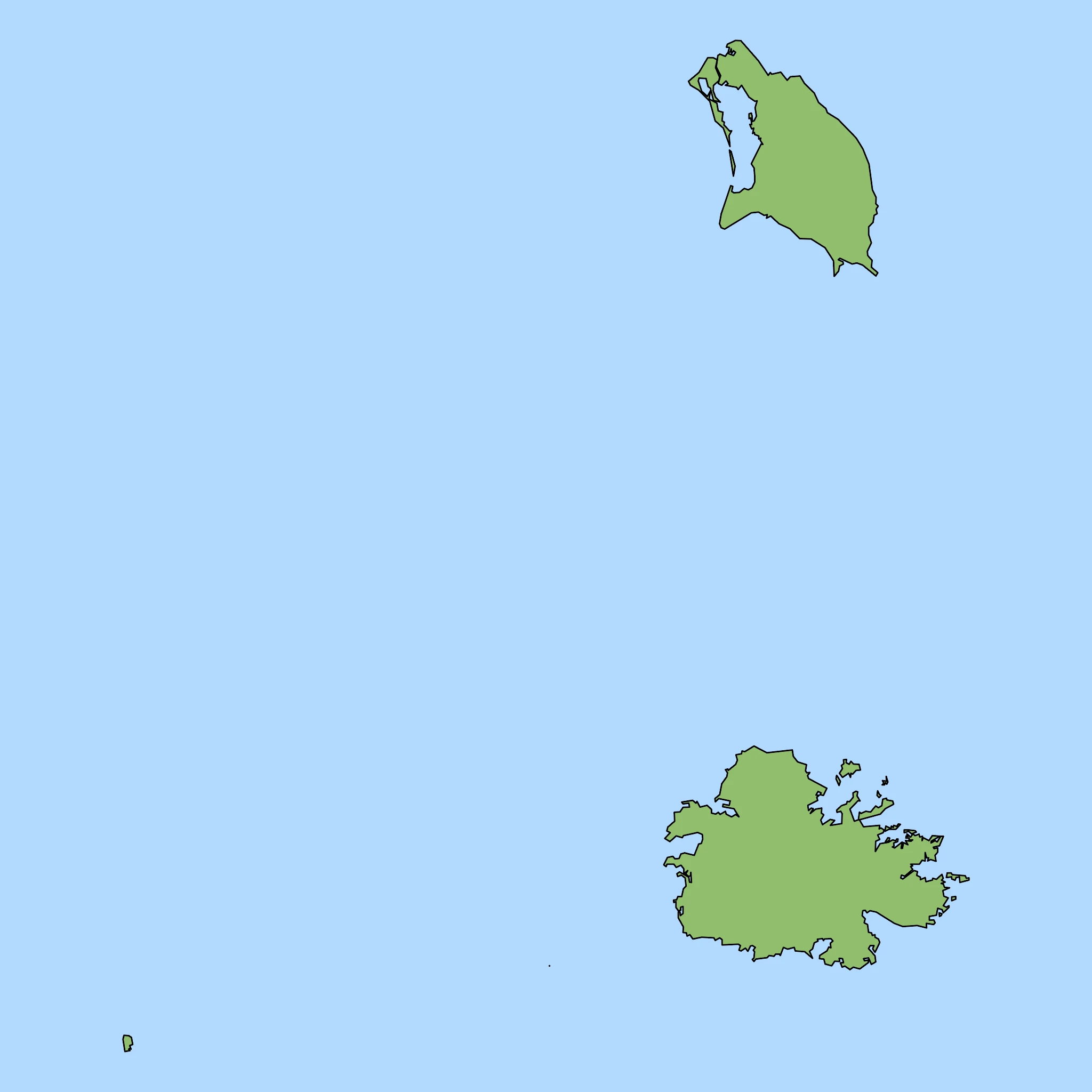
Map

Activities & Best Times

Beach & Sea
ExcellentBeach resorts, marine activities: diving, snorkelling, kite surfing, wind surfing, sailing
A world-class destination with 365 distinct beaches and exceptional marine visibility for sailing and diving. Peak dry months offer optimal calm seas and low rainfall, while the late summer and autumn (Jul-Nov) see high humidity and significant hurricane risk.

Relaxation & Wellness
Very GoodSpa retreats, wellness centers, peaceful getaways
Features an array of exclusive, high-end luxury resorts that cater to discerning travelers seeking peace and seclusion. The peak period provides the lowest humidity and most pleasant temperatures for outdoor wellness treatments and seaside meditation.

Sports & Active
Very GoodSport tourism, fitness activities, active recreation
While Antigua is a world-class sailing destination (Antigua Sailing Week, English Harbour), 'excellent' for sports_active broadly overstates the breadth of sporting offerings. The classification over-indexes on sailing/yachting. No sports-specific attractions in evidence data. 'Very_good' better reflects a destination with one outstanding sport but limited broader active sports infrastructure.

Adventure & Nature
GoodHiking, wildlife, outdoor exploration, ecotourism
Offers unique bird watching at Barbuda's Frigate Bird Sanctuary and hiking to scenic vistas like Shirley Heights. Dry conditions in early year are essential for navigating trails, as high rainfall from July to November makes terrain muddy and less accessible.

City & Cultural
GoodUrban tourism, museums, historical sites, architecture
The UNESCO Naval Dockyard is significant, but St. John's is a small Caribbean capital without major cultural institutions (no significant art galleries, theaters, or concert venues). Compared to Caribbean cultural centers like Havana, San Juan, or Cartagena, Antigua's cultural offering is primarily historical rather than broadly cultural. 'Good' is more internationally calibrated.

Educational & Exploratory
GoodLearning experiences, scientific sites, historical education
The islands offer significant historical learning through naval dockyards and sugar plantation ruins like Betty's Hope. Seasonal timing is dictated by weather suitability for guided outdoor tours of these archaeological and historical landmarks.

Festivals & Seasonal
GoodEvents, celebrations, seasonal attractions
The internationally famous Antigua Sailing Week (April) and the vibrant Summer Carnival (July/August) provide authentic cultural immersion. While July and August have higher rainfall, they are the 'peak' for these specific world-class cultural events.

Road Trips & Scenic
MarginalScenic drives, countryside tours, route-based travel
Fig Tree Drive provides a scenic route through the rainforest, but the islands' small scale limits the depth of a road trip experience. Best driven in the peak dry season when roads are in optimal condition and visibility is highest.

Airports & Flight Routes
Toggle options to view domestic routes and international airports. Click an airport for details.

Climate & Weather
Climate Overview
| Month | Temp (°C) | Rain (mm) | Humidity | Wind (m/s) |
|---|

Travel Advisory
The destination is generally safe; travelers should exercise the same level of safety awareness as they would at home.
Safety Topics
Traveller Advice (3 groups)

Accessibility infrastructure can be limited; consult specific governmental guides for detailed travel planning assistance.

Female travelers should remain vigilant, particularly when traveling alone, and avoid isolated spots like quiet beaches after dark.

Although same-sex acts were recently decriminalized, the local culture remains socially conservative; public displays of affection may attract unwanted attention.