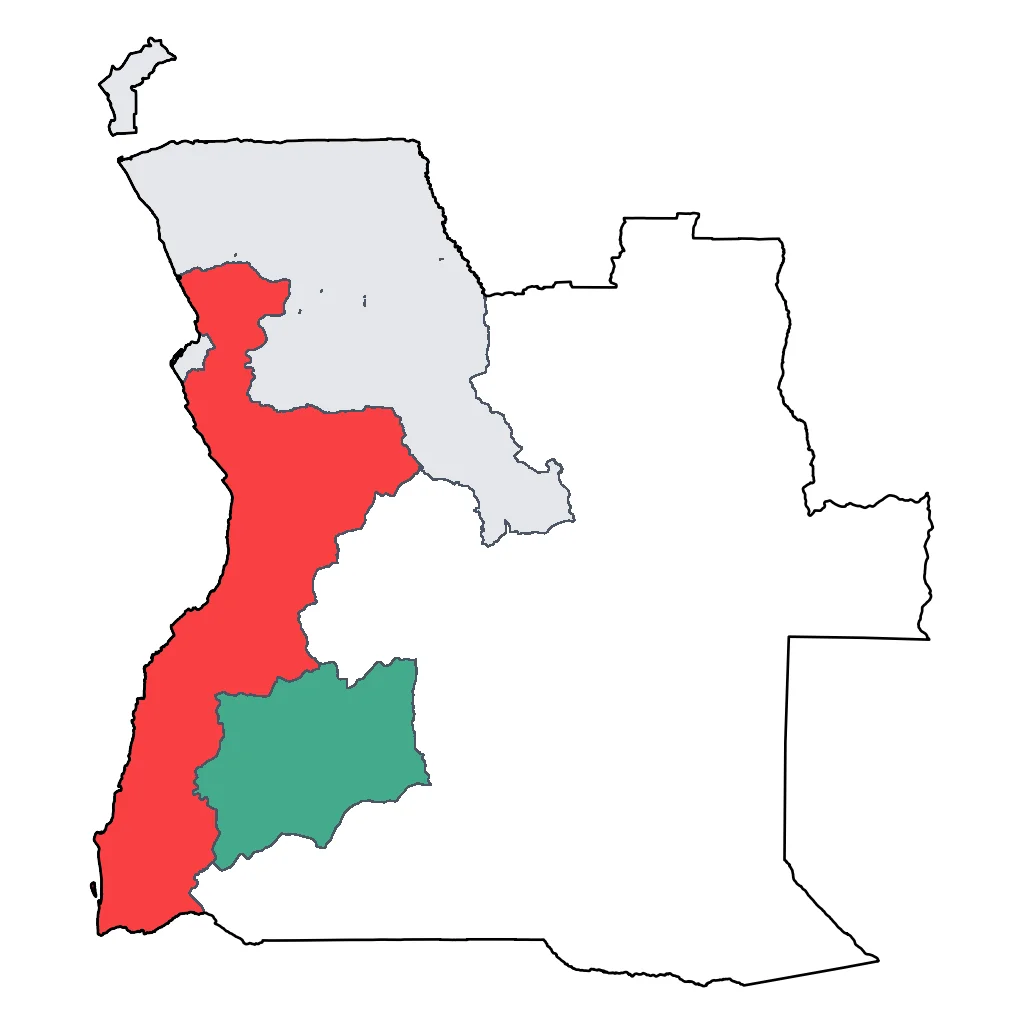
⚠️ SAFETY WARNING: Due to proximity to the DRC border and the Cabinda exclave region where separatist activity has occurred, government agencies (including the US, UK, and Canada) advise travelers to reconsider travel to Northern Angola. The security situation can change rapidly, and landmines remain a risk in remote areas. Families are strongly urged to consult their own government's official travel advisory before considering a trip, as circumstances and risk assessments vary.
Northern Angola is a region of deep historical significance and dense tropical vegetation, bordering the mighty Congo River. The cultural crown jewel of the area is Mbanza Kongo in Zaire Province, a UNESCO World Heritage site. This ancient city was the political and spiritual capital of the Kingdom of the Kongo, one of the largest states in Southern Africa from the 14th to 19th centuries. Families interested in history can visit the ruins of the Kulumbimbi Cathedral and the Royal Museum, which provide a tangible connection to the pre-colonial and early colonial past. The local guides can share fascinating stories of the intricate social systems and royal lineages that once ruled this land.
The landscape in provinces like Uíge is characterized by rolling green hills, coffee plantations, and thick forests, a sharp contrast to the drier south. The climate here is humid and tropical, supporting vibrant markets filled with fruit and cassava. While the natural beauty is evident, the infrastructure in the north is less developed than in the coastal cities. Roads can be unpredictable, ranging from paved highways to rough dirt tracks that require a 4x4 vehicle. Medical facilities are limited, so families must travel with a comprehensive first-aid kit and adequate supplies.
Due to the travel advisories, visiting this region requires strict adherence to safety protocols. Tourists should stick to main towns and primary routes, avoiding any travel near the borders or off-road areas where unexploded ordnance may still exist. Organized tours with reputable local operators are the only recommended way for families to explore the rich heritage of Mbanza Kongo safely.
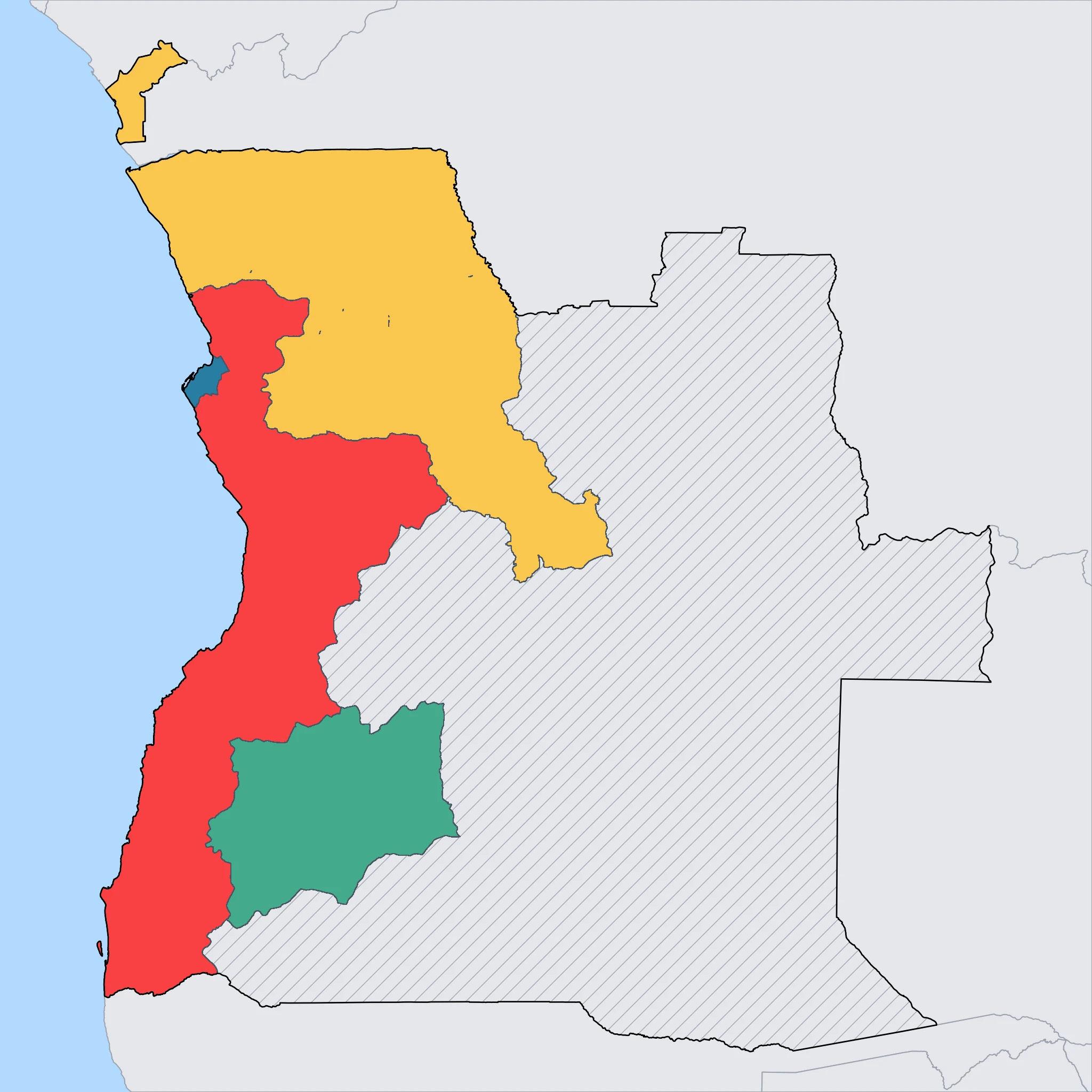
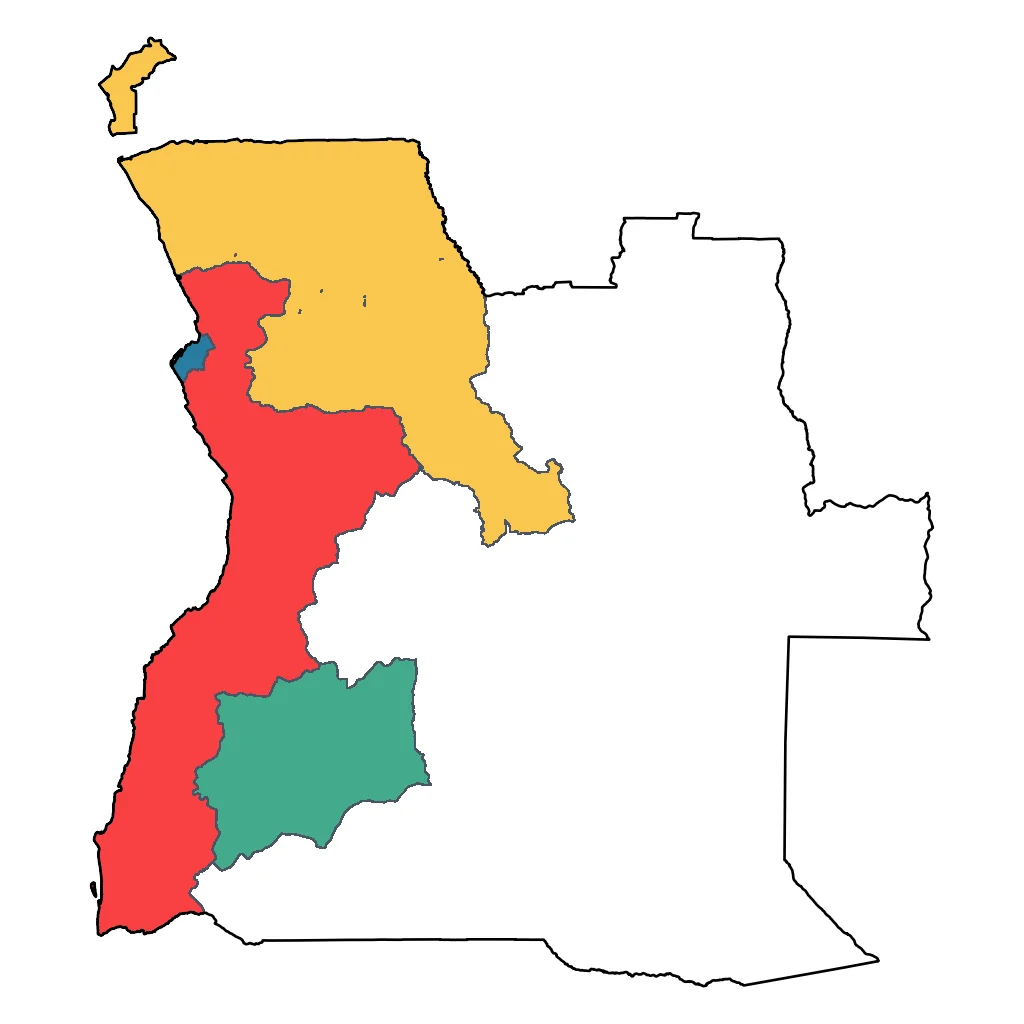
Click a region to explore

Activities & Best Times

Hiking, wildlife, outdoor exploration, ecotourism
Home to the majestic Kalandula Falls and the rare Giant Sable Antelope, offering world-class wildlife and nature encounters for adventurous families. The dry season (May-Sep) is critical for safe trail navigation, while heavy rains in March and November make rural exploration unsuitable for children.
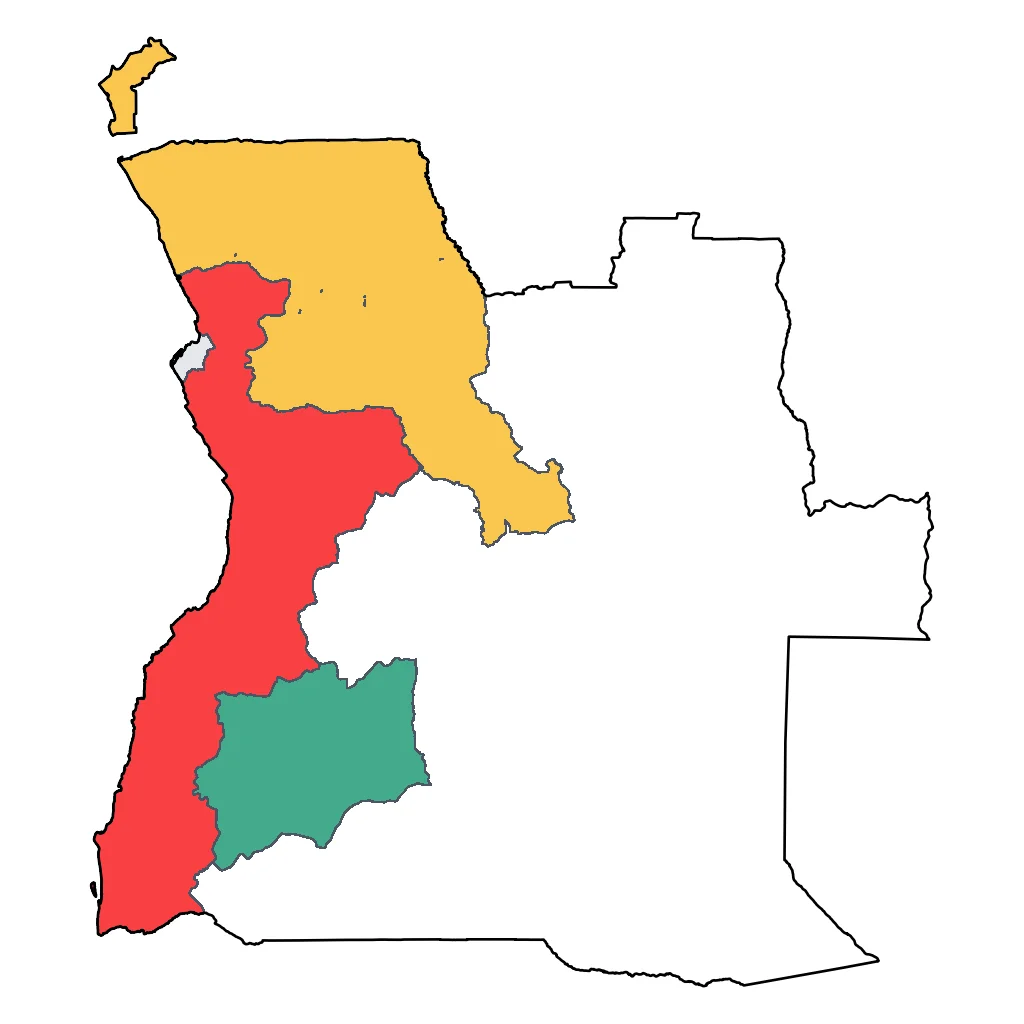

Urban tourism, museums, historical sites, architecture
The UNESCO ruins of M'banza-Kongo provide a sophisticated, non-commercialized dive into the Kingdom of Kongo's history. Dry conditions from May to September are ideal for family-friendly archaeological tours, while the intense tropical humidity of the off-season can make outdoor historical sites uncomfortable.
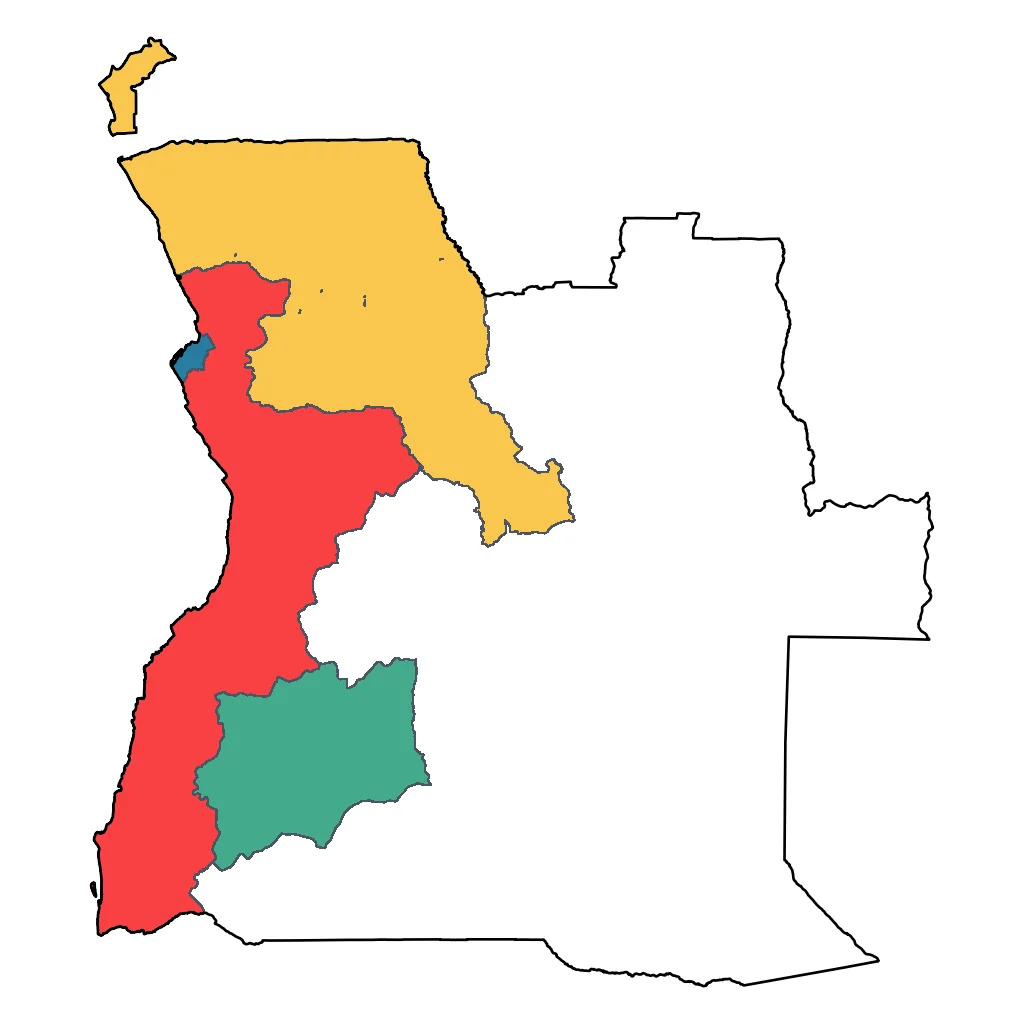

Learning experiences, scientific sites, historical education
Exceptional historical and biological learning at the Kingdom of Kongo ruins and Giant Sable sanctuaries for discerning families. Dry months provide the easiest logistical access for children to join guided research tours, whereas the rainy season creates significant barriers for travel.

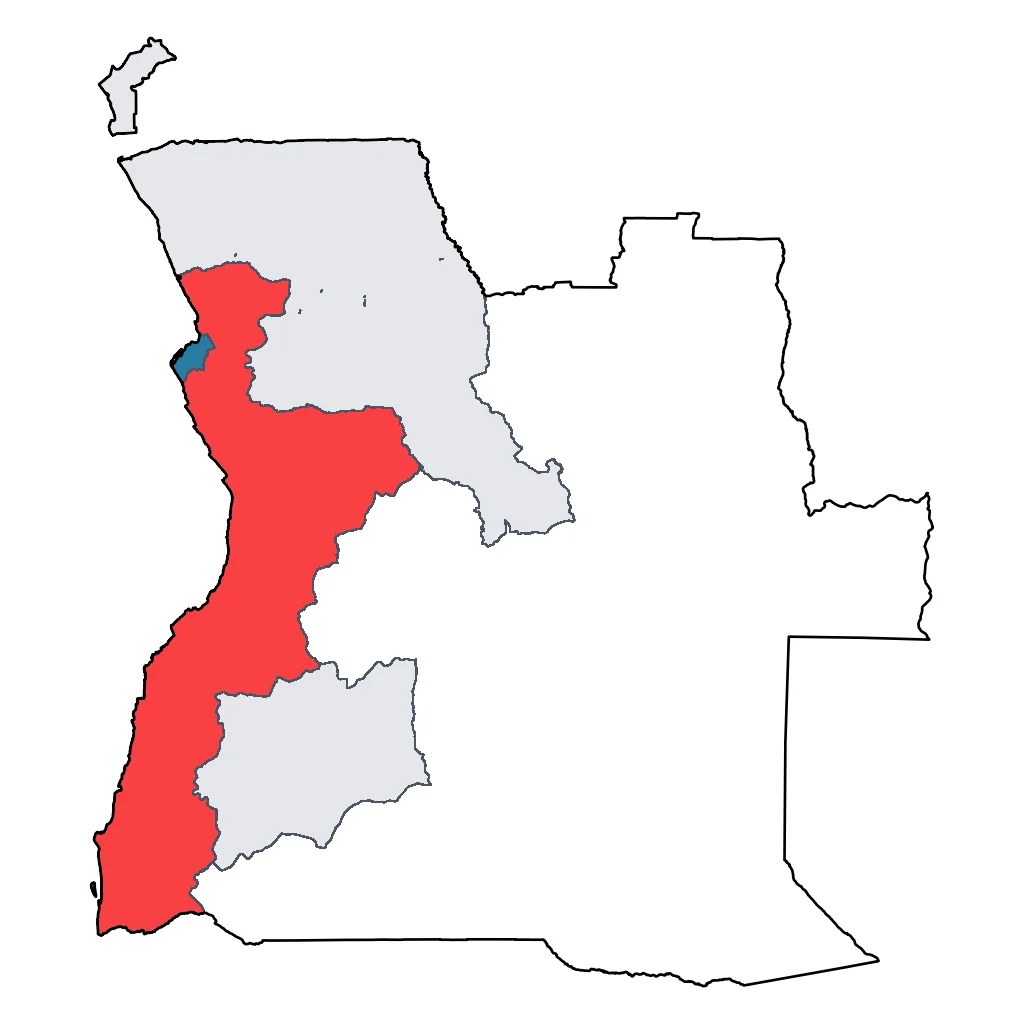
Beach resorts, marine activities: diving, snorkelling, kite surfing, wind surfing, sailing
Rugged Atlantic coastline near Soyo offers authentic exploration for families seeking off-the-beaten-path experiences, though it lacks high-end international resorts. The dry season offers pleasant weather and better sea visibility, while the off-season is plagued by high humidity and heavy tropical storms.

Scenic drives, countryside tours, route-based travel
Scenic drives through coffee highlands and past the Pedras Negras monoliths offer stunning landscapes for well-equipped family expeditions. Reliable travel is limited to the dry season (May-Sep) to ensure road safety and clear visibility across the lush northern plateaus.