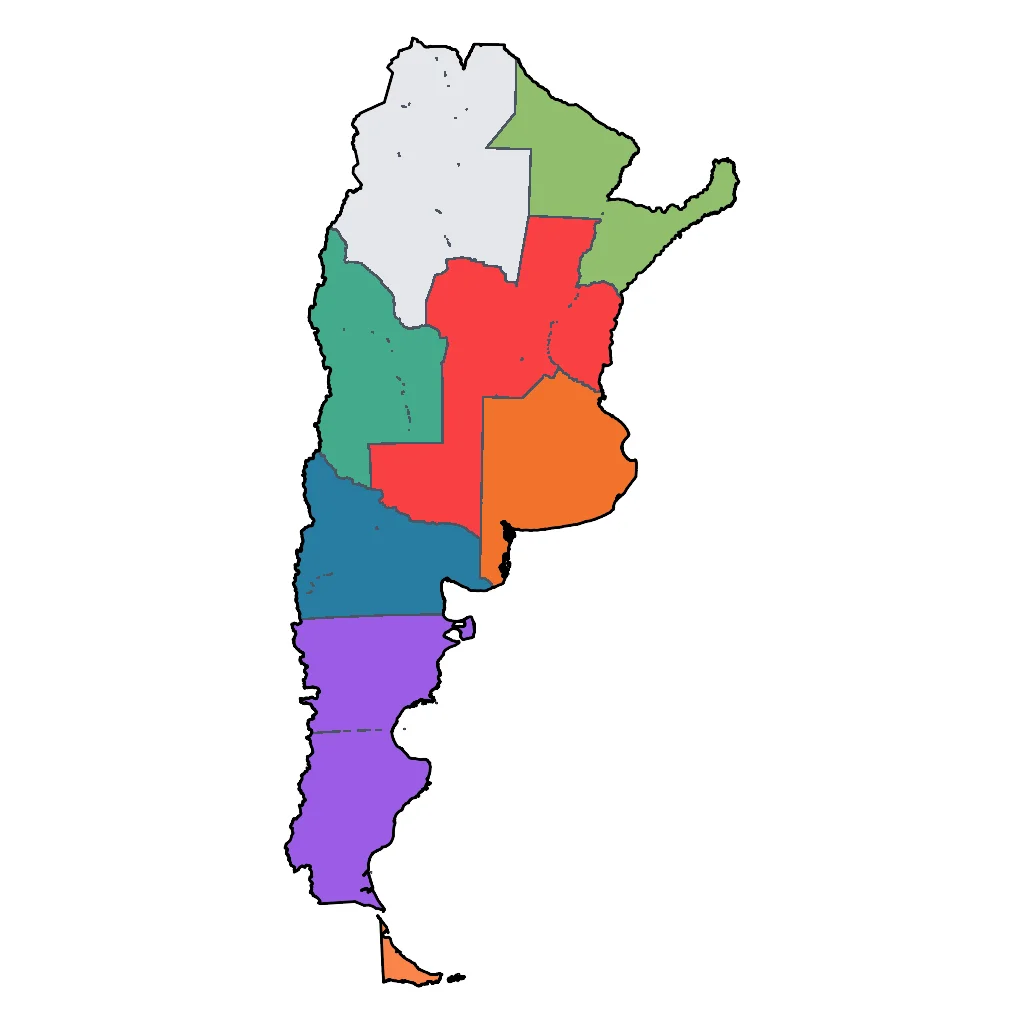
Northwest Argentina & Andean Highlands
Colorful canyons, llamas, and ancient culture 🌵🦙
The Northwest (NOA) offers a landscape of dramatic contrasts, from red rock canyons to high-altitude deserts, deeply rooted in Andean culture. Families travelling here should be aware of the altitude; places like the salt flats sit above 3,000 meters, so it is wise to ascend gradually, keep kids hydrated, and plan for slower-paced days. The region is famous for its vivid geology, particularly in the Quebrada de Humahuaca, a UNESCO World Heritage valley where mountains are striped in rainbows of mineral colors. The village of Purmamarca sits at the base of the Hill of Seven Colors and is compact enough for small children to explore easily.
A major draw for families is the Salinas Grandes, a vast expanse of white salt crust. It creates a natural optical illusion where you can take fun trick photos—a hit with teenagers and younger kids alike. Driving there involves a winding mountain road, so medication for motion sickness is a good addition to the packing list. Along the way, you will likely encounter herds of llamas and vicuñas grazing by the roadside, offering excellent photo opportunities and a chance to see these iconic Andean animals in the wild.
The city of Salta, known as "La Linda" (The Beautiful), serves as a comfortable base with excellent amenities. The High Mountain Archaeology Museum (MAAM) is fascinating but contains preserved child mummies, which parents should vet beforehand depending on their children's sensitivity. For a lighter experience, the cable car (Teleférico) to the top of San Bernardo Hill offers panoramic views and landscaped gardens with artificial waterfalls.
Food in the Northwest is a highlight, with empanadas (meat pastries) and humitas (corn mash) being kid-friendly staples. The pace of life here is slower and more traditional than in Buenos Aires, with a strong indigenous heritage that is visible in the music, crafts, and festivals. Exploring the red rock formations of Cafayate, often compared to the American Southwest but less crowded, allows for easy scrambling and hiking that feels like a real adventure for little explorers.
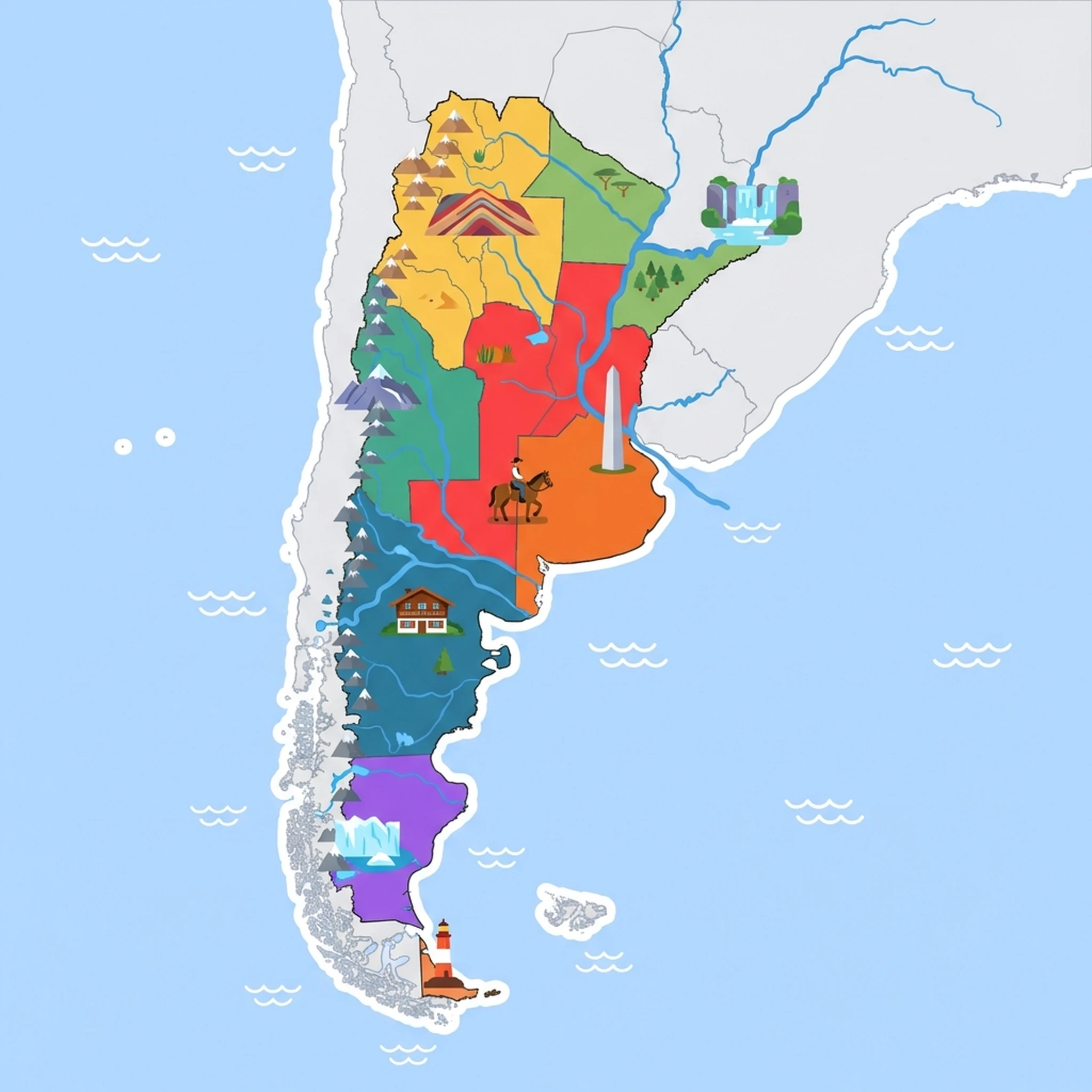
Click a region to explore

Activities & Best Times

Hiking, wildlife, outdoor exploration, ecotourism
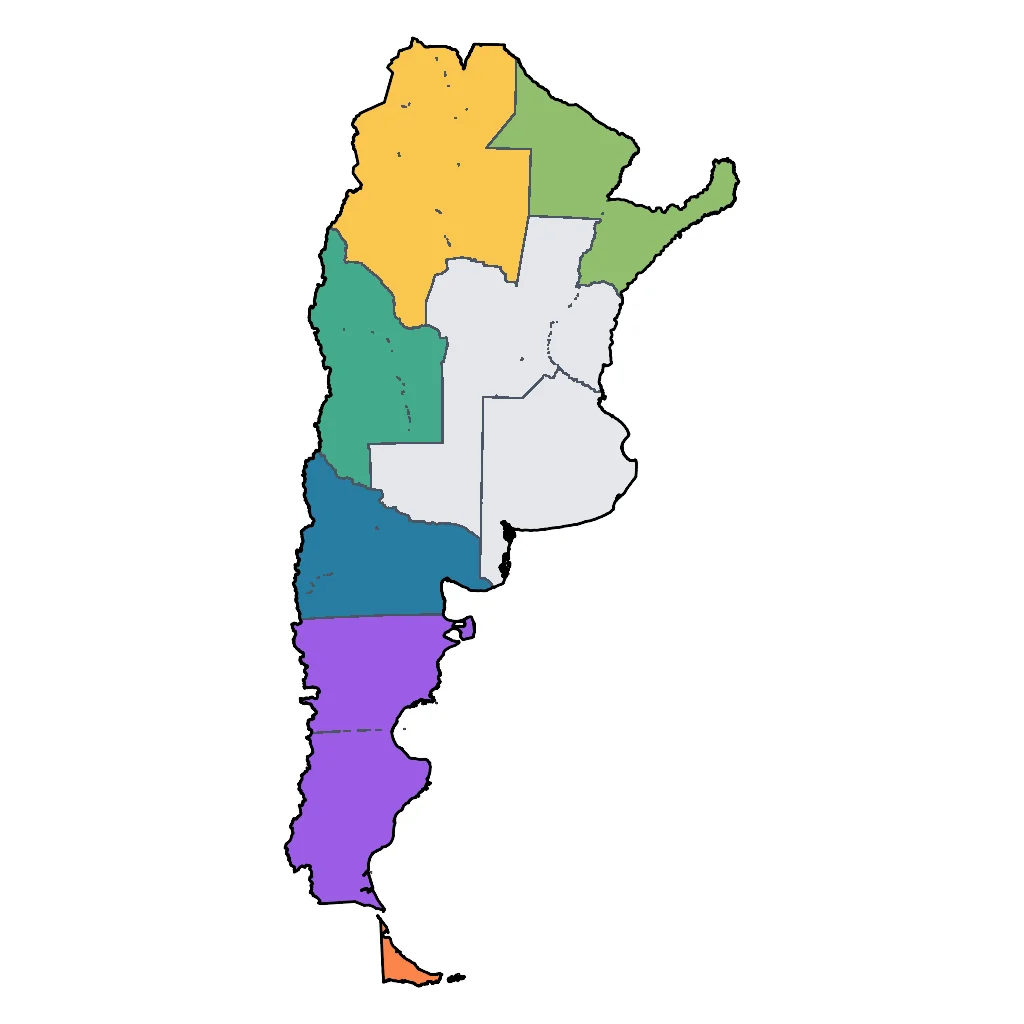
Home to the Salinas Grandes and the UNESCO-listed Quebrada de Humahuaca, this region offers some of the world's most unique high-altitude landscapes. Peak months provide zero rainfall and crystal-clear skies for mountain exploration, while summer rains (Jan-Mar) can cause landslides and flood the salt flats.

Learning experiences, scientific sites, historical education
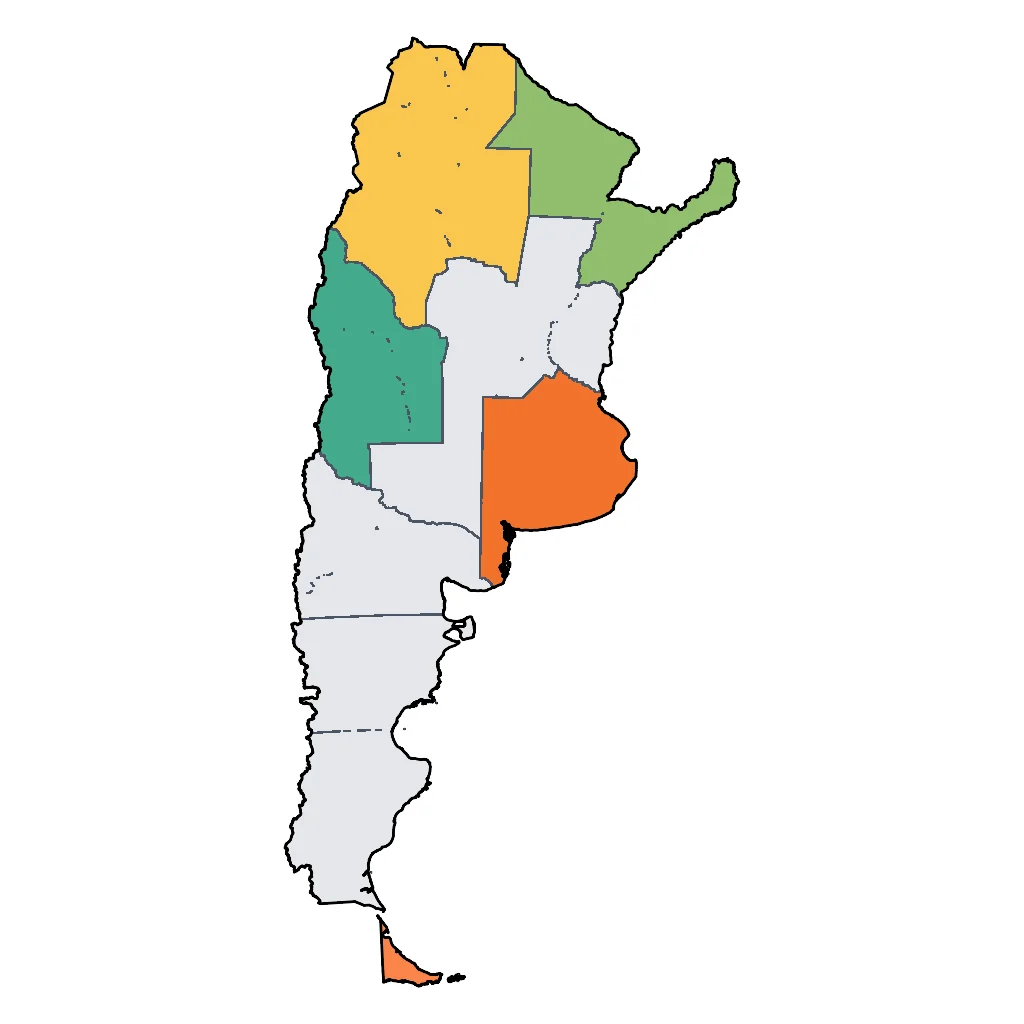
The region is a living classroom of Pre-Columbian history and extreme geology, featuring world-class archaeological sites and unique indigenous traditions. Peak conditions align with the dry season when remote high-altitude research sites are most accessible to sophisticated travelers.

Scenic drives, countryside tours, route-based travel
Iconic routes like the Cuesta del Obispo and Route 40 offer world-class scenic drives through multi-colored canyons and Andean plateaus. Peak season ensures dry, safe road conditions and maximum visibility, whereas the summer monsoon (Dec-Mar) frequently leads to road closures in mountainous terrain.
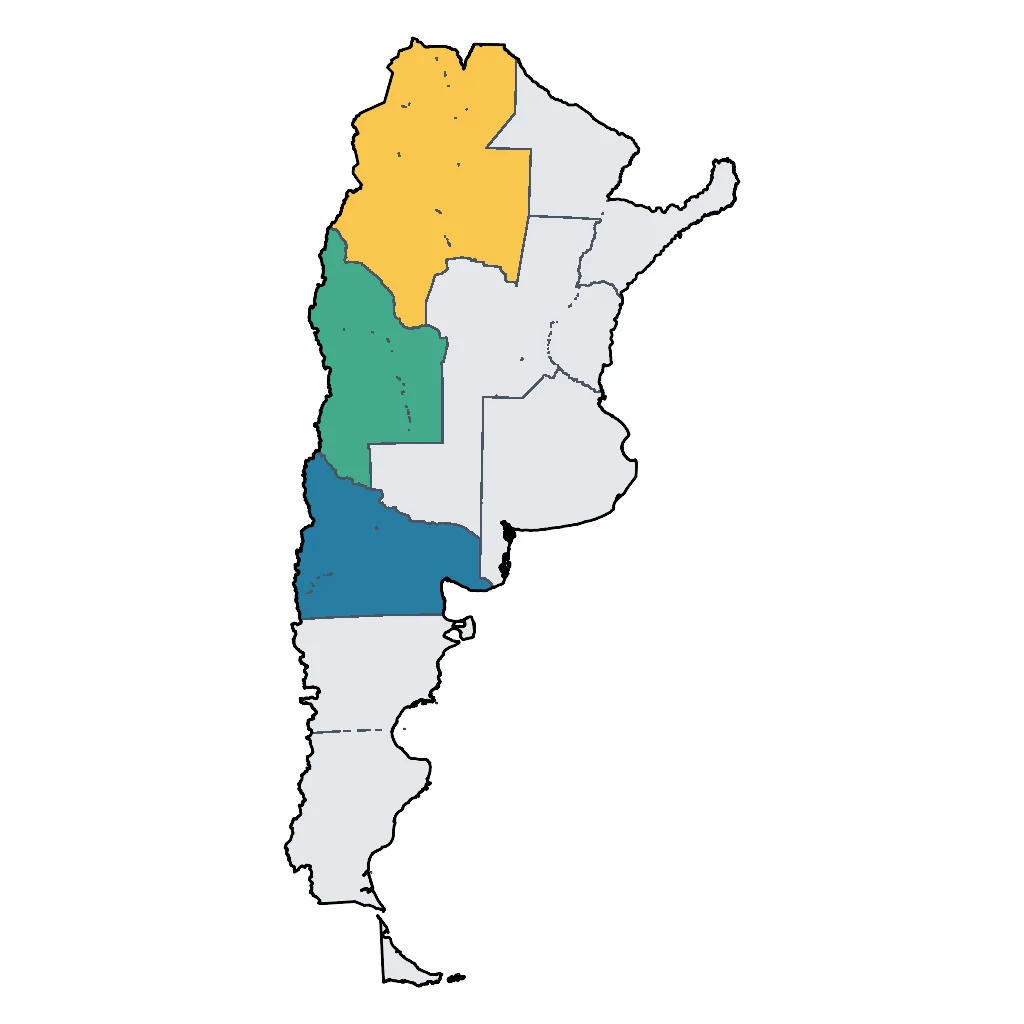

Urban tourism, museums, historical sites, architecture
Salta ('La Linda') is a world-class example of Spanish colonial architecture and home to the MAAM museum, which houses internationally significant Inca mummies. The dry winter months offer mild temperatures ideal for exploring urban heritage; summer is too humid and hot for comfortable city sightseeing.
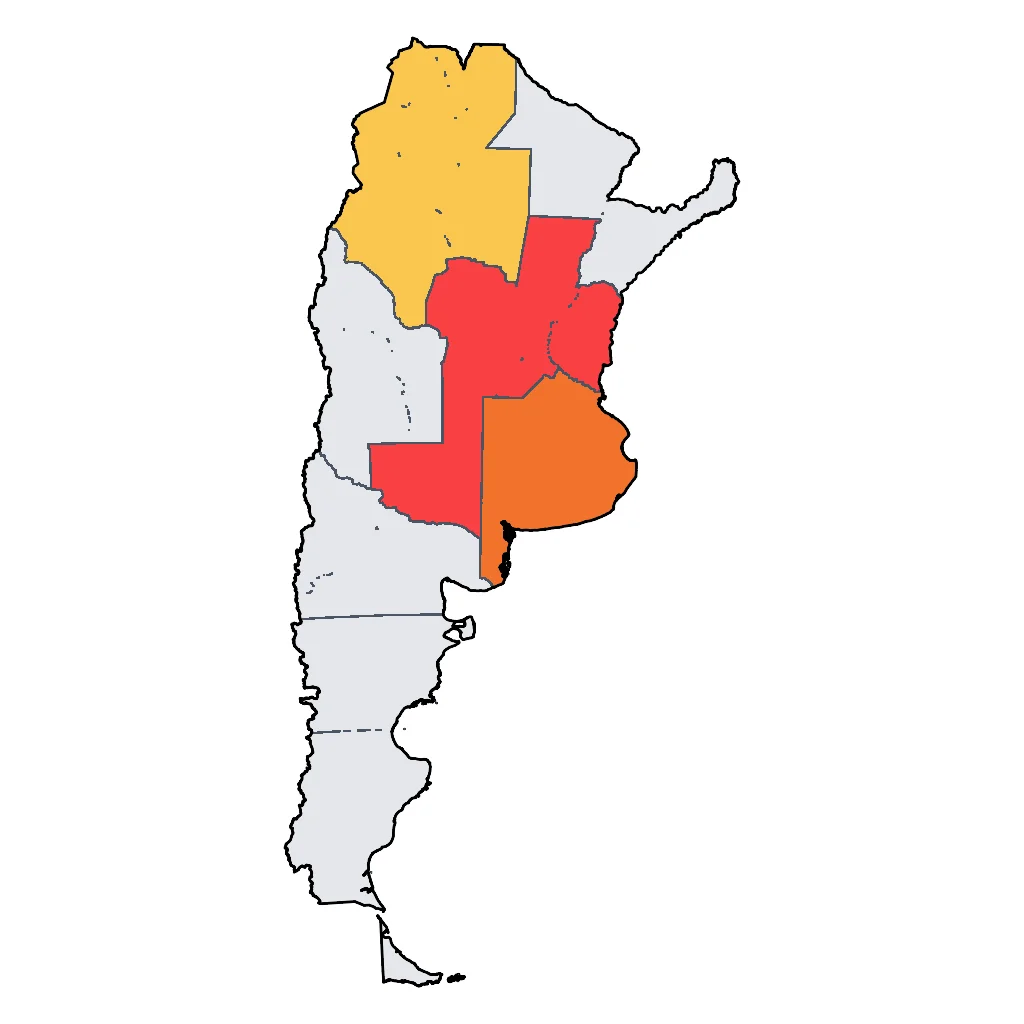

Events, celebrations, seasonal attractions
Features deeply authentic Andean celebrations, most notably the Carnival of Humahuaca (Feb) and the Month of the Pachamama (Aug). While February falls in the rainy season, the cultural significance of Carnival makes it a peak period for experienced travelers seeking authenticity.
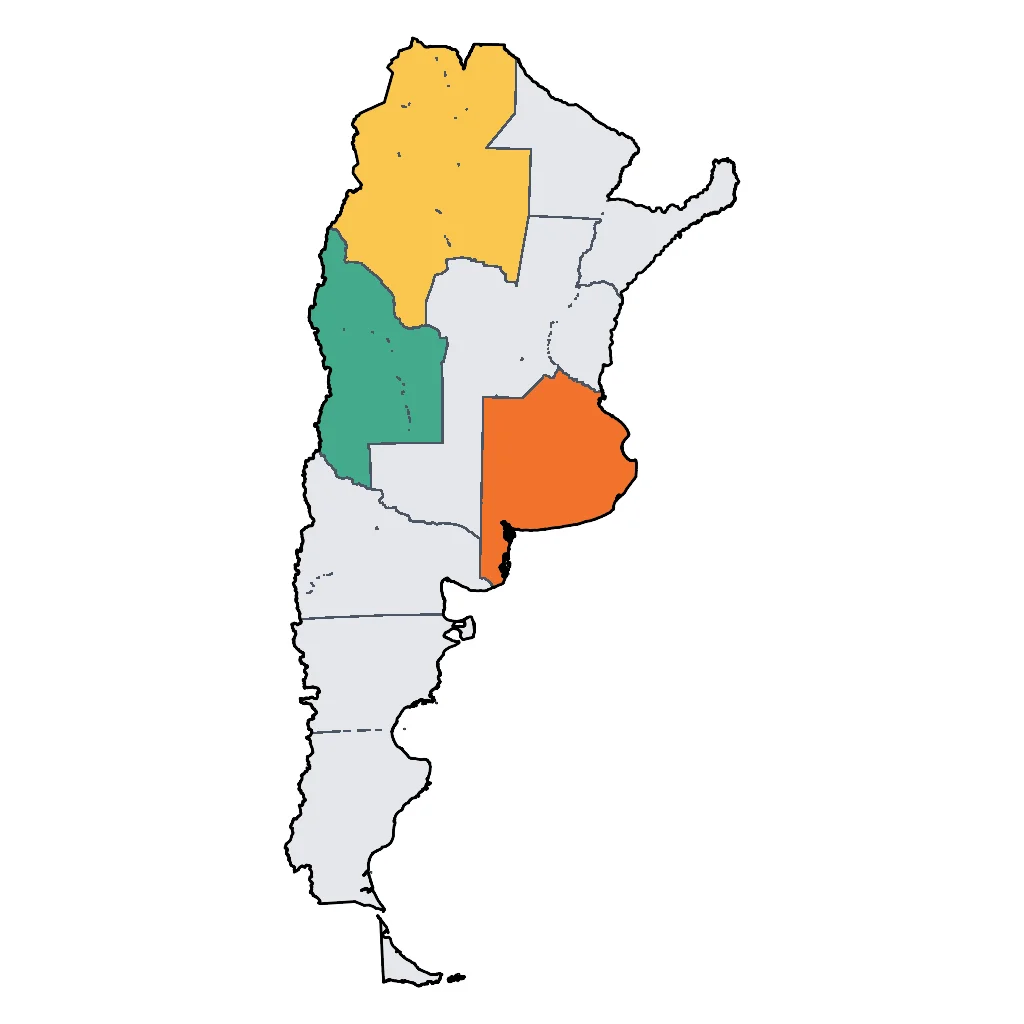

Spa retreats, wellness centers, peaceful getaways
Boutique wine lodges in Cafayate offer high-end spa retreats and serene vineyard settings specialized in unique high-altitude viticulture. These retreats are best enjoyed during the dry, crisp months; the high humidity of Jan-Feb can detract from the peaceful, outdoor wellness experience.
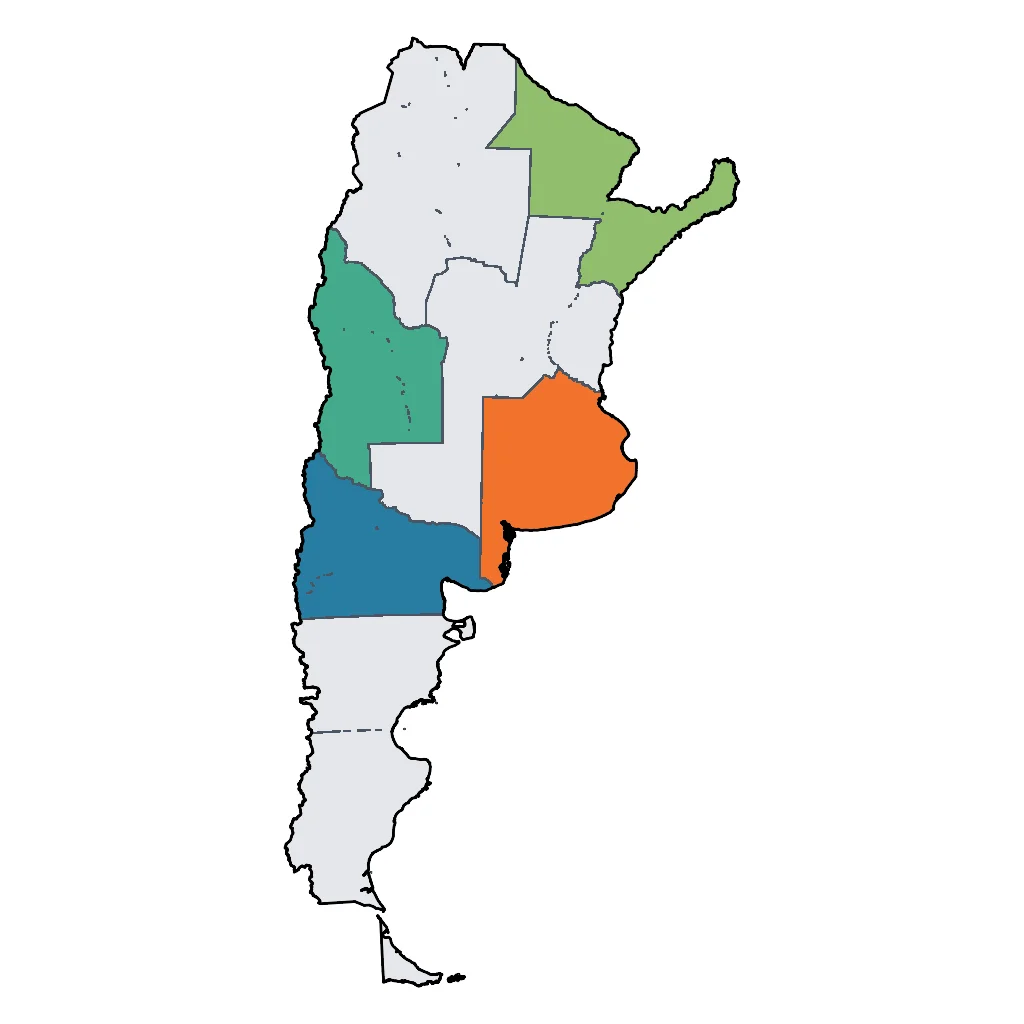

Sport tourism, fitness activities, active recreation
A premier destination for high-altitude trekking and gravel cycling across the Puna. The dry, cool winter provides stable conditions for active pursuits, whereas the intense summer heat and unpredictable mountain storms make physical exertion uncomfortable and dangerous.