

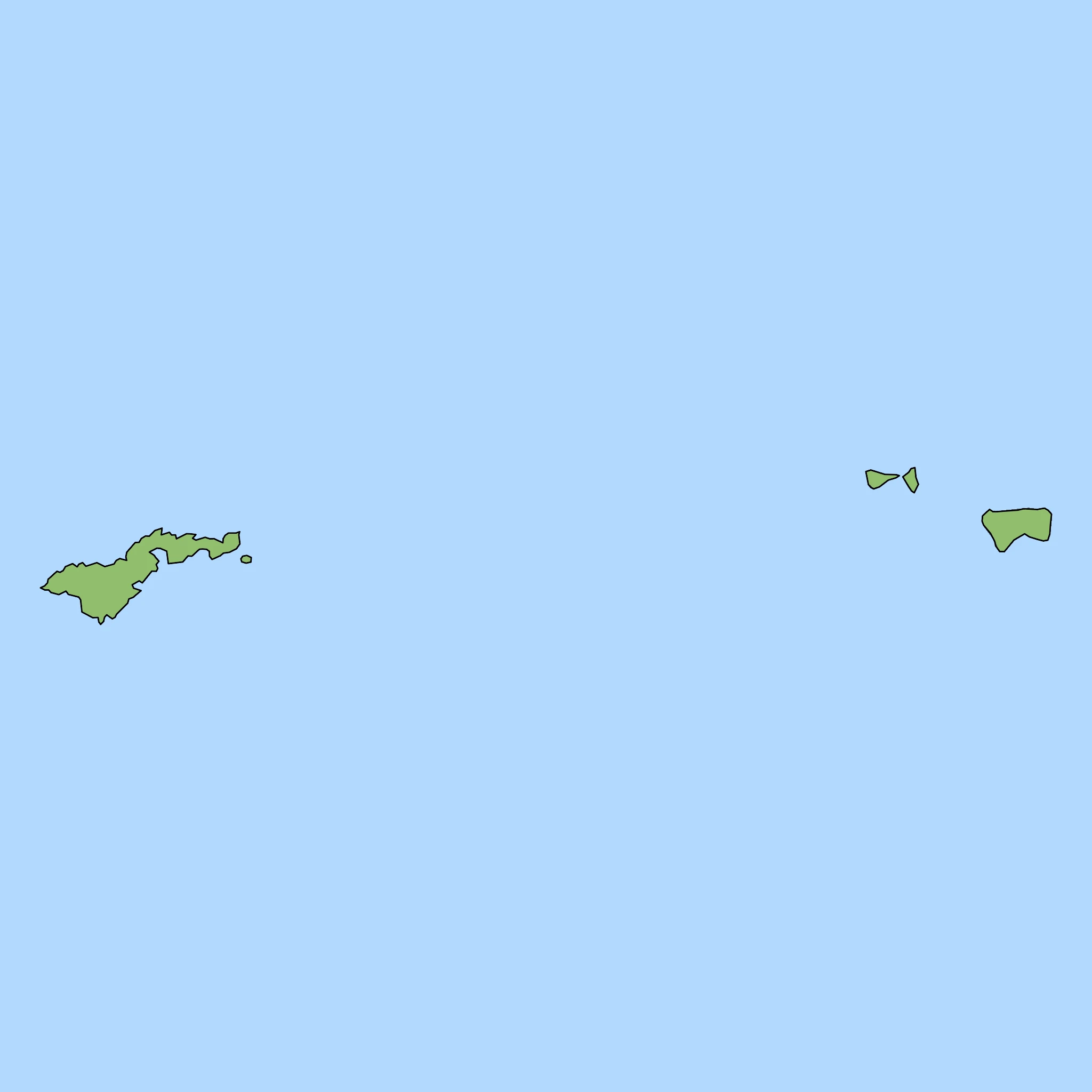
American Samoa is a dream destination for families seeking an off-the-beaten-path tropical escape without leaving the protection of the United States. Located halfway between Hawaii and New Zealand, this unique territory combines dramatic volcanic landscapes with deep-rooted Polynesian traditions. For U.S. citizens, travel is straightforward with no visa required, and the use of the U.S. dollar makes budgeting simple. It offers a slower, more authentic pace than heavily touristed Pacific neighbors, making it perfect for families who want to connect with nature and each other.
The crown jewel for nature lovers is the National Park of American Samoa, the only U.S. national park south of the equator. Here, families can hike the family-friendly Lower Sauma Ridge Trail to see ancient archaeological sites and stunning coastal views. Kids will be mesmerized by the large fruit bats, known locally as pe'a, which soar through the rainforest canopy during the day. For a mix of history and hiking, the trail to Blunts Point Battery lets children explore well-preserved WWII cannons while enjoying panoramic views of Pago Pago Harbor.
Water activities are safe and accessible for younger swimmers. Two Dollar Beach (officially Avaio Beach) is a favorite for families due to its calm, shallow waters and sandy shores perfect for picnics. Another highlight is Fatu ma Futi, also known as Flower Pot Rock, where shallow tide pools allow little ones to paddle safely while spotting small fish and crabs. For an unforgettable local experience, hop aboard a brightly painted aiga bus. These open-air vehicles blast cheerful island music and offer a fun, inexpensive way to tour the coastline that children absolutely love.
Culturally, American Samoa is deeply grounded in Fa'a Samoa (The Samoan Way). Families should be aware that Sundays are strictly for rest and church; most businesses close, and swimming is often restricted in village waters, offering a perfect excuse for a quiet family day. The locals are incredibly warm and welcoming, often treating visitors like extended family. Whether you are sharing fresh tropical fruit at a roadside market or watching a traditional fiafia dance night, the hospitality here is legendary.
Travelers should pack for a tropical rainforest climate; warm rain showers are common but pass quickly, keeping the islands lush and green. While English is widely spoken, learning a few words of Samoan like talofa (hello) will earn you smiles everywhere you go. With its blend of U.S. infrastructure and untouched Polynesian beauty, American Samoa offers a safe, educational, and vibrant playground for families.

Map

Activities & Best Times

Adventure & Nature
Very GoodHiking, wildlife, outdoor exploration, ecotourism
Home to the only US National Park south of the equator, offering pristine rainforests, volcanic ridges, and unique wildlife like Pteropus fruit bats. The 'dryer' months (Jun-Aug) are peak for hiking, as extreme rainfall exceeding 500mm in other months makes trails muddy and dangerous.

Beach & Sea
GoodBeach resorts, marine activities: diving, snorkelling, kite surfing, wind surfing, sailing
Offers world-class, uncrowded snorkeling and the legendary white sands of Ofu Beach. While beautiful, it lacks the high-end luxury resort infrastructure expected by some discerning travelers, and visibility is best during the relatively drier months of June through August.

City & Cultural
GoodUrban tourism, museums, historical sites, architecture
The capital, Pago Pago, provides a unique cultural landscape defined by traditional communal values and its dramatic harbor setting. It avoids commercialization found elsewhere in the Pacific, though infrastructure is modest; the drier months are best for navigating the town and participating in village customs.

Educational & Exploratory
GoodLearning experiences, scientific sites, historical education
Families can explore authentic Polynesian 'Fa'a Samoa' culture and marine conservation efforts in a non-commercialized setting. Educational access to the National Park and marine sanctuaries is most reliable when tropical storms and heavy rains are least frequent mid-year.

Sports & Active
GoodSport tourism, fitness activities, active recreation
Provides exceptional opportunities for rugged hiking and tropical snorkeling for active families. The intense humidity and massive rainfall during the wet season (Nov-Apr) can be physically taxing, making the cooler, slightly drier mid-year window the optimal time for activity.

Relaxation & Wellness
MarginalSpa retreats, wellness centers, peaceful getaways
Ideal for a 'digital detox' and secluded retreat in the remote Manu'a Islands, though it lacks international-standard luxury spa facilities. The dry season offers lower humidity for comfortable outdoor relaxation, while the off-season poses a risk of cyclones and extreme heat.

Road Trips & Scenic
MarginalScenic drives, countryside tours, route-based travel
Tutuila offers dramatic coastal drives and mountain vistas, but the limited road network is best suited for short day explorations. Optimal visibility and road safety are found during the drier months (Jun-Sep), as heavy seasonal rains can cause localized flooding and poor driving conditions.
Attractions
29 attractions to explore. Click markers for details.
Airports & Flight Routes
Toggle options to view domestic routes and international airports. Click an airport for details.
Climate & Weather
Climate Overview
| Month | Temp (°C) | Rain (mm) | Humidity | Wind (m/s) |
|---|

Travel Advisory
Standard travel safety awareness applies; no elevated risks have been identified by major international agencies.
Safety Topics
Traveller Advice (2 groups)

Female travelers should dress modestly when visiting local villages or attending church services. Covering shoulders and knees is the cultural norm and shows respect for local traditions.

While not illegal, same-sex relationships and public displays of affection may be met with conservative social attitudes due to the strong influence of the church in daily life.