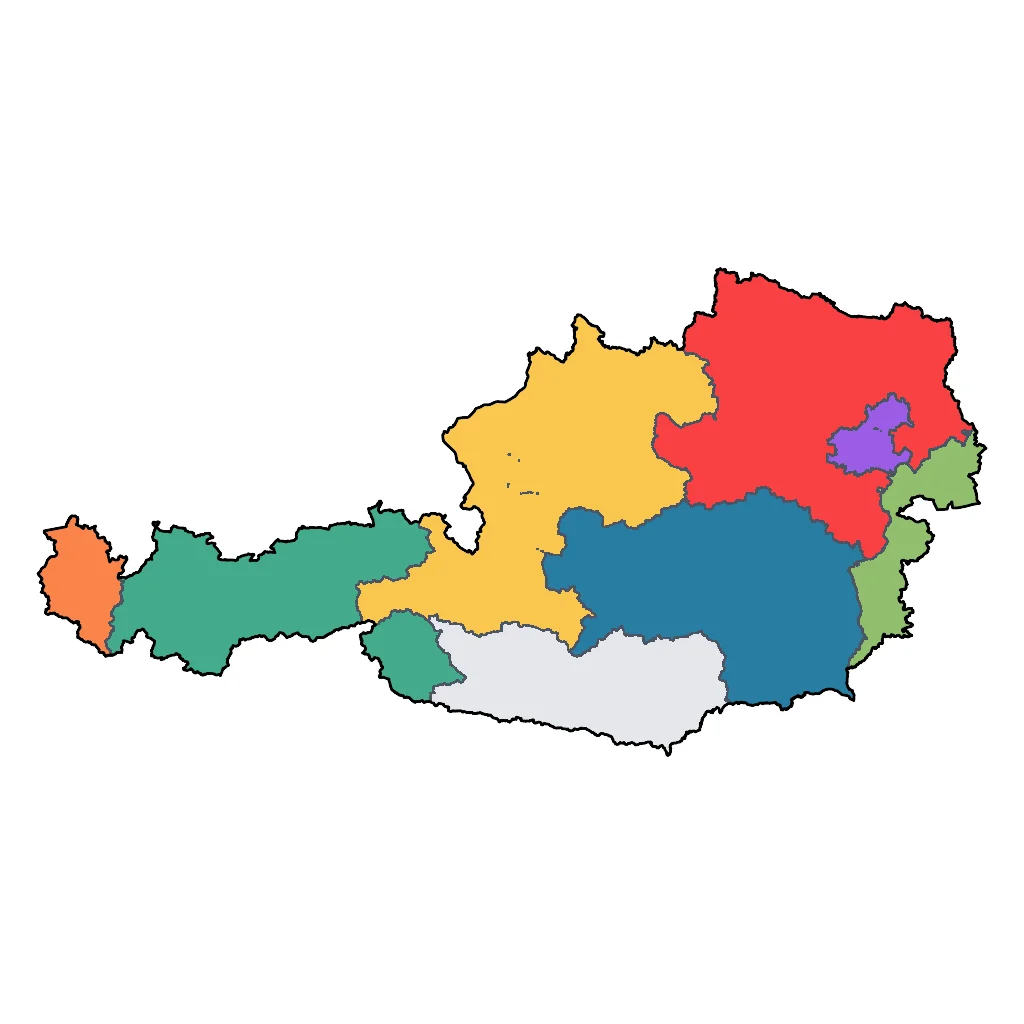

Carinthian Lakes & Southern Alps
Warm swimming lakes and sunny alpine adventures 🏊⛰️
Located in Austria's sunny south, Carinthia (Kärnten) offers a blend of Alpine majesty and a relaxed, almost Mediterranean atmosphere. The primary draw for families is the abundance of pristine, drinking-water quality lakes. Unlike the chilly glacial waters found elsewhere in the Alps, lakes such as Wörthersee, Millstätter See, and Klopeiner See warm up quickly in the summer, often reaching 26–28°C, making them ideal for all-day swimming and water sports.
Beyond the water, the region is packed with attractions designed for children. Near the regional capital of Klagenfurt, Minimundus displays over 150 miniature models of famous global structures, allowing kids to 'travel the world' in an afternoon. Just a short drive away stands the Pyramidenkogel, the world's highest wooden observation tower. After enjoying the view, adventurous families can bypass the stairs and take the 120-meter indoor slide back down to the ground.
Wildlife encounters are frequent here. The Affenberg Landskron (Monkey Mountain) allows visitors to walk through a park inhabited by free-roaming Japanese macaques. Guides explain the monkeys' behavior while ensuring safety, providing a rare close-up experience with nature. Nearby, the majestic Landskron Castle hosts impressive birds of prey shows where eagles and falcons soar directly over the heads of the audience.
Geographically, the proximity to Italy and Slovenia influences both the culture and food. Families can enjoy 'Kärntner Kasnudeln' (cheese-filled pasta) that rivals Italian ravioli. For active families, the cycling routes along the Drau River are well-maintained and mostly flat. In winter, the ski resorts here, such as Nassfeld or Gerlitzen, are known for being particularly family-friendly, offering wide slopes and abundant sunshine compared to the northern Alps.
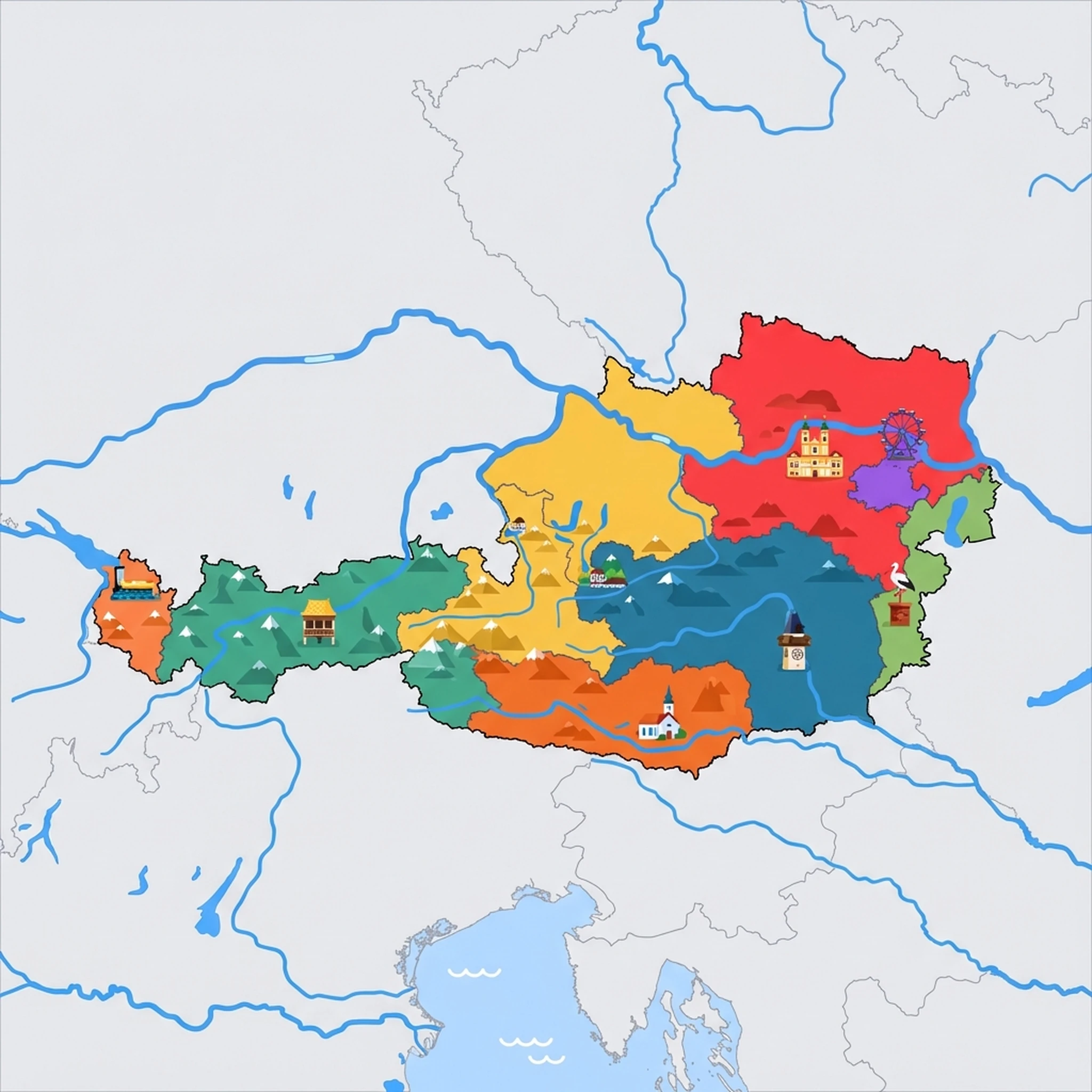
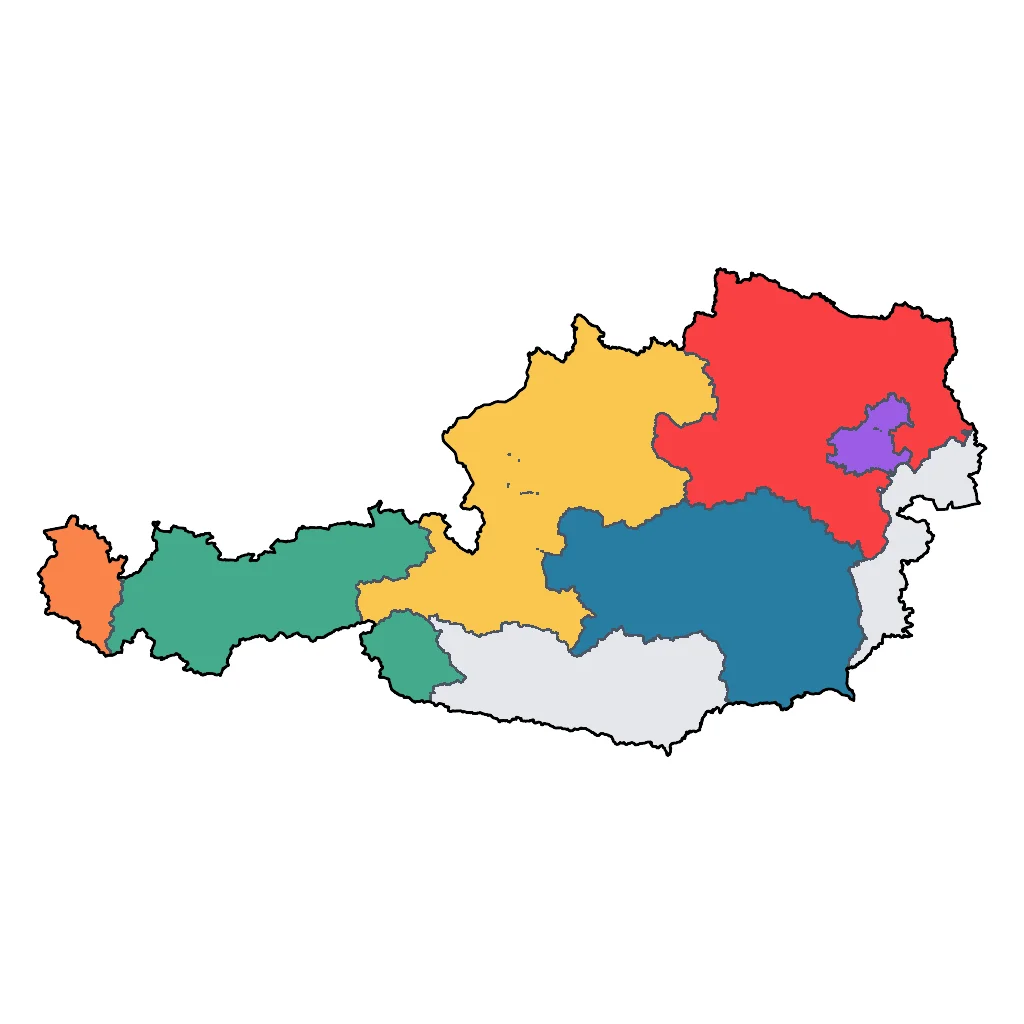
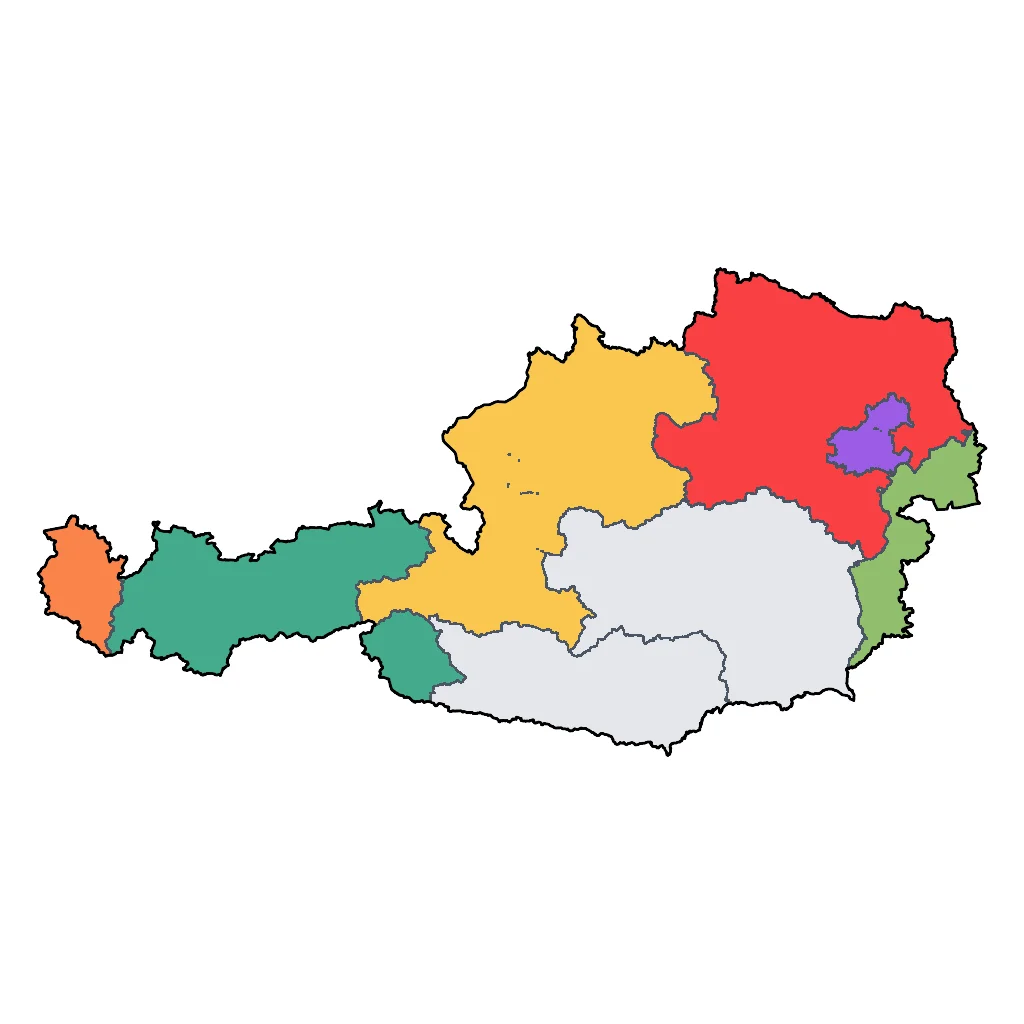
Click a region to explore

Activities & Best Times

Scenic drives, countryside tours, route-based travel
The Grossglockner High Alpine Road is a globally recognized engineering marvel offering unparalleled scenic views. Peak months align with the guaranteed opening of high mountain passes, while heavy winter snow (Nov-Apr) forces total closure of the most spectacular routes.
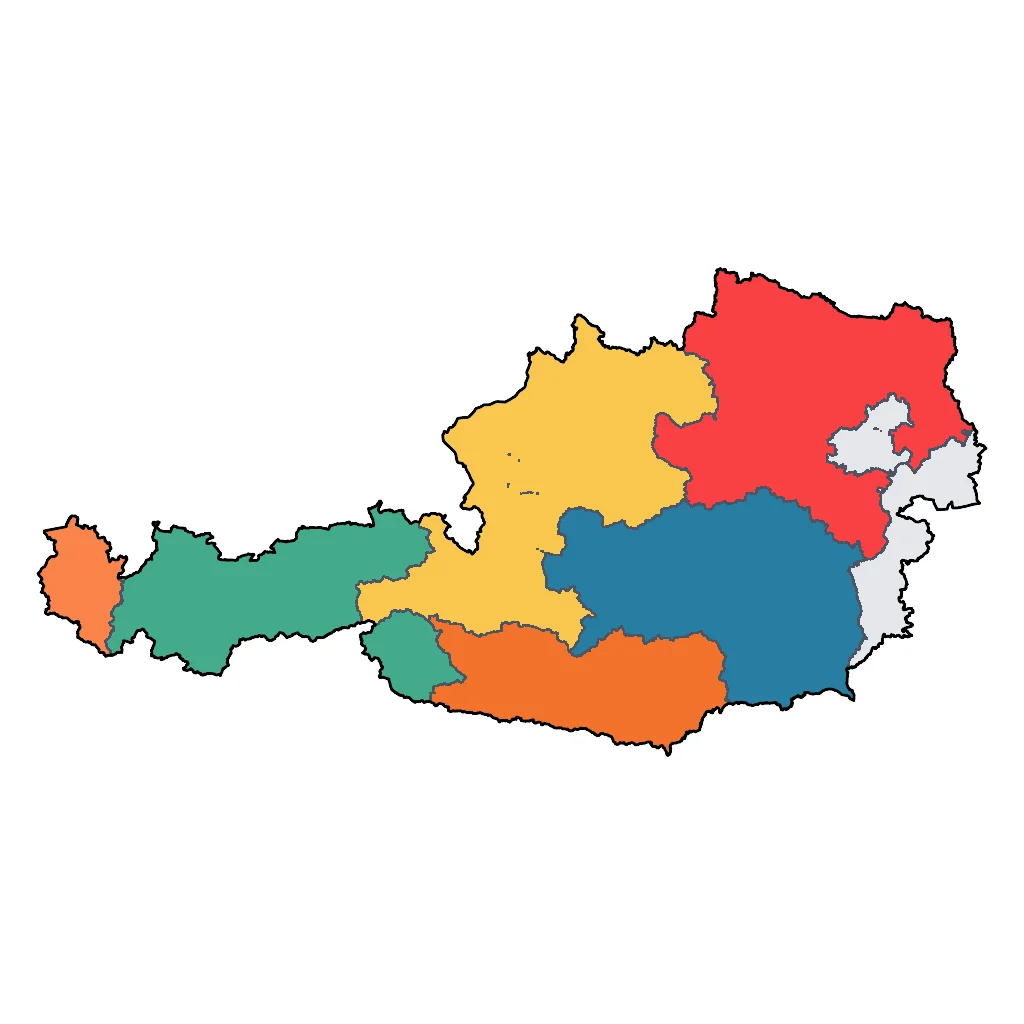

Hiking, wildlife, outdoor exploration, ecotourism
Home to the Hohe Tauern National Park, this region offers pristine alpine wilderness and unique biodiversity. Peak summer (Jul-Aug) allows for high-altitude exploration and wildlife viewing, while shoulder months offer quieter trails despite variable spring and autumn temperatures.
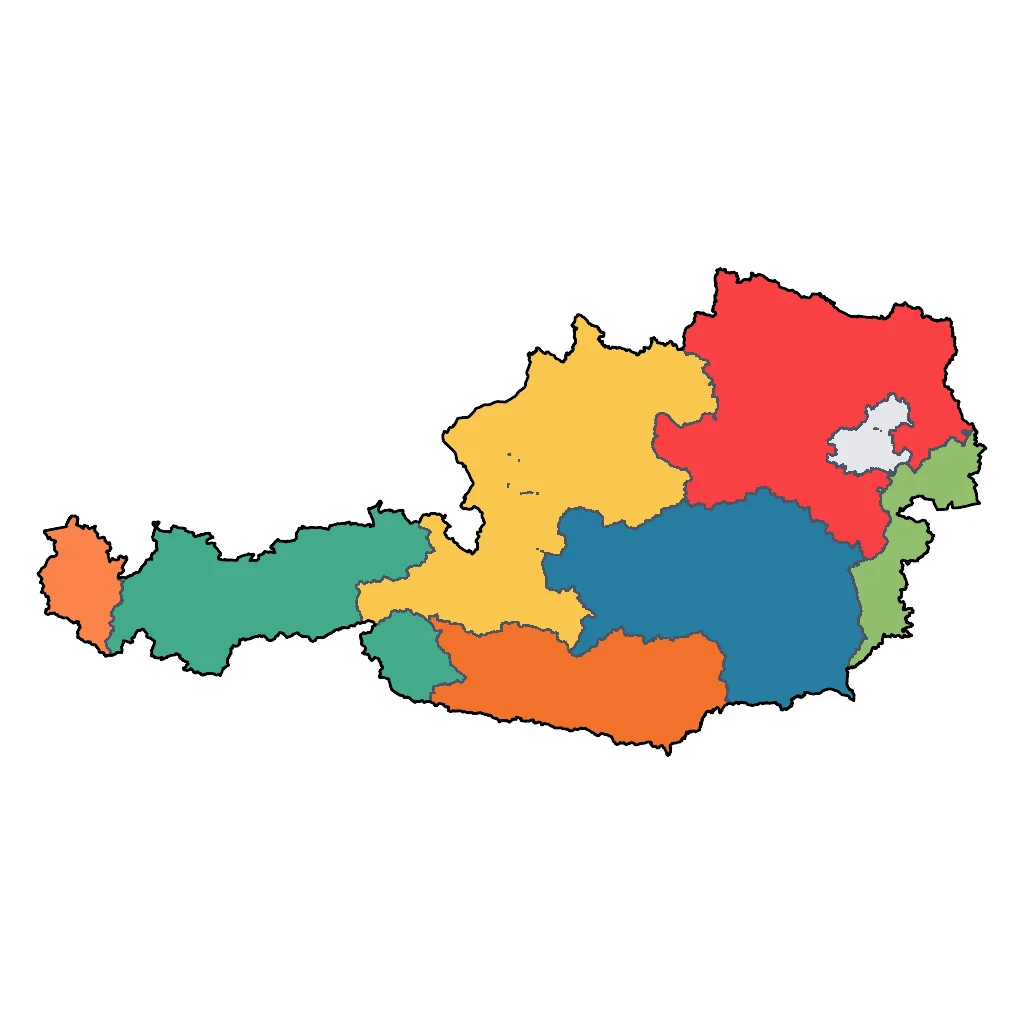

Spa retreats, wellness centers, peaceful getaways
World-class thermal spas and luxury lakeside retreats provide authentic alpine wellness experiences. Peak periods are winter (for the contrast of snow and heat) and autumn (for crisp air and lower humidity), making it a reliable year-round destination for discerning travelers.
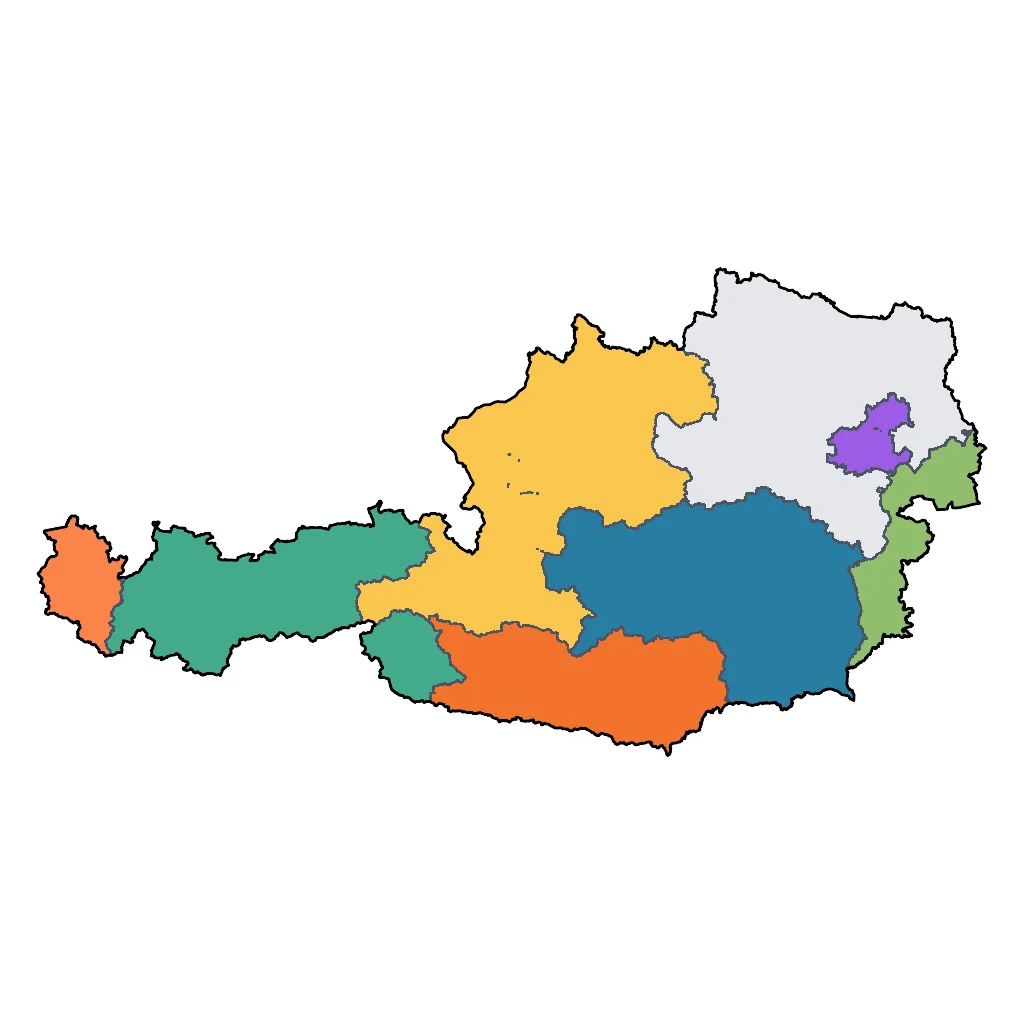

Winter sports, ski resorts, snow activities
High-quality infrastructure in resorts like Nassfeld and Bad Kleinkirchheim offers world-class skiing with a uniquely sunny southern microclimate. Peak conditions occur in Jan-Feb with stable snow bases; shoulder months offer excellent spring skiing but can suffer from slush as temperatures rise above 4°C.
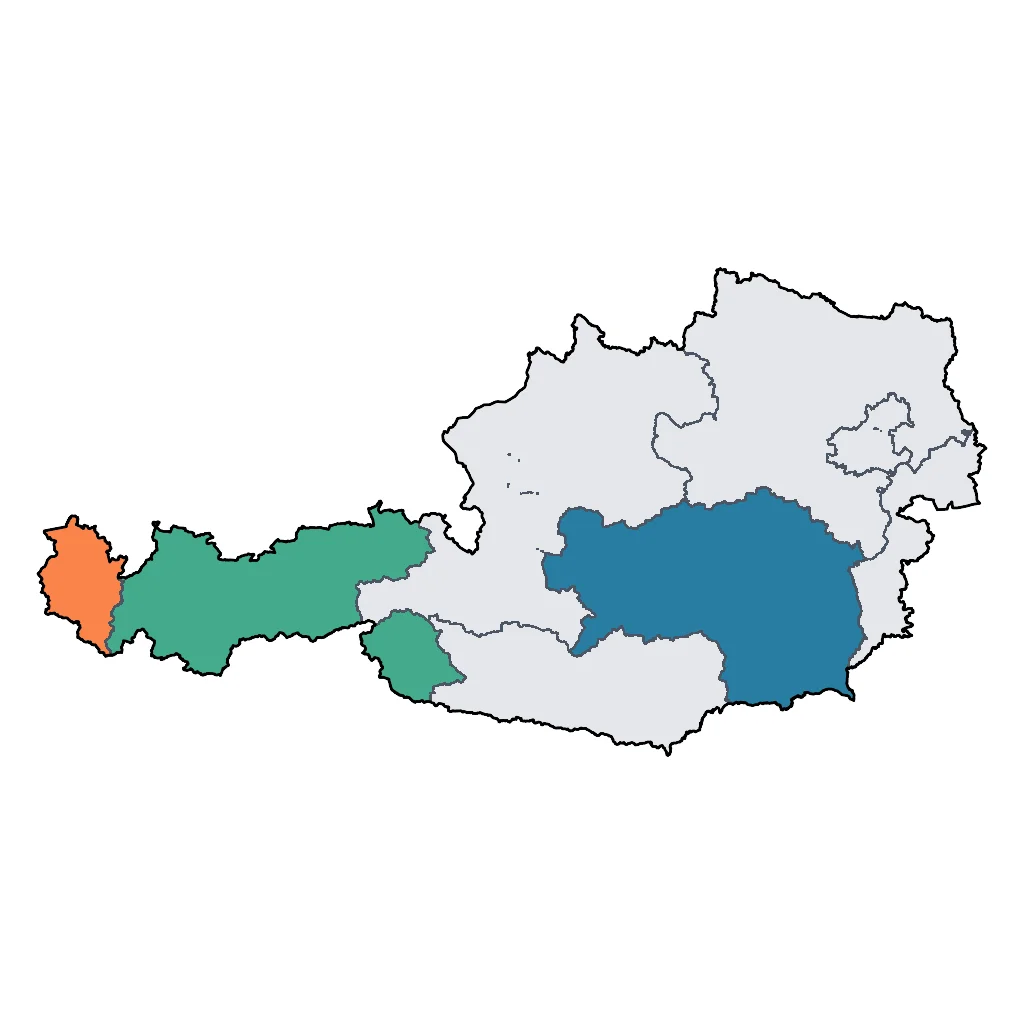

Sport tourism, fitness activities, active recreation
Boasts world-class cycling paths and crystal-clear lakes with drinking-water quality for sailing and swimming. Peak summer months provide the best water temperatures and long daylight hours for mountain sports, while winter is exclusively the domain of snow activities.
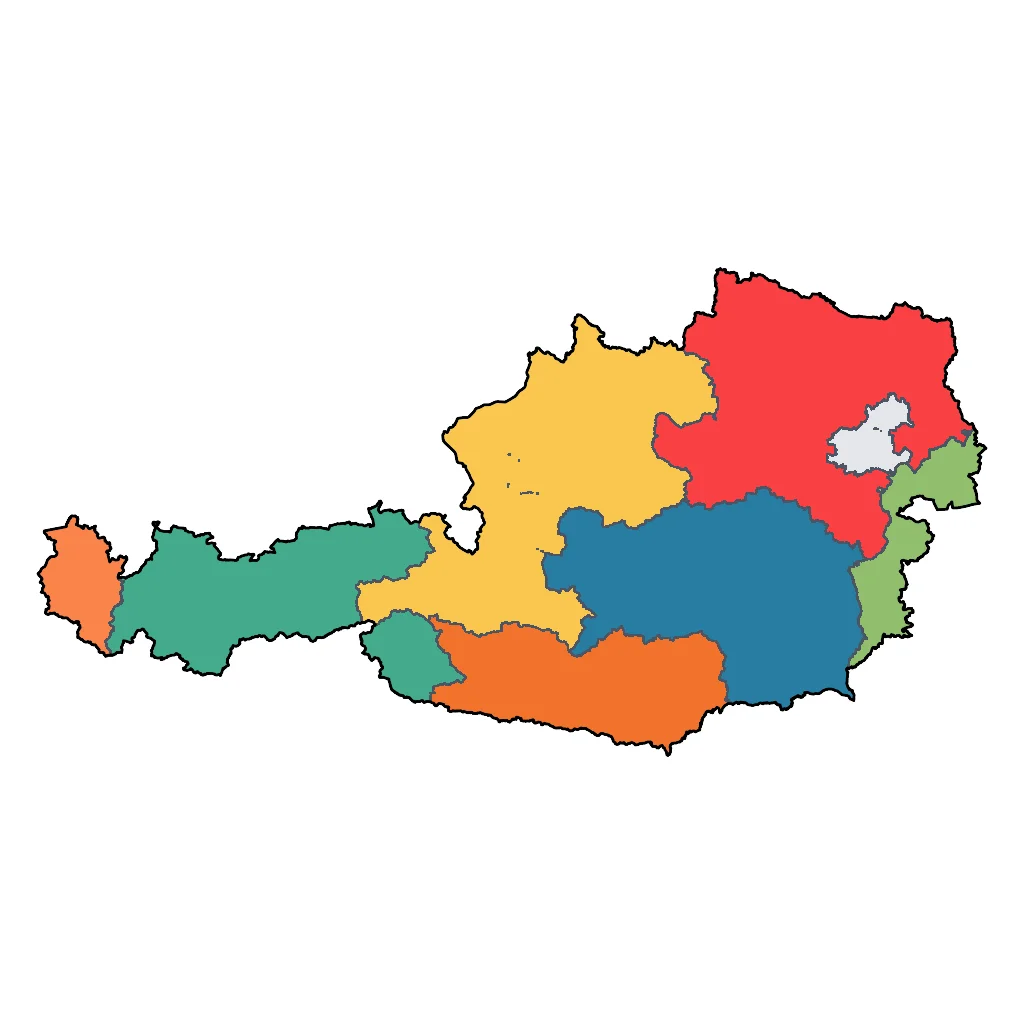

Beach resorts, marine activities: diving, snorkelling, kite surfing, wind surfing, sailing
The region is renowned for its warm, pristine lakes offering excellent swimming and water sports. Peak summer months (July-August) provide the warmest air (up to 23.4°C) and water temperatures ideal for lake activities, despite higher rainfall (around 200mm); shoulder months (June, September) are cooler but still suitable. Off-season months are too cold for water-based activities, making May too cool for swimming for discerning travelers.
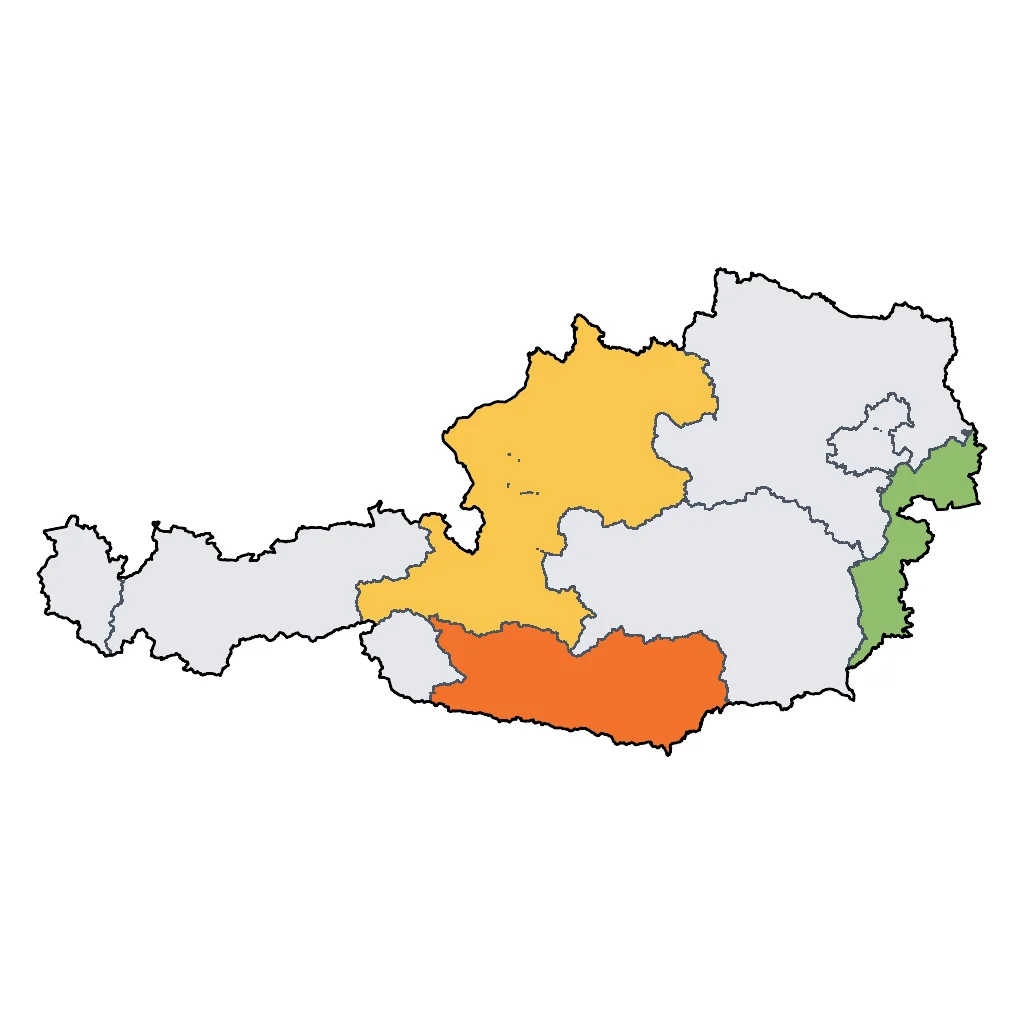

Urban tourism, museums, historical sites, architecture
A sophisticated blend of Austrian, Slavic, and Italian influences is found in cities like Klagenfurt and historic sites like Hochosterwitz Castle. Peak cultural exploration occurs in late spring and early autumn when temperatures are comfortable (14-17°C) and the summer rains (up to 162mm) are avoided.

Events, celebrations, seasonal attractions
Features authentic cultural events like the Villacher Fasching (February) and major summer lakeside festivals. Peak times offer world-class traditional celebrations, while the off-season lacks significant international-scale events.

Learning experiences, scientific sites, historical education
Offers high-quality natural history education through National Park ranger programs and geological sites. Accessibility is highest during the warm summer months, though the offering is more regional than a global bucket-list educational destination.