
The Wachau Valley, a stretch of the Danube River between Melk and Krems, is a UNESCO World Heritage site that combines dramatic history with accessible outdoor activities. For families, the river itself provides a focal point. Large riverboats cruise between towns, allowing you to hop on and off with a stroller or bike, turning travel between destinations into an adventure. The Danube Cycle Path (Donauradweg) here is completely paved, flat, and segregated from car traffic, making it one of the safest places in Europe for children to practice cycling.
History feels tangible at the ruins of Dürnstein Castle. A steep but manageable hike leads up to the fortress where King Richard the Lionheart was held captive in the 12th century. The ruins offer plenty of nooks and crannies for children to explore, rewarded by sweeping views of the river bend below. At the other end of the valley, the golden-hued Melk Abbey dominates the skyline. While baroque architecture might sound dry for kids, the abbey grounds feature a beautiful park and the 'Garden of Paradise' which provides space to run around.
Agriculture plays a big role in the local charm. In spring, thousands of apricot trees blossom, and in summer, families can buy fresh apricots (Marillen) or apricot dumplings at roadside stands. The region is also dotted with 'Heuriger' wine taverns. These are traditionally very family-friendly, often featuring playgrounds within sight of the dining tables so parents can enjoy a meal while the kids play.
Nearby, the city of St. Pölten offers the Museum Niederösterreich, which has an excellent focus on nature and history with interactive exhibits designed for younger visitors. Whether exploring the legends of knights or watching barges drift down the Danube, the Wachau offers a slower, scenic pace of travel that suits families looking to avoid the rush of major cities.
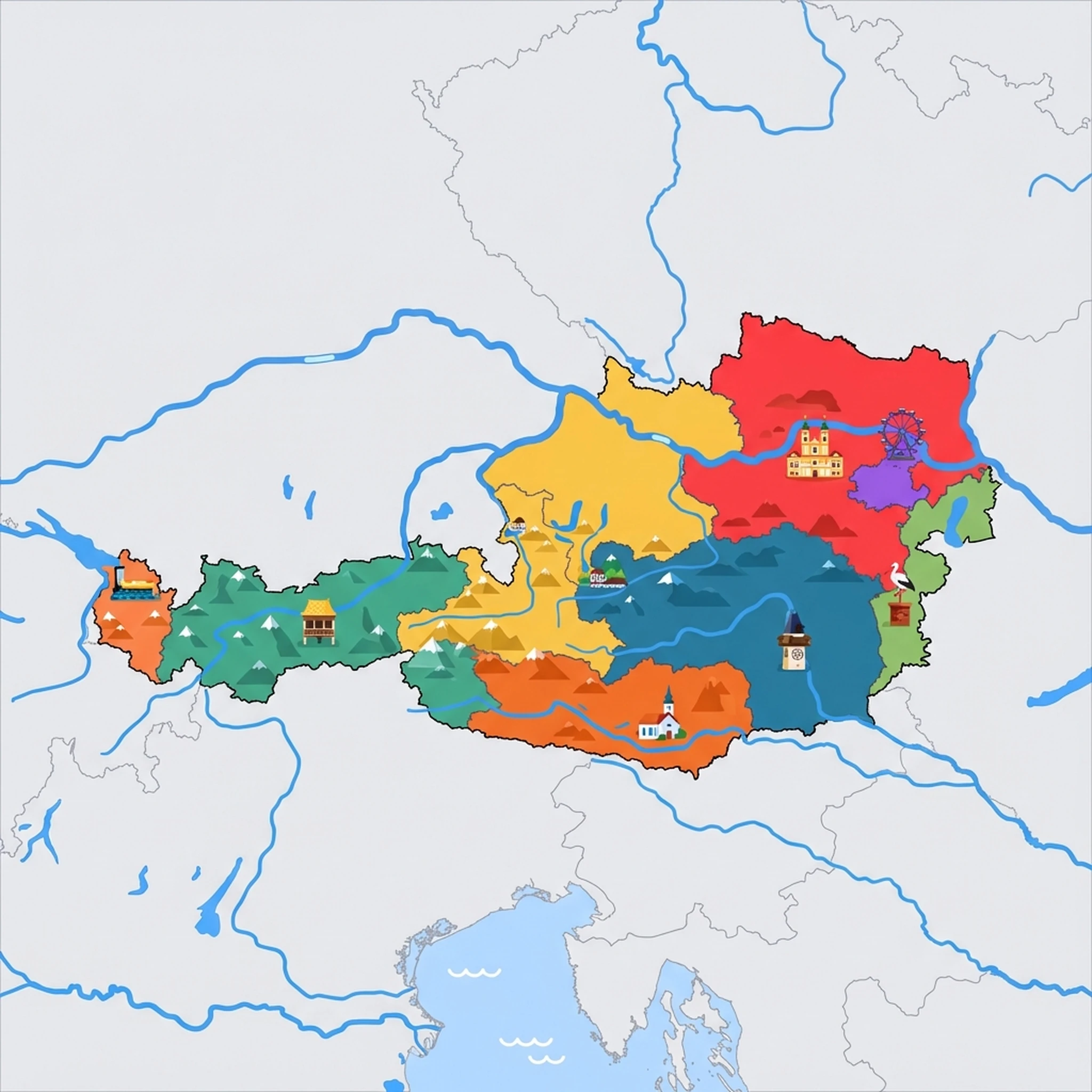
Click a region to explore

Activities & Best Times

Hiking, wildlife, outdoor exploration, ecotourism
Features the unique, terraced vineyard landscapes of the Wachau and the World Heritage Trail hiking network. Peak season provides consistent temperatures (15-21°C) for outdoor exploration; winter months are too cold for nature-focused travel with sub-zero minimums.

Urban tourism, museums, historical sites, architecture
The excellent rating is driven by misattributed Vienna attractions (Schönbrunn, Hofburg, Belvedere, etc.). The actual Wachau region offers Melk Abbey and Dürnstein — significant but not globally 'excellent' without Vienna's institutions. Downgrade to very_good to reflect the region's own merits.

Events, celebrations, seasonal attractions
Famous for authentic regional events including the apricot blossom (April), Summer Solstice fires (June), and the autumn wine harvest (September). These specific months offer unique cultural experiences not found elsewhere, while winter lacks significant regional festivities.
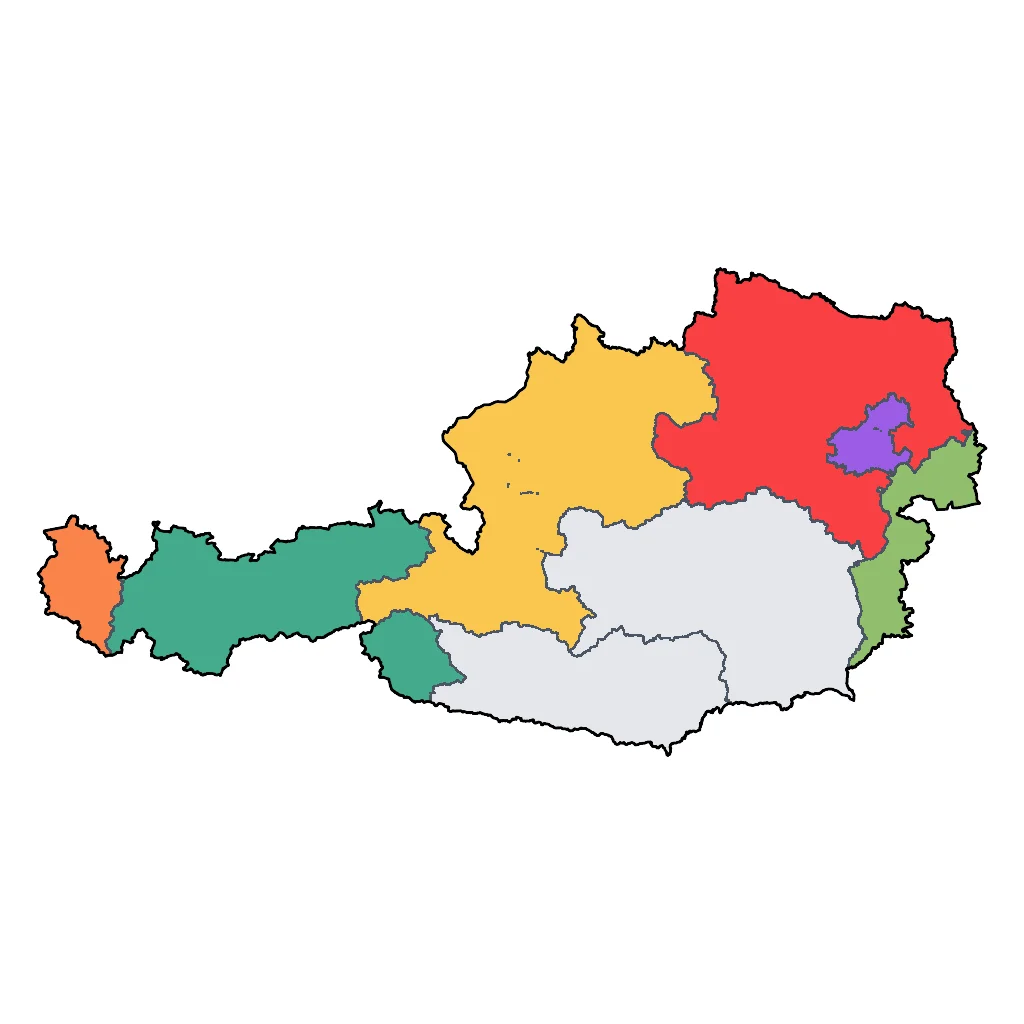

Scenic drives, countryside tours, route-based travel
The scenic drive along the Danube is one of Europe's most iconic routes, passing castle ruins and vineyard estates. Peak months offer the best balance of clear visibility, spring blooms, or autumn colors; winter months see poor visibility and temperatures often below freezing.
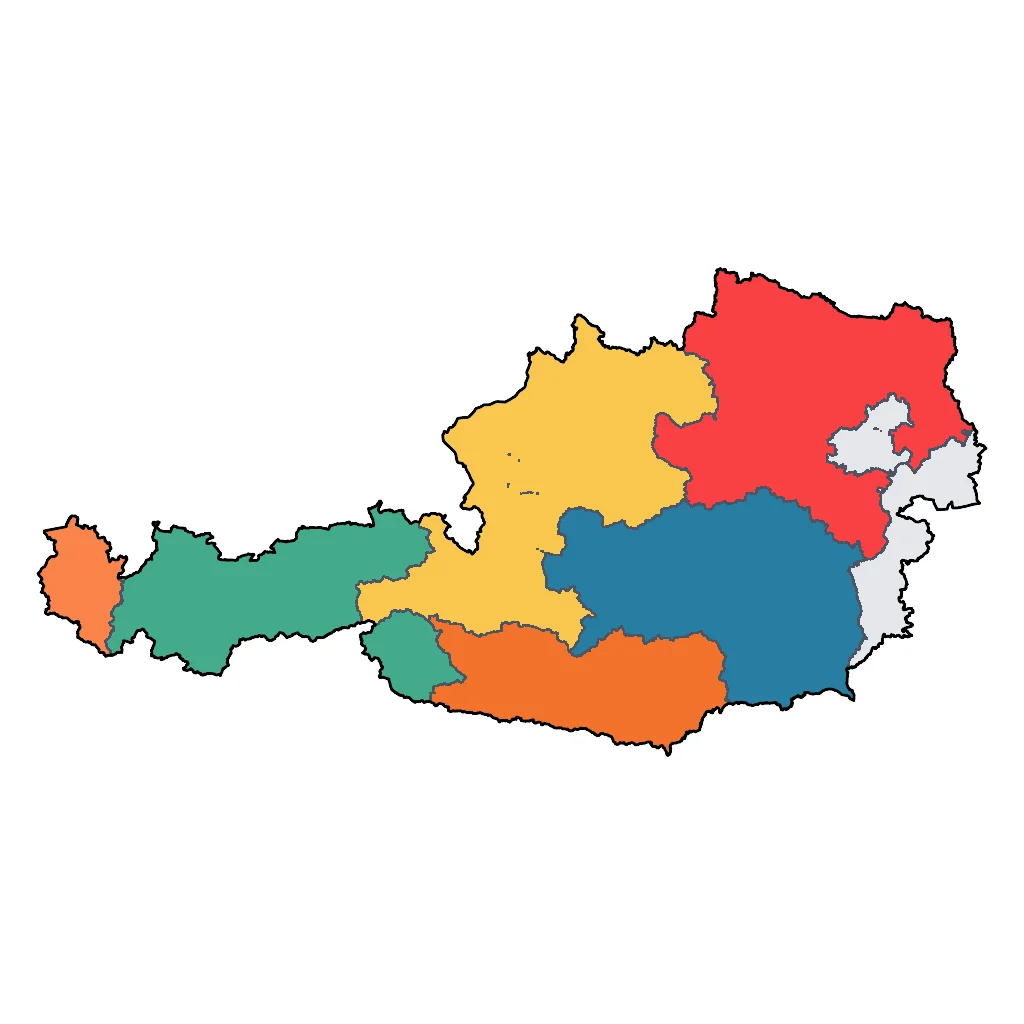

Sport tourism, fitness activities, active recreation
Features the world-renowned Danube Cycle Path, providing flat, safe, and highly scenic routes ideal for active families. Peak months align with mild conditions (15-25°C) perfect for long-distance cycling; off-season weather is unsuitable for river-based or cycling activities.
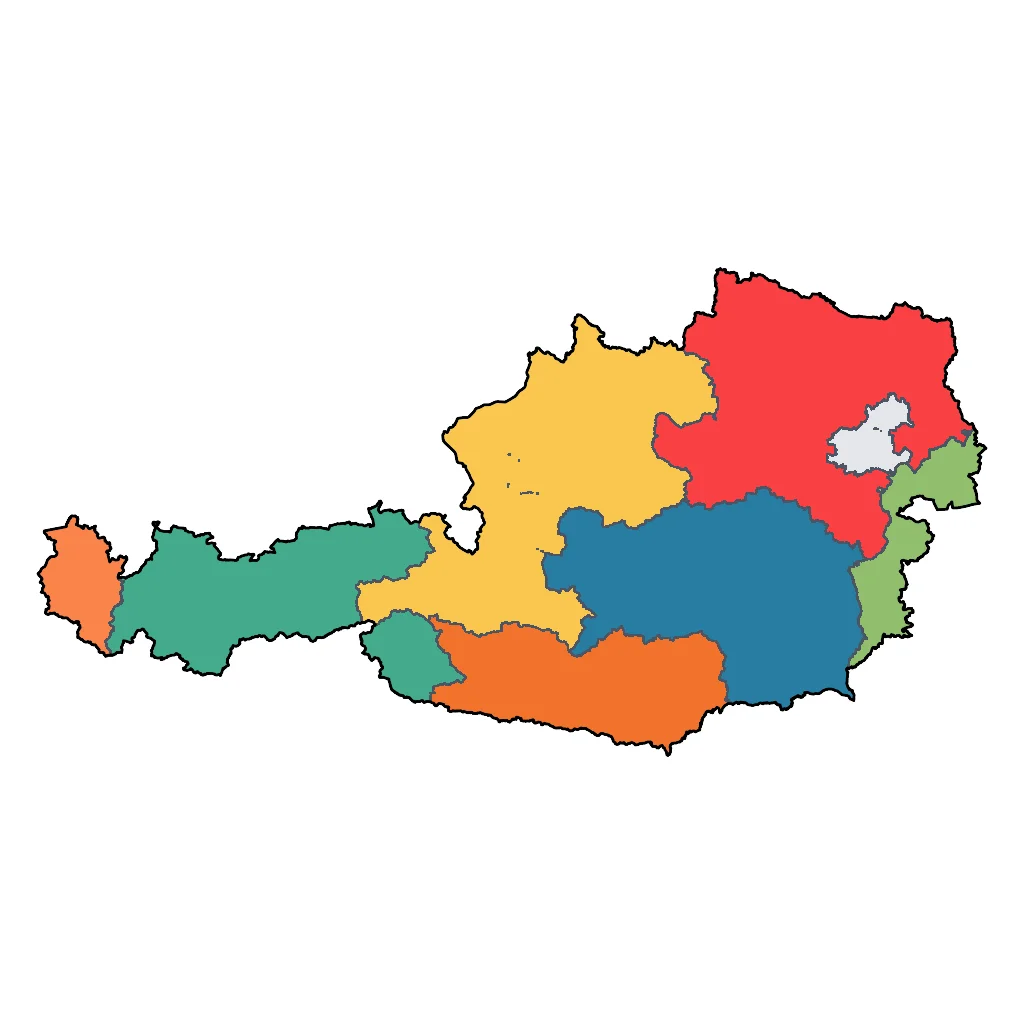

Learning experiences, scientific sites, historical education
With attractions correctly attributed to Vienna, the Wachau region offers monastic history and some Roman sites — solid but not 'very_good' against global benchmarks. The Zoom Children's Museum, Technical Museum, etc. are Viennese institutions, not Wachau.
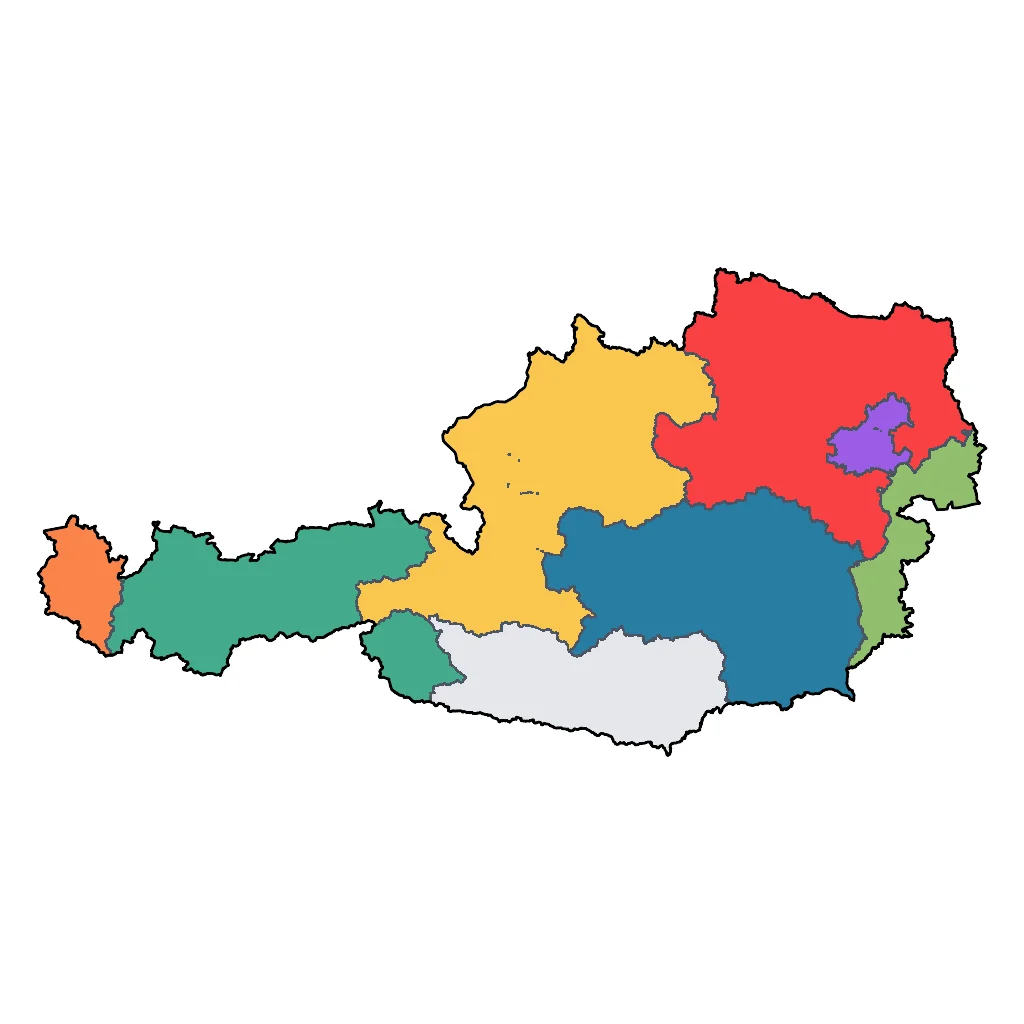

Spa retreats, wellness centers, peaceful getaways
High-end boutique hotels and vineyard retreats offer sophisticated wellness facilities with river views. Peak summer months allow for outdoor relaxation in garden settings; shoulder and off-season weather restricts the peaceful outdoor ambiance that defines the region.