Cotonou & Coast
Stilt villages, bustling markets, and Atlantic shores 🌊
Cotonou & Coast is the energetic entry point for most travelers to Benin. This region hugs the Atlantic Ocean, featuring long stretches of golden sand, coconut groves, and the country's most developed urban centers. While Cotonou itself is a frenetic city of motorbike taxis (zemidjans) and commerce, the surrounding coastal areas offer unique day trips that define Beninese tourism. The climate is tropical and humid, with two rainy seasons that families should monitor when planning outdoor excursions.
The absolute highlight for children is a visit to Ganvié. Known as the "Venice of Africa," this village sits on stilts in the middle of Lake Nokoué. Families take motorized wooden boats from the peer, navigating through floating markets and watching local fishermen cast their nets. It is a car-free environment that provides a stark contrast to the city streets. Back on land, the Dantokpa Market in Cotonou offers a sensory overload of spices, textiles, and goods; it is exciting but best navigated with a local guide to keep the family group together in the crowds.
West of Cotonou lies Ouidah, a town of immense historical significance. It is the spiritual capital of Voodoo and a former major slave port. Families can walk the Route des Esclaves (Route of Slaves) down to the Door of No Return memorial. While the history is heavy, it is an important educational experience for older children. A lighter stop in Ouidah is the Temple of Pythons, where dozens of royal pythons are housed. These snakes are revered and harmless, and brave children (and parents) are often invited to hold them or wear them around their necks for a photo.
The coastline, particularly the Route des Pêches, offers miles of beaches. However, parents must be vigilant: the Atlantic currents here are notoriously strong and dangerous. Swimming is often red-flagged or restricted to hotel pools, though the beach is perfect for football, sandcastles, and fresh seafood lunches at the weekend "maquis" (informal restaurants). Transportation is easy with taxis or hired drivers, making this the most accessible region for families with luggage.
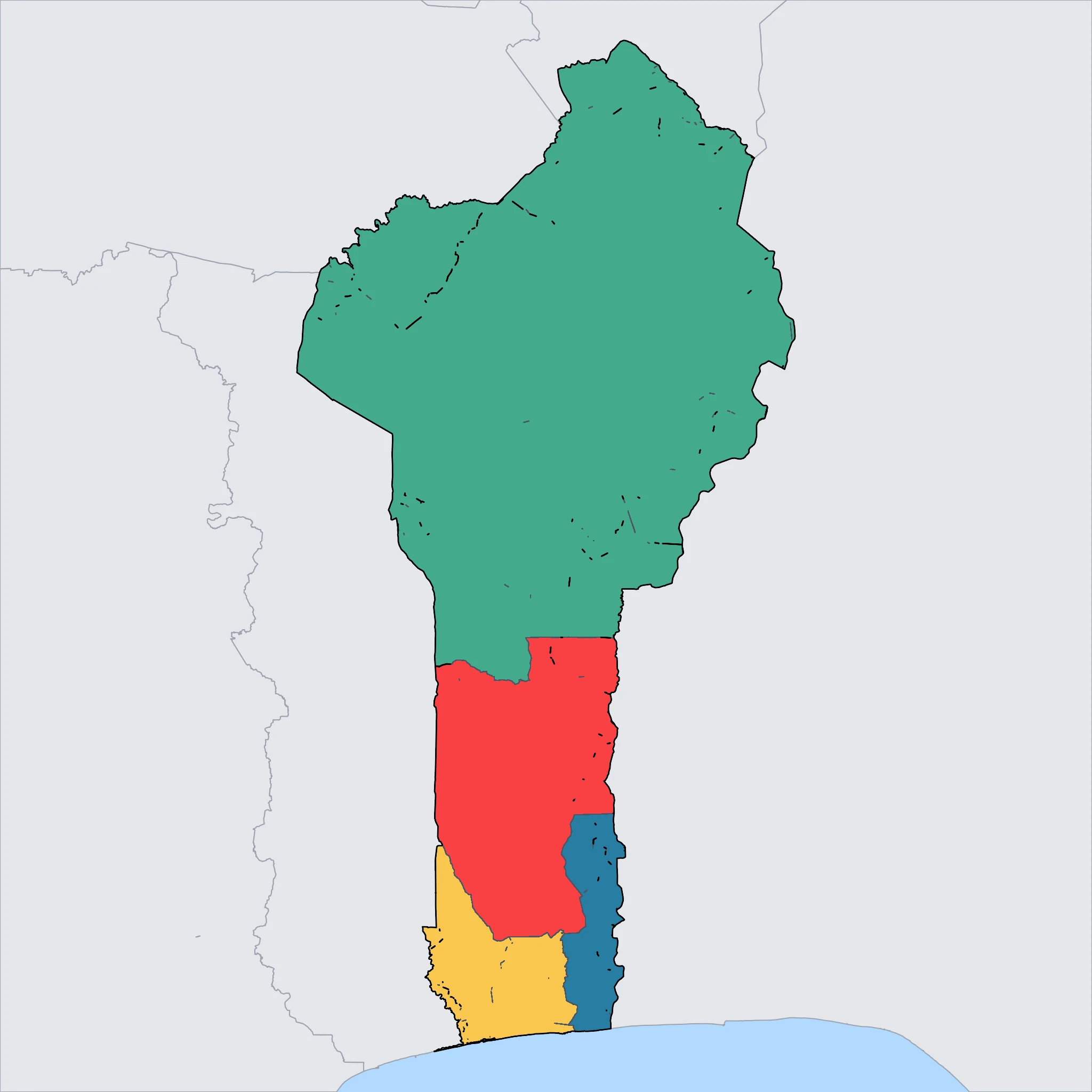
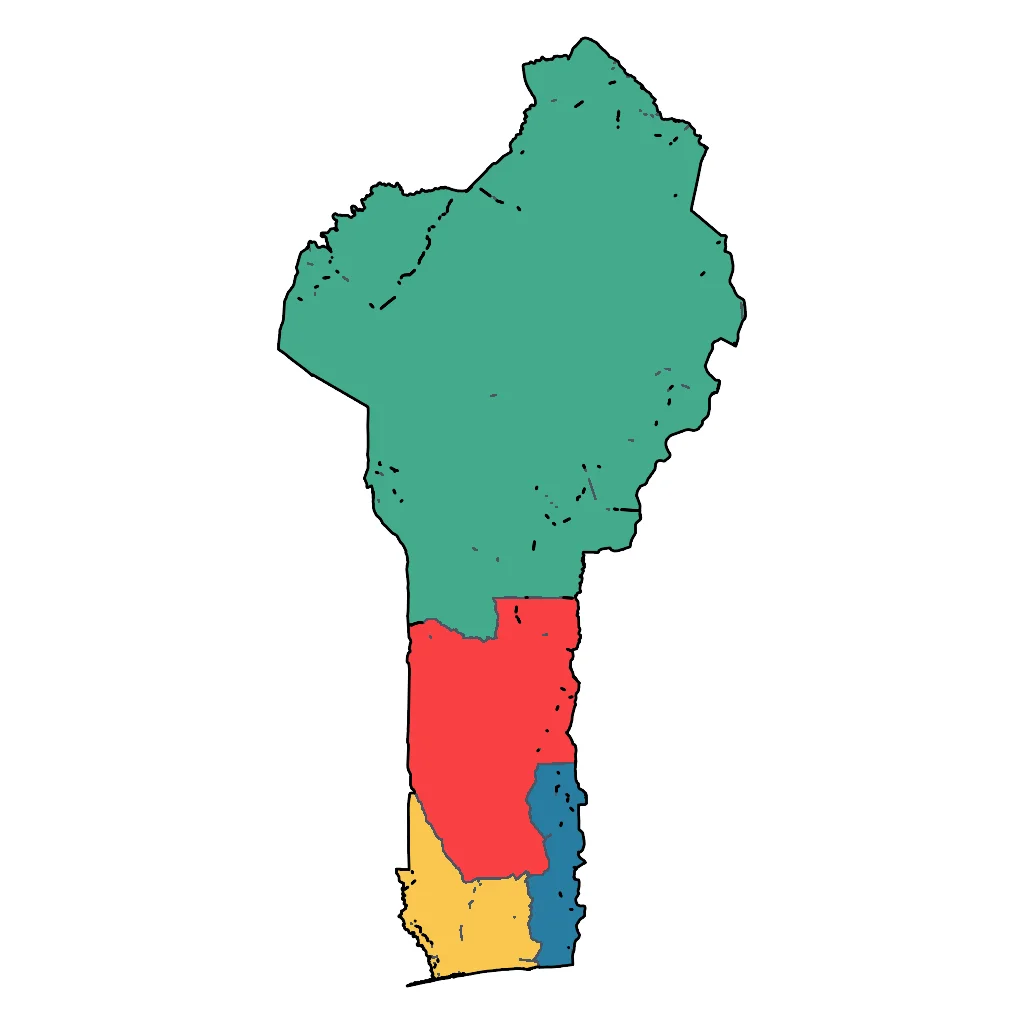
Click a region to explore

Activities & Best Times

Urban tourism, museums, historical sites, architecture
International calibration: 'excellent' city_cultural requires globally top-tier cultural density (Rome, Kyoto, Istanbul-level). Ouidah and Ganvié are distinctive but lack the breadth of institutions, museums, and infrastructure expected at 'excellent'. 'very_good' is appropriate for a nationally significant cultural destination with unique character.

Learning experiences, scientific sites, historical education
Ouidah’s 'Route des Esclaves' and its museums provide a profound, world-class educational experience regarding the transatlantic slave trade. Best visited during the dry months when guided walking tours of historical sites are most comfortable; heavy rain in May-June can limit access to outdoor monuments.

Events, celebrations, seasonal attractions
International calibration: The Voodoo Festival is a single-day event (January 10). 'Excellent' festival destinations have multiple major events across a broader season (Edinburgh Fringe, Rio Carnival, Diwali). While unique and internationally recognized, a single annual day does not constitute 'excellent' festival infrastructure. 'very_good' accurately reflects its significance.

Hiking, wildlife, outdoor exploration, ecotourism
The region has zero editorial attraction evidence for nature/adventure. Ganvié pirogue trips are cultural boat rides, not nature-adventure activities comparable to safari, trekking, or wilderness experiences. With no national parks or nature reserves in evidence, 'good' is more appropriate. Pendjari (with 3 national parks) is correctly higher at 'very_good'.

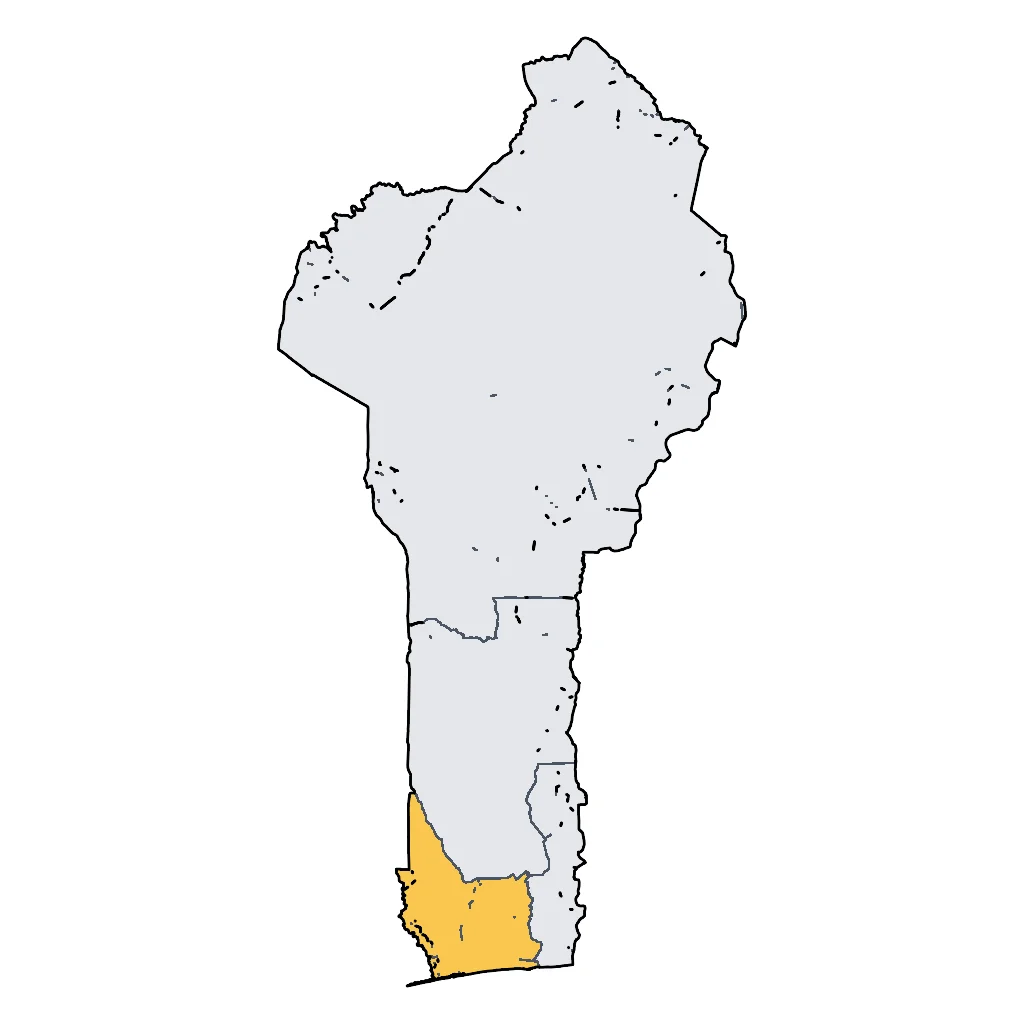
Beach resorts, marine activities: diving, snorkelling, kite surfing, wind surfing, sailing
The palm-fringed coast offers stunning vistas and high-end boutique retreats, though the Atlantic’s strong undertow limits swimming compared to destinations like the Maldives. Peak dry months provide the perfect sunshine for coastal relaxation, while the June-Oct rains significantly degrade the beach experience.

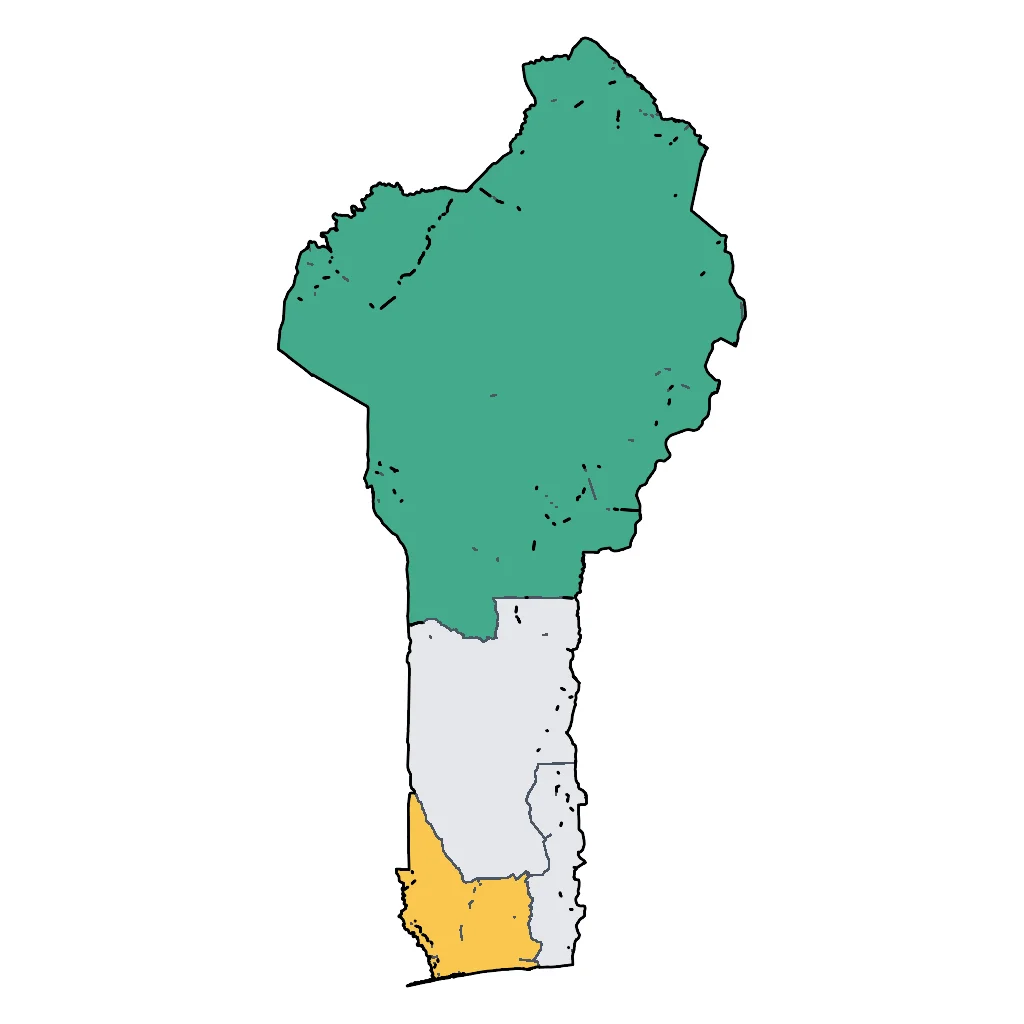
Scenic drives, countryside tours, route-based travel
The 'Route des Pêches' provides a scenic drive through traditional fishing villages and coastal landscapes, offering a window into local life. Optimal driving conditions occur during the low-rainfall months of Nov-Feb; however, heavy rains in the off-season can make sandy coastal tracks difficult to navigate.

Spa retreats, wellness centers, peaceful getaways
A few exclusive beach lodges in Ouidah offer peaceful escapes for discerning families, though the region lacks extensive world-class spa infrastructure. The driest months (Dec-Feb) provide the most pleasant humidity levels for outdoor relaxation.

Attractions (36 total)
Landmark / Monument / Iconic Urban Attraction
Door of No Return
Ouidah
An iconic memorial arch on the Atlantic beach commemorating the victims of the transatlantic slave trade.
Place de l'Etoile Rouge
Cotonou
A massive urban landmark featuring a large central star, representing Benin's history and independence.
Cotonou Cathedral
Cotonou
A Roman Catholic cathedral famous for its distinctive red and white striped ceramic tile facade.
Historic Town / Village / Cultural Area
Door of No Return (La Porte du Non-Retour)
Ouidah
A powerful beachside memorial marking the final point where enslaved people were forced onto ships for the Atlantic crossing.
Art Gallery / Fine Art Museum
Fondation Zinsou
Cotonou
A world-renowned contemporary art space hosting rotating exhibitions that showcase the vibrancy of African and international artists for all ages.
Visit website →Musée de la Fondation Zinsou (Villa Ajavon)
Ouidah
Located in a stunning 1920s Afro-Brazilian villa, this museum offers families a chance to explore a major permanent collection of contemporary African art.
Visit website →Le Centre
Abomey-Calavi
An inviting cultural hub near Cotonou featuring a contemporary art museum, library, and lush gardens that host workshops and artist residencies.
Visit website →National Park / Nature Reserve
Forêt Sacrée de Kpassè
Ouidah
A historic sacred forest and nature sanctuary home to massive ancient Iroko trees and numerous statues representing Voodoo deities.
Sitatunga Valley Nature Reserve
Abomey-Calavi
A community-managed wetland sanctuary near Cotonou, offering boat tours to observe the rare sitatunga antelope and diverse bird species in their natural habitat.
Visit website →Castle / Palace / Historic Site
Ganvié Lake Village
Ganvié
A historic 16th-century stilt village on Lake Nokoué, known as the 'Venice of Africa,' founded as a safe haven from slave raiders.
Ouidah Museum of History
Ouidah
Housed in the 1721 Portuguese Fort of São João Baptista de Ajudá, this museum offers families a deep look into the slave trade and regional culture.
Statue de l'Amazone
Cotonou
A magnificent 30-meter bronze monument celebrating the bravery of the Dahomey Amazons, the all-female military force of historical Benin.
The Door of No Return
Ouidah
A monumental memorial arch on the beach that honors the history of enslaved people departing the African continent for the Americas.
Sacred Forest of Kpassè
Ouidah
A historic woodland featuring ancient trees and numerous statues of Voodoo deities, dedicated to the founder of the kingdom of Ouidah.
Temple of Pythons
Ouidah
An ancient and sacred historic site where visitors can learn about the role of pythons in local Voodoo culture and spiritual history.
Farm Park / Petting Zoo / Rural Experience
Ganvié Stilt Village
Lake Nokoué
A fascinating rural water-based community where families explore the 'Venice of Africa' and observe traditional fishing and floating markets.
Temple des Pythons
Ouidah
A unique animal experience where families can interact with sacred, non-venomous pythons and learn about local spiritual traditions.
Sitatunga Valley (Vallée du Sitatunga)
Zinvié
An eco-tourism and rural park offering boat trips through marshes to spot rare antelope and learn about community-based wetland farming.
Visit website →Natural Feature / Scenic Site
Lake Nokoué and Ganvié
Ganvié
A vast coastal lagoon featuring the historic stilt village of Ganvié, offering families a unique boat-based perspective of traditional water-dwelling life.
Ouidah Beach
Ouidah
A beautiful and historically significant stretch of coastline where the white sands of the Slave Route meet the Atlantic Ocean.
Major International Festival / Cultural Event
National Voodoo Day
Ouidah
January 10 annually, 1-day peak celebration with week-long surrounding events, honors Benin's traditional religion, attracts 10,000+ international tourists and pilgrims, features beach ceremonies near the Door of No Return, family-friendly cultural immersion.
Hiking & Cycling Routes
Route de l'Esclave
Ouidah
4km easy historical walking trail from the Ouidah Museum of History to the Door of No Return (Porte du Non-Retour) on the beach. Features memorial statues and significant historical landmarks. Typical duration: 1.5 hours. Elevation gain: negligible.
Visit website →Road Trips & Scenic Drives
Route des Esclaves (Slave Route)
Ouidah
4km paved historical memorial route (15-30 mins) tracing the path of enslaved people from the auction square to the 'Door of No Return'. The drive is lined with symbolic statues and monuments ending at the beach.
Visit website →Route des Pêches (Fishermen's Road)
Cotonou
40km newly paved coastal highway (1 hour) running parallel to the Atlantic Ocean from Cotonou to Ouidah. Features a scenic landscape of coconut groves, traditional fishing villages, and pristine white sand beaches.
Visit website →Ouidah to Grand-Popo Coastal Drive
Ouidah
55km paved drive along the RNIE1 (1.5 hours) from the historic city of Ouidah to the seaside resort of Grand-Popo. The route passes salt pans, the Mono River delta, and lush mangroves, ending in a town famous for colonial-era architecture.
Visit website →Beach / Coastal Recreation Area
The Gate of No Return
Ouidah
A powerful historic memorial arch on the Atlantic shore commemorating the millions of Africans forced onto ships during the slave trade.
Fidjrossé Beach
Cotonou
The most popular public beach in Cotonou, offering a wide sandy coastline perfect for sunset walks and enjoying the ocean breeze under coconut trees.
Route des Pêches
Cotonou
A scenic coastal corridor and recreation area along the Atlantic, featuring pristine dunes and a look into the traditional fishing culture of the region.
Theme Park / Amusement Park
Dream Parc
Cotonou
Centrally located along the coast, this park features various carousels, bumper cars, and play areas popular with families.
Magic Parc
Cotonou
This popular amusement park offers a range of traditional fairground rides and a Ferris wheel, providing a primary entertainment hub for families.
Water Park / Splash Park / Aquatic Centre
Moonlight Water Park
Cotonou
A modern rooftop water park in the Fidjrossé district, featuring vibrant multi-lane slides, swimming pools, and children's splash zones with views of the city.
Zoo / Wildlife Park / Safari Park
Musée des Sciences Naturelles (Nature Tropicale)
Cotonou
An educational wildlife center featuring aquariums, crocodiles, and a sea turtle conservation program focused on Beninese coastal biodiversity.
Visit website →Aquarium / Sea Life Centre
Nature Tropicale ONG (Aqualab Cotonou)
Cotonou
Benin's primary natural history museum and public aquarium, featuring displays of indigenous freshwater and marine fish alongside sea turtle conservation education.
Visit website →Adventure Park / Outdoor Activity Center
Terre de Sédar
Ouidah
An eco-tourism and leisure center providing nature trails, cultural workshops, and outdoor recreational activities in a lush environment near Ouidah.
Visit website →Bab's Dock
Cotonou
A secluded lagoon-side nature reserve and activity center offering kayaking, mangrove boat tours, and swimming in a peaceful tropical setting.
Visit website →Botanical Garden / Formal Gardens
University of Abomey-Calavi Botanical Garden
Abomey-Calavi
A sprawling and tranquil academic botanical garden on the edge of Lake Nokoué, home to hundreds of indigenous tropical plant species and shaded walking trails.