

⚠️ SAFETY WARNING: Due to arbitrary law enforcement, the risk of detention, and the volatile security environment linked to the war in Ukraine, government agencies (including CA, USA, UK, AU, IE, and NZ) advise travelers to avoid all travel to Belarus. Borders with Poland, Lithuania, and Latvia may close without notice, and the land border with Russia is closed to foreigners. Consular support is extremely limited or non-existent. Families are strongly urged to consult their own government's official travel advisory before considering a trip, as circumstances and risk assessments vary.
Geographically, Belarus is known as the "blue-eyed country" because of its 11,000 lakes and numerous rivers. A significant portion of the country is covered in thick forests and marshlands, creating a flat, green landscape that serves as a haven for wildlife. For families interested in nature, the crown jewel is the Belovezhskaya Pushcha National Park on the Polish border. This UNESCO World Heritage site is the oldest remaining part of the primeval forest that once covered the European Plain. It is home to the majestic Zubr (European bison), which can be seen in large enclosures or on guided safari tours. The park also houses the 'Estate of the Belarusian Father Frost,' a year-round attraction featuring wooden cottages and fairy-tale characters that appeals to younger children.
History enthusiasts will find the country's castles to be a major draw. Mir Castle, a red-brick 16th-century fortress, offers a mix of Gothic, Baroque, and Renaissance architecture. Families can climb the narrow towers and explore the courtyard, imagining life in the era of grand dukes. Nearby, the Nesvizh Castle is a sprawling palace complex surrounded by ornamental lakes and landscaped gardens, perfect for long family walks. These sites provide a tangible connection to the region's complex past within the Grand Duchy of Lithuania and the Russian Empire.
The capital city, Minsk, is characterized by its monumental Stalinist architecture, wide boulevards, and extensive green spaces. The city is bisected by the Svislach River, where families often rent pedal boats or walk along the embankments in the warmer months. Gorky Park is a central hub for recreation, featuring a Ferris wheel that offers views over the city skyline. While the city feels modern and spacious, it also retains varied museums dedicated to World War II history and local ethnography.
Culturally, hospitality often revolves around food. Belarusian cuisine is hearty and heavily reliant on potatoes. Families can try draniki (potato pancakes), often served with sour cream or mushrooms, which are generally popular with children. The climate plays a major role in daily life here; winters are cold with frequent snow, making the country a destination for cross-country skiing, while summers are mild and pleasant, suitable for exploring the Braslav Lakes region in the north.
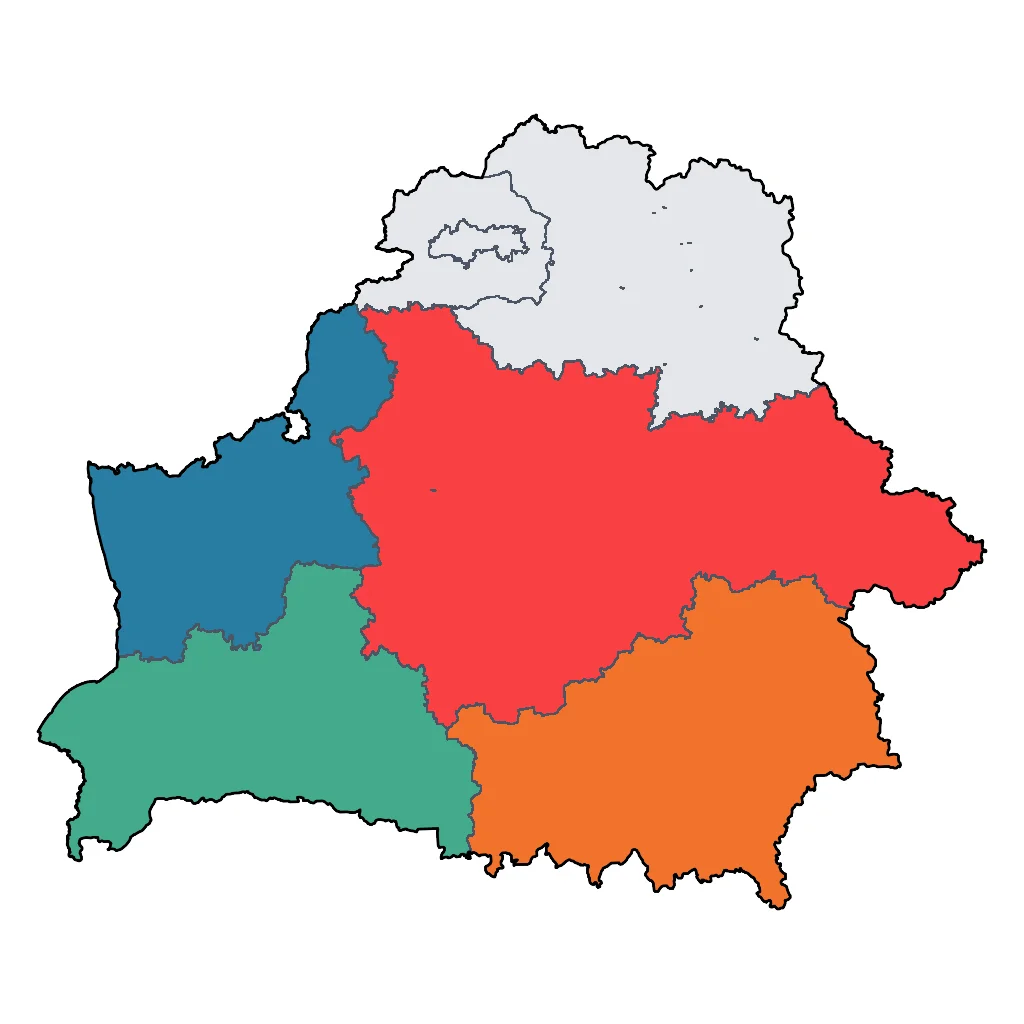
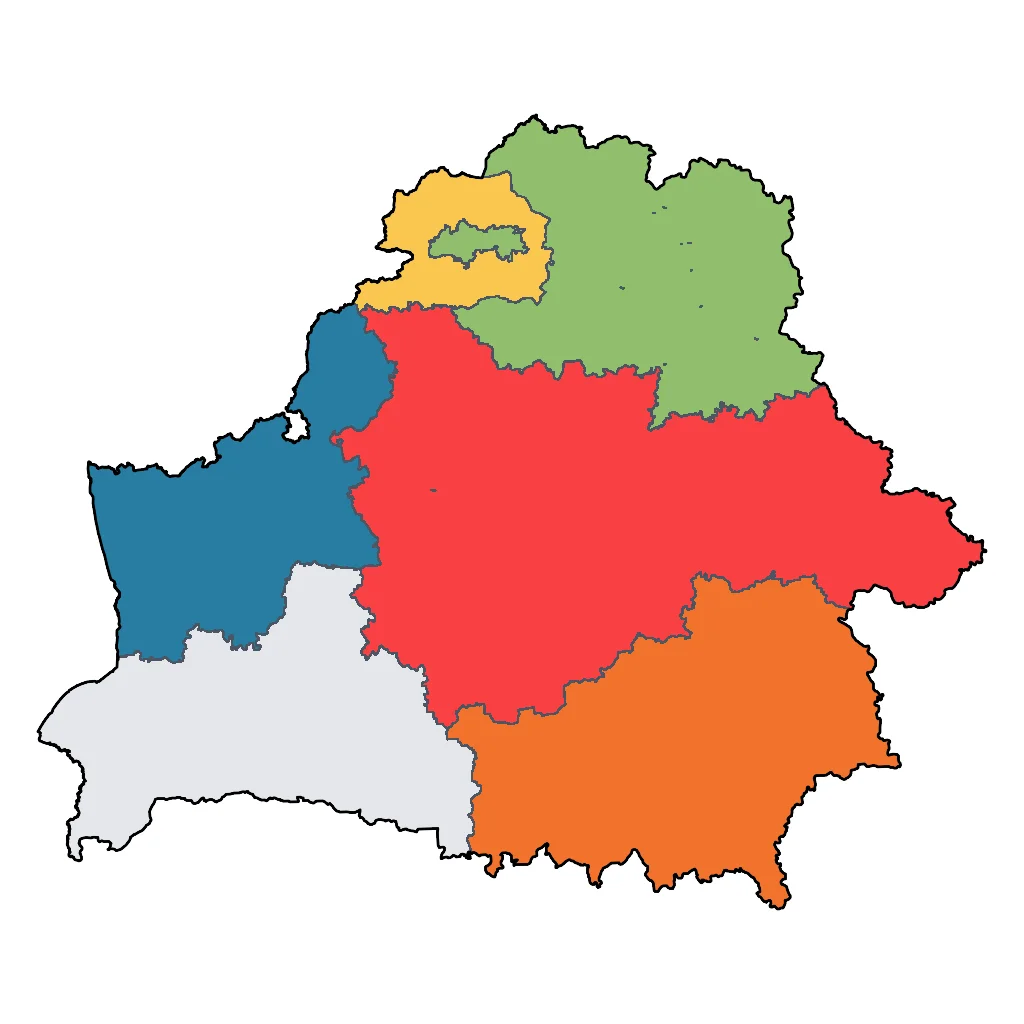
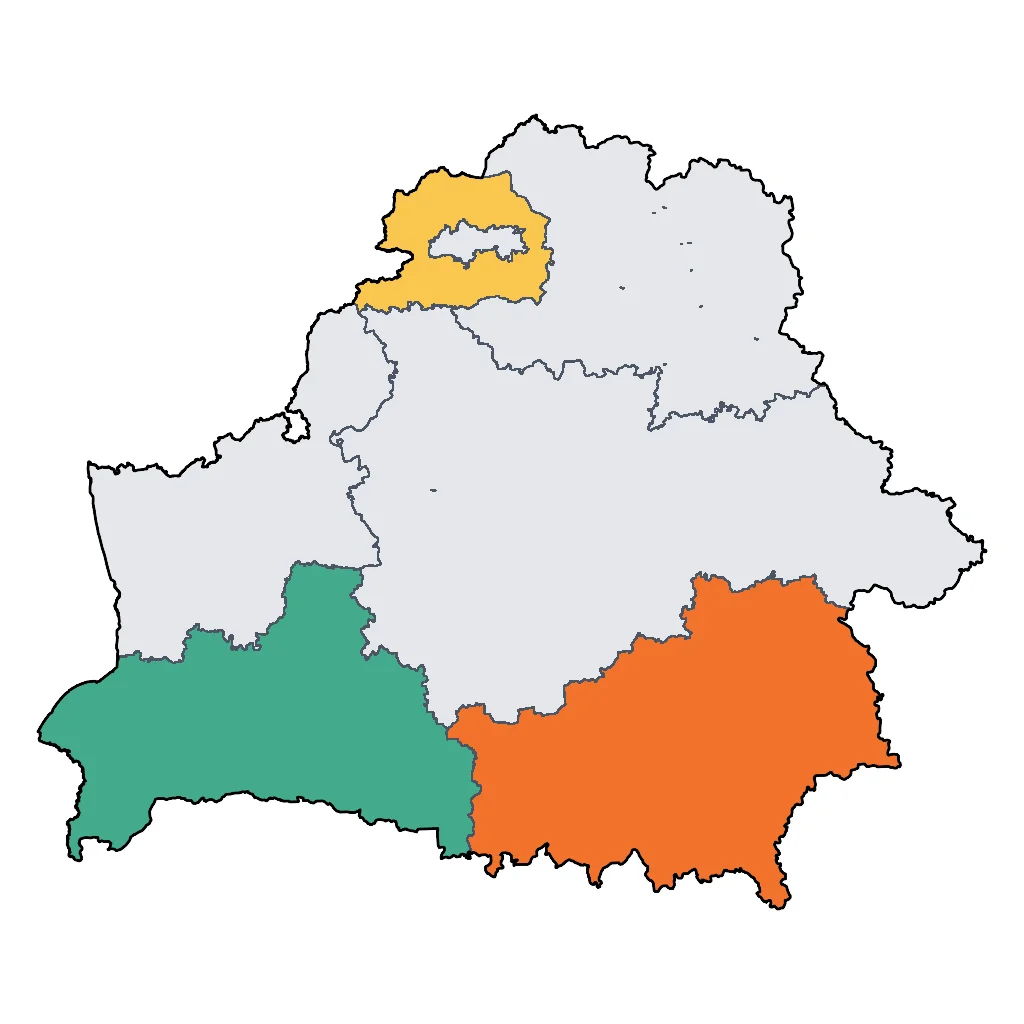
Explore Regions
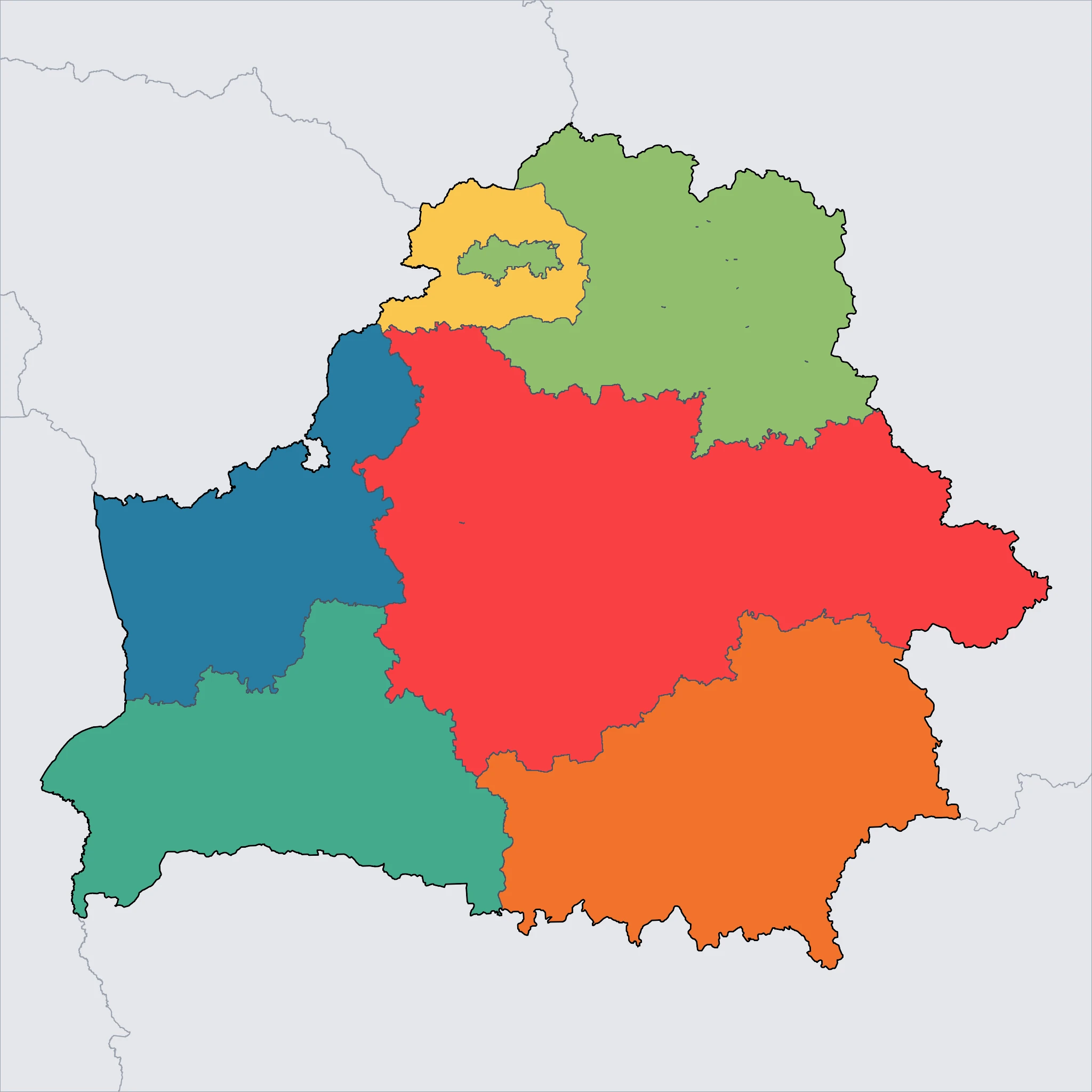
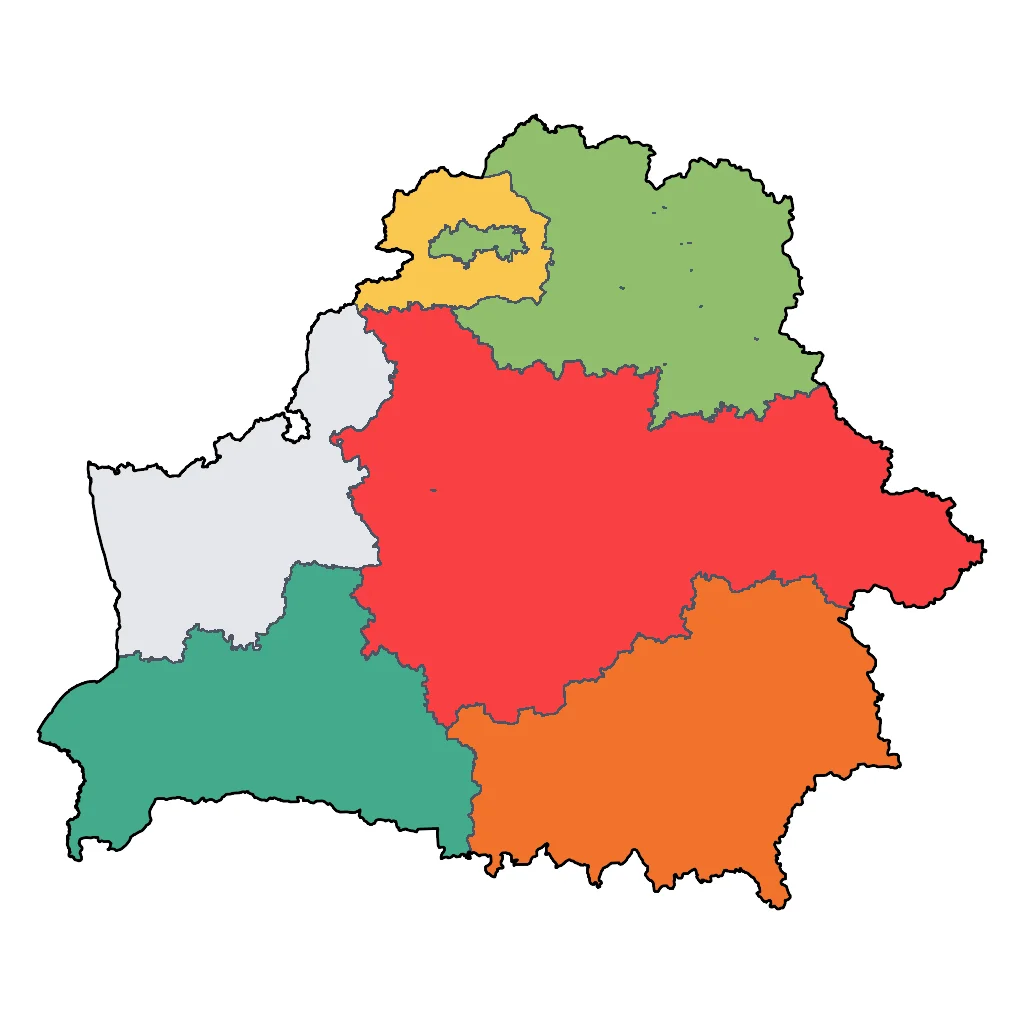
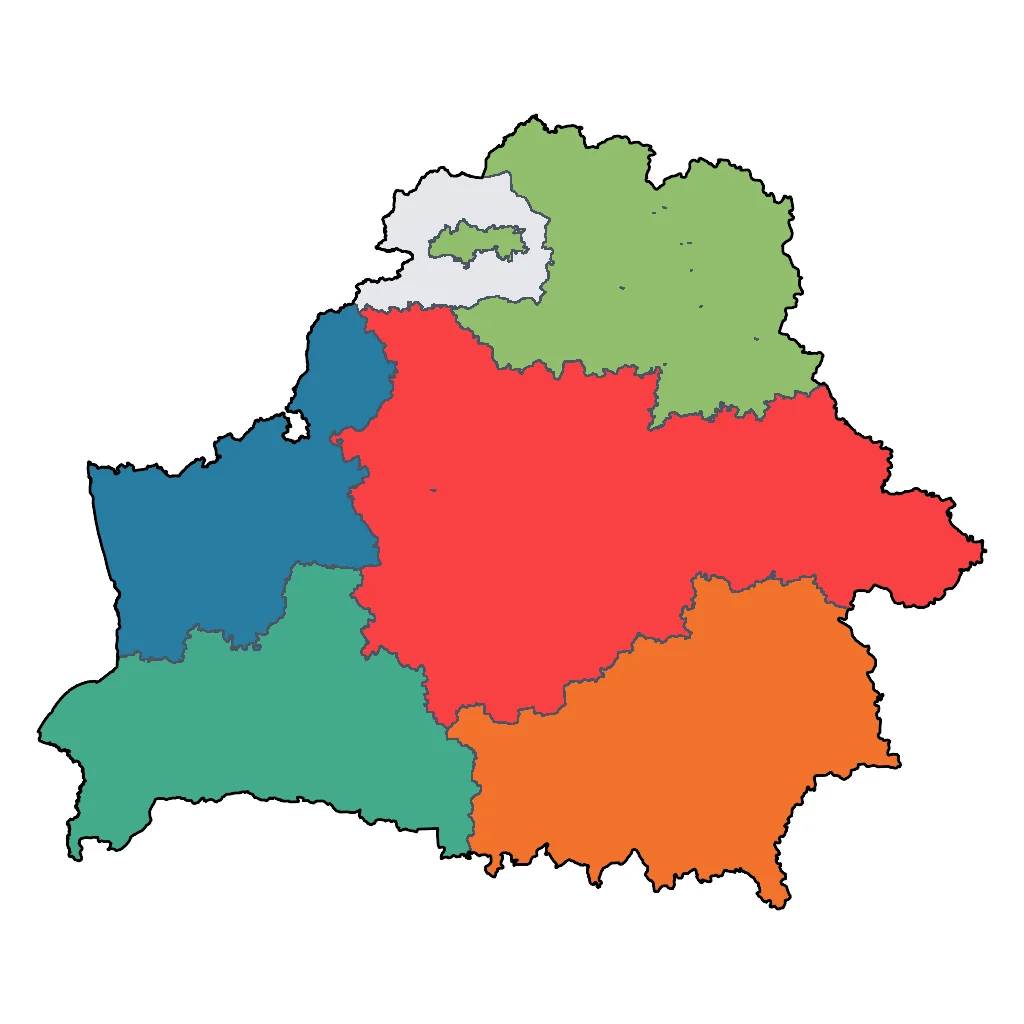
6 Regions
Belarusian Lakeland
The land of crystal-clear lakes 🛶
Brest & Belovezhskaya Pushcha
Ancient forests and bison encounters 🦬
Gomel & Polesie (Pripyat Marshes)
Deep rivers and palace gardens 🌳
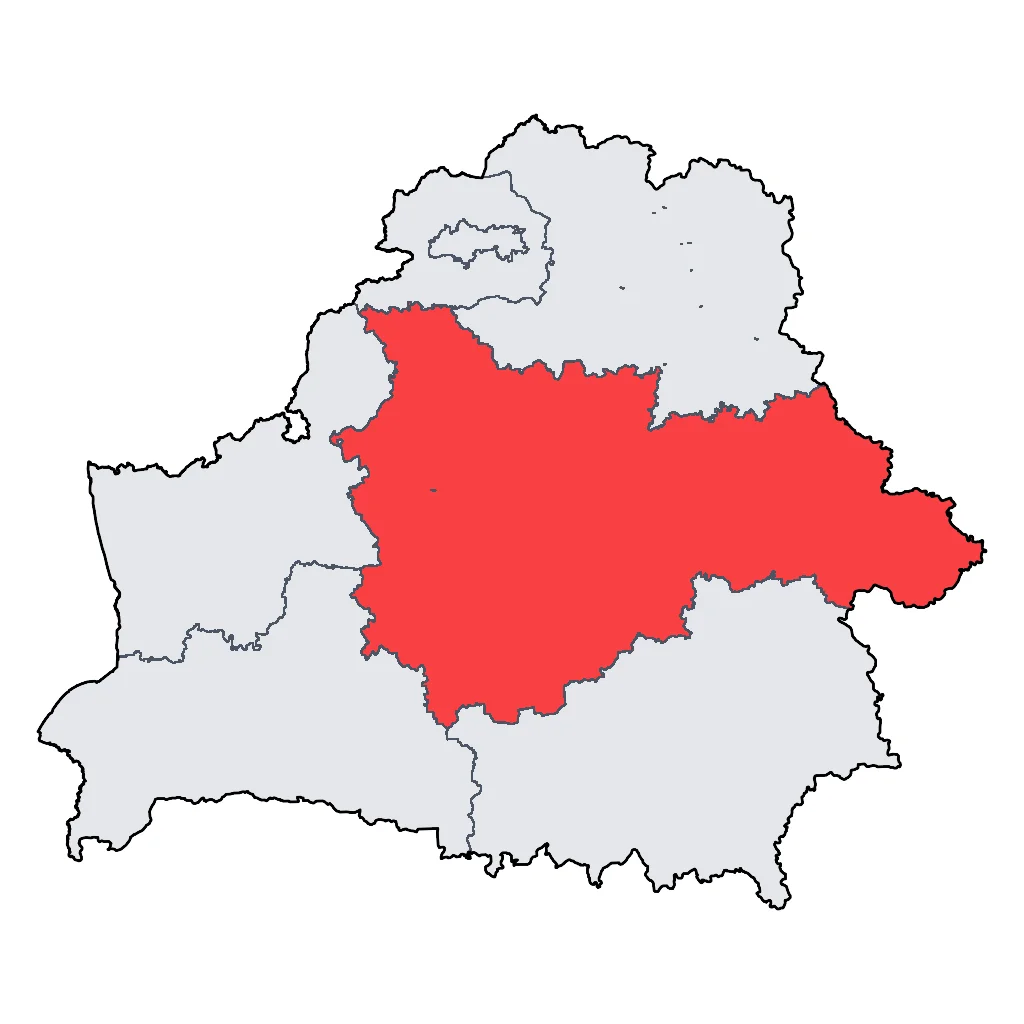
Minsk & Central Belarus
City parks and living history 🎡
Vitebsk & Historic North
Artistic heritage and ancient cities 🎨
Western Castles & Grodno
Fairytale castles and royal history 🏰
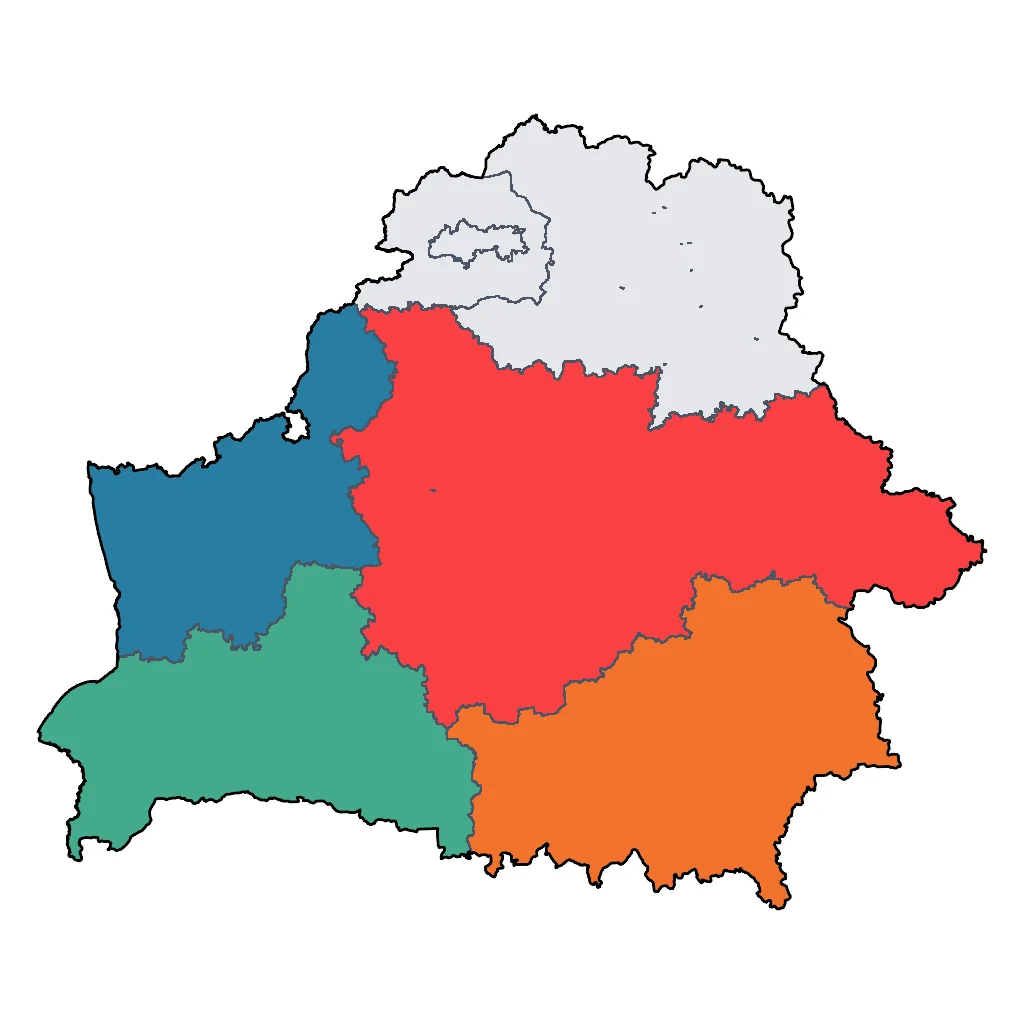
Click on a region marker to explore details. Use the dropdown to color regions by activity suitability.

Activities & Best Times
Adventure & Nature
Very GoodHiking, wildlife, outdoor exploration, ecotourism
Home to the rare European bison in Europe's last primeval forest, providing a unique and authentic wildlife experience for discerning nature lovers. Peak summer months offer the best visibility and mildest temperatures for forest exploration, while winter is bitingly cold and less accessible.
A pristine mosaic of 2,000+ glacial lakes and marshes offering authentic birdwatching and quiet water exploration. July and August provide the only reliably warm conditions for lake-based trekking; winter is harsh with frozen terrain and limited accessible eco-infrastructure.
Pristine landscapes like the Naliboki Forest offer authentic wildlife viewing and forest trekking for families seeking uncrowded nature. The peak summer window provides the only consistent warmth (max 21-23°C) for outdoor exploration, while the long off-season is characterized by mud or deep frost.

City & Cultural
Very GoodUrban tourism, museums, historical sites, architecture
Home to UNESCO-listed Mir and Nesvizh castles, the region offers world-class fortifications and the elegant, European-style architecture of Grodno. Peak months (May-Sep) provide comfortable temperatures for exploring royal residences, while the cold, dark winter months significantly hinder the experience for families with children.
Minsk offers a sophisticated blend of monumental Stalinist architecture, a world-class Opera and Ballet theater, and a vibrant contemporary art scene. Peak months (May-Sep) provide pleasant temperatures for exploring the grand avenues and outdoor cafes, while sub-zero winters make urban exploration significantly less appealing.
Features the grand Gomel Palace ensemble and authentic wooden architecture in rural Polesie villages, offering a deep dive into East Slavic heritage. Late spring and autumn provide the best temperatures for architectural tours, whereas winter temperatures frequently drop below freezing, limiting outdoor exploration.
Road Trips & Scenic
Very GoodScenic drives, countryside tours, route-based travel
The 'Castle Route' offers well-maintained roads connecting majestic royal estates through a charming, fairytale landscape of rolling hills and river vistas. Summer provides the long daylight hours and lush scenery necessary for scenic touring; winter months present hazardous driving conditions and a bleak, frozen landscape.
Belarus boasts some of the best-maintained roads in Eastern Europe, perfect for driving between Minsk and the nearby UNESCO-listed castles or ethnographic villages. Clear conditions and long daylight hours from May to September make for excellent driving, whereas winter months bring dangerous ice and limited visibility.
Scenic drives through the floodplain meadows and traditional villages offer a window into a disappearing way of life. The best visibility and road conditions occur in the dry shoulder of spring and autumn, while winter snow and ice make the flat marshland roads treacherous for international travelers.

Educational & Exploratory
GoodLearning experiences, scientific sites, historical education
A living history classroom focusing on the Grand Duchy of Lithuania and the Radziwill dynasty with high-quality, restored museum interiors. Best visited when mild weather allows for exploration of outdoor archaeological sites and expansive parklands; off-season weather is too harsh for extensive site-based learning.
The Great Patriotic War Museum is nationally significant but not internationally calibrated at the 'very_good' level for educational tourism. Comparable European capitals with richer museum ecosystems (Vienna, Prague, Warsaw) might warrant 'very_good'; Minsk does not yet reach that tier.
Provides rare scientific and historical insights through its radio-ecological reserves and ethnographic museums focused on marshland survival. Peak periods offer the best accessibility for guided ecological tours, while winter weather restricts access to remote research sites.

Festivals & Seasonal
GoodEvents, celebrations, seasonal attractions
Authentic medieval festivals and knightly tournaments take place within the castle walls, offering unique cultural immersion for sophisticated travelers. These events are concentrated in the summer months (Jun-Aug); the region lacks significant international-standard events during the cold, wet off-season.
Host to the Slavianski Bazaar in Vitebsk and authentic, non-commercialized Kupalye (summer solstice) celebrations. July is the absolute peak for these cultural spectacles; the rest of the year lacks events of sufficient scale or authenticity for international travelers.
Authentic folk traditions like the Kupala Night (summer solstice) and traditional Christmas markets provide unique cultural entry points for families. These events are most vibrant in mid-summer and December, while the late autumn and early spring offer little in the way of major organized cultural celebrations.

Relaxation & Wellness
GoodSpa retreats, wellness centers, peaceful getaways
The region features high-end wellness retreats and modern sanatoriums that blend Soviet-era health traditions with world-class luxury. Summer is ideal for lakeside relaxation, while December offers a peak festive atmosphere for indoor spa retreats; other months suffer from drab, overcast conditions.
The peaceful Neman River embankment and city parks offer a relaxing atmosphere for families, but the region lacks dedicated world-class wellness facilities or retreats that would appeal to internationally experienced travelers. Outdoor relaxation is most enjoyable during the warmer months from May to September.
Provides a 'slow travel' experience with lakeside eco-lodges and traditional regional health retreats. Peak summer allows for outdoor wellness and lake swimming; however, it lacks the year-round luxury spa infrastructure found in world-class wellness destinations.
Sports & Active
GoodSport tourism, fitness activities, active recreation
Excellent for low-impact water sports like kayaking and rowing through interconnected lake systems and rural cycling. Peak summer months ensure manageable water temperatures; shoulder months are suitable for cycling but often too damp or cold for aquatic activities.
The winding Pripyat River is an exceptional destination for long-distance kayaking and canoeing through pristine wilderness. May, June, and August offer optimal water conditions and warmth, while July is often avoided as a peak month due to the region's highest rainfall and humidity.
High-quality, flat cycling trails through the ancient forest offer a serene and safe active experience for families. Peak conditions occur in summer when trails are dry and temperatures are pleasant, while shoulder months offer crisp air but require more preparation for variable weather.
Beach & Sea
MarginalBeach resorts, marine activities: diving, snorkelling, kite surfing, wind surfing, sailing
The region offers extensive lake-based water activities like swimming, boating, and kayaking in a pristine natural setting, but it lacks coastal beaches and international resort infrastructure to meet world-class 'beach_water' standards. Peak summer months (June-August) provide the warmest weather for water activities; shoulder months (May, September) are cooler, while the rest of the year is generally too cold for sustained water recreation.
Lake Narach offers freshwater beach and boating experiences during summer, appealing to families seeking water activities. While enjoyable locally, it does not meet international 'beach_water' standards for discerning travelers, lacking the characteristics of pristine coastal destinations. Peak months provide the warmest weather for swimming, with shoulder months offering cooler but still pleasant conditions.

Ski & Snow
MarginalWinter sports, ski resorts, snow activities
Airports & Flight Routes
Toggle options to view domestic routes and international airports. Click an airport for details.
Climate & Weather
Belarusian Lakeland
Show Details
| Month | Temp °C | Rain | Humidity |
|---|
Brest & Belovezhskaya Pushcha
Show Details
| Month | Temp °C | Rain | Humidity |
|---|
Gomel & Polesie (Pripyat Marshes)
Show Details
| Month | Temp °C | Rain | Humidity |
|---|
Minsk & Central Belarus
Show Details
| Month | Temp °C | Rain | Humidity |
|---|
Vitebsk & Historic North
Show Details
| Month | Temp °C | Rain | Humidity |
|---|
Western Castles & Grodno
Show Details
| Month | Temp °C | Rain | Humidity |
|---|
Travel Advisory
Extreme risk; travel is strongly discouraged or prohibited by all major agencies due to local law enforcement risks and regional conflict.
Safety Topics
Traveller Advice (4 groups)

All visitors should depart immediately via available commercial land routes. Ensure your passport and travel documents are always on your person and avoid any behavior that could be interpreted as political.

While not explicitly illegal, same-sex relationships are socially discouraged and may lead to harassment. There are no legal protections against discrimination.
Workers in border regions near Ukraine are at increased risk due to military activity and potential spillover of the armed conflict.

Media workers face a critical risk of harassment, surveillance, and imprisonment. Accreditation is difficult to obtain and offers no protection from state security services.