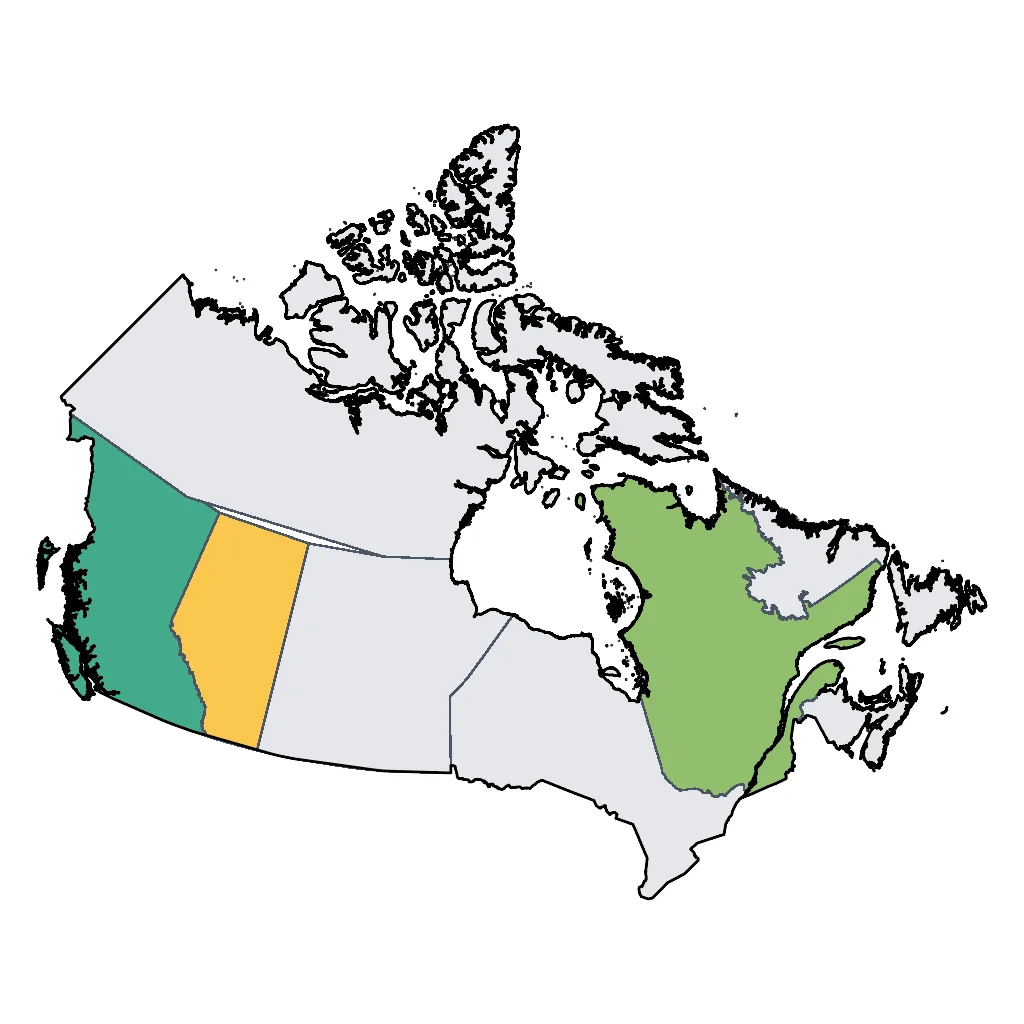

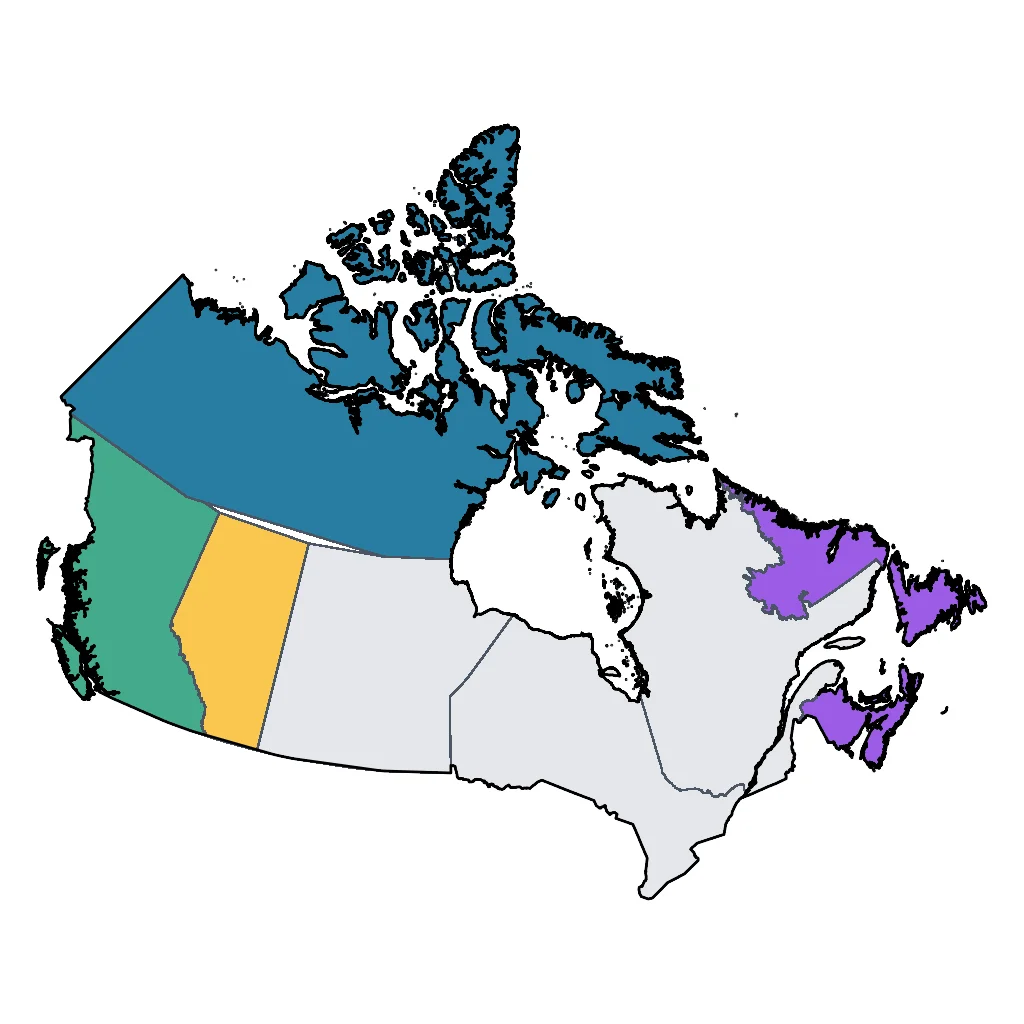
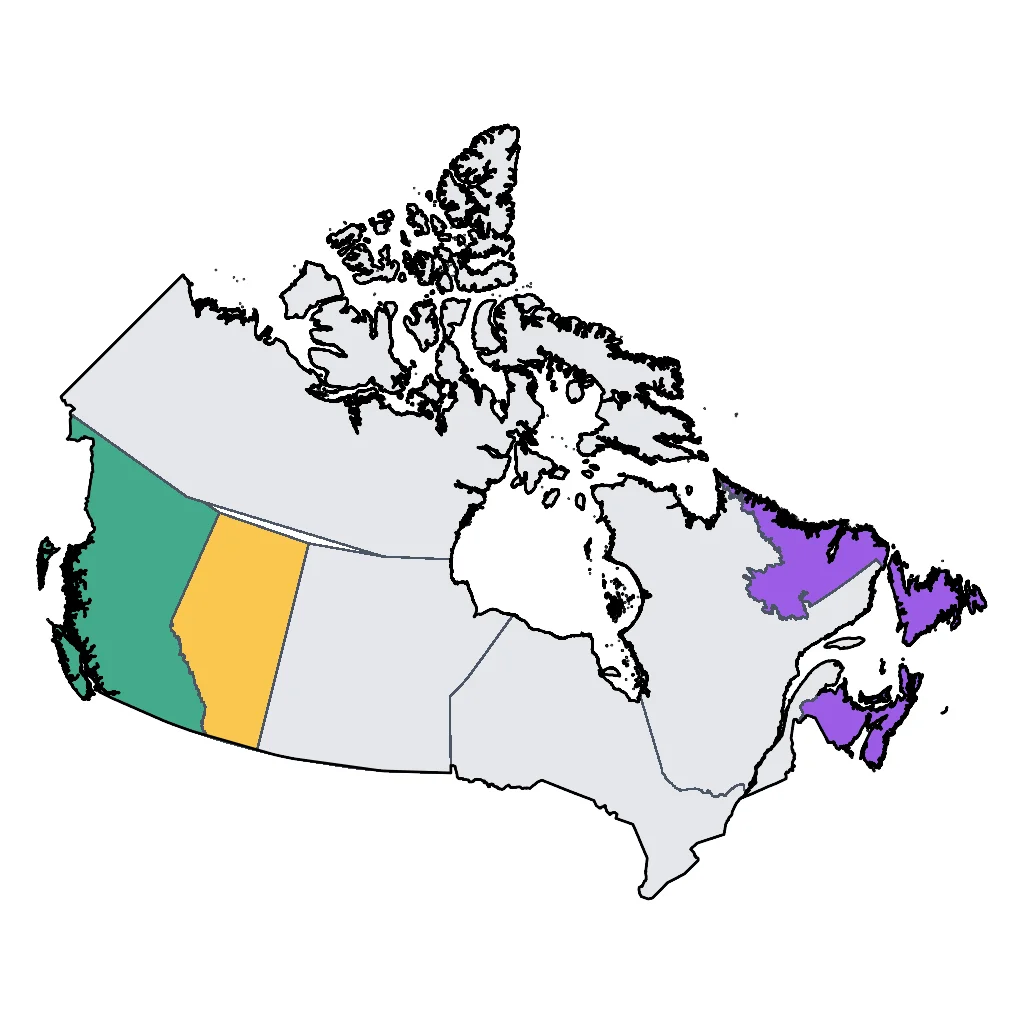
Atlantic Canada is defined by its relationship with the ocean, comprising Nova Scotia, New Brunswick, Prince Edward Island (PEI), and Newfoundland & Labrador. This region is famous for its relaxed pace and compact geography, making it ideal for family road trips. In New Brunswick and Nova Scotia, the Bay of Fundy presents a natural wonder where tides rise and fall by as much as 16 metres. At Hopewell Rocks, families can walk on the muddy ocean floor in the morning and kayak over the same spot by afternoon. The coastal drives are dotted with working lighthouses and fishing villages where children can watch lobster boats unload the day's catch.
Prince Edward Island (PEI) is the smallest province but a giant for family tourism. Known for its distinct red soil and warm scenic beaches, it brings the story of Anne of Green Gables to life at Green Gables Heritage Place. The island's flat Confederation Trail is perfect for family cycling trips. A short drive across the Confederation Bridge leads to fresh seafood markets and sandy provincial parks where the water is surprisingly warm for the North Atlantic.
Further east, Newfoundland and Labrador offers a more rugged adventure. Families can take boat tours from St. John's or Twillingate to spot massive icebergs drifting south and see puffins nesting on the cliffs. The province is also home to L'Anse aux Meadows, the only authenticated Viking settlement in North America, where costumed interpreters teach kids about Norse history. While travel between these provinces often involves ferries that kids find exciting, it requires advanced booking during the peak summer season. The culinary scene is approachable for children, featuring fish and chips, dairy bars, and blueberry desserts.
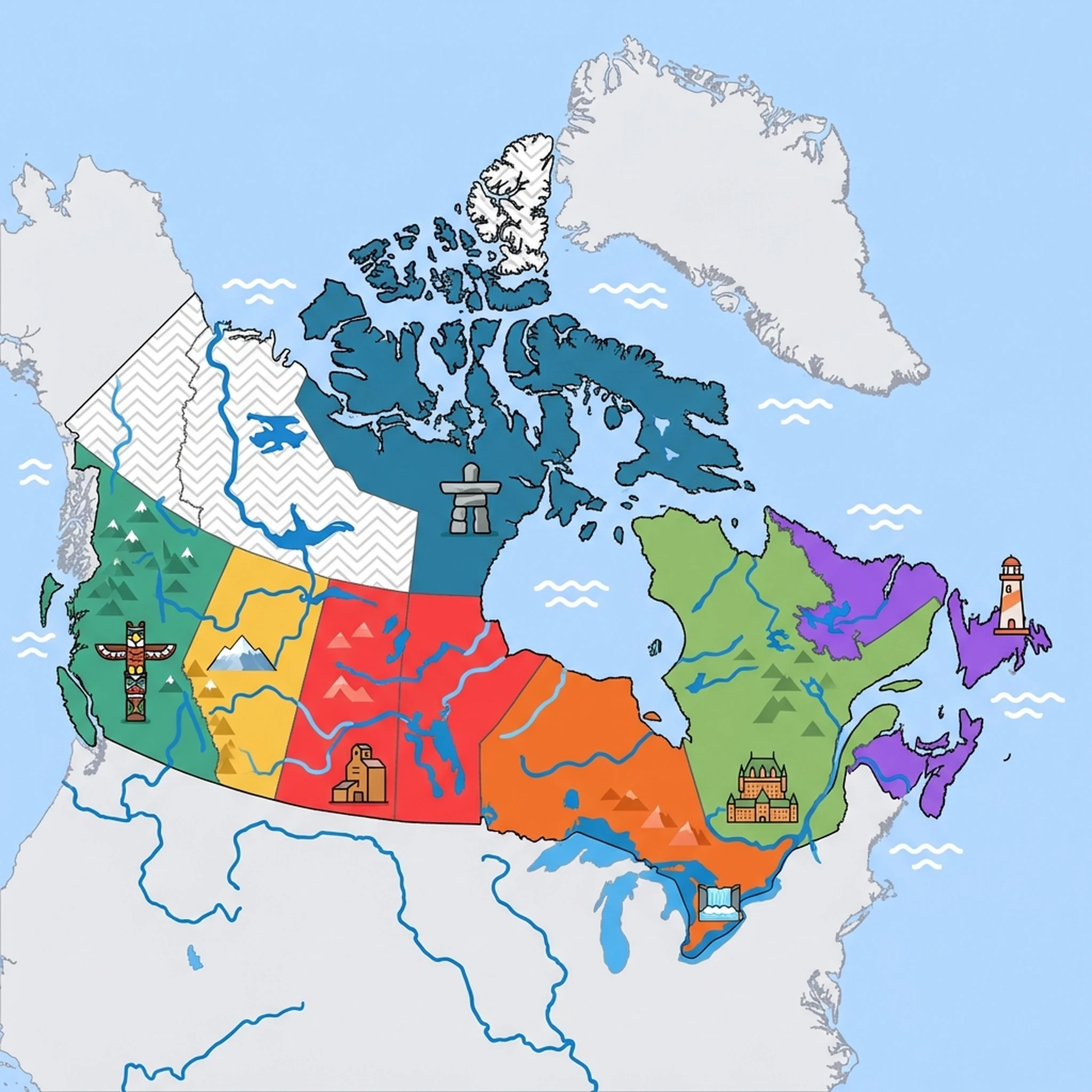
Click a region to explore

Activities & Best Times

Hiking, wildlife, outdoor exploration, ecotourism
Home to UNESCO-listed Gros Morne and the world's highest tides in the Bay of Fundy, offering rare iceberg and whale watching opportunities. Peak summer months provide the most stable weather for remote hiking and marine wildlife activity, while harsh winters and wet springs restrict access to wilderness areas.

Scenic drives, countryside tours, route-based travel
The Cabot Trail and Viking Trail are globally recognized as premier scenic drives, featuring well-maintained infrastructure and dramatic coastal vistas. Peak season includes the spectacular October foliage and warm summer months, whereas winter brings dangerous icy conditions and seasonal closures of visitor services.

Learning experiences, scientific sites, historical education
Rich in world-class historical sites like L’Anse aux Meadows (Viking settlement) and the Halifax Citadel, offering deep cultural immersion. Peak months ensure all interpretive programs and guided tours are operational, while many significant historical sites are closed to the public during the long, snowy off-season.
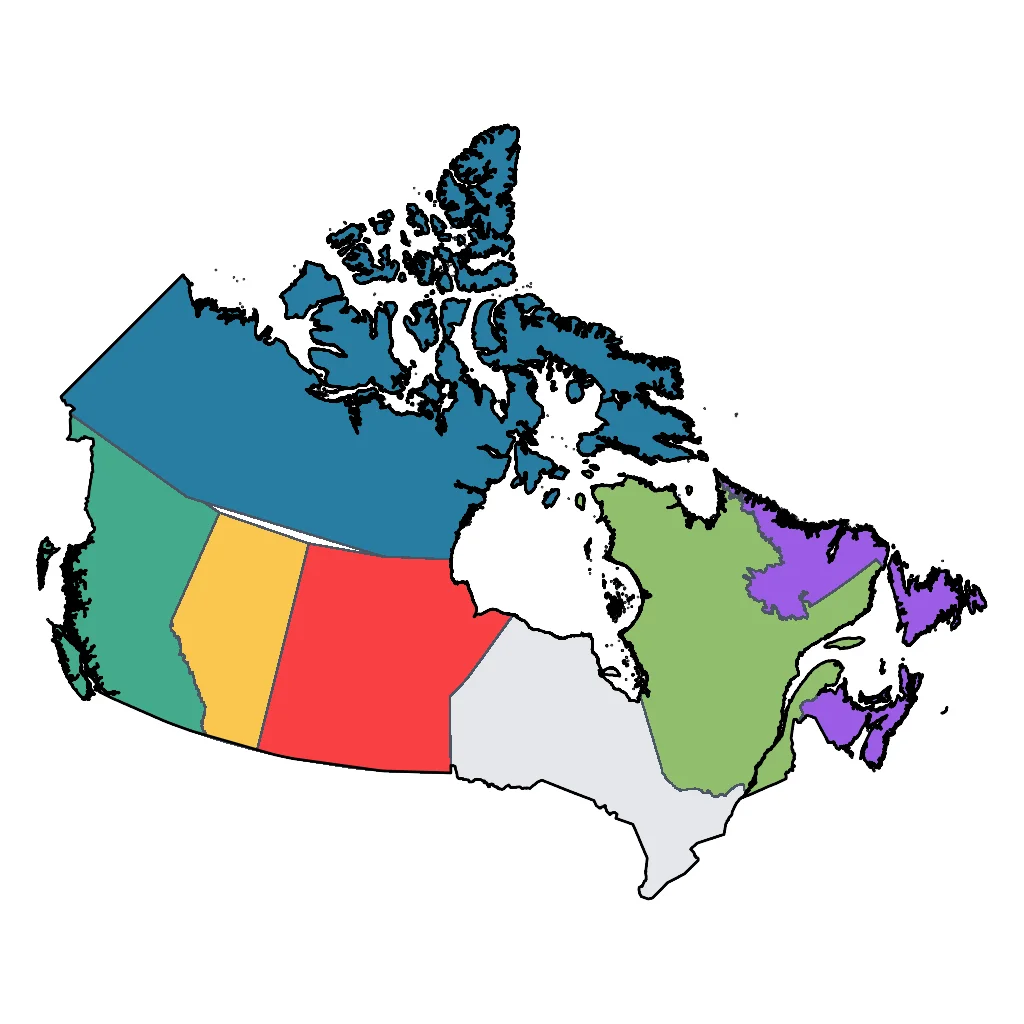

Events, celebrations, seasonal attractions
Authentic cultural events like the Celtic Colours International Festival and the Royal Nova Scotia International Tattoo offer sophisticated travelers genuine local heritage. These events are strategically scheduled for the peak warmth of summer and the peak color of autumn, with very few internationally significant events occurring in the cold winter.
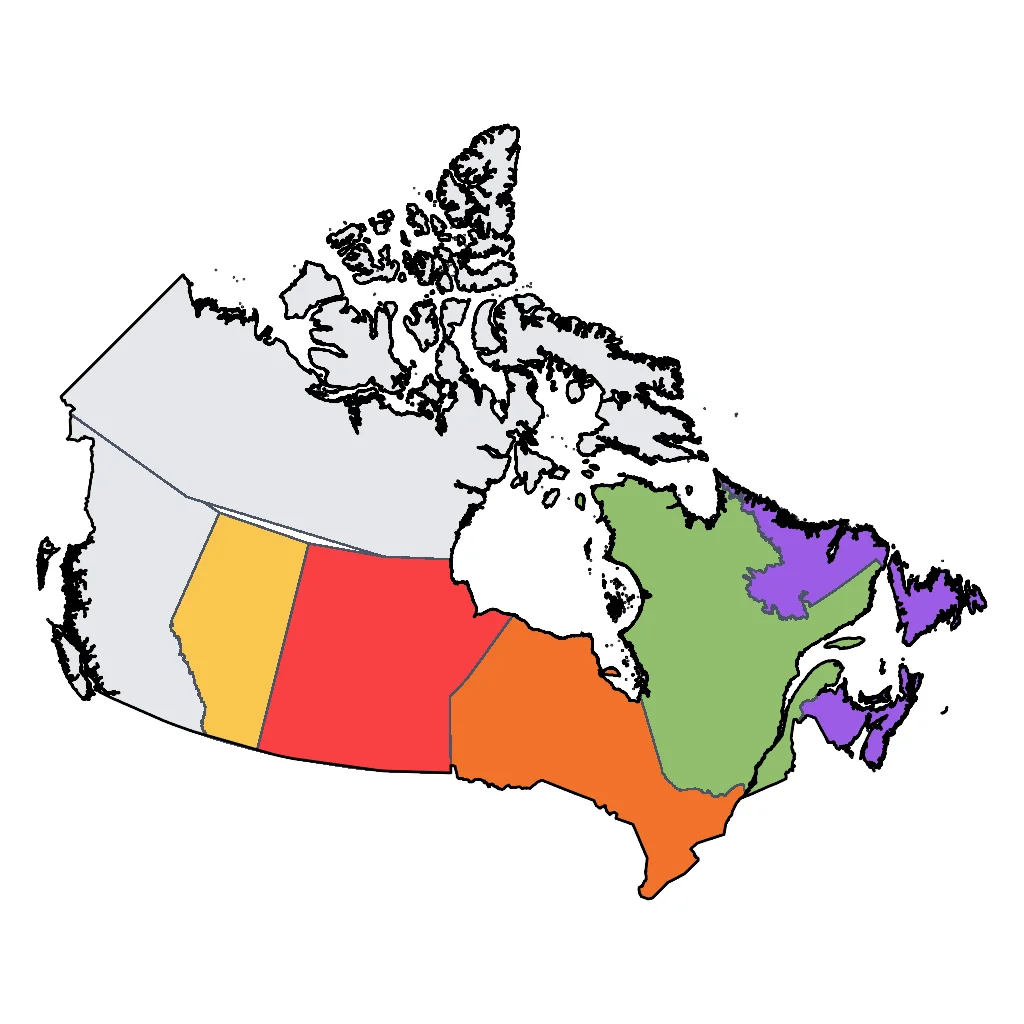

Sport tourism, fitness activities, active recreation
Boasts world-tier golf courses like Cabot Cliffs and exceptional sea kayaking along rugged granite coasts. Peak months offer the necessary calm seas and mild temperatures for active recreation, while the off-season is unsuitable due to sub-zero temperatures and high precipitation.
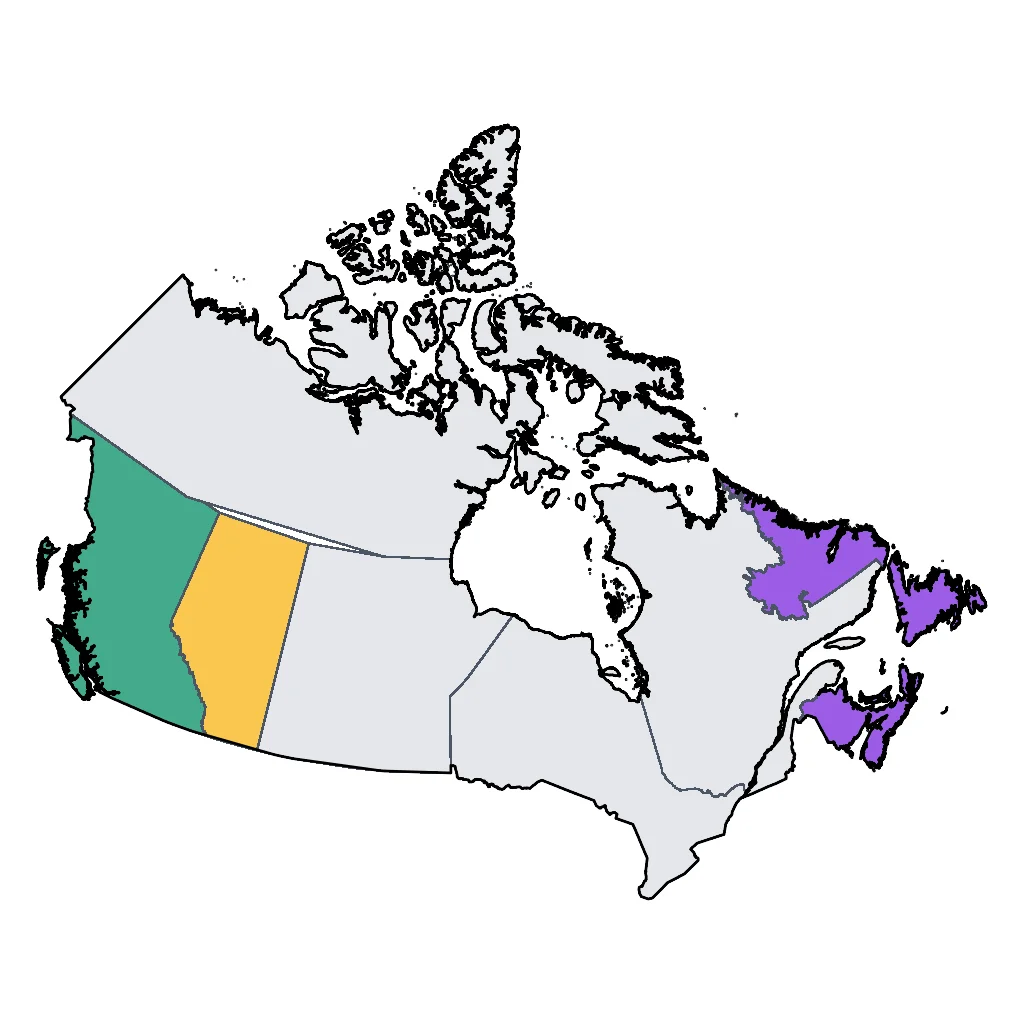

Urban tourism, museums, historical sites, architecture
Cities like Halifax and St. John's offer authentic maritime charm and sophisticated farm-to-table dining but lack the scale of global metropolises. The urban experience is best during the peak months when street life and festivals are active; winter temperatures below 0°C significantly diminish the appeal of exploring these walkable historic centers.
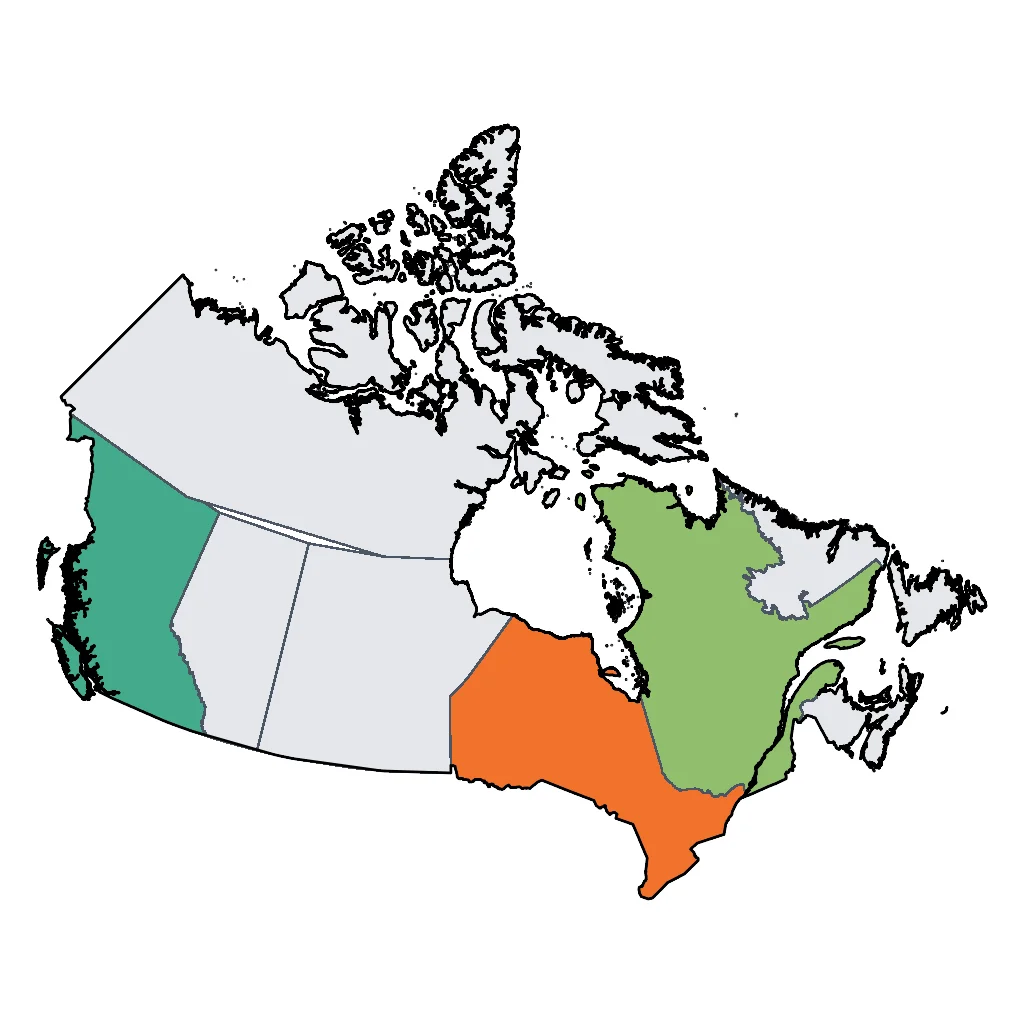
Beach resorts, marine activities: diving, snorkelling, kite surfing, wind surfing, sailing
Features unique red sand beaches in PEI and crystal-clear waters, though temperatures are much cooler than global beach benchmarks. Peak summer is the only time water temperatures reach acceptable levels for families, but even then, air temps rarely exceed 21°C, making it a rugged coastal experience rather than a tropical resort escape.
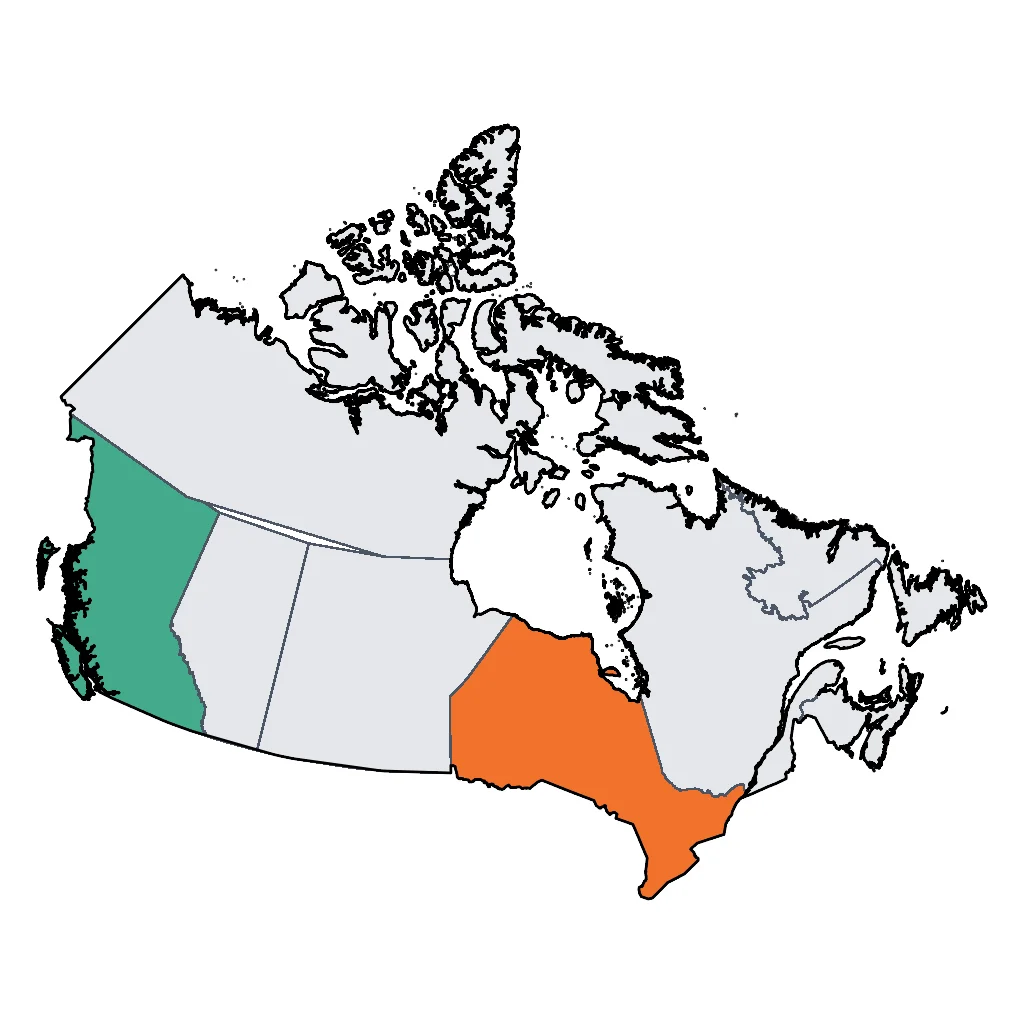

Spa retreats, wellness centers, peaceful getaways
Features world-class, ultra-exclusive isolation retreats like the Fogo Island Inn that appeal to discerning travelers. While the quality of specific lodges is world-class, the region lacks a high density of wellness-focused infrastructure, with the best experiences tied to the pleasant weather of the peak summer and early autumn.
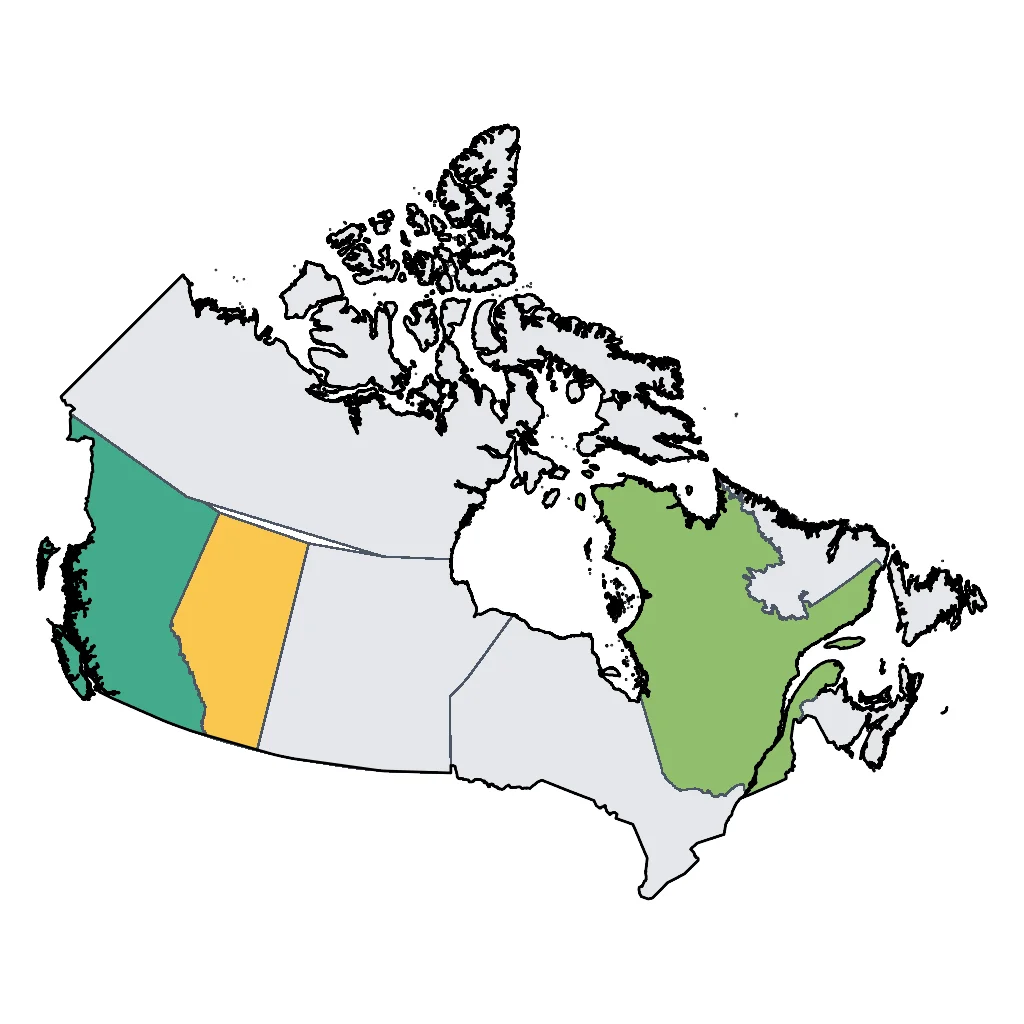

Winter sports, ski resorts, snow activities
Regional ski hills like Marble Mountain offer reliable snow in mid-winter but lack the scale and infrastructure of world-class alpine destinations. Best conditions are found in February; the off-season sees total snow melt and closure of alpine facilities.