
Prairies & Interior Plains
Living skies and polar bear encounters 🌾🐻❄️
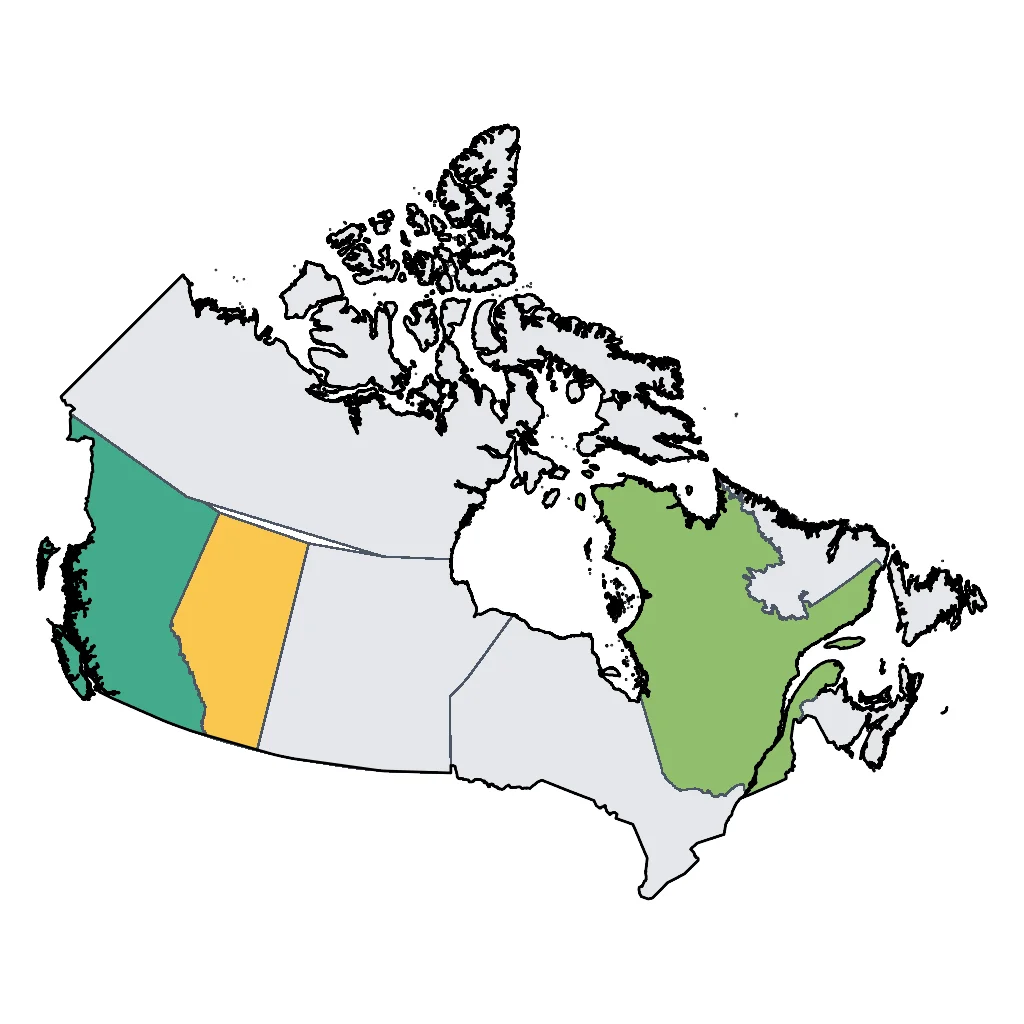
The Prairies & Interior Plains, covering Saskatchewan and Manitoba, are often called the "land of living skies" due to their vast horizons and spectacular sunsets. While the south is famous for agriculture, the northern reaches offer world-class wildlife experiences. Churchill, Manitoba, on the edge of Hudson Bay, is the polar bear capital of the world. Families can board specialized tundra buggies to safely view bears in the wild or take boat tours to see thousands of beluga whales congregating in the river mouth during summer.
Winnipeg serves as a cultural hub for the region. The Forks Market is a historic meeting place with food stalls and river walks, while the Assiniboine Park Zoo features the "Journey to Churchill" exhibit, allowing kids to see polar bears and seals swimming overhead in glass tunnels. The Canadian Museum for Human Rights offers powerful, thought-provoking exhibits, many of which are curated to be accessible for younger audiences.
In Saskatchewan, the history of the Mounties is explored at the RCMP Heritage Centre in Regina, where families can watch the Sergeant Major’s Parade. Saskatoon offers the Wanuskewin Heritage Park, a centre for First Nations culture where visitors can learn about bison hunting, sleep in a tipi, and watch traditional dance performances. Despite the reputation for being flat, the region is dotted with over 100,000 lakes. Prince Albert National Park and Riding Mountain National Park provide forested oases where families can swim, fish, and spot bison and elk, offering a classic Canadian summer cabin experience without the heavy crowds found elsewhere.
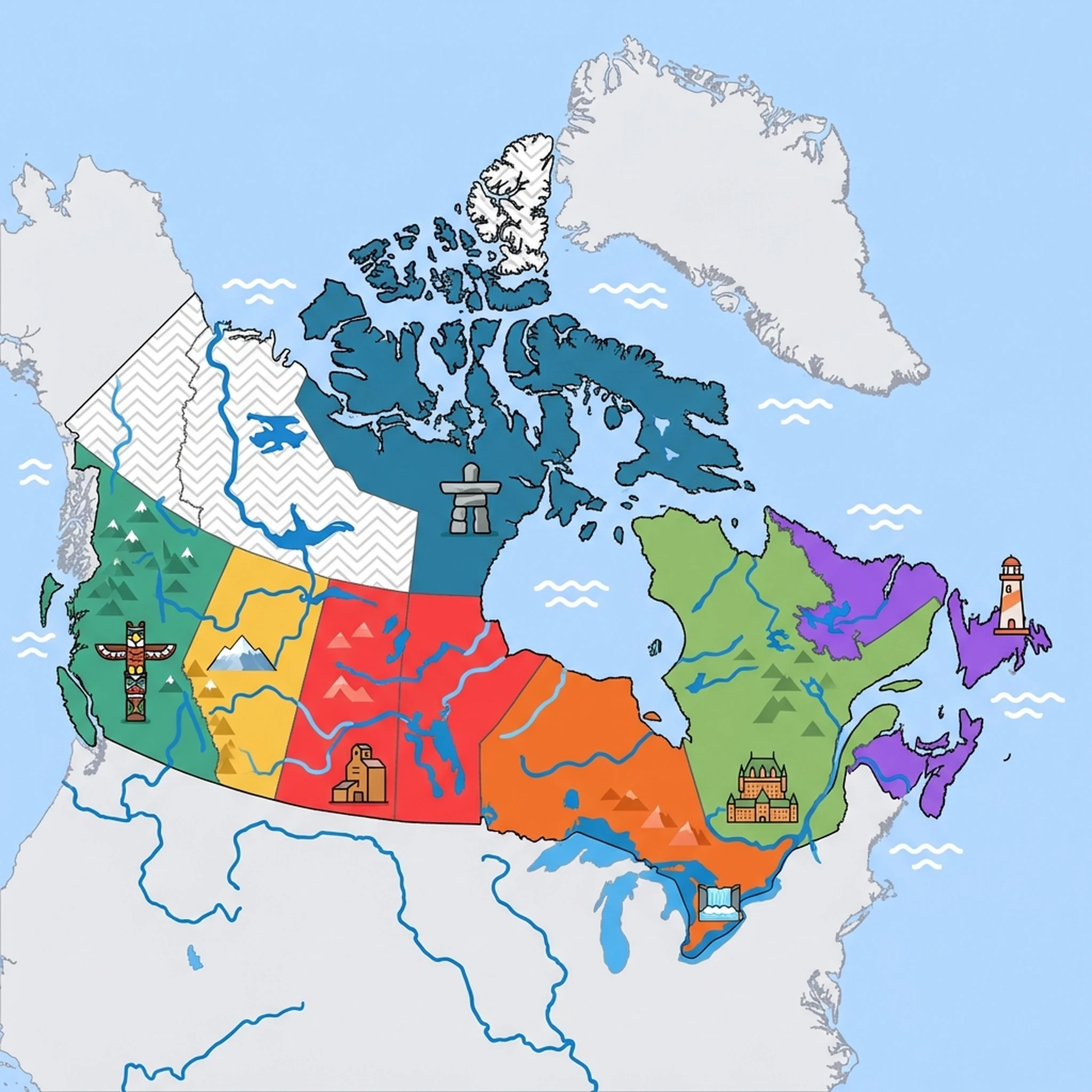
Click a region to explore

Activities & Best Times

Hiking, wildlife, outdoor exploration, ecotourism
Home to Churchill, the 'Polar Bear Capital of the World,' offering world-unique wildlife encounters with bears (Oct-Nov) and beluga whales (Jul-Aug). While summer provides excellent hiking and birding, the extreme subarctic winter makes outdoor adventure challenging outside of these specific wildlife windows.

Learning experiences, scientific sites, historical education
Features the world-class Canadian Museum for Human Rights and the Wanuskewin Heritage Park, an internationally significant Indigenous archaeological site. Peak months align with warmer temperatures for exploring heritage sites; shoulder months remain viable for indoor museum visits before extreme winter sets in.
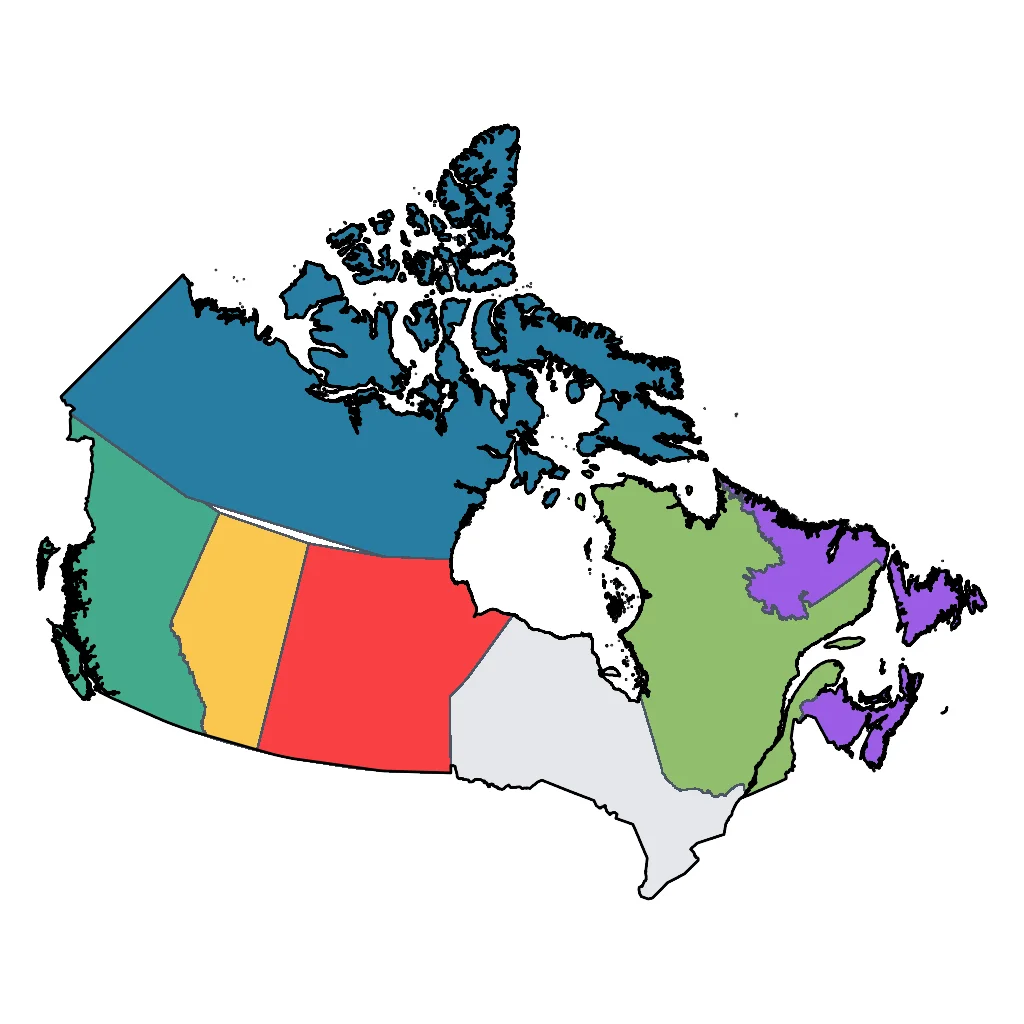

Events, celebrations, seasonal attractions
Boasts high-quality authentic events like Winnipeg's Festival du Voyageur (Feb) and major summer folk festivals, alongside the seasonal migration of polar bears. Peak months represent these specific cultural and natural events, while shoulder months feature smaller regional fairs and harvest celebrations.
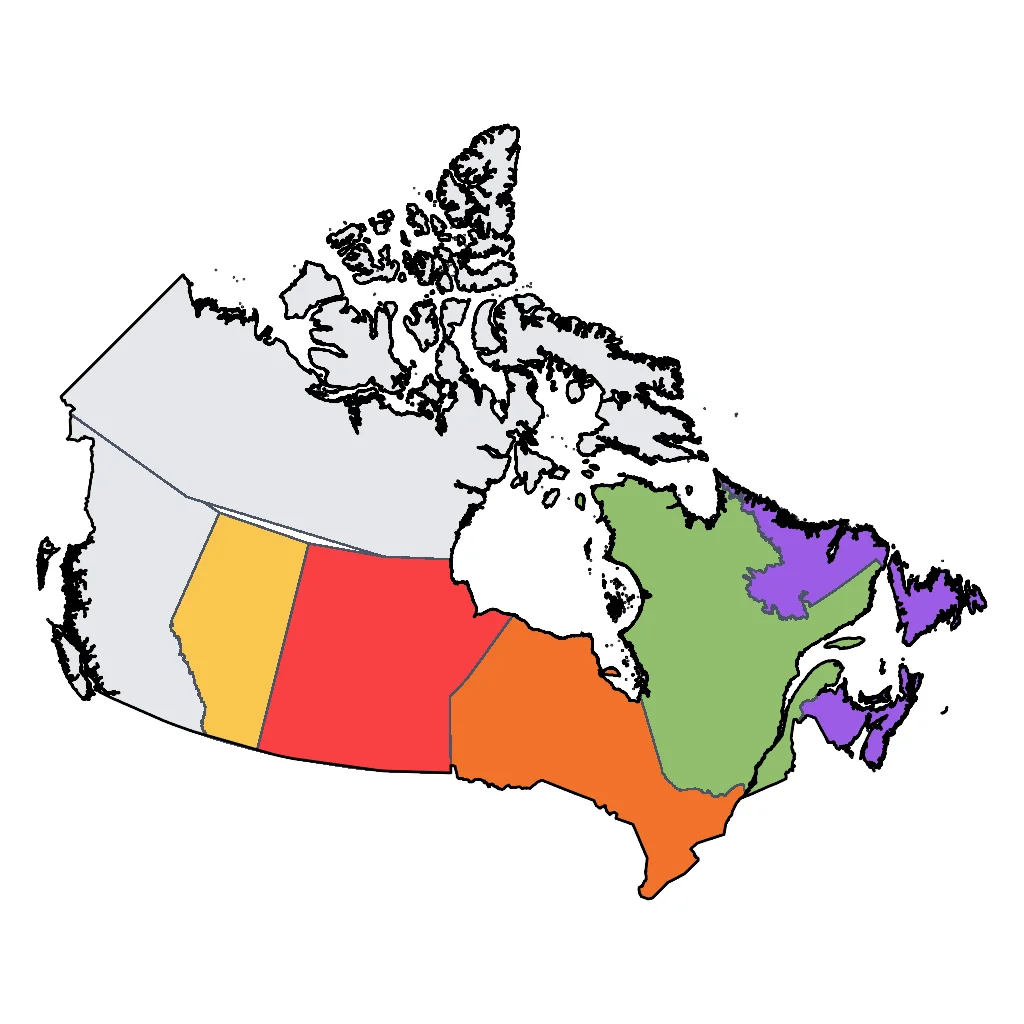

Urban tourism, museums, historical sites, architecture
Winnipeg and Saskatoon offer sophisticated arts scenes, including the Royal Winnipeg Ballet and the Remai Modern gallery. Summer is the only viable time for an international-standard urban experience, as extreme winter temperatures (-15°C and below) severely limit walkability and outdoor culture.
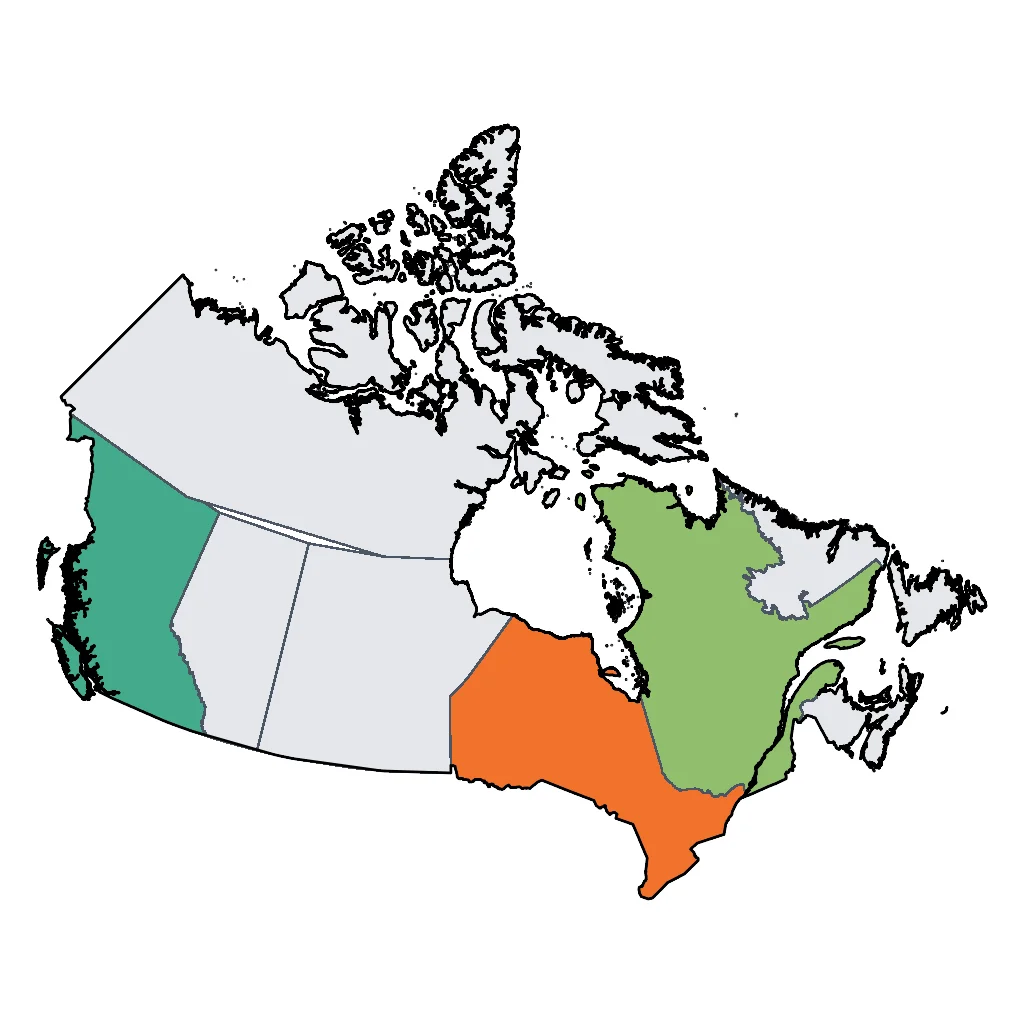

Scenic drives, countryside tours, route-based travel
The iconic 'living skies' and vast golden horizons offer a unique, minimalist aesthetic for long-distance driving through historic pioneer landscapes. Road travel is optimal in summer for safety and visibility; winter months are classified as off-season due to dangerous blizzard conditions and extreme cold.
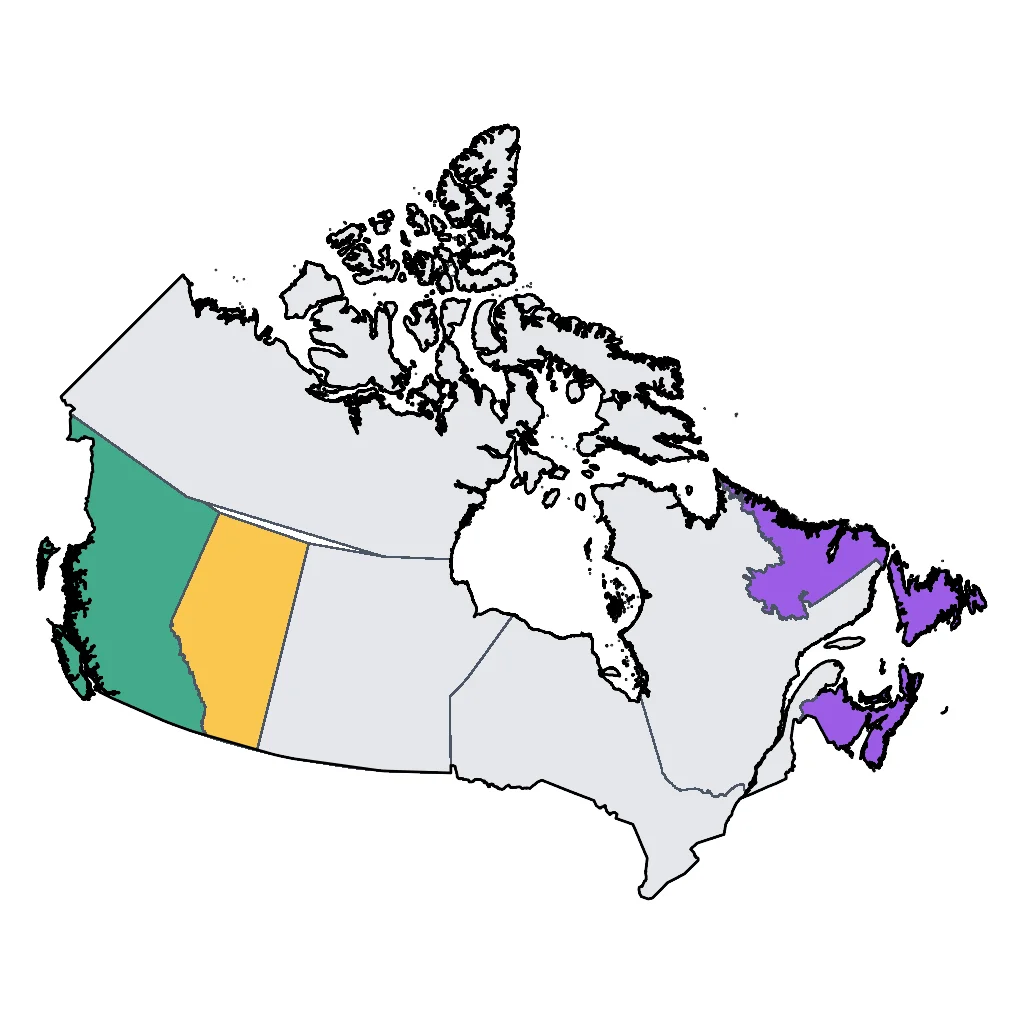

Spa retreats, wellness centers, peaceful getaways
Features high-quality Nordic-style spas such as Thermëa in Winnipeg, providing a serene escape for discerning travelers. While enjoyable, it lacks the global uniqueness of world-class thermal or destination retreats, with summer being the most comfortable time for outdoor hydrotherapy circuits.