
Switzerland stands out as one of Europe's most practical destinations for family travel. Known for its punctuality, cleanliness, and safety, the country allows parents to navigate mountainous terrain with remarkable ease. The landscape is defined by the soaring Alps in the south and the rolling hills of the Jura in the north, with the central plateau hosting major cities like Zurich and Bern. While the scenery is dramatic, the infrastructure makes it accessible even for families with strollers or young children.
For many visitors, the journey is the attraction. The Swiss public transport system (SBB) is integrated and reliable. Families can travel entirely by train, bus, and boat without needing a car rental. Kids particularly enjoy the scenic rail routes, such as the Bernina Express or the cogwheel trains that climb steep gradients to summits like the Jungfraujoch and Mount Pilatus. Most intercity trains include family zones with play areas, and the iconic yellow Postbuses connect remote villages to the rail network.
Outdoor activities are available year-round. In summer, the mountains offer an extensive network of hiking trails. Many regions feature "theme trails" specifically for children, incorporating storytelling, treasure hunts, or sensory stations along the path. Lake swimming is popular in the cleaner-than-average waters of Lake Zurich, Lake Lucerne, and Lake Geneva. In winter, resorts like Zermatt, Grindelwald, and Saas-Fee provide excellent ski schools and car-free village centers where children can play safely in the snow.
Culturally, Switzerland is a blend of German, French, and Italian influences. This diversity is reflected in the food, which is generally kid-friendly. Fondue (melted cheese) and Raclette are interactive meals that turn dining into a fun activity. A visit to a chocolate factory, such as the Maison Cailler in Broc or the Lindt Home of Chocolate near Zurich, is often a highlight for younger travelers. For history, the Swiss Museum of Transport in Lucerne offers extensive interactive exhibits on trains, planes, and automobiles.
Practical Considerations: Switzerland is one of the most expensive countries in the world. Accommodation and dining costs are high, so families often choose self-catering apartments or picnic lunches from supermarkets like Migros and Coop. To manage transport costs, the Swiss Travel Pass is highly recommended; it offers unlimited travel on the network and free entry to hundreds of museums. Crucially, the accompanying Swiss Family Card allows children under 16 to travel completely free when accompanied by a parent.
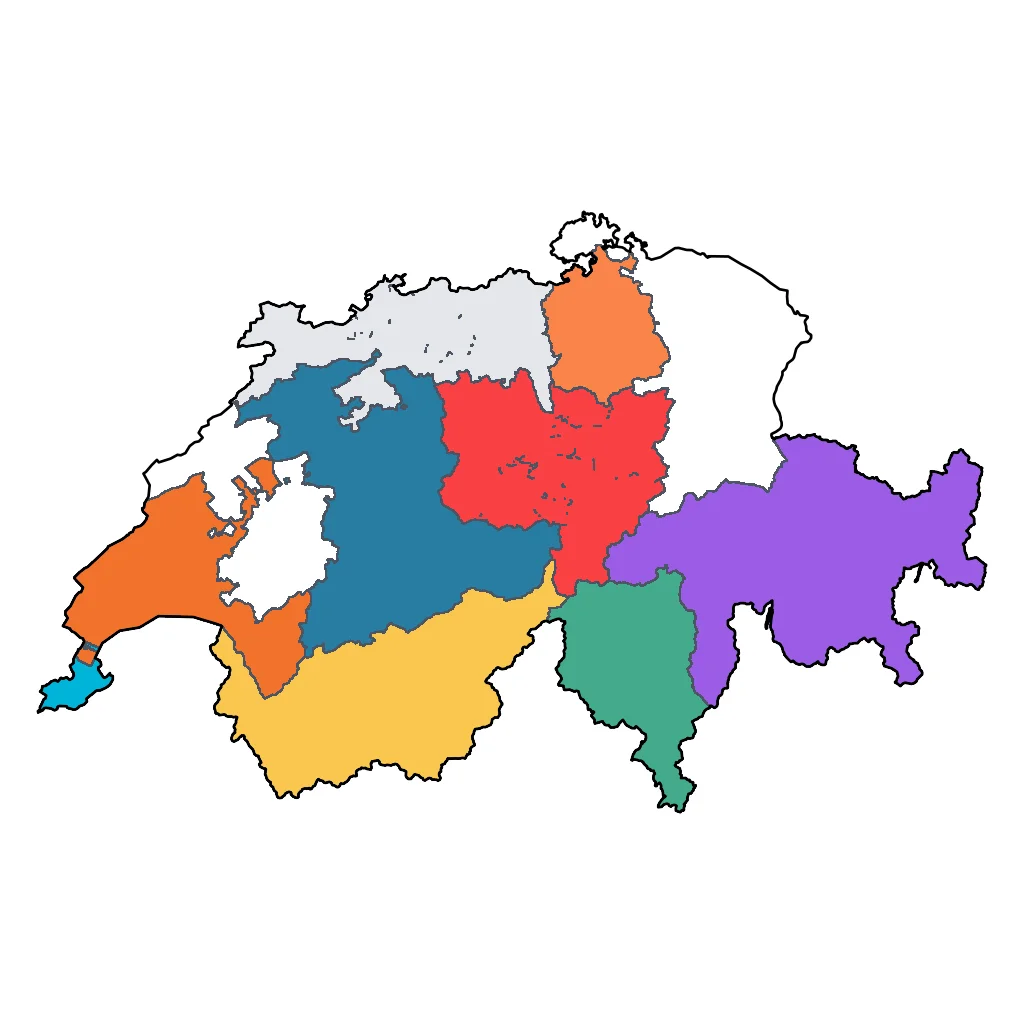
Explore Regions
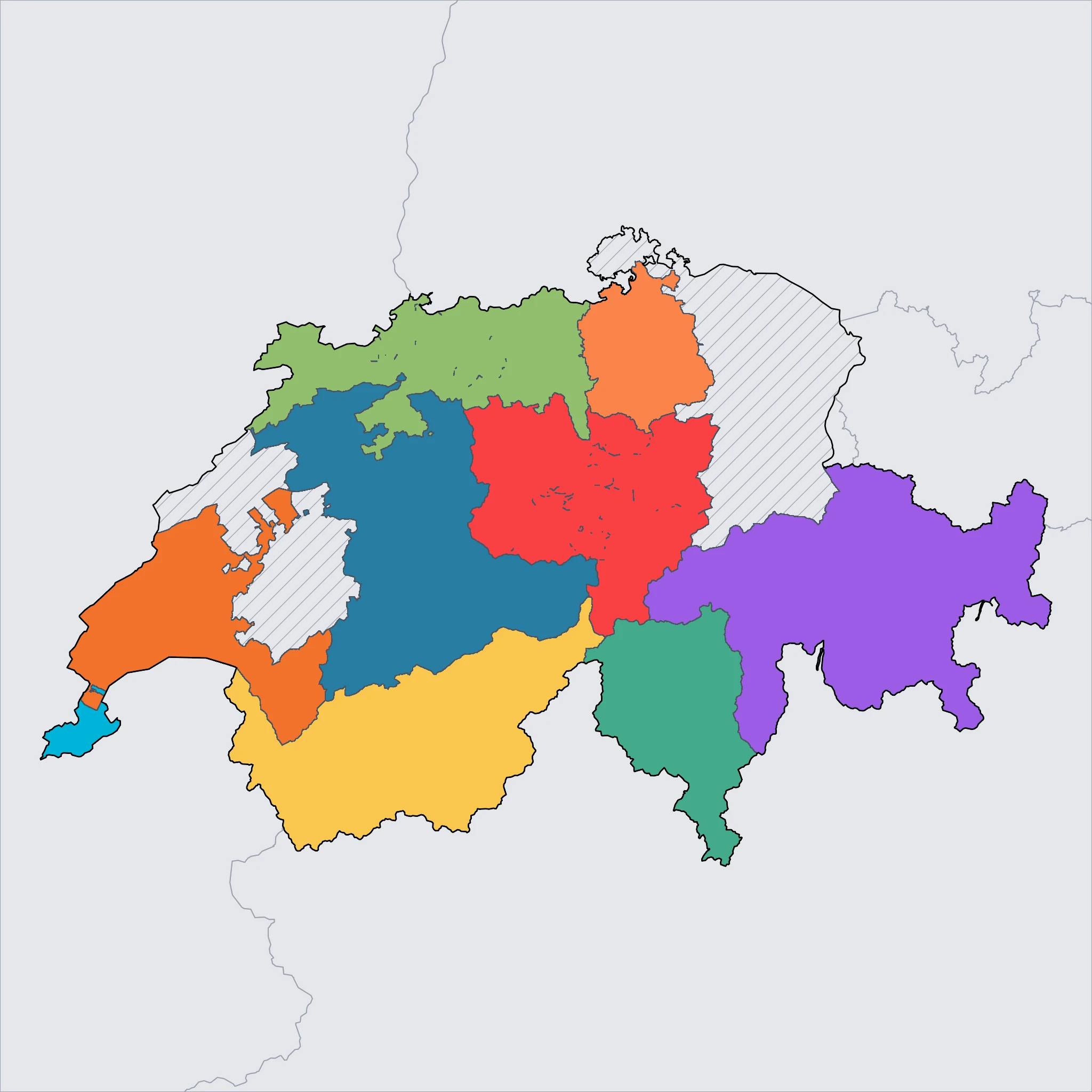
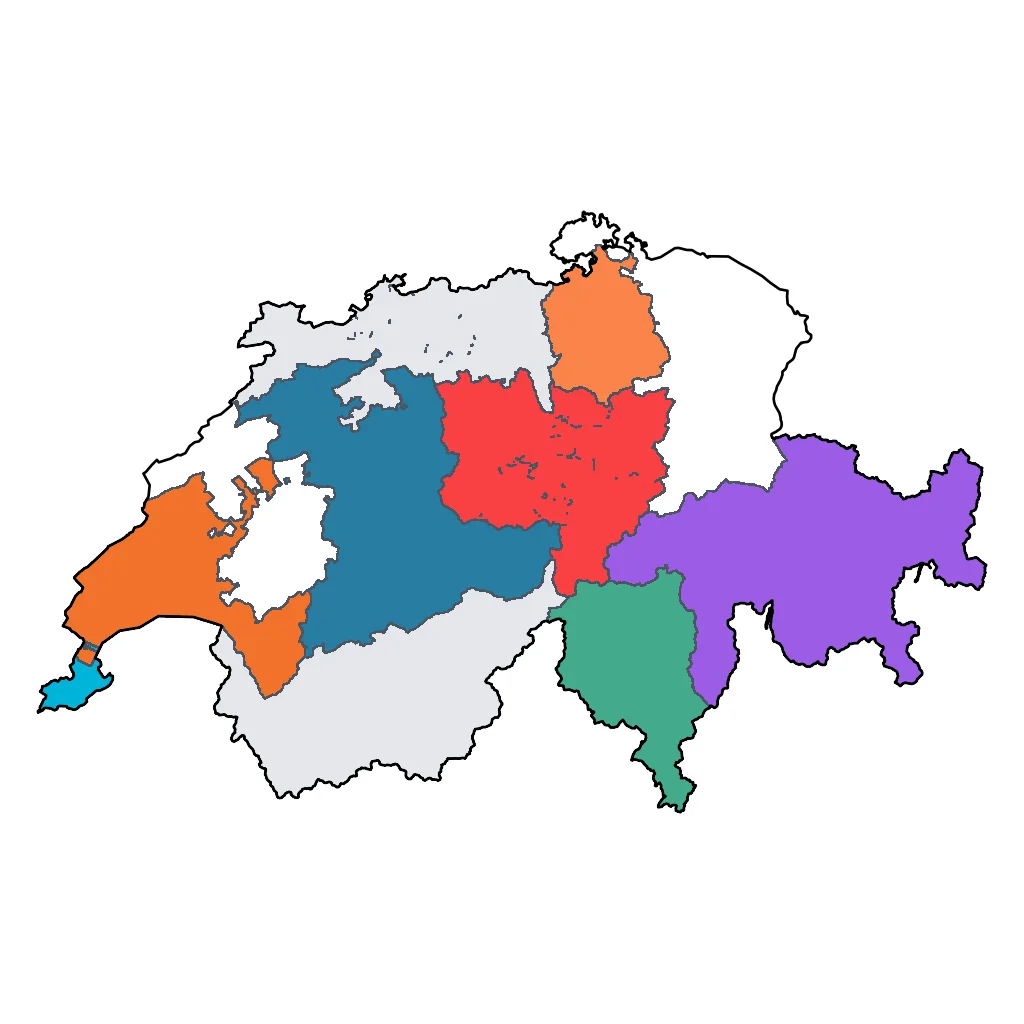
9 Regions
Basel & Northwest
Where culture floats on the Rhine 🇨🇭🇫🇷🇩🇪
Bernese Oberland
The ultimate Alpine adventure playground 🏔️🚂
Central Switzerland
Legends, lakes, and locomotives 🚢🐲
Geneva
Science, swimming, and lakeside calm ⚛️⛲
Graubünden
Home of Heidi and the red trains 🚂🐐
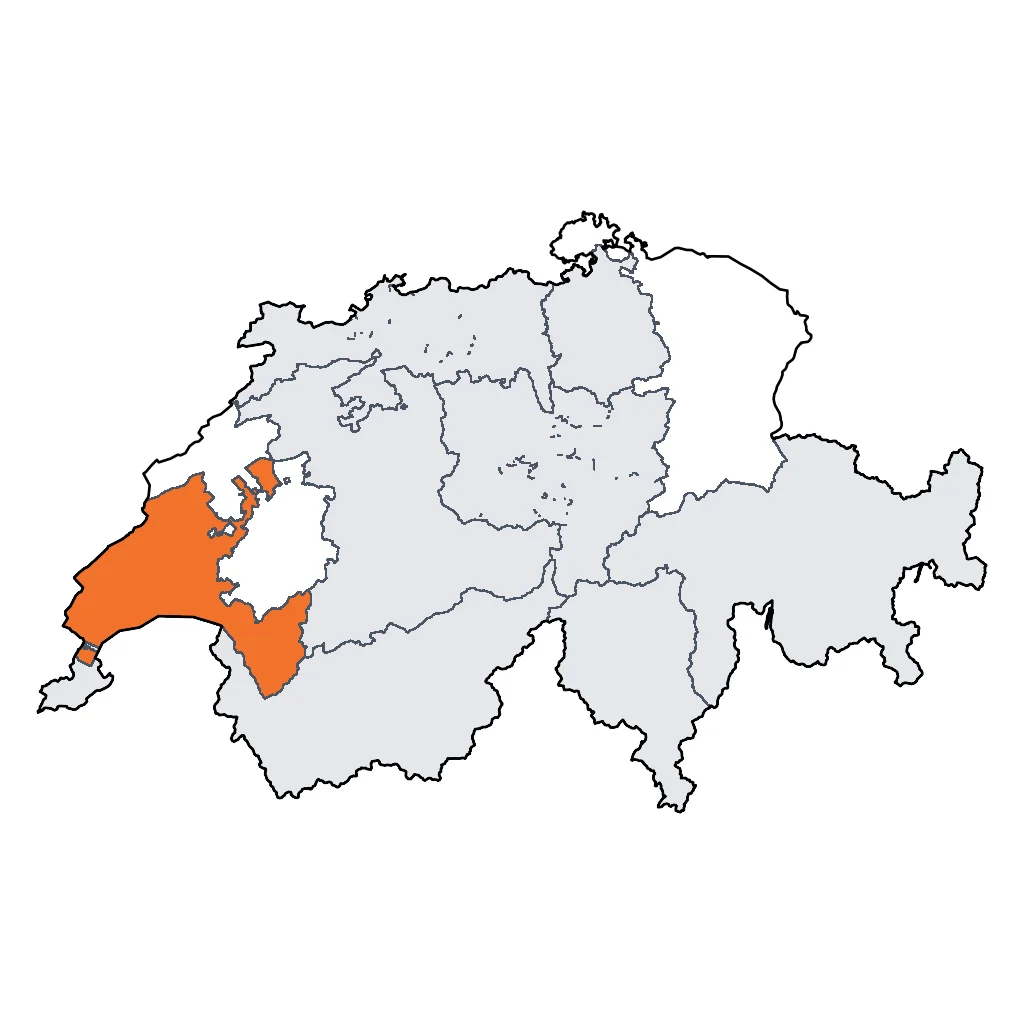
Lake Geneva region
Castles, cinema, and the Swiss Riviera 🏰🎬
Ticino
Palm trees, pizza, and peaks 🌴🍕🇨🇭
Valais
Big mountains and St. Bernard dogs 🐕🏔️
Zurich
Chocolate, zoos, and city fun 🍫🏙️
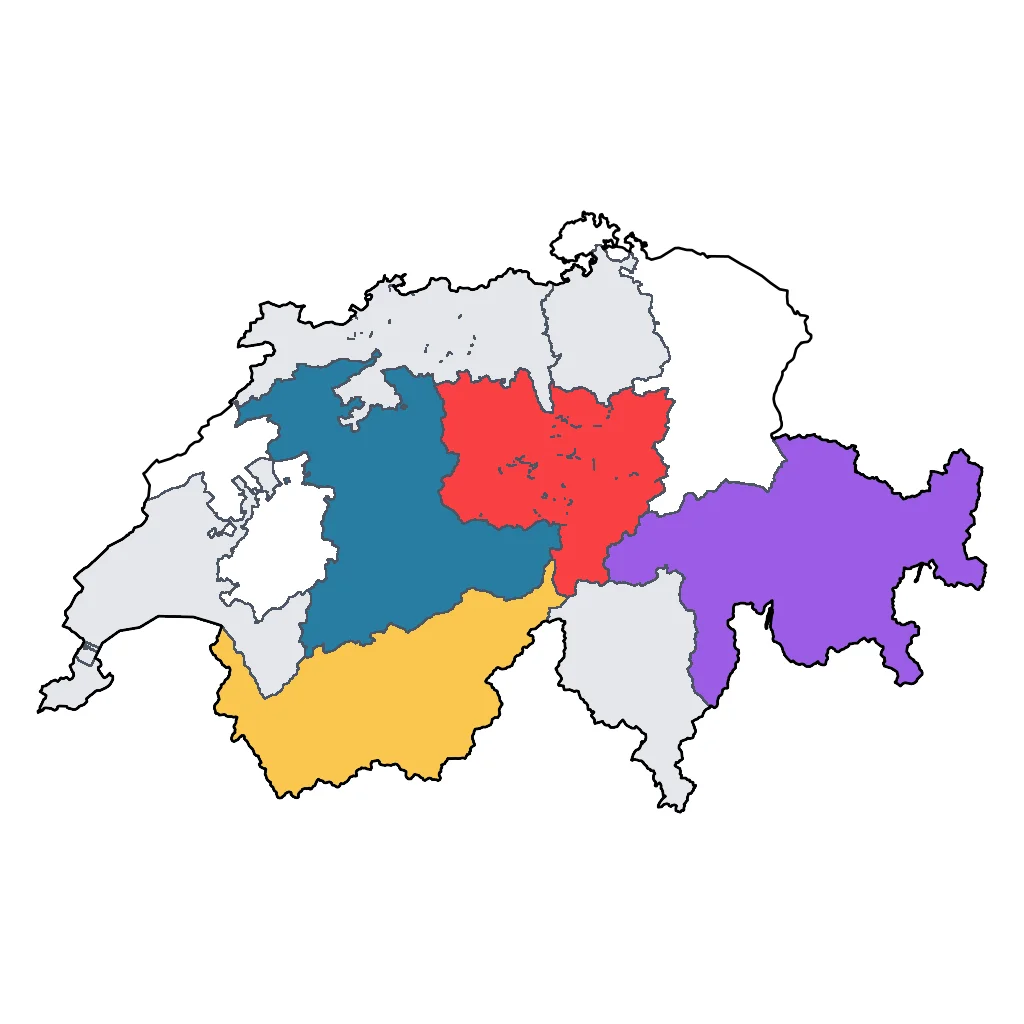
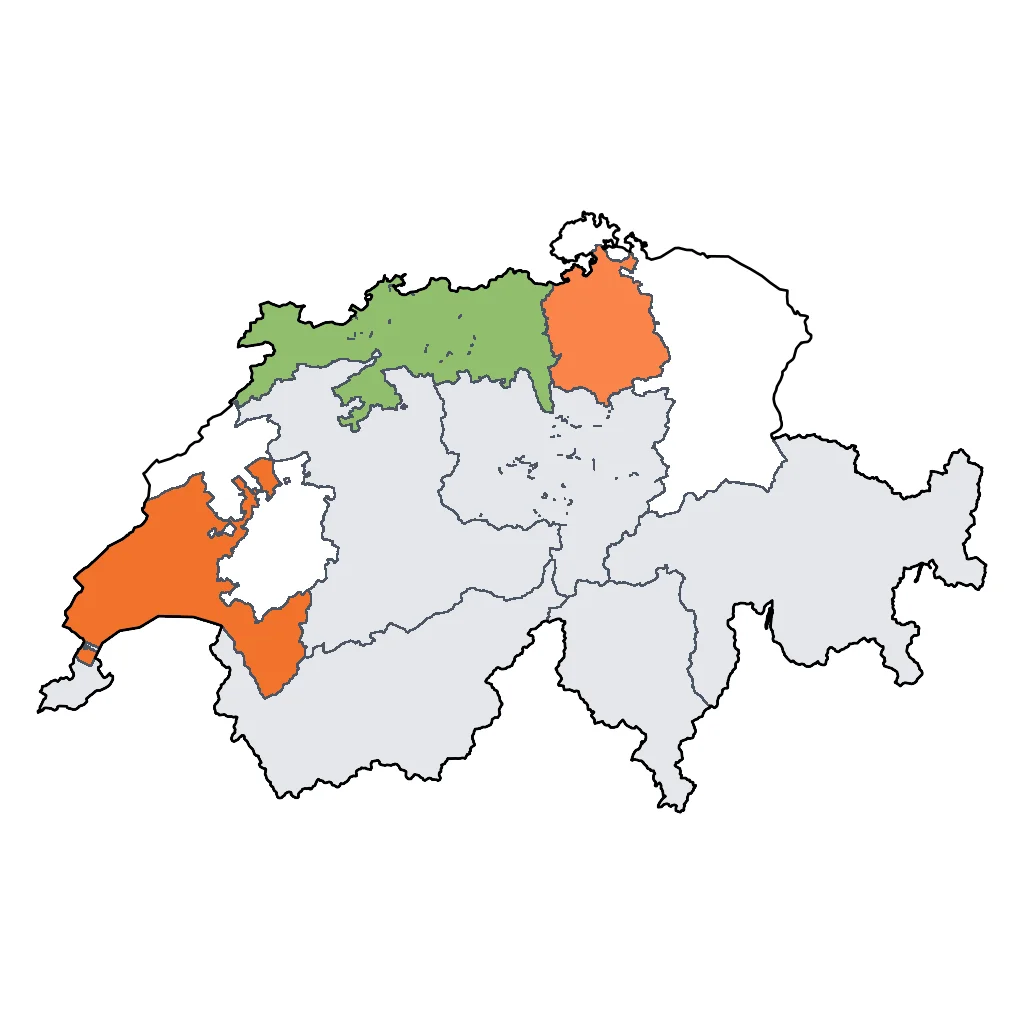
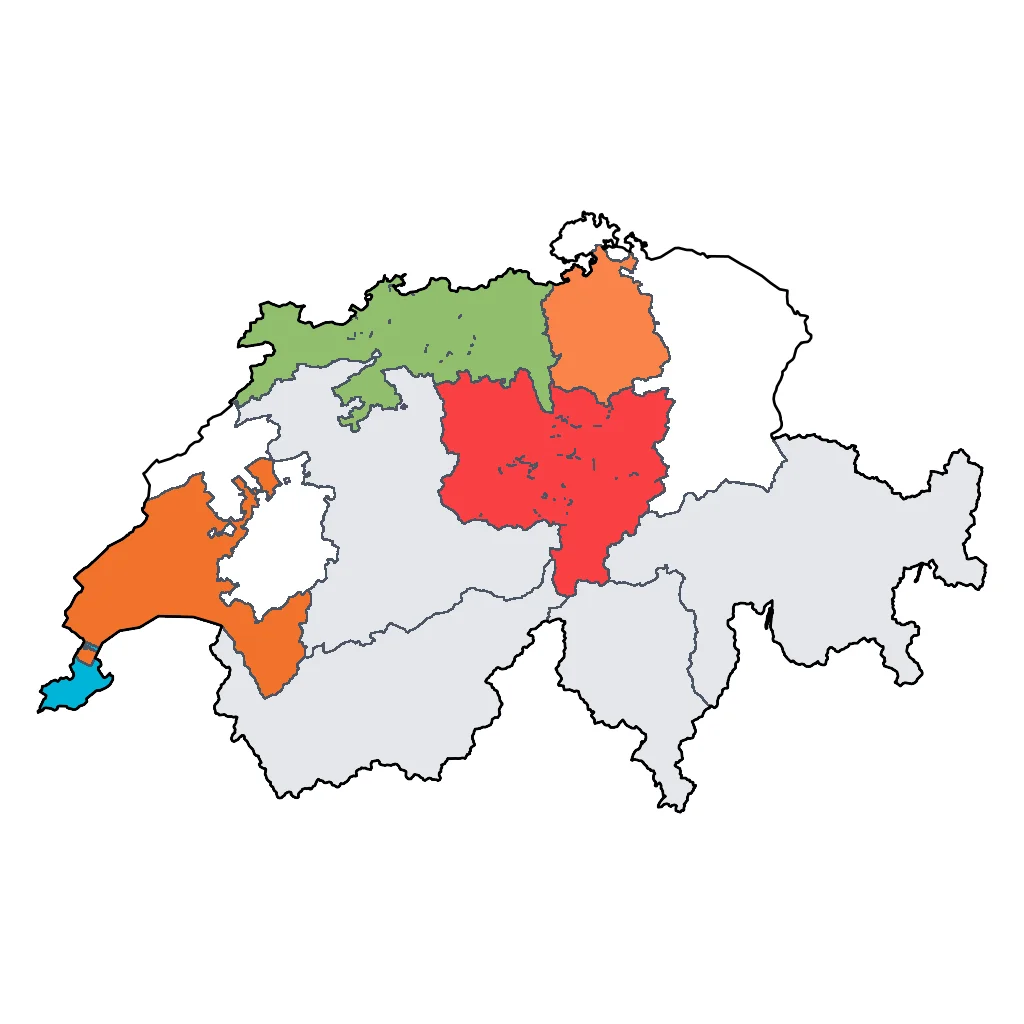
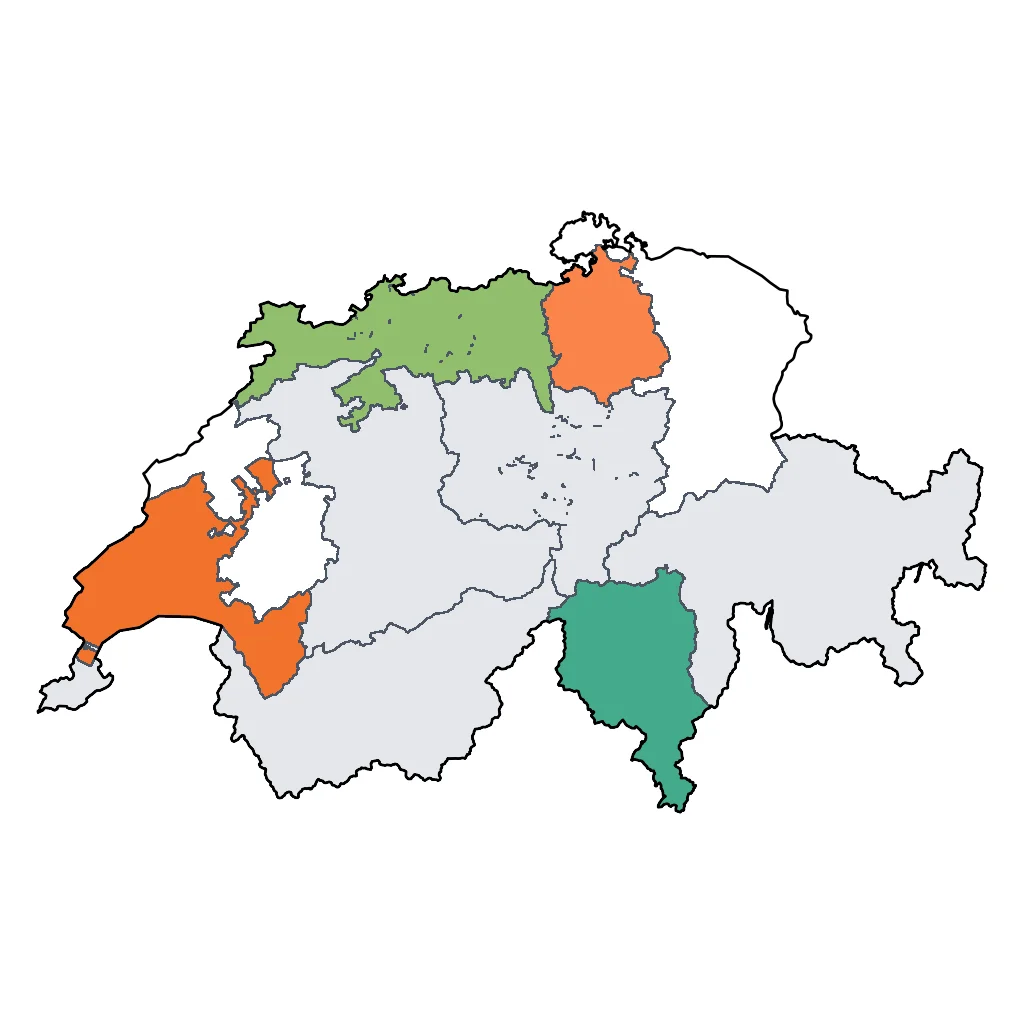
Click on a region marker to explore details. Use the dropdown to color regions by activity suitability.
Activities & Best Times
Adventure & Nature
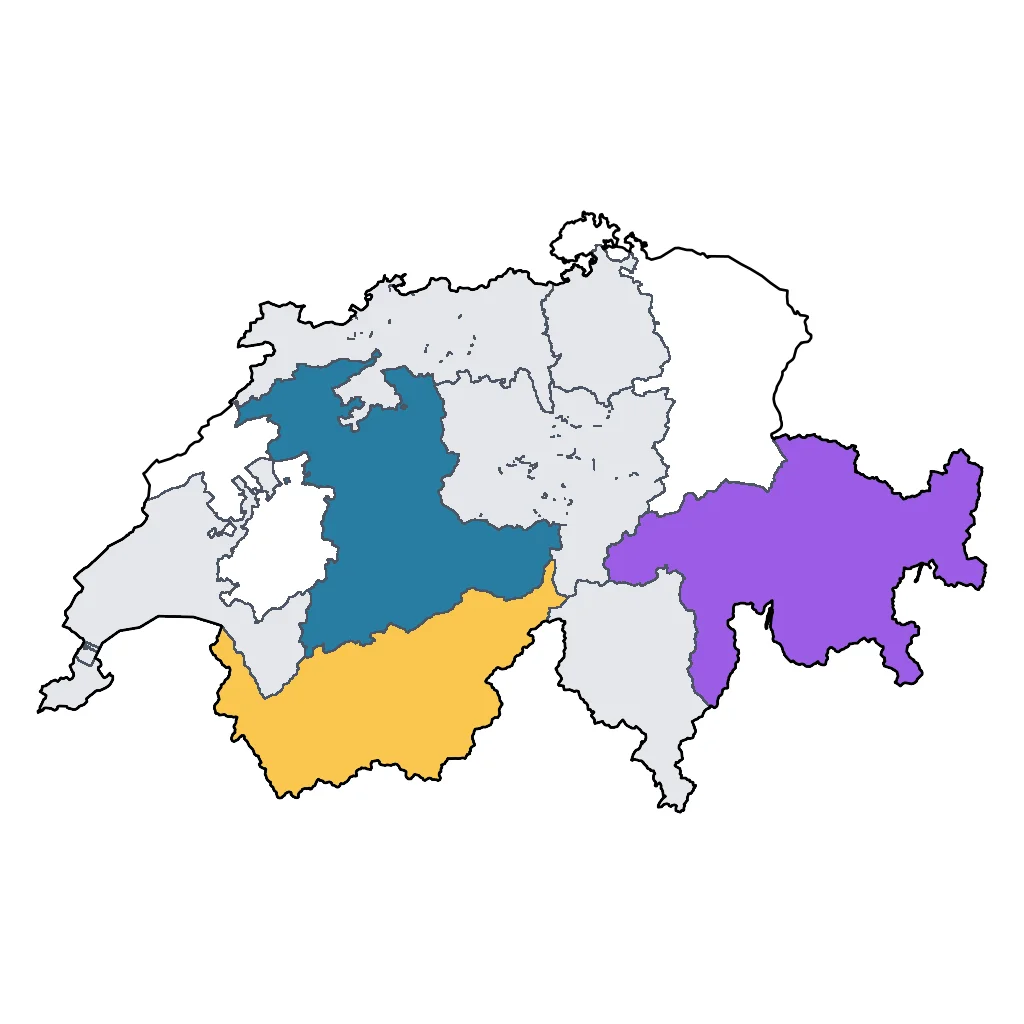
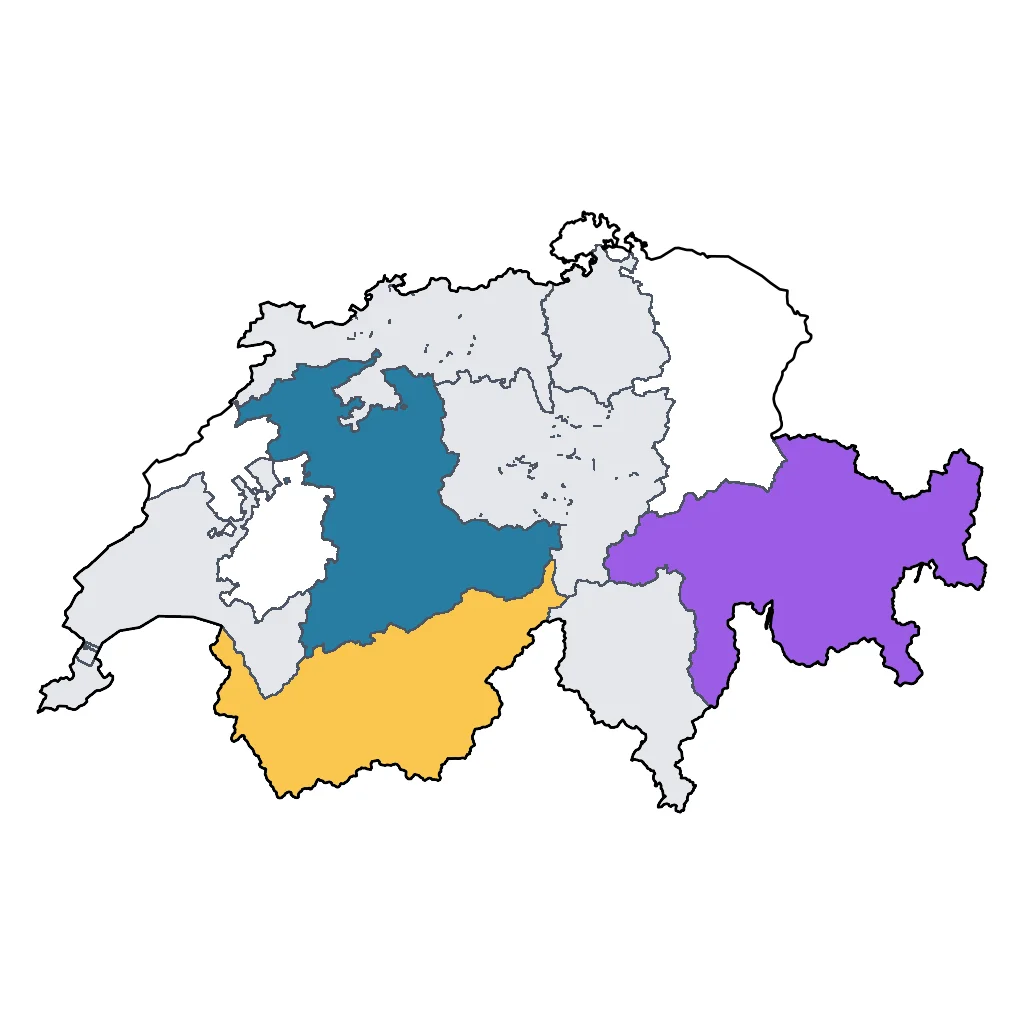
ExcellentHiking, wildlife, outdoor exploration, ecotourism
Home to the UNESCO-listed Jungfrau-Aletsch region, offering world-class hiking trails beneath 4,000m peaks and the spectacular Lauterbrunnen waterfalls. Peak summer months (Jul-Aug) provide access to high-altitude routes, while the shoulder months (Jun, Sep-Oct) offer fewer crowds and stunning autumnal larches, though high rainfall and snowmelt can limit trail access in spring.
Home to iconic massifs like Mt. Pilatus and Mt. Rigi, offering world-class hiking and the world's steepest cogwheel railway. Peak summer provides the best visibility and trail access despite higher rainfall; shoulder months offer stunning autumn colors or spring blooms, while winter conditions restrict hiking to low altitudes.
Home to the Swiss National Park, this region offers pristine alpine wilderness and world-class hiking trails through unique Romansh-speaking valleys. Peak summer months (Jul-Aug) provide the only reliable window for high-altitude trekking when trails are snow-free and wildlife activity is at its zenith.
City & Cultural
ExcellentUrban tourism, museums, historical sites, architecture
A global hub of culture featuring the Olympic Museum in Lausanne, the Montreux Jazz Festival, and the historically significant Chillon Castle. Summer (Jun-Sep) is optimal for exploring the lakeside promenades and historic 'Old Towns' in mild temperatures; winter is often overcast and damp.
A global hub of art and finance, Zurich offers world-class museums like the Kunsthaus and the Fraumünster's Chagall windows. Peak summer (Jun-Aug) captures the city's vibrant outdoor life and lakefront culture, while winter's low temperatures (avg <5°C) limit comfortable urban exploration.
As Switzerland's cultural capital, Basel boasts the highest density of museums in the country, including the world-renowned Fondation Beyeler and Kunstmuseum. Peak summer months provide the best weather for exploring the medieval old town and riverfront, while shoulder months offer fewer crowds and pleasant walking conditions.

Educational & Exploratory
ExcellentLearning experiences, scientific sites, historical education
Home to CERN and the United Nations, Geneva offers unparalleled global access to scientific and diplomatic education. Summer months are peak for navigating these expansive campuses and gardens comfortably, while winter months see reduced outdoor programming and colder transit between sites.
CERN and UN facilities are physically in Geneva canton, not the Vaud-based Lake Geneva region. Without these assets, the Olympic Museum and Lavaux heritage merit very_good but not excellent.
Boasts the Swiss Museum of Transport, one of Europe's most comprehensive and interactive museums, alongside the historic Rütli Meadow where Switzerland was founded. These sites provide deep historical and scientific value, with mild weather in late spring and early autumn being ideal for visiting outdoor exhibits.

Festivals & Seasonal
ExcellentEvents, celebrations, seasonal attractions
Host to the world-famous Montreux Jazz Festival in July and one of Europe’s most authentic and high-quality Christmas markets in December. These peak periods offer unique, globally recognized cultural experiences; shoulder months feature local harvest festivals and spring flower celebrations.
Home to Art Basel, the world's premier modern art fair in June, and the UNESCO-recognized Basler Fasnacht in February/March. Despite cold winter temperatures during Fasnacht and the Christmas markets (December), these periods represent the region's most authentic and internationally significant cultural peaks.
The Locarno Film Festival in August is a global cultural highlight, while October's chestnut festivals offer authentic local tradition. These events define the region's international appeal, occurring during the warmest and most atmospheric months despite the statistically high rainfall.
Relaxation & Wellness
ExcellentSpa retreats, wellness centers, peaceful getaways
Features world-class architectural marvels like Peter Zumthor's Therme Vals and the historic grand spas of Bad Ragaz. The peak experience occurs during the snowy winter months (Dec-Feb) when the contrast between the freezing mountain air and thermal waters provides a quintessential luxury wellness experience.
Boasts world-class luxury wellness retreats and thermal spas overlooking Lake Lugano and Lake Maggiore, catering specifically to discerning travelers. The warm summer months are ideal for lakeside relaxation, while the high humidity and rain in shoulder seasons make the region's sophisticated indoor spa facilities a primary draw.
Renowned for its 'Belle Époque' spa heritage and world-leading medical wellness clinics such as Clinique La Prairie. Peak summer months allow for outdoor treatments and lakeside relaxation in garden settings; the shoulder season is excellent for indoor thermal baths like Lavey-les-Bains.
Ski & Snow
ExcellentWinter sports, ski resorts, snow activities
Renowned globally for iconic resorts like Wengen and Grindelwald, featuring historic mountain railways and the legendary Lauberhorn downhill run. Peak months (Jan-Feb) offer the most reliable snow depth and cold temperatures (-3°C to 1°C) for powder, while December and March provide excellent spring skiing conditions despite slightly more variable weather.
World-renowned destinations like St. Moritz and Davos offer elite infrastructure and authentic alpine charm that set global standards. Peak winter (Jan-Mar) ensures consistent sub-zero temperatures and deep snow cover, while the late-season shoulder in April appeals to sophisticated travelers seeking sun-drenched spring skiing.
Home to iconic resorts like Zermatt and Verbier, Valais offers world-class infrastructure and reliable high-altitude snow coverage (averaging -5°C to -3°C in winter). Peak season provides pristine powder and authentic après-ski culture; shoulder months offer spring skiing with variable snow depth and warmer midday temps.
Sports & Active
ExcellentSport tourism, fitness activities, active recreation
Interlaken is the 'adventure capital of Europe,' offering world-class paragliding, canyoning, and mountain biking in a dramatic alpine setting. Peak summer conditions (Jun-Aug) provide the long daylight hours and thermal stability required for aerial sports; shoulder months offer cooler biking conditions but increased rain (150mm+).
A premier global destination for mountain biking and sailing on the high-altitude Lake Silvaplana. The stable weather and pleasant temperatures (max ~19°C) in July and August provide optimal conditions for intensive physical activity without the extreme heat found in lower European regions.
A world-class hub for mountain biking, paragliding, and rock climbing with highly developed professional infrastructure. Optimal conditions occur during the warmest months (max 20°C); shoulder months are suitable for lower-valley activities but high-altitude terrain remains restricted by temperature and lingering snow.
Road Trips & Scenic
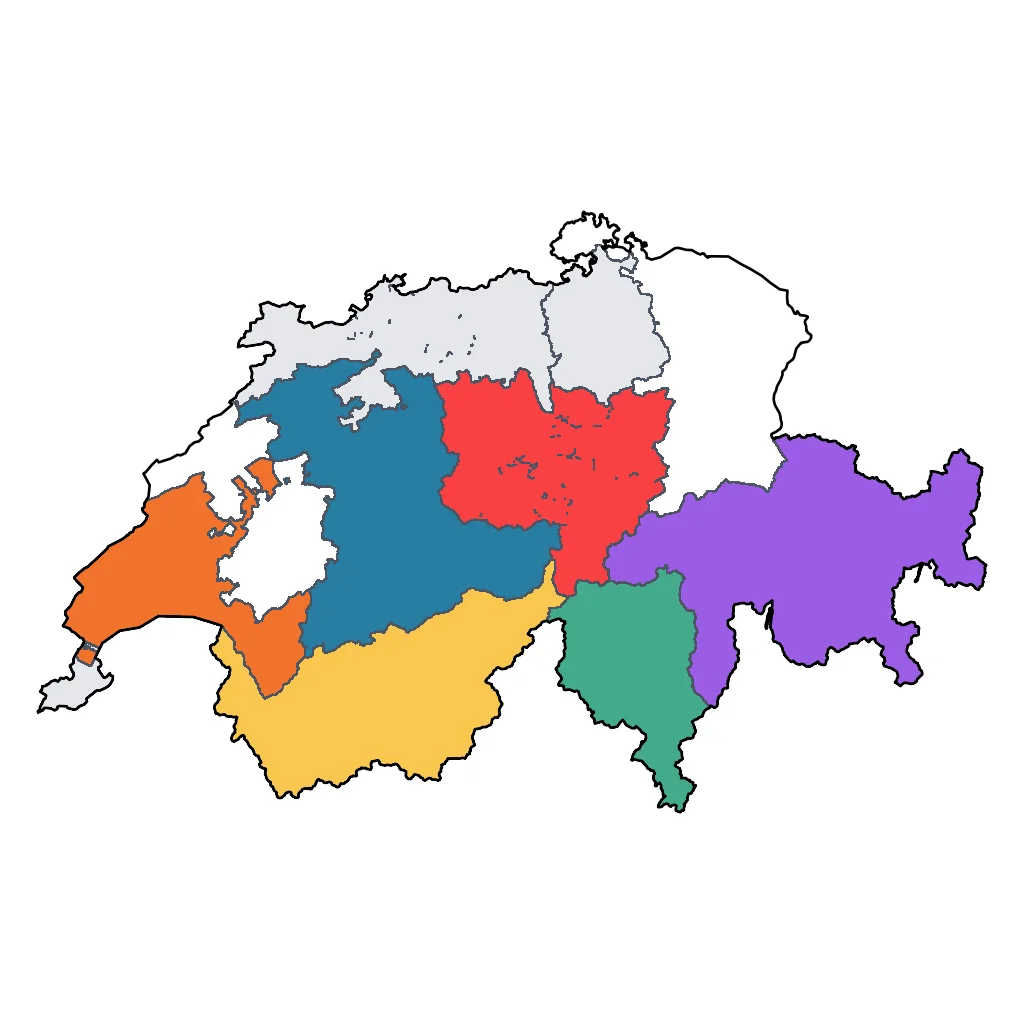
Very GoodScenic drives, countryside tours, route-based travel
Features legendary alpine passes like the St. Gotthard and Nufenen, providing some of Europe's most dramatic and well-maintained driving routes. Peak summer ensures all high-mountain passes are open and snow-free, whereas winter closures and heavy precipitation make trans-alpine travel less suitable for leisure driving.
The Lavaux corniche is a single scenic drive segment. Valais (Furka, Grimsel, Nufenen) and Graubünden (Julier, Bernina) both offer multiple legendary passes at only very_good.
Provides access to some of the world's most dramatic alpine passes, including the Susten and Grimsel, featuring pristine tarmac and breathtaking panoramas. Peak season (Jul-Sep) ensures all high-altitude passes are snow-free and open; shoulder months (Jun, Oct) offer spectacular scenery but carry the risk of early or late season pass closures.
Beach & Sea
GoodBeach resorts, marine activities: diving, snorkelling, kite surfing, wind surfing, sailing
Offers pristine lakefronts and crystal-clear river bathing, though water temperatures remain brisk compared to coastal resorts. Peak months (Jul-Aug) offer the warmest conditions for swimming, but the region's high precipitation keeps it from being a top-tier global beach destination.
While not a traditional coastal destination, Lake Geneva offers crystal-clear waters and refined lakeside 'plages' with world-class facilities. Air temperatures only peak around 23-24°C in mid-summer, making July and August the only suitable months for international travelers seeking a swim-focused vacation.
The turquoise waters of Lakes Brienz and Thun offer premium kayaking and lake cruises in a dramatic alpine setting. Suitability is limited to the warmest months (Jul-Aug) when water temperatures are viable for recreation; the rest of the year is too cold for authentic water-based leisure.
Theme Park & Entertainment
GoodAmusement parks, family entertainment venues
Chaplin's World and the Olympic Museum are high-quality museums, not theme parks in the conventional sense. Good sets appropriate expectations versus dedicated theme parks like Europa-Park or Disneyland.
Home to unique family attractions like Swissminiatur and Falconry Locarno, which offer high quality but are modest in scale compared to major international parks. These venues are primarily seasonal and best enjoyed in the summer when outdoor exhibits and demonstrations can proceed between rain showers.
While lacking a major commercial theme park, Zurich Zoo’s world-class Masoala Rainforest and Lewa Savanna provide international-standard family entertainment. The peak season (May-Sep) is optimal for viewing wildlife in expansive outdoor habitats, which are less accessible during the cold winter months.
Airports & Flight Routes
Toggle options to view domestic routes and international airports. Click an airport for details.
Climate & Weather
Basel & Northwest
Show Details
| Month | Temp °C | Rain | Humidity |
|---|
Bernese Oberland
Show Details
| Month | Temp °C | Rain | Humidity |
|---|
Central Switzerland
Show Details
| Month | Temp °C | Rain | Humidity |
|---|
Geneva
Show Details
| Month | Temp °C | Rain | Humidity |
|---|
Graubünden
Show Details
| Month | Temp °C | Rain | Humidity |
|---|
Lake Geneva region
Show Details
| Month | Temp °C | Rain | Humidity |
|---|
Travel Advisory
Standard safety awareness applies; all major agencies agree Switzerland is a safe destination with no elevated nationwide risks.
Safety Topics
Traveller Advice (2 groups)
Ensure your travel insurance specifically covers high-risk mountain activities like off-piste skiing and mountaineering. Always follow local alpine warnings, as signs may not be as prominent as in some other countries.
Switzerland is generally tolerant and safe for LGBTQ+ travellers, with legal protections in place for sexual orientation and gender identity.