

⚠️ SAFETY WARNING: Most Western governments advise exercising increased caution in Côte d'Ivoire due to crime and civil unrest. Travel to the northern border regions (bordering Mali and Burkina Faso) is widely advised against due to security risks. Families should stay in established tourist areas, avoid travel at night, and monitor local advice.
Côte d'Ivoire is a West African powerhouse that offers adventurous families a rich tapestry of culture, nature, and history. Often called the "Manhattan of the Tropics," the economic capital Abidjan is a bustling metropolis built around lagoons. Here, families can escape the city noise without leaving town by visiting Parc National du Banco, a primary rainforest right in the city centre. Its walking trails and arboretum provide a safe and shady spot for children to spot monkeys and rare birds.
For a change of pace, the historic town of Grand-Bassam, a UNESCO World Heritage site, sits just a short drive east. Families can wander past fading French colonial mansions and visit the National Costume Museum to learn about the country's diverse tribal heritage. While the ocean currents here can be strong and often dangerous for swimming, the nearby resort area of Assinie offers calmer lagoon waters and family-friendly hotels with pools perfect for cooling off.
A journey inland to the capital, Yamoussoukro, reveals sights that defy imagination. Kids will be awestruck by the sheer scale of the Basilica of Our Lady of Peace, a church modelled after St. Peter's in Rome but even larger. Just nearby at the Presidential Palace, the daily feeding of the sacred crocodiles is a thrilling spectacle that can be watched safely from a viewing platform.
No trip to the world's largest cocoa producer is complete without learning about chocolate. Educational tours of cocoa plantations allow children to see the yellow pods on the trees and understand the process from bean to bar. Culinary adventures are also easy here; even picky eaters usually enjoy alloco (fried sweet plantains) and fresh tropical fruits like mangoes and pineapples.
Travelers should note that French is the official language, so a phrasebook or translation app is very helpful. The best time to visit is during the dry season from November to March. A Yellow Fever vaccination certificate is mandatory for entry, and families should take malaria prophylaxis and drink bottled water to stay healthy.

Explore Regions
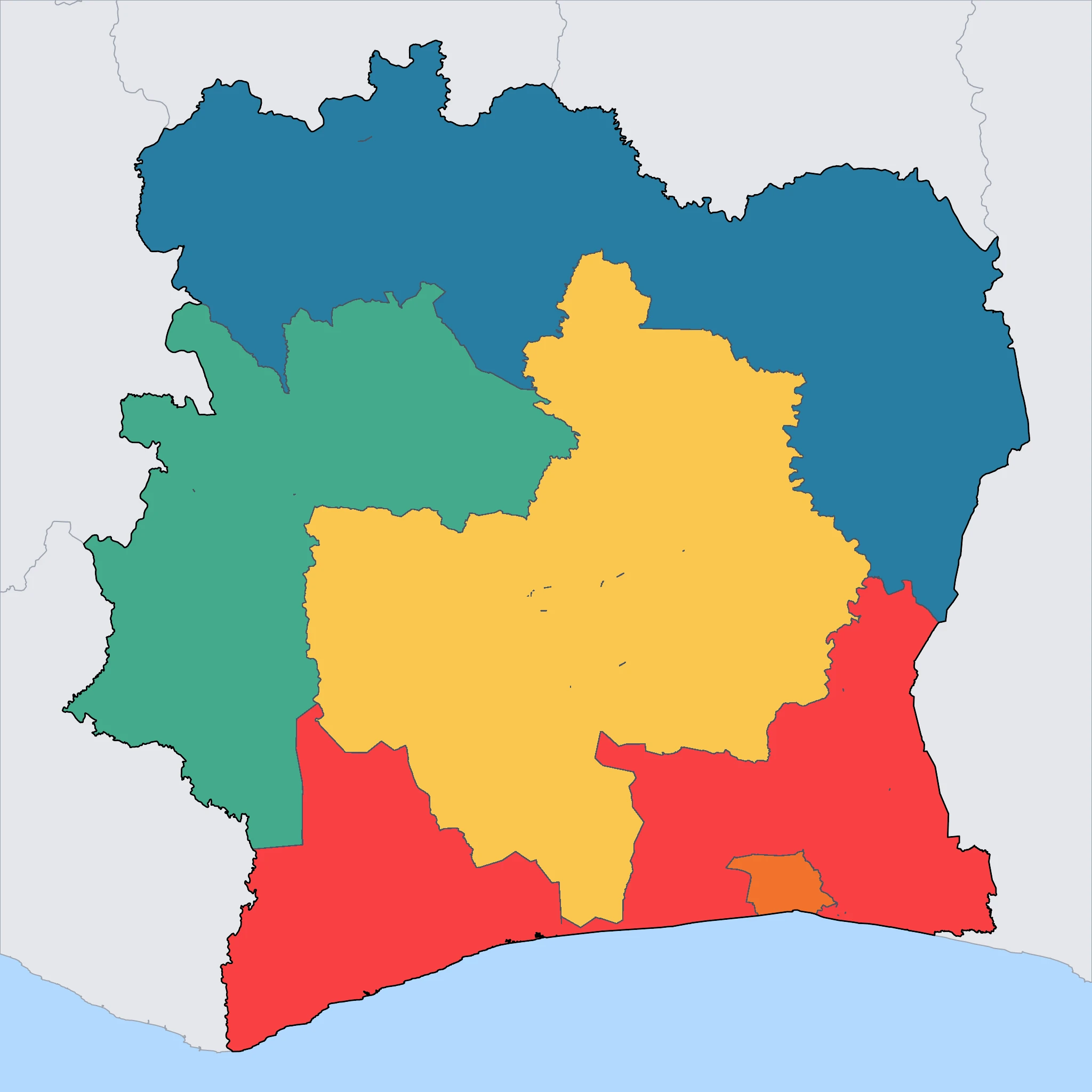
5 Regions
Abidjan
Tropical energy meets urban cool on the lagoon 🏙️🌴
Comoé NP & North
Ancient traditions and savannah horizons 🦁🏺
Grand-Bassam & Coast
Golden beaches and colonial history 🏖️🏛️
Man & Western Mountains
Misty peaks and sacred waterfalls ⛰️🌊
Yamoussoukro & Central
Giant monuments and sacred crocodiles 🐊⛪
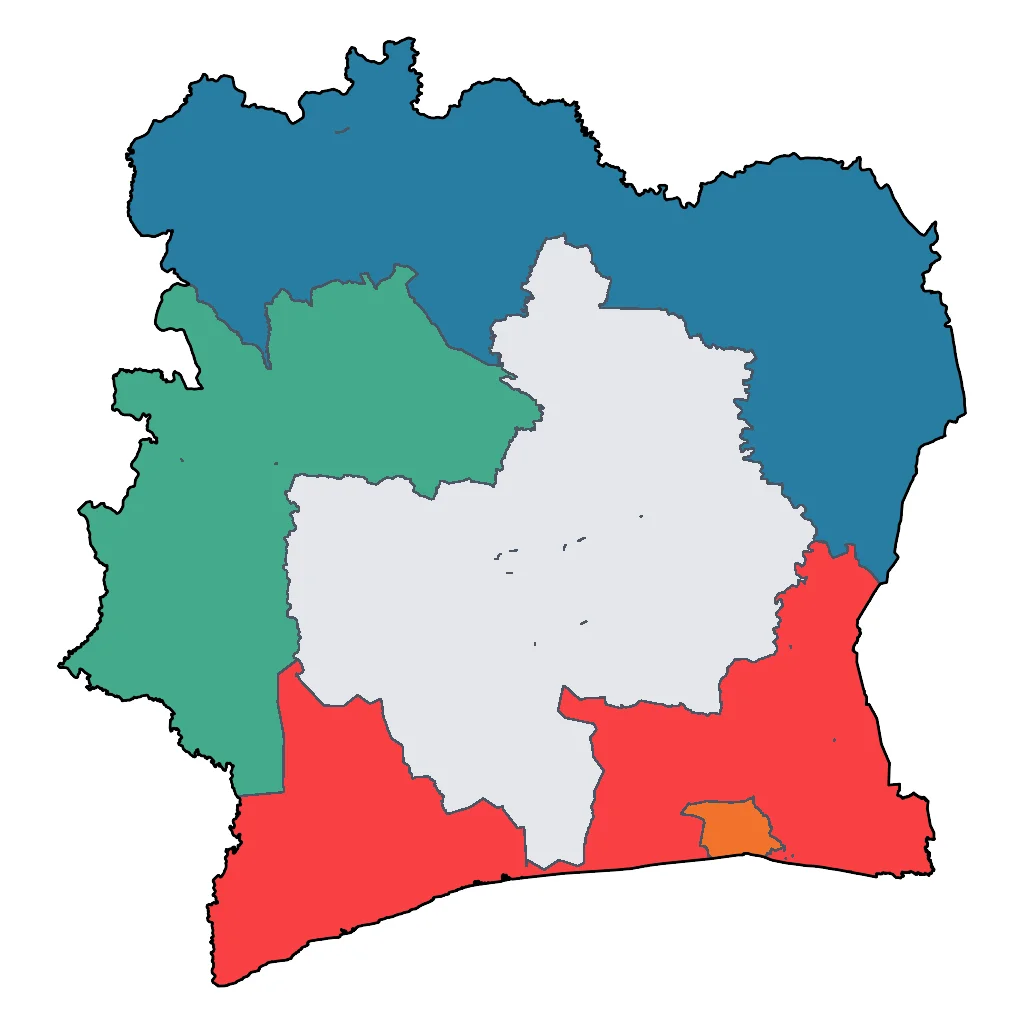
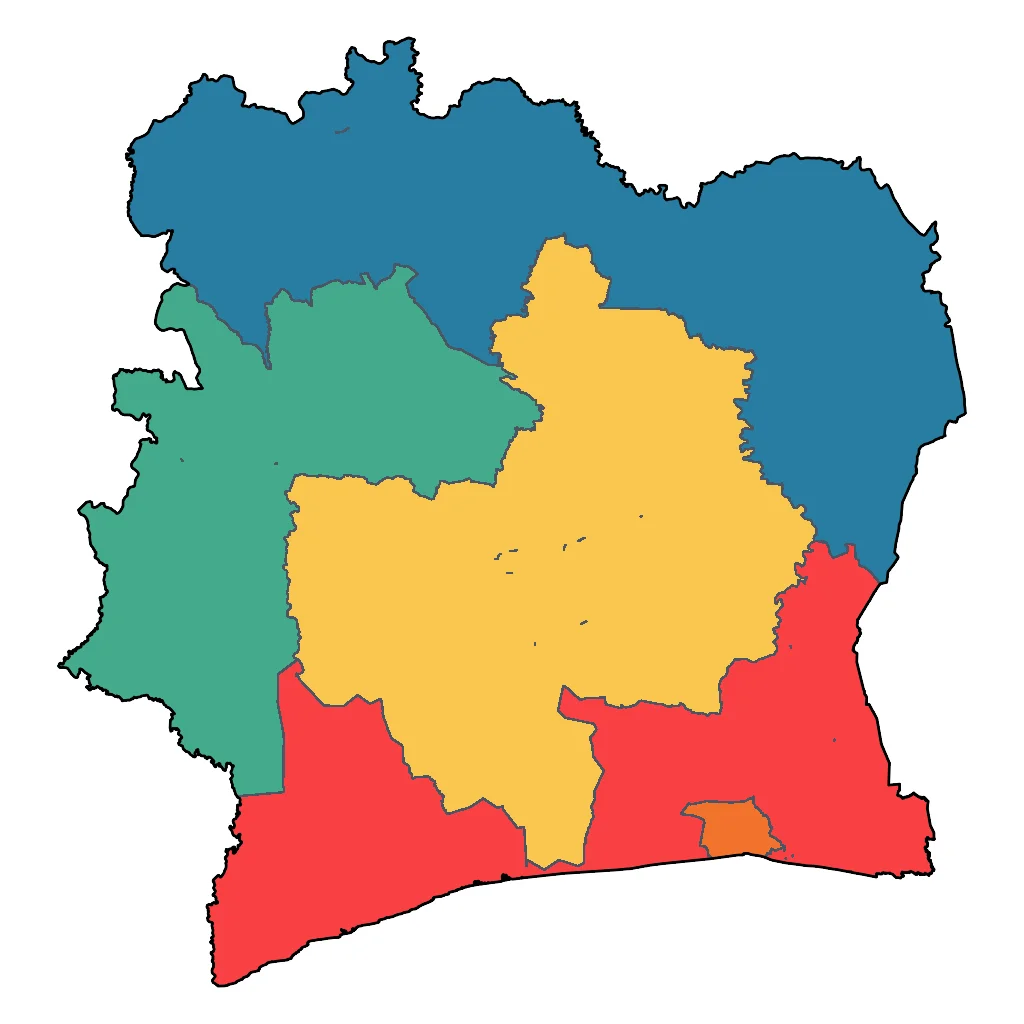
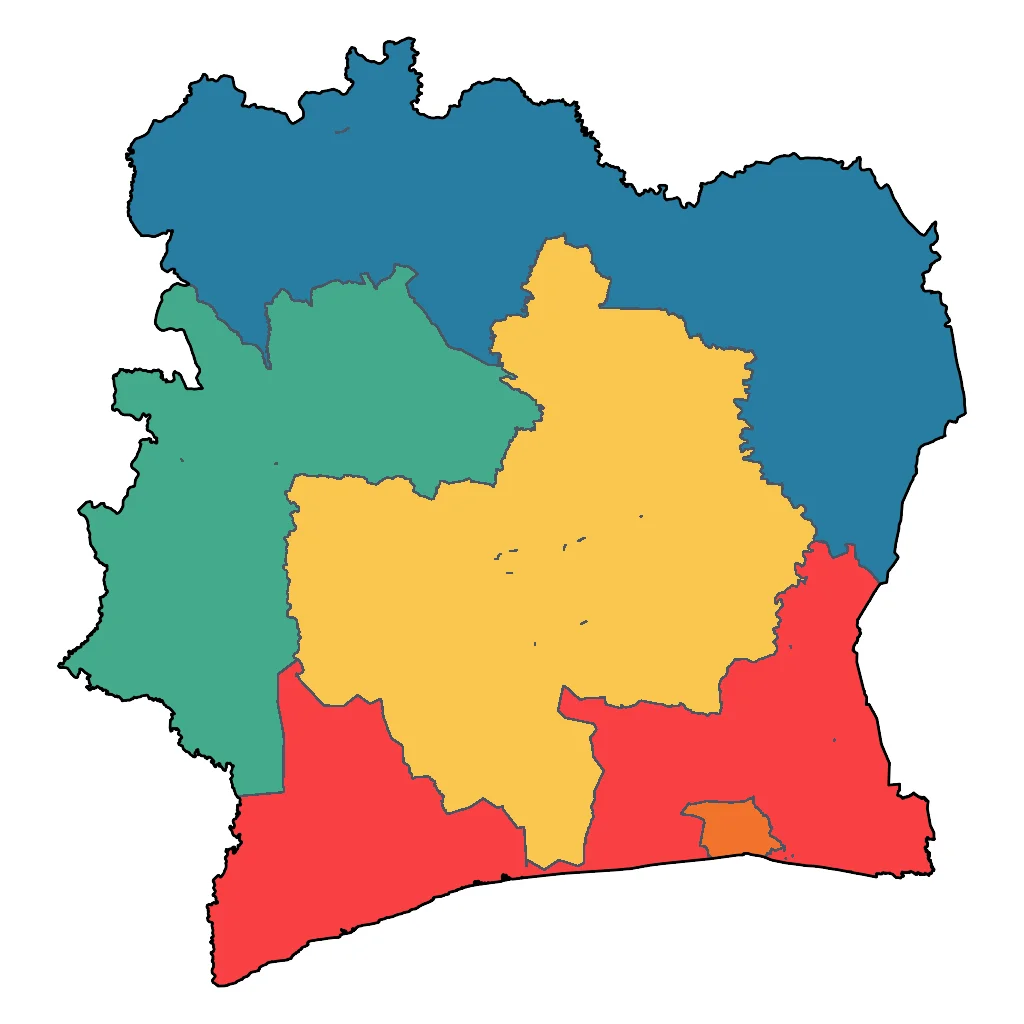
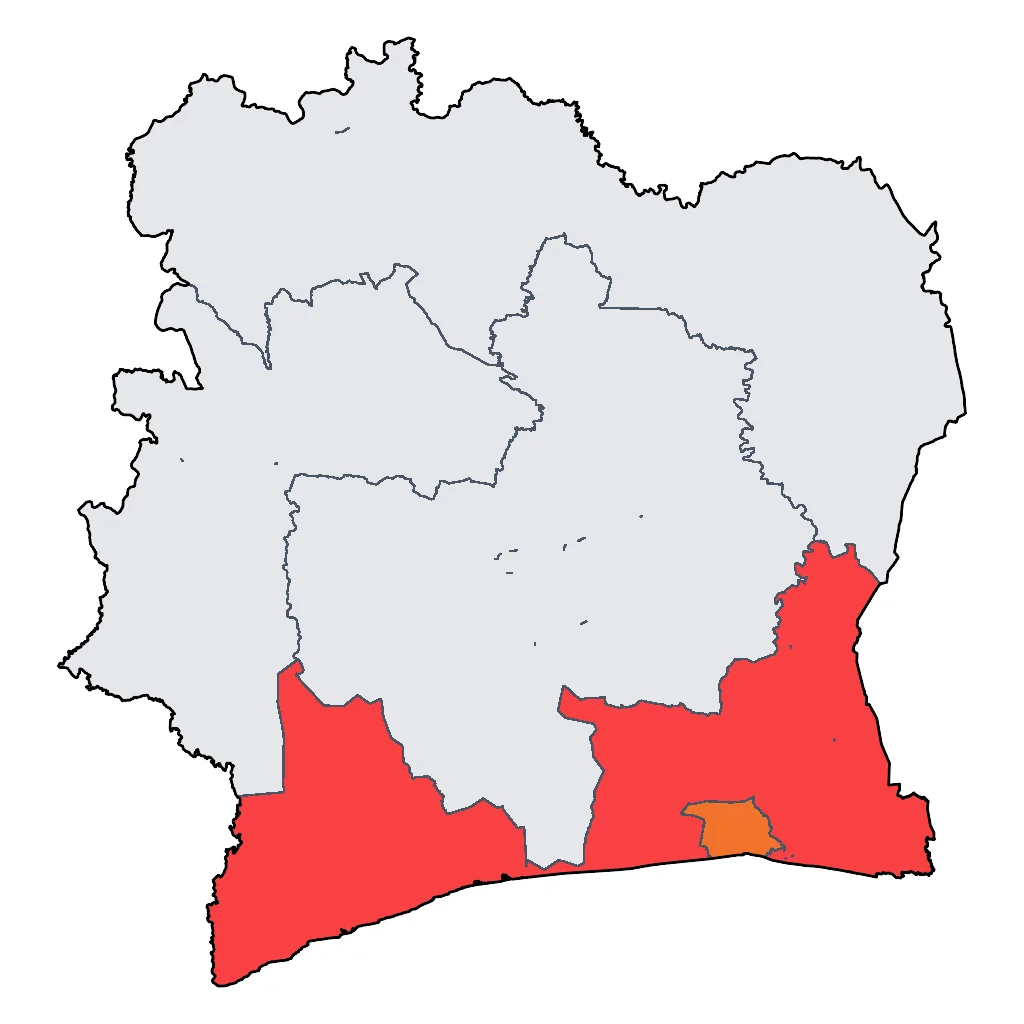
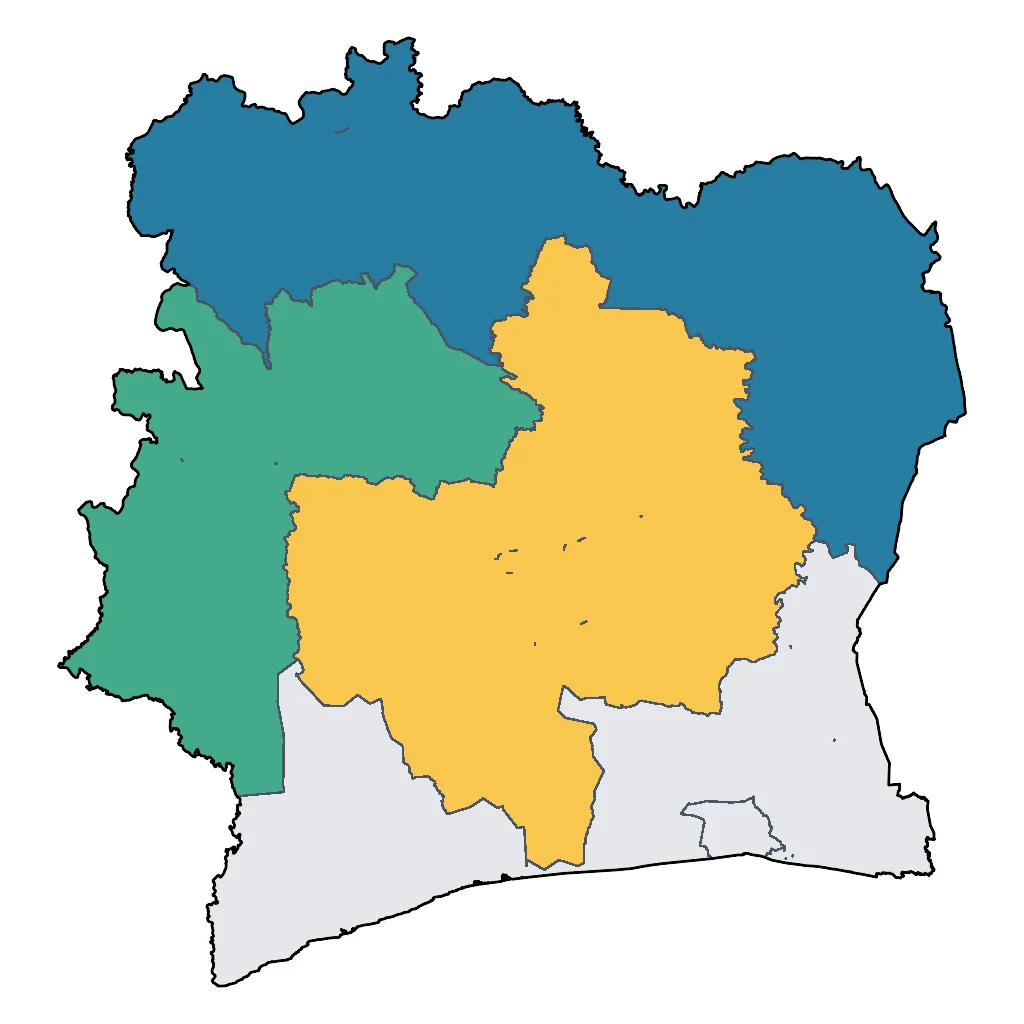
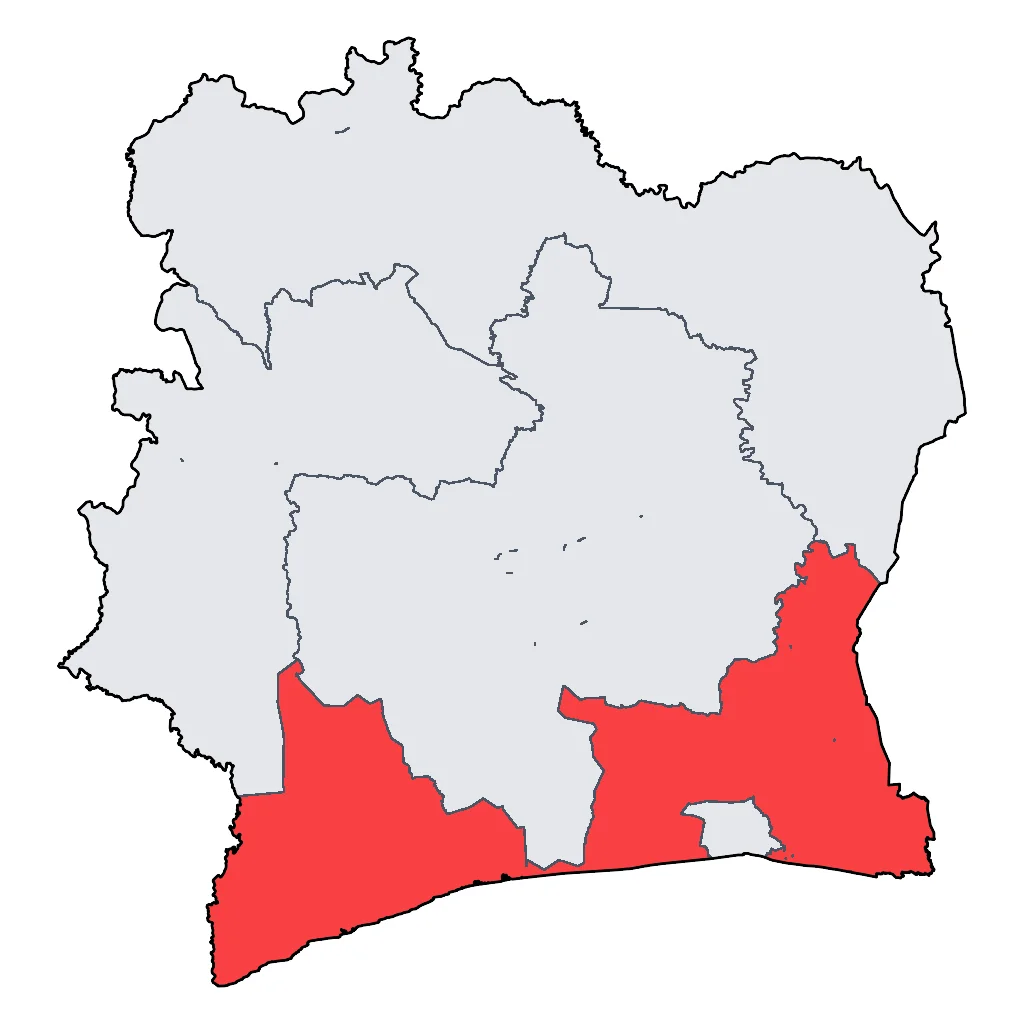
Click on a region marker to explore details. Use the dropdown to color regions by activity suitability.

Activities & Best Times

Adventure & Nature
Very GoodHiking, wildlife, outdoor exploration, ecotourism
Comoé National Park offers an authentic savannah experience with unique biodiversity, including hippos and rare birds. The dry winter months are essential for wildlife viewing as animals congregate at water sources and vegetation is low.
Features unique liana bridges and the mist-shrouded peaks of Mount Tonkpi, offering authentic trekking through rare tropical mountain ecosystems. Peak months align with the dry season (<100mm rain) for safe hiking, while the heavy monsoons of June-September make mountain trails dangerously slick and inaccessible.
The Banco National Park provides a unique world-class experience as one of the largest primary rainforests located within a major city. Trails are most accessible and pleasant during the drier months; however, extreme rainfall in June (422mm) renders nature paths muddy and impassable.

City & Cultural
Very GoodUrban tourism, museums, historical sites, architecture
Home to the world's largest Christian church, the Basilica of Our Lady of Peace, the region offers a unique blend of grand architectural ambition and authentic West African urban life. Peak months (Nov-Jan) provide the most comfortable humidity and lowest rainfall for exploring monumental boulevards and the vibrant markets of Bouaké.
The region has no significant cities - Korhogo is a modest town. The extraordinary Senufo cultural traditions are already well-captured by festivals_seasonal (very_good) and educational (good). Rating city_cultural as very_good overstates the urban cultural offering. The attraction evidence shows historic towns/villages, not major cultural institutions. Downgrade to good to better reflect the modest urban infrastructure while still acknowledging the cultural depth.
As the 'Paris of West Africa,' Abidjan offers a sophisticated blend of modernist architecture, high-end French-Ivorian gastronomy, and a vibrant arts scene. Peak dry months from December to February offer optimal conditions for urban exploration, while the heavy monsoons of May and June significantly disrupt city mobility.

Festivals & Seasonal
Very GoodEvents, celebrations, seasonal attractions
Authentic Senufo ceremonies, like the Boloye 'panther dance', are internationally significant cultural performances. These traditional events are typically held during the dry season to accommodate community gatherings and clear outdoor arenas.
Home to the world-renowned masked dances and stilt performances of the Dan people, which offer profound, non-commercialized cultural immersion. These outdoor ceremonies are most frequent during the dry winter months; heavy summer rains (Aug-Sep >200mm) often force the suspension of village festivals.
The city is a regional cultural powerhouse, hosting major events like the FEMUA music festival that attract international audiences. The main festive season aligns with the dry, cooler months (Dec-Feb); outdoor cultural celebrations are rarely scheduled during the torrential rains of May and June.

Educational & Exploratory
GoodLearning experiences, scientific sites, historical education
This region is a living classroom for anthropology and ecology, offering deep insights into West African animism and savannah conservation. Peak conditions coincide with the dry season when remote research sites and cultural villages are most accessible.
The Museum of Civilizations and nearby historical districts offer authentic insights into West African heritage and colonial history for curious families. Drier periods allow for comfortable walking tours of historical sites, while the heavy autumn and spring rains make outdoor educational exploration difficult.
The region provides significant historical insight into post-colonial nation-building and traditional Baoulé craftsmanship, specifically in the nearby weaving villages. Drier months are optimal for guided cultural tours and educational interactions with local artisans, while heavy rains from April to June limit access to rural workshops.

Relaxation & Wellness
GoodSpa retreats, wellness centers, peaceful getaways
Discerning travelers can enjoy world-class spa facilities at luxury landmark hotels like the Sofitel Abidjan Hôtel Ivoire, overlooking the serene Ébrié Lagoon. The lower humidity of the dry season (Jan-Feb) enhances the wellness experience, while the peak rainy season creates a less hospitable environment for poolside relaxation.
Boutique retreats in Assinie cater to discerning tastes with high-quality spa facilities and tranquil environments. The dry seasons (Dec-Feb and Aug) offer the low humidity and clear skies necessary for an authentic tropical wellness experience.
Limited high-end wellness infrastructure exists, but boutique lodges provide peaceful retreats for those seeking isolation. Extreme heat in March and April and heavy humidity in summer months make outdoor relaxation uncomfortable outside the cool winter window.

Road Trips & Scenic
GoodScenic drives, countryside tours, route-based travel
Scenic routes through northern savannahs offer sophisticated travelers a view of rural Ivory Coast, provided they visit during the dry season. Heavy rains from May to October can make unpaved roads to Comoé and remote villages impassable.
With some of the best-maintained highways in the region, Yamoussoukro serves as a gateway for scenic drives between the coastal south and the savanna north. Travel is best during the dry season (Nov-Feb) when visibility is high and road conditions are safest, avoiding the intense tropical downpours of the monsoon months.
The 'Route des Montagnes' provides spectacular scenic vistas of lush highlands and traditional architecture for adventure-seeking drivers. Peak conditions occur when rainfall is minimal (<60mm), ensuring road stability and clear panoramic views, whereas the rainy season brings poor visibility and challenging road conditions.

Beach & Sea
GoodBeach resorts, marine activities: diving, snorkelling, kite surfing, wind surfing, sailing
International calibration issue. The classification notes themselves cite 'dangerous Atlantic surf' and 'rough Atlantic swells.' West African Atlantic beaches face strong currents, limited visibility, and lack the calm, clear-water conditions that define very_good beach destinations globally (Caribbean, Mediterranean, Indian Ocean). The lagoon setting at Assinie is appealing but niche. Attraction evidence supports beach presence but not international-tier beach tourism. Good accurately reflects a genuine but regionally-calibrated beach offering.
While Abidjan has lagoon access and proximity to stylish coastal retreats, the Atlantic surf can be dangerous for family swimming. Sophisticated travelers visit during the dry season for the coastal resort atmosphere, but the high precipitation and rough seas of the monsoon months (May-June) limit beach suitability.

Sports & Active
GoodSport tourism, fitness activities, active recreation
Abidjan features high-quality facilities including the prestigious Ivoire Golf Club and sophisticated sailing opportunities on the expansive lagoon. Peak months provide the dry weather necessary for consistent play, whereas the intense rainfall from April through June often leads to venue closures.
The 'City of 18 Mountains' provides excellent trekking and hiking terrain, specifically the ascent of the granite Dent de Man peak. Optimal climbing and hiking conditions occur during the drier months when trails are safe; excessive rainfall in the off-season creates slippery, dangerous conditions on the mountain slopes.
The region features the President Hotel Golf Club, historically one of the most prestigious courses in West Africa, offering an active pursuit for discerning travelers. The peak months of December and January offer the most pleasant conditions for outdoor sports before the extreme midday temperatures of February and March.
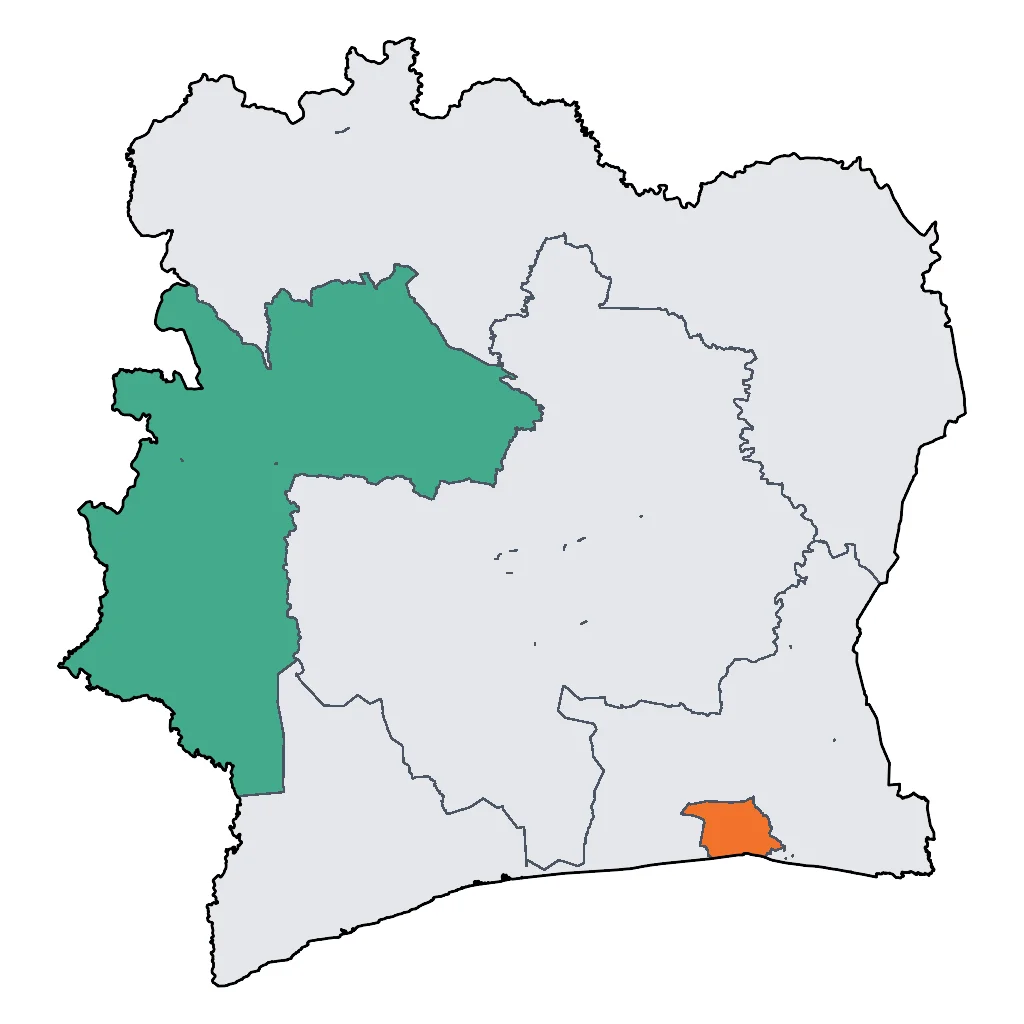

Airports & Flight Routes
Toggle options to view domestic routes and international airports. Click an airport for details.
Climate & Weather
Abidjan
Show Details
| Month | Temp °C | Rain | Humidity |
|---|
Comoé NP & North
Show Details
| Month | Temp °C | Rain | Humidity |
|---|
Grand-Bassam & Coast
Show Details
| Month | Temp °C | Rain | Humidity |
|---|
Man & Western Mountains
Show Details
| Month | Temp °C | Rain | Humidity |
|---|
Yamoussoukro & Central
Show Details
| Month | Temp °C | Rain | Humidity |
|---|

Travel Advisory
Majority consensus advises travelers to exercise increased caution due to crime and regional instability, with extreme danger in northern and western border regions.
Safety Topics
Traveller Advice (3 groups)

While same-sex acts are not explicitly illegal, there is no broad social acceptance or legal protection against discrimination. Public displays of affection should be avoided to prevent unwanted attention or harassment.

Women should avoid traveling alone, especially at night or in isolated areas. Conservative dress is recommended to respect local cultural norms, particularly in religious regions.

Keep copies of identification separate from originals and carry a certified copy of your passport and visa at all times. Register with your national consulate upon arrival.