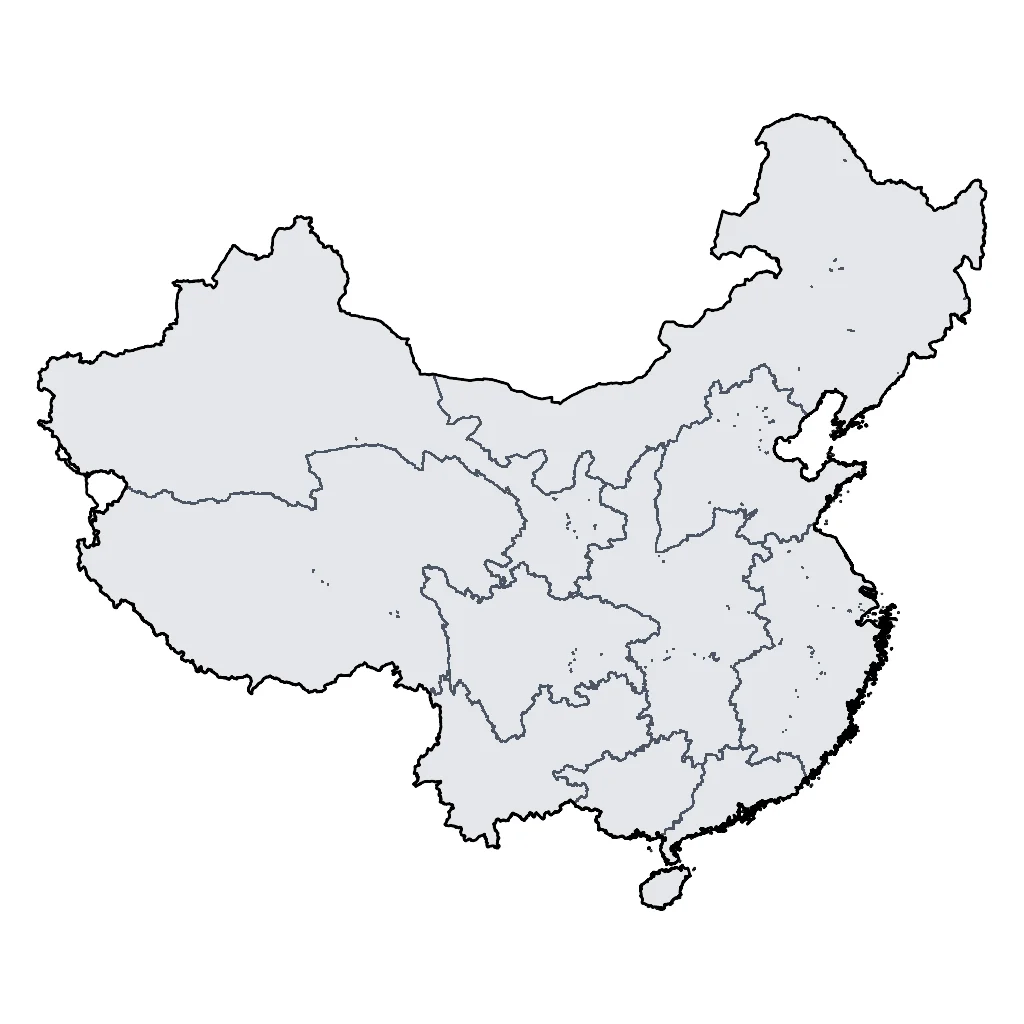

Capital Region & North China Plain
Toboggan down the Great Wall and explore imperial history 🐲
The Capital Region is the historical power base of China, anchored by the massive metropolis of Beijing. For families, this area offers the most iconic introduction to Chinese culture. The headline act is undoubtedly the Great Wall of China. The Mutianyu section is particularly popular with children because it is less crowded and offers a dedicated slide (toboggan) for a thrilling descent after hiking the ramparts. Back in the city, the sheer scale of the Forbidden City captures the imagination, though it is best tackled with a guide who can tell stories of emperors to keep younger ones engaged.
Beyond the famous sites, the narrow alleyways known as hutongs provide a car-free environment where families can take rickshaw rides and visit local homes. Many cultural centers here offer hands-on workshops where kids can try painting opera masks or making flour figurines. Food is hearty and approachable; Peking duck, served with thin pancakes and sweet plum sauce, is almost universally loved by children. The interactive science museums in Beijing are also world-class, providing a good break from historical sightseeing.
Just a short high-speed train ride away lies Tianjin, known for its European-style architecture and the Tianjin Eye, a massive ferris wheel built over a bridge. Further afield in Shanxi province, the ancient city of Pingyao feels like a living movie set with its intact city walls and red lanterns. For adventurous older children, the Hanging Temple near Datong, built precariously into a cliff face, is a marvel of engineering that defies gravity. The climate here varies greatly; springs and autumns are mild and pleasant, while winters can be freezing but offer the chance to see the palaces dusted in snow.
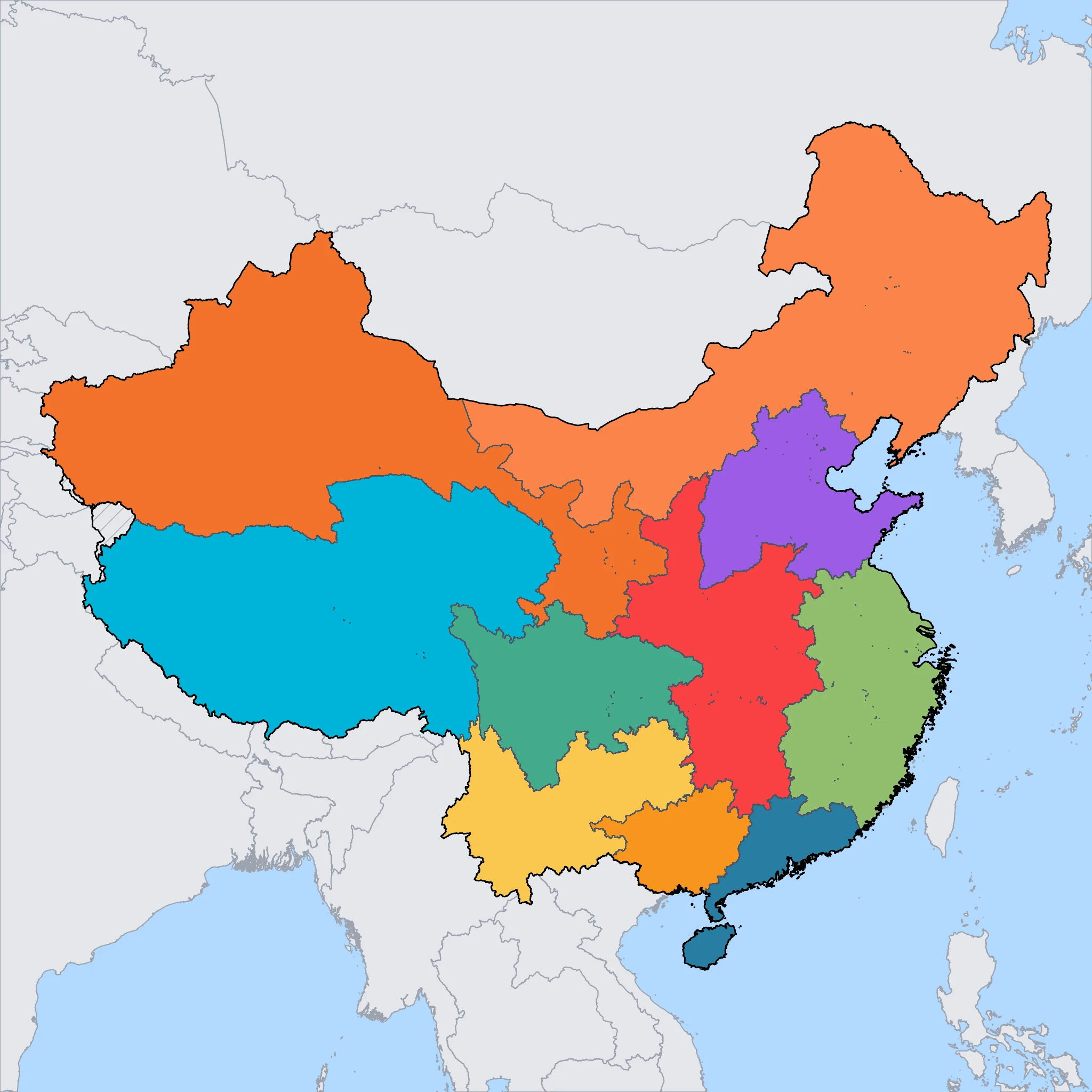
Click a region to explore

Activities & Best Times

Urban tourism, museums, historical sites, architecture
Home to the Forbidden City and Temple of Heaven, this is a global pinnacle for imperial history and urban heritage. Peak spring and autumn provide mild temperatures (15-22°C) and low rainfall, while summer extremes of 31°C with high humidity and heavy rain make urban exploration uncomfortable.

Events, celebrations, seasonal attractions
Offers world-class immersion into the Lunar New Year (Temple Fairs) and Mid-Autumn Festival, providing deep cultural authenticity. Peak months align with traditional lunar dates; winter weather is harsh but essential for the authentic 'Old Beijing' atmosphere.

Hiking, wildlife, outdoor exploration, ecotourism
The rugged 'wild' sections of the Great Wall offer world-unique hiking through mountain ecosystems and historical ruins. Best experienced in May or September (21°C) to avoid the heavy summer monsoons and the dangerous icy conditions of the high-altitude winter.
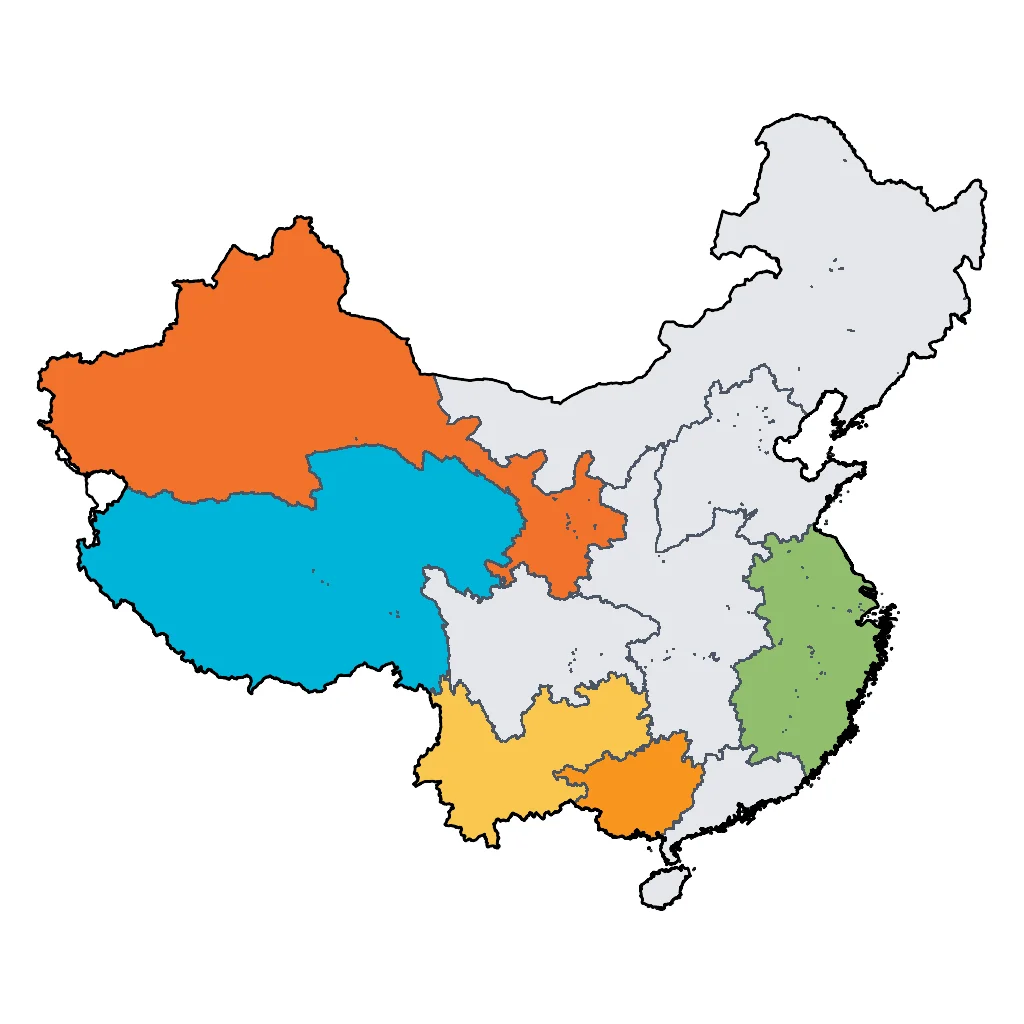

Learning experiences, scientific sites, historical education
A massive concentration of national museums and archaeological sites like Zhoukoudian offer unparalleled historical education. Seasonal timing follows general travel comfort, as many significant sites involve transition between indoor galleries and expansive outdoor grounds.
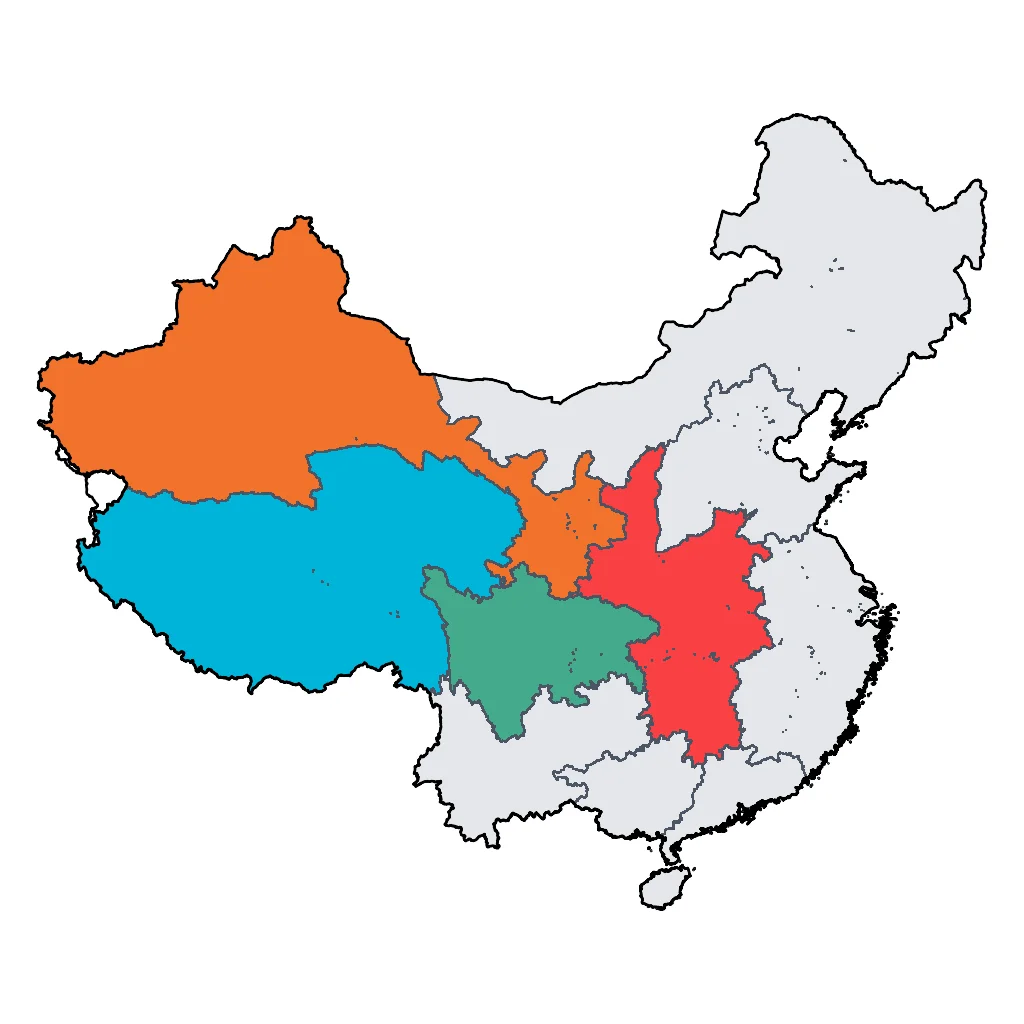

Winter sports, ski resorts, snow activities
Host of the 2022 Winter Olympics, the region boasts world-class facilities in Chongli with high-speed rail access. While snow is largely supplemented, the infrastructure is elite; peak months offer the most consistent cold (avg -1°C) for powder maintenance.
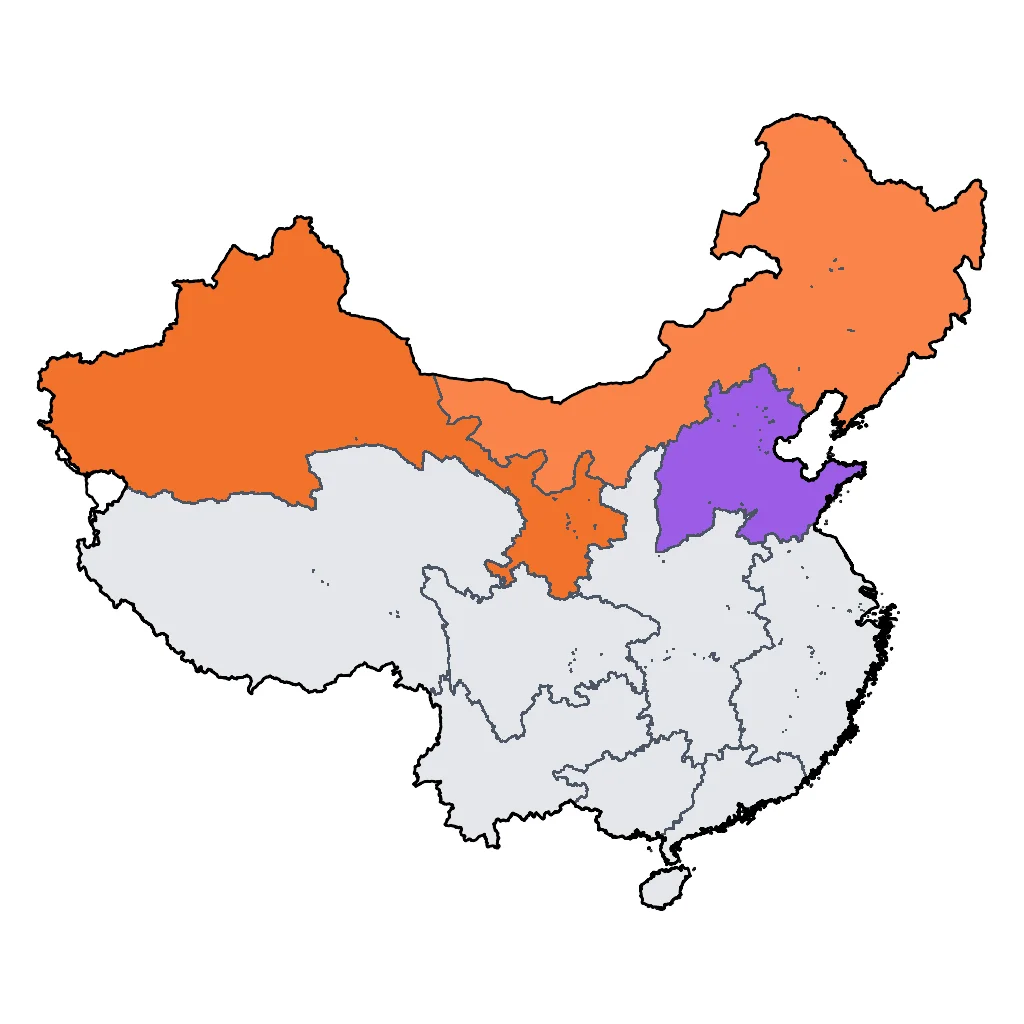

Amusement parks, family entertainment venues
Universal Studios Beijing provides a world-class, internationally recognized entertainment experience with high-spec attractions. Peak conditions occur in the dry, mild periods of May and September, whereas summer rain (up to 158mm) and winter sub-zero temperatures affect park operations and guest comfort.
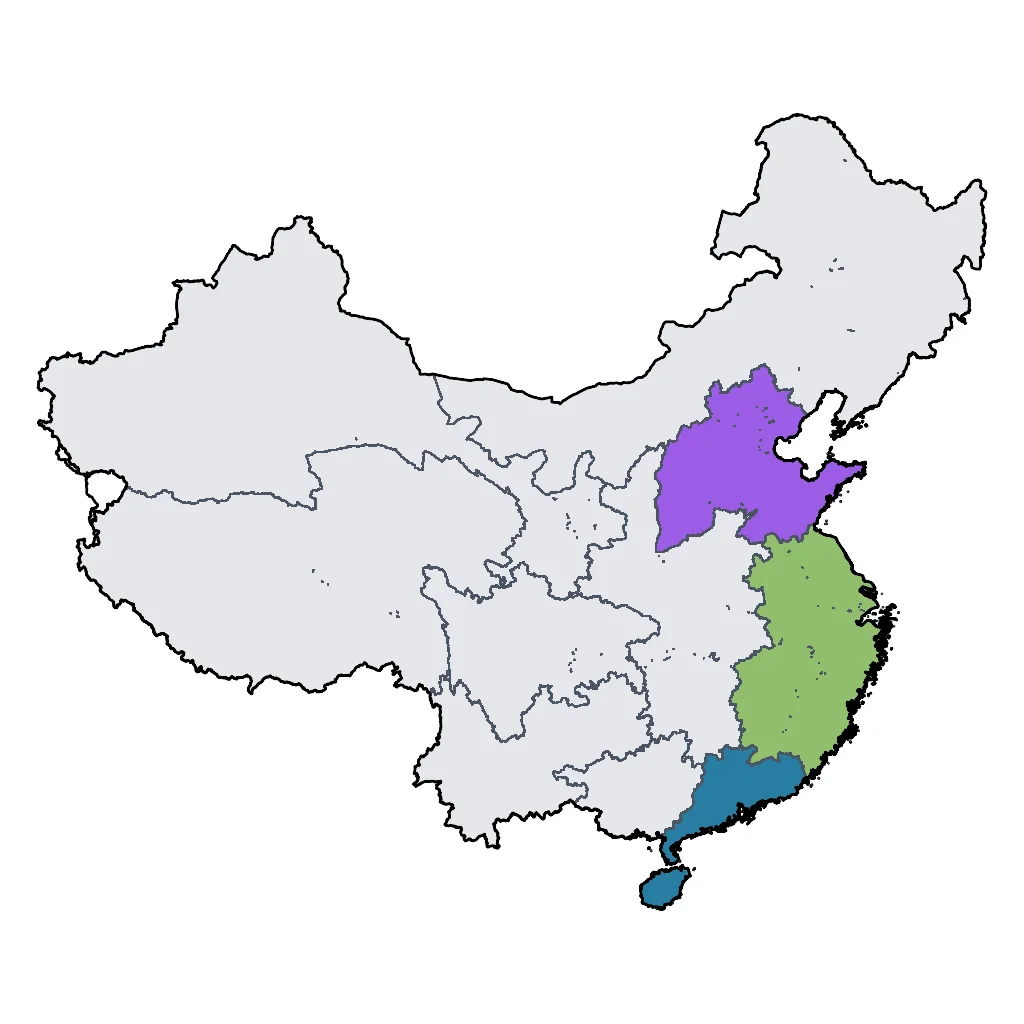

Spa retreats, wellness centers, peaceful getaways
High-end hot spring resorts and luxury spa retreats (like Aman) cater to discerning travelers seeking a refined escape. Late autumn is peak as the cooling air (7-15°C) perfectly complements the geothermal hot spring culture, while humid summers are less conducive to outdoor relaxation.

Scenic drives, countryside tours, route-based travel
Scenic routes along the Yan Mountains and towards the grasslands offer unique vistas of the Great Wall and rural landscapes. Autumn (Sept-Oct) is peak for visibility and foliage; summer months (July-Aug) carry risks of flash flooding on mountain roads due to high precipitation.

Sport tourism, fitness activities, active recreation
Features world-class golf courses and emerging cycling routes in the foothills north of the capital. Optimal temperatures of 21°C and low humidity in May and September provide the best conditions for endurance activities.

Beach resorts, marine activities: diving, snorkelling, kite surfing, wind surfing, sailing
Coastal enclaves like Aranya offer sophisticated architecture and lifestyle hubs, though the sea itself lacks global biodiversity and clarity benchmarks. Only the hottest summer months (26-27°C) are viable for seaside leisure, though this coincides with the peak rainy season.