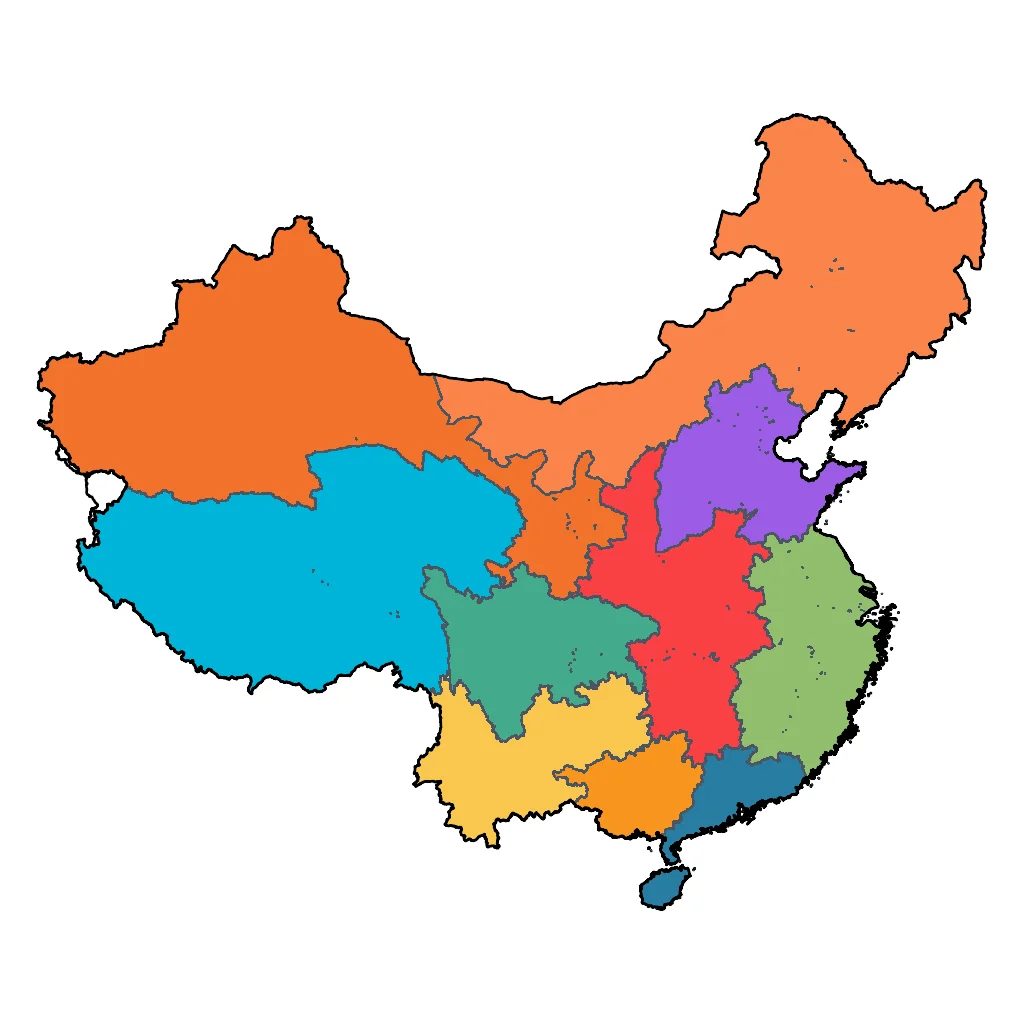

⚠️ SAFETY WARNING: Government agencies (including CA, USA, UK, AU, IE, NZ) advise travelers to reconsider travel to the Tibet Autonomous Region due to strict travel restrictions and the potential for unannounced closures. Independent travel is prohibited; visitors must obtain a special permit and book an organized tour with a licensed agency. Families are strongly urged to consult their own government's official travel advisory before considering a trip, as circumstances and risk assessments vary.
For families who undertake the journey, Tibet offers a landscape and culture unlike anywhere else. The adventure usually centers on Lhasa, the spiritual heart of the region. The Potala Palace, with its white and red walls towering over the city, is a sight that leaves a lasting impression. Climbing the many steps to the entrance is slow work due to the high altitude, so it is essential to acclimatize for a few days before attempting it. The Jokhang Temple nearby is bustling with pilgrims spinning prayer wheels and prostrating, offering children a respectful window into devout Buddhist practices.
Outside the capital, the scenery opens up to vast plains and crystal-clear lakes. Yamdrok Lake is famous for its turquoise water and the shaggy white yaks stationed there for photos—a touristy but fun activity for kids. The drive to Shigatse passes by glaciers and high passes adorned with fluttering prayer flags. For adventurous families with older children, visiting the Everest Base Camp (accessed via bus from the parking area) allows you to gaze up at the world's highest peak without any technical climbing.
Travel here requires patience and preparation. Altitude sickness is a real risk for both adults and children; itineraries should be slow, with plenty of hydration and rest. Hotels in major towns are comfortable, but amenities can be basic in remote areas. The food is heavy on yak meat, barley, and dairy (yak butter tea is an acquired taste!), but Sichuan-style Chinese food is widely available and often more palatable to visitors. This is a trip for families who enjoy history, raw nature, and cultural immersion rather than theme parks and playgrounds.
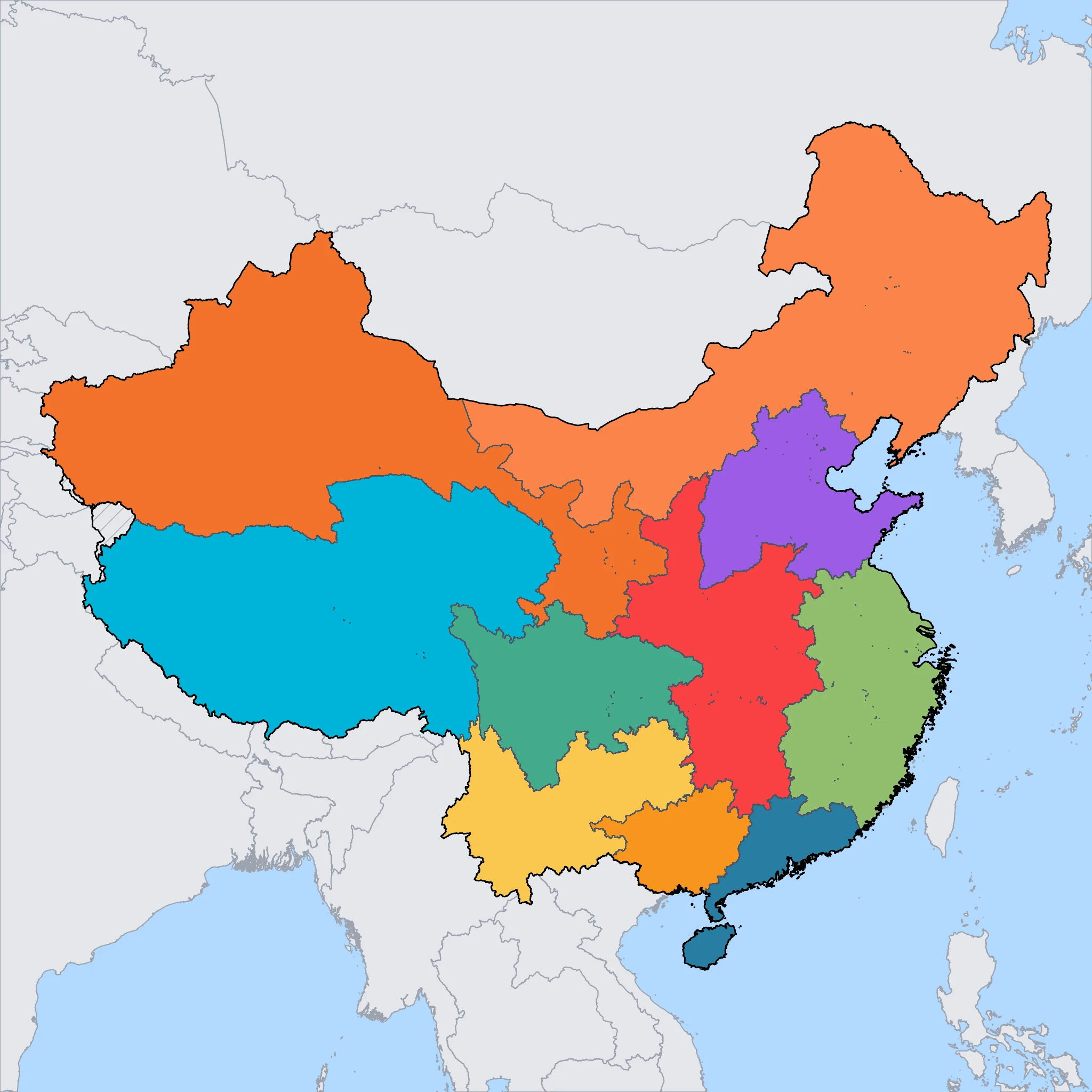
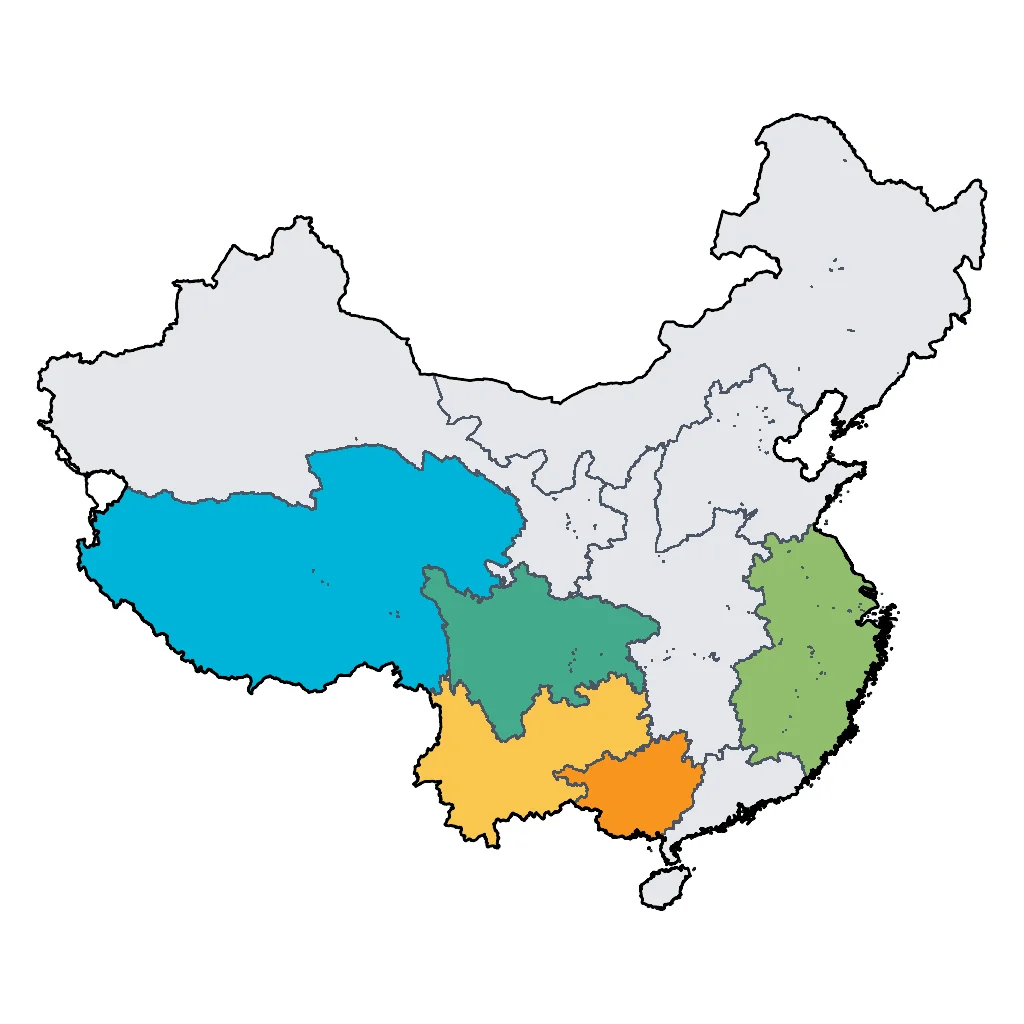
Click a region to explore

Activities & Best Times

Hiking, wildlife, outdoor exploration, ecotourism
An unparalleled wilderness offering high-altitude trekking near the world's highest peaks and unique fauna like the Tibetan antelope. Peak summer months provide the only period where daytime temperatures are consistently above freezing; winter is dangerously cold for families.
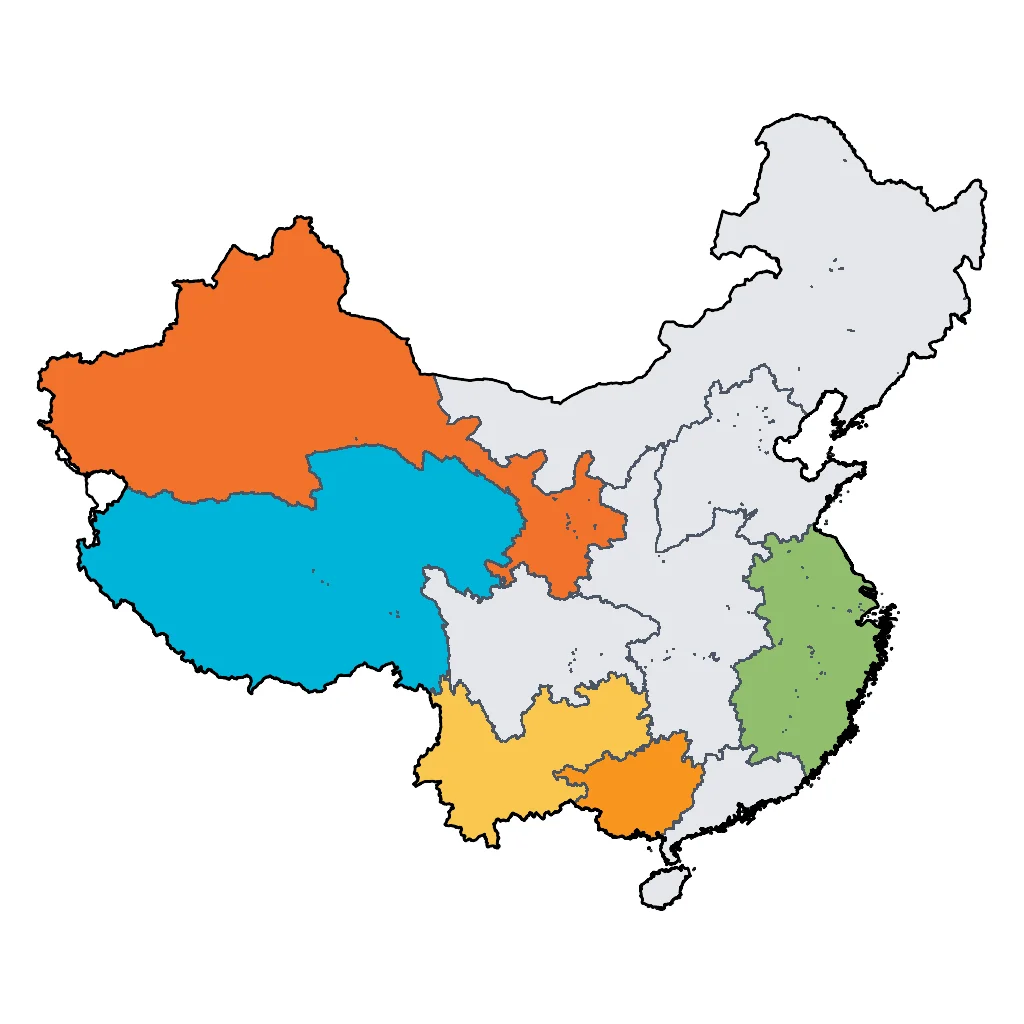

Learning experiences, scientific sites, historical education
Offers world-class insights into Himalayan geology, Tibetan history, and Vajrayana Buddhism through authentic monastic interaction and research. Peak months provide the best access to remote educational sites, while shoulder and off-months are significantly restricted by extreme sub-zero temperatures.
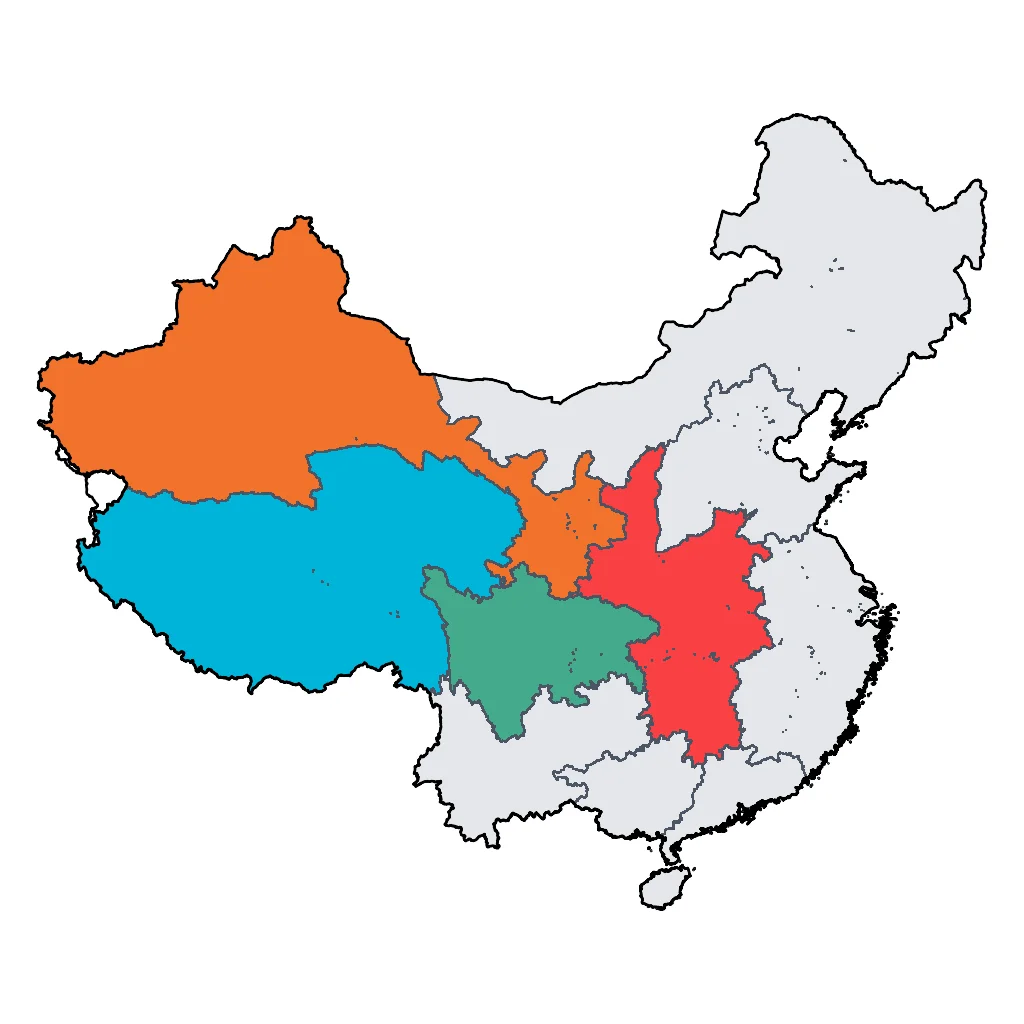

Events, celebrations, seasonal attractions
Features authentic, internationally significant events like the Saga Dawa and Shoton Festivals, showcasing profound local traditions. These major celebrations occur in the warmer summer months; outside this period, few significant public festivals are accessible to international travelers.
Scenic drives, countryside tours, route-based travel
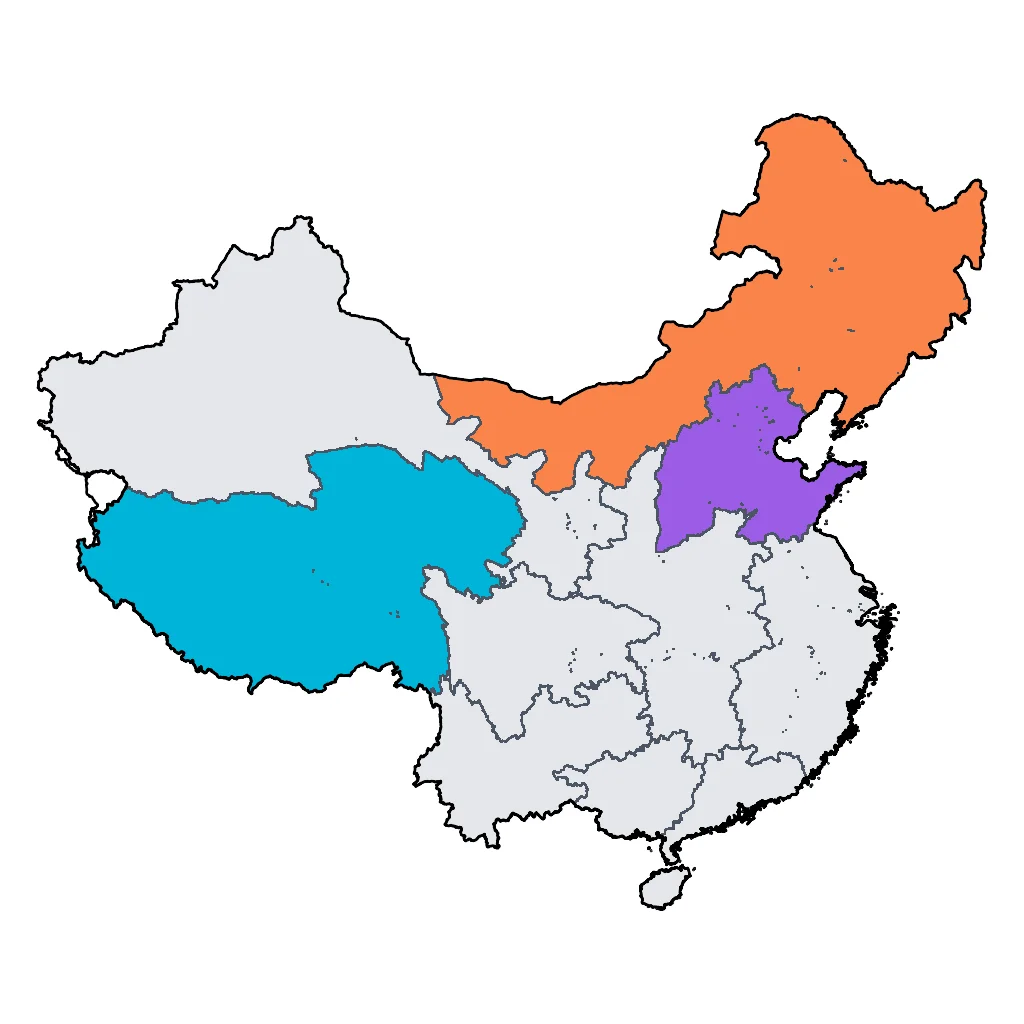
The route to Everest Base Camp is one of the world's most iconic drives, offering spectacular vistas on increasingly well-developed road infrastructure. Peak visibility of the Himalayas occurs in the drier spring and autumn months; summer (shoulder) can be cloudy/rainy, and winter carries high risks of ice and closure.

Urban tourism, museums, historical sites, architecture
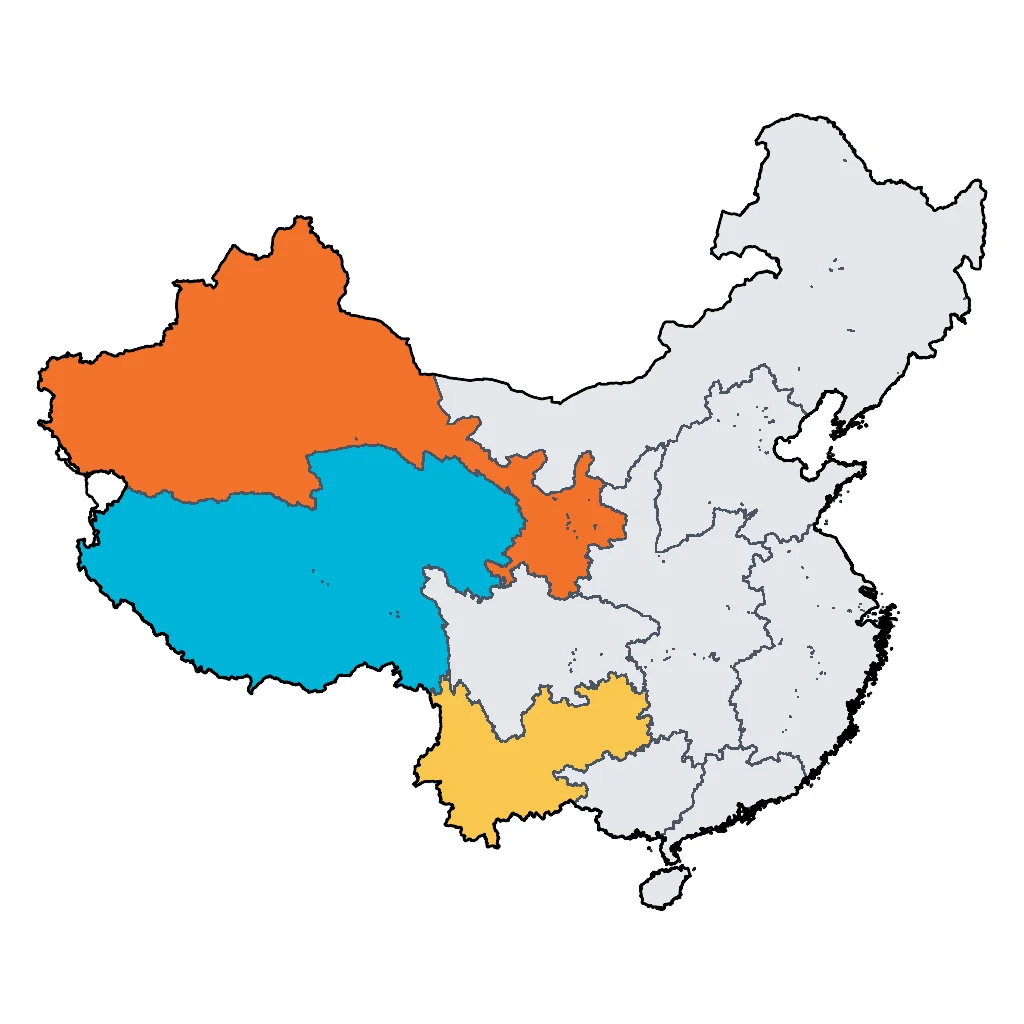
The Potala Palace is globally iconic heritage, but Lhasa as a 'city cultural' family destination has significant practical constraints: altitude sickness risk (3,650m), mandatory permits, limited hospitality infrastructure compared to Beijing/Shanghai/Hong Kong. The heritage is world-class but the city experience is not at the same tier for families.

Spa retreats, wellness centers, peaceful getaways
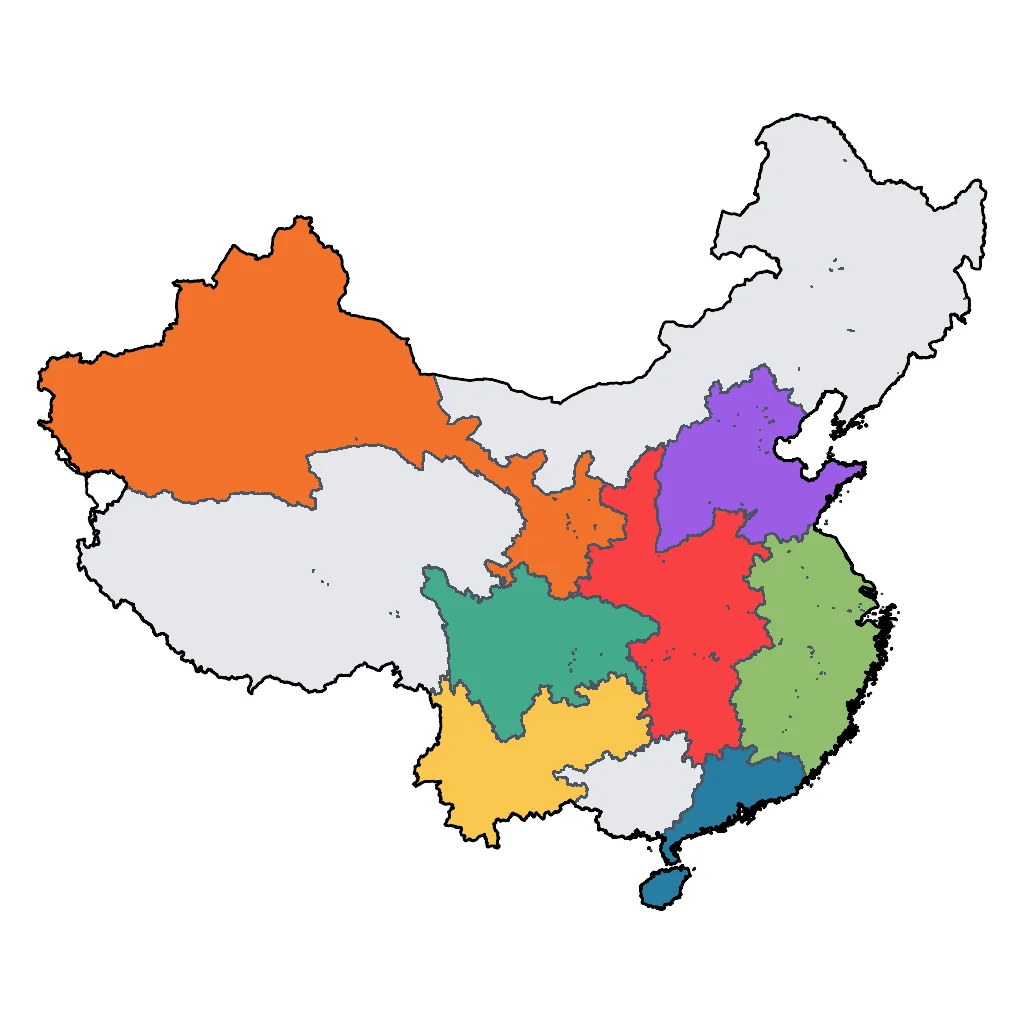
A spiritual sanctuary offering meditation and traditional wellness in a profound, high-altitude setting. While infrastructure is more rustic than Swiss or Maldivian benchmarks, the authenticity is peerless during the milder summer months.

Sport tourism, fitness activities, active recreation
World-class for high-altitude cycling and trekking, though the physical demand and thin air require significant preparation for families. Activity is only feasible in the brief summer window when trails are clear and temperatures allow for outdoor exertion.