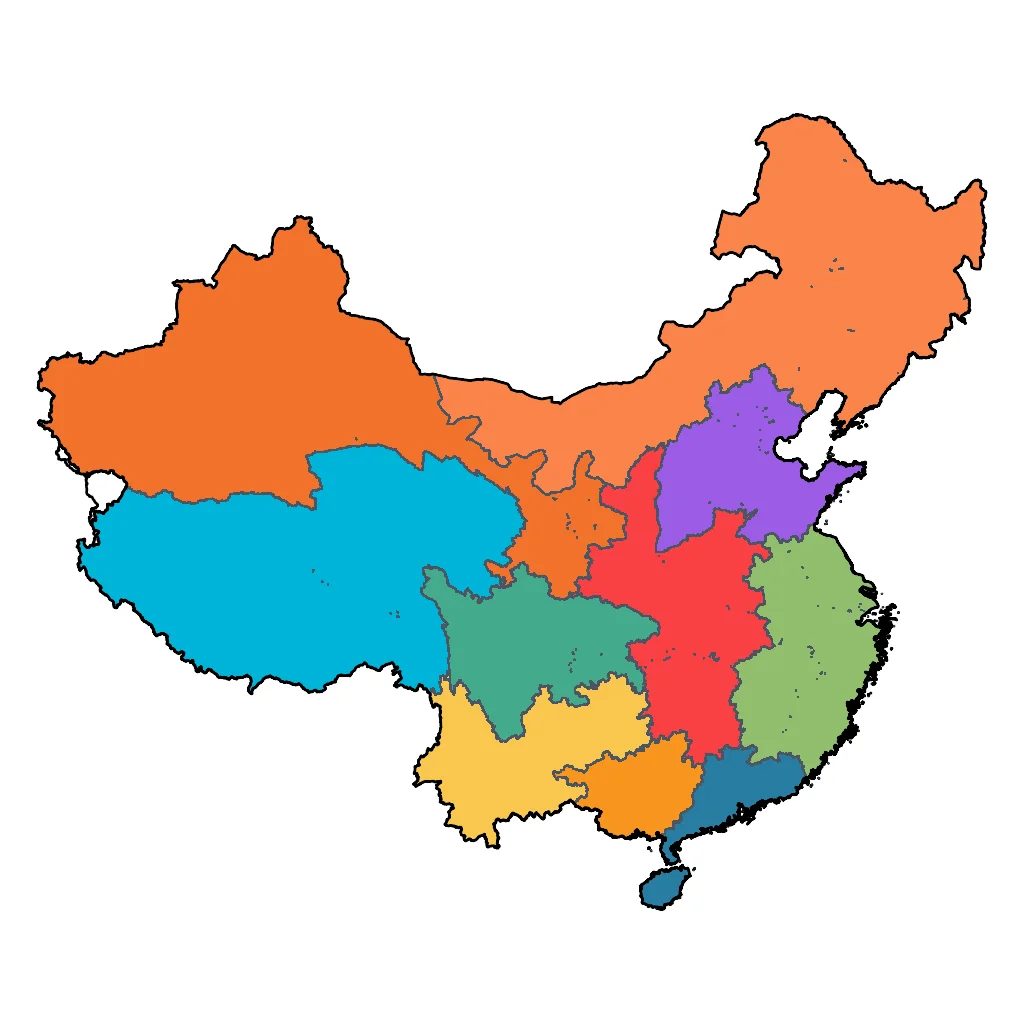

Northwest China & Silk Road
Camel rides and ancient warriors on the Silk Road 🐫
⚠️ SAFETY WARNING: Due to the risk of arbitrary detention and strict enforcement of local laws, government agencies (including CA, USA, UK, AU, IE, NZ) advise travelers to avoid all travel to the Xinjiang Uyghur Autonomous Region and exercise increased caution in surrounding areas. The security situation can be unpredictable. Families are strongly urged to consult their own government's official travel advisory before considering a trip, as circumstances and risk assessments vary.
For most families, the journey into the Northwest begins safely in Xi'an (Shaanxi province), the ancient starting point of the Silk Road. The absolute highlight here is the Terracotta Army, thousands of life-sized pottery soldiers that have guarded the Emperor's tomb for millennia. The sheer scale is awe-inspiring for children. Xi'an's city center is enclosed by a massive, intact City Wall; renting a tandem bike to cycle the 14km loop atop the ramparts is a favorite family activity. The Muslim Quarter offers a sensory explosion of food, where kids can watch vendors stretching noodles and pounding candy with giant mallets.
Heading west into Gansu province, the landscape turns to dramatic desert. Dunhuang is a magical stop where the Mogao Caves showcase ancient Buddhist art (best for older children interested in history). Just outside the city lie the Mingsha Shan (Singing Sand Mountains) and Crescent Moon Lake. Here, families can ride camels up the dunes, slide down the sand on sleds, and ride ATVs. It is a giant natural sandbox that kids absolutely adore. Further along the Hexi Corridor, the Zhangye Danxia Geopark features mountains striped with bright reds, oranges, and yellows—the famous 'Rainbow Mountains'—which look like they were painted by hand.
While the far western regions have travel warnings, the eastern and central parts of the Silk Road route (Xi'an to Dunhuang) are generally well-traveled tourist corridors. The food changes as you go west, with bread (naan) and lamb skewers becoming more common, which are often hit-or-miss with kids depending on their taste for cumin and spices. Travel distances are vast, so utilizing high-speed trains between key cities like Xi'an, Lanzhou, and Zhangye is recommended to keep travel fatigue at bay.
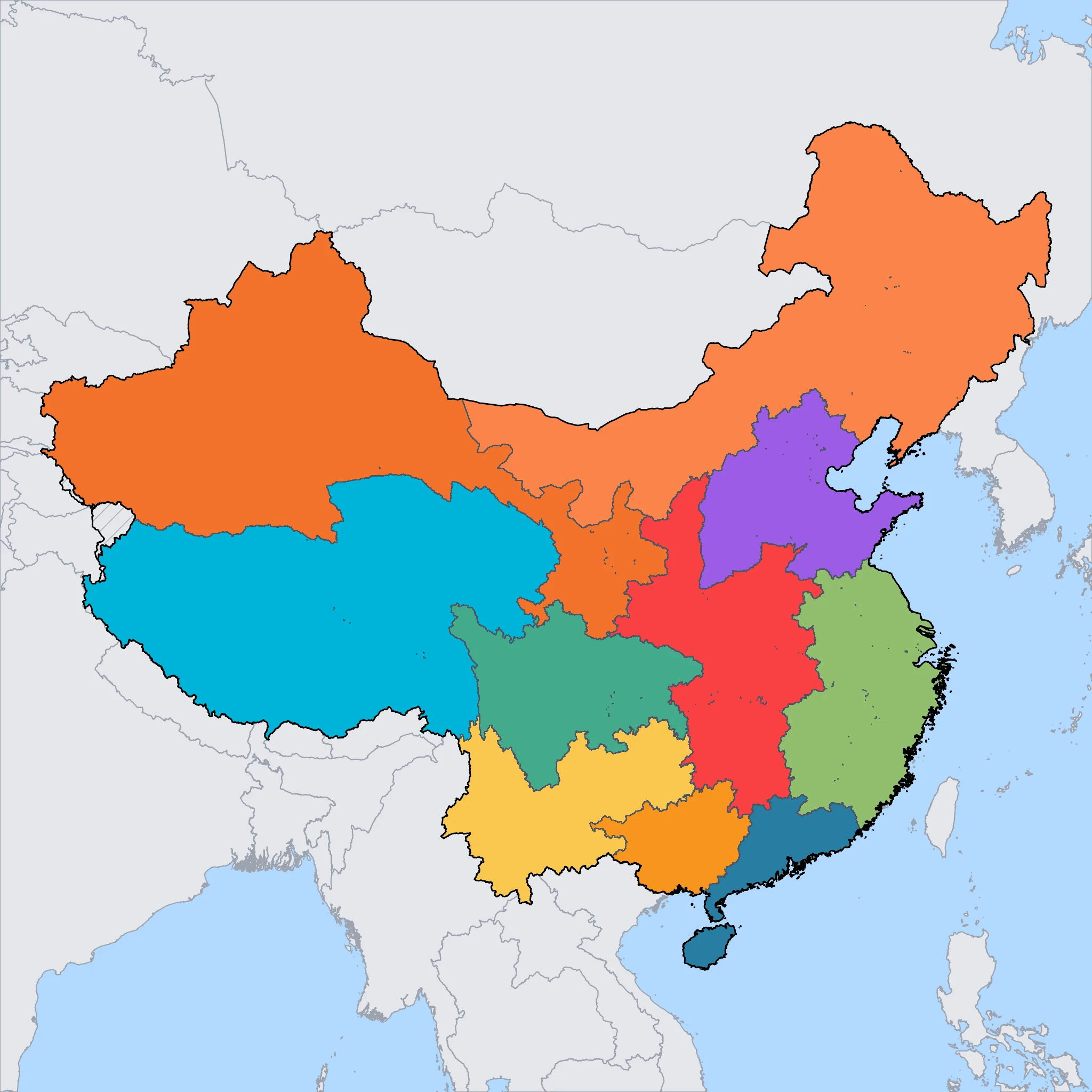
Click a region to explore

Activities & Best Times

Hiking, wildlife, outdoor exploration, ecotourism
Home to unique geological wonders like the Zhangye Danxia rainbow mountains and the massive Singing Sands dunes. Peak months (May-Jun, Aug-Sep) avoid the peak summer heat and winter freezes, offering the ideal 15-28°C range for desert exploration; winter is unsuitable with temperatures dropping to -11°C.

Urban tourism, museums, historical sites, architecture
Offers world-class historical depth via the Mogao Caves and Jiayuguan Pass, representing a pinnacle of global cultural heritage. Spring and autumn provide comfortable temperatures for exploring vast archaeological sites, while July is often too hot (>33°C) and winter is far too harsh for sophisticated urban touring.

Learning experiences, scientific sites, historical education
A living laboratory of Silk Road history and Buddhist art, with world-class research facilities at Dunhuang that appeal to intellectually curious families. Optimal learning conditions occur in the mild transition seasons; winter conditions are too extreme for comfortable site visits to the unheated cave systems and ruins.
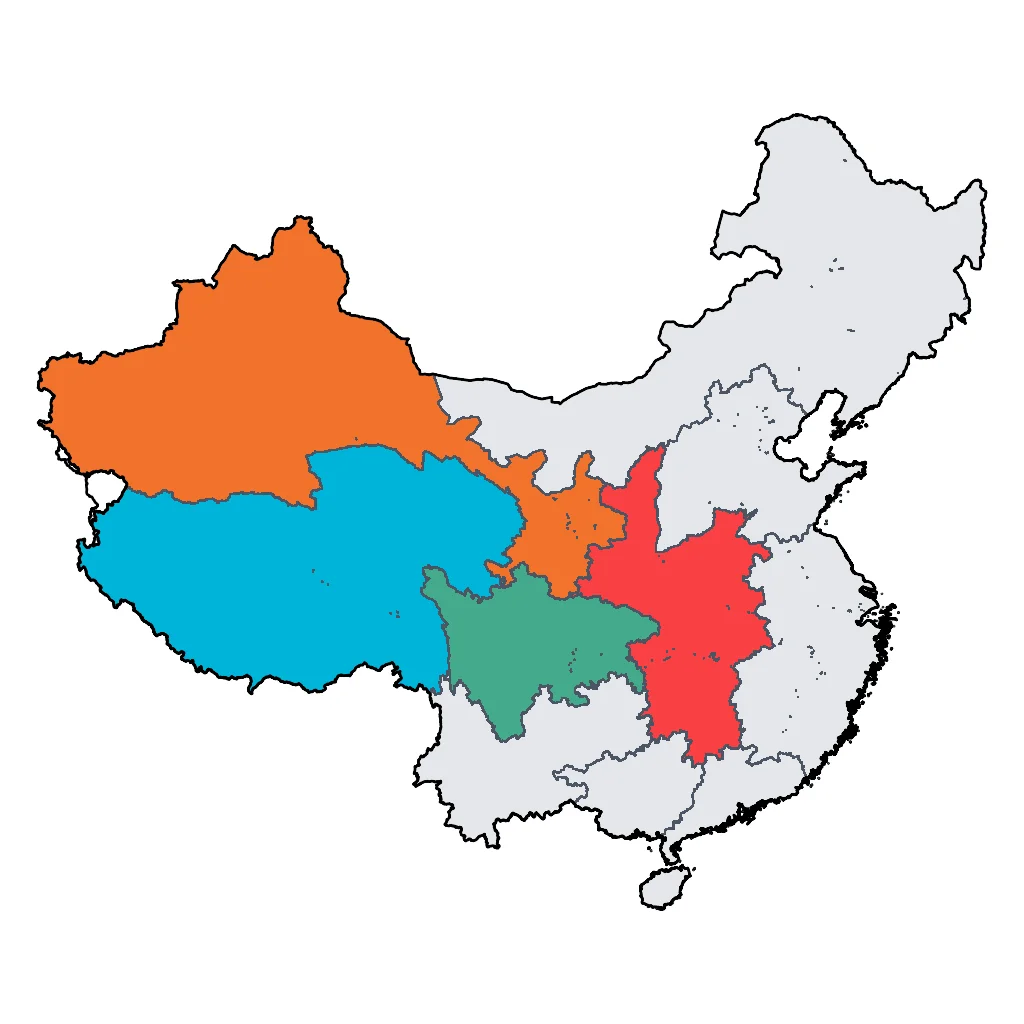

Scenic drives, countryside tours, route-based travel
A legendary transcontinental route through dramatic desert landscapes and mountain passes with increasingly high-end infrastructure for private expeditions. Peak months offer clear visibility and safe road conditions, whereas winter months (Nov-Mar) present dangerous cold and potential ice on high-altitude segments.
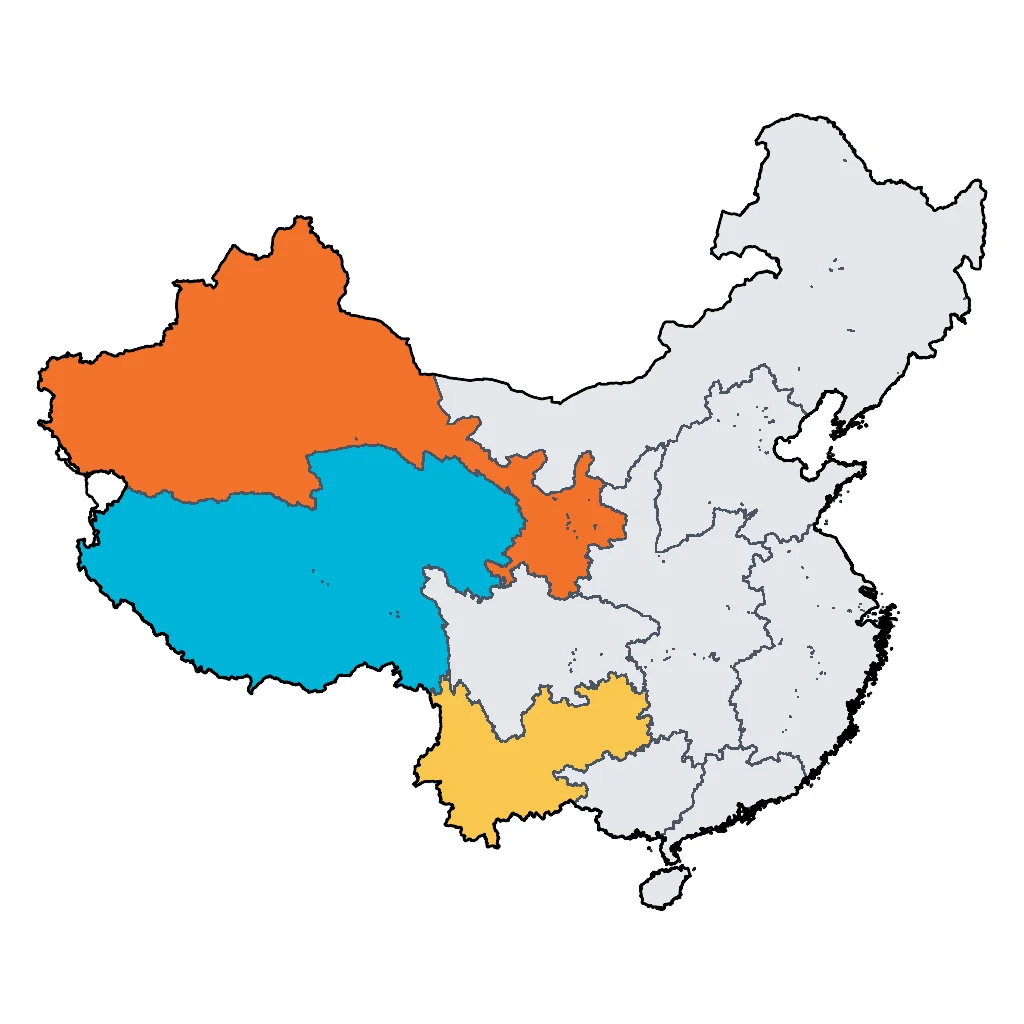

Events, celebrations, seasonal attractions
Vibrant Islamic cultural events and autumn harvest festivals in the oasis cities offer authentic, non-commercialized experiences for seasoned travelers. September and October are peak due to the stunning autumn colors and mild weather; winter temperatures are too prohibitive for outdoor traditional celebrations.
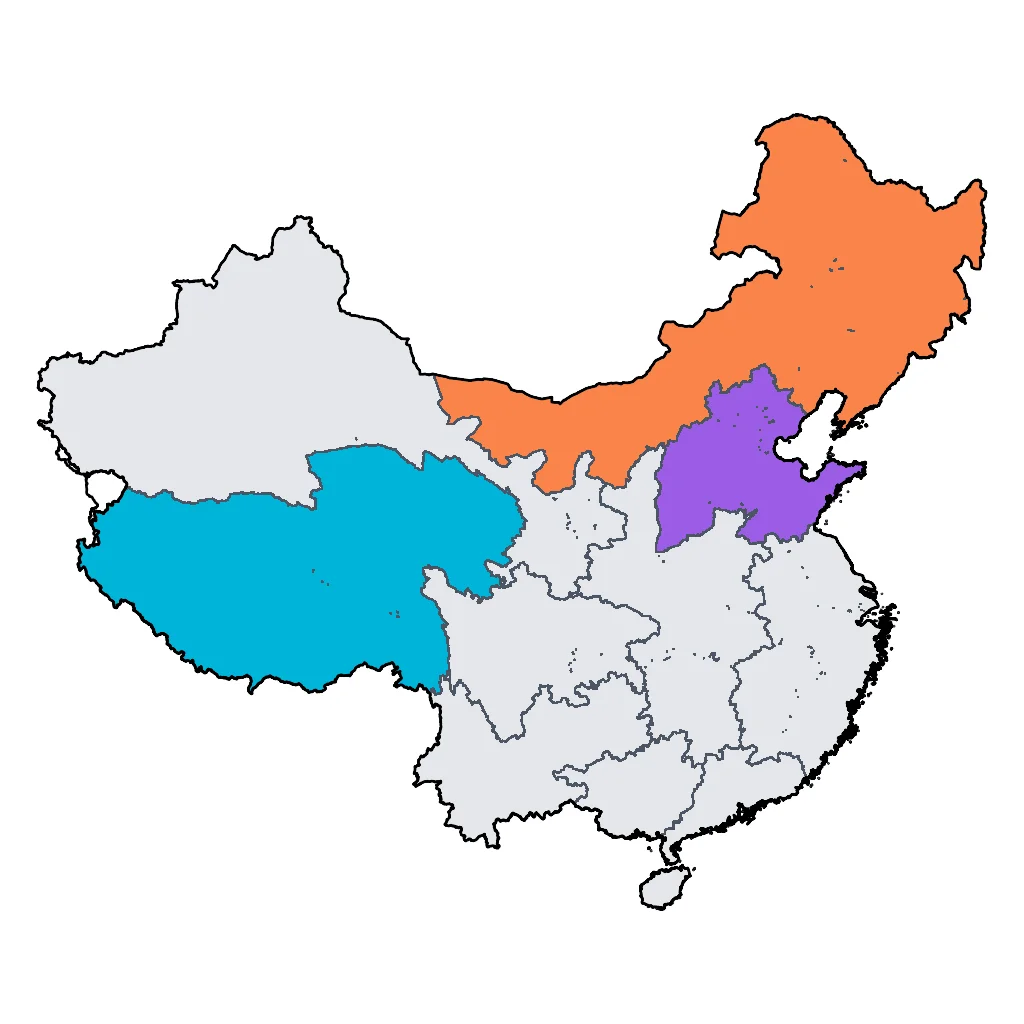

Winter sports, ski resorts, snow activities
Emerging world-class destination in the Altay and Tianshan ranges known for incredible 'champagne' powder. Peak winter (Dec-Feb) provides reliable snow and modern resort facilities; strictly seasonal with no snow activities in summer.
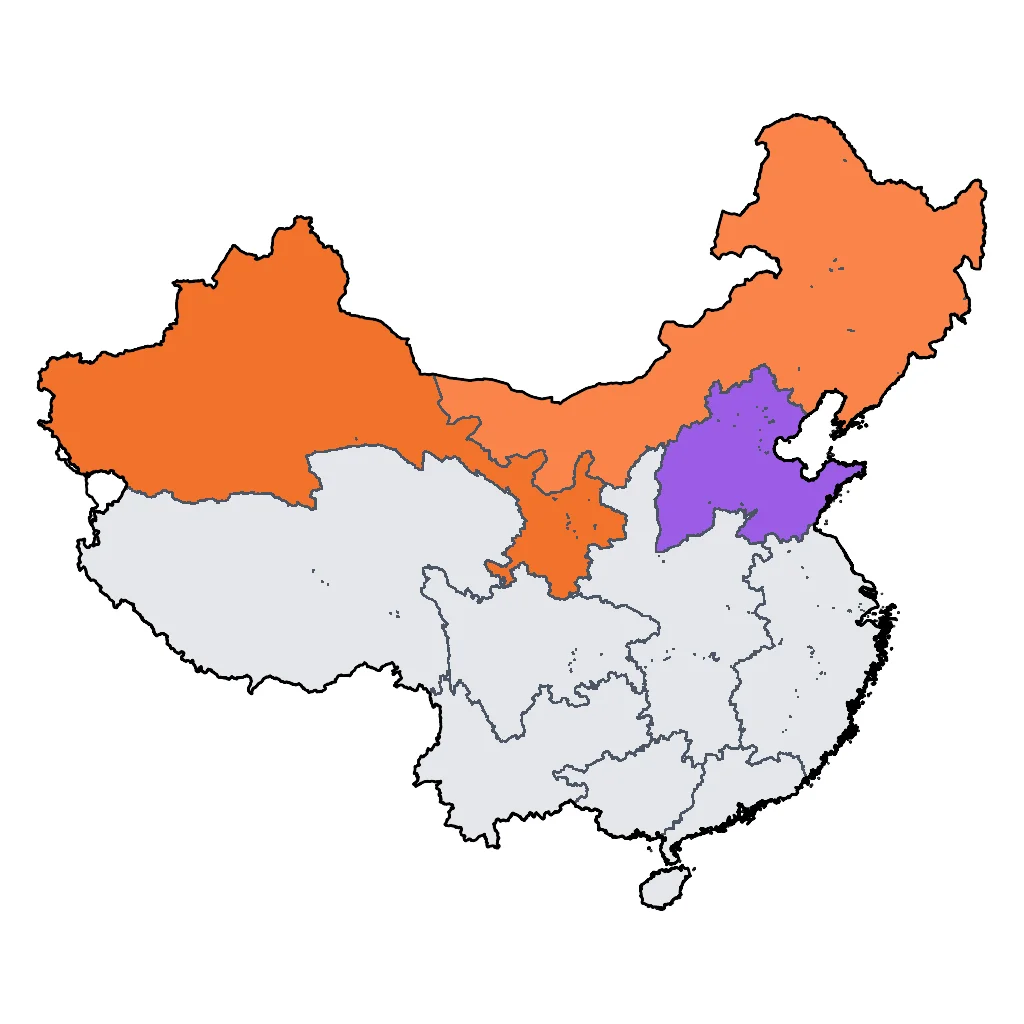

Spa retreats, wellness centers, peaceful getaways
High-end desert retreats and boutique oasis spas offer a unique, serene escape for discerning travelers seeking silence and luxury. The temperate months of May, June, and September are ideal for outdoor relaxation, while the extreme summer heat and winter cold limit the tranquility of the desert experience.

Sport tourism, fitness activities, active recreation
High-quality desert trekking and mountain biking trails offer authentic adventure for active families. Conditions are best when temperatures remain below 28°C in late spring and early autumn; July's intense heat and the sub-zero winter temperatures make these physical activities uncomfortable or unsafe.