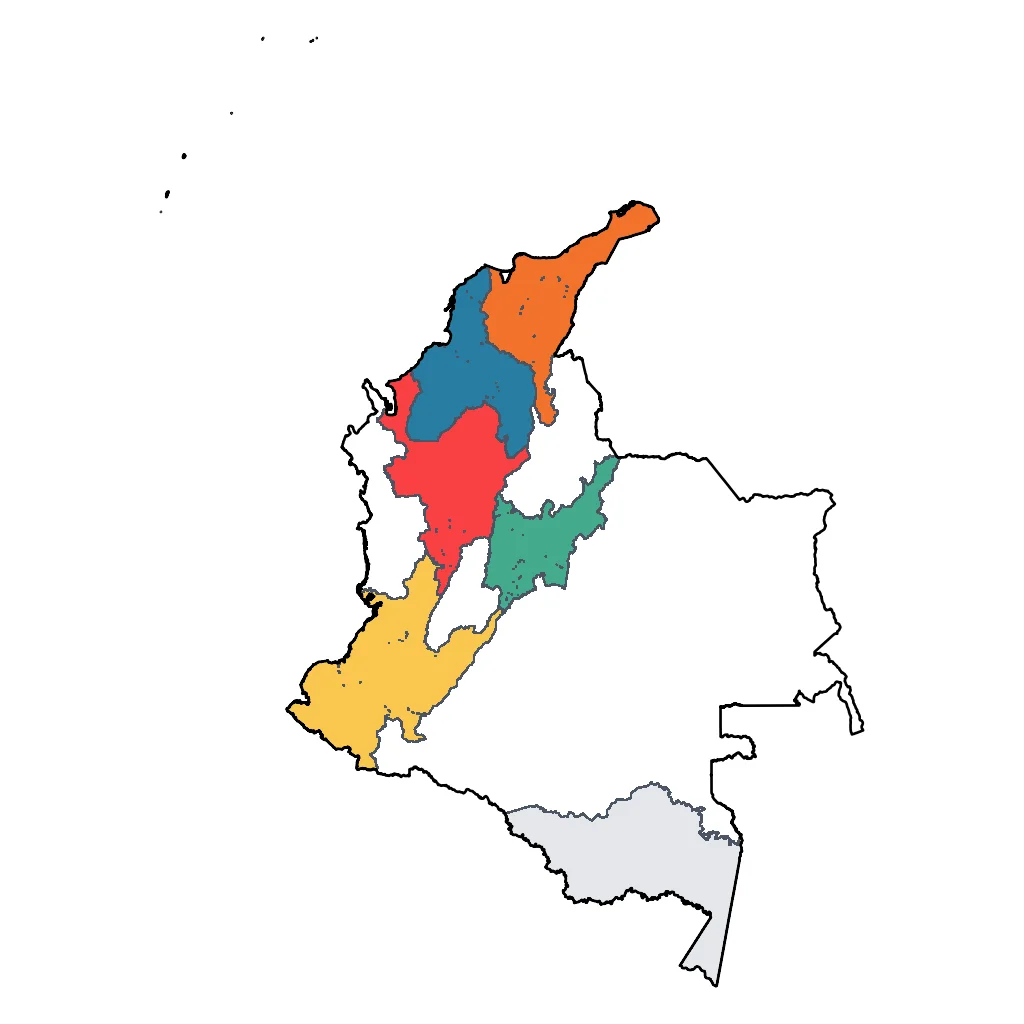
⚠️ SAFETY WARNING: Due to higher crime rates and security concerns in specific areas, government agencies (including the USA, UK, and Australia) advise travelers to reconsider travel to parts of the Southwest region. While Cali's tourist zones are generally accessible with caution, rural areas in Cauca and Nariño pose significant risks. Families are strongly urged to consult their own government's official travel advisory before considering a trip, as circumstances and risk assessments vary.
Cali, known as the Salsa Capital of the World, offers a warm, tropical climate and a vibrant energy that differs from the cooler Andean cities. While nightlife is a major draw for adults, families will find excellent daytime attractions. The undisputed highlight for children is the Cali Zoo (Zoológico de Cali), widely considered one of the best in South America. It features open-air habitats where the animals—including Andean spectacled bears, lions, and butterflies—are separated from visitors by moats and glass rather than cages. The zoo is built along a river and includes shady bamboo forests perfect for walking during the heat of the day.
On weekends, locals flock to the Pance River, located just outside the city. The water here is cold and refreshing, coming down from the Farallones mountains, and the current is generally gentle enough for supervised swimming in the shallow rock pools. It's a great spot for a family picnic. Back in the city, the San Antonio neighbourhood offers a safer, walkable area with colonial architecture, craft shops, and a hilltop park where kids can watch street performers and fly kites.
Food in this region is particularly appealing to children. Be sure to try a cholado, a dessert made of shaved ice, fresh fruit, condensed milk, and blackberry syrup, often topped with a wafer. It is a colourful, sweet treat that perfectly matches the city's lively atmosphere.
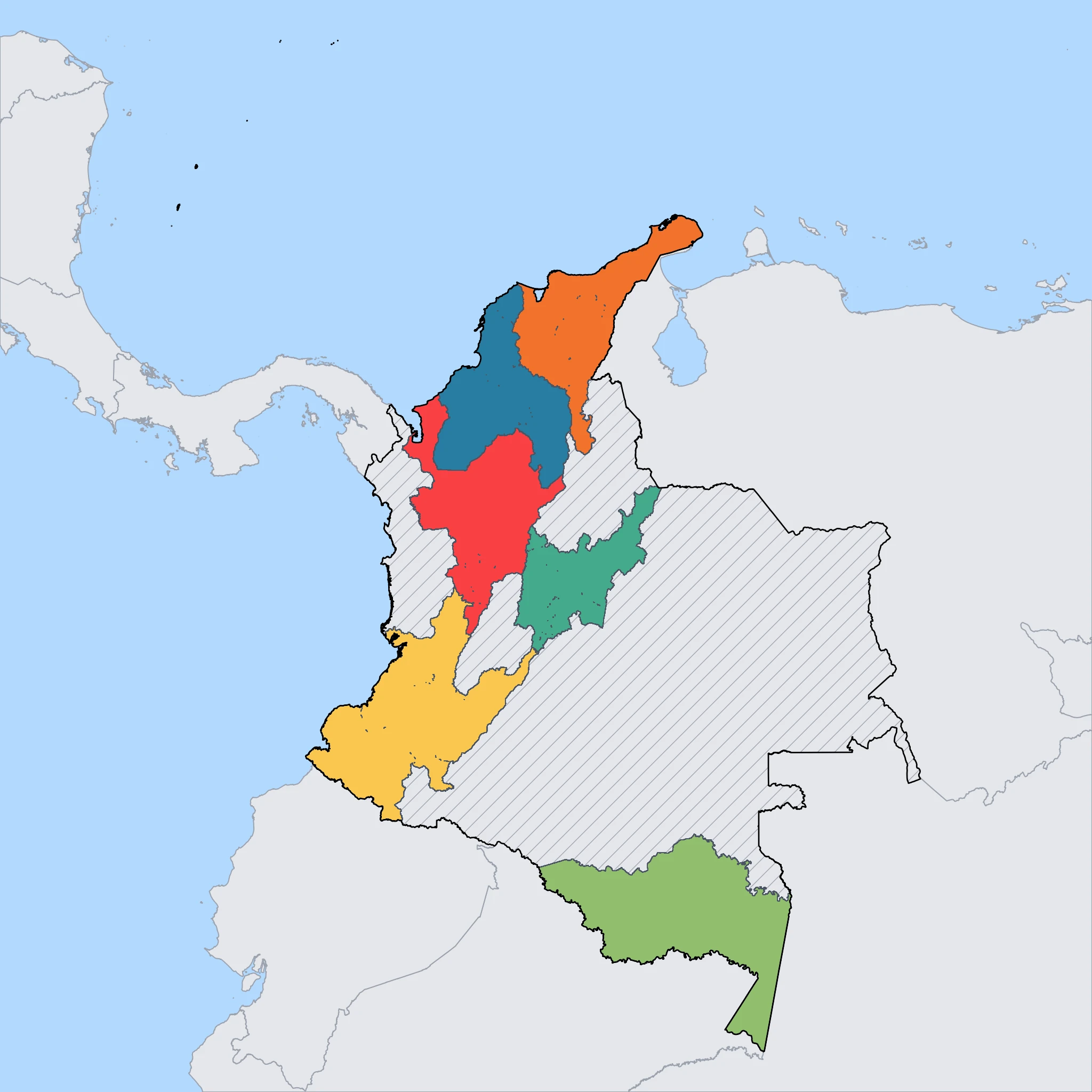
Click a region to explore

Activities & Best Times

Events, celebrations, seasonal attractions
Hosts internationally significant events like the Feria de Cali (Dec), Carnaval de Negros y Blancos (Jan), and Popayán’s Holy Week (Mar/Apr). These festivals offer unparalleled authenticity and cultural depth, making them peak periods regardless of the high rainfall often seen in March.

Hiking, wildlife, outdoor exploration, ecotourism
The region offers world-class birdwatching in the cloud forests and seasonal whale watching on the Pacific coast (July-Oct). Peak months align with the driest window for hiking Andean trails, while extreme rainfall from March to May makes wilderness exploration challenging.

Urban tourism, museums, historical sites, architecture
Cali's salsa culture is globally iconic and Popayán is UNESCO-listed, but the city_cultural package does not reach the same tier as Cartagena (premier colonial walled city) or Bogotá (world-class museums). Downgrading to very_good maintains appropriate hierarchy within Colombia and better reflects international calibration against cities like Havana, Buenos Aires, or Mexico City.
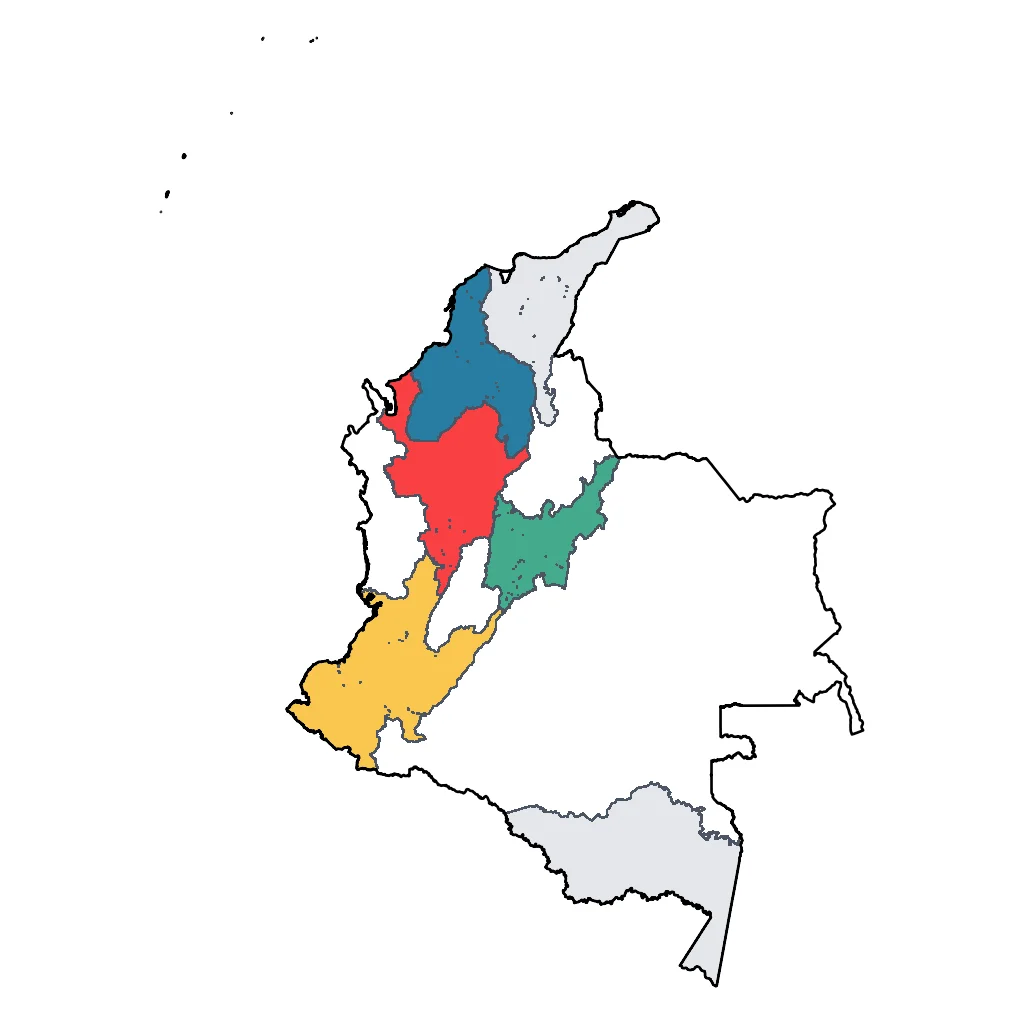

Learning experiences, scientific sites, historical education
San Agustín Archaeological Park is a world-class UNESCO site featuring the largest collection of religious monuments and megalithic sculptures in South America. The mid-year dry spell (July-August) provides the best visibility and conditions for exploring these expansive outdoor archaeological sites.
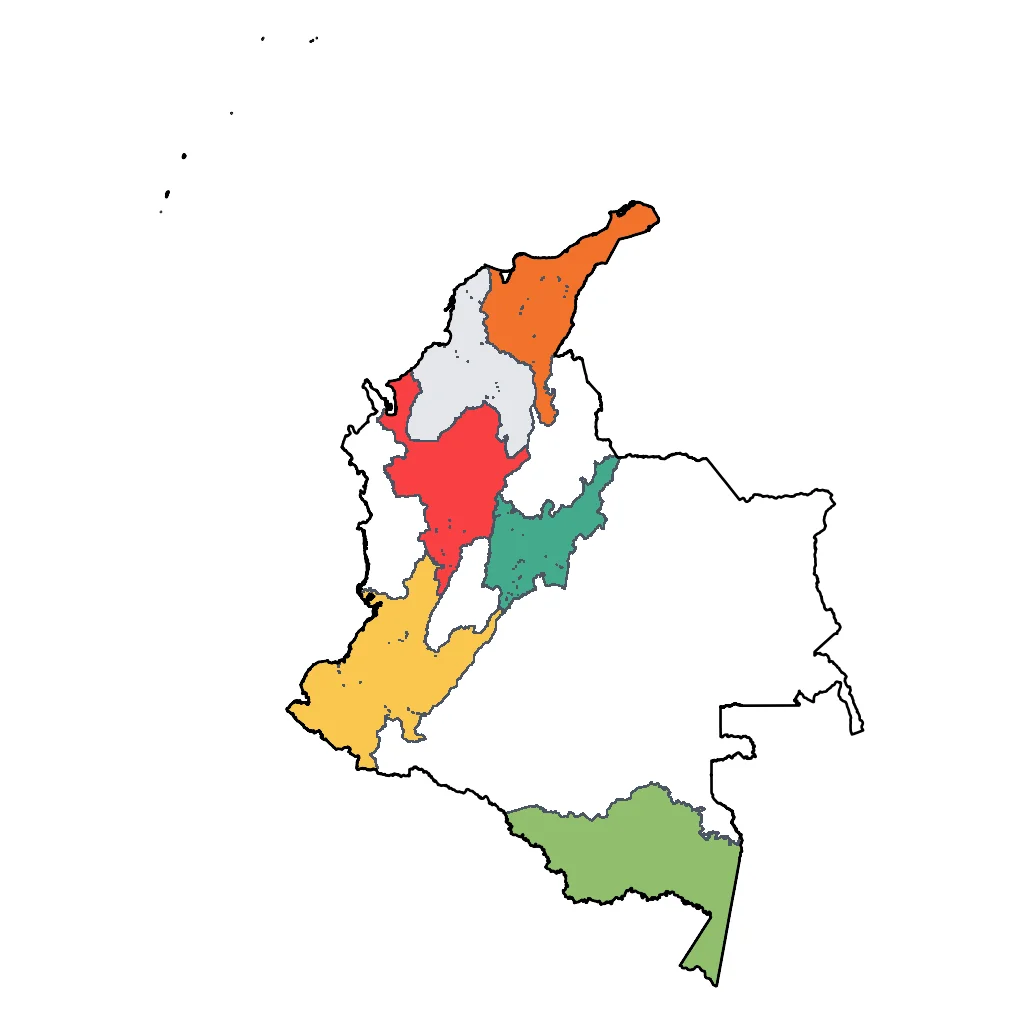

Spa retreats, wellness centers, peaceful getaways
Features authentic hot springs near Puracé and luxury boutique haciendas in the Cauca Valley for peaceful retreats. Peak dry months offer the best environment for outdoor thermal baths and yoga, while excessive humidity and rain in the off-season can impact the tranquility of rural retreats.
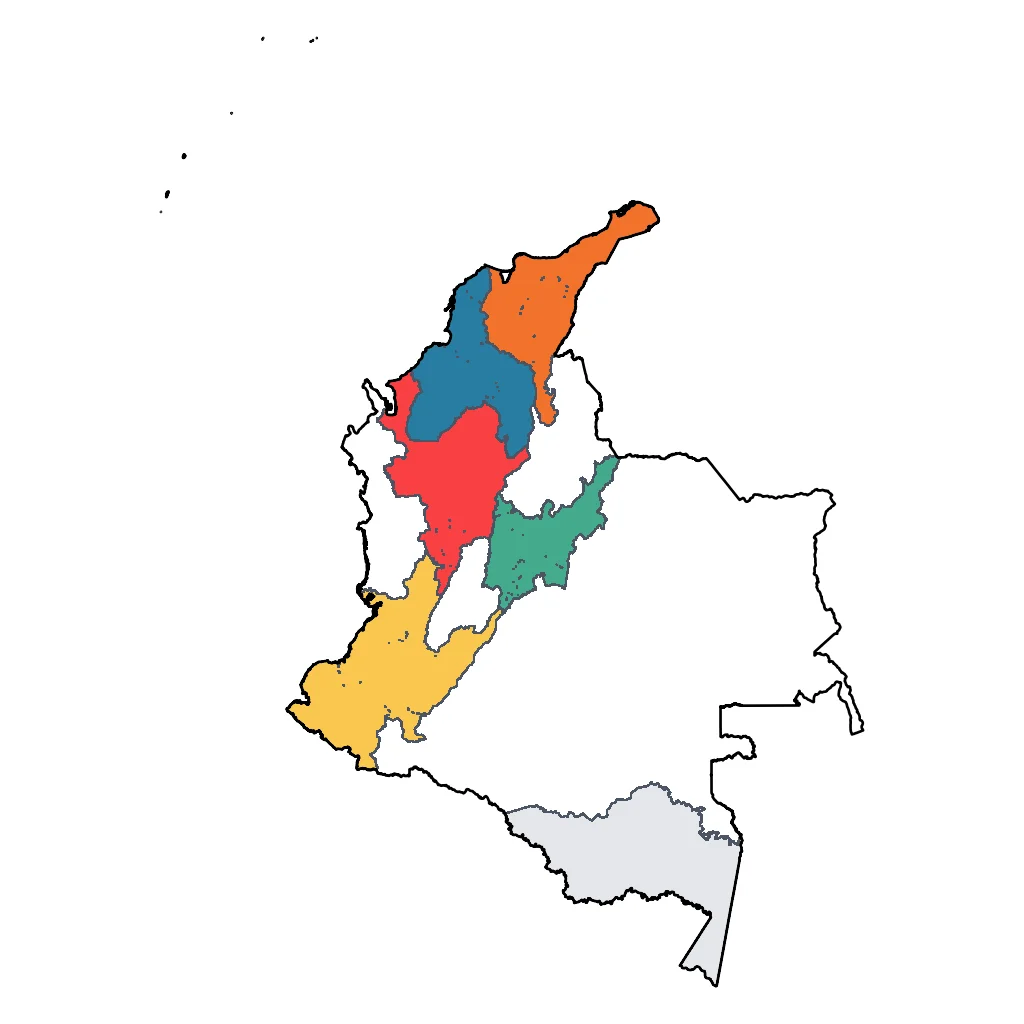

Scenic drives, countryside tours, route-based travel
Spectacular drives through the Central and Western Andes offer breathtaking vistas of coffee plantations and rugged peaks. July and August provide the safest road conditions and best visibility, whereas heavy rainfall in peak off-months significantly increases the risk of landslides on mountain passes.
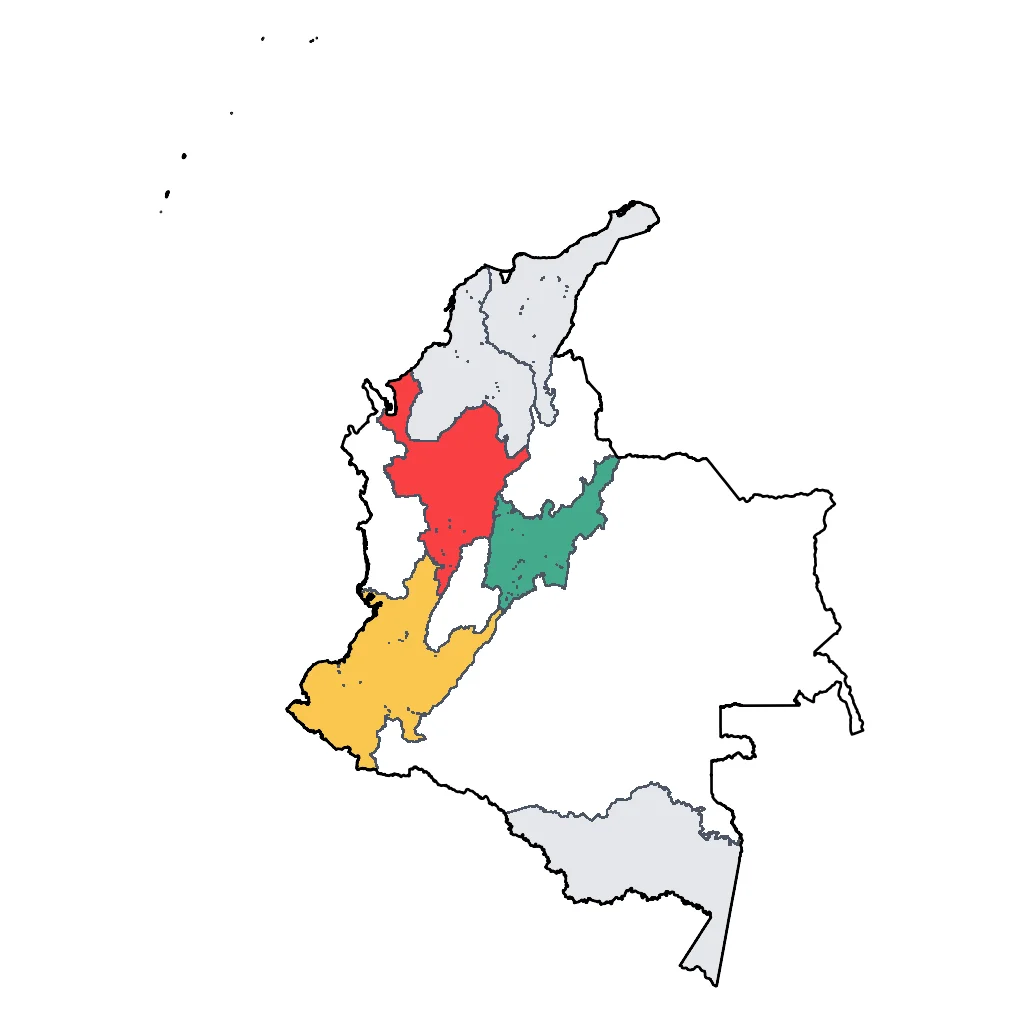

Sport tourism, fitness activities, active recreation
A global hub for high-altitude road cycling and elite-level salsa dance training. Peak months offer the most consistent weather for long-distance riding, while the high precipitation and humidity of the rainy seasons are less ideal for intensive outdoor active pursuits.