Santa Marta is Colombia's oldest surviving city, situated uniquely between the Sierra Nevada mountains and the Caribbean Sea. It serves as the logistics hub for some of the country's most dramatic natural landscapes. The main city area has a renovated marina and historic centre, but most families stay in the Rodadero or Bello Horizonte areas, which offer resort-style hotels with direct beach access and calmer waters.
The region's highlight is Tayrona National Natural Park. While the famous trek to the Lost City is too arduous for most young children, the coastal entrances to Tayrona allow families to hike through tropical forests to reach stunning beaches like Cabo San Juan. The main trails can be hot and humid, so renting horses to carry tired children (or adults) is a popular and fun option. Inside the park, you might spot howler monkeys, cotton-top tamarins, and blue lizards.
For a change of climate, a 45-minute drive up the mountain takes you to Minca. This small village is cooler and offers a refreshing break from the coastal heat. Here, families can swim in the fresh waters of Pozo Azul waterfalls or visit a giant hammock viewpoint. Minca is also excellent for birdwatching, with easy trails where kids can spot toucans and hummingbirds. Back near the coast, the Santa Marta Aquarium in Rodadero is accessible by boat and features marine life education and seal shows, providing a relaxed half-day activity for younger children.
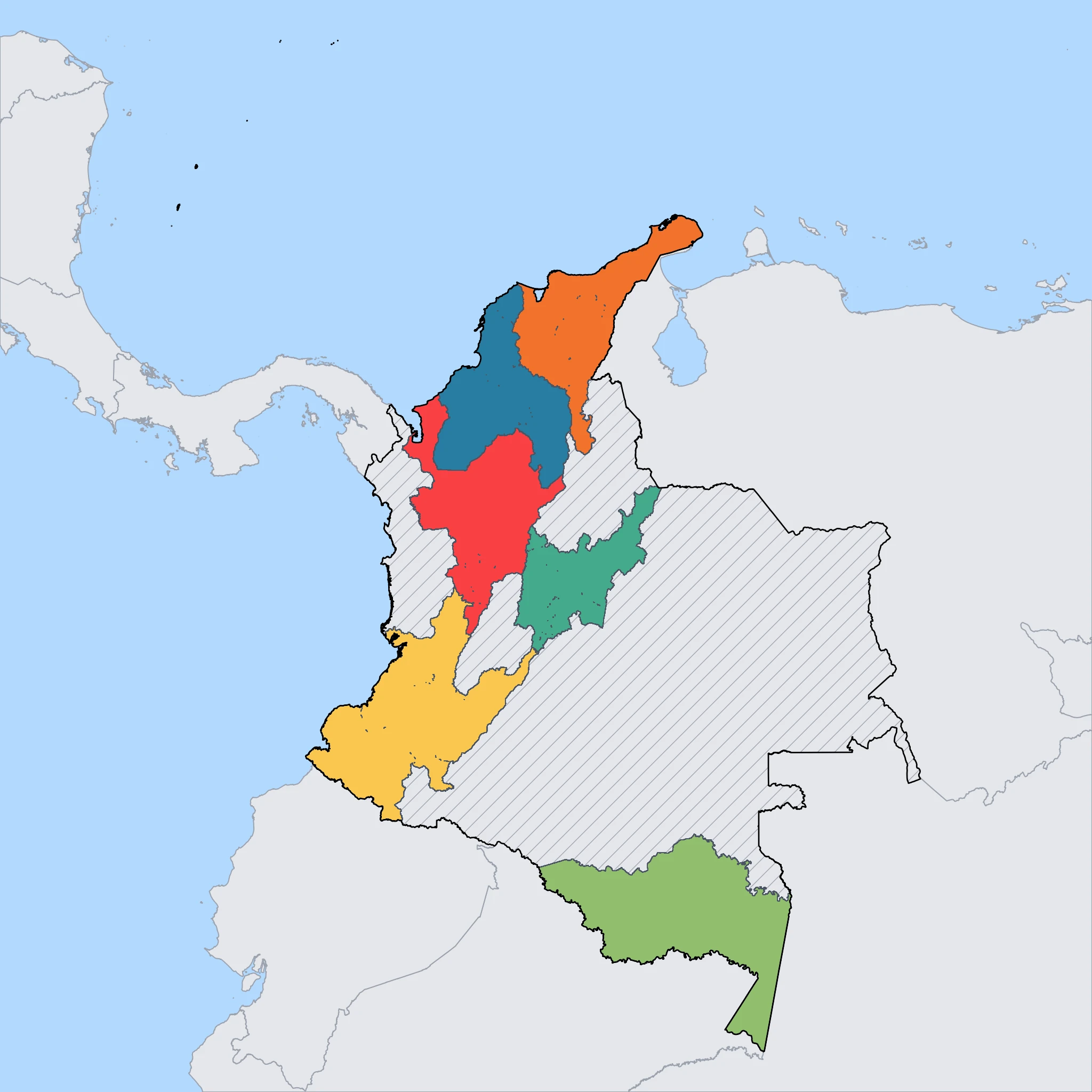
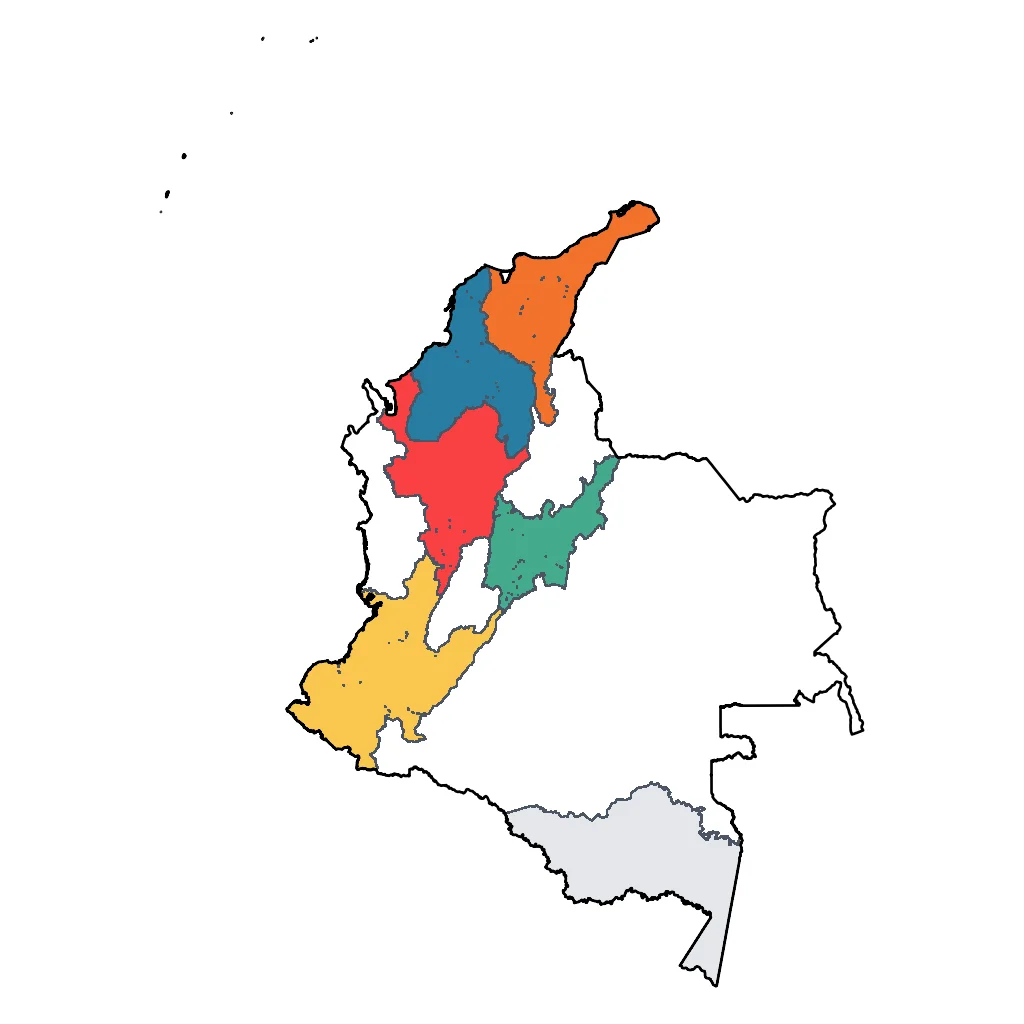
Click a region to explore

Activities & Best Times
Hiking, wildlife, outdoor exploration, ecotourism
Home to the Lost City (Ciudad Perdida) and the world's highest coastal mountain range, offering unparalleled biodiversity and world-class trekking. The dry season (Dec-Mar) is optimal for jungle hiking and clear mountain views, while peak rainfall in October and November makes trails muddy and difficult for families.

Beach resorts, marine activities: diving, snorkelling, kite surfing, wind surfing, sailing
Pristine, jungle-fringed beaches in Tayrona National Park offer a rare, non-commercialized coastal experience of international caliber. Peak dry months (Dec-Feb) provide the low precipitation and calm seas necessary for boat access and swimming; high humidity and heavy rains from May to November degrade the luxury beach experience.
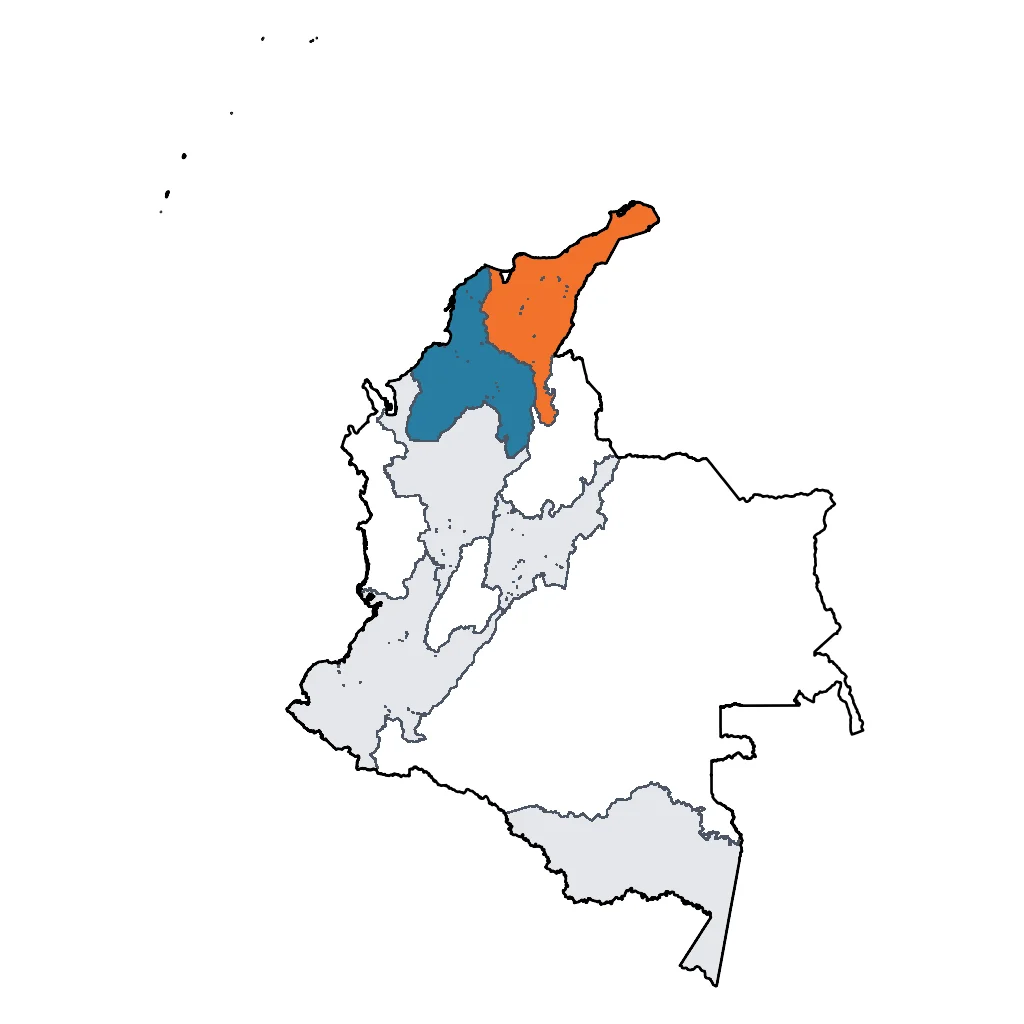

Learning experiences, scientific sites, historical education
Features significant archaeological sites and living indigenous cultures (Kogi, Wiwa) that offer profound learning opportunities for well-travelled families. Access to remote heritage sites is most reliable during the dry season; heavy tropical rains in the off-season can lead to site closures and hazardous travel conditions.
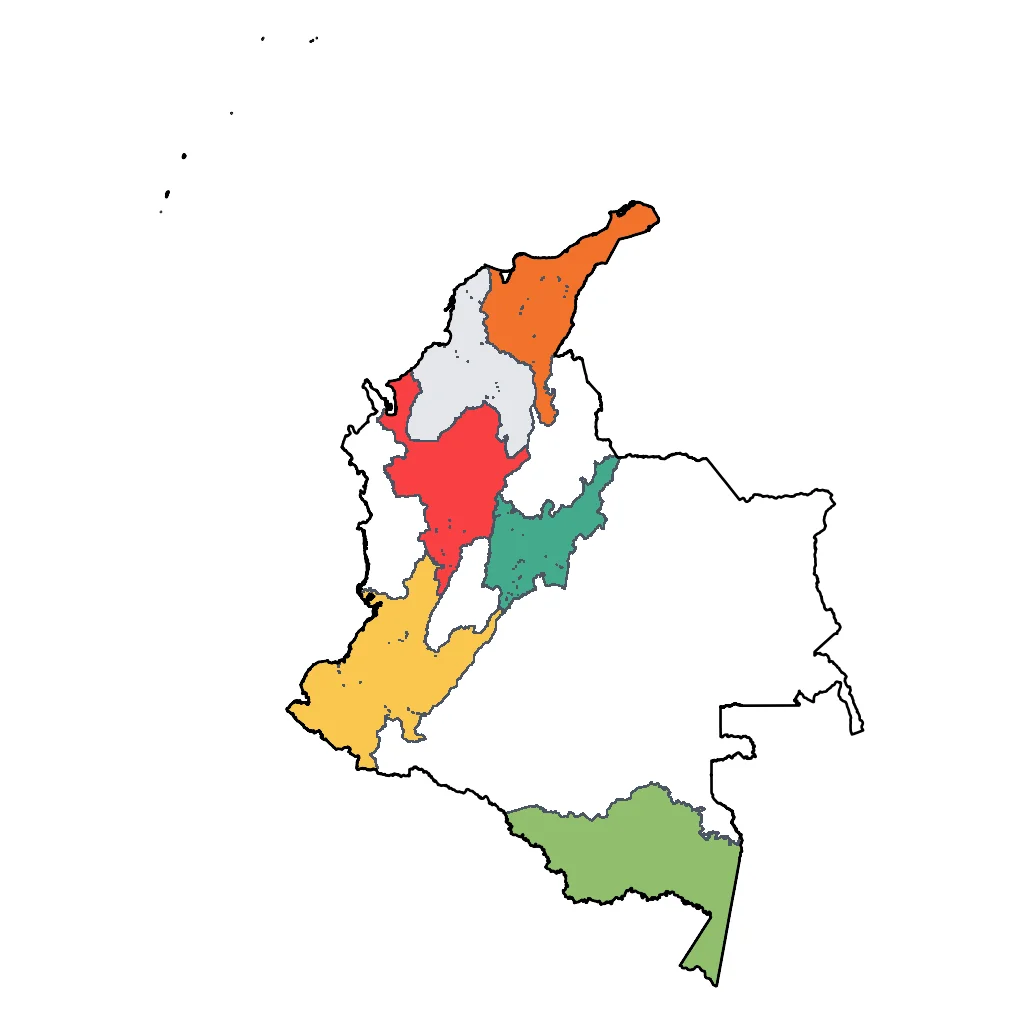

Urban tourism, museums, historical sites, architecture
As the oldest city in Colombia, it offers unique access to living indigenous cultures (Kogui and Wayuu) alongside colonial history. While the city center is evolving, the most authentic cultural experiences require travel to remote areas, which is easiest during the drier peak and shoulder periods.
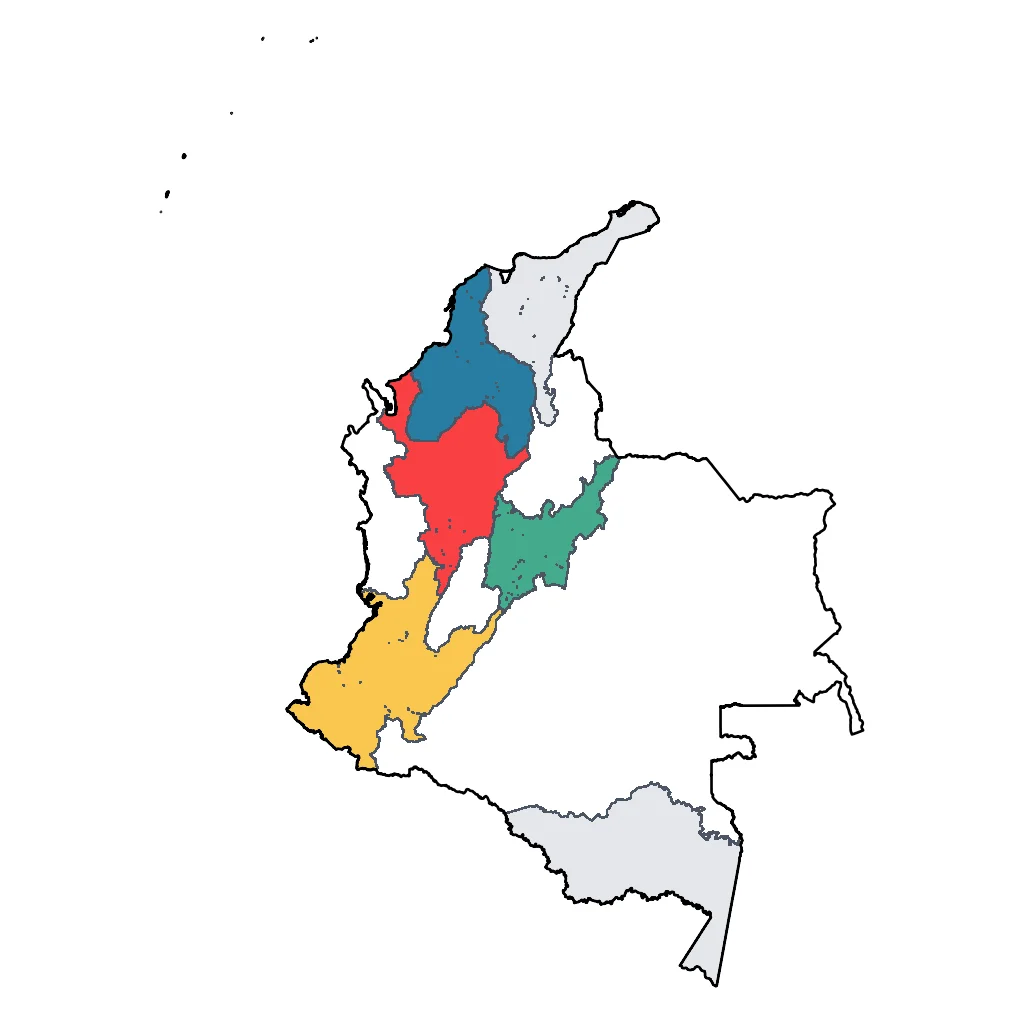

Spa retreats, wellness centers, peaceful getaways
Boutique eco-lodges in the Sierra Nevada foothills provide a sophisticated 'jungle-luxe' atmosphere for wellness and meditation. The low rainfall and slightly lower humidity of the peak months (Dec-Feb) are ideal for outdoor spa treatments, whereas the high humidity of the wet season can be oppressive for international visitors.
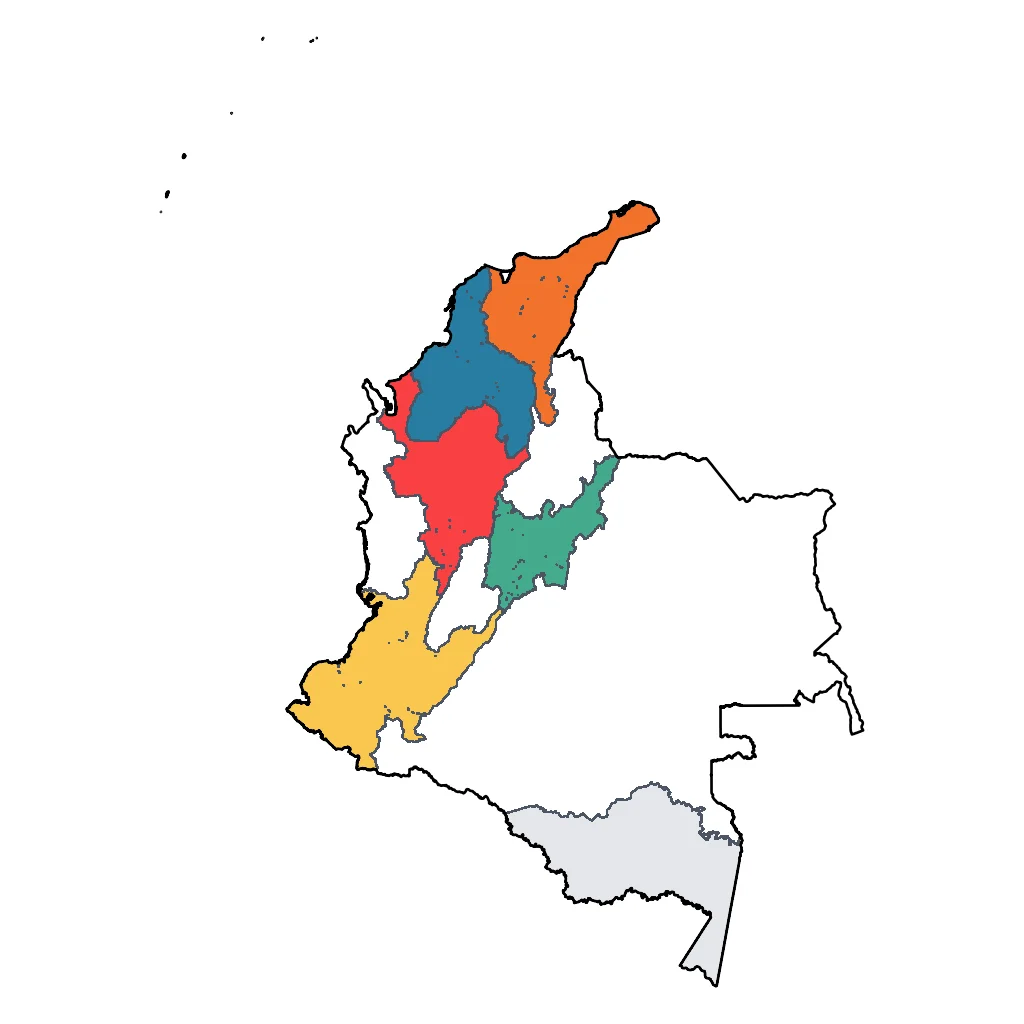

Sport tourism, fitness activities, active recreation
Offers world-class birdwatching, snorkeling in protected bays, and challenging jungle trekking to the Lost City. Conditions are optimal in the dry season when trail visibility and sea currents are most favorable for active family exploration.

Scenic drives, countryside tours, route-based travel
While 4x4 expeditions into the La Guajira desert are spectacular and unique, the infrastructure is rugged and challenging for typical luxury road travelers. This is best attempted in the dry season when dirt tracks are passable and the desert heat is moderated by coastal winds.