

Dominica (pronounced Dom-in-EE-ka) stands apart from its Caribbean neighbors. Devoid of mass tourism and sprawling all-inclusive resorts, this volcanic island is a destination for families who prefer hiking boots to flip-flops and rainforest canopies to beach umbrellas. Its landscape consists of dramatic mountain peaks, deep river gorges, and lush vegetation, earning it the nickname the "Nature Island." For school-aged children and teenagers, the island serves as a living science classroom where biology and geology come to life.
The island's unique geology creates memorable water experiences for children. At Champagne Reef, families can snorkel in shallow waters where volcanic vents release streams of warm bubbles from the sea floor, creating the sensation of swimming in a fizzy drink. This spot is accessible from the shore, making it manageable for younger swimmers. Offshore, Dominica is the only country where sperm whales reside year-round. Boat tours offer high probabilities of spotting these giants, along with dolphins and pilot whales, providing a profound connection to marine life.
On land, adventure scales easily to different ability levels. While the strenuous hike to the Boiling Lake is best left to fit adults, families can enjoy the Emerald Pool, a waterfall feeding a calm swimming hole located after a short, easy walk through the forest. Another accessible highlight is Trafalgar Falls, where twin waterfalls tumble down a fern-covered cliff. For a relaxing afternoon, a rowboat tour up the Indian River offers a quiet break; guides row manually to preserve the silence, allowing kids to spot herons, crabs, and iguanas in the mangroves. This location also served as a filming site for the Pirates of the Caribbean movies, a fun trivia point for young fans.
Cultural experiences here are authentic and educational. Dominica is home to the Caribbean's largest remaining indigenous population, the Kalinago people. A visit to the Kalinago Barana Autê (cultural village) allows families to learn about traditional basket weaving, canoe building, and pre-Columbian history directly from community members. The local cuisine is Creole-influenced and approachable, with an abundance of fresh tropical fruit like mangoes, papayas, and bananas that appeal to picky eaters.
Practical Considerations: Travel to Dominica usually requires a connection through neighboring islands like Antigua, Barbados, or Puerto Rico, or a ferry ride from St. Lucia or Martinique. The terrain is rugged, and roads are often winding and steep; families prone to car sickness should prepare accordingly. Accommodations tend to be eco-lodges, guesthouses, or boutique hotels rather than large chains. The official language is English, facilitating easy communication. While there are golden sand beaches in the north, many southern beaches feature unique black volcanic sand, which can get hot but offers a fascinating geological lesson for curious kids.
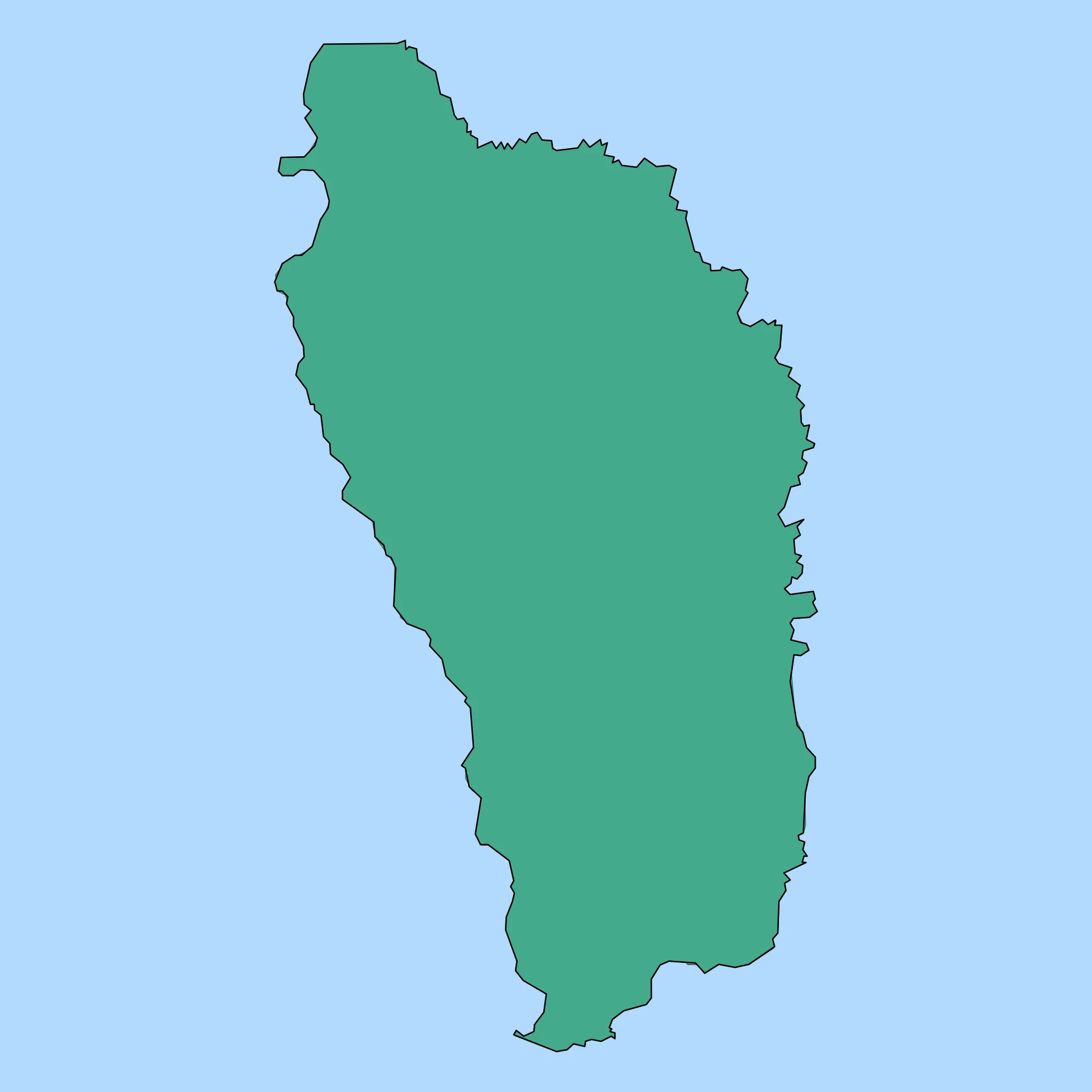
Map

Activities & Best Times

Adventure & Nature
ExcellentHiking, wildlife, outdoor exploration, ecotourism
Dominica offers world-class immersion in prehistoric rainforests, featuring the Boiling Lake and Waitukubuli National Trail. Peak months (Feb-Mar) provide the only window with rainfall near or below 100mm, essential for safe navigation of steep, volcanic terrain; extreme rainfall (>200mm) from May-Dec makes trails hazardous.

Educational & Exploratory
Very GoodLearning experiences, scientific sites, historical education
Families benefit from unique learning opportunities regarding resident sperm whale populations and the indigenous Kalinago Territory. The dry season provides optimal conditions for field-based education and whale sightings; off-season weather frequently leads to tour cancellations and limited access to cultural sites.

Relaxation & Wellness
Very GoodSpa retreats, wellness centers, peaceful getaways
No spa, wellness resort, or hot spring attractions in the editorial evidence. While Dominica has authentic volcanic hot springs, 'excellent' wellness should be reserved for globally recognized wellness destinations (Bali, Iceland, established spa towns). The offerings are genuine but niche — 'very_good' better reflects the reality.

Sports & Active
Very GoodSport tourism, fitness activities, active recreation
The island is a premier destination for canyoning through dramatic gorges and kayaking in untouched bays. Peak months offer stable water levels and drier weather for active pursuits; extreme precipitation from May onwards increases flash flood risks in canyons and creates difficult paddling conditions.
Beach & Sea
GoodBeach resorts, marine activities: diving, snorkelling, kite surfing, wind surfing, sailing
Only one beach attraction (Mero Beach) in the evidence. Dominica is famously not a beach destination — it's volcanic with dark sand beaches, which the classification notes themselves acknowledge. The diving is strong but is better captured under adventure_nature and sports_active. 'good' reflects that beaches exist but are not a primary draw.

City & Cultural
GoodUrban tourism, museums, historical sites, architecture
The capital, Roseau, maintains authentic Caribbean architecture and a genuine, non-commercialized atmosphere that appeals to experienced travelers. The dry months of Feb-Mar are best for walking tours and cultural exploration; humidity and rain become oppressive for city-based tourism from June to November.

Festivals & Seasonal
GoodEvents, celebrations, seasonal attractions
Authentic cultural events like Mas Domnik (Carnival) and the World Creole Music Festival are internationally significant. February (Carnival) offers peak weather, while October is a peak event month despite heavy rain; mid-year months offer few major cultural attractions.

Road Trips & Scenic
MarginalScenic drives, countryside tours, route-based travel
Stunning cliffside scenery makes for beautiful drives, though roads are narrow, winding, and challenging for families. Driving is only recommended in the drier months (Jan-Apr) to avoid landslides and poor visibility caused by the island's frequent and heavy torrential downpours.
Airports & Flight Routes
Toggle options to view domestic routes and international airports. Click an airport for details.
Climate & Weather
Climate Overview
| Month | Temp (°C) | Rain (mm) | Humidity | Wind (m/s) |
|---|

Travel Advisory
Standard safety awareness applies; all major agencies agree on a low baseline risk for the country.
Safety Topics
Traveller Advice (3 groups)

Always carry a photocopy of your passport's identification page and secure the original in a safe place. Ensure travel insurance covers all planned outdoor activities and emergency transport.

Local laws prohibit certain same-sex acts. While enforcement is uncommon, social attitudes remain conservative, and public displays of affection may attract negative attention.

While generally safe, women should avoid walking alone in secluded areas after dark and stay alert in crowds during large public festivals.