

The Dominican Republic offers families a diverse Caribbean experience that extends far beyond the perimeter of its famous resorts. While the island is celebrated for its extensive coastline and accessible all-inclusive hotels, it also holds a rich geography of mountain ranges, arid scrublands, and lush rainforests. For families, this variety provides a flexible holiday where days spent building sandcastles can easily alternate with educational excursions and active eco-adventures.
Geographically, the country is the second largest in the Caribbean. The eastern tip, Punta Cana, is the hub for relaxation, featuring calm, shallow waters ideal for toddlers and young swimmers. In contrast, the northern coast near Puerto Plata offers Atlantic breezes perfect for water sports, while the Samaná Peninsula provides a wilder setting where families can observe humpback whales between January and March. Inland, the central highlands offer cooler temperatures and opportunities for hiking near Jarabacoa, often called the City of Eternal Spring.
Culturally, the Dominican Republic is vibrant and accessible for children. Santo Domingo, the capital, is home to the Zona Colonial, a UNESCO World Heritage site where families can walk down the first paved street in the Americas. Kids can explore the Alcázar de Colón (the former home of Columbus's son) or ride the Chu Chu Colonial train for a history lesson that won't tire little legs. The country is also baseball-obsessed; attending a game at a local stadium is a high-energy way to connect with local life.
For active families, the island is a playground. Older children and teens will enjoy the 27 Charcos of Damajagua, a series of waterfalls where guides lead visitors in sliding down natural rock chutes and jumping into limestone pools. At Los Haitises National Park, boat tours take you through mangrove forests to see ancient Taino cave paintings. Food is another highlight; even picky eaters usually enjoy La Bandera (rice, beans, and meat) or fresh tropical fruit. A visit to a cacao plantation is particularly engaging, allowing kids to see how chocolate is processed from bean to bar.
Practical Considerations: Direct flights from major cities make the Dominican Republic easily accessible. The primary language is Spanish, though English is widely spoken in tourism hubs. Families should pack high-factor sunscreen and insect repellent. While tap water is not potable, bottled water is universally available. Taxis and private transfers are the safest and most convenient methods for moving between regions with luggage and children.

Explore Regions
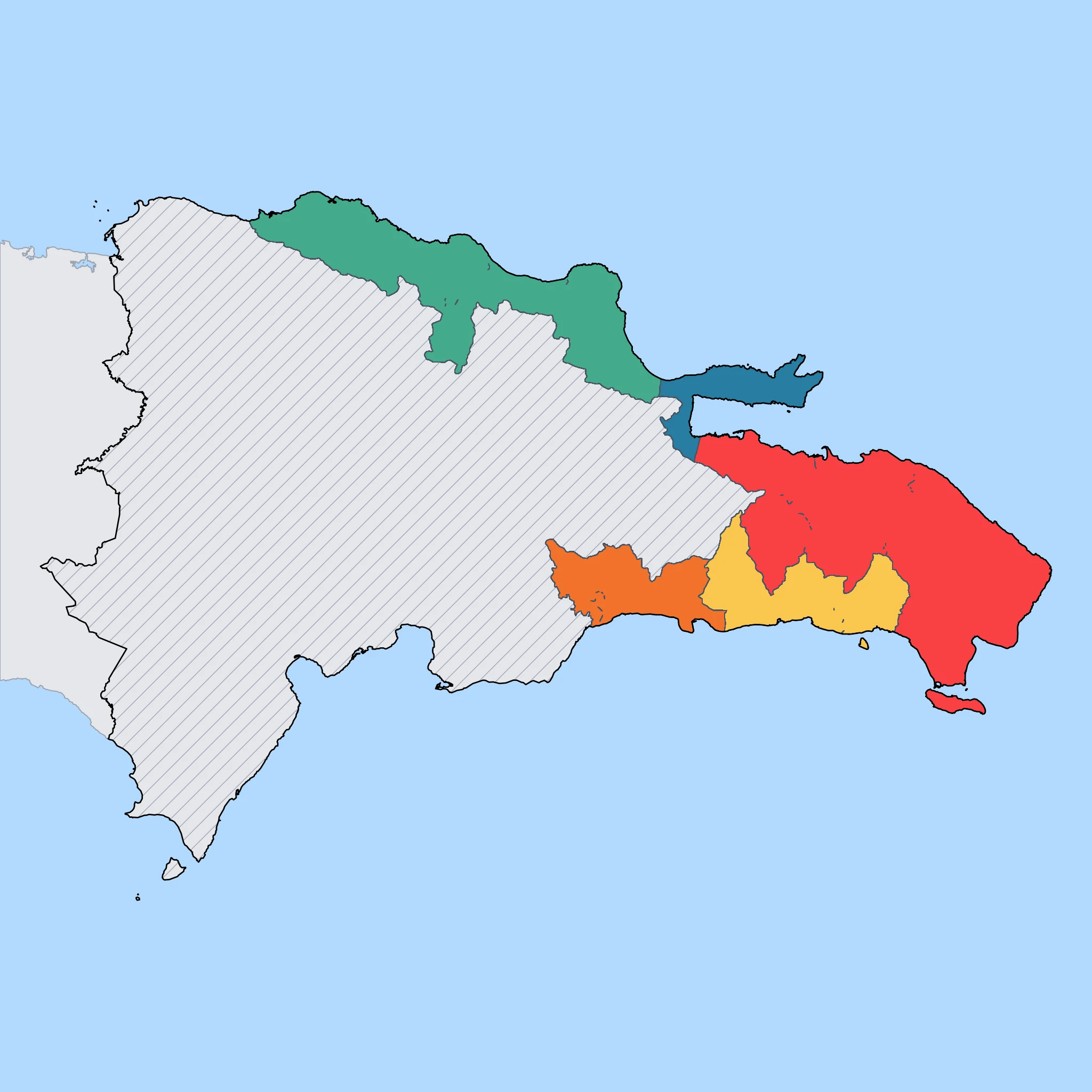
5 Regions
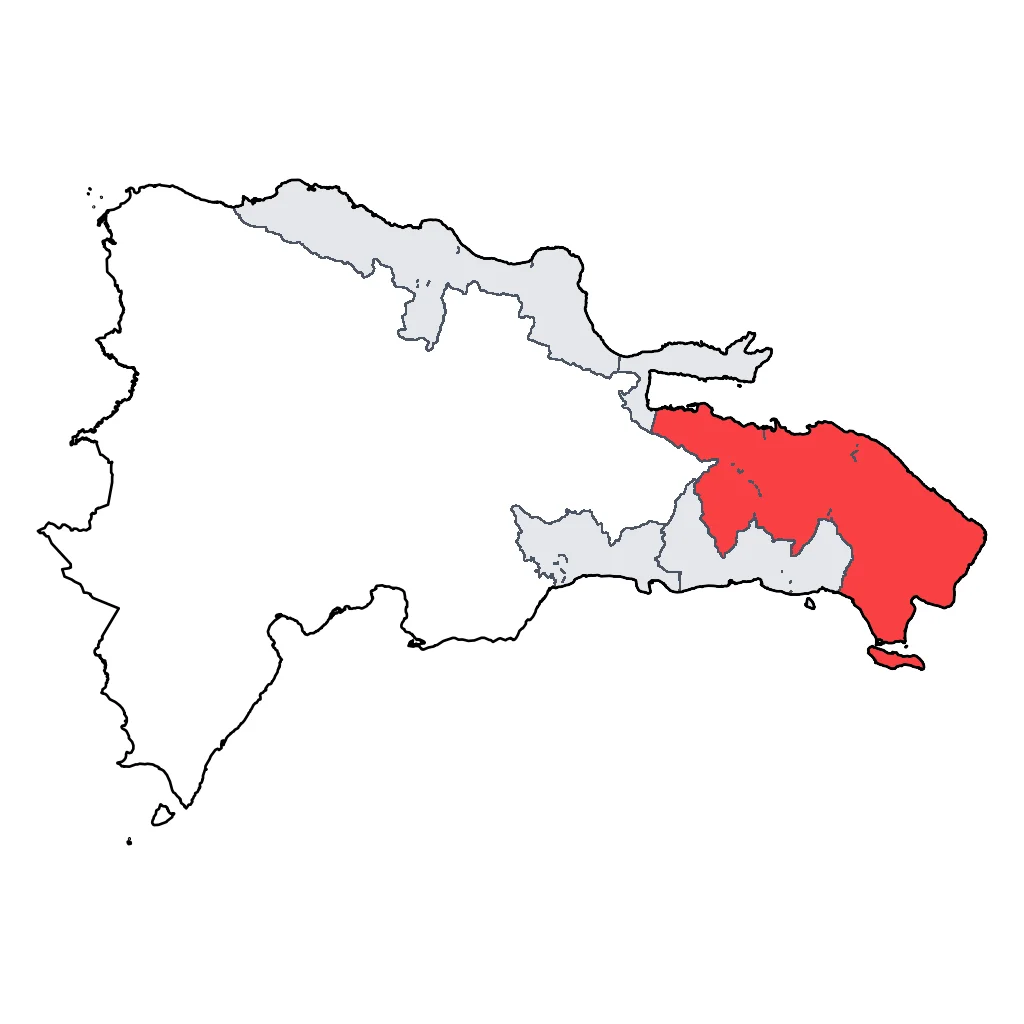
La Romana & Southeast
Calm Caribbean waters and cultural day trips 🏰🌊
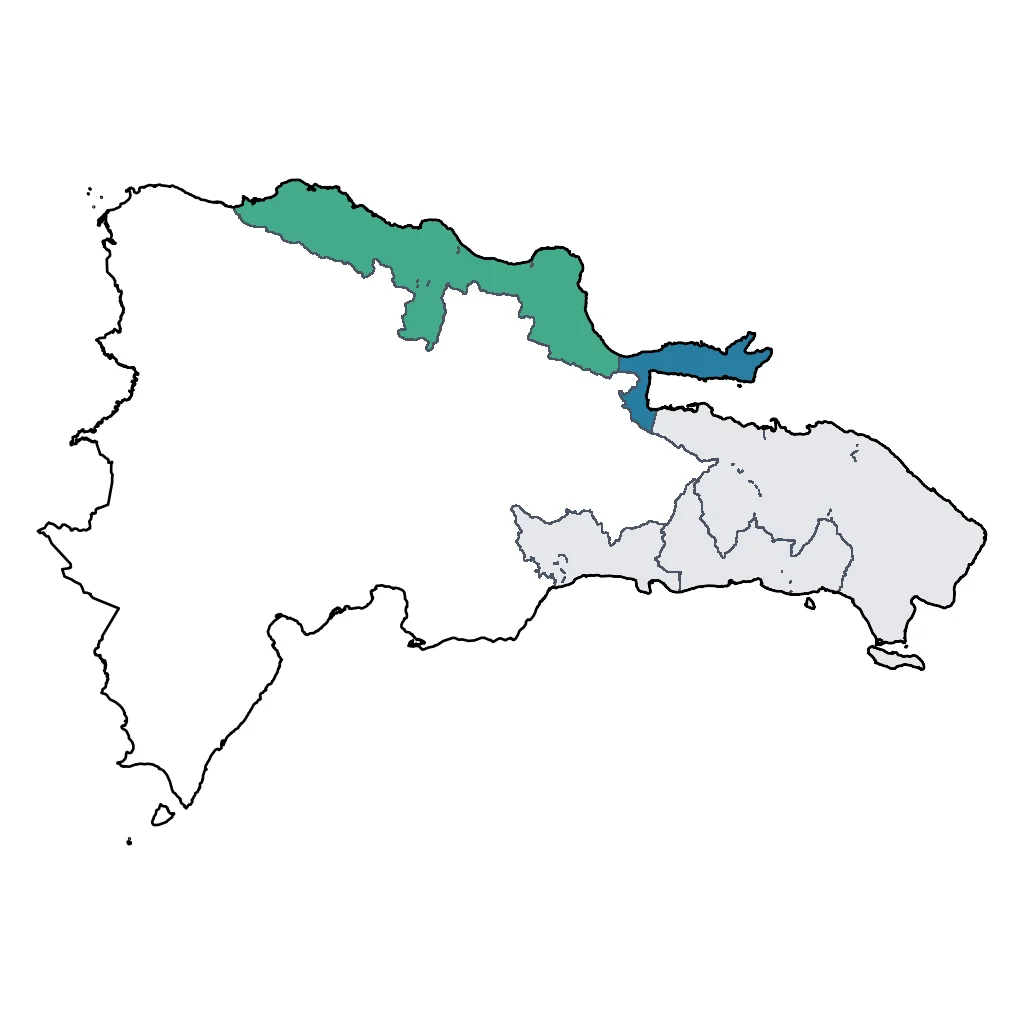
Puerto Plata & North Coast
Adventure and amber on the Atlantic shore 🚠🏄♂️
Punta Cana & East
The ultimate family resort playground 🏖️🌴
Samaná Peninsula
Whale watching and wild green landscapes 🐋🌿
Santo Domingo
History comes alive in the First City 🏛️🇩🇴
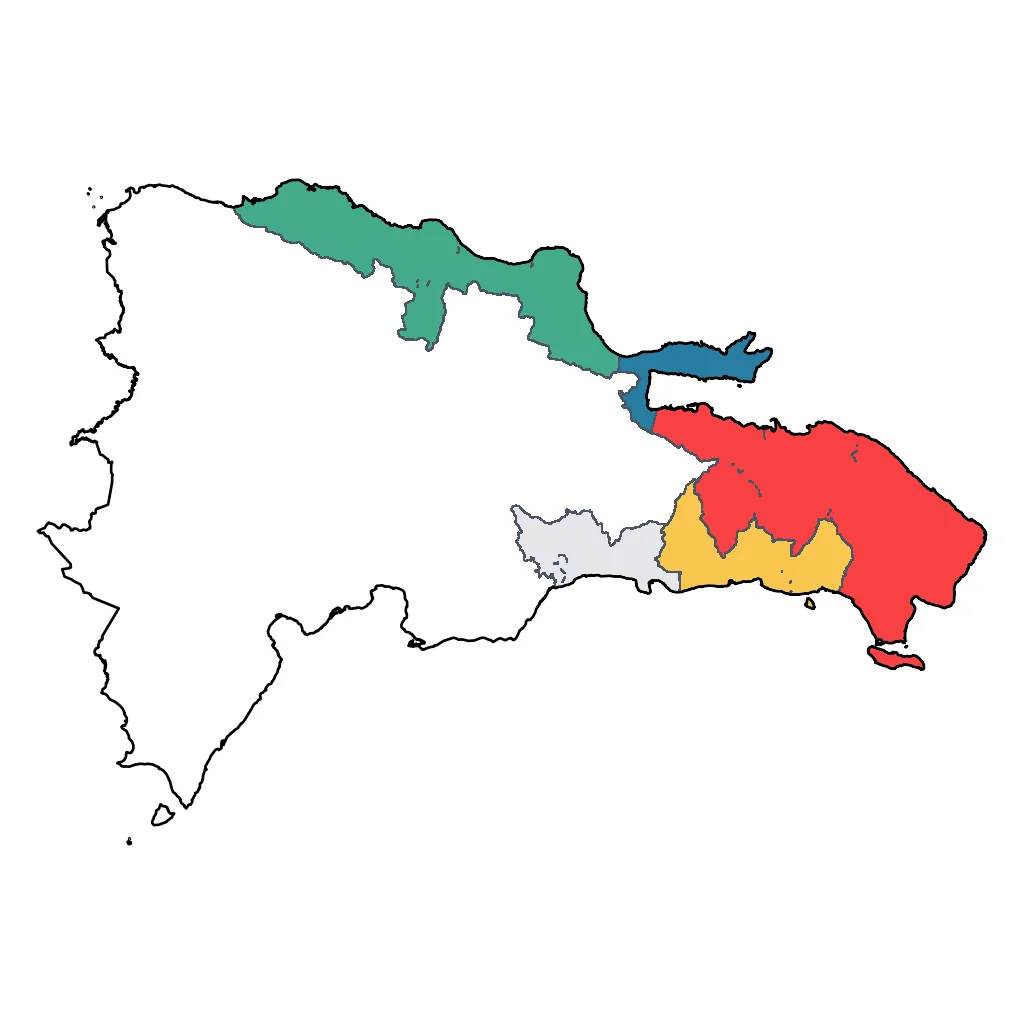
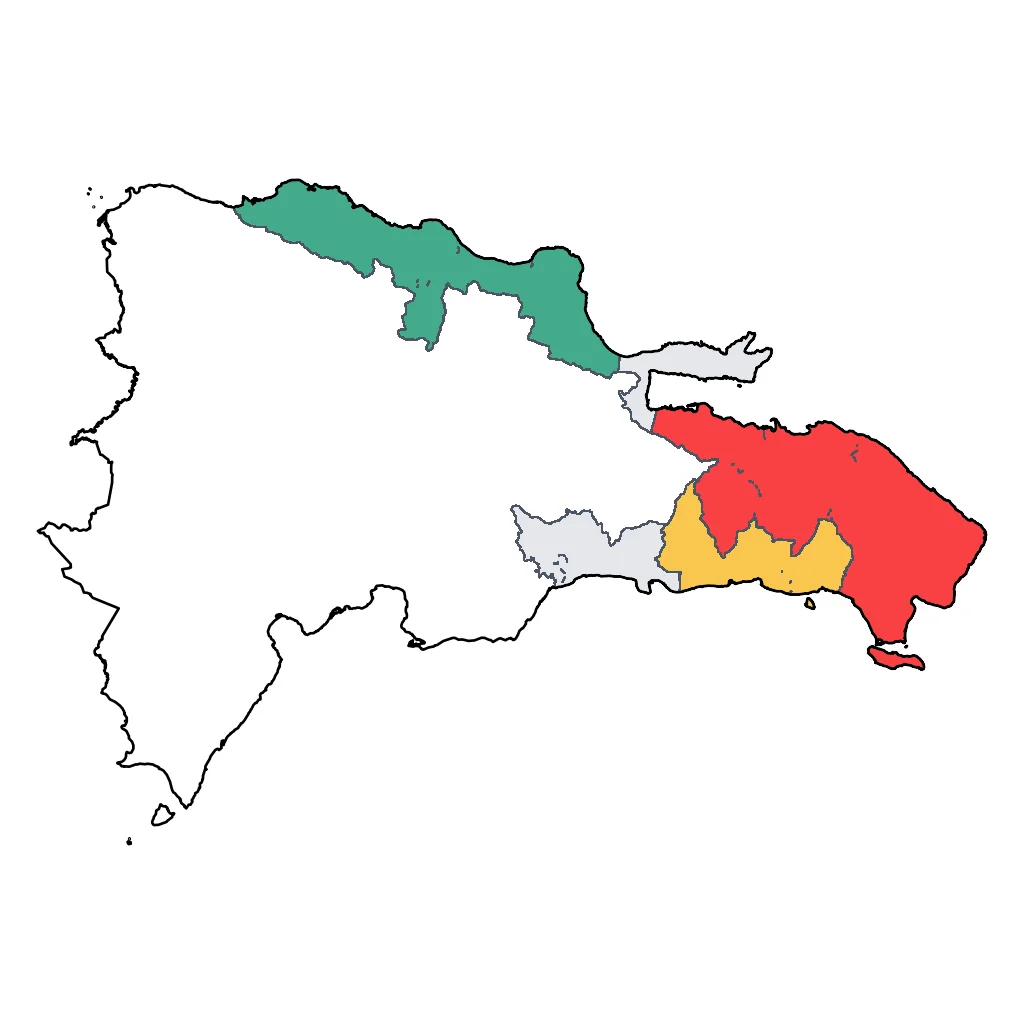
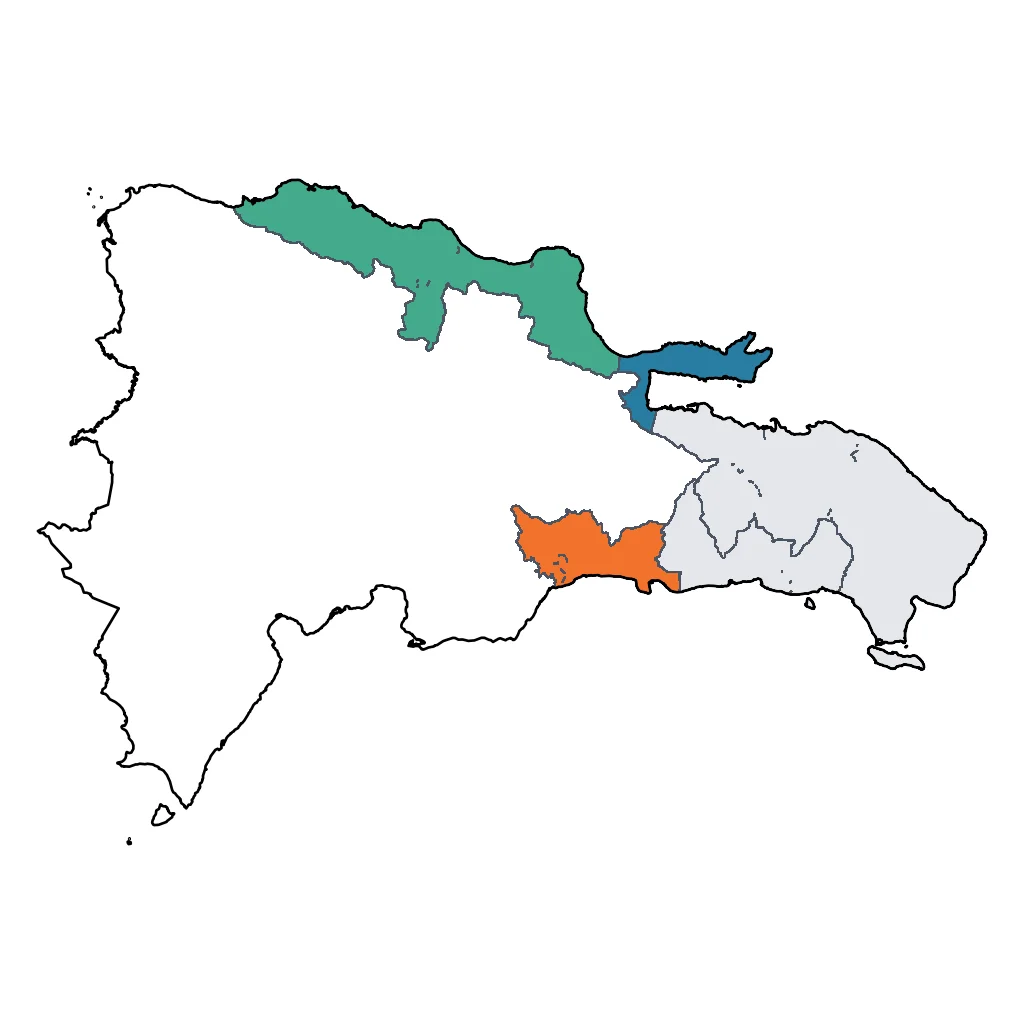
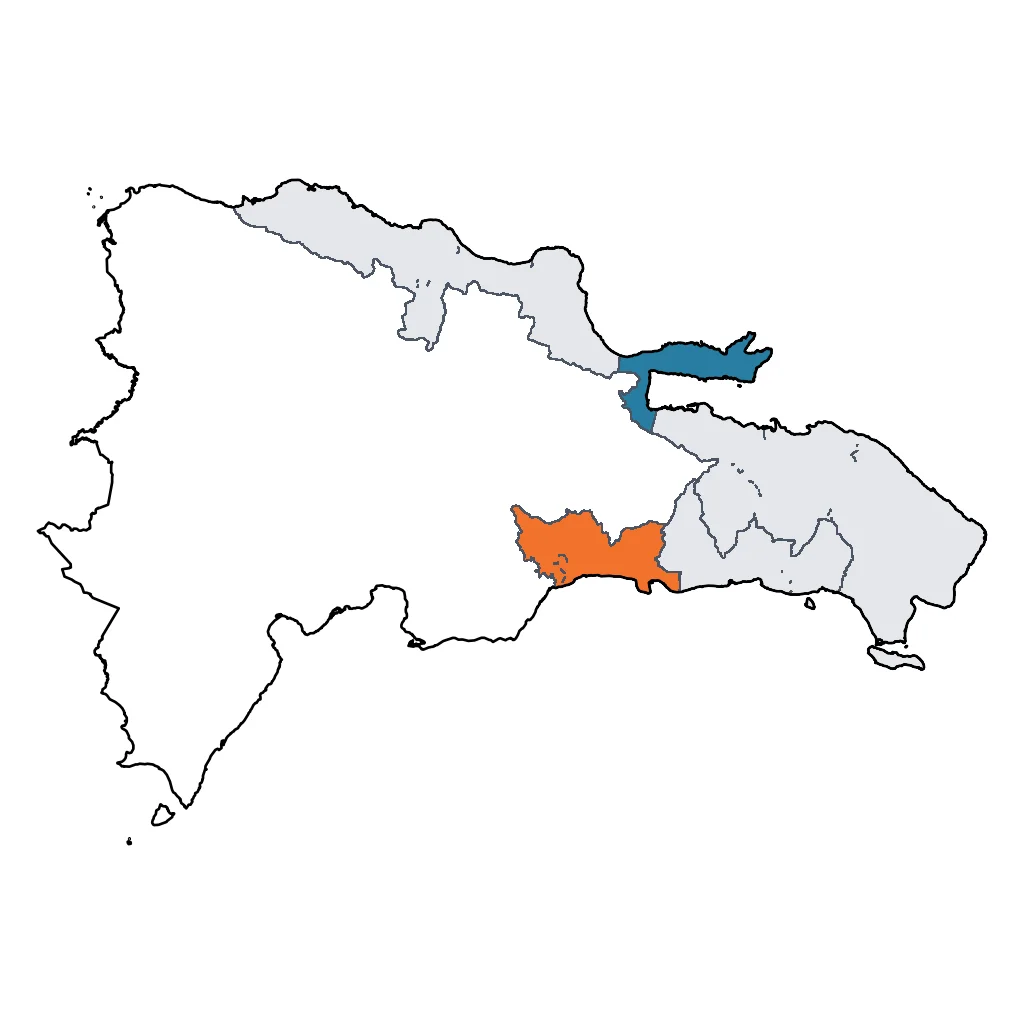
Click on a region marker to explore details. Use the dropdown to color regions by activity suitability.

Activities & Best Times

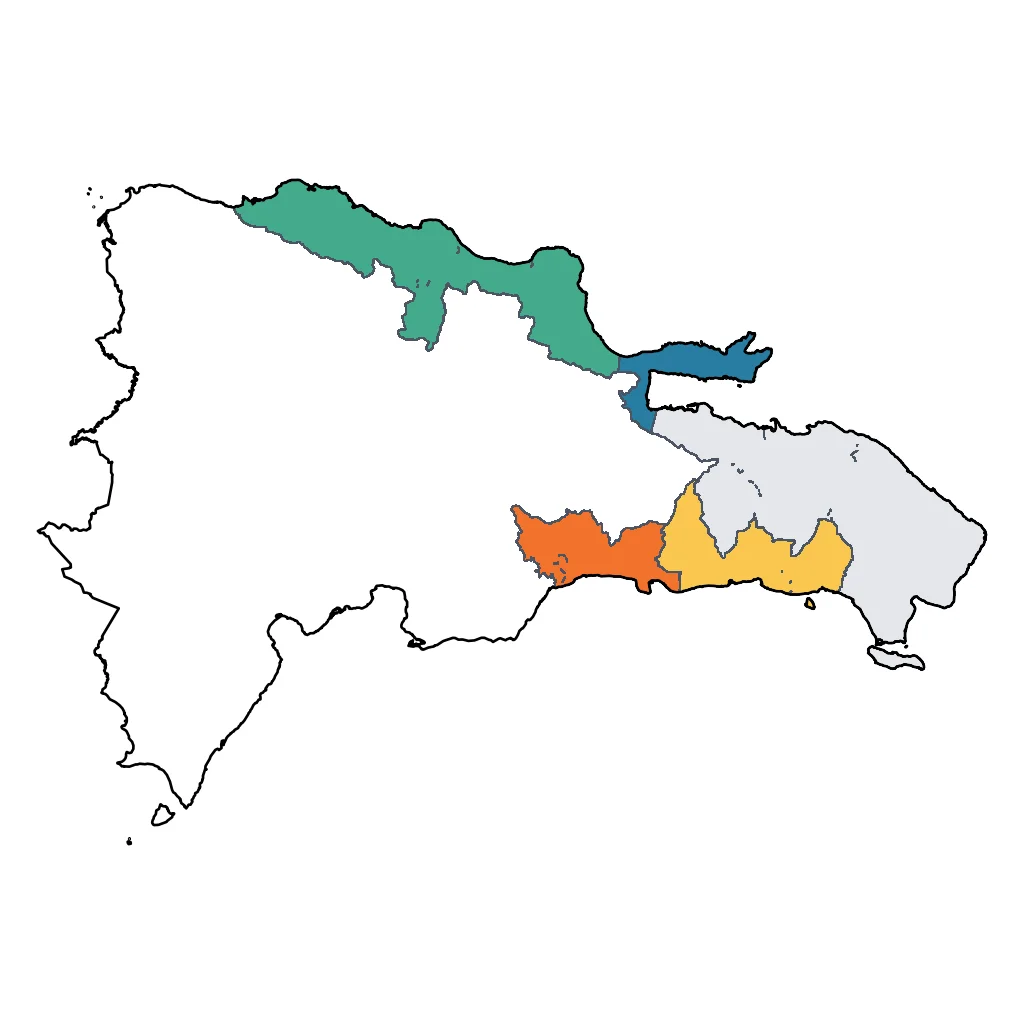
Adventure & Nature
ExcellentHiking, wildlife, outdoor exploration, ecotourism
A premier ecotourism hub featuring the prehistoric karst landscapes of Los Haitises and the world-class humpback whale migration. The drier first quarter is optimal for whale watching and trekking to El Limón waterfall, whereas heavy rains in May and Oct-Nov make jungle trails hazardous.
Features unique attractions like the 27 Waterfalls of Damajagua and the Isabel de Torres cloud forest, providing authentic jungle experiences. Peak months align with lower rainfall periods which ensure trail safety and clear water for canyoning; off-season heavy rains (May, Nov) can lead to site closures.
Offers unique eco-adventures like the cenotes of Scape Park and the biodiversity of Los Haitises National Park. The drier winter and spring months provide the best trail conditions and water clarity, whereas heavy precipitation in May and autumn can cause trail closures or reduced visibility.

Beach & Sea
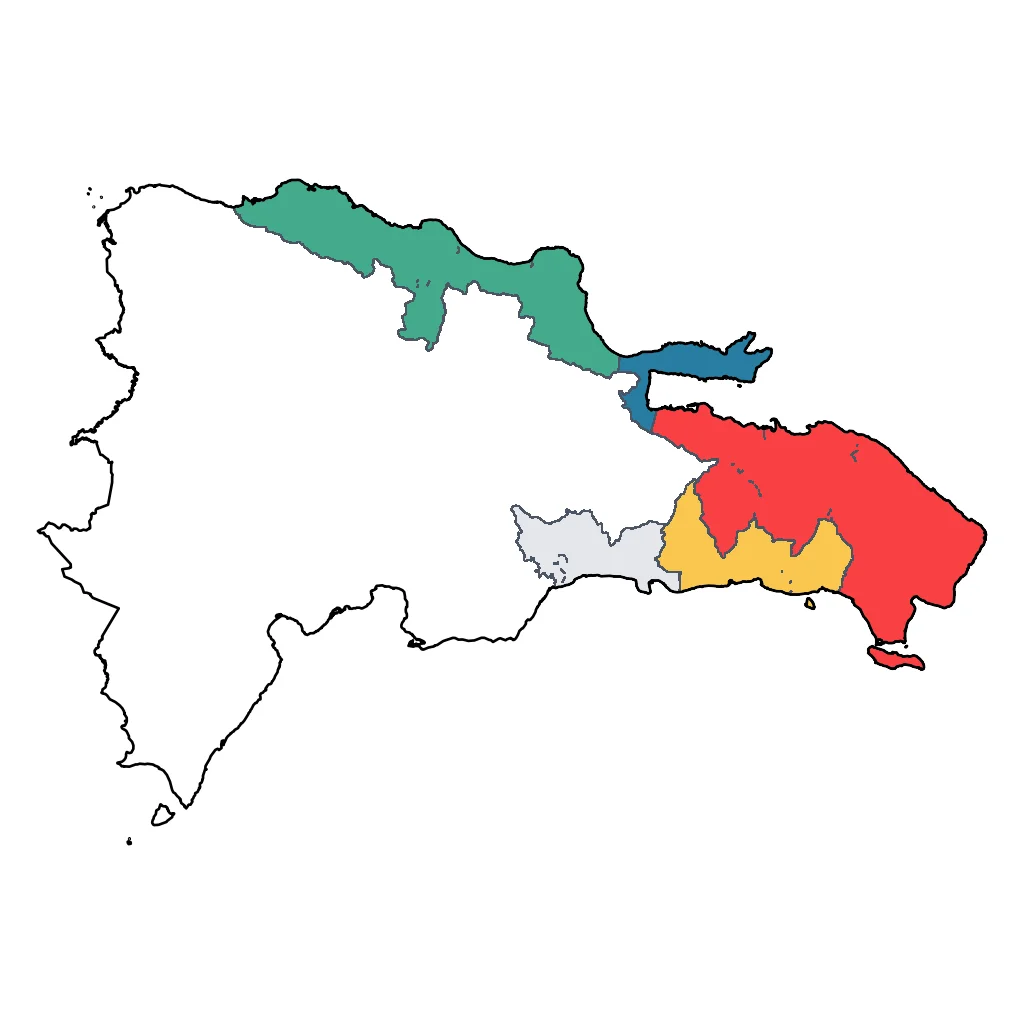
ExcellentBeach resorts, marine activities: diving, snorkelling, kite surfing, wind surfing, sailing
Features world-renowned white sand beaches and ultra-luxury enclaves like Cap Cana that meet the highest international standards for discerning families. Peak conditions occur during the driest months (Dec–Mar) with comfortable temperatures, while high rainfall and humidity in May, September, and October mark the off-season.
Home to world-renowned beaches like Playa Rincón, offering an authentic, uncrowded alternative to mass-market resorts. Peak months (Feb-Mar) offer the lowest rainfall and best sea visibility, while the late-year period (Oct-Dec) sees heavy tropical deluges exceeding 200mm monthly.
Home to world-class private resort beaches and the spectacular turquoise waters of Saona and Catalina islands. Peak months (Dec-Mar) offer dry weather and optimal sea visibility, while the high rainfall in May, September, and October can disrupt boat excursions and water clarity.

City & Cultural
ExcellentUrban tourism, museums, historical sites, architecture
As a UNESCO World Heritage site and the oldest permanent European settlement in the Americas, the Zona Colonial offers world-class historical architecture and a sophisticated culinary scene. The dry winter months (Dec-Mar) provide ideal walking weather, while the high humidity and heavy rainfall of the hurricane season (May-Oct) can disrupt urban exploration.
Puerto Plata features the best-preserved collection of 19th-century Victorian architecture in the Caribbean and a historic 16th-century fortress. The experience is best during drier months to facilitate walking tours and the cable car ascent; humidity and heavy rain in the off-season make urban exploration uncomfortable.
Authentic local culture is found in picturesque towns like Las Terrenas and Las Galeras, alongside historical Taino caves. The dry season (Dec-Apr) offers comfortable conditions for exploration, with shoulder months (May-Jul, Nov) being warmer but still enjoyable. Off-season (Aug-Oct) can be less comfortable due to high heat, humidity, and heavy rainfall.

Relaxation & Wellness
ExcellentSpa retreats, wellness centers, peaceful getaways
Highly sophisticated villa estates and world-class spa retreats cater to discerning travelers seeking privacy and high-end wellness. Peak months offer low humidity and pleasant evening temperatures, while the off-season humidity levels can detract from the outdoor relaxation experience.
Boasts high-end wellness facilities and world-class spas, including the Caribbean's only Six Senses, catering to sophisticated travelers. The peak season offers the most pleasant, low-humidity weather for outdoor yoga and relaxation, while the tropical rains of the off-season can disrupt the serene environment.
Home to world-class eco-luxury retreats that cater to sophisticated travelers seeking seclusion and high-end spa facilities. Peak conditions occur when humidity is lower and Atlantic breezes are pleasant; the intense tropical rainfall in May and Nov-Dec can limit the appeal of outdoor-centric wellness activities.

Sports & Active
ExcellentSport tourism, fitness activities, active recreation
Home to bucket-list golf courses such as Punta Espada, which is globally recognized as one of the finest seaside tracks in existence. The cooler, drier winter months are optimal for championship golf and water sports, whereas the extreme humidity and heavy rain of the off-season are less favorable for active recreation.
Cabarete is a globally recognized hub for kiteboarding and windsurfing, offering world-class thermal winds and professional-grade infrastructure. Peak summer months provide the most consistent trade winds, while winter months offer excellent surf conditions; the heavy rain in May and late autumn disrupts activity.
A global destination for golf enthusiasts, featuring iconic courses like Teeth of the Dog alongside world-class sailing and polo facilities. The dry, cooler winter months (Dec-Mar) provide perfect conditions for outdoor play, whereas high humidity and heavy rains (May, Sep, Oct) make active sports uncomfortable.

Festivals & Seasonal
ExcellentEvents, celebrations, seasonal attractions
The annual arrival of thousands of humpback whales to Samaná Bay is a spectacular natural event of international significance. Peak viewing occurs in February and March when the sea is calmest; the experience is entirely seasonal and unavailable during the rest of the year.
The city hosts the vibrant Dominican Carnival in February, an internationally significant display of Caribbean folklore and craftsmanship. While February is the undisputed peak for cultural events, other months are less predictable due to the heavy tropical rain cycles that often impact outdoor festivities.
Host to the vibrant Dominican Carnival in February, featuring unique local folklore and world-class costume craftsmanship. July often features Merengue and jazz festivals that appeal to international tastes; other months lack significant events with global appeal.

Educational & Exploratory
Very GoodLearning experiences, scientific sites, historical education
The region serves as a premier educational hub for colonial history, featuring the first cathedral and university in the New World. Peak months offer optimal conditions for guided tours of archaeological sites, whereas the intense tropical heat and precipitation in summer months make intensive sightseeing less comfortable for families.
Offers unique educational opportunities exploring Taino cave art in Los Haitises and marine biology during the whale migration. These world-class learning experiences are most accessible in the dry season, as extreme rain in the off-season restricts boat access to research sites and national park caves.
Offers some insight into Taino indigenous culture through cave systems and ecological conservation at Indigenous Eyes, though it lacks the depth of major global archaeological sites. Clearer weather in the peak season facilitates guided educational tours and accessibility to remote historical sites.

Theme Park & Entertainment
GoodAmusement parks, family entertainment venues

Road Trips & Scenic
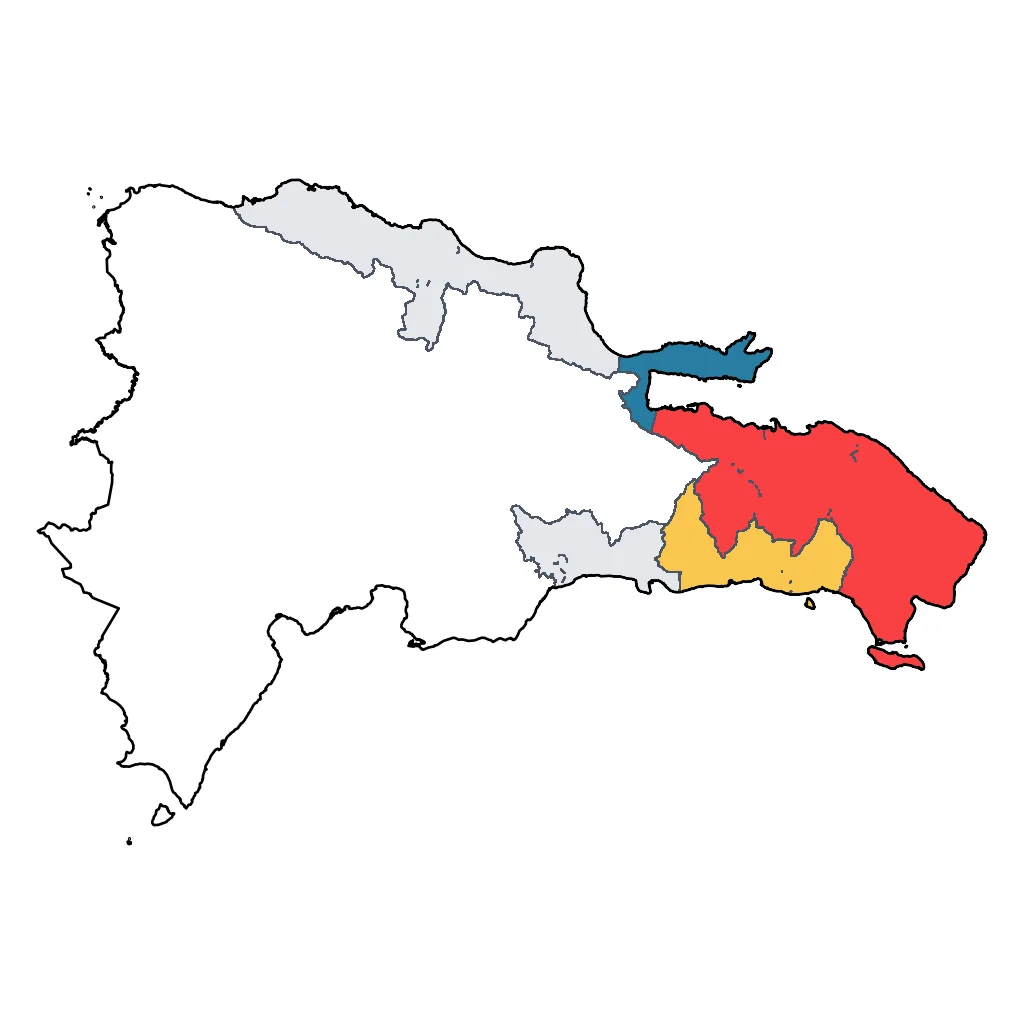
GoodScenic drives, countryside tours, route-based travel
The scenic coastal drive between Puerto Plata and Samaná offers spectacular Atlantic vistas and authentic stops in fishing villages. Peak months offer the best road conditions and visibility; the off-season sees significant precipitation which can lead to localized flooding and hazardous driving on winding coastal roads.
The scenic 'Boulevard del Atlántico' offers dramatic coastal vistas and access to hidden coves for families seeking independent exploration. Driving conditions are best in the drier months of Feb-Mar, whereas the high rainfall of Nov-Dec (up to 286mm) can lead to mudslides and poor visibility on winding roads.
Scenic coastal drives connect upscale resorts to rustic fishing villages, providing a glimpse of authentic Dominican life. The dry season (Jan-Mar) ensures the best road conditions and visibility, while the rainy season can lead to hazardous driving and localized flooding.

Airports & Flight Routes
Toggle options to view domestic routes and international airports. Click an airport for details.
Climate & Weather
La Romana & Southeast
Show Details
| Month | Temp °C | Rain | Humidity |
|---|
Puerto Plata & North Coast
Show Details
| Month | Temp °C | Rain | Humidity |
|---|
Punta Cana & East
Show Details
| Month | Temp °C | Rain | Humidity |
|---|
Samaná Peninsula
Show Details
| Month | Temp °C | Rain | Humidity |
|---|
Santo Domingo
Show Details
| Month | Temp °C | Rain | Humidity |
|---|

Travel Advisory
Travellers should exercise increased vigilance due to high crime rates and potential regional instability along border areas.
Safety Topics
Traveller Advice (3 groups)

Female travellers should be cautious as incidents of sexual harassment and assault have been reported. It is advised to avoid travelling alone, particularly at night or in isolated beach areas.

While same-sex relations are not criminalized, social attitudes can be conservative; travellers are encouraged to exercise discretion in public.

Those visiting rural or wilderness areas should take precautions against rabies by avoiding contact with local animals and ensure they have insurance that specifically covers medical evacuation.