
Algiers & Tell Atlas
Where whitewashed history meets the Mediterranean blue 🇩🇿
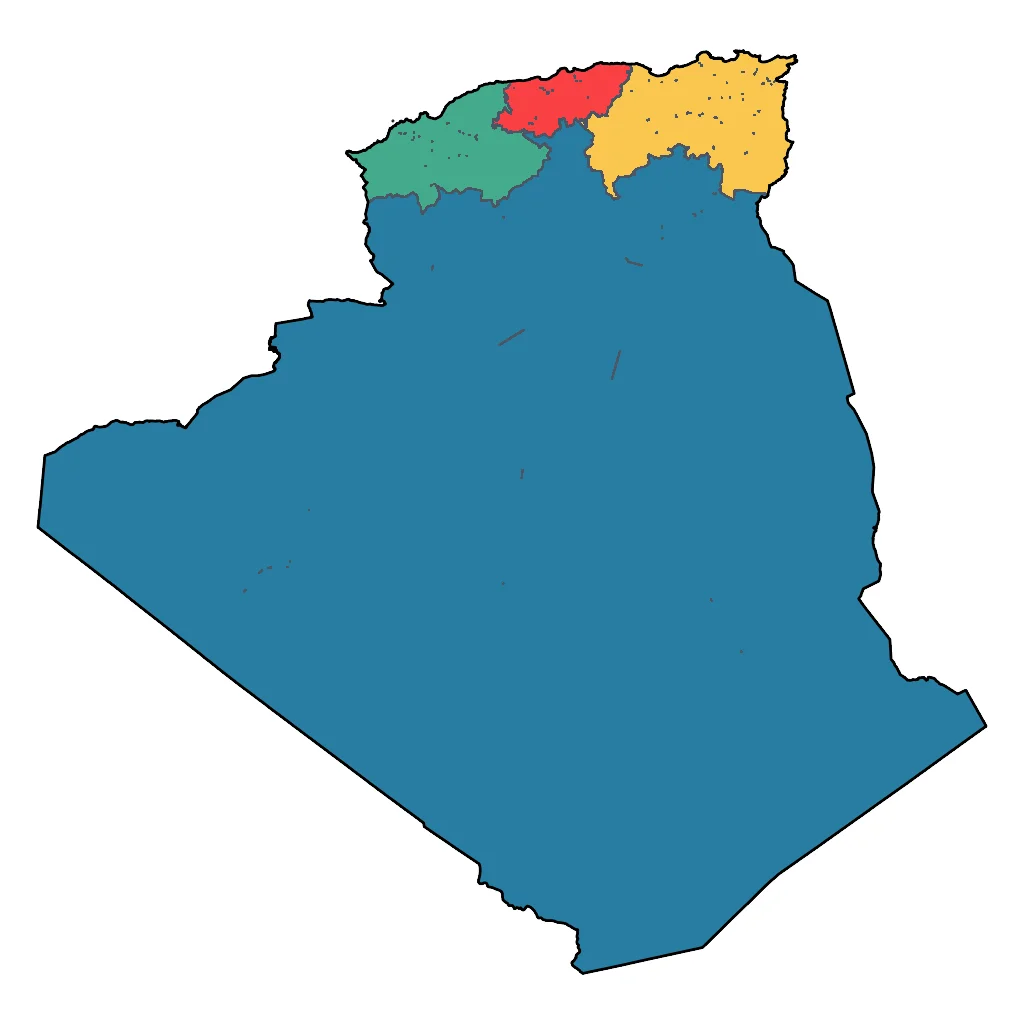
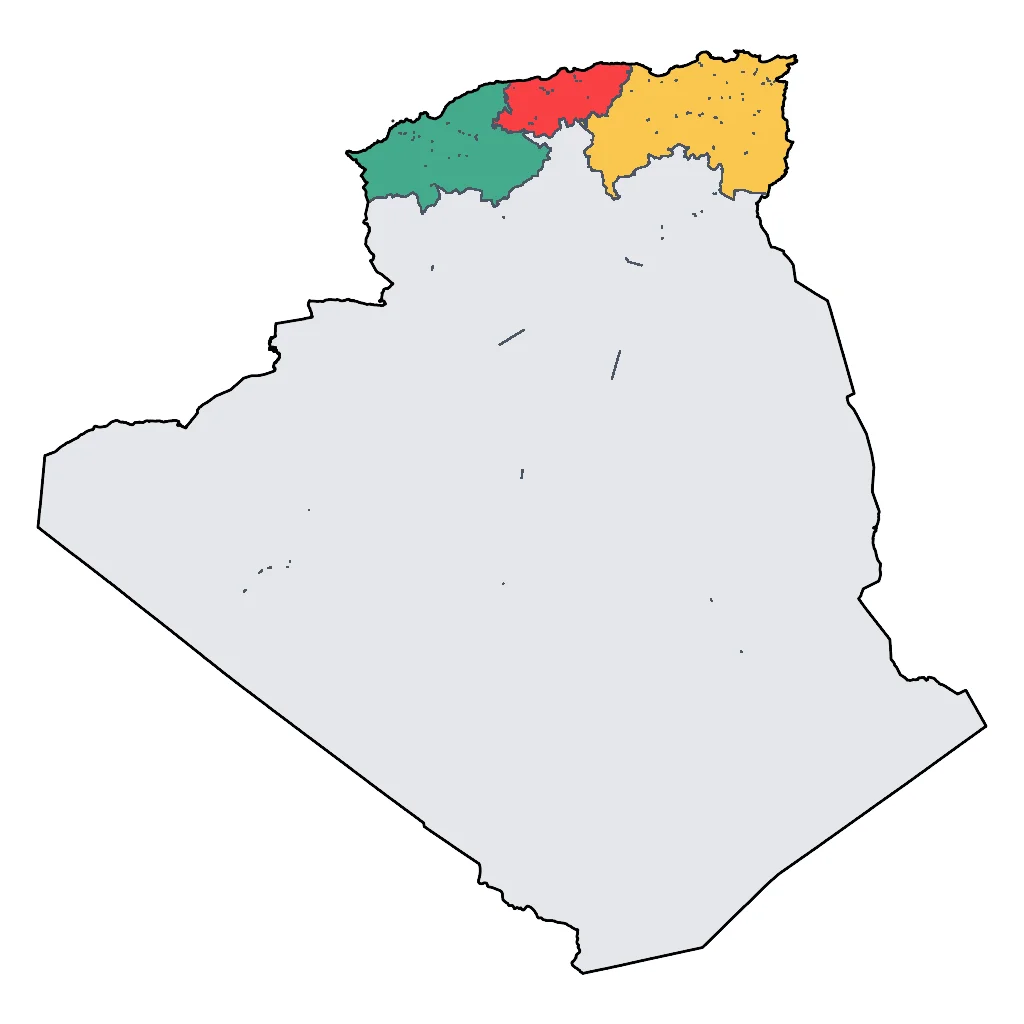
Algiers (Al-Jaza'ir) is a vibrant Mediterranean capital that rises from the sea in a dazzling amphitheatre of white buildings. For families, the city offers a fascinating blend of history and green spaces. A highlight is the Jardin d'Essai du Hamma, a lush botanical garden that feels like a mini-jungle; children love the twisted dragon trees and the filming locations used for the original Tarzan movie. To see the city from above, take the cable car up to the soaring Maqam Echahid (Martyrs' Memorial), which offers panoramic views over the bay.
Just an hour west of the capital lies Tipaza, a UNESCO World Heritage site where ancient Roman ruins tumble right into the sea. It is a perfect day trip for active kids who can scramble over old stone walls and explore the remains of an amphitheatre while parents enjoy the coastal breeze. Nearby, the Royal Mausoleum of Mauretania—a massive circular tomb—offers a mysterious glimpse into the region's ancient past. In winter, the Chréa National Park in the Tell Atlas mountains allows families to touch snow and see the native Barbary macaques in their natural cedar forest habitat.
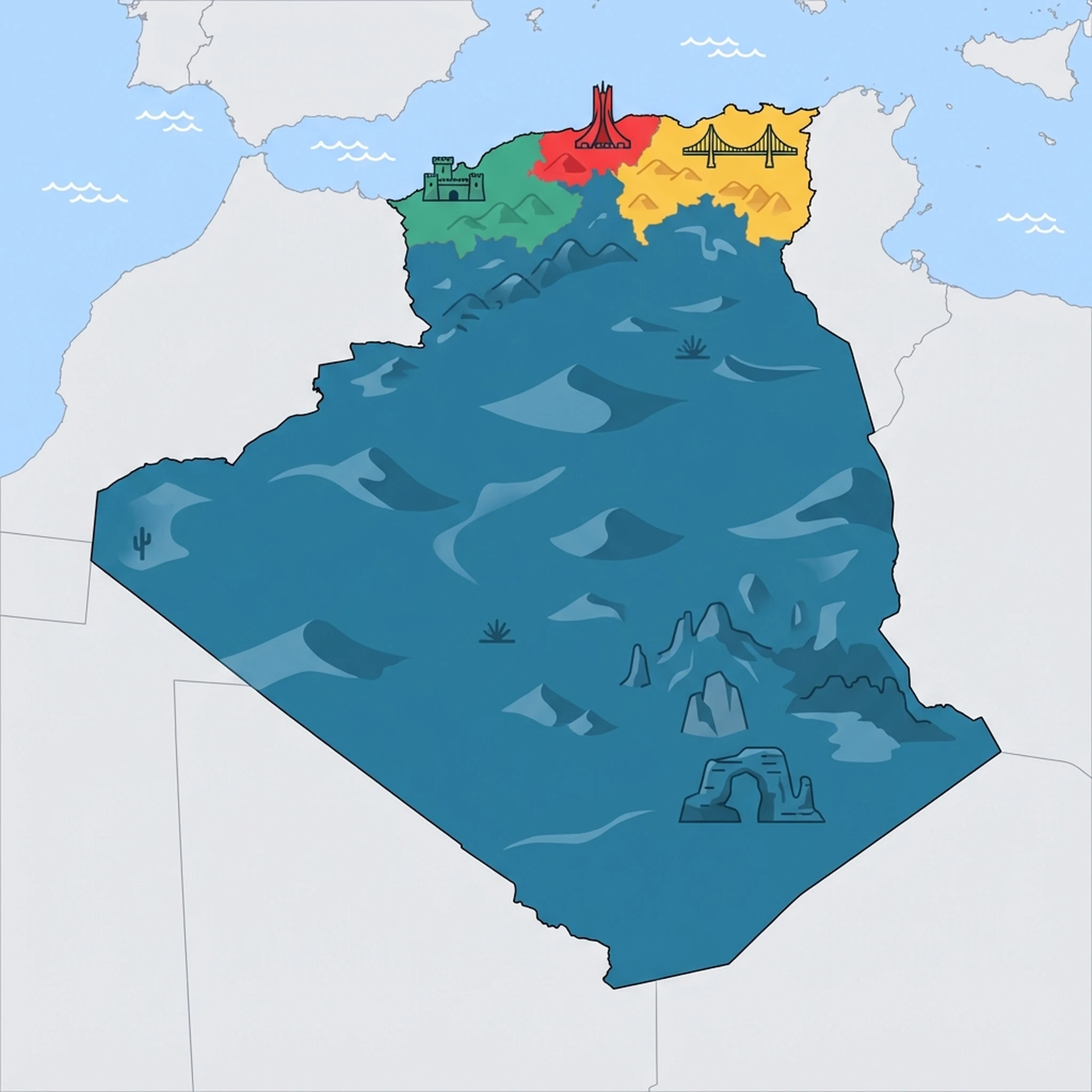
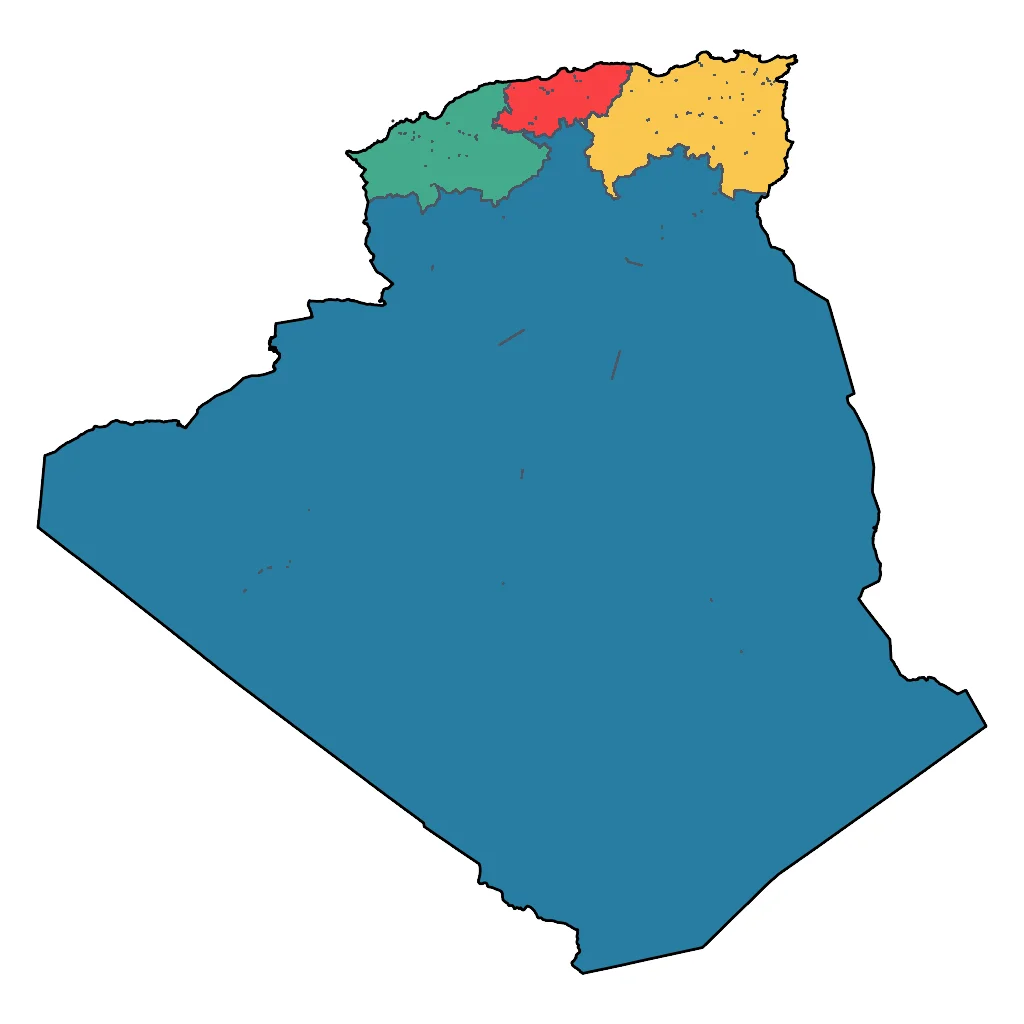
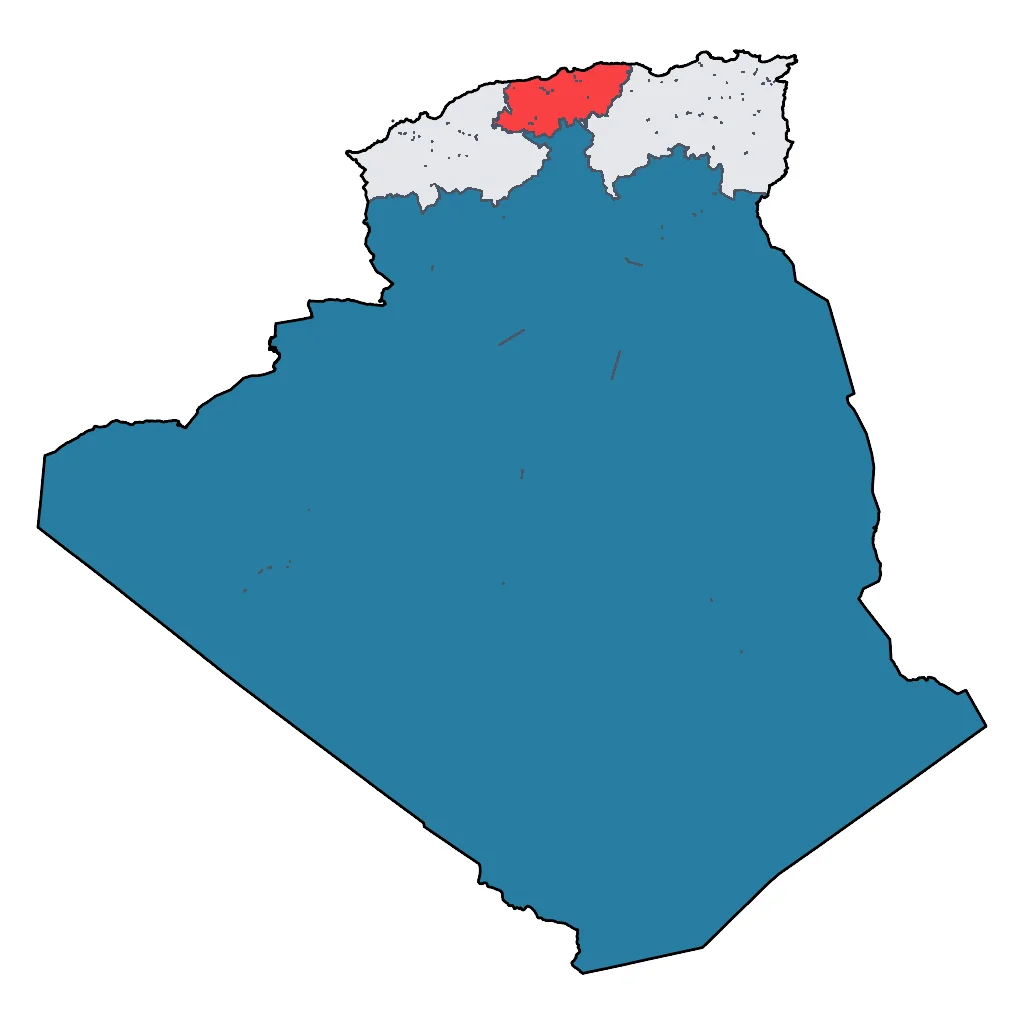
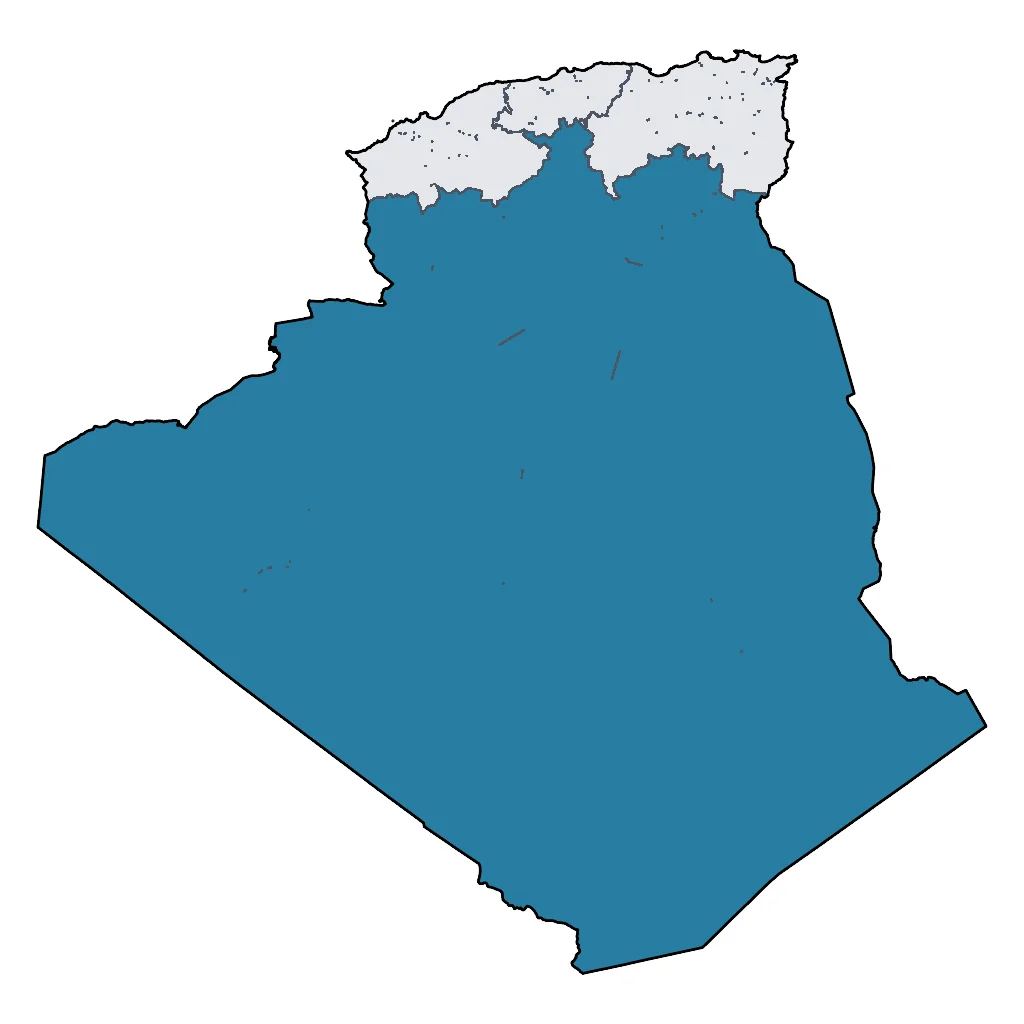
Click a region to explore

Activities & Best Times

Urban tourism, museums, historical sites, architecture
The UNESCO-listed Casbah and French colonial architecture offer a unique, authentic urban experience for sophisticated travelers. Peak months align with mild temperatures (18-24°C) and low rainfall, while the hot mid-summer and damp winter months represent less ideal conditions for extensive city walking tours.

Learning experiences, scientific sites, historical education
Exceptionally preserved Roman ruins at Tipaza and Cherchell provide a world-class archaeological experience with high educational value. Spring and autumn offer the most comfortable weather for exploring outdoor sites; winter is often too wet and cold for outdoor educational excursions.
Hiking, wildlife, outdoor exploration, ecotourism
The Tell Atlas mountains provide authentic hiking experiences and unique biodiversity, including the Barbary macaque, within accessible national parks. Peak conditions occur during transition seasons with clear skies and moderate temps; summer can be too hot for strenuous hiking, and winter weather often limits trail accessibility.
Beach resorts, marine activities: diving, snorkelling, kite surfing, wind surfing, sailing
Features a less commercialized, authentic Mediterranean coastline with turquoise waters and stunning coastal ruins. Peak summer (Jun-Sep) offers ideal air and water temperatures; however, the lack of ultra-luxury resort infrastructure keeps the rating at 'good' for discerning international families.
Scenic drives, countryside tours, route-based travel
Scenic coastal drives and mountain passes offer spectacular Mediterranean views and authentic rural encounters. Optimal visibility and pleasant driving conditions are found in the spring and autumn; winter months bring higher rainfall and potential road hazards in mountain areas.

Sport tourism, fitness activities, active recreation
Excellent terrain for hiking, mountain biking, and seasonal recreation in the national parks. Spring provides the best conditions for physical activity, while the summer months are too punishing for outdoor sports and winter weather can be unpredictable.

Events, celebrations, seasonal attractions
Authentic Berber cultural festivals and agricultural harvests in the Kabylie region offer deep local immersion for the discerning traveler. These events are most active in late spring and early summer; however, international accessibility and scheduling for these traditional events can be variable.

Spa retreats, wellness centers, peaceful getaways
Traditional hammams and a growing number of modern hotels in Algiers provide wellness options, though it is not a primary global wellness hub. The shoulder and peak seasons offer the most relaxing outdoor environment for peaceful retreats away from the city's bustle.

Winter sports, ski resorts, snow activities
Chréa and Tikjda offer a unique African alpine experience with snow-covered cedars, though the infrastructure is rustic compared to European standards. Peak snow coverage occurs in January and February; outside of the winter window, there is no snow for activities.