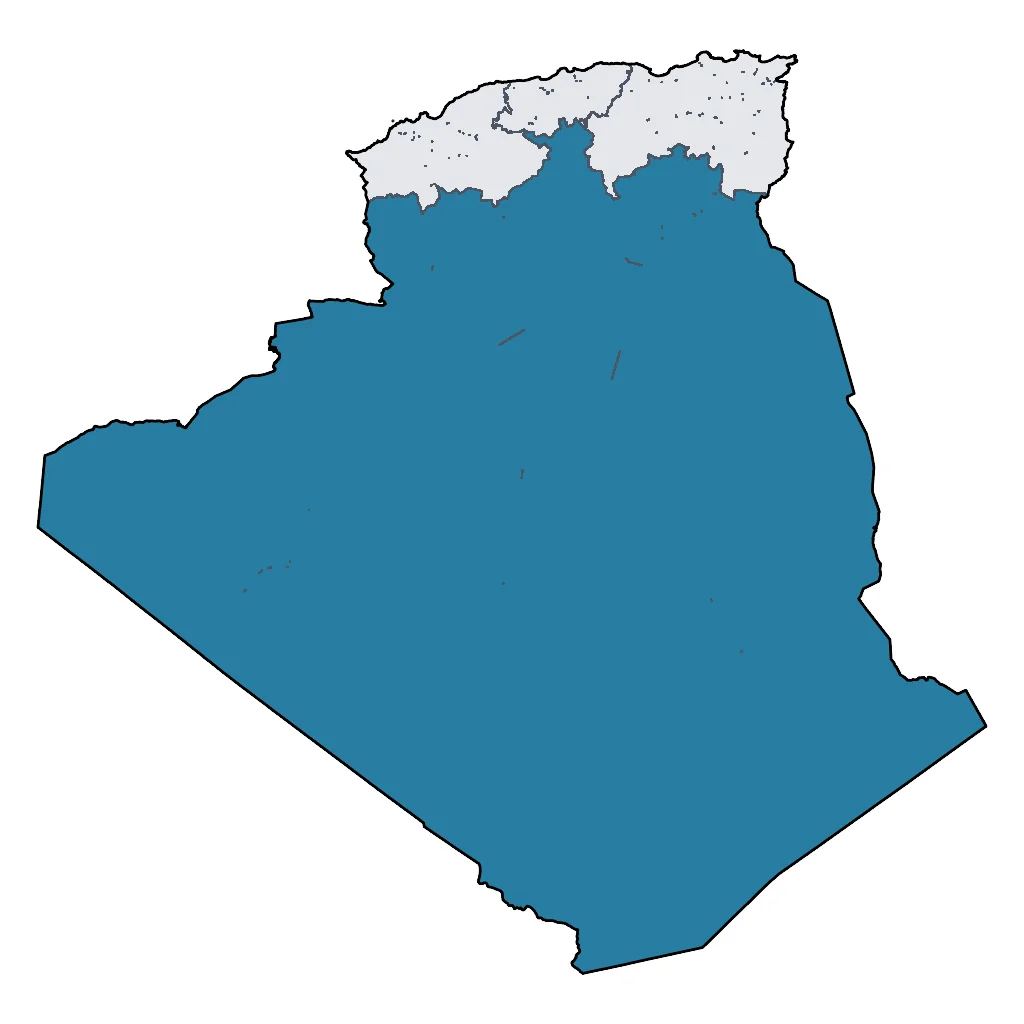

Constantine & East
Dramatic bridges and ancient Roman cities 🌉
⚠️ SAFETY WARNING: Due to potential security risks in remote mountainous areas and border zones, government agencies (including CA, USA, UK, AU, IE, NZ) advise increased caution. While Constantine city and northern coasts are generally accessible, travel near the Tunisian and Libyan borders is often advised against. Families should consult their own government's official travel advisory and use reputable guides.
Constantine is one of the world's most dramatic cities, split in two by a deep limestone gorge. Families can ride the cable car (téléphérique) across the abyss or walk the swaying Sidi M'Cid suspension bridge for heart-pounding views. The Palace of Ahmed Bey offers a quieter experience with its colorful tilework and peaceful courtyards, perfect for a history lesson without the crowds. For a local treat, try the city's famous "pizza carrée"—a thick, square pizza sold at street stalls.
South of the city lies Timgad, often called the "Pompeii of Africa." This UNESCO site is a massive, grid-planned Roman city where children can walk down ancient paved streets and stand in a remarkably preserved theatre. Further north, the coastal city of Annaba offers a more relaxed pace. Families can visit the hilltop Basilica of St. Augustine for sweeping sea views before heading to Seraïdi Beach or Plage Djenen El Bey for a day of swimming in the Mediterranean.
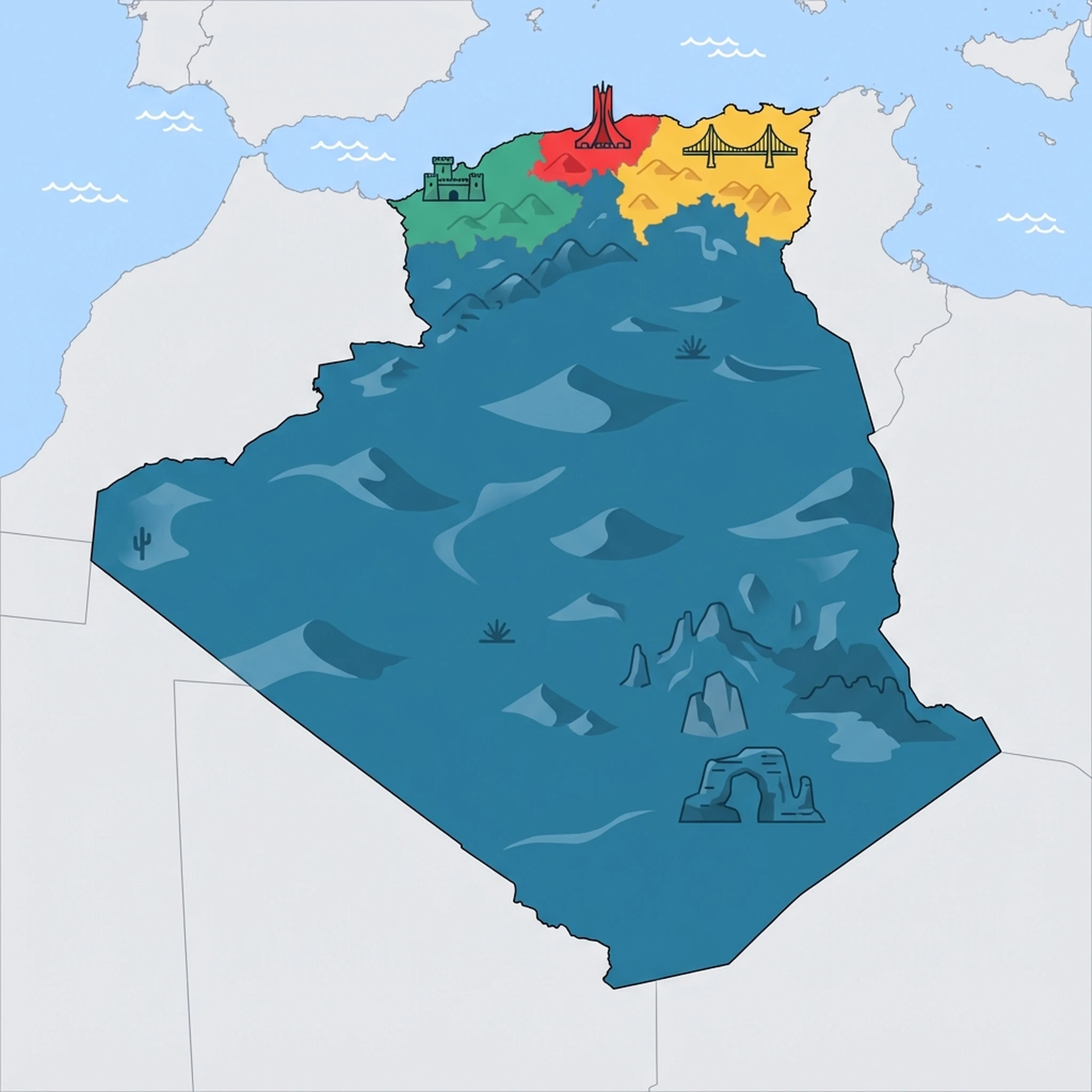
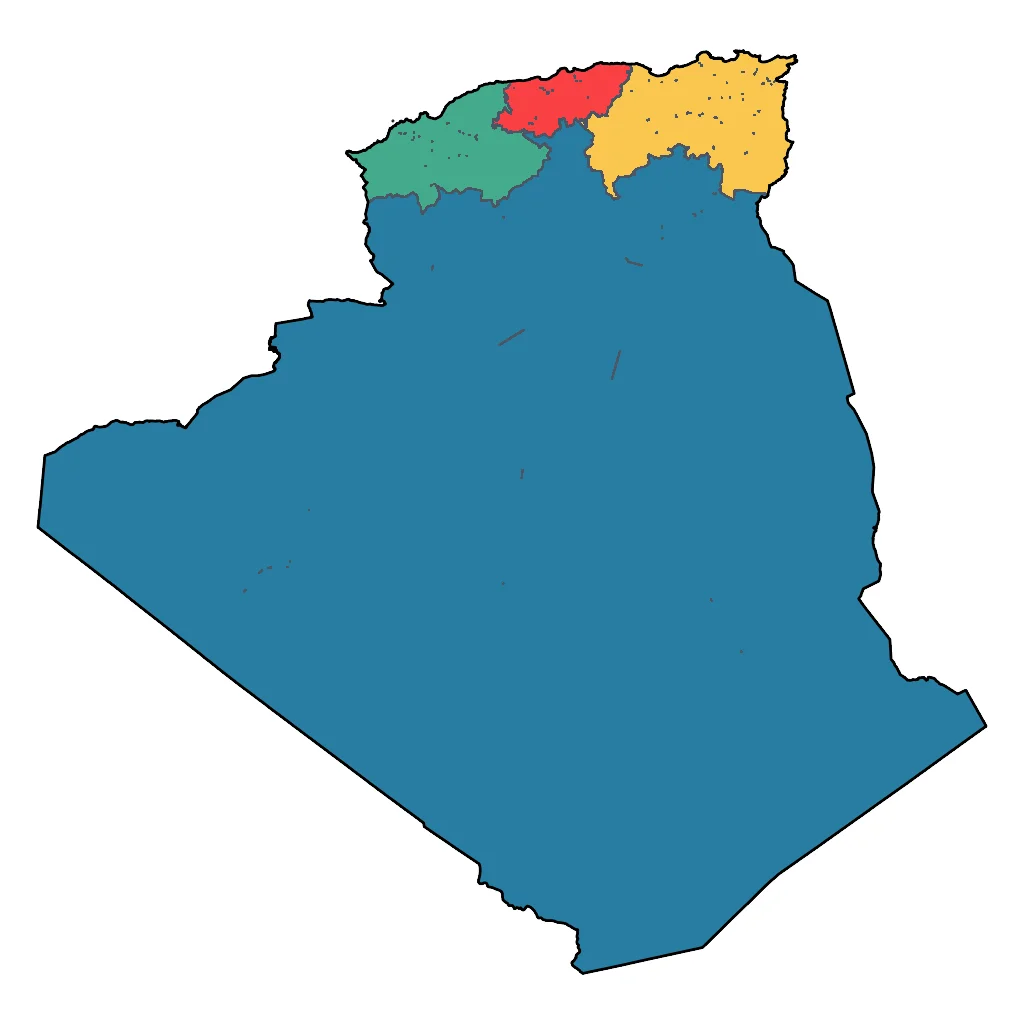
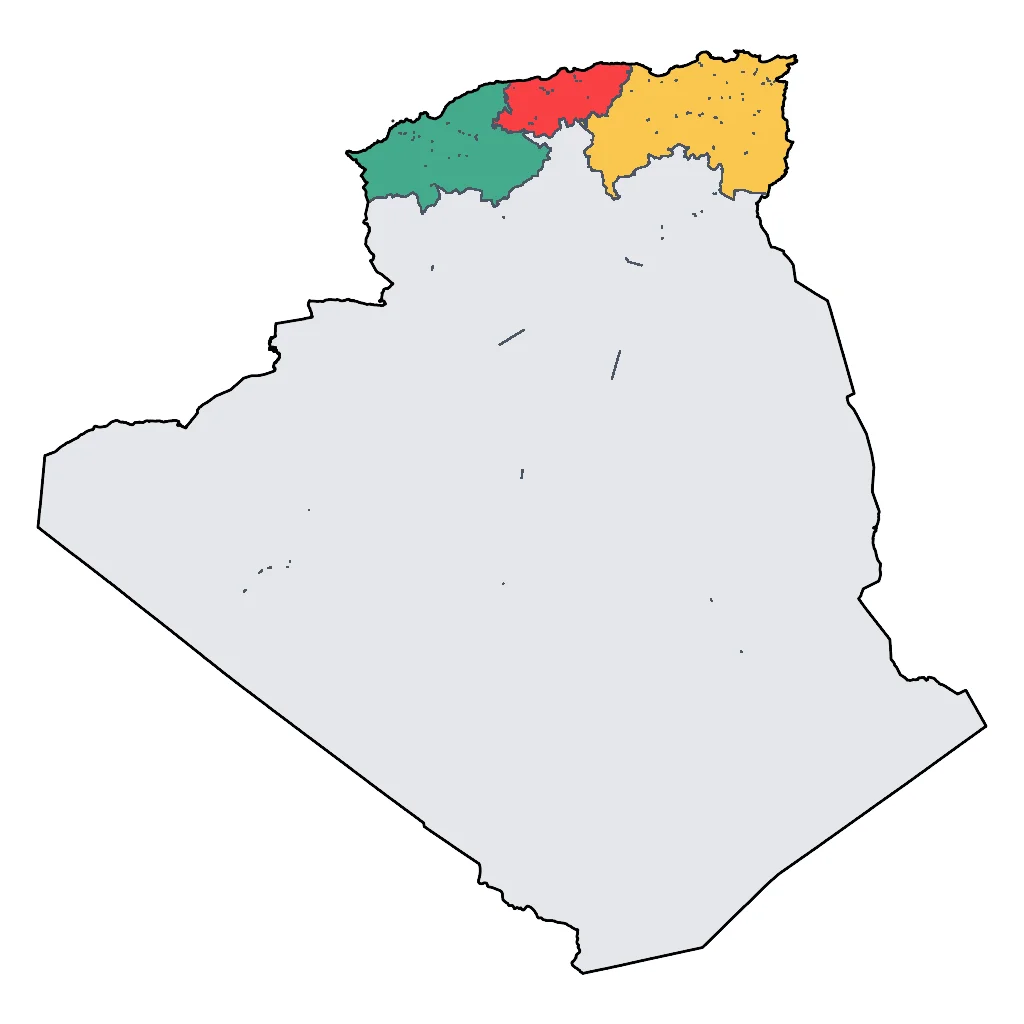
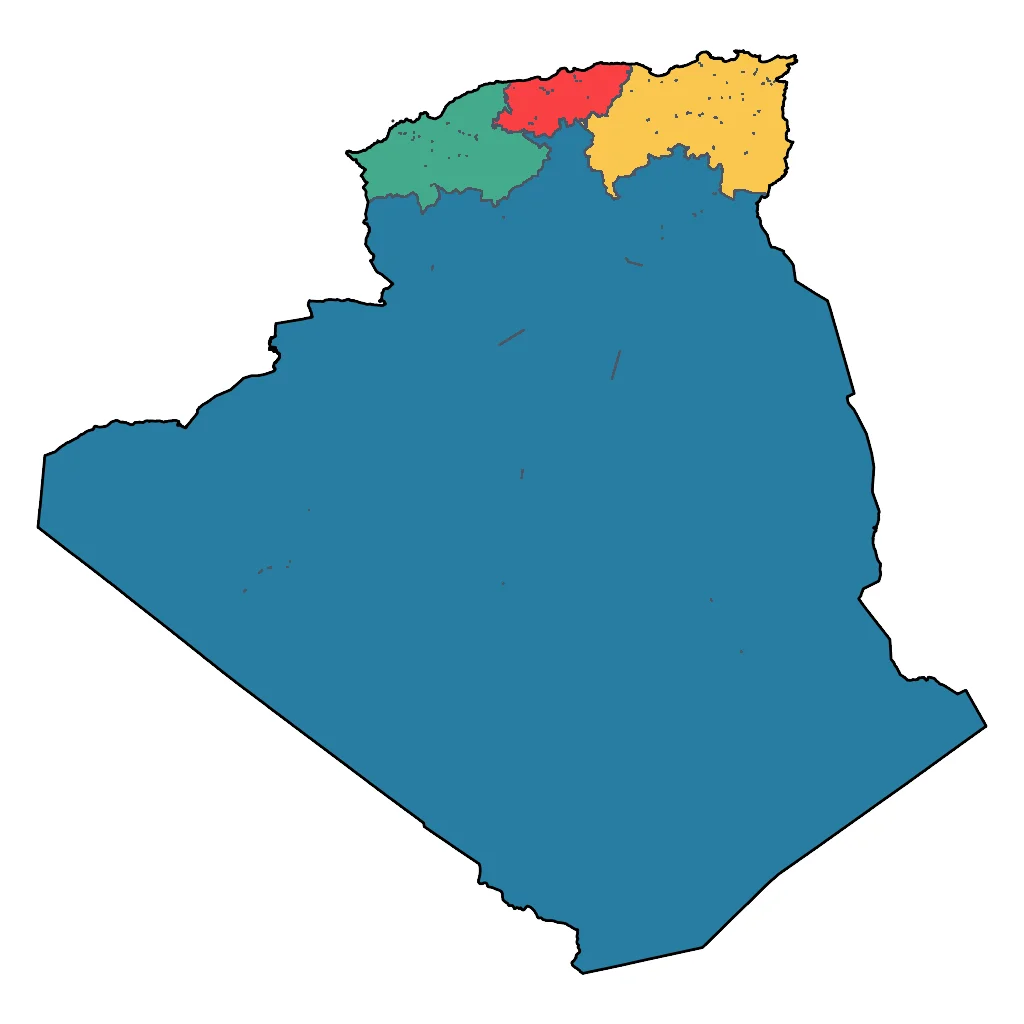
Click a region to explore

Activities & Best Times

Learning experiences, scientific sites, historical education
Home to the UNESCO-listed Roman ruins of Timgad and Djemila, which offer world-class preservation and historical depth comparable to Pompeii. Peak months offer mild temperatures (16-21°C) perfect for site exploration, while mid-summer heat (>35°C) and winter rain/cold make the open-air sites uncomfortable.

Urban tourism, museums, historical sites, architecture
Constantine's 'City of Bridges' is a unique architectural marvel suspended over deep gorges, offering authentic North African urban heritage. Spring and autumn provide ideal walking weather, whereas the extreme heat of July/August and damp winters detract from the sophisticated urban experience.
Hiking, wildlife, outdoor exploration, ecotourism
Breathtaking landscapes including the Rhumel Gorge and the coastal forests of the Tell Atlas provide authentic hiking and exploration opportunities. Moderate temperatures in spring and autumn are ideal for physical activity, while the sharp summer heat and cold, humid winters present significant barriers to outdoor adventure.
Beach resorts, marine activities: diving, snorkelling, kite surfing, wind surfing, sailing
The Emerald Coast features pristine, turquoise waters and rugged cliffs that feel exclusive and untouched by mass tourism. Peak summer aligns with the best water temperatures and calmest seas, though the region lacks the high-end luxury resort infrastructure of 'excellent' tier global beach destinations.

Scenic drives, countryside tours, route-based travel
Inconsistent with the other two coastal regions (Algiers and Oran) which rate road_trips as 'good'. The Constantine-to-coast route is scenic but Algeria's road infrastructure and self-drive tourism conditions do not meet the 'very_good' international standard set by destinations like Iceland, New Zealand, or the Amalfi Coast. Downgrading for consistency and calibration.

Spa retreats, wellness centers, peaceful getaways
The region features natural hot springs like Hammam Meskhoutine with its dramatic travertine cascades, though international-standard luxury spa infrastructure is still developing. Mild transition months are best for outdoor thermal experiences; summer heat makes the hot springs less appealing, and winter weather can limit access.