Quito & Northern Highlands
Historic heights and the middle of the world 🏛️
⚠️ SAFETY WARNING: Due to crime and civil unrest, government agencies (including the US, UK, and Canada) advise travelers to reconsider travel to this region. While the main tourist corridors are generally functional, travelers should avoid the border region in Carchi province and exercise caution in isolated areas of Quito after dark. Families are strongly urged to consult their own government's official travel advisory before considering a trip, as circumstances and risk assessments vary.
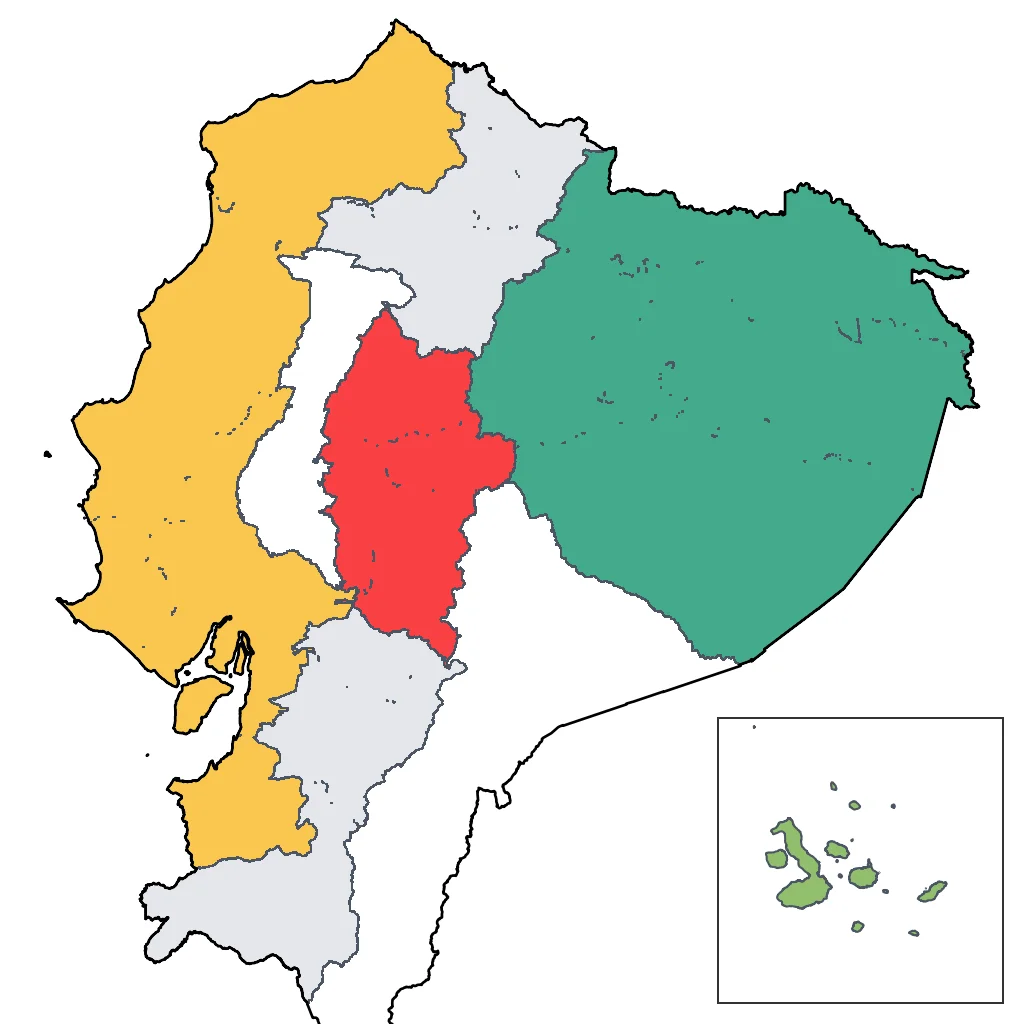
Quito, the second-highest capital in the world, sits in a dramatic Andean valley flanked by volcanic peaks. Families should take the first day easy to acclimatize to the 2,850-meter (9,350-foot) elevation. A ride on the TelefériQo gondola whisks visitors up the side of Pichincha volcano for sweeping views, though warm jackets are needed at the summit. In the historic center, the church of La Compañía dazzles children with its gold-leaf interior, while the Interactive Science Museum offers hands-on exhibits that keep younger minds engaged.
Just north of the city lies the Mitad del Mundo (Middle of the World), where families can pose for photos with one foot in each hemisphere. The nearby Intiñan Museum is often a bigger hit with kids, offering fun physics experiments like balancing eggs on nails and watching water swirl in different directions. Further north, the town of Otavalo hosts one of South America's most famous markets. It is a colorful sensory experience where families can buy alpaca sweaters and listen to Andean flute music. A short drive from the market is the Peguche Waterfall, a sacred indigenous site with safe trails through a eucalyptus forest. For a change of pace, the town of Cotacachi is renowned for quality leather goods, and the nearby Cuicocha crater lake offers boat rides around volcanic islands.
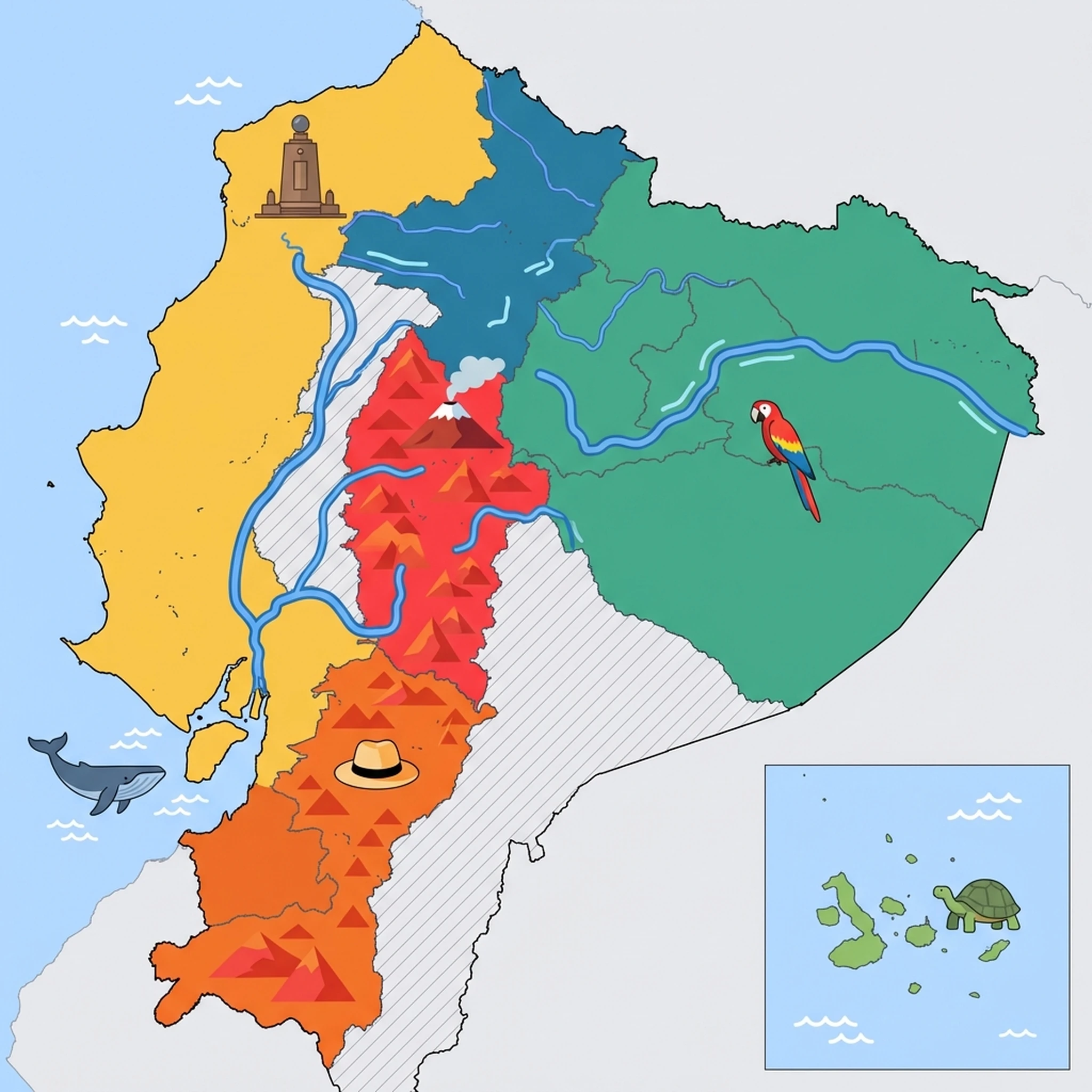
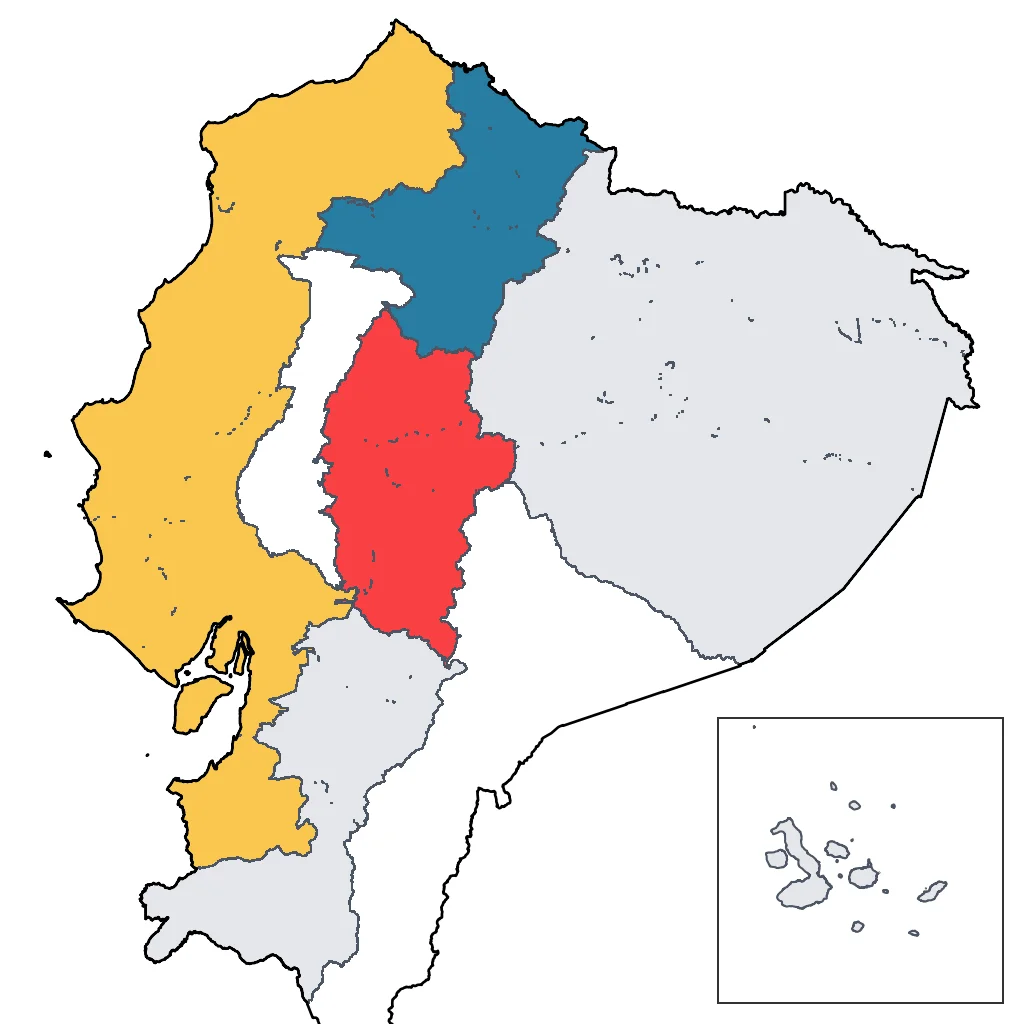
Click a region to explore

Activities & Best Times

Hiking, wildlife, outdoor exploration, ecotourism
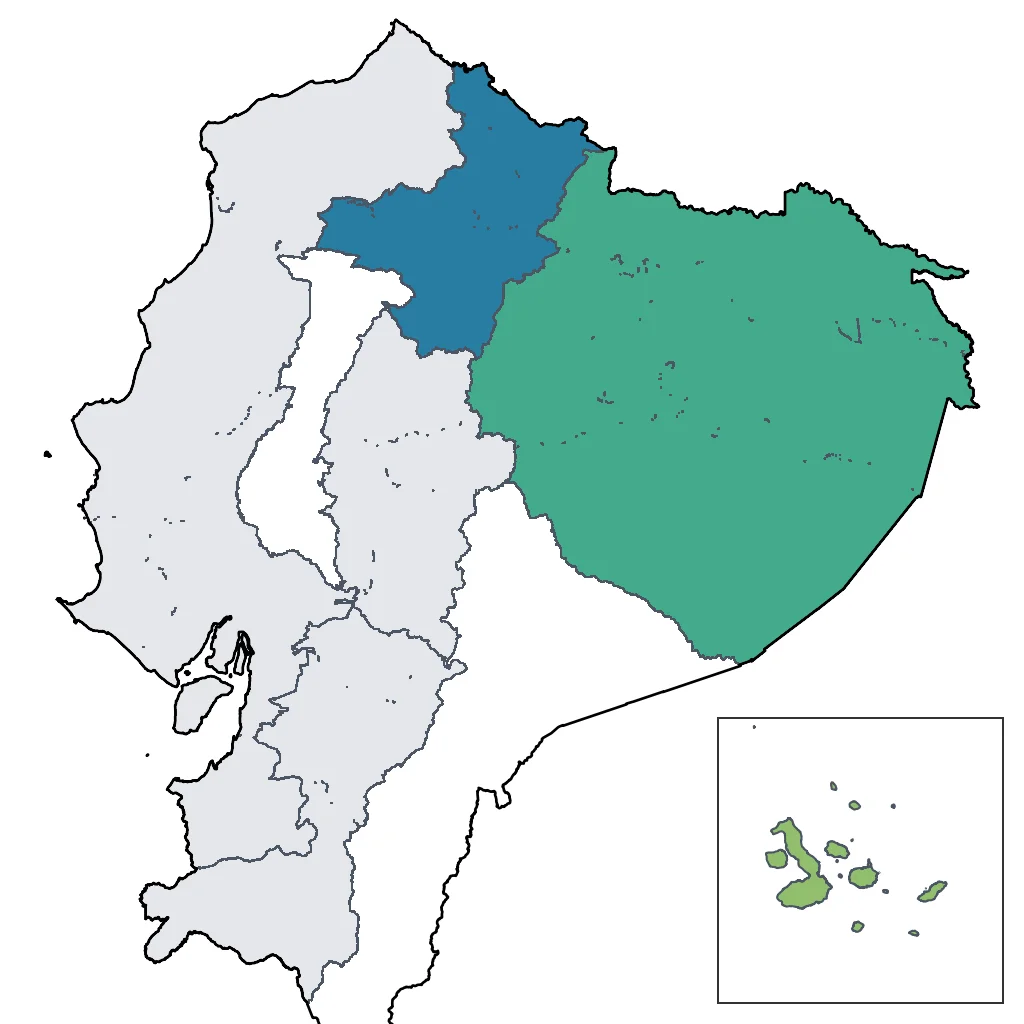
Home to the megadiverse Mindo cloud forest and the Avenue of Volcanoes, offering world-class birdwatching and high-altitude hiking. Peak months (Jul-Aug) provide the low rainfall (<100mm) necessary for clear volcano views and stable trail conditions, while heavy rain in the first half of the year (>200mm) makes mountain exploration difficult.

Urban tourism, museums, historical sites, architecture
Quito is a premier UNESCO World Heritage city with exceptionally preserved colonial architecture and the nearby world-famous Otavalo indigenous market. Peak dry months offer perfect conditions for walking tours; shoulder months remain viable due to museum-rich itineraries, but March-May are off-season due to extreme precipitation (300mm+) that limits urban exploration.
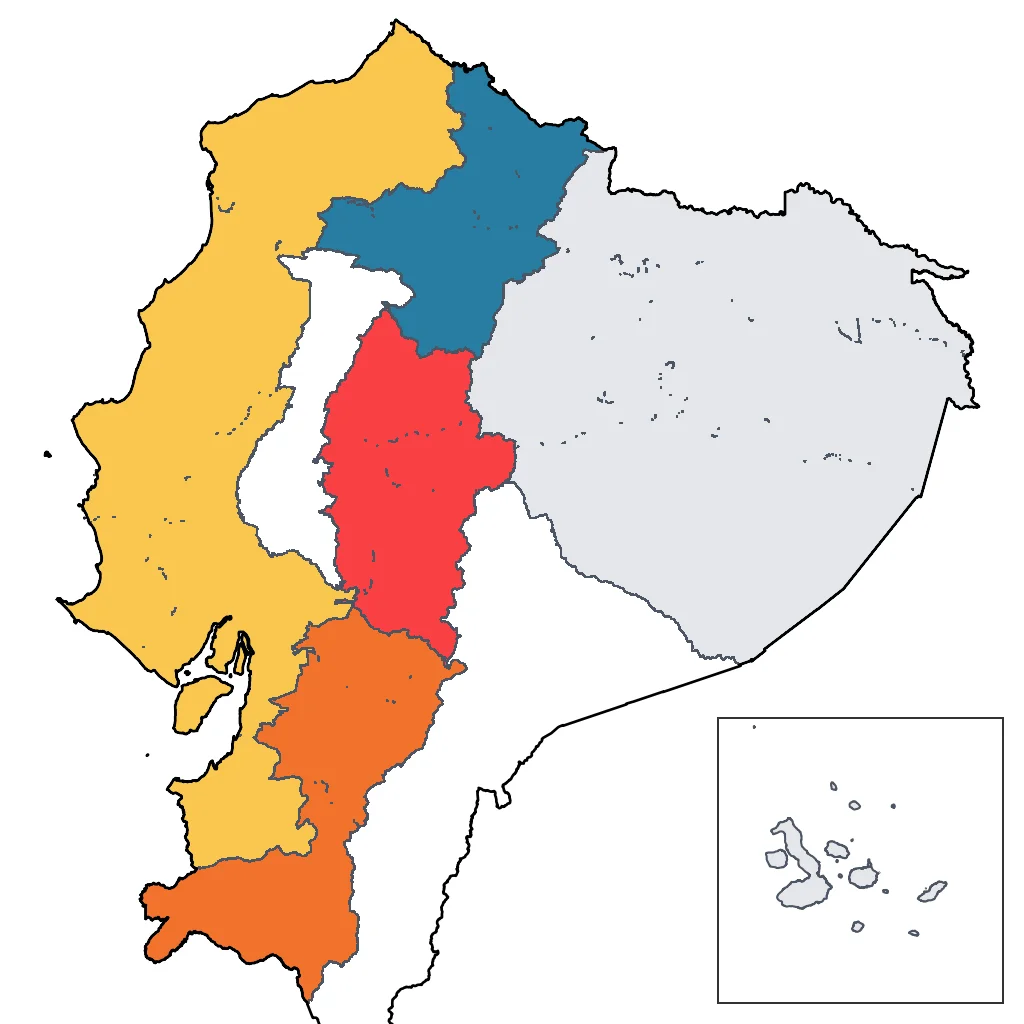

Learning experiences, scientific sites, historical education
Offers unique learning opportunities ranging from the history of the Equator (Mitad del Mundo) to evolutionary biology in the Chocó-Andean corridor. The dry season (Jul-Aug) is peak for visiting outdoor archaeological sites like Cochasquí, while the wettest months (Mar-May) often lead to site closures or limited accessibility.
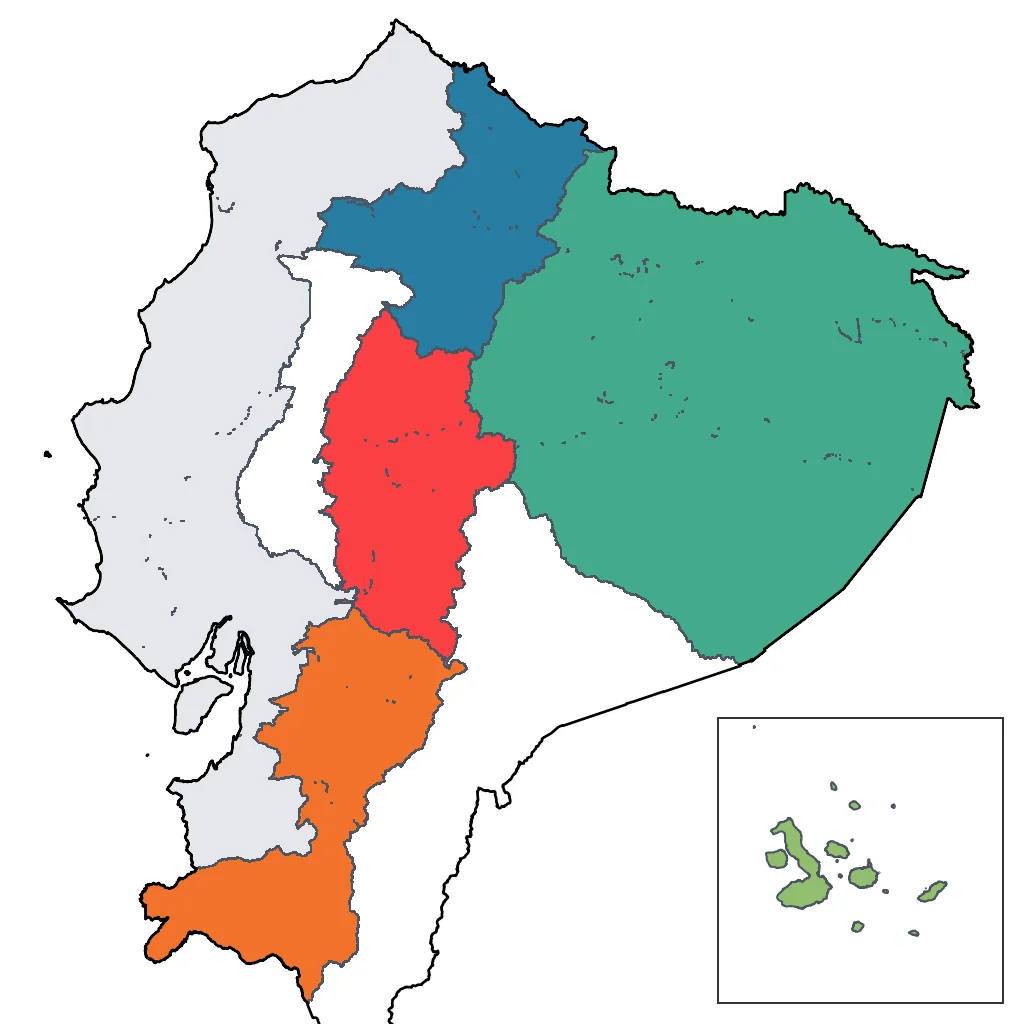

Events, celebrations, seasonal attractions
The region hosts authentic, world-class events like Inti Raymi in June and the vibrant Fiestas de Quito in December. While Holy Week (Mar-Apr) offers stunning processions, it falls during the heaviest rainfall, making the drier mid-year festival season the peak time for international visitors.
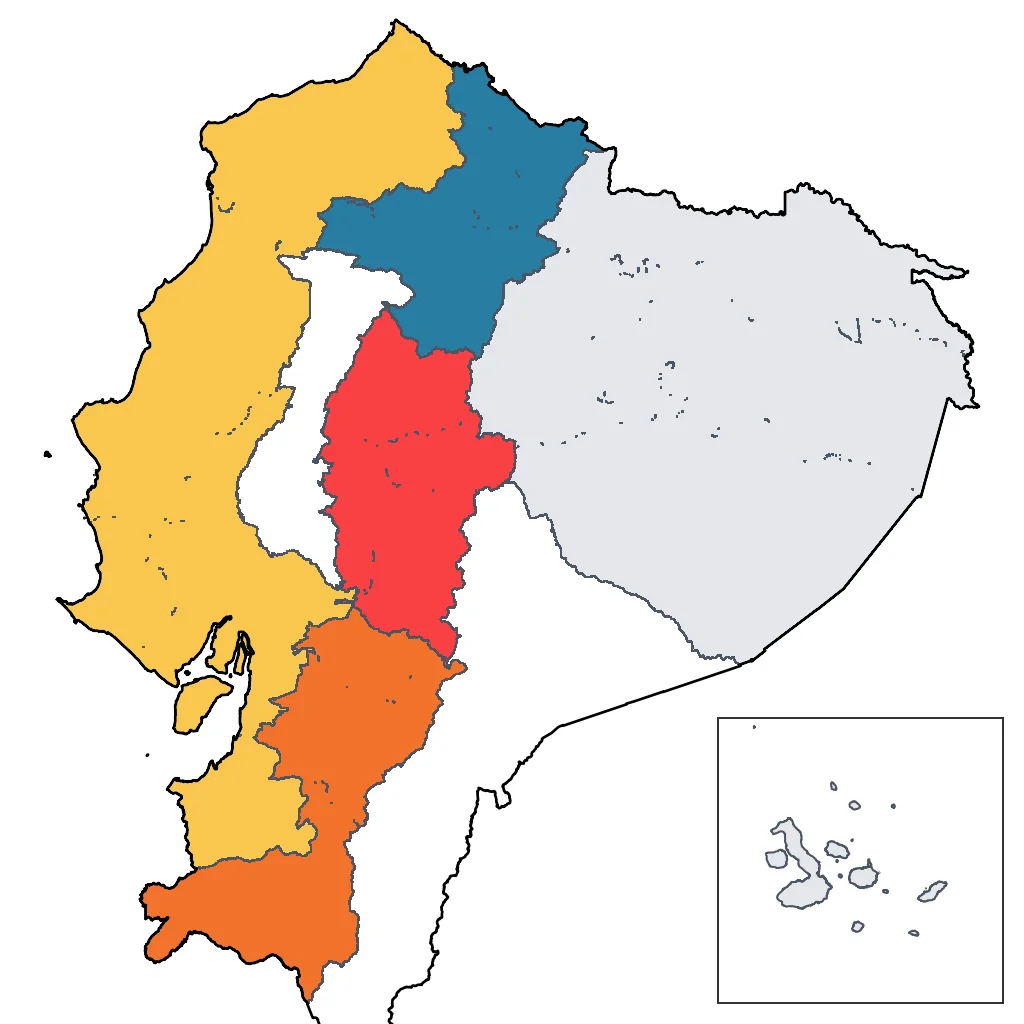

Spa retreats, wellness centers, peaceful getaways
Sophisticated travelers can experience world-class wellness at luxury haciendas and secluded cloud forest eco-lodges offering high-altitude spas. Peak dry months are optimal for outdoor meditation and yoga; the high humidity and heavy rains of March to May create a less-than-ideal environment for relaxation.
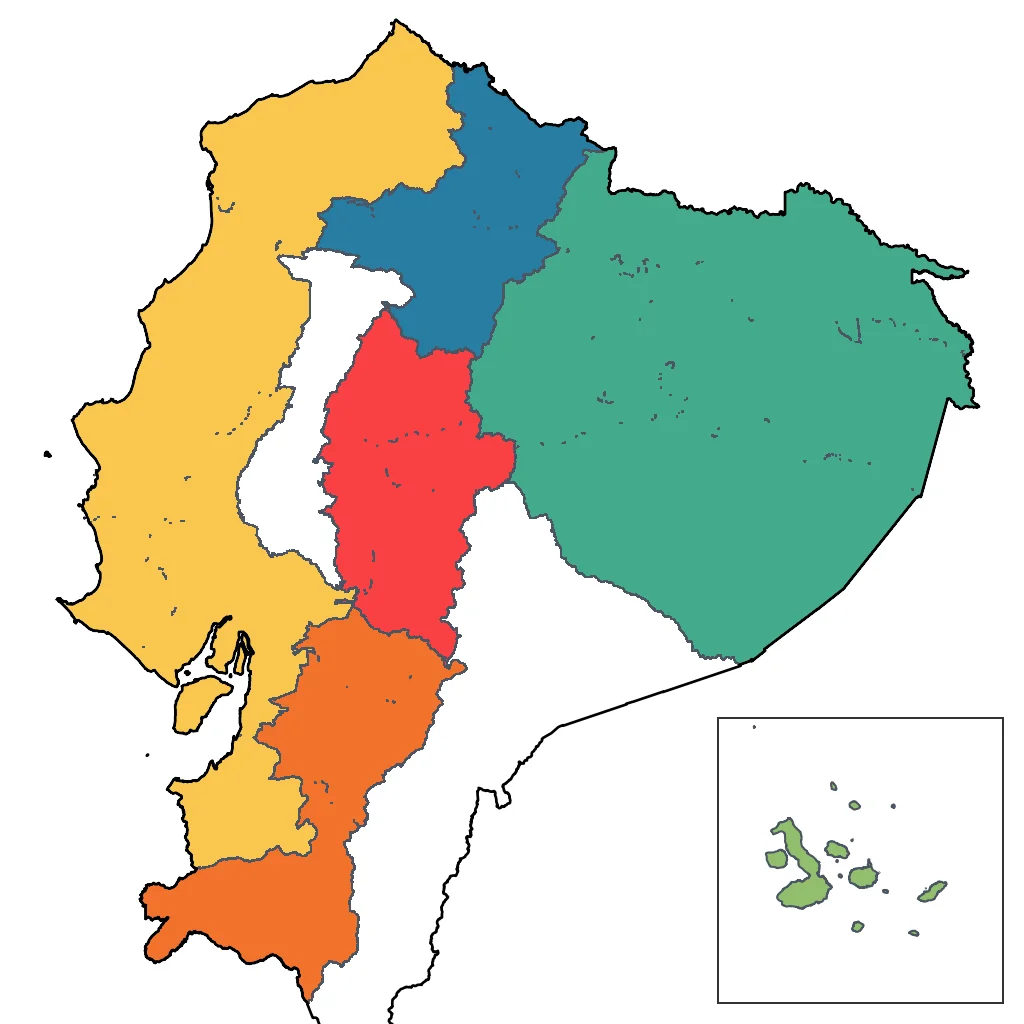

Scenic drives, countryside tours, route-based travel
Features dramatic drives along the Pan-American highway through the 'Avenue of Volcanoes' with well-maintained routes connecting authentic villages. Peak visibility for the majestic Andean peaks occurs in July and August; heavy seasonal rains in spring and late autumn pose risks of mudslides and significantly reduced visibility.

Sport tourism, fitness activities, active recreation
Provides high-quality terrain for high-altitude mountain biking and traditional horseback riding at historic haciendas. Activity is best in the dry season (Jul-Aug) for firm trails, whereas the wet season's heavy precipitation (>200mm) makes most active pursuits uncomfortable or unsafe.