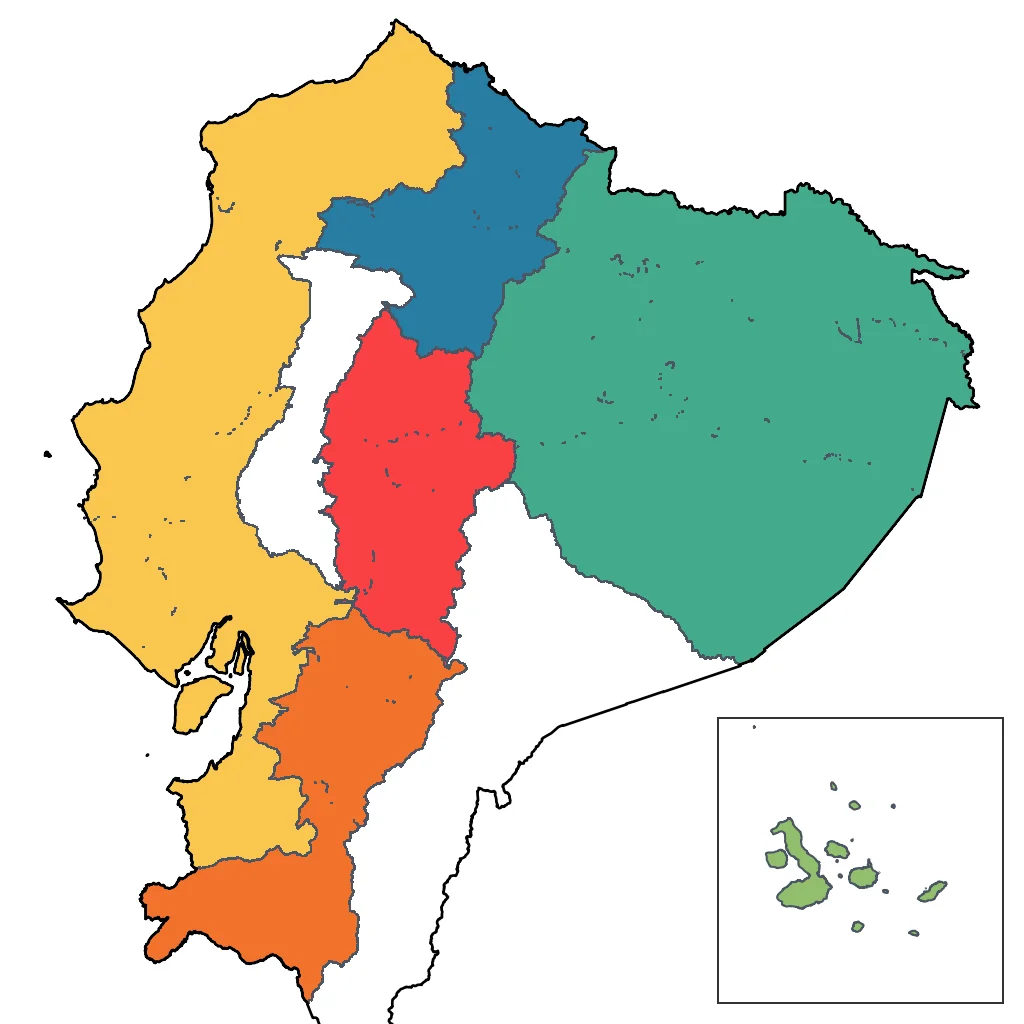
The Galápagos Islands offer an unparalleled wildlife experience where animals have virtually no fear of humans, allowing families to observe nature from remarkable proximity. The archipelago can be explored in two ways: via a live-aboard cruise or a land-based island-hopping itinerary. For families with younger children, land-based travel often works best, providing more space, stability, and flexibility. The main hubs—Puerto Ayora on Santa Cruz, Puerto Baquerizo Moreno on San Cristóbal, and Puerto Villamil on Isabela—offer family-friendly hotels and easy access to beaches.
Water activities are the highlight of any trip here. Snorkeling at sites like Kicker Rock or Los Túneles reveals a busy underwater world of sea turtles, white-tip reef sharks, and rays. The water can be cool, especially from June to November, so renting wetsuits for children is highly recommended to keep them comfortable. On land, the Charles Darwin Research Station on Santa Cruz provides context on conservation efforts and the chance to see baby tortoises being reared for release. In the highlands, wild giant tortoises roam freely in lush pastures, creating prehistoric photo opportunities.
Isabela Island is particularly magical for families, with its relaxed sand streets and wetlands filled with flamingos. Here, kids can take a boat to Tintoreras Islet to see penguins and marine iguanas sunning themselves on the lava rocks. Strict conservation rules apply everywhere: visitors must maintain a distance of two meters from wildlife and never feed the animals. These rules teach children respect for the ecosystem. While travel here is an investment, the educational value and the sheer wonder of swimming with sea lions make it a definitive bucket-list destination.
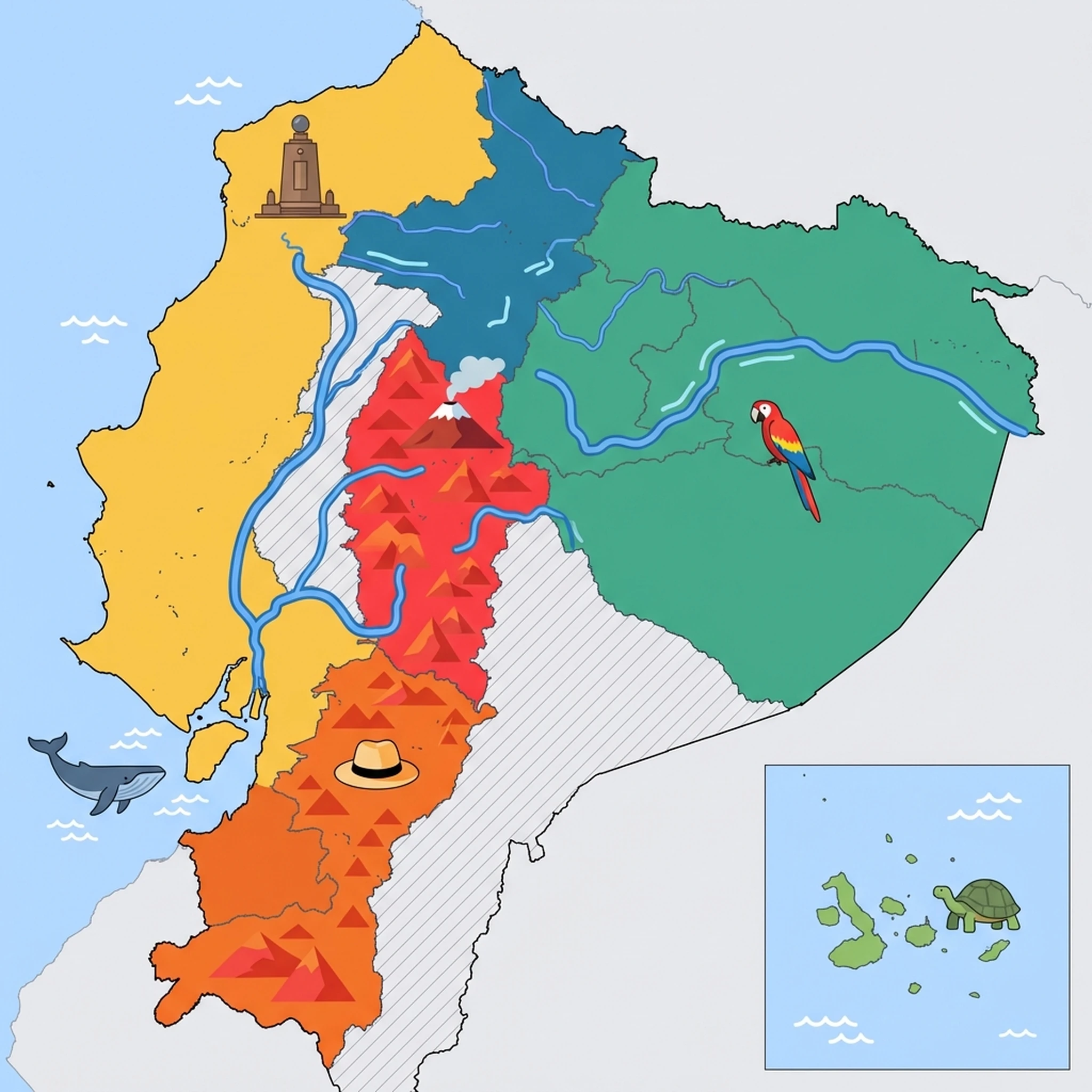
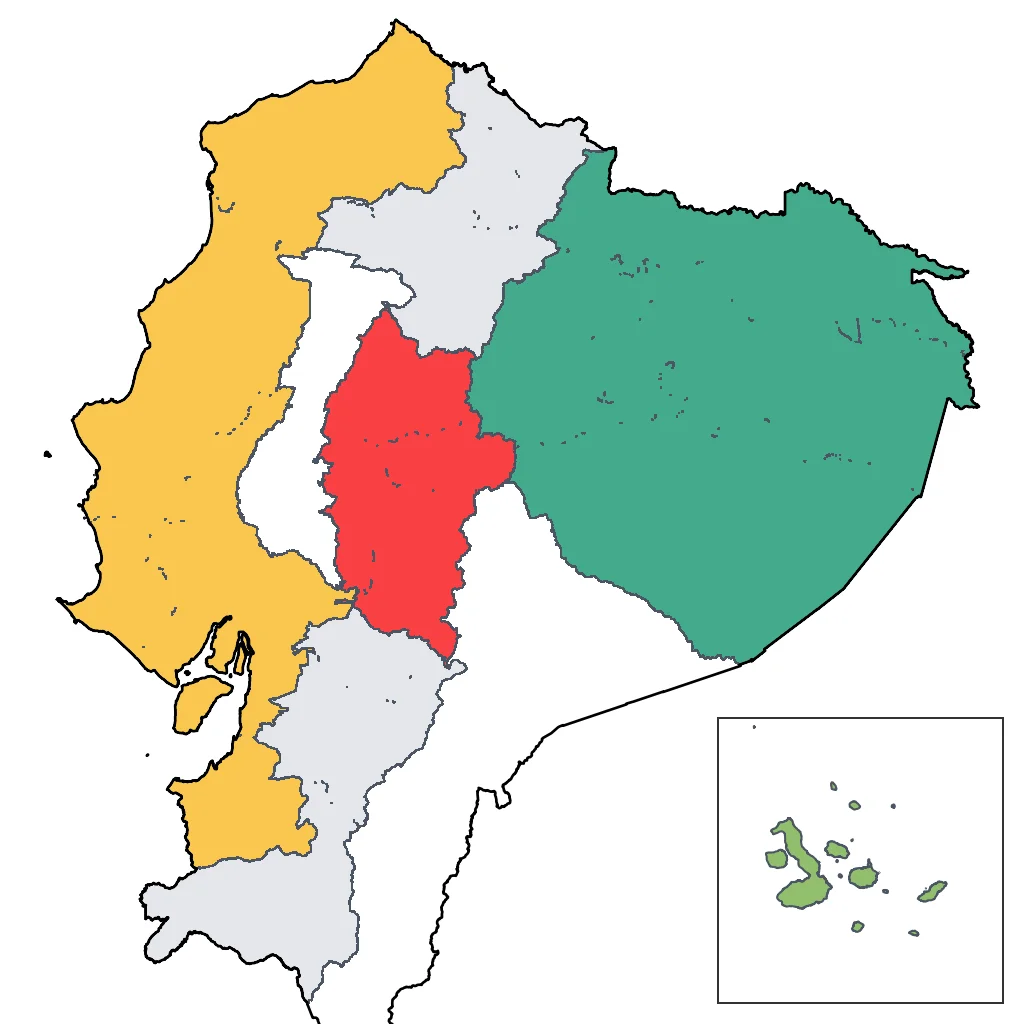
Click a region to explore

Activities & Best Times

Hiking, wildlife, outdoor exploration, ecotourism
A globally unique 'living laboratory' offering unparalleled, intimate wildlife encounters and volcanic landscapes that define the pinnacle of ecotourism. Peak months (May–Nov) offer ideal trekking temperatures and low rainfall, whereas the wet season (Jan–Apr) brings heavy precipitation and humidity that can hinder exploration.
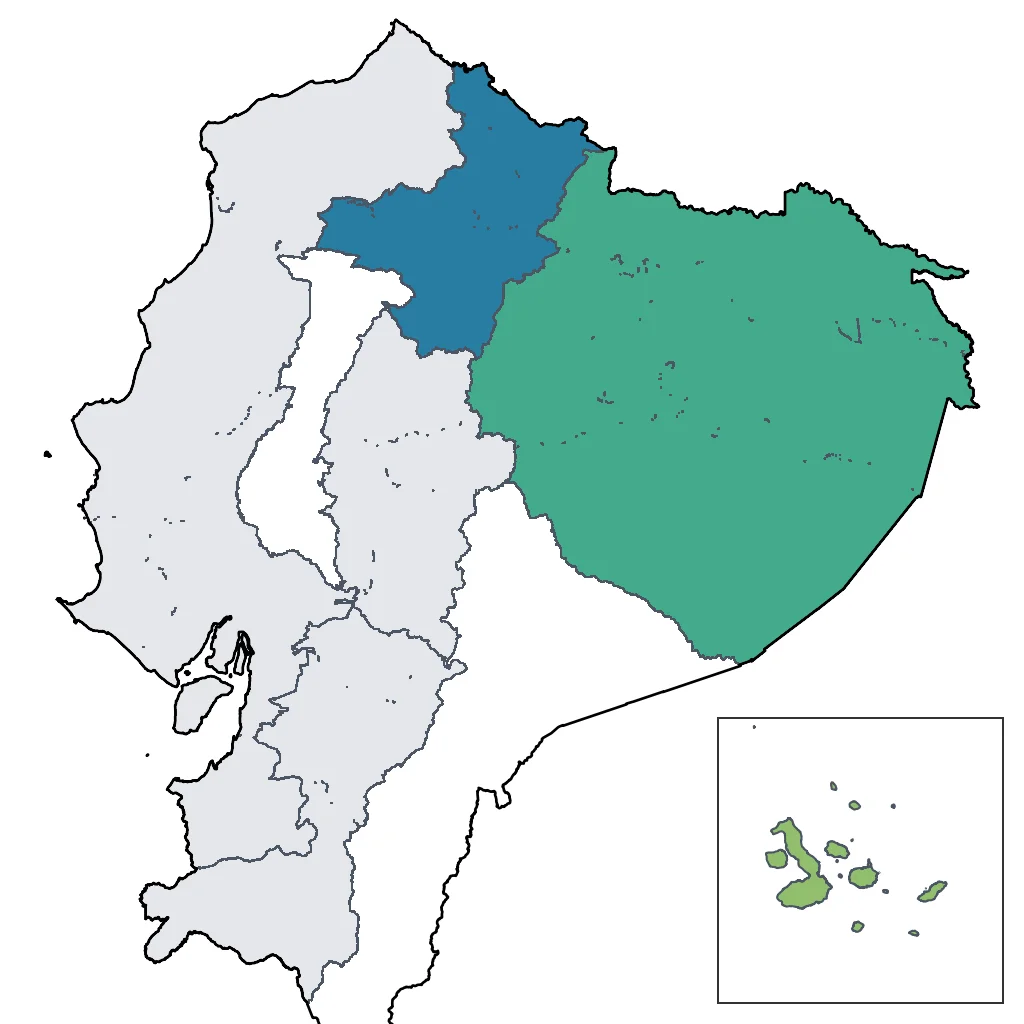

Learning experiences, scientific sites, historical education
An essential destination for natural history, providing families with world-class scientific insights into evolution and conservation at sites like the Charles Darwin Research Station. The dry season (May–Nov) provides the most comfortable conditions for guided field learning; heavy tropical rains from Jan–Apr can limit access to remote research sites.
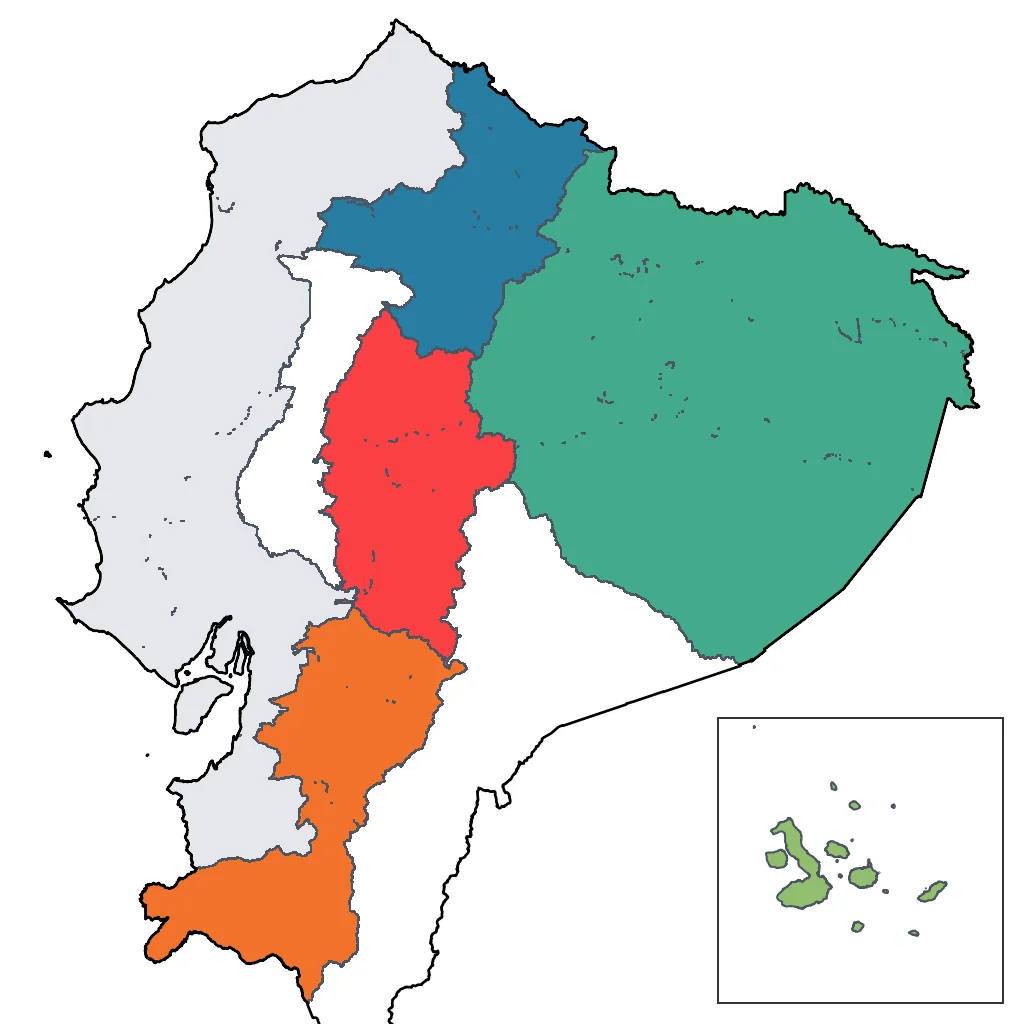

Sport tourism, fitness activities, active recreation
Exceptional opportunities for kayaking, diving, and hiking through rugged lava fields and marine reserves. Optimal activity conditions align with the dry season's moderate temperatures; the heavy rains and high humidity of the early year (Jan–Apr) make many trails muddy and marine conditions more unpredictable.

Beach resorts, marine activities: diving, snorkelling, kite surfing, wind surfing, sailing
The classification notes themselves acknowledge the Galápagos 'lacks the traditional high-heat beach resort infrastructure of the Maldives' and that no months reach peak season for beach conditions. The Galápagos is fundamentally a nature/wildlife destination — its marine excellence is already captured under adventure_nature (excellent) and sports_active (very_good). Against international beach benchmarks (Caribbean, Mediterranean, Southeast Asia), the beach experience itself is secondary, making 'good' more appropriate.

Spa retreats, wellness centers, peaceful getaways
A selection of high-end eco-lodges and luxury expedition cruises offer a unique, tranquil environment for disconnection in nature. The dry season provides refreshing breezes and low humidity ideal for outdoor relaxation, while the early months of the year can be oppressively hot and wet.