

Located in southern Egypt where the Nile winds between golden sand dunes and granite rocks, Aswan offers a slower, more relaxing pace compared to the hustle of Cairo. This region is deeply influenced by Nubian culture, evident in the brightly coloured houses, rhythmic music, and distinct cuisine. For families, Aswan is an ideal place to unwind while still exploring significant history. The river here is dotted with islands, making boat travel a central part of the experience.
A mandatory activity is taking a sunset sail on a felucca (traditional wooden sailboat). These quiet boats rely on the wind and current, allowing families to drift past the Aga Khan Mausoleum and the ruins on Elephantine Island. Exploring the Nubian Villages on the west bank is a hit with children; many families invite tourists into their painted homes to see pet crocodiles or drink hibiscus tea. The Nubian Museum is exceptionally well-curated and accessible, helping children understand the local heritage and the massive UNESCO effort to save monuments from the rising waters of the High Dam.
History enthusiasts will appreciate the Temple of Philae, dedicated to the goddess Isis. Accessible only by motorboat, the island setting makes the temple feel like an adventure. For a major excursion, a trip to Abu Simbel—roughly three hours by road or a short flight—is spectacular. The four massive statues of Ramses II guarding the entrance are iconic, and the story of how the entire mountain was moved to save it from Lake Nasser fascinates engineering-minded kids. Back in Aswan, the Kitchener's Island Botanical Garden provides a shady, car-free environment where little ones can run safely among exotic plants and trees.
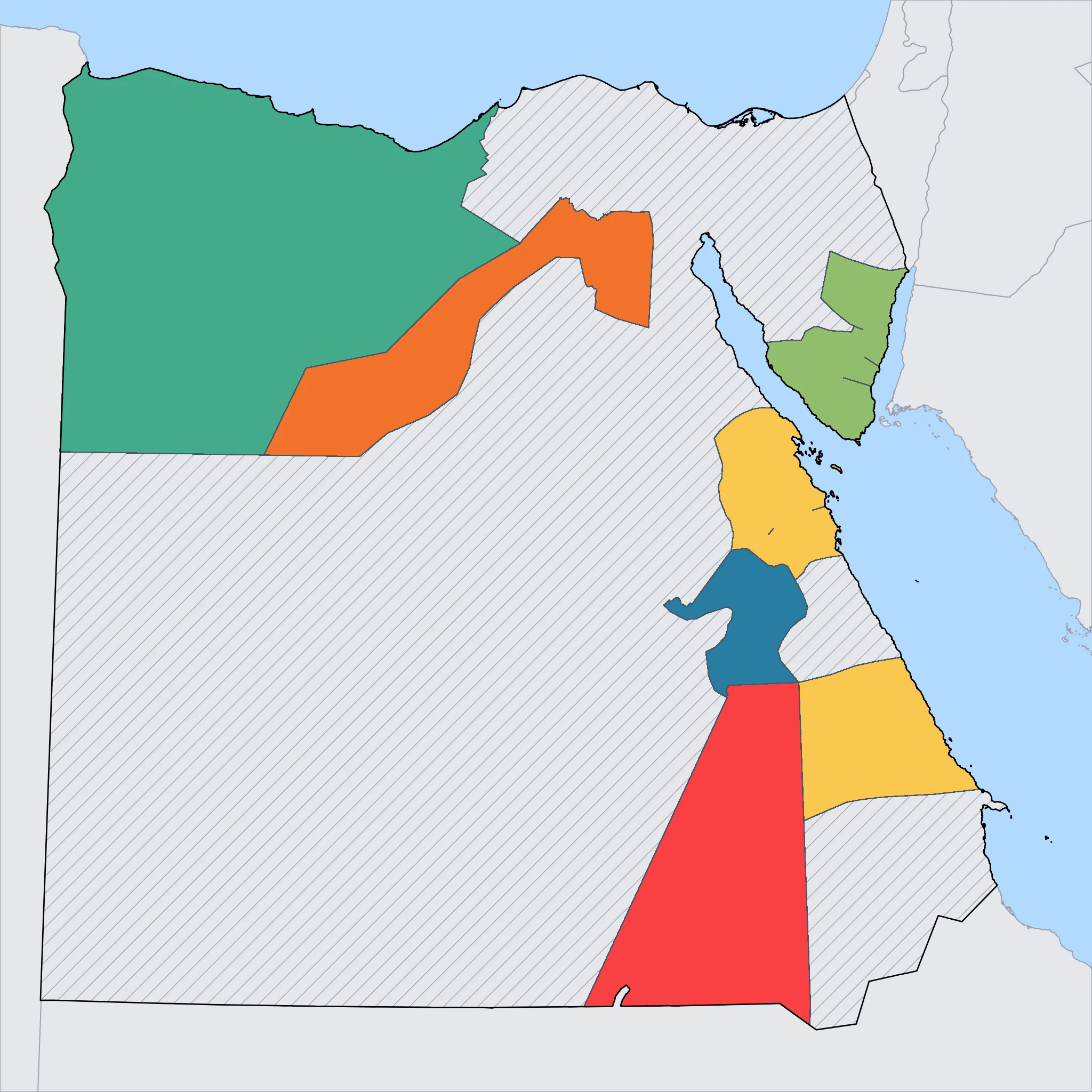
Click a region to explore

Activities & Best Times

Urban tourism, museums, historical sites, architecture
Home to the world-class UNESCO sites of Abu Simbel and Philae Temple, offering a sophisticated blend of Pharaonic history and colonial elegance. Winter (Nov–Mar) provides the perfect climate for temple exploration, while extreme summer heat (maxima near 40°C) makes urban and archaeological touring physically grueling.
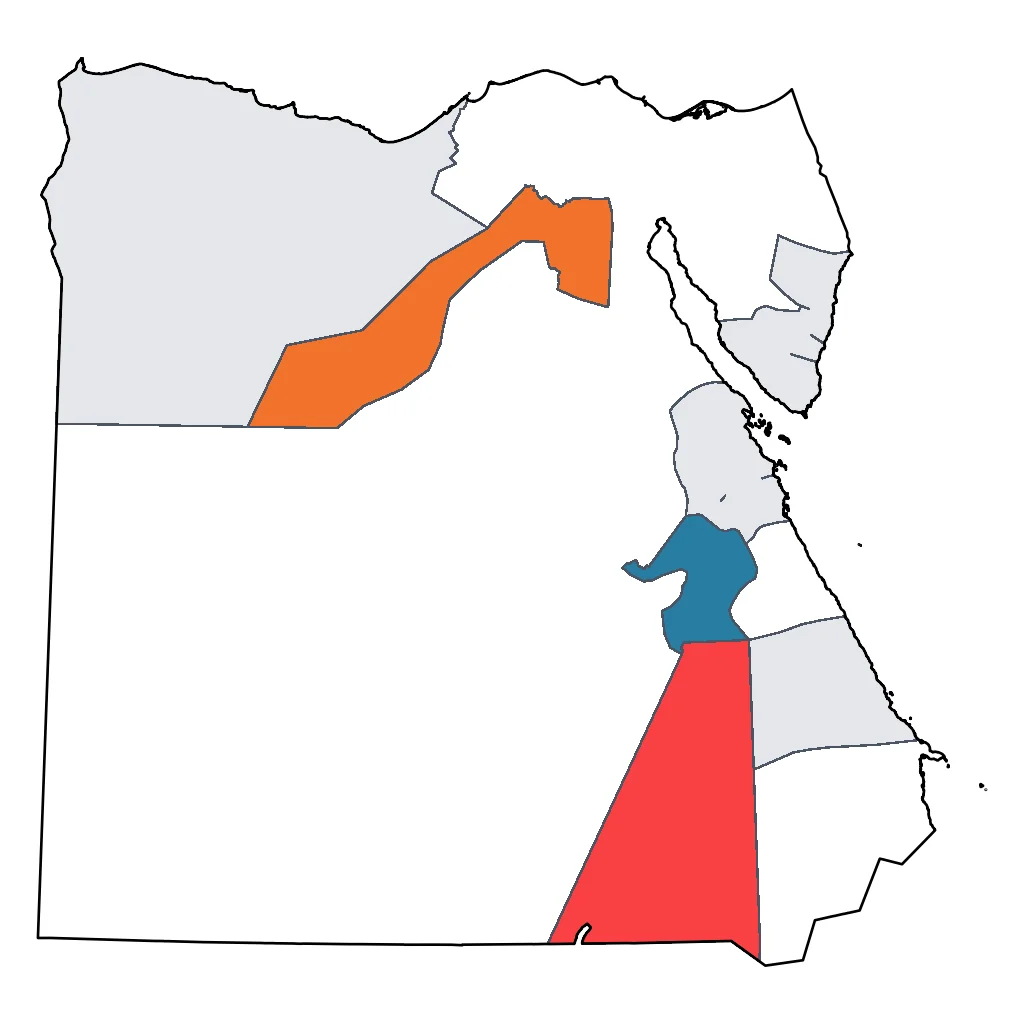

Learning experiences, scientific sites, historical education
The region serves as a premier archaeological classroom, featuring unique sites like the Unfinished Obelisk and the High Dam's engineering marvels. Peak winter months offer comfortable conditions for in-depth guided tours, whereas the extreme UV and heat of May–September limit educational activities to early mornings.
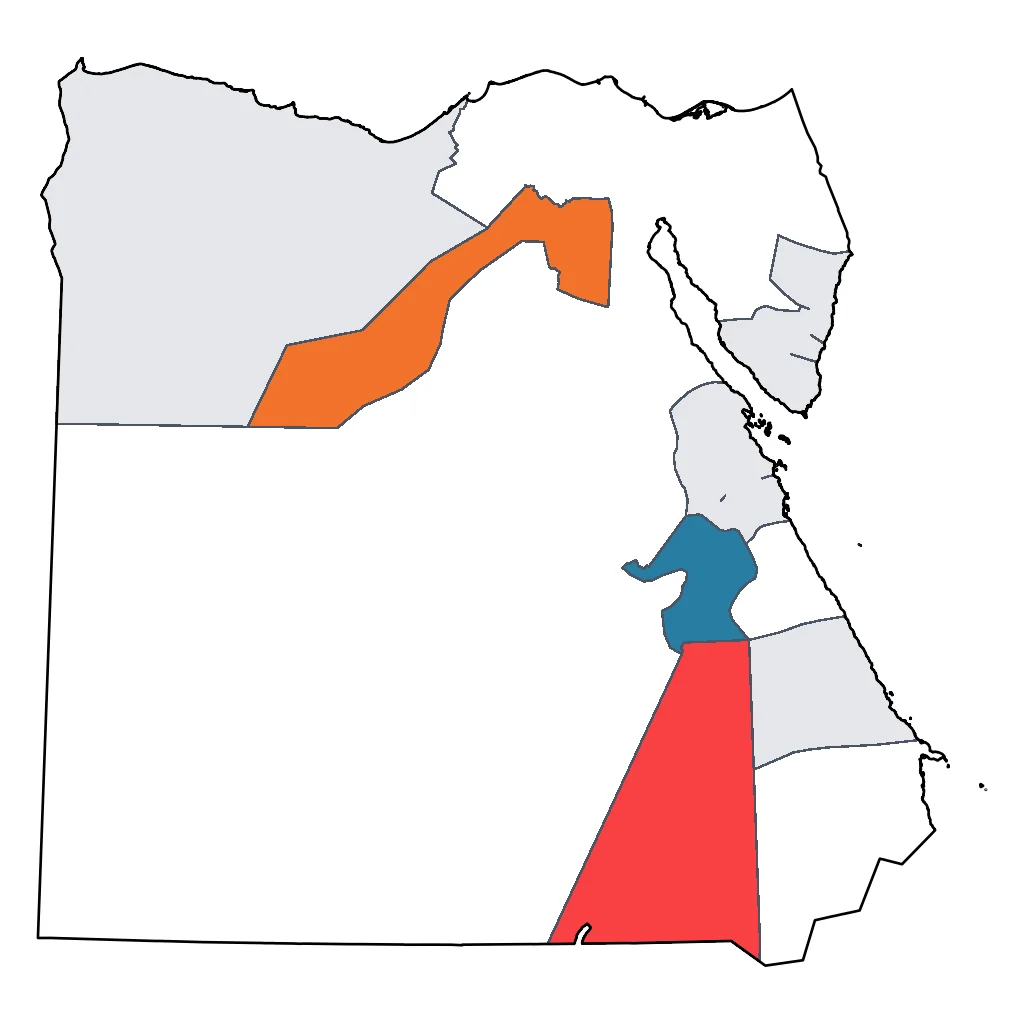

Hiking, wildlife, outdoor exploration, ecotourism
Offers unique desert-meets-river landscapes, featuring the Nile’s granite cataracts and vibrant birdlife on the Saluga and Ghazal protected islands. Winter is optimal for desert trekking and sailing, while the intense summer desert sun makes wilderness exploration hazardous.
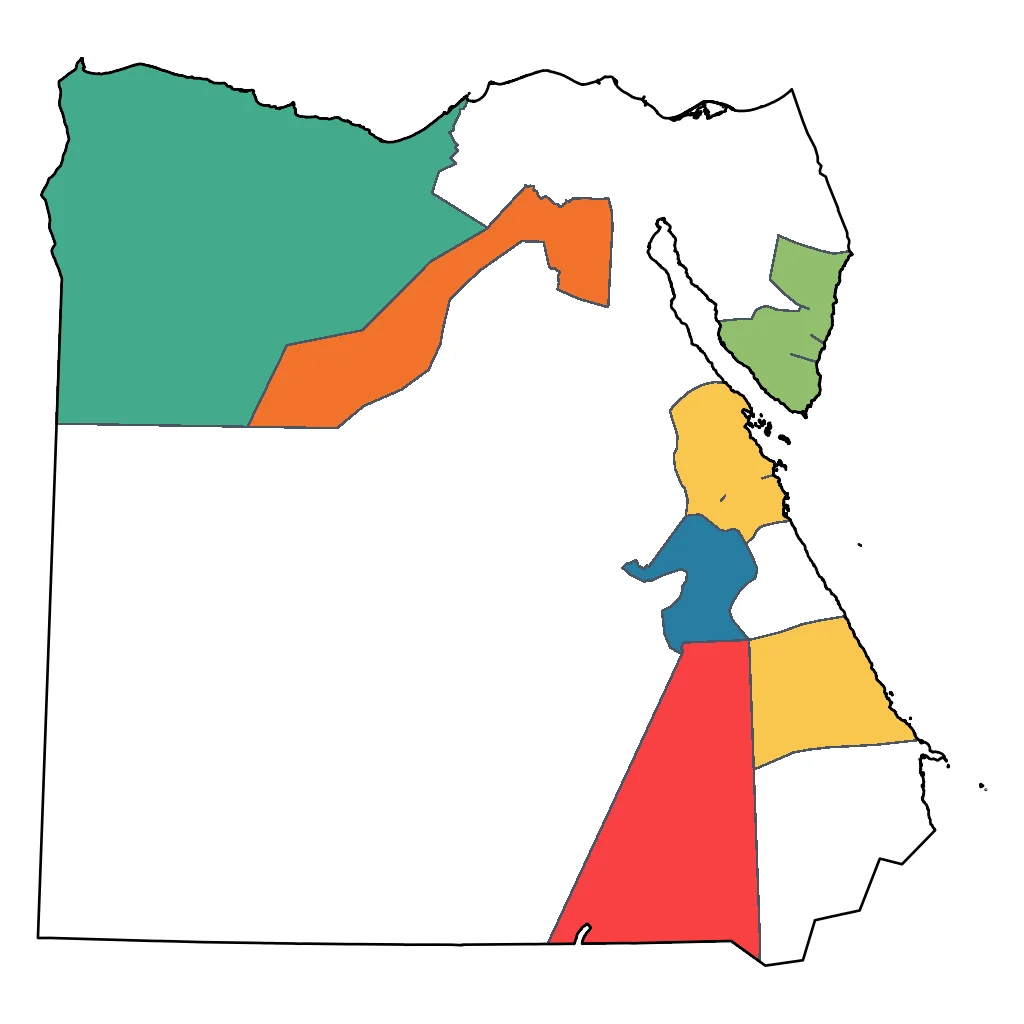

Events, celebrations, seasonal attractions
The Abu Simbel Sun Festival (February and October) is a world-class phenomenon attracting international travelers to witness the sun illuminating the inner sanctum. These months offer the best balance of cultural events and temperate weather, while the summer off-season lacks major authentic festivals.
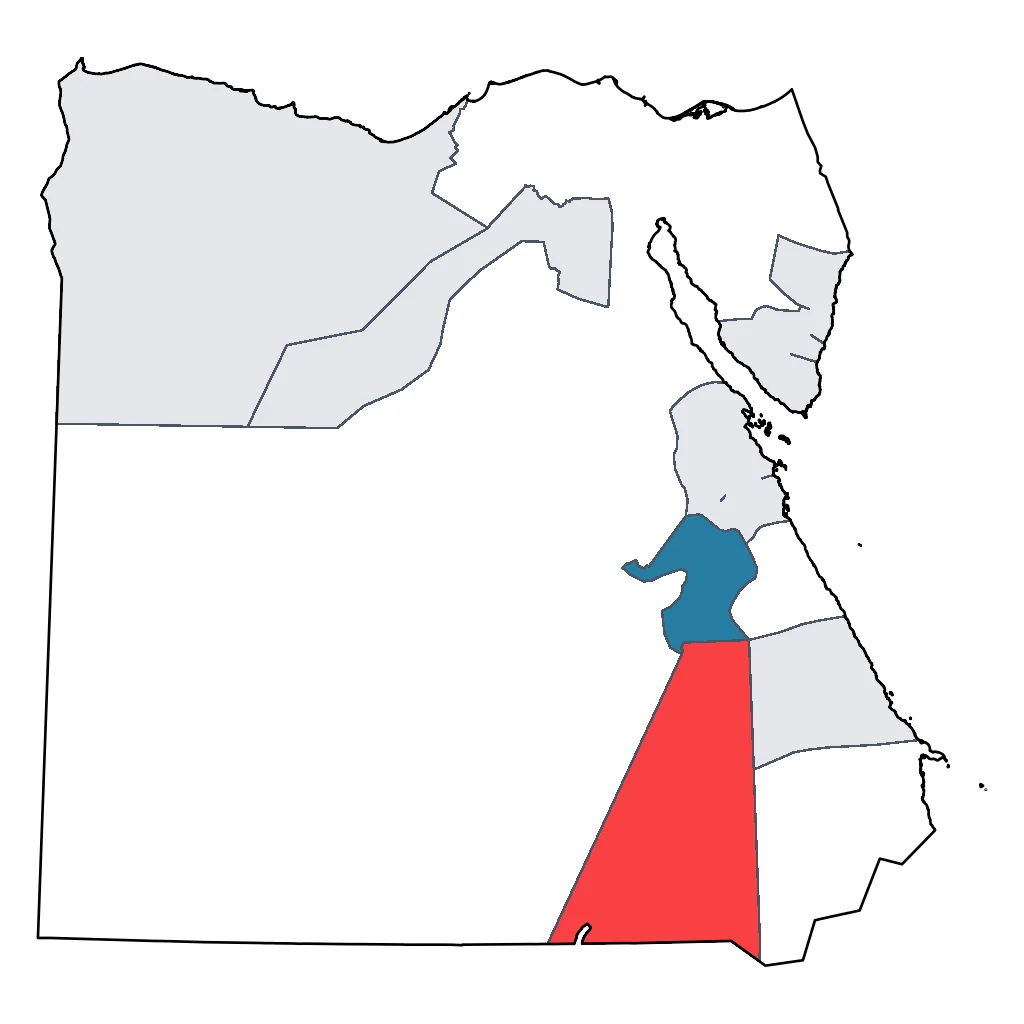

Spa retreats, wellness centers, peaceful getaways
Renowned for its serene atmosphere and traditional Nubian sand baths, often based around luxury retreats like the Old Cataract Hotel. The mild shoulder months provide ideal warmth for wellness activities, whereas summer’s extreme heat prevents outdoor relaxation and winter nights can be surprisingly chilly.
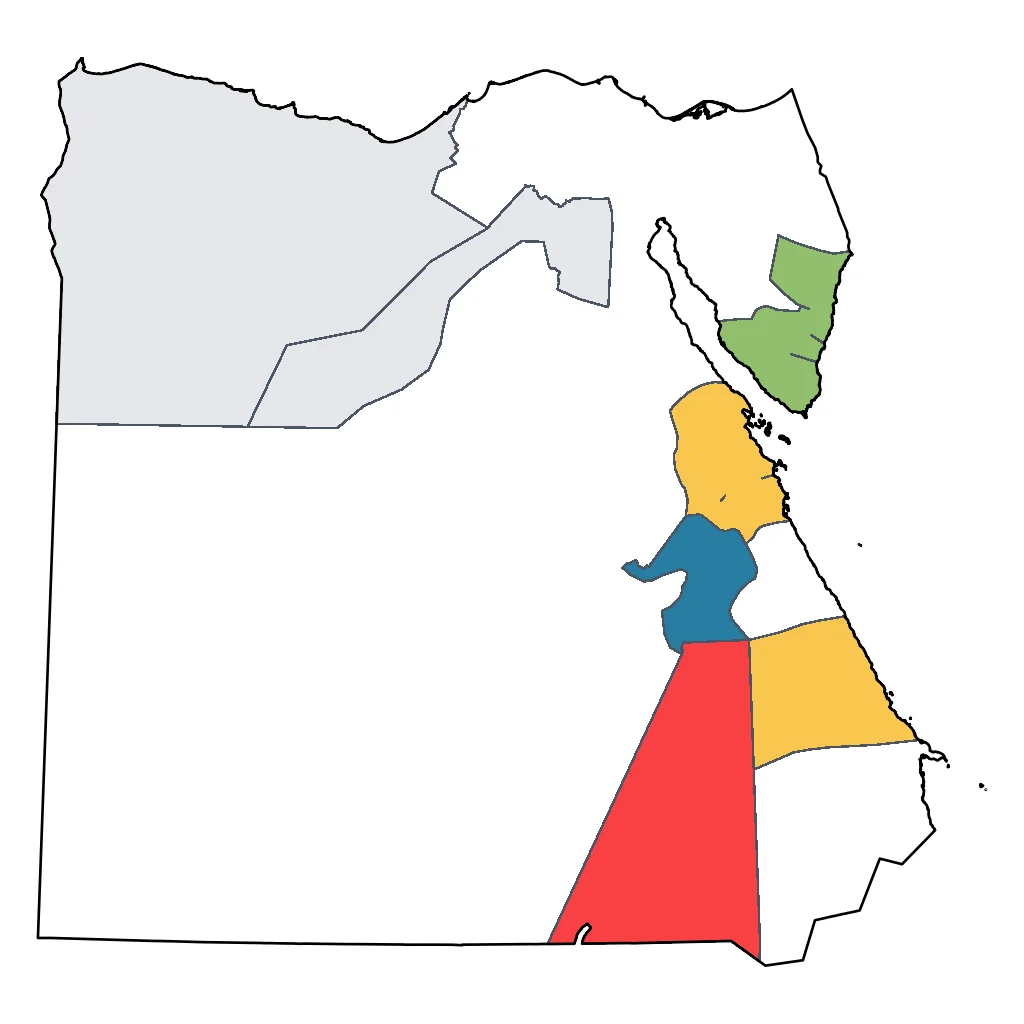

Sport tourism, fitness activities, active recreation
Exceptional for traditional sailing (felucca) and kayaking through the Nile's archipelago with high-quality local guides. Mid-range temperatures in autumn and spring provide the most active days, while summer heat is far too extreme for physical exertion.
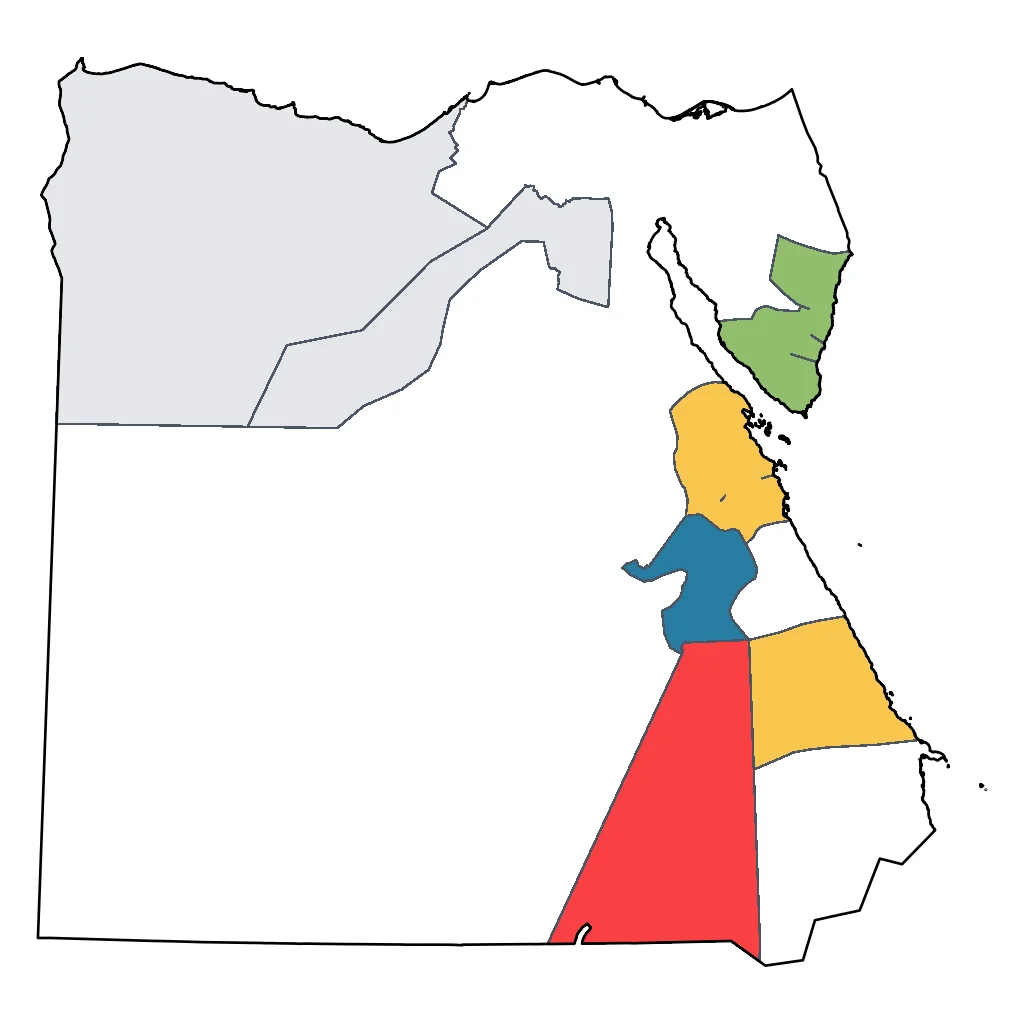

Scenic drives, countryside tours, route-based travel
The iconic desert crossing from Aswan to Abu Simbel is a bucket-list drive through the Sahara, though infrastructure is limited to a single primary route. Winter provides safe driving conditions, whereas the intense 39°C+ summer peaks make long desert transits less comfortable and more taxing on vehicles.

Attractions (28 total)
Castle / Palace / Historic Site
Abu Simbel Temples
Abu Simbel
A world-famous UNESCO World Heritage site featuring two massive rock temples carved out of a mountainside during the reign of Pharaoh Ramesses II.
Visit website →Philae Temple Complex
Aswan
An island-based temple complex dedicated to the goddess Isis, famous for its stunning architecture and boat-access arrival experience.
Visit website →Monastery of Saint Simeon
Aswan
One of the largest and best-preserved Coptic monasteries in Egypt, resembling a desert fortress.
Visit website →Temple of Kalabsha
Aswan
The largest free-standing temple of Lower Nubia, relocated to save it from the rising waters of Lake Nasser.
Visit website →Tombs of the Nobles (Qubbet el-Hawa)
Aswan
Rock-cut tombs of Old and Middle Kingdom officials located on the West Bank, offering panoramic views of the Nile valley.
Visit website →Elephantine Island Archaeological Site
Aswan
The ancient site of Abu, featuring the ruins of the Temple of Khnum, a Nilometer, and layers of history spanning thousands of years.
Visit website →Unfinished Obelisk
Aswan
The largest known ancient obelisk located in the northern quarries of ancient Egypt, offering insight into ancient stone-working techniques.
Visit website →Botanical Garden / Formal Gardens
Aswan Botanical Garden
Aswan
This lush island-wide garden features a vast collection of rare tropical plants and palms from across the globe, providing a peaceful escape for families.
Ferial Garden
Aswan
A historic landscaped park on the Nile's edge offering shaded walking paths and famous panoramic views of the river's cataracts and rock formations.
Beach / Coastal Recreation Area
Gharb Sehel Nile Beach
Aswan
A popular riverside area where visitors can enjoy the sandy banks of the Nile, traditional Nubian hospitality, and camel rides.
Farm Park / Petting Zoo / Rural Experience
Gharb Soheil Nubian Village
Aswan
A vibrant riverside community offering camel rides, visits to traditional Nubian homes, and the chance to see domesticated Nile crocodiles.
Daraw Camel Market
Daraw
One of Egypt's largest and most authentic rural markets where thousands of camels are traded in a traditional setting north of Aswan.
Elephantine Island Nubian Villages
Aswan
An authentic rural experience where visitors can walk through agricultural plots and traditional villages like Siou and Koti on a historic Nile island.
Natural Feature / Scenic Site
Lake Nasser
Abu Simbel
One of the largest man-made lakes in the world, offering spectacular desert-meets-water scenery and a sense of immense tranquility.
The First Cataract of the Nile
Aswan
A stunning natural stretch of the river where the water flows through a labyrinth of ancient granite boulders and small islands.
Art Gallery / Fine Art Museum
Nubian Museum
Aswan
An award-winning museum that tells the history of the Nubian people through thousands of artifacts in a stunningly designed complex.
Visit website →Aswan Open Air Sculpture Museum
Aswan
A unique open-air art gallery featuring large-scale abstract granite sculptures created by international artists on a scenic hilltop overlooking the Nile.
Aswan Museum
Aswan
Located on Elephantine Island, this museum showcases archaeological finds from the island's ruins, including pottery, statues, and ancient mummies.
Visit website →Great Nile River Museum
Aswan
A modern museum exploring the history and culture of the Nile River through artifacts, models, and interactive exhibits for all ages.
Landmark / Monument / Iconic Urban Attraction
Philae Temple
Aswan
A stunning temple complex dedicated to the goddess Isis, located on a scenic island and accessible only by boat, perfect for families exploring ancient myths.
Visit website →Tombs of the Nobles
Aswan
Ancient rock-cut tombs of Old and Middle Kingdom officials, offering some of the best panoramic views of the Nile and Aswan city.
Visit website →Aswan High Dam
Aswan
A feat of modern engineering that created Lake Nasser, providing a massive overlook with panoramic views of the Nile and the desert landscape.
Historic Town / Village / Cultural Area
Kalabsha Temple
Aswan
A well-preserved Roman-era Egyptian temple relocated to a new site near the High Dam to save it from the flooding of Lake Nasser.
Elephantine Island (Ancient City of Abu)
Aswan
An archaeological treasure trove featuring the ruins of the Old Kingdom city of Abu and a historic Nilometer used to measure the river's height.
Nubian Village (Gharb Soheil)
Aswan
A vibrant cultural area on the West Bank where families can experience traditional Nubian life, colorful architecture, and local hospitality.
The Nubia Museum
Aswan
An award-winning museum that tells the story of the Nubian people and houses thousands of artifacts rescued from the rising waters of Lake Nasser.
Adventure Park / Outdoor Activity Center
Nile Kayak Club (Aswan)
Aswan
A popular outdoor activity center offering guided kayaking and stand-up paddleboarding excursions through the Nile's cataracts and around historical islands.
Visit website →National Park / Nature Reserve
Saluga and Ghazal Islands Nature Reserve
Aswan
A cluster of Nile islands protected as a sanctuary for migrating birds and rare plants, offering a peaceful natural environment for wildlife observation.