

The Gambia is the smallest country on the African mainland, a narrow strip of land wrapping around the winding Gambia River. For families, it is often cited as "Africa for beginners" due to its manageable size, official use of English, and the genuine warmth of its people. Unlike destinations requiring long treks to see wildlife, nature here is close at hand, and the flight time from Europe is relatively short with zero jet lag, making it practical for travelers with younger children.
Wildlife encounters are a primary draw for younger visitors. Bijilo Forest Park, commonly known as the "Monkey Park," allows families to walk through protected woodland where inquisitive Green Vervet and Red Colobus monkeys frequently approach visitors. For a more unusual experience, the Kachikally Crocodile Pool in Bakau presents a chance to see dozens of crocodiles up close in a sacred calm environment. Birdwatching is also world-class and accessible; guided canoe trips through the Tanji Bird Reserve or the mangroves of the Bolong Fenyo reveal brightly colored kingfishers and herons without requiring hours of patience.
The Atlantic coastline offers a variety of beaches suitable for different family needs. Cape Point in Bakau is particularly popular for families due to its expansive, flat sands and shallower waters, while Kotu offers a livelier atmosphere with fruit sellers and juice pressers right on the sand. The hotels in these areas often cater specifically to families, with pools and entertainment teams. Further inland, a boat trip from Denton Bridge offers a change of pace, allowing you to drift past oyster farms and local fishermen while enjoying a catered lunch on board.
Cultural immersion is gentle but rewarding. Visits to local schools are a common activity where children can interact with Gambian peers, though it is best to arrange this through a reputable guide to ensure it is respectful. The bustle of the Serrekunda Market provides a sensory education in local commerce, featuring endless rows of batik fabrics and spices, though it can be overwhelming for toddlers.
Practical Considerations: While The Gambia is welcoming, families must be prepared for the tropical environment. Malaria prophylaxis is essential, and insect repellent should be applied strictly, especially at dusk. Travelers should stick to bottled water and be cautious with street food; however, local dishes like Domoda (peanut stew) served in hotels are delicious and kid-friendly. Visitors may encounter "bumsters"-young men offering guide services or trying to sell items on the beach. A polite but firm refusal is usually respected. Exploring with a registered guide is the best way to navigate local customs comfortably.

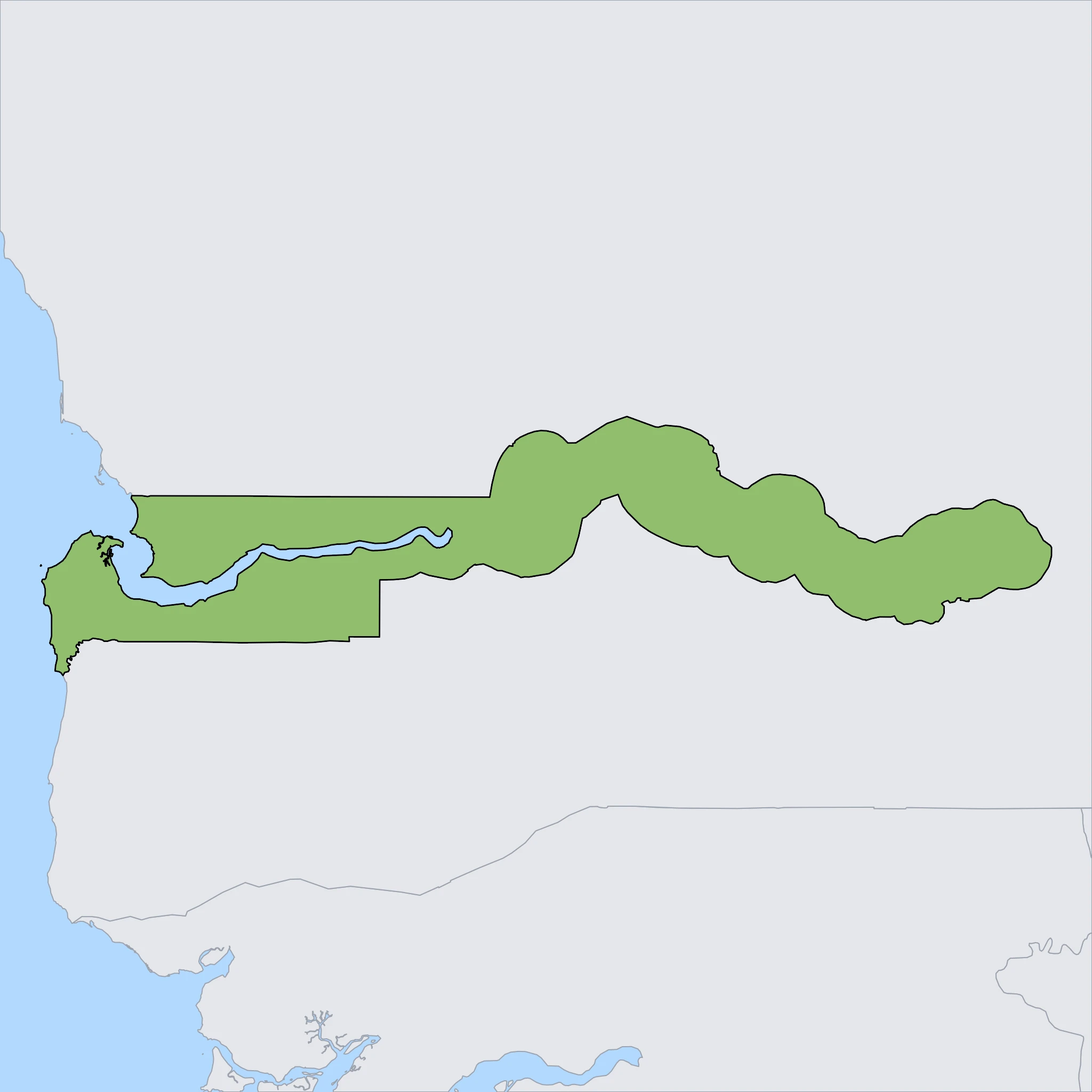
Map

Activities & Best Times

Adventure & Nature
Very GoodHiking, wildlife, outdoor exploration, ecotourism
A world-class destination for bird watching with over 500 species and accessible river-based wildlife experiences like the River Gambia National Park. The cool, dry winter (Nov-Feb) is optimal for sightings, whereas the intense humidity and rain of the summer months make trekking and river exploration difficult.

Beach & Sea
GoodBeach resorts, marine activities: diving, snorkelling, kite surfing, wind surfing, sailing
Offers reliable winter sun and expansive sandy beaches along the Atlantic coast, though it lacks the marine biodiversity and reef-based activities of premier global destinations. Peak months align with the dry season and moderate temperatures, while the July-September monsoon period brings high humidity and rougher seas.

City & Cultural
GoodUrban tourism, museums, historical sites, architecture
Features culturally significant sites such as the UNESCO-listed Kunta Kinteh Island and the Stone Circles of Senegambia. The dry season (Nov-May) provides the best accessibility for cultural tours, but the extreme heat in March-May can make urban exploration in Banjul taxing compared to the cooler months of December-February.

Educational & Exploratory
GoodLearning experiences, scientific sites, historical education
Provides high educational value through its deep connection to the history of the transatlantic slave trade and unique West African ecology. Learning experiences are most comfortable during the cooler dry months, avoiding the heavy rainfall of July-September which can limit access to remote historical sites.

Sports & Active
GoodSport tourism, fitness activities, active recreation
The region is a premier destination for deep-sea and river fishing, alongside active exploration of the Bijilo Forest Park. Optimal conditions occur during the dry season when visibility is high and trails are dry; the rainy season presents challenges for consistent outdoor sporting activities.

Festivals & Seasonal
MarginalEvents, celebrations, seasonal attractions
Hosts authentic cultural events like the Kankurang masquerade and the Roots International Festival, which offer deep cultural immersion. These events typically occur during the dry season to ensure favorable weather for outdoor ceremonies and community gatherings.

Relaxation & Wellness
MarginalSpa retreats, wellness centers, peaceful getaways
No relaxation/wellness attractions exist in the database (no thermal baths, spa facilities, or wellness centres). The notes reference eco-lodges with wellness elements, but these are accommodation providers, not purpose-built wellness attractions. By international calibration standards, The Gambia is not a wellness destination - it lacks the spa infrastructure of Southeast Asian or European wellness regions. 'marginal' reflects that some relaxation is possible but it's not a primary draw.

Attractions
40 attractions to explore. Click markers for details.

Airports & Flight Routes
Toggle options to view domestic routes and international airports. Click an airport for details.
Climate & Weather
Climate Overview
| Month | Temp (°C) | Rain (mm) | Humidity | Wind (m/s) |
|---|

Travel Advisory
Travel is generally safe but requires increased vigilance due to persistent petty crime and localized security concerns.
Safety Topics
Traveller Advice (3 groups)

Ensure you have the required $20 USD cash for airport fees and a yellow fever certificate. Register your presence with your local consulate as resident diplomatic support is limited.

Female travellers may experience persistent harassment from local individuals (bumsters) in tourist zones. It is safer to travel in groups and dress conservatively to respect local customs.

Homosexuality is illegal and can lead to severe prison sentences. Travellers should avoid any public displays of affection or conduct that might attract negative attention.