

Guadeloupe stands out in the Caribbean as an overseas region of France, offering families a blend of tropical adventure and European convenience. The territory is primarily formed by two islands, Grande-Terre and Basse-Terre, joined by a short bridge. For parents, this means reliable roads, drinkable tap water in many areas, and a high standard of medical care, removing many of the logistical stresses often associated with tropical travel.
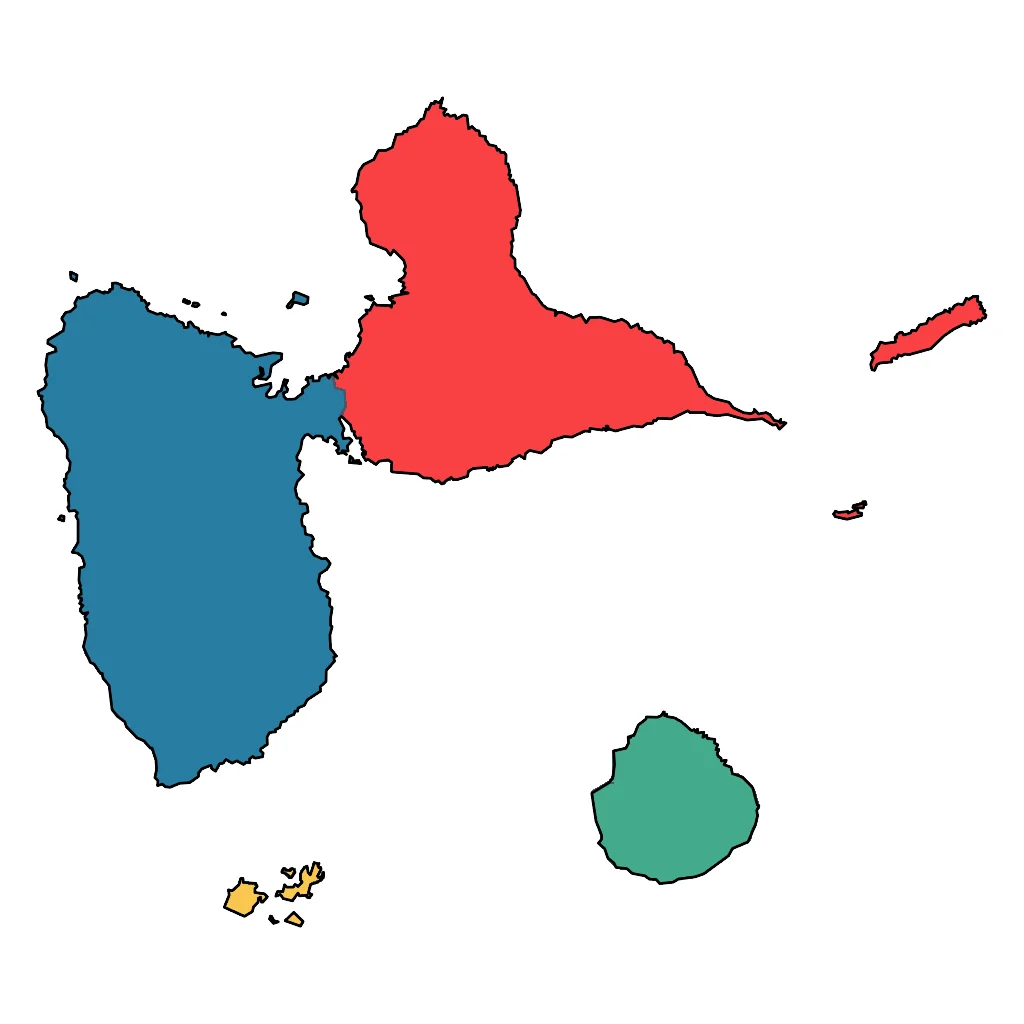
Grande-Terre, the eastern wing of the butterfly, is flat and limestone-based. Here, families will find calm, protected beaches like Plage de Sainte-Anne and Plage du Bourg in Sainte-Anne. The water remains shallow for a long distance, allowing young children to swim safely. The Aquarium de la Guadeloupe in Le Gosier is a worthwhile stop, featuring local marine life and interactive touch pools that engage younger travelers.
Crossing to the western wing, Basse-Terre introduces a dramatic change in landscape with its active volcano, La Soufrière, and dense rainforests. The Route de la Traversée is a well-maintained road cutting through the jungle, offering easy access to nature. A highlight for families is the Cascade aux Ecrevisses, a waterfall located just a short walk from the parking area on a paved path, making it accessible even for those with strollers. Nearby, the Zoo de Guadeloupe at the Parc des Mamelles allows kids to observe jaguars and monkeys, with suspended canopy bridges providing a bird's-eye view of the forest.
Marine exploration is accessible to all ages at the Réserve Cousteau near Bouillante. Families do not need to be expert divers to enjoy the underwater world here; glass-bottom boats run frequent tours to the Pigeon Islands, where children can spot sea turtles and coral formations without getting wet. For a break from the water, the Deshaies Botanical Garden offers a former coluche estate where kids can feed nectar to colourful lorikeets.
Dining in Guadeloupe is an easy adjustment for children. Bakeries selling fresh croissants and baguettes are found in almost every village, providing familiar snacks. For a local treat, look for women turning hand-cranked wooden buckets at the beach selling sorbet coco (coconut sorbet), a distinct favorite among local and visiting children alike. Renting a car is essential for exploring the islands at your own pace, and while French is the official language, many tourism operators speak English.

Explore Regions
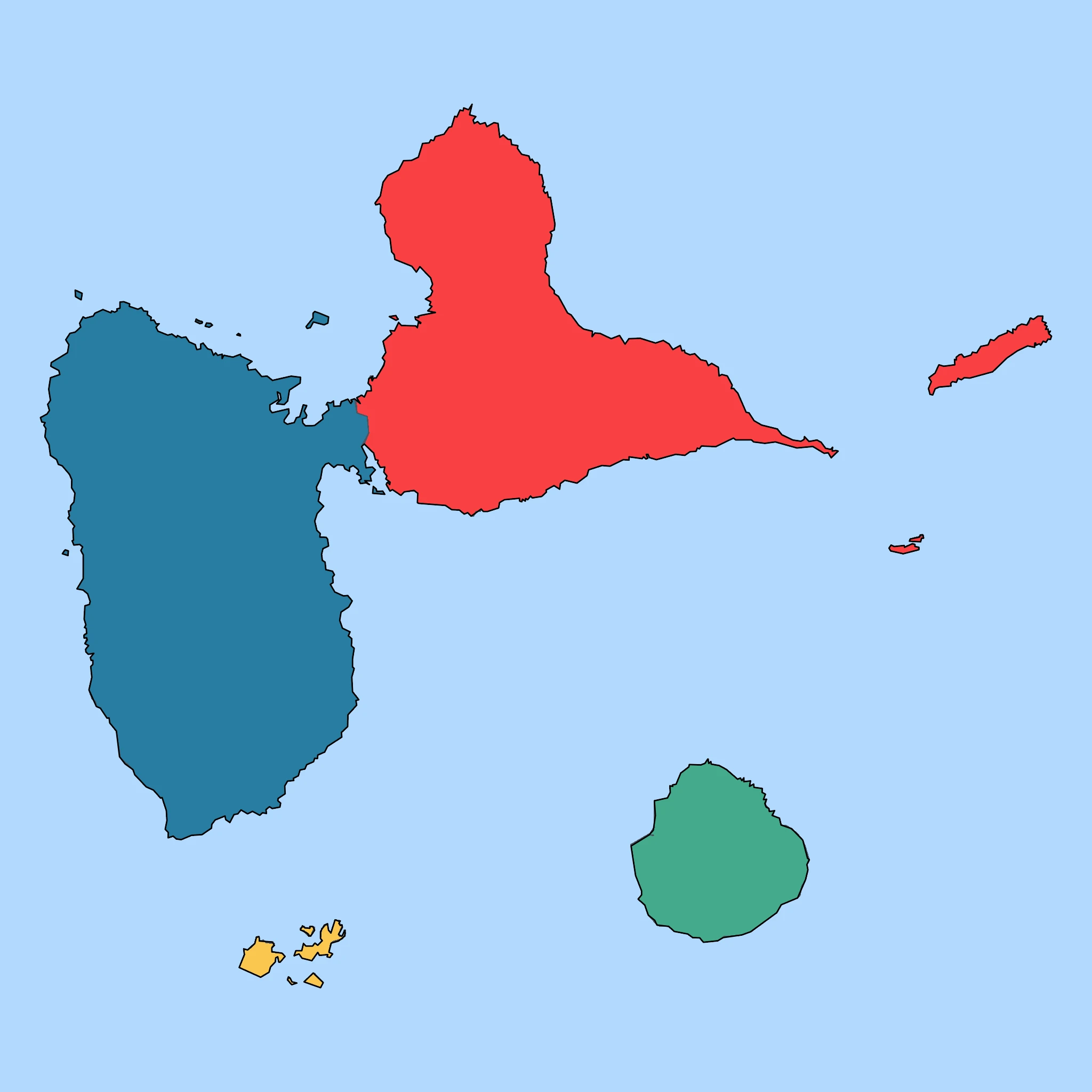
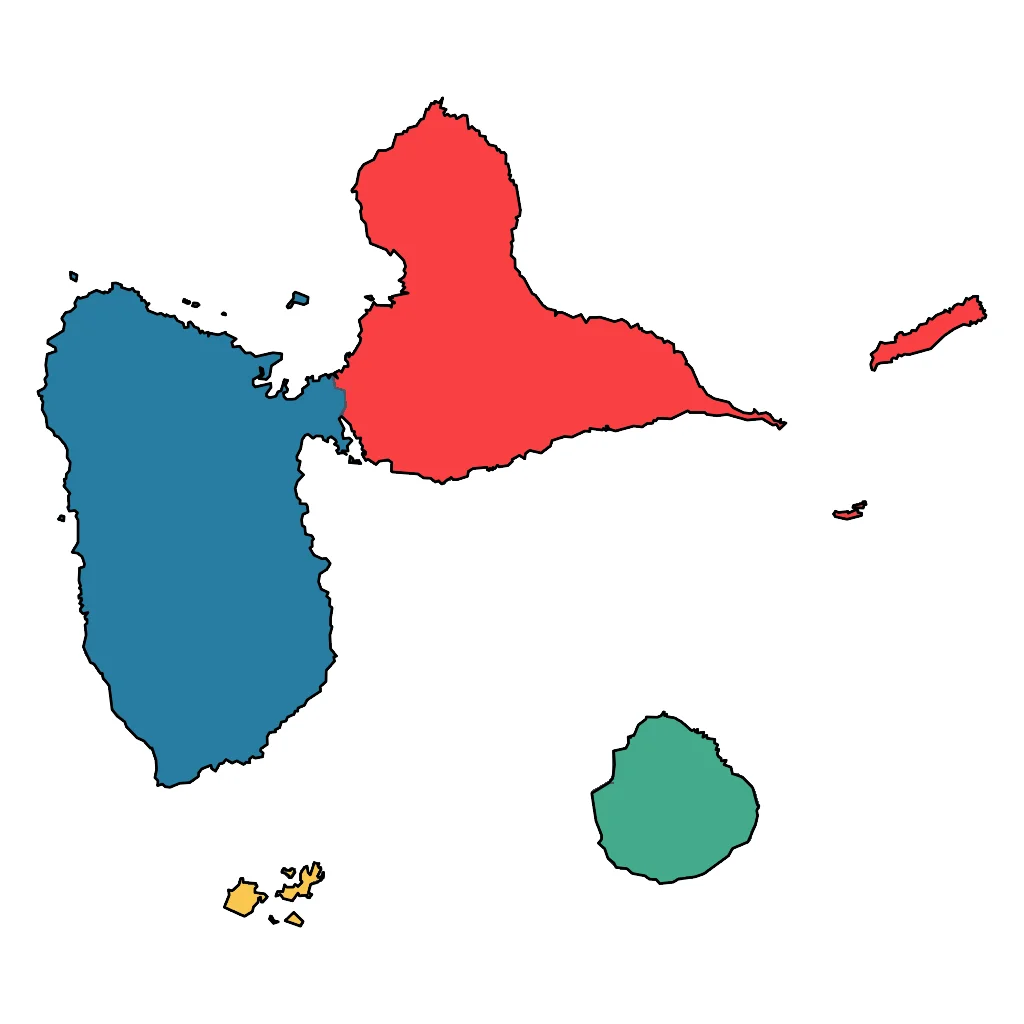
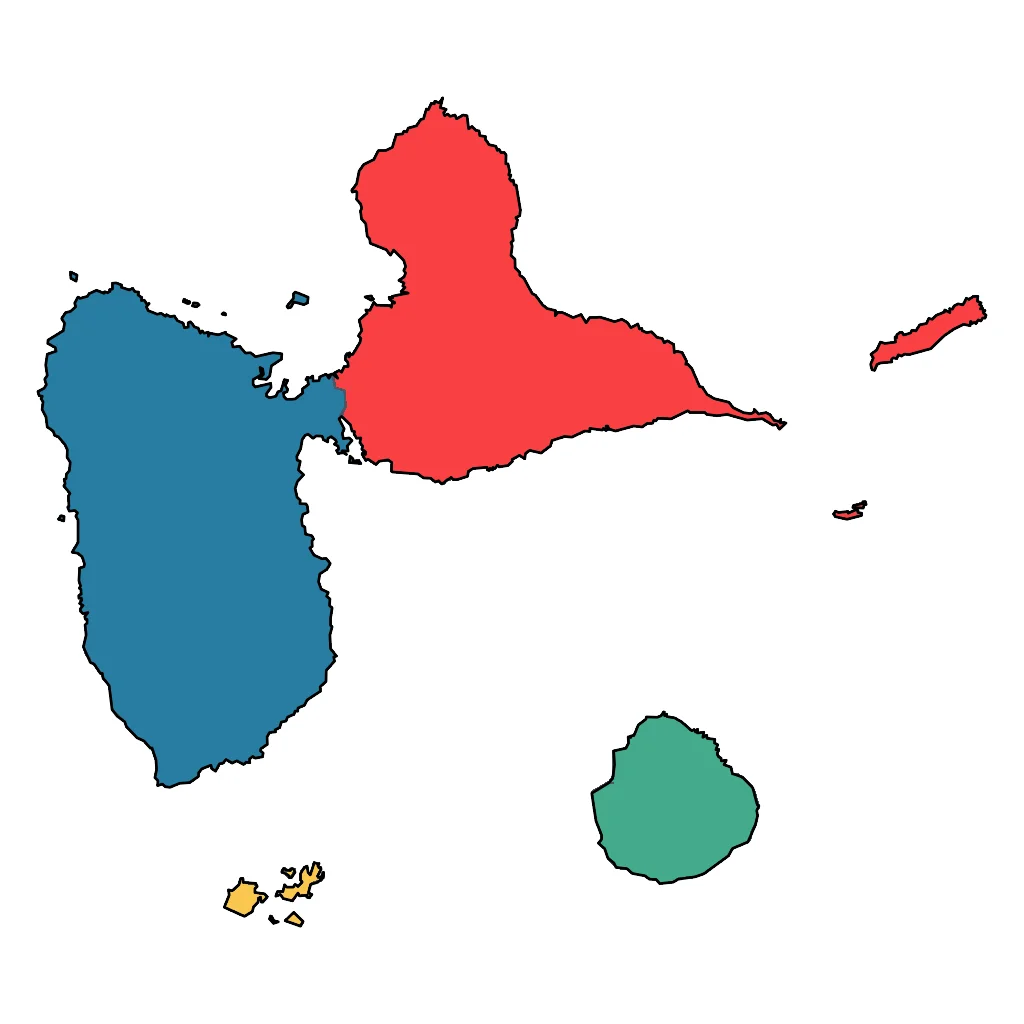
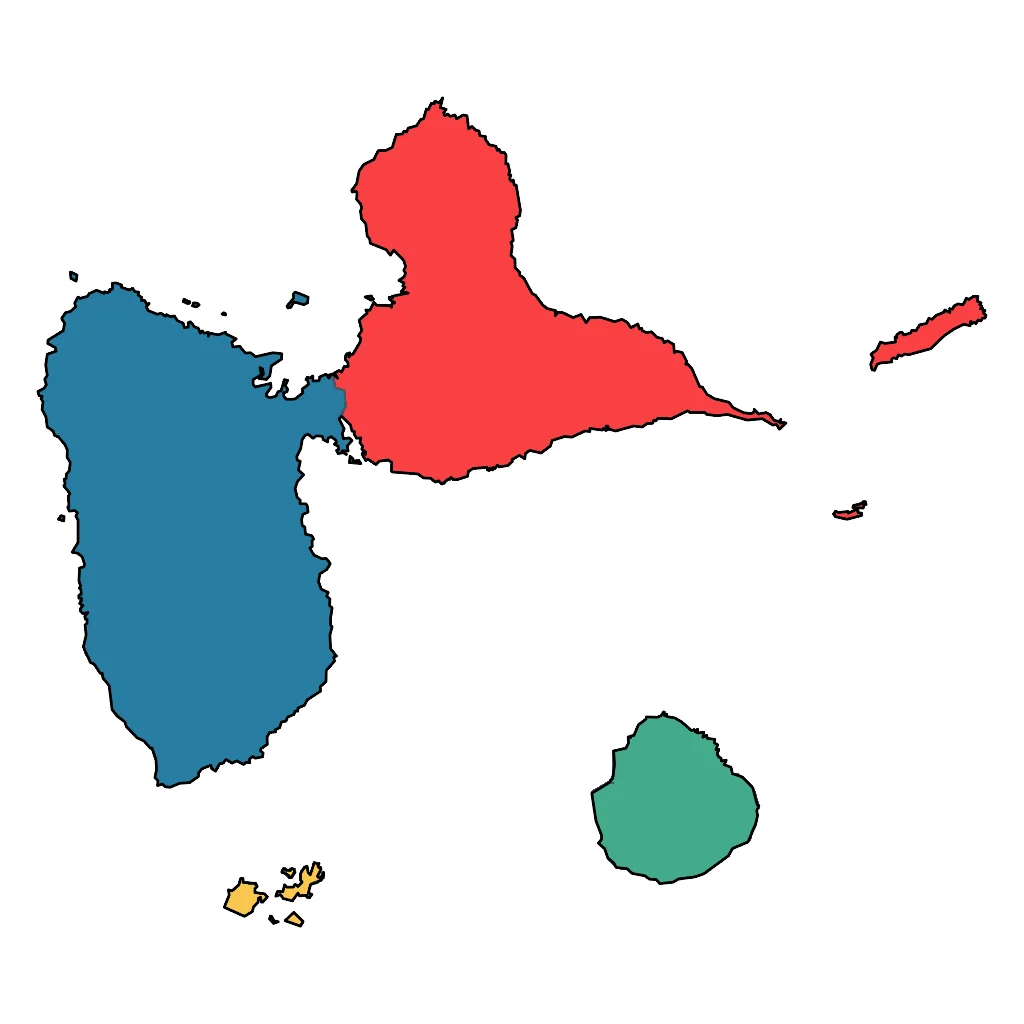
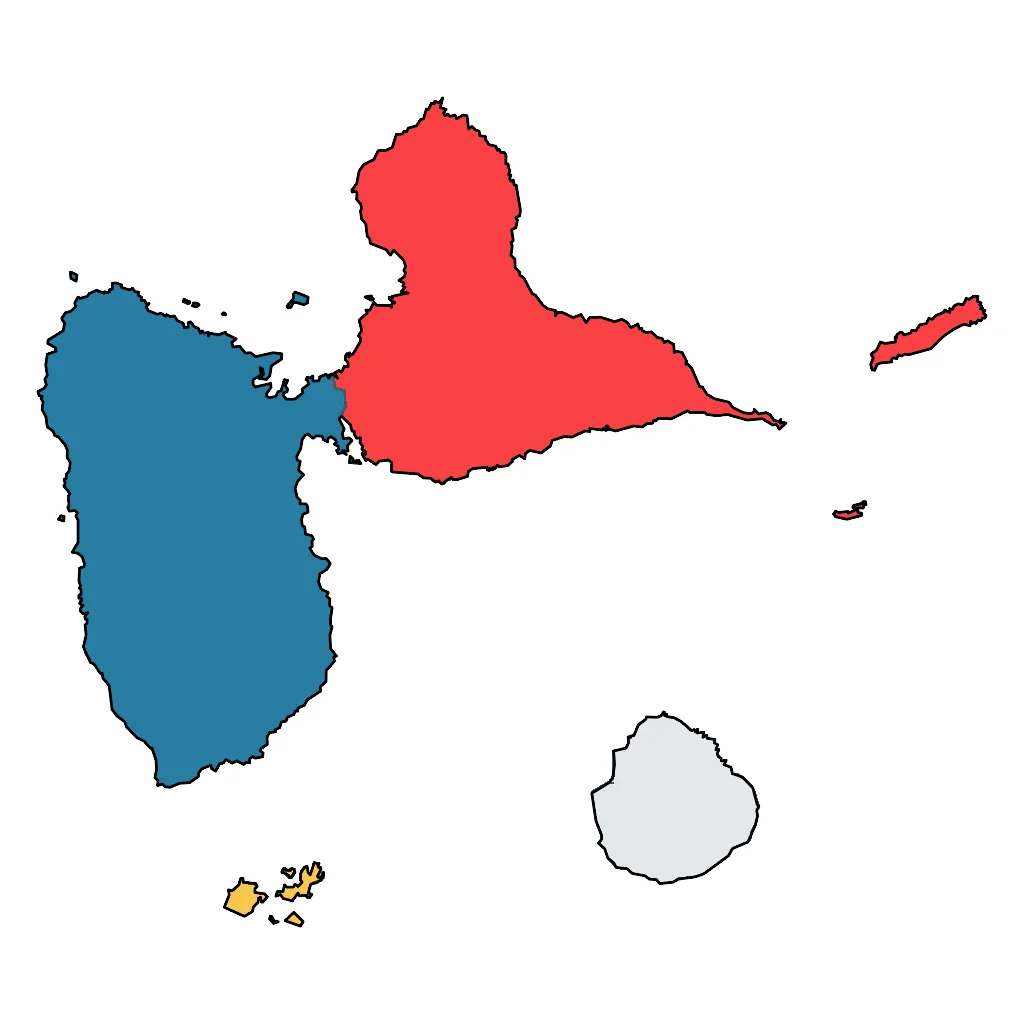
4 Regions
Basse-Terre
Volcanic peaks and emerald rainforest adventures 🌋🌿
Grande-Terre
Turquoise lagoons and white sand beaches 🏖️🐠
Les Saintes
A picture-perfect bay with island charm ⛵🏰
Marie-Galante
Rural tranquility and historic windmills 🌬️🐢
Click on a region marker to explore details. Use the dropdown to color regions by activity suitability.

Activities & Best Times

Adventure & Nature
ExcellentHiking, wildlife, outdoor exploration, ecotourism
A world-class destination for volcanic exploration and rainforest trekking, featuring the majestic La Soufrière and hidden waterfalls. The dry winter season (Jan-Mar) provides safe, clear trail conditions, whereas the wet season poses significant hazards due to mud and tropical storms.
Offers pristine volcanic landscapes and marine reserves perfect for hiking to panoramic viewpoints like Le Chameau. Peak dry months provide the best trail stability and visibility; the off-season sees excessive humidity and rainfall exceeding 170mm, which degrades the hiking experience.
Provides authentic coastal hiking and exploration of unique geological formations like Gueule Grand Gouffre. Nature exploration is optimal when trails are dry (Feb-Mar), while excessive rainfall from July to November creates muddy conditions and limits access to remote coastal areas.
Beach & Sea
ExcellentBeach resorts, marine activities: diving, snorkelling, kite surfing, wind surfing, sailing
Home to the Baie des Saintes, recognized as one of the world's most beautiful bays, offering exceptional snorkeling and sailing in an authentic, upscale setting. Peak months feature the lowest rainfall (<70mm) and perfect water visibility; off-season coincides with peak hurricane risk and heavy tropical downpours.
Features pristine, uncrowded beaches like Anse de la Feuillère with authentic Caribbean charm and high sea visibility. Peak months offer the driest conditions (sub-100mm) and optimal water clarity, while high rainfall (>150mm) from May to December significantly impacts beach suitability.
Pristine white sand lagoons and world-class surfing hubs like Le Moule offer a sophisticated beach experience. Peak dry months (Feb-Mar) provide the best sea visibility, while the Aug-Nov hurricane season brings heavy rain and rougher conditions.

Festivals & Seasonal
Very GoodEvents, celebrations, seasonal attractions
Home to the world-renowned 'Terre de Blues' festival in May and the traditional rum harvest season early in the year. The peak season aligns with these authentic cultural milestones, whereas the late summer and autumn months lack major events due to inclement tropical weather.
The island hosts one of the Caribbean's most authentic and visually stunning Carnival celebrations, peaking in January and February. Other months offer local cultural events but lack the massive international scale of the Carnival season.
The Fête des Saintes in mid-August is a major authentic cultural celebration featuring boat races and traditional music. While August is a peak for the festival itself, the dry winter months offer a more consistent schedule of local cultural events and a vibrant seasonal atmosphere.

Relaxation & Wellness
Very GoodSpa retreats, wellness centers, peaceful getaways
A sanctuary of 'slow tourism' where the lack of commercialization and the gentle pace of ox-drawn carts provide an elite level of mental relaxation. The dry winter months offer low humidity and pleasant temperatures, while the intense humidity and heavy rains of the hurricane season (July-Nov) detract from the peaceful atmosphere.
A blend of European spa standards and Caribbean serenity, particularly around Saint-François and Sainte-Anne. The lower humidity and pleasant breezes of Feb-Mar are ideal for outdoor wellness, whereas the autumn months are often too humid for comfort.
The archipelago's quiet, car-free atmosphere provides a sophisticated sense of isolation and tranquility for families. Peak months offer comfortable humidity levels for outdoor relaxation; the off-season's heavy precipitation and high humidity are less conducive to a peaceful wellness retreat.

Sports & Active
Very GoodSport tourism, fitness activities, active recreation
A world-class destination for sailing and windsurfing due to consistent trade winds and protected turquoise waters. Optimal conditions occur during the drier winter months; high rainfall and storm potential from July to November make active water sports unpredictable and less safe.
World-class conditions for sailing, kitesurfing, and golf with facilities meeting high international standards. The trade wind season (Dec-Apr) provides consistent conditions for water sports; the late summer off-season faces significant storm risks.
Exceptional terrain for canyoning, sailing, and technical diving in protected waters. Drier months provide the most stable weather for active pursuits, whereas the peak hurricane season (Aug-Nov) brings dangerous sea conditions and torrential rains.

City & Cultural
GoodUrban tourism, museums, historical sites, architecture
Terre-de-Haut features charming, red-roofed architecture and the historic Fort Napoléon, reflecting a unique French-Caribbean heritage. Best explored during the cooler, drier months of February and March; the intense rain and heat of the late summer months can make outdoor cultural exploration uncomfortable.
Offers a rare, authentic glimpse into a traditional Caribbean lifestyle with ox-drawn carts and a 'step back in time' atmosphere. Visitors can experience genuine local hospitality and rum culture best during the cooler, drier months which also coincide with the vibrant Carnival season.
Home to the internationally significant Memorial ACTe museum and a sophisticated blend of French and Creole culture. The drier, cooler months of early year are best for exploring urban architecture and markets without intense tropical downpours.

Educational & Exploratory
GoodLearning experiences, scientific sites, historical education
Fort Napoléon provides high-quality historical exhibits and a botanical garden focusing on regional maritime history and ecology. These outdoor-centric educational sites are best visited in the dry season to ensure full access to the grounds and guided tours.
Offers a unique historical perspective on the sugar industry through its iconic windmills and world-class rum distilleries. Educational value is highest during the harvest (Feb-Apr) when facilities are fully active and weather permits outdoor exploration of historical ruins.
Offers profound historical insights through UNESCO-linked slave trade sites and colonial maritime history. Best visited when weather permits comfortable outdoor site visits (Feb-Mar) to the island's many historic sugar-mill ruins.

Road Trips & Scenic
GoodScenic drives, countryside tours, route-based travel
Well-maintained, French-standard roads offer scenic loops around the island's northern cliffs and southern resorts. Peak visibility and dry conditions occur in Feb-Mar, while heavy tropical rains in late summer can impede safety and scenic views.
The scenic Route de la Traversée and coastal loops offer dramatic vistas of the Caribbean Sea and jungle-clad peaks. Travel is most rewarding in the dry season when visibility is highest and road conditions are safest from landslides.
While traditional cars are prohibited, touring the scenic island in an electric golf cart is a signature, charming family experience. This open-air exploration is best enjoyed during the sunny dry season to avoid getting caught in the heavy tropical rains of the off-season.
Theme Park & Entertainment
MarginalAmusement parks, family entertainment venues
Airports & Flight Routes
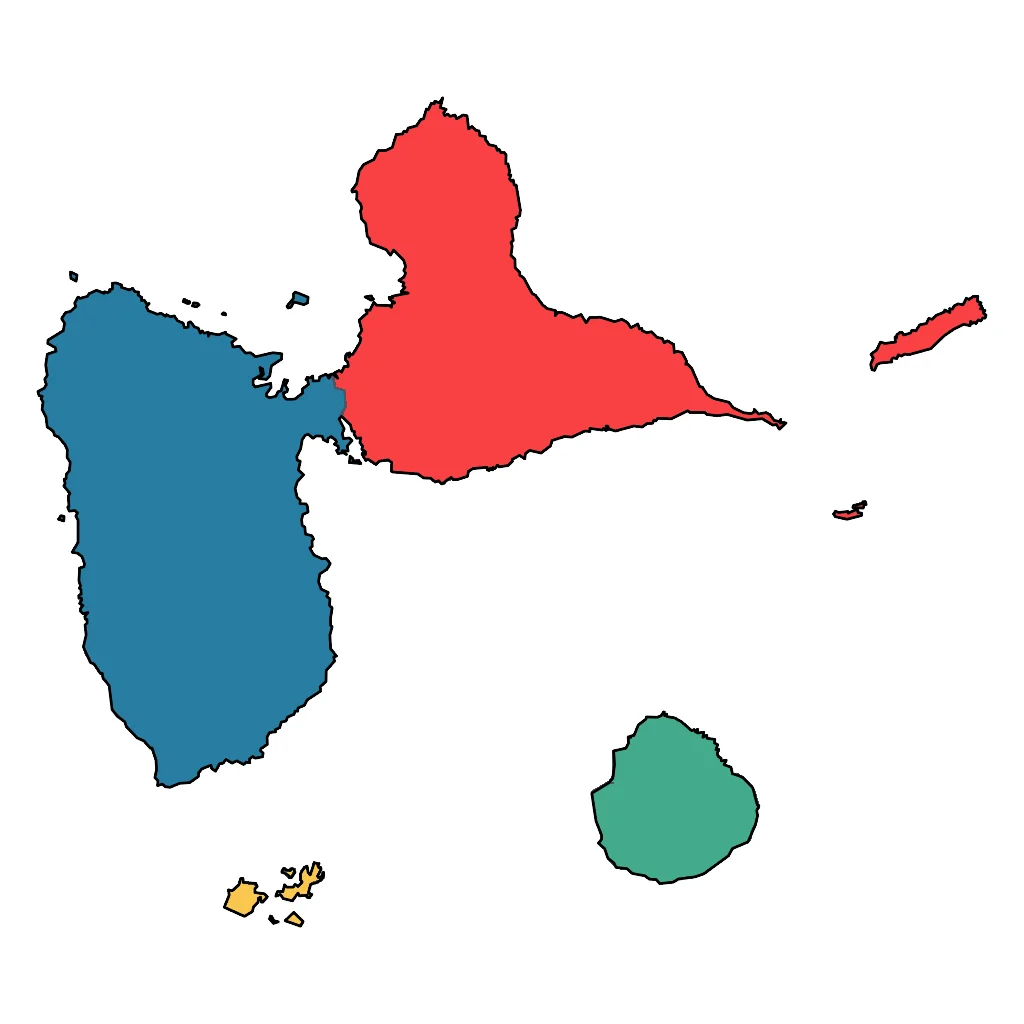
Toggle options to view domestic routes and international airports. Click an airport for details.
Climate & Weather
Basse-Terre
Show Details
| Month | Temp °C | Rain | Humidity |
|---|
Grande-Terre
Show Details
| Month | Temp °C | Rain | Humidity |
|---|
Les Saintes
Show Details
| Month | Temp °C | Rain | Humidity |
|---|
Marie-Galante
Show Details
| Month | Temp °C | Rain | Humidity |
|---|

Travel Advisory
The majority of international agencies consider Guadeloupe a safe destination where standard personal safety awareness is sufficient.
Safety Topics
Traveller Advice (3 groups)

Avoid walking alone in deserted areas or unlit beaches after dark to minimize the risk of harassment or petty crime.

Hiking on the La Soufrière volcano requires checking local prefecture alerts for closures. Ensure travel insurance specifically covers emergency medical evacuation by air for remote activities.

French laws regarding same-sex relationships apply, and social tolerance is generally high in resort areas, though standard discretion is advised in more traditional rural communities.