Malabo (Bioko Island)
Volcanic peaks and Spanish colonial charm 🌋🐢
Important Travel Context: Bioko Island is generally calmer than the mainland, but strict rules regarding photography of official buildings apply. Families planning to travel outside Malabo and the immediate Sipopo area may require travel permits; it is advisable to check current regulations with your hotel or a local guide upon arrival.
Malabo, situated on the northern rim of Bioko Island, is a capital city with a unique atmosphere that blends Spanish colonial history with tropical island life. The pace here is slower than on the mainland, making it more approachable for families. A walk through the historic center reveals well-preserved colonial buildings and the peach-colored Cathedral of Santa Isabel, which sits majestically by the waterfront. For a relaxed afternoon, the Parque Nacional de Malabo is a modern, manicured city park featuring local art sculptures, wide walking paths, and playgrounds where children can play safely away from traffic.
The geography of Bioko is defined by its volcanic origins. Looming over the city is Pico Basile; on clear days, families can drive partway up the mountain for spectacular views stretching all the way to Mount Cameroon on the African mainland. The island's vegetation is lush and verdant, home to distinct primate species found nowhere else. A highlight for nature-loving families is a trip to Arena Blanca during the dry season. This is the island's only white-sand beach and is famous for the clouds of butterflies that congregate there, creating a magical experience for young children.
For more adventurous families, the southern part of the island offers wilder beauty. The village of Ureka acts as a gateway to pristine black-sand beaches and waterfalls. During the nesting season, this area becomes a sanctuary for sea turtles coming ashore to lay their eggs—a profound natural history lesson for kids. Nearby, the town of Luba offers a glimpse into the island's deep-water port history. Accommodation in Malabo ranges from historic hotels in the city center to the luxury resorts in Sipopo, which offer pools and international amenities that ensure a comfortable stay for families adjusting to the equatorial climate.
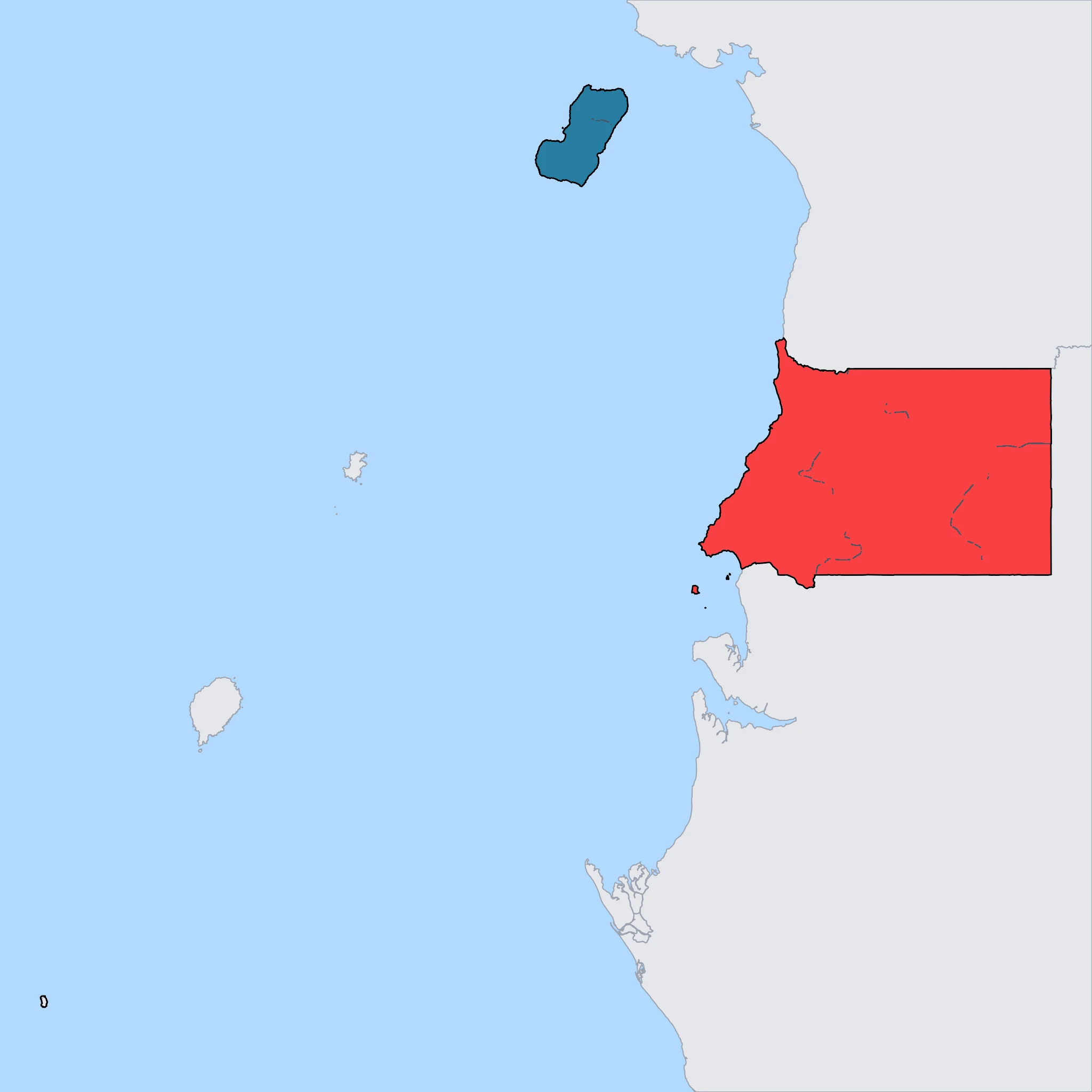
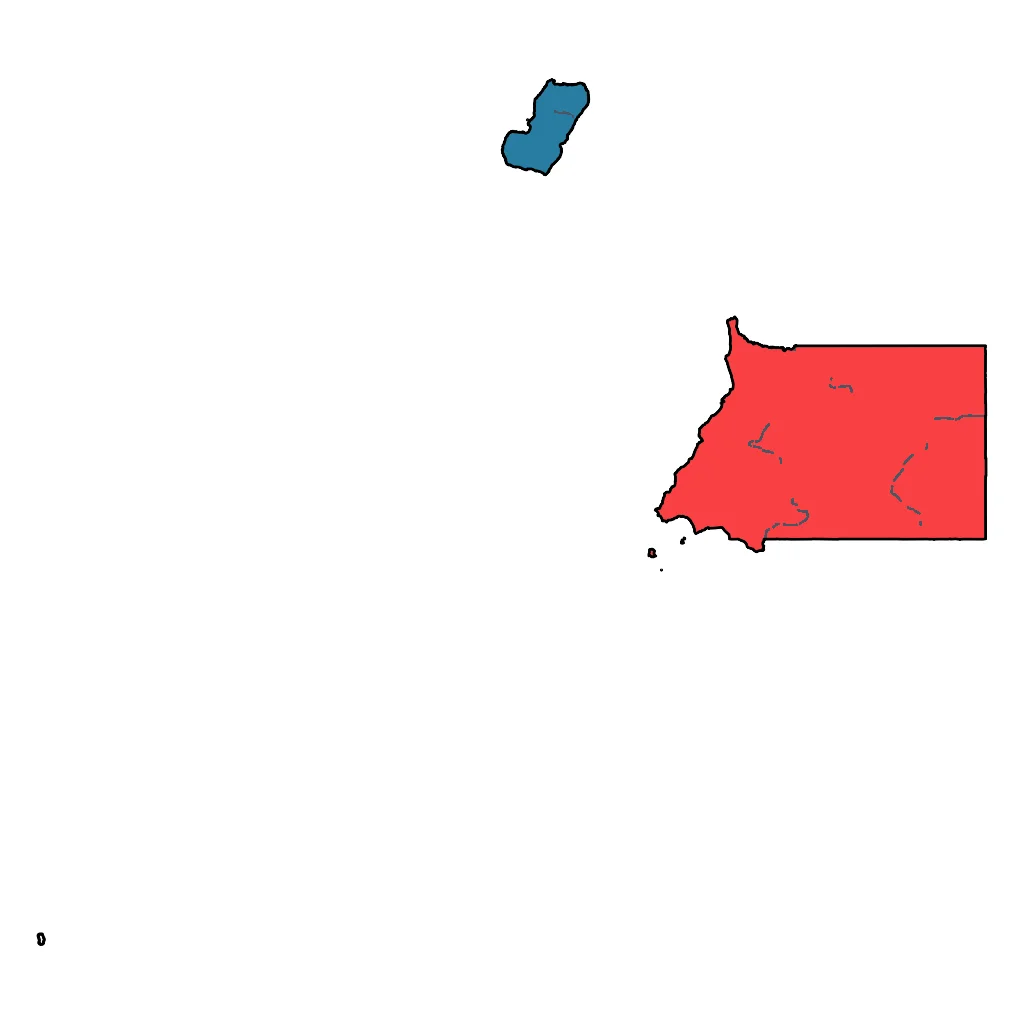
Click a region to explore

Activities & Best Times

Hiking, wildlife, outdoor exploration, ecotourism
No attraction evidence in database. Bioko has genuine biodiversity significance (drill primates, sea turtles, Pico Basile), but organized eco-tourism is virtually non-existent. Access is difficult and expensive. 'Good' reflects real natural assets with poor practical accessibility.

Beach resorts, marine activities: diving, snorkelling, kite surfing, wind surfing, sailing
No attraction evidence in database. Black sand beaches in Luba are a curiosity rather than a beach holiday destination. No beach resorts, no watersports infrastructure, limited coastal access. Sea turtle nesting is notable but seasonal and not organized for tourists.

Urban tourism, museums, historical sites, architecture
No attraction evidence in database. Malabo has some Spanish colonial architecture and a cathedral, but lacks museums, galleries, organized tours, or cultural programming. The cultural offering is thin compared to any city rated 'good' internationally.

Learning experiences, scientific sites, historical education
No attraction evidence in database. While Bioko's ecology is scientifically interesting, there are no visitor-accessible research programs, no educational tourism operators, and no family-oriented educational infrastructure.

Spa retreats, wellness centers, peaceful getaways
Bioko offers a tranquil, uncommercialized escape for well-travelled families seeking peace in a lush, natural environment. However, the lack of world-class spa infrastructure and the oppressive humidity of the wet season (May-Oct) limit its appeal compared to established wellness destinations.

Scenic drives, countryside tours, route-based travel
While the island is small, the drive from Malabo to Luba offers spectacular views of the volcanic coastline and dense rainforest. Clear conditions in the dry season (Dec-Feb) provide the best visibility, but heavy rains and mist make driving difficult and obscure the dramatic landscapes for much of the year.

Attractions (31 total)
Beach / Coastal Recreation Area
Arena Blanca Beach
Luba
The only white sand beach on Bioko Island, this family-friendly spot is ideal for swimming and is famous for seasonal butterfly migrations.
Ureka Waterfalls and Beaches
Ureka
A stunning natural area where tropical waterfalls flow directly onto volcanic black sand beaches, popular for sea turtle spotting and coastal hikes.
Paseo Marítimo
Malabo
A modern and safe coastal promenade that offers wide walking paths, scenic views of the Gulf of Guinea, and a relaxed environment for families.
Road Trips & Scenic Drives
Bioko Island Southern Circuit
Malabo
A 160km high-quality paved loop (4-6 hours) circling the southern half of Bioko Island. The route follows the modern highway system from Malabo through Luba, the Moka Highlands, and Riaba. Key highlights include the white sands of Arena Blanca, the Iladyi Waterfalls, the volcanic crater of Moka, and coastal views of the Gulf of Guinea.
Visit website →Pico Basile Summit Road
Malabo
A 30km paved mountain ascent (1-1.5 hours) from the capital of Malabo to the peak of Pico Basile at 3,011 meters. The road is well-maintained but steep, transitioning from urban outskirts into dense cloud forests. Highlights include spectacular panoramic views of Malabo, the ocean, and Mount Cameroon across the water on clear days.
Visit website →Hiking & Cycling Routes
Cascadas de Iladyi (Ureka Waterfalls) Trail
Ureka
12km moderate day hike through dense tropical rainforest. Typically takes 5-6 hours with approximately 450m elevation gain. Leads to the spectacular Iladyi waterfalls and involves river crossings. Essential to visit during the dry season (December to February).
Visit website →Pico Basile Summit Trail
Malabo
28km challenging out-and-back trek reaching the highest point of Bioko Island at 3,011m. Typically takes 8-10 hours with approximately 2,800m elevation gain. The trail traverses volcanic terrain and cloud forest. Local guides are highly recommended and can be arranged in Malabo.
Visit website →Malabo to Pico Basile Cycling Climb
Malabo
30km expert-level road cycling ascent on a paved mountain road. The route features a continuous climb with an average gradient of 9% and maximums reaching 15%, gaining over 2,500m. Equipment rental is limited; most riders bring their own gear or coordinate with local sports clubs in Malabo.
Ureka to Moaba Beach Coastal Route
Ureka
15km moderate coastal hike along the southern shore of Bioko. Typically takes 6 hours with 300m elevation gain. Famous for sightings of sea turtles during nesting season and pristine black sand beaches. The path follows the coastline past volcanic rock formations and river estuaries.
Visit website →Historic Town / Village / Cultural Area
Catedral de Santa Isabel
Malabo
This stunning Gothic Revival cathedral is the most iconic building in the country, featuring a beautiful apricot-colored facade and 40-meter tall twin spires.
Centro Cultural de España en Malabo (CCEM)
Malabo
A vibrant cultural hub that hosts art exhibitions, workshops, and performances, fostering the unique blend of Spanish and Equatoguinean heritage.
Visit website →Plaza de la Independencia
Malabo
The historic heart of the city, this grand square is surrounded by Spanish colonial-era government buildings and serves as a primary gathering point for cultural events.
Village of Ureka
Ureka
A remote and traditional coastal village known for its scenic river waterfalls and as a critical site for seasonal sea turtle nesting.
Landmark / Monument / Iconic Urban Attraction
Malabo National Park
Malabo
A sprawling urban green space featuring modern art sculptures, walking trails, and a peaceful lake, ideal for family strolls.
Pico Basile
Malabo
The highest peak on Bioko Island, providing breathtaking panoramic views of the island and the Gulf of Guinea from its summit.
Santa Isabel Cathedral
Malabo
A stunning Spanish-Gothic cathedral known for its apricot-hued stone and intricate twin spires that dominate the city's skyline.
La Casa Verde
Malabo
A beautifully restored 19th-century colonial building that serves as a landmark of the city's architectural heritage.
Arena Blanca
Luba
The island's only white sand beach, famous for its seasonal butterfly migrations and clear, calm waters for swimming.
Cascades of Iladyi
Ureka
Magnificent waterfalls located in the southern part of the island where fresh water plunges over volcanic cliffs into the jungle.
Art Gallery / Fine Art Museum
National Museum of Equatorial Guinea
Malabo
Housed in a beautifully restored former colonial palace, this museum showcases a premier collection of traditional Bubi and Fang masks and tribal artifacts.
Spanish Cultural Center in Malabo
Malabo
A premier cultural hub that hosts frequent rotating exhibitions of contemporary fine art, photography, and local Equatorial Guinean visual works.
Visit website →Museum of Modern Art of Equatorial Guinea
Malabo
Located in the modern Malabo II district, this architectural landmark features a vast collection of contemporary African sculptures and modern fine art.
Botanical Garden / Formal Gardens
Parque Nacional de Malabo
Malabo
A sprawling urban park that functions as a botanical garden with themed green spaces, a central lake, and monuments representing the country's cultural diversity.
National Park / Nature Reserve
Pico Basile National Park
Malabo
A protected area encompassing Bioko Island's highest peak, offering breathtaking panoramic views and a paved road through diverse cloud forest ecosystems.
Luba Crater Scientific Reserve
Luba
A pristine ecological sanctuary in the south of the island, known for its massive volcanic caldera, primate diversity, and seasonal turtle-nesting beaches near Ureka.
Castle / Palace / Historic Site
Iglesia de San Carlos Lwanga de Batete
Batete
A historic and architectural masterpiece, this large wooden church was hand-built by Claretian missionaries in the early 20th century.
Museo Nacional de Guinea Ecuatorial
Malabo
A collection of traditional art and historical artifacts housed in a restored colonial-era mansion with beautiful gardens.
Natural Feature / Scenic Site
Lago Biao
Moka
A stunning volcanic crater lake located in the cool, misty highlands of Moka, offering a tranquil and scenic escape for hikers.
Farm Park / Petting Zoo / Rural Experience
Finca Sampaka
Malabo
A historic colonial-era cocoa plantation where families can tour the 19th-century estate, see the chocolate-making process, and visit the on-site artisanal shop.
Visit website →Ureka
Ureka
A remote and scenic coastal village that offers a traditional rural experience, famous for its jungle-fringed waterfalls and seasonal community-led turtle nesting tours.
Adventure Park / Outdoor Activity Center
Ureka (Iladyi Waterfalls & Coastal Trails)
Ureka
A remote coastal village serving as the primary hub for guided trekking to majestic waterfalls and seasonal turtle nesting beaches.