

Visiting South Georgia is not merely a holiday; it is a true expedition that immerses families in one of the most wildlife-rich environments on Earth. Often called the "Serengeti of the Southern Ocean," this mountainous island is accessible only by sea, typically via ice-strengthened cruise ships departing from South America or the Falkland Islands. For families with older children or teenagers interested in biology and history, it offers an educational experience that textbooks cannot match.
The primary draw is the staggering density of wildlife. At landing sites like Salisbury Plain and St Andrews Bay, families can stand safely on the perimeter of colonies containing over 100,000 pairs of King Penguins. The noise of the calling birds and the sight of fluffy brown chicks waiting for their parents is overwhelming in the best way. On the beaches, huge elephant seals doze in piles, while fur seals-which require a respectful distance-scurry along the rocky shorelines. Wandering Albatrosses, with the largest wingspan of any bird, nest in the grassy tussocks of Prion Island.
Beyond the animals, the island holds a fascinating human history. The settlement of Grytviken is a highlight for visitors. Here, families can explore the remarkably preserved remains of a whaling station, visit a small but excellent museum, and send a postcard from one of the world's most remote post offices. A short walk leads to the grave of the legendary explorer Sir Ernest Shackleton, offering a poignant lesson in resilience and leadership. The rusted storage tanks and grounded ships provide a stark contrast to the surrounding glaciers and snow-capped peaks.
Practical Considerations for Families: Travel to South Georgia requires distinct preparation. There are no hotels; your ship is your base. Landings are made via rigid inflatable boats (Zodiacs), often involving "wet landings" where you step into shallow water, so waterproof boots and trousers are essential. The weather is unpredictable, often windy and cold even during the summer season (November to March). While some ships welcome young children, many expedition operators have a minimum age requirement (often 8 or 12 years old) due to the remote nature of the location and the physical requirement of boarding small boats in choppy waters. However, for those who make the journey, it is a life-affirming adventure into the wild.

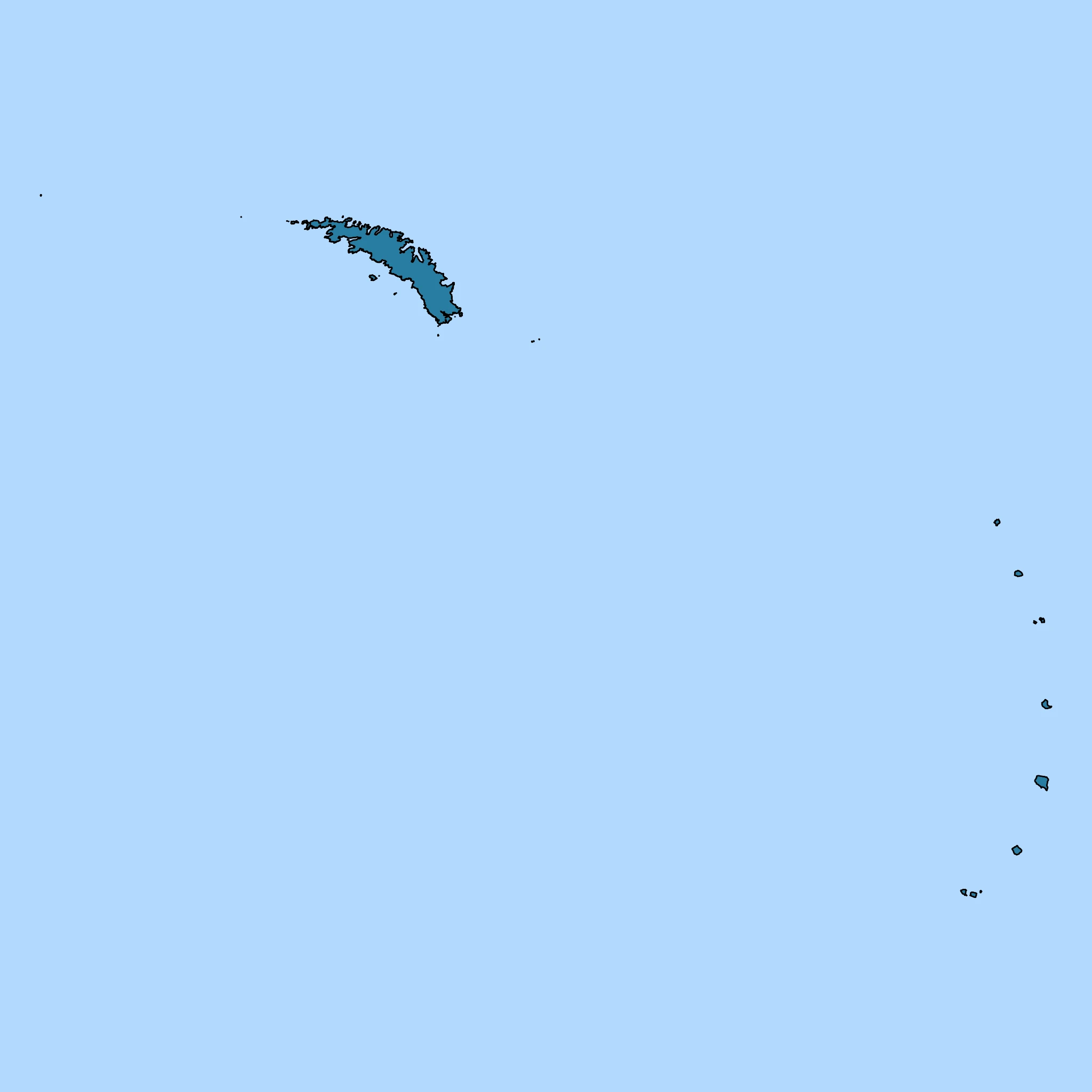
Map

Activities & Best Times

Adventure & Nature
ExcellentHiking, wildlife, outdoor exploration, ecotourism
A world-class destination for wildlife photography and polar exploration, featuring some of the largest king penguin colonies on Earth. Peak months (Dec-Feb) offer the best wildlife activity and slightly warmer temps; shoulder months are accessible but colder; the region is virtually inaccessible in winter due to ice and storms.

Educational & Exploratory
Very GoodLearning experiences, scientific sites, historical education
Offers profound historical and scientific education through the preservation of Grytviken and Sir Ernest Shackleton's legacy. Peak summer months provide the only reliable window for shore landings to visit museums and gravesites; off-season weather conditions prevent all educational tourism infrastructure from operating.

Sports & Active
MarginalSport tourism, fitness activities, active recreation
Provides elite-level expedition kayaking and polar mountaineering opportunities for highly experienced adventurers. Peak summer offers the only viable sea conditions and temperatures (max 4.2°C) for such activities; shoulder months are extremely challenging, and winter is prohibitively dangerous.

Attractions
16 attractions to explore. Click markers for details.

Airports & Flight Routes
Toggle options to view domestic routes and international airports. Click an airport for details.

Climate & Weather
Climate Overview
| Month | Temp (°C) | Rain (mm) | Humidity | Wind (m/s) |
|---|

Travel Advisory
Standard safety awareness applies; the primary risks are environmental and logistical rather than security-related.
Safety Topics
Traveller Advice (2 groups)

Ensure your expedition operator is a member of the International Association of Antarctica Tour Operators (IAATO) and carries comprehensive insurance covering search, rescue, and medical repatriation.

Respect the five-meter distance rule from all wildlife and follow the instructions of your expedition guides at all landing sites.