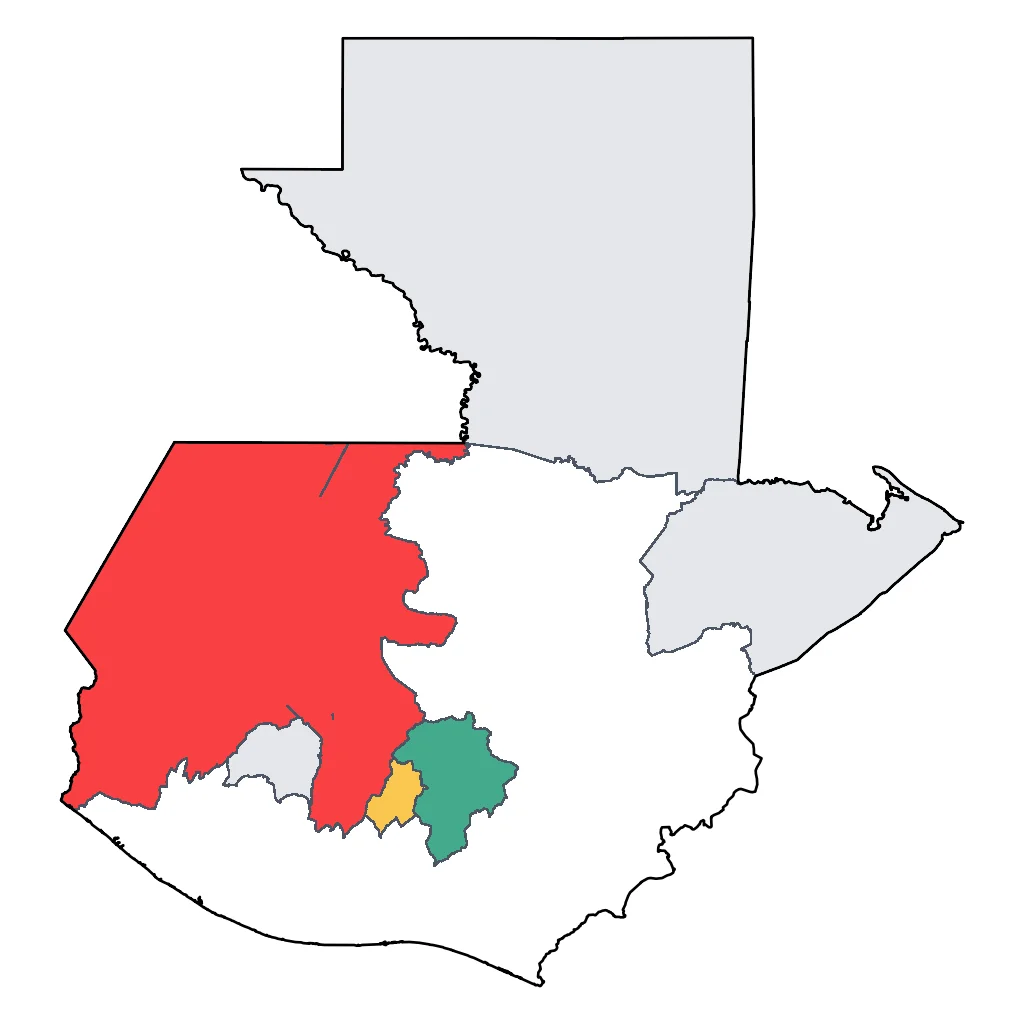
⚠️ SAFETY WARNING: Due to security concerns in remote areas and border zones, government agencies (including the USA, UK, and Canada) advise travelers to reconsider travel to parts of the Petén region. Risks are higher near the Mexican border due to illicit trafficking routes. However, major tourist sites like Tikal and the town of Flores are generally secure when visiting with reputable tour operators. Families are strongly urged to consult their own government's official travel advisory before considering a trip, as circumstances and risk assessments vary.
Tikal National Park is the crown jewel of Mayan archaeology and a UNESCO World Heritage site that captures the imagination of adults and children alike. Located deep within the Maya Biosphere Reserve, the park is home to massive limestone temples that pierce the jungle canopy. For families, Tikal is not just a history lesson; it is a wildlife safari. As you walk the trails between ruins, you are likely to see spider monkeys swinging overhead, coatimundis scavenging on the ground, and colorful toucans in the trees. The guttural roar of howler monkeys provides an atmospheric soundtrack that kids will never forget.
The scale of Tikal is immense. Temple IV, the tallest pre-Columbian structure in the Americas, allows visitors to climb wooden staircases to the top. The view from the summit—looking out over an endless sea of green rainforest with temple crests rising like islands—is famously featured in the original Star Wars movie, a fun fact that resonates with many young travelers. Because the site is vast and the heat can be intense, families should plan to arrive early in the morning, carry plenty of water, and perhaps focus on the Grand Plaza and Temple IV rather than trying to see everything.
Most travelers base themselves in Flores, a charming town located on a small island in Lake Petén Itzá, connected to the mainland by a causeway. Flores is safe, walkable, and filled with pastel-colored houses, restaurants, and shops. In the evenings, families can take sunset boat rides on the lake or swim off the docks. For a quieter ruin experience, the site of Yaxhá offers a beautiful setting on a lagoon and is often less crowded than Tikal, allowing for a more intimate exploration of the jungle. The region is hot and humid, so breathable clothing and bug spray are essential packing items.
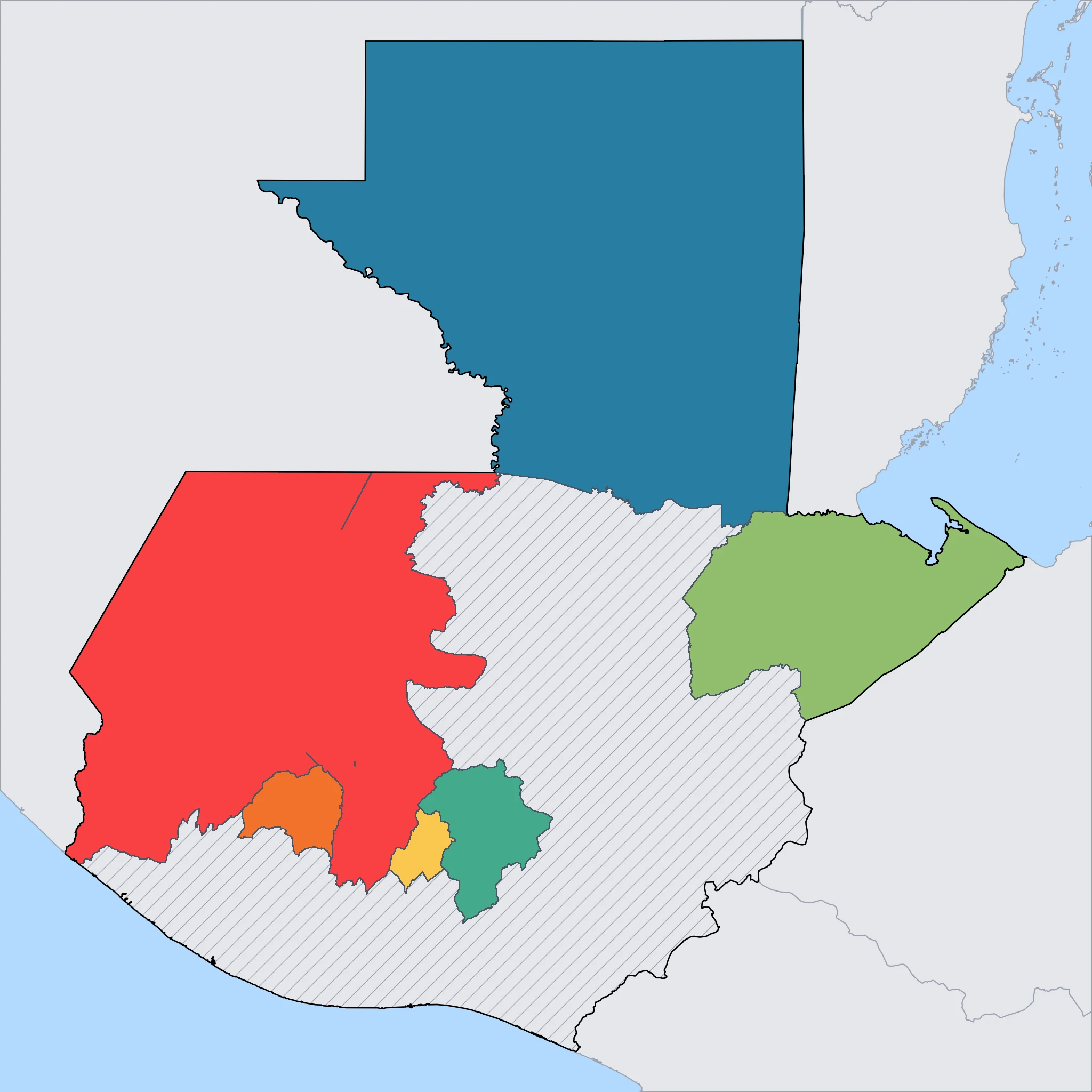
Click a region to explore

Activities & Best Times

Hiking, wildlife, outdoor exploration, ecotourism
Home to the Maya Biosphere Reserve, this region offers world-class wildlife viewing and jungle exploration in an authentic primary rainforest. Peak months offer dry trails and comfortable temperatures (23-26°C), while the intense rainfall from June to October makes jungle navigation difficult and muddy.
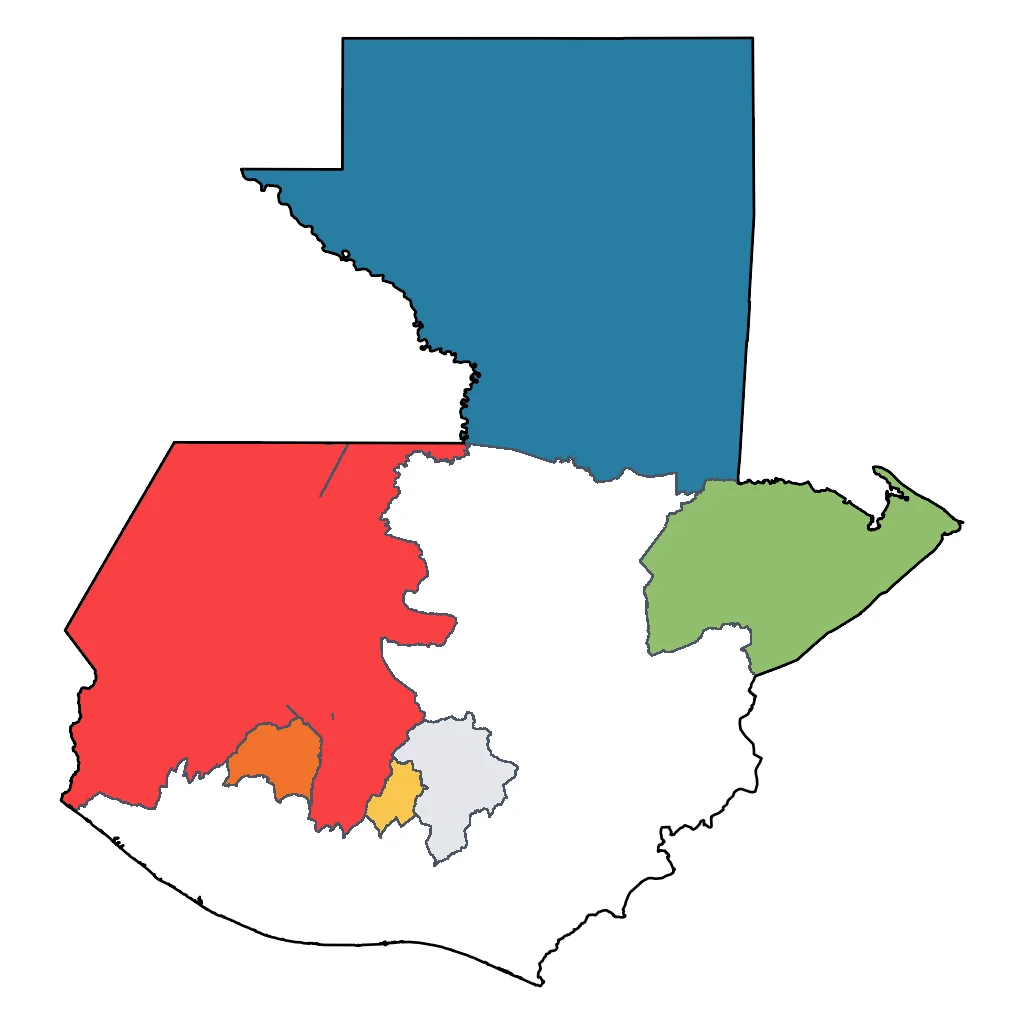

Learning experiences, scientific sites, historical education
Tikal is one of the world's most significant archaeological sites, offering unparalleled historical immersion for families interested in ancient civilizations and biodiversity. The dry season (Dec-Mar) provides the best conditions for extended outdoor learning; the monsoon season's high humidity and heavy rain hinder the exploratory experience.
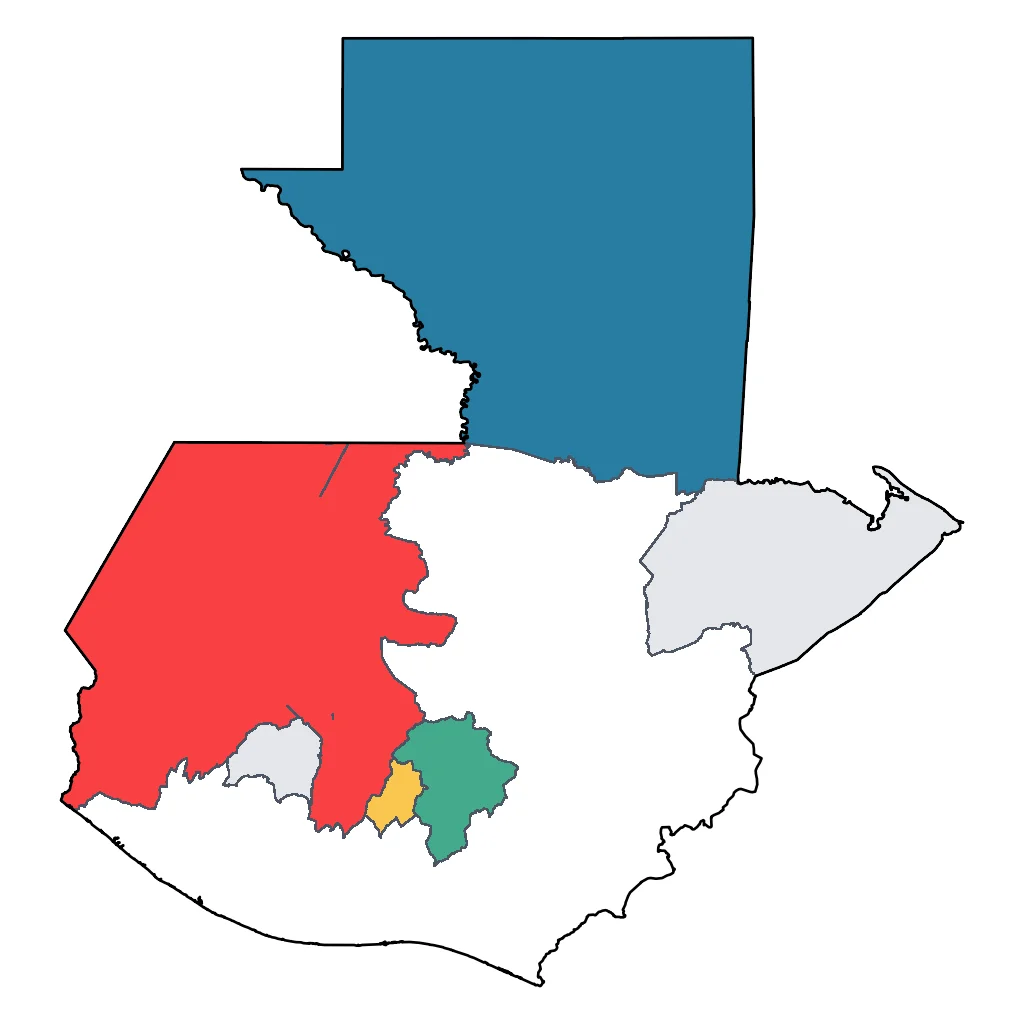

Urban tourism, museums, historical sites, architecture
While modern urban centers are limited, the UNESCO-listed ancient Maya cities and the colorful island town of Flores offer deep cultural resonance. These outdoor heritage sites are best visited during the cooler, drier months to avoid the oppressive heat and tropical downpours of the summer.
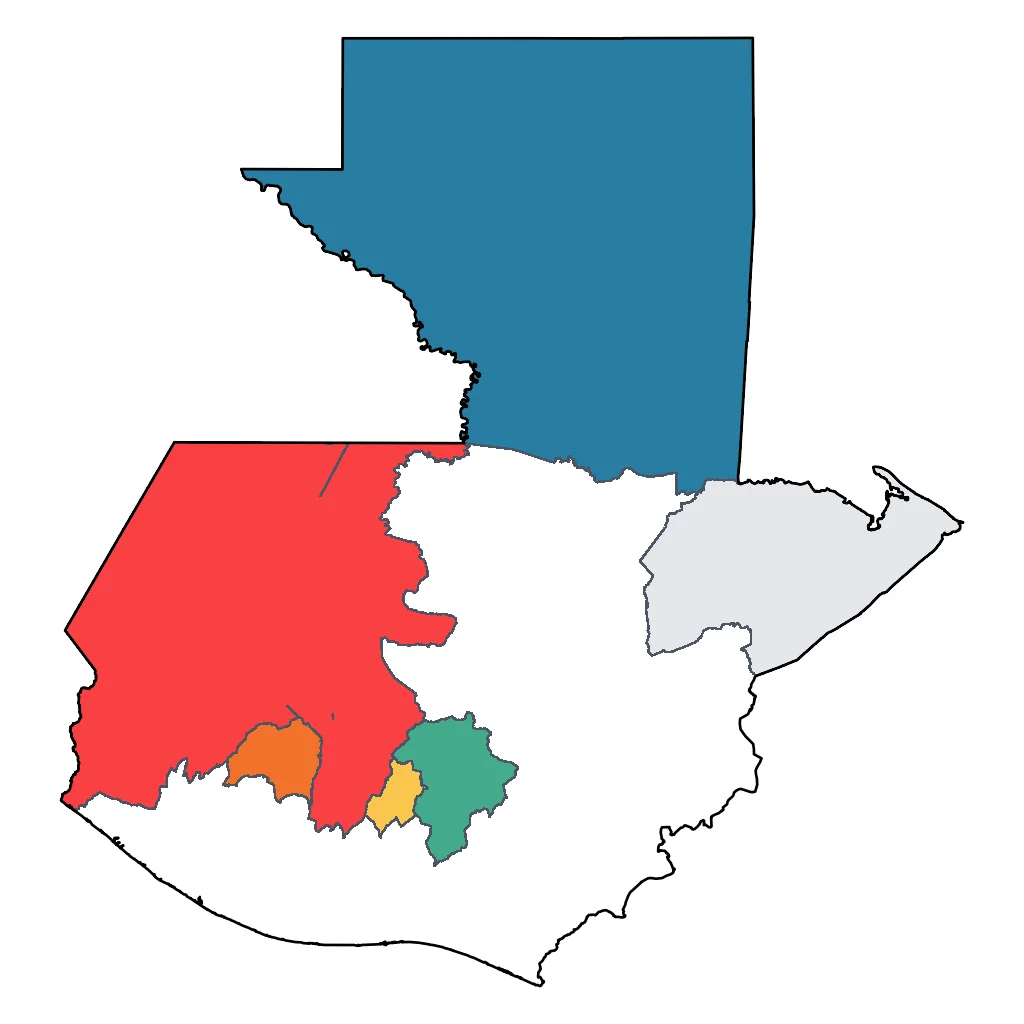

Spa retreats, wellness centers, peaceful getaways
High-end eco-lodges overlooking Lake Petén Itzá provide sophisticated, nature-focused wellness retreats utilizing traditional Maya practices. Peak season offers low humidity and clear skies; the off-season is characterized by extreme humidity and high insect activity, which can detract from the relaxation experience.
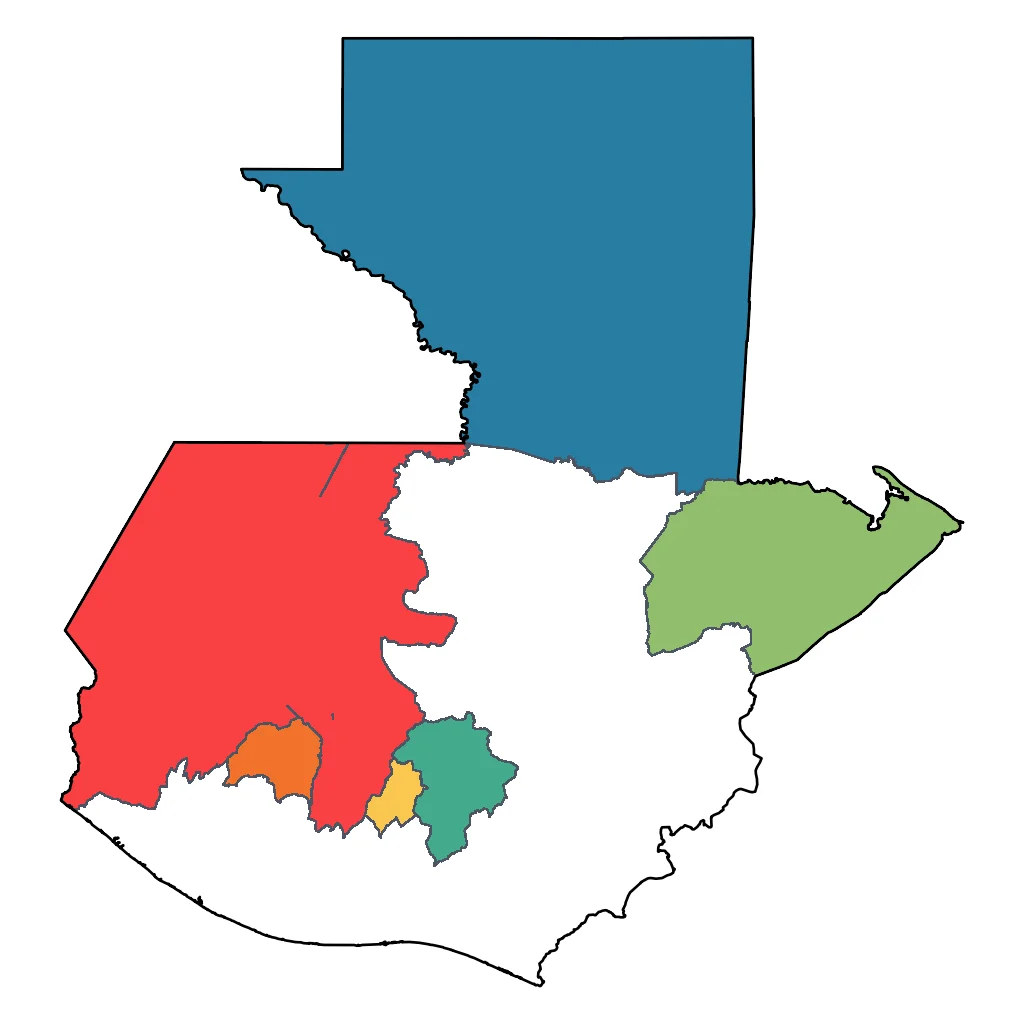

Sport tourism, fitness activities, active recreation
The region offers exceptional jungle trekking and lake-based kayaking, though the heat can be physically demanding. Dry months allow for peak performance and trail safety, whereas the peak rainfall months (Jun-Oct) see rainfall exceeding 200mm, making active pursuits hazardous.
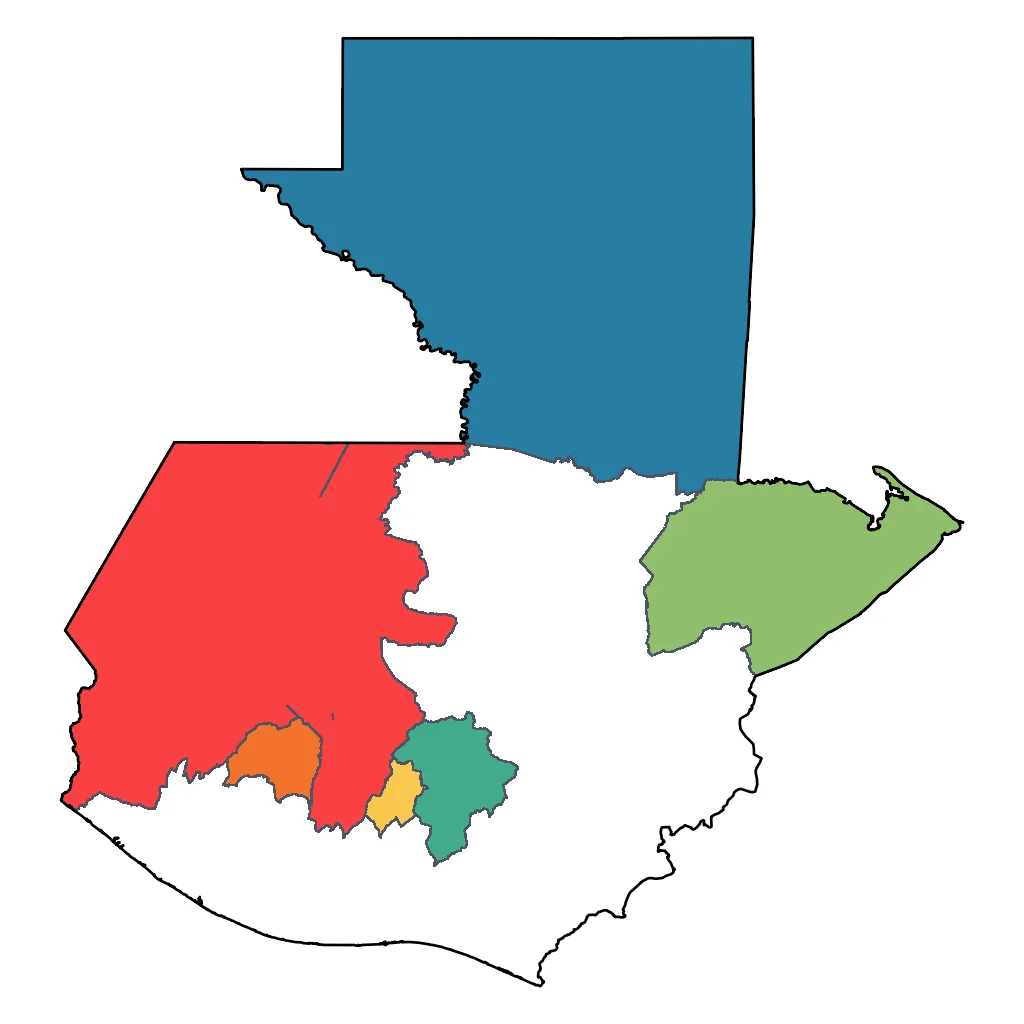

Events, celebrations, seasonal attractions
Traditional celebrations like Semana Santa in April bring authentic local culture to life, though the region is less known for festivals than the highlands. Peak timing centers on major religious holidays, while the wet summer months see a lull in major public cultural events.
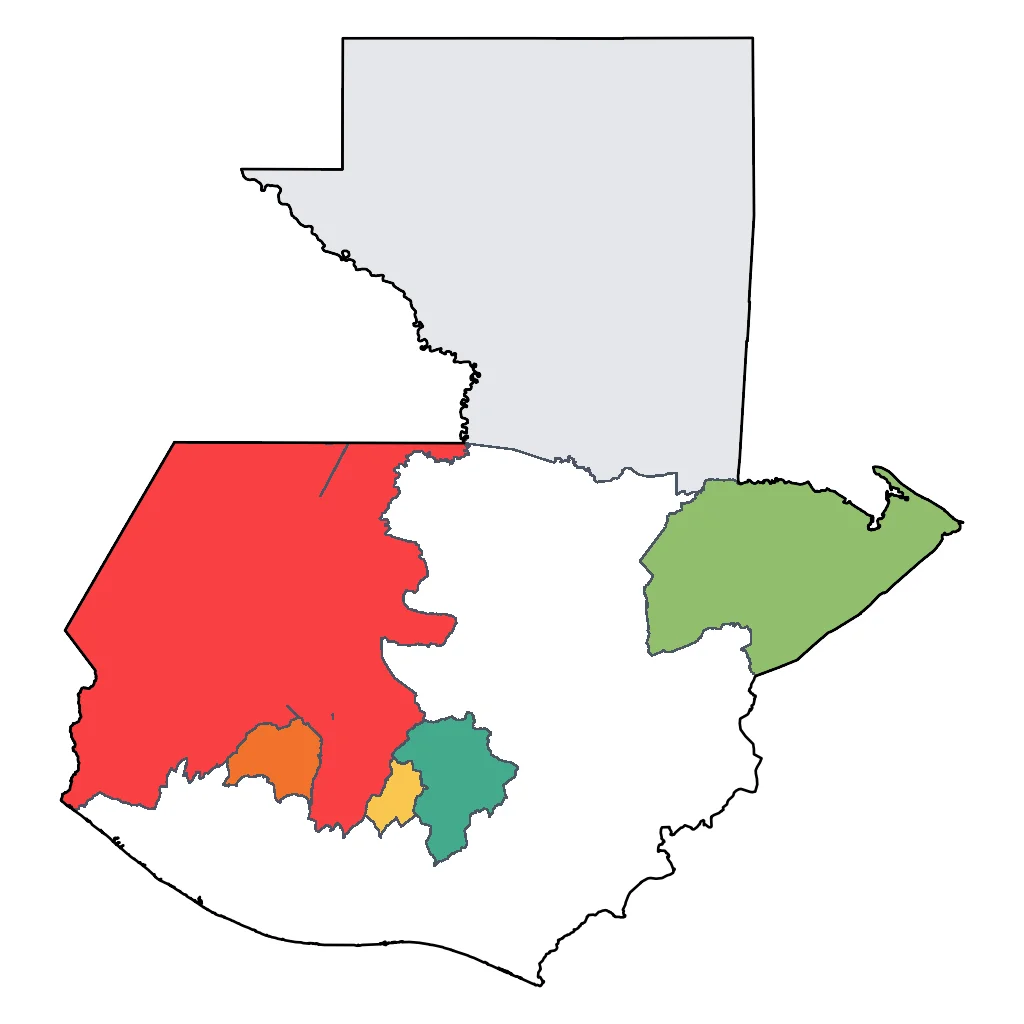

Scenic drives, countryside tours, route-based travel
Vast distances and jungle landscapes offer scenic drives, but road quality is inconsistent and requires experienced drivers. Travel is best during the dry season (Jan-Mar) to avoid washouts and poor visibility common during the heavy tropical rains of late summer.