Guatemala City
Modern museums and family fun in the capital city 🏙️🐆
⚠️ SAFETY WARNING: Due to elevated crime rates in specific sectors, government agencies (including the USA, UK, and Australia) advise travelers to reconsider travel to Guatemala City or exercise a high degree of caution. Security risks such as armed robbery are higher here than in tourist zones like Antigua. Travelers should strictly avoid "red zones" (such as Zones 18 and certain parts of Zone 1 after dark) and rely on private drivers or radio taxis rather than public buses. Families are strongly urged to consult their own government's official travel advisory before considering a trip, as circumstances and risk assessments vary.
Guatemala City, or "Guate" as locals call it, is the bustling economic and political center of the country. While many tourists bypass it for Antigua, the capital holds several attractions worth a stopover, particularly for families with children. The safest and most tourist-friendly areas are Zone 10 (Zona Viva), Zone 14, and Zone 16, which feature modern shopping malls, pedestrian areas, and international hotels. These districts feel distinct from the rest of the city, offering a bubble of amenities and security.
The highlight for children is undoubtedly La Aurora Zoo in Zone 13. Widely considered one of the best zoos in Central America, it features spacious enclosures and a chance to see both local wildlife (like jaguars and tapirs) and African species. Right next door is the Children's Museum (Museo de los Niños), which offers interactive exhibits on science, geography, and Mayan culture designed specifically for young hands and minds. For a unique geographical perspective, the Mapa en Relieve in Zone 2 is a massive open-air relief map of Guatemala constructed in 1905, allowing kids to physically see the mountainous terrain they are traveling through.
For families interested in history, the Museo Popol Vuh and the Museo Ixchel provide world-class collections of Maya art and textiles. These are located on the quiet campus of Francisco Marroquín University. Culinary options in the city are vast, ranging from high-end dining to familiar fast-food chains, ensuring that children always have something to eat. While the traffic in the capital can be notoriously heavy, utilizing ride-share apps or hotel-arranged transport makes getting around the safe zones manageable.
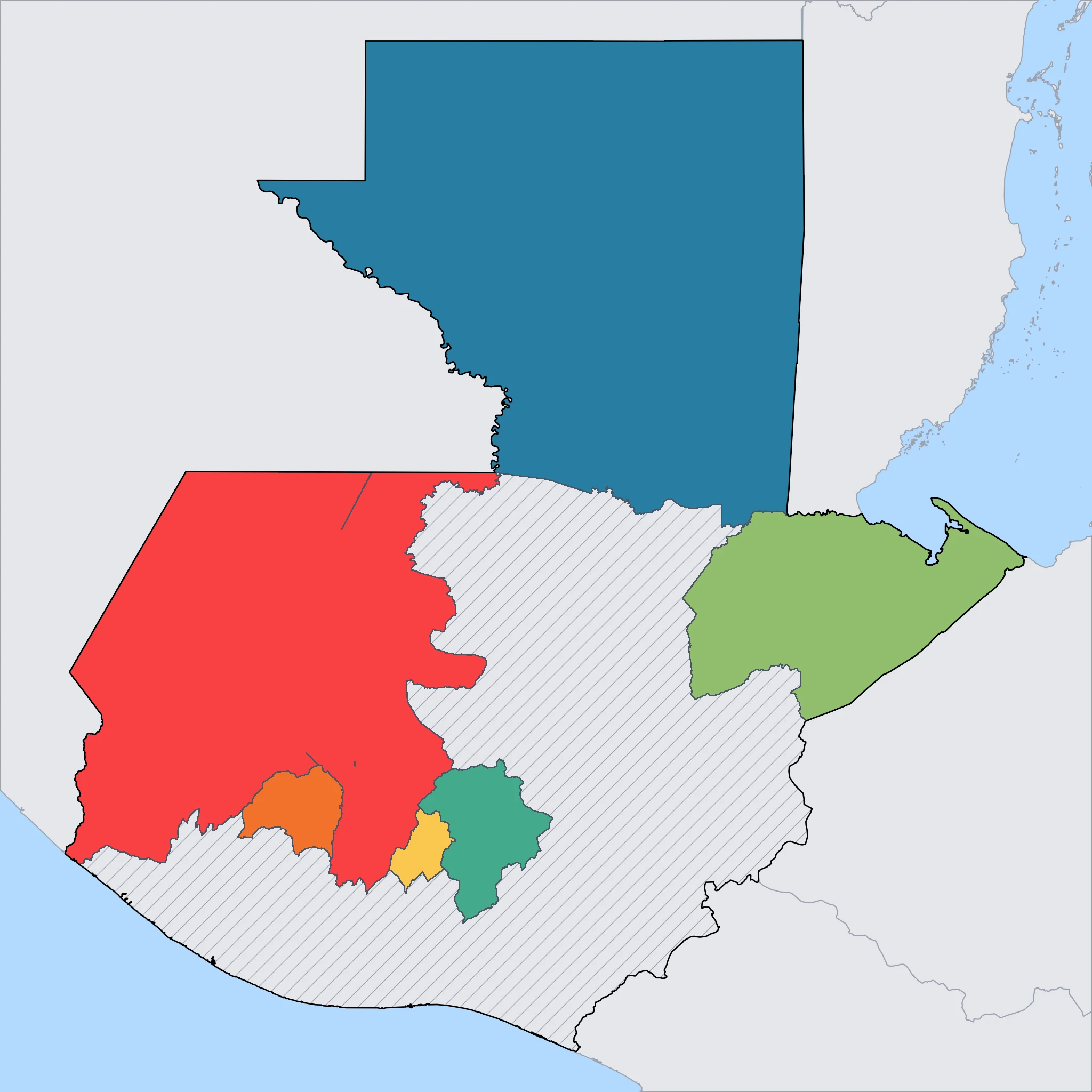
Click a region to explore

Activities & Best Times

Urban tourism, museums, historical sites, architecture
A sophisticated hub for Maya archaeology and colonial history featuring world-class museums like the Popol Vuh and Ixchel. The dry season (Nov-Apr) offers ideal temperatures and low rainfall for urban exploration, while heavy summer rains (Jun-Sept) can disrupt walking tours.
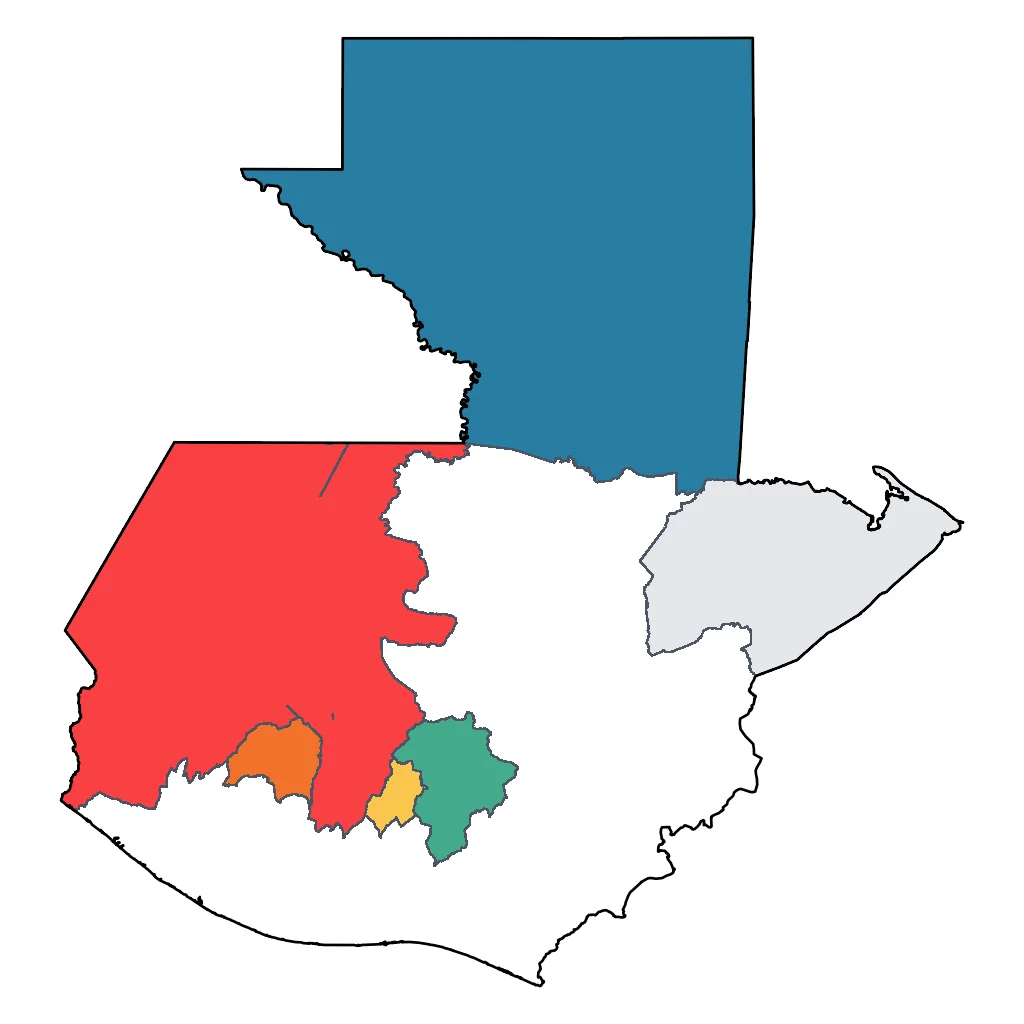

Learning experiences, scientific sites, historical education
Home to the National Museum of Archaeology and Etnology, offering world-class insights into Mesoamerican history and indigenous textiles. Dry months provide the best conditions for visiting outdoor archaeological sites like Kaminaljuyu, which can become muddy and difficult during the peak rainy season.
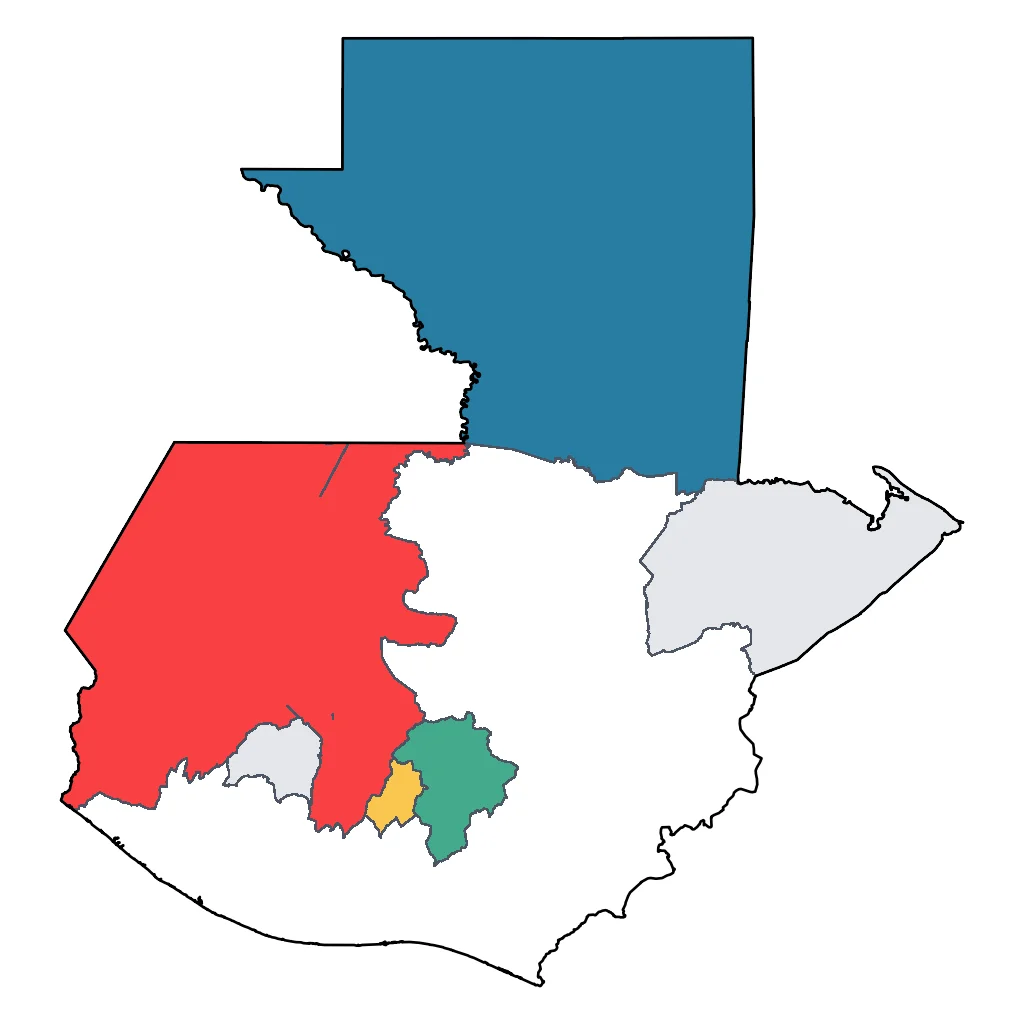

Hiking, wildlife, outdoor exploration, ecotourism
Serves as a primary base for trekking active volcanoes like Pacaya and exploring metropolitan ecological parks like Cayalá. Peak dry months ensure safety and high-visibility vistas of the volcanic chain, while the rainy season makes trails slippery and obscures mountain views.
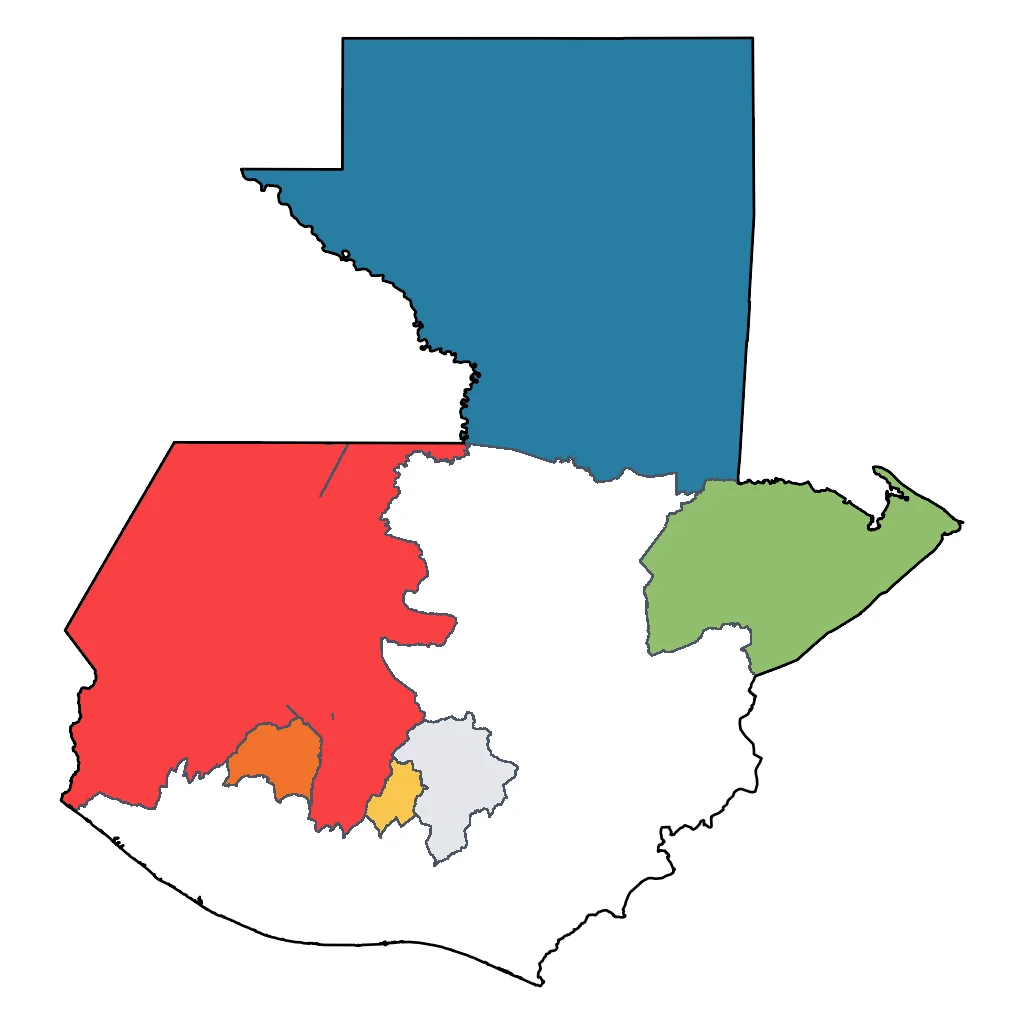

Events, celebrations, seasonal attractions
Guatemala City's Semana Santa processions are distinctly secondary to Antigua's (rated 'excellent'). The classification note even references events 'nearby' rather than in the city itself. With no festival-specific attraction evidence and the city not being the primary festival destination, 'good' is more appropriate and maintains proper differentiation from Antigua's genuinely world-class celebrations.
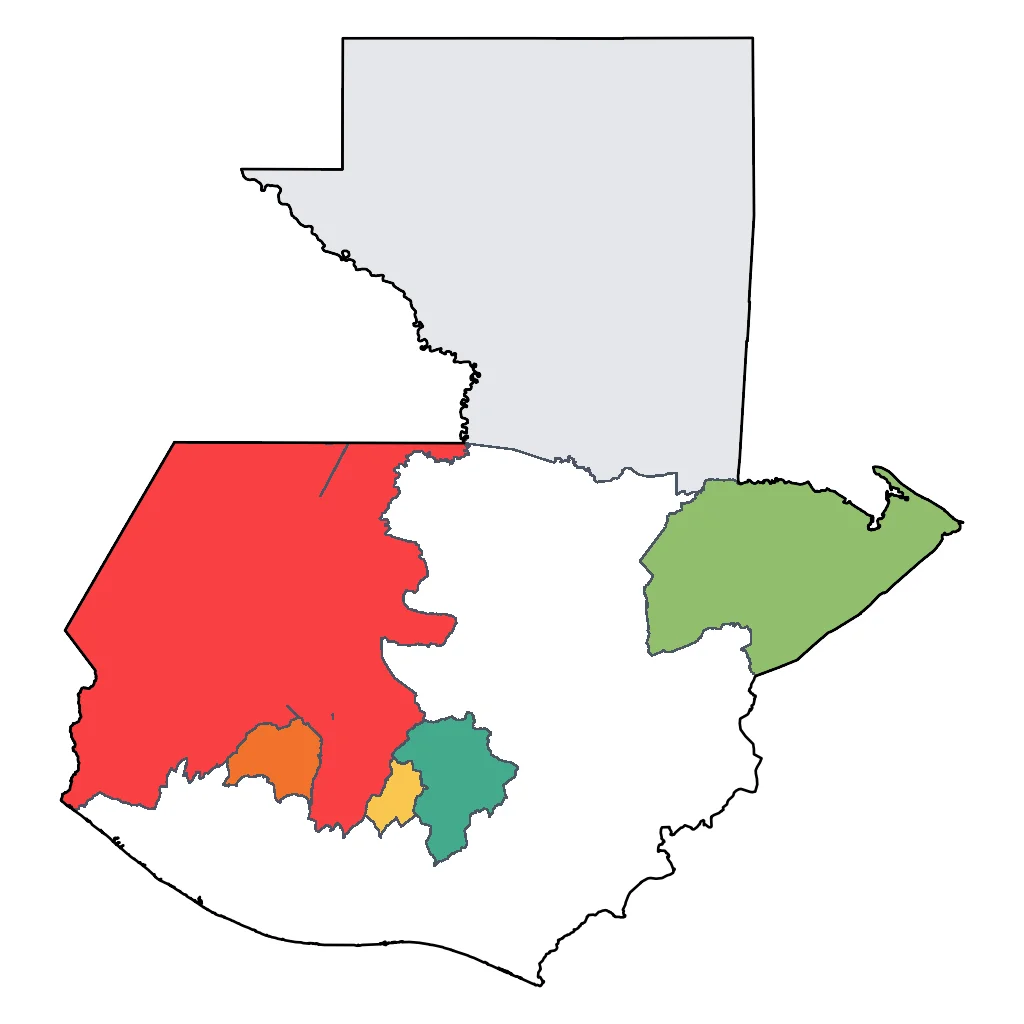

Spa retreats, wellness centers, peaceful getaways
Features luxury urban spa retreats and high-end hotels in the exclusive Zona 10 district that cater to sophisticated international tastes. The pleasant, low-humidity climate of the dry months is optimal for relaxation, while high humidity and storms in summer can limit use of outdoor facilities.
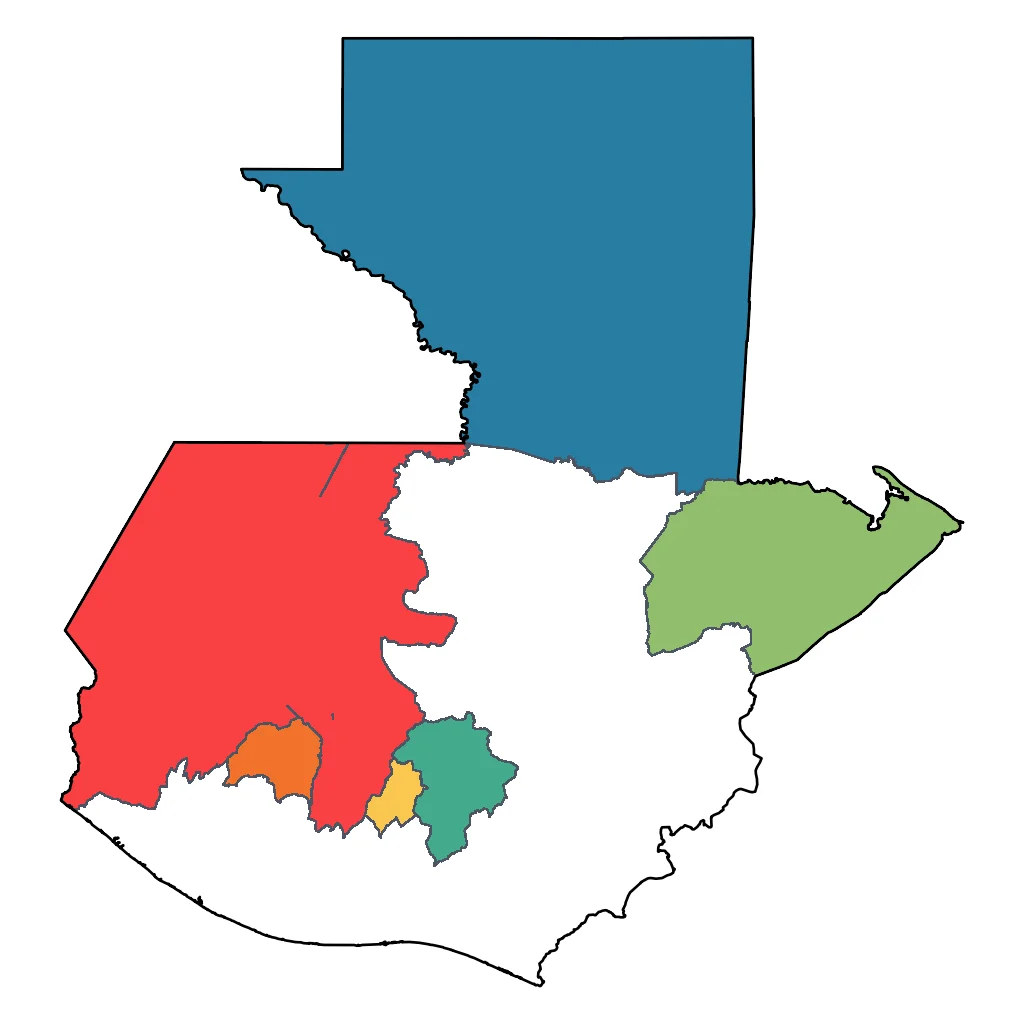

Scenic drives, countryside tours, route-based travel
The starting point for scenic drives through the Altiplano toward Antigua and Lake Atitlán on well-developed road networks. Dry season travel avoids the risk of rain-induced landslides and poor visibility in the mountains, providing a smoother experience for discerning families.
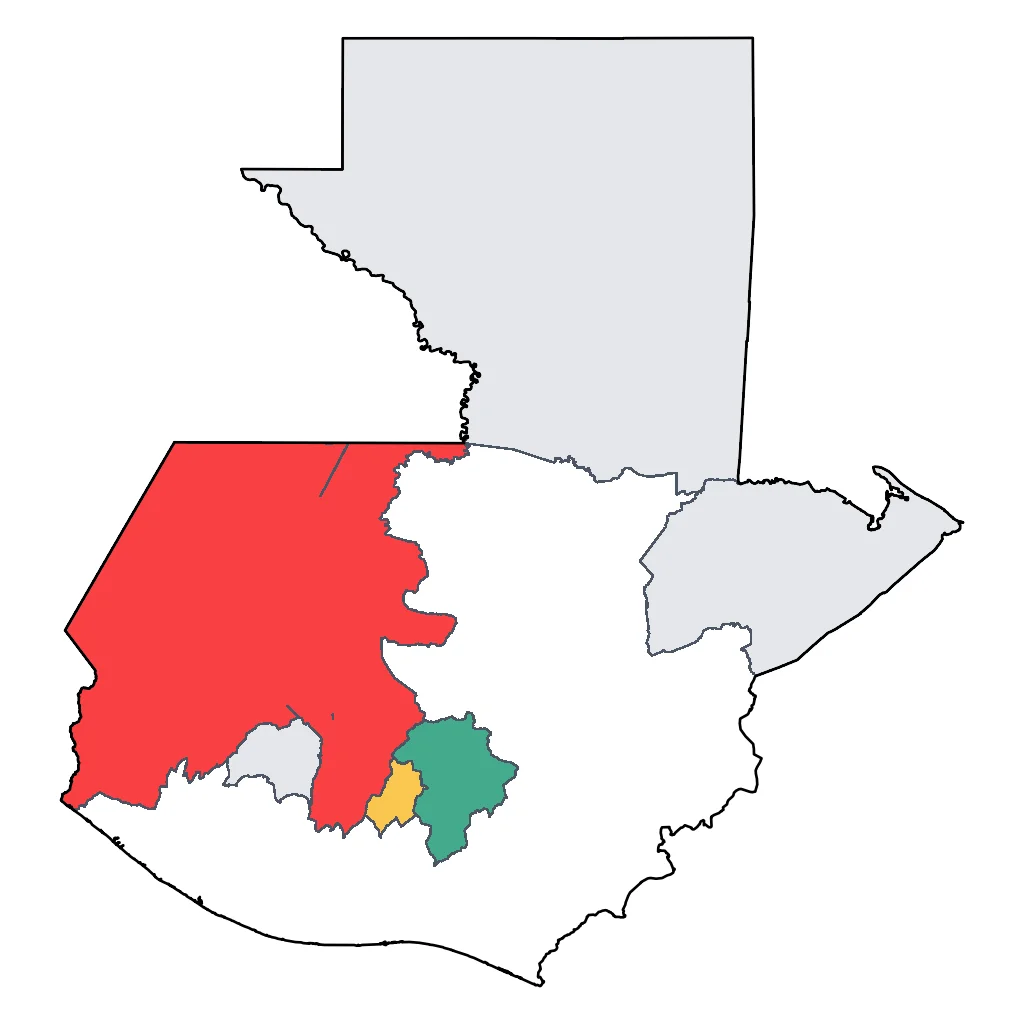

Sport tourism, fitness activities, active recreation
Offers access to elite golf courses and tennis clubs that maintain international standards for traveling professionals and families. The lack of precipitation from November to April allows for consistent outdoor play, whereas heavy afternoon downpours in summer frequently interrupt sessions.
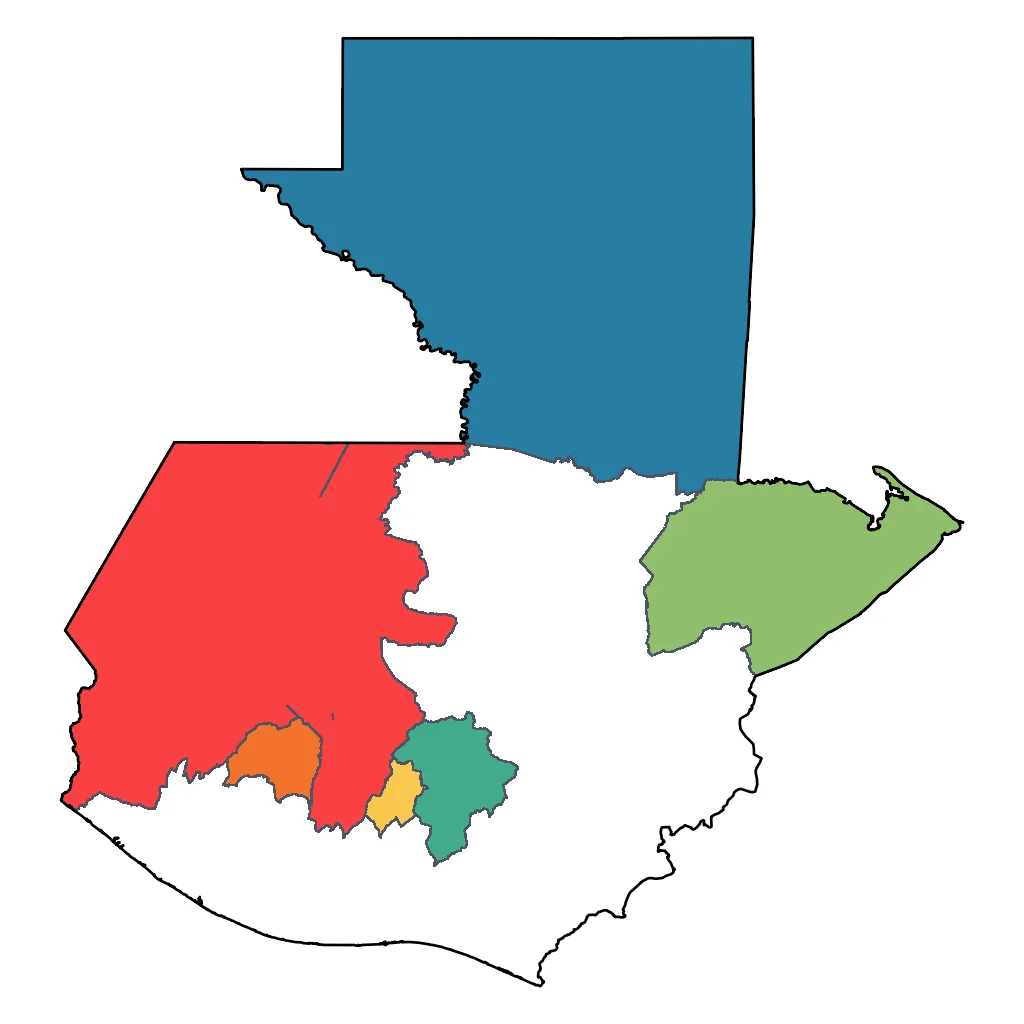

Amusement parks, family entertainment venues
Mundo Petapa (IRTRA) offers a high-quality regional amusement experience that is exceptionally clean and well-run for families. It is best visited during the dry season to ensure all rides remain operational, though it lacks the global scale of premier international theme park hubs.