

⚠️ SAFETY WARNING: Major government agencies currently advise reconsidering travel to Guinea-Bissau due to crime, civil unrest, and limited healthcare infrastructure. Essential services may be unreliable, and consular support is limited. Families should exercise extreme caution, avoid border areas near Senegal, ensure comprehensive medical evacuation insurance, and consult the latest official guidance before booking.
For families with older children and a spirit of true exploration, Guinea-Bissau offers one of West Africa's most pristine environments. This small nation, woven together by rivers and mangroves, feels entirely removed from mass tourism. The pace here is dictated by the tides and the ferry schedules, requiring patience but rewarding visitors with untouched landscapes and a rich, complex history. The capital, Bissau, serves as the quiet gateway, where families can walk through Bissau Velho (Old Bissau) to see Mediterranean-style colonial buildings slowly being reclaimed by tropical vines, or visit the Fortaleza d'Amura to learn about the country's independence struggle.
The primary draw for any family trip is the Bijagós Archipelago, a collection of 88 islands designated as a UNESCO Biosphere Reserve. This is not a typical beach resort destination; it is an ecotourism frontier. On Orango Island, intrepid families can trek with local guides to spot the world's only population of marine hippos, which swim in the ocean to regulate their body temperature. Further out, the sacred islet of Poilão hosts one of the largest green turtle nesting sites in the Atlantic, a spectacle best viewed between August and February. Boat journeys between these islands pass through mangrove channels teeming with pelicans and flamingos.
On the mainland, history lessons come alive in Cacheu, where a small museum and 16th-century fort detail the region's role in the trans-Atlantic slave trade, providing a somber but educational experience for teenagers. Culturally, the country is vibrant and diverse; if travel aligns with February or March, the Carnival in Bissau showcases massive papier-mâché masks and traditional dances that rival any festival in the region. The music of Guinea-Bissau, particularly the gumbé rhythm, provides a constant, cheerful soundtrack to daily life.
Travel here requires careful preparation. The infrastructure is rugged, with potholed roads and unreliable electricity outside major hotels. Malaria prophylaxis is essential for all family members, and dining often involves fresh grilled fish and rice in simple eateries. French and Portuguese are the official languages, though Kriol is the tongue of the street. For families willing to trade comfort for discovery, Guinea-Bissau offers a rare glimpse into a biodiverse, culturally distinct corner of Africa that remains largely unchanged by the modern world.

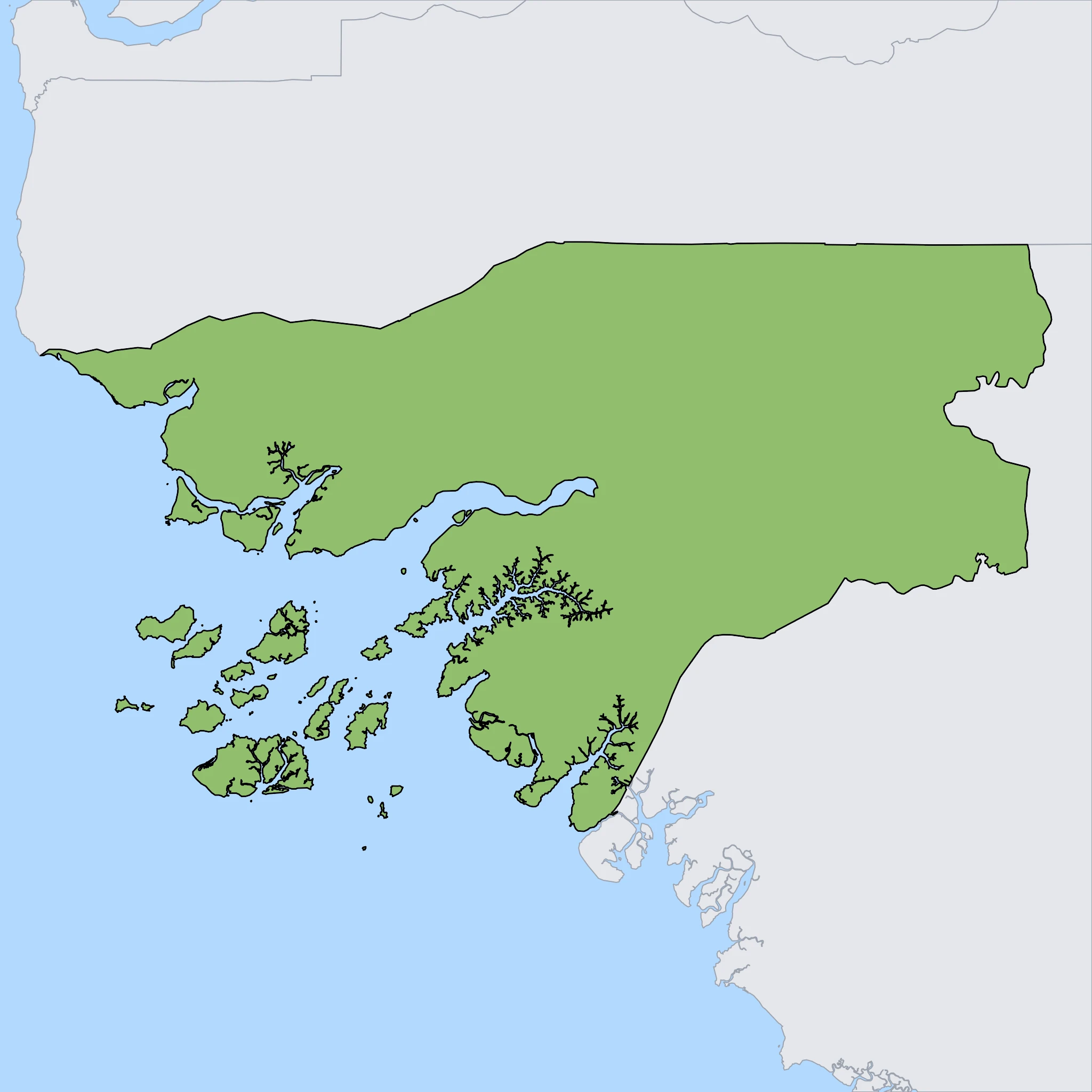
Map

Activities & Best Times

Adventure & Nature
Very GoodHiking, wildlife, outdoor exploration, ecotourism
Home to rare saltwater hippos in Orango and major sea turtle nesting sites on Poilão, this is a top-tier destination for authentic wildlife encounters. The dry, cooler months are best for tracking; extreme heat in April-May and torrential rains in mid-summer severely limit access to remote parks.

Beach & Sea
Very GoodBeach resorts, marine activities: diving, snorkelling, kite surfing, wind surfing, sailing
The Bijagós Archipelago offers a unique, high-end island experience featuring pristine beaches and a UNESCO Biosphere Reserve status. Peak months provide dry weather and calm seas, while the intense monsoon season from June to October makes island transit difficult and visibility poor.

City & Cultural
GoodUrban tourism, museums, historical sites, architecture
Experienced travelers will appreciate the atmospheric colonial decay of Bissau Velho and the ruins of Bolama, offering a hauntingly authentic glimpse into Portuguese heritage. Visits are most comfortable during the dry season, as extreme humidity and heavy rains during the monsoon make urban exploration difficult.

Educational & Exploratory
GoodLearning experiences, scientific sites, historical education
Offers significant educational value regarding matriarchal social structures in the Bijagós and West African colonial history. Access to local community leaders and historical sites is best during the dry season when transportation infrastructure is most reliable.

Festivals & Seasonal
GoodEvents, celebrations, seasonal attractions
The Bissau Carnival is a genuine cultural event but does not rival internationally renowned festivals (Rio, Venice, Notting Hill, or even West African events like Benin's Voodoo Festival). It is a single event in February - one event cannot sustain a 'very_good' rating for the entire holiday type. The older sub-regional classifications rated festivals as 'marginal' for all sub-regions except implicitly the capital. 'Good' acknowledges the carnival's authenticity while maintaining international calibration standards.

Sports & Active
GoodSport tourism, fitness activities, active recreation
The region is internationally renowned for sport fishing, particularly for world-record Tarpon in the Bijagós Archipelago. Fishing conditions are optimal when seas are calm and the weather is dry; the monsoon months bring rough waters and dangerous conditions for small craft.

Relaxation & Wellness
MarginalSpa retreats, wellness centers, peaceful getaways
Provides a remote 'off-the-grid' experience in eco-lodges for families seeking a peaceful retreat away from commercialized tourism. While the lack of high-end international spa infrastructure limits the rating, the absolute tranquility of the islands is world-class during the coolest dry months.

Attractions
31 attractions to explore. Click markers for details.

Airports & Flight Routes
Toggle options to view domestic routes and international airports. Click an airport for details.

Climate & Weather
Climate Overview
| Month | Temp (°C) | Rain (mm) | Humidity | Wind (m/s) |
|---|

Travel Advisory
The majority of agencies recommend increased vigilance due to recent political instability and high crime rates.
Safety Topics
Traveller Advice (4 groups)

Accessibility infrastructure is extremely limited; those with mobility challenges should verify support availability before planning travel.

Personnel working in rural areas must follow strict security protocols due to the high risk of landmines and potential for kidnapping in border zones.

Female travelers should be aware of safety risks when traveling alone and are encouraged to consult gender-specific safety guides prior to departure.

Societal attitudes can be conservative; individuals are advised to research local social norms and legal status before visiting.