

Located on the North Atlantic coast of South America, Guyana serves as a unique bridge between the Caribbean and the Amazon. For families, it offers an educational and adventurous alternative to traditional beach holidays. While the coast is culturally Caribbean, the interior is a vast wilderness of dense rainforests, rolling savannahs, and winding river networks. It is often called the "Land of Many Waters," and visiting here means trading swimming pools for river boats and 4x4 expeditions.
The country's geography is dominated by the Amazon rainforest and the Guiana Shield. The climate is tropical and humid year-round, with two distinct rainy seasons (May–August and November–January). The crown jewel of Guyanese nature is Kaieteur Falls. Five times higher than Niagara Falls, this massive single-drop waterfall sits isolated in the jungle. Small charter planes land nearby, allowing families to walk short trails to various viewpoints without the need for strenuous hiking.
For wildlife-loving children, Guyana is often called the "Land of Giants." The Rupununi Savannah and Iwokrama Forest are home to the giant anteater, giant river otter, black caiman, and the harpy eagle. The Iwokrama Canopy Walkway is a specific highlight for families, allowing you to walk on suspension bridges 30 meters above the forest floor to spot toucans and howler monkeys. Community-led tourism is strong here; families can stay at indigenous-run eco-lodges like Surama or Rewa, where local guides teach children about medicinal plants, traditional archery, and fishing.
Culturally, Guyana is a melting pot of Indigenous, African, East Indian, and European influences. Because English is the official language, families can easily converse with locals, making navigation and cultural exchange much simpler than in neighboring countries. The food reflects this diversity-expect to eat distinct dishes like pepperpot (a rich meat stew), chicken curry with roti, and cassava bread. Cricket is a national obsession, and seeing a match at the stadium in Georgetown is a lively local experience.
Practical Considerations: Guyana is an adventure destination, not a resort hub. It is best suited for families with children aged 8 and up who can handle heat, insects, and travel by light aircraft or boat. Roads in the interior can be rough and unpaved. In the capital, Georgetown, families should exercise caution, use registered taxis at night, and stay in well-lit tourist areas due to urban crime. Malaria prophylaxis and Yellow Fever vaccinations are typically required or highly recommended for travel into the interior. Pack lightweight long sleeves, strong insect repellent, and sun protection.

Explore Regions
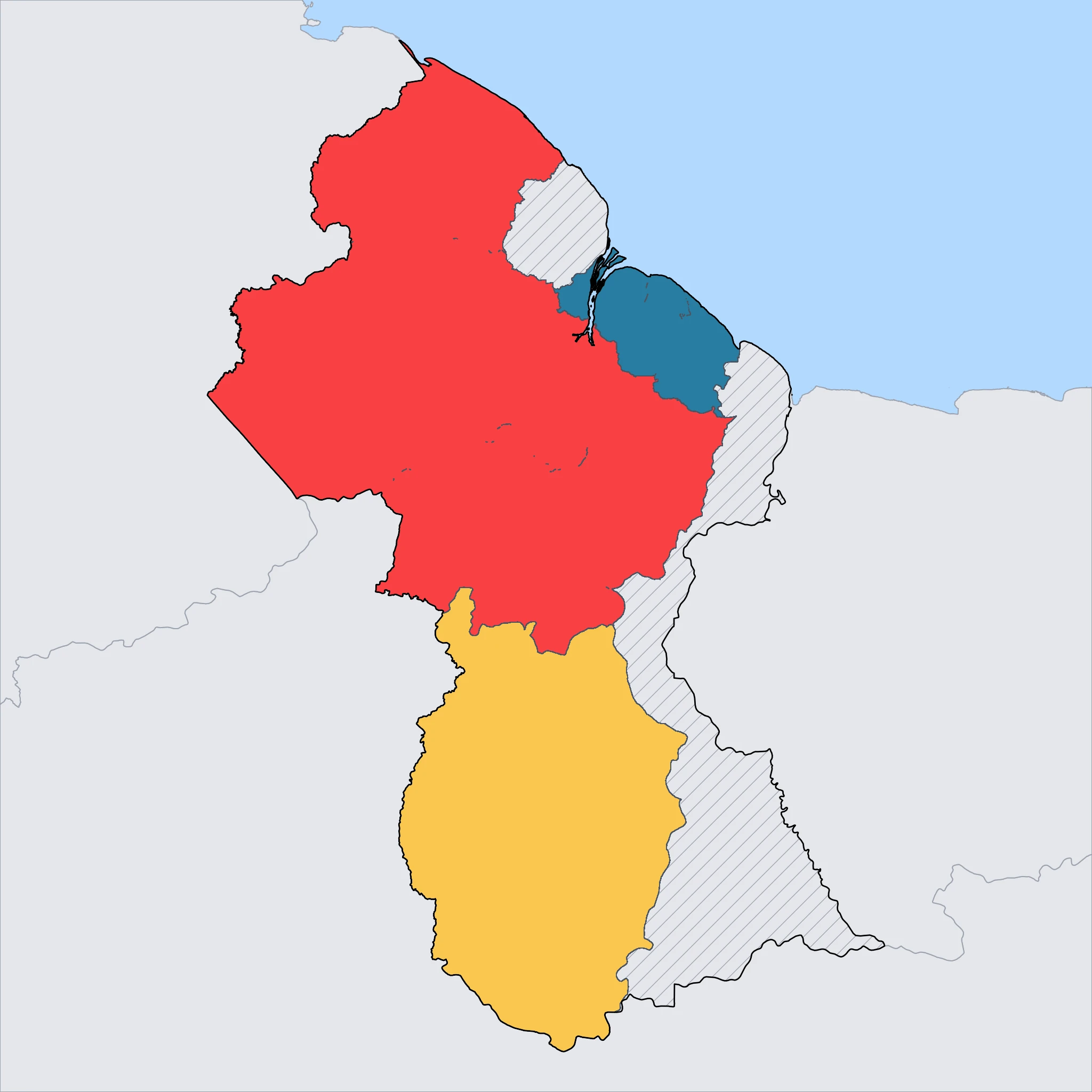
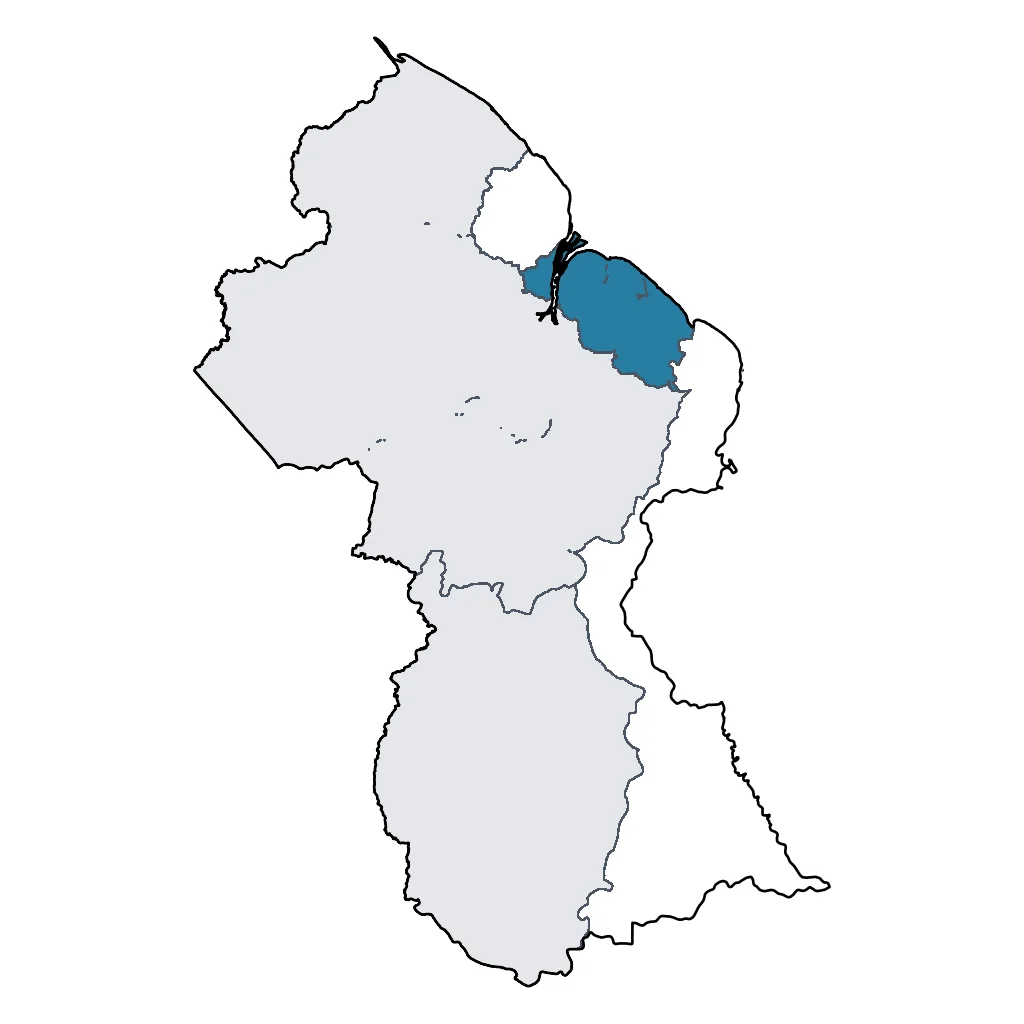
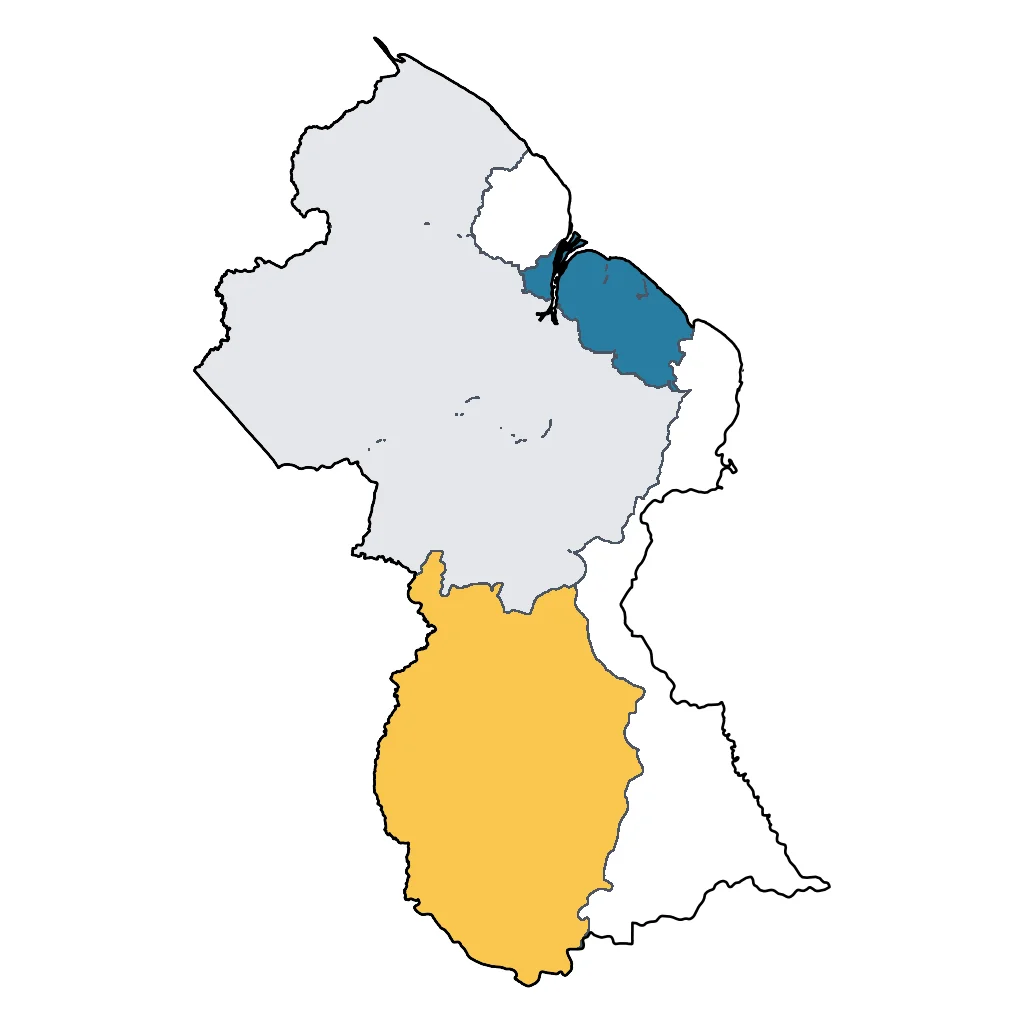
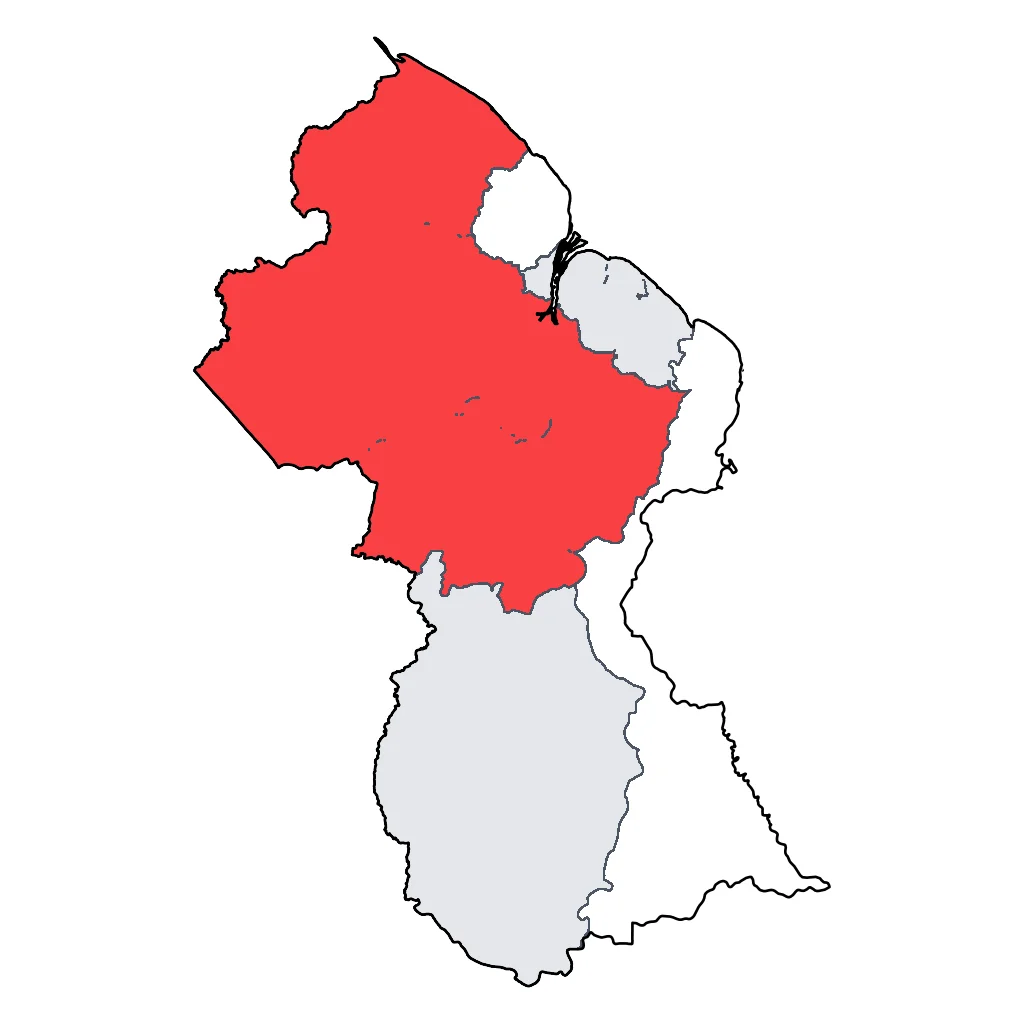
3 Regions
Click on a region marker to explore details. Use the dropdown to color regions by activity suitability.

Activities & Best Times

Adventure & Nature
ExcellentHiking, wildlife, outdoor exploration, ecotourism
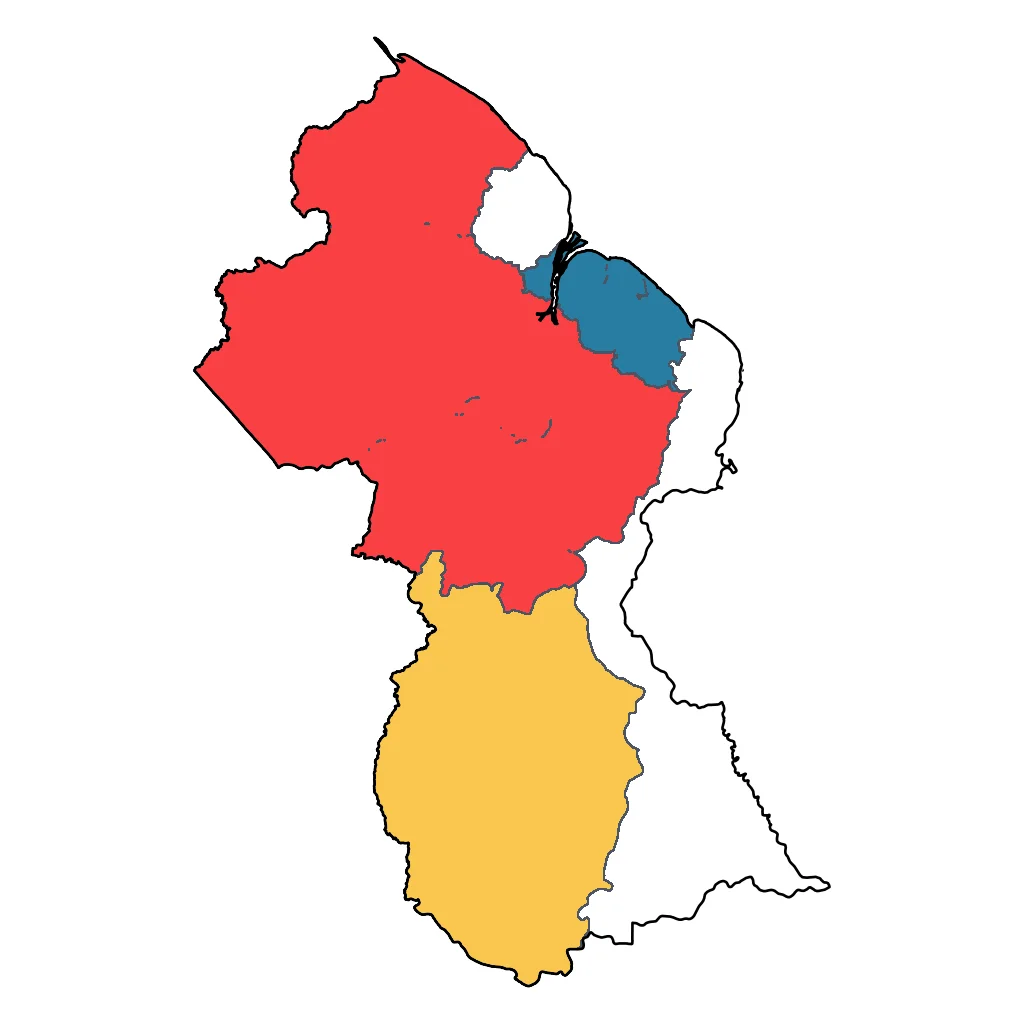
Home to the world's largest single-drop waterfall and pristine Guiana Shield rainforest, this is a top-tier destination for rare wildlife viewing and authentic wilderness exploration. Peak dry months (Feb-Mar, Sept-Oct) provide optimal trail conditions and flight reliability, while heavy tropical rains in June and July can flood trails and obscure views.
A world-class destination for authentic wildlife encounters, offering unique opportunities to spot giant anteaters, jaguars, and harpy eagles in a pristine, non-commercialized environment. The dry season (Oct-Mar) is peak for wildlife viewing as animals congregate at water sources, while the extreme rainfall in May-July floods the savannah, making trails impassable and wildlife elusive.
Renowned for world-class urban birdwatching in the Botanical Gardens and as a gateway to Guyana's pristine interior rainforests. Peak months align with the dry seasons for optimal wildlife visibility and trail access; the heavy monsoon months (May-July) make nature exploration significantly more challenging.

Educational & Exploratory
GoodLearning experiences, scientific sites, historical education
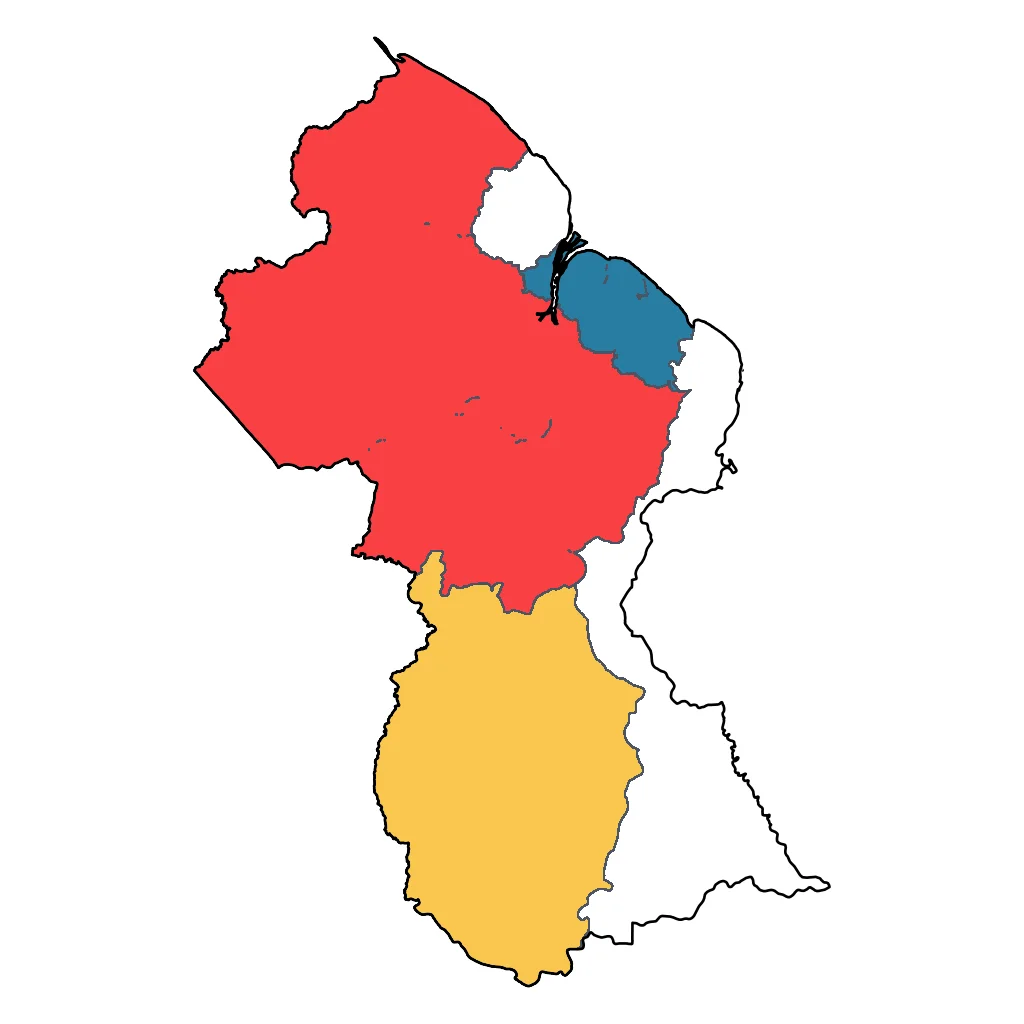
While the biodiversity is remarkable, interpretive infrastructure is minimal compared to very_good educational destinations like Galapagos or Costa Rica. Access limitations further reduce educational tourism viability.
Provides deep historical insights through its colonial heritage sites and the Walter Roth Museum of Anthropology, ideal for families with curious minds. Outdoor educational sites are most accessible during the dry months, while the high precipitation in May-July limits access to heritage sites and botanical research areas.
Offers profound insights into indigenous Macushi and Wapichan land stewardship and neotropical conservation through pioneering eco-lodges. Access to remote communities and research stations is best during the drier months; heavy monsoon rains in mid-year significantly limit mobility and the availability of guided educational programs.

Sports & Active
GoodSport tourism, fitness activities, active recreation
Features challenging jungle trekking and river-based expeditions through one of the most untouched terrains on Earth. Peak months provide manageable river levels and stable ground for hiking; however, May-July rainfall (>300mm) makes active pursuits significantly more hazardous.
Arapaima fly fishing is world-class but extremely niche. Very_good implies broader sporting appeal to general travelers. For the specialist angler it's excellent, but for the average sports-active tourist, infrastructure and variety are limited.
Features world-class cricket heritage and opportunities for river-based sport fishing on the Demerara River. Activity is highly seasonal, with peak conditions during the dry spells; heavy rainfall between May and July makes ground conditions unsuitable for cricket and impacts river navigation.

City & Cultural
GoodUrban tourism, museums, historical sites, architecture

Festivals & Seasonal
GoodEvents, celebrations, seasonal attractions
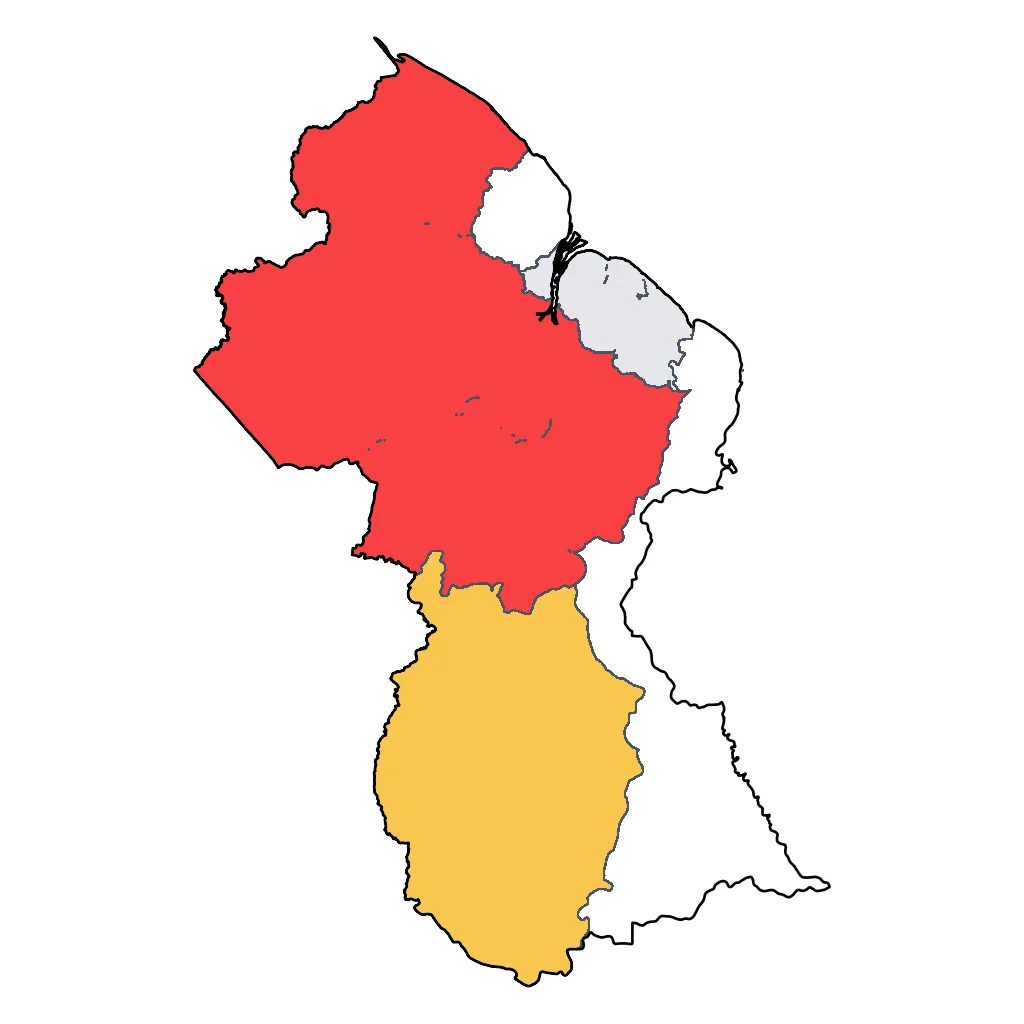
Mashramani and Phagwah are culturally significant locally but lack international recognition. Very_good should be reserved for festivals with genuine international draw (Rio Carnival, Edinburgh Fringe level).
Host to the Rupununi Rodeo, a high-octane and authentic celebration of Vaquero ranching culture that attracts international spectators. April is the peak month for this specific event, though the transition into the rainy season can make the journey adventurous; the rest of the year lacks major festivals of equivalent international scale.

Relaxation & Wellness
MarginalSpa retreats, wellness centers, peaceful getaways

Airports & Flight Routes
Toggle options to view domestic routes and international airports. Click an airport for details.
Climate & Weather
Georgetown
Show Details
| Month | Temp °C | Rain | Humidity |
|---|
Kaieteur Falls & Interior
Show Details
| Month | Temp °C | Rain | Humidity |
|---|
Rupununi Savannah
Show Details
| Month | Temp °C | Rain | Humidity |
|---|

Travel Advisory
Heightened vigilance is required due to significant levels of violent crime and regional border tensions.
Safety Topics
Traveller Advice (3 groups)

Public infrastructure and transport are generally not equipped to accommodate those with physical or sensory disabilities.

Same-sex sexual activity is legally prohibited in Guyana. While enforcement is inconsistent, LGBTQ+ individuals may face legal risks and social discrimination.

Female travellers should be aware of reports of sexual assault and harassment. It is strongly advised not to walk alone, especially after dark or in isolated areas.