

Heard Island and McDonald Islands
Territory of Heard Island and McDonald Islands
Heard Island and McDonald Islands are arguably the most remote and pristine locations a traveler can attempt to visit. As an external territory of Australia located approximately 4,000 kilometres southwest of Perth, these volcanic islands offer no hotels, no roads, and no permanent population. For families, this is not a typical holiday destination but an educational expedition into one of the world's few remaining true wildernesses. Travel here is exclusively by specialized expedition ships, making it suitable only for families with older teenagers who have a deep interest in marine biology, geology, or Antarctic exploration.
The geography is dominated by Big Ben, an active volcano on Heard Island that rises dramatically from the sea. It is topped by Mawson Peak, which is higher than any mountain on the Australian mainland. The island is covered in glaciers that descend directly into the turbulent Southern Ocean. The McDonald Islands, smaller and rocky, recently doubled in size due to volcanic activity. Families viewing from the deck of a ship will witness a landscape that looks much as it did before humanity existed-stark, icy, and incredibly powerful.
Wildlife is the primary attraction for the few visitors who venture this far. The islands are a critical breeding ground for vast numbers of marine animals. King Penguins and Macaroni Penguins congregate in colonies numbering in the thousands, creating a noisy, bustling spectacle that fascinates nature lovers. The beaches are often crowded with Southern Elephant Seals and Antarctic Fur Seals. Because these animals have little contact with humans, they are abundant and visible, though strict guidelines ensure they are not disturbed.
Practical considerations for this journey are significant. There is no airstrip, so access is only possible via a long sea voyage, usually departing from Australia or South Africa. The crossing involves the "Roaring Forties" and "Furious Fifties," meaning rough seas are guaranteed; sea sickness medication is essential. Permits are required for entry, and landings are strictly controlled by the Australian Antarctic Division to prevent the introduction of invasive species. Most "visits" are conducted via Zodiac boats or simply by cruising the coastline without setting foot on land.
The climate is severe, with strong winds, regular precipitation, and temperatures hovering around freezing year-round. Families planning this trip must invest in high-quality, waterproof polar gear. While not a destination for relaxation, a voyage to Heard Island offers a life-changing perspective on the planet's natural forces, perfect for young explorers ready to witness the wild at the edge of the world.

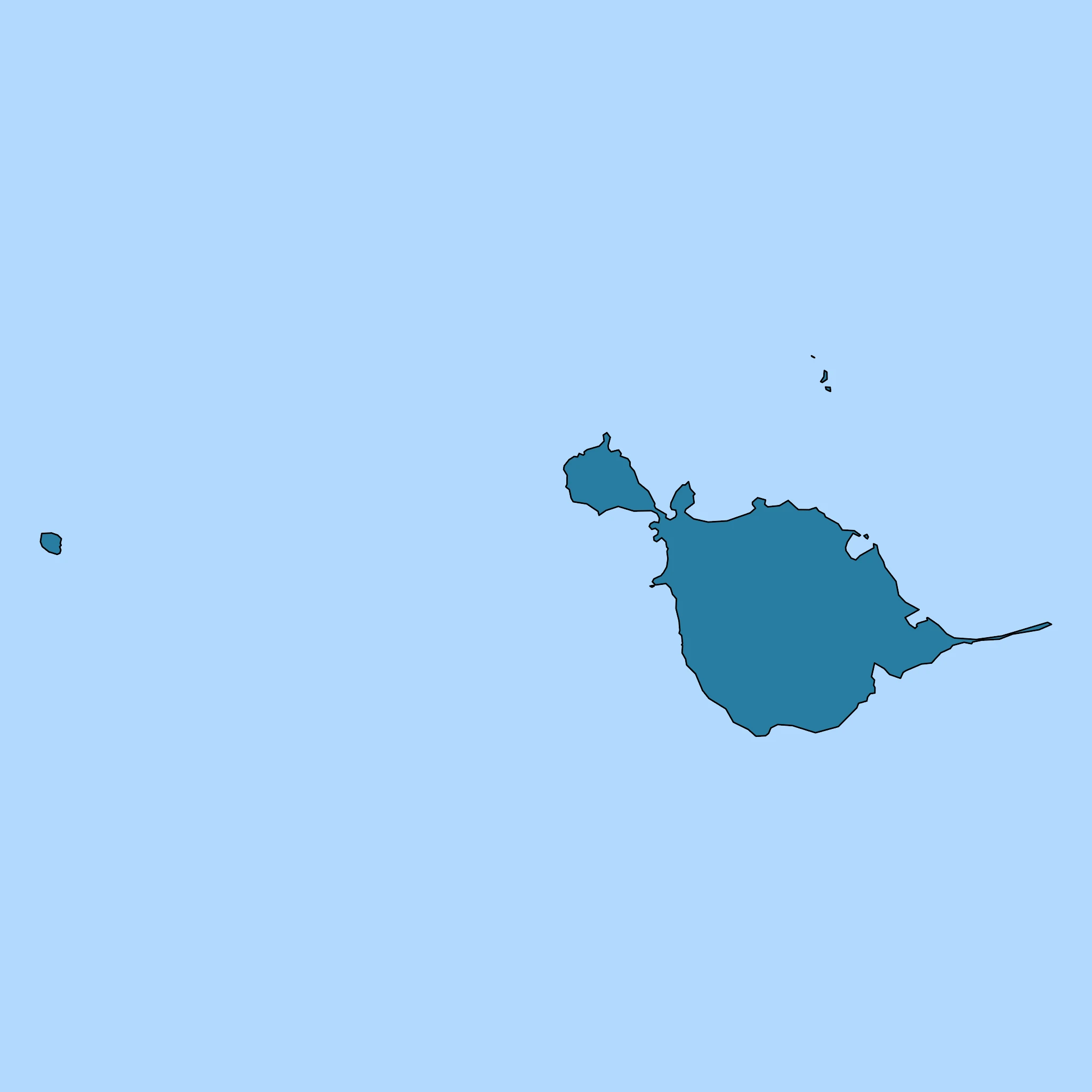
Map

Activities & Best Times

Adventure & Nature
GoodHiking, wildlife, outdoor exploration, ecotourism
While the natural assets are genuinely world-class (active volcano, glaciers, UNESCO WHS), there is zero tourism infrastructure, no public access without government permits, and no editorial attractions in the database to support the rating. An 'excellent' adventure_nature rating implies this is a top holiday destination for the activity, which is misleading. The territory is effectively inaccessible to tourists. 'good' reflects genuine natural value but severe practical limitations for holiday purposes.

Educational & Exploratory
MarginalLearning experiences, scientific sites, historical education
There are no visitor centers, museums, interpretive programs, or educational tours. The scientific research value is real but inaccessible to the public. No editorial attractions support this rating. 'marginal' reflects that educational value exists in principle but is not practically available to travelers.

Airports & Flight Routes
Toggle options to view domestic routes and international airports. Click an airport for details.
Climate & Weather
Climate Overview
| Month | Temp (°C) | Rain (mm) | Humidity | Wind (m/s) |
|---|

Travel Advisory
The territory is considered safe from human-centric risks like crime or unrest, though extreme environmental hazards are present.
Safety Topics
Traveller Advice (2 groups)

Media personnel require the same strict environmental and access permits as researchers and must comply with Australian government rules regarding the use of drones and equipment in a protected zone.

Prospective visitors must coordinate with the Australian Antarctic Division months in advance for environmental permits and demonstrate a rigorous survival and logistics plan for extreme wilderness conditions.