

⚠️ SAFETY WARNING: Exercise high caution. The US Department of State currently issues a Level 3 (Reconsider Travel) advisory for Honduras due to crime. Violent crime can occur, and police resources are limited. Families are strongly advised to stick to established tourist zones like Roatán and Copán, use reputable tour operators, avoid all travel after dark, and fly between destinations rather than driving.
For families willing to navigate the safety considerations, Honduras provides an uncrowded and authentic Central American experience. The country is best experienced as a "split stay"-combining the accessible history of the western mountains with the relaxed Caribbean energy of the islands. Unlike its more developed neighbours, Honduras feels raw and undiscovered, offering nature-loving children a front-row seat to biodiversity without the mass tourism crowds.
The Bay Islands, particularly Roatán, are the safest and most family-friendly destination. Sitting on the massive Mesoamerican Barrier Reef, these islands offer calm, crystal-clear waters perfect for young swimmers. Families can take glass-bottom boat tours to see sea turtles, visit Gumbalimba Park to have capuchin monkeys climb on their shoulders, or snorkel right off the beach at West Bay. English is widely spoken here, making logistics easier for international visitors.
On the mainland, the town of Copán Ruinas is a peaceful cultural hub near the Guatemalan border. The Copán Archaeological Park is world-famous for its detailed hieroglyphic stairway and stelae. It is compact and shady, making it manageable for children who might find larger sites like Tikal exhausting. Just outside the ruins, Macaw Mountain is a must-visit bird sanctuary where kids can interact with rescued toucans and scarlet macaws, the national bird of Honduras.
For active families, the Pico Bonito National Park near La Ceiba offers jungle hiking and waterfall trails, though a guide is essential. Culturally, the northern coast is home to the Garifuna people; families can experience their unique drumming, dancing, and cuisine in designated villages. When it comes to food, even picky eaters will enjoy the national staple, the baleada-a thick flour tortilla folded over mashed beans, cheese, and cream.
Travel logistics require vigilance. It is safer to fly between the mainland and the islands than to take the ferry or drive. Road travel should be limited to daylight hours with professional private drivers. By adhering to these precautions and staying within the "tourist bubbles," families can safely enjoy the rich nature and history this country holds.

Explore Regions
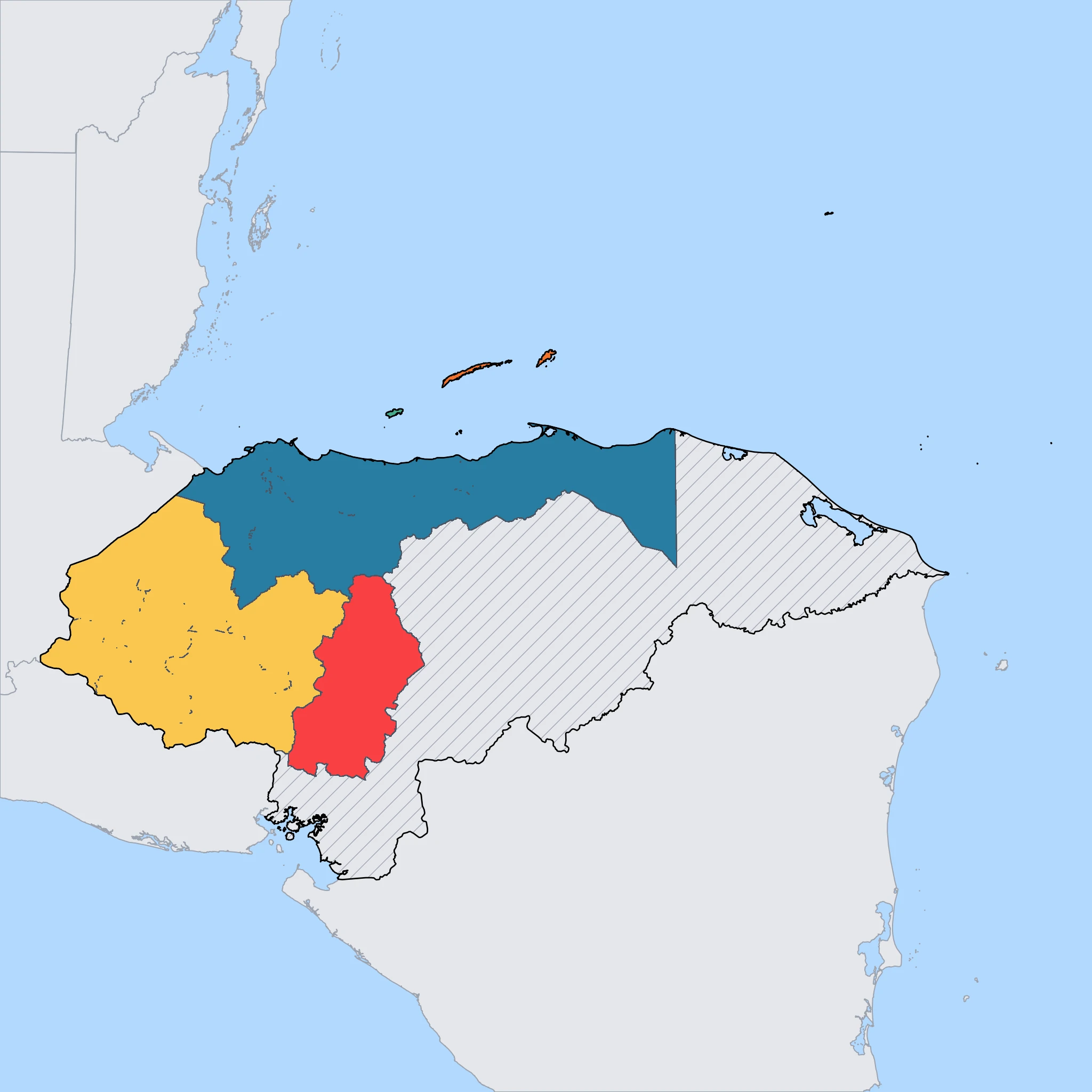
5 Regions
Copán Ruins & West
Ancient Mayan mysteries and colourful tropical birds 🦜🏛️
La Ceiba & North Coast
Rainforest adventures and river rapids 🌿🛶
Roatán & Bay Islands
Snorkeling with sea turtles and hugging sloths 🦥🐠
Tegucigalpa
Mountain views and colonial day trips 🏙️⛰️
Utila (diving)
Whale sharks and island vibes 🦈🏝️
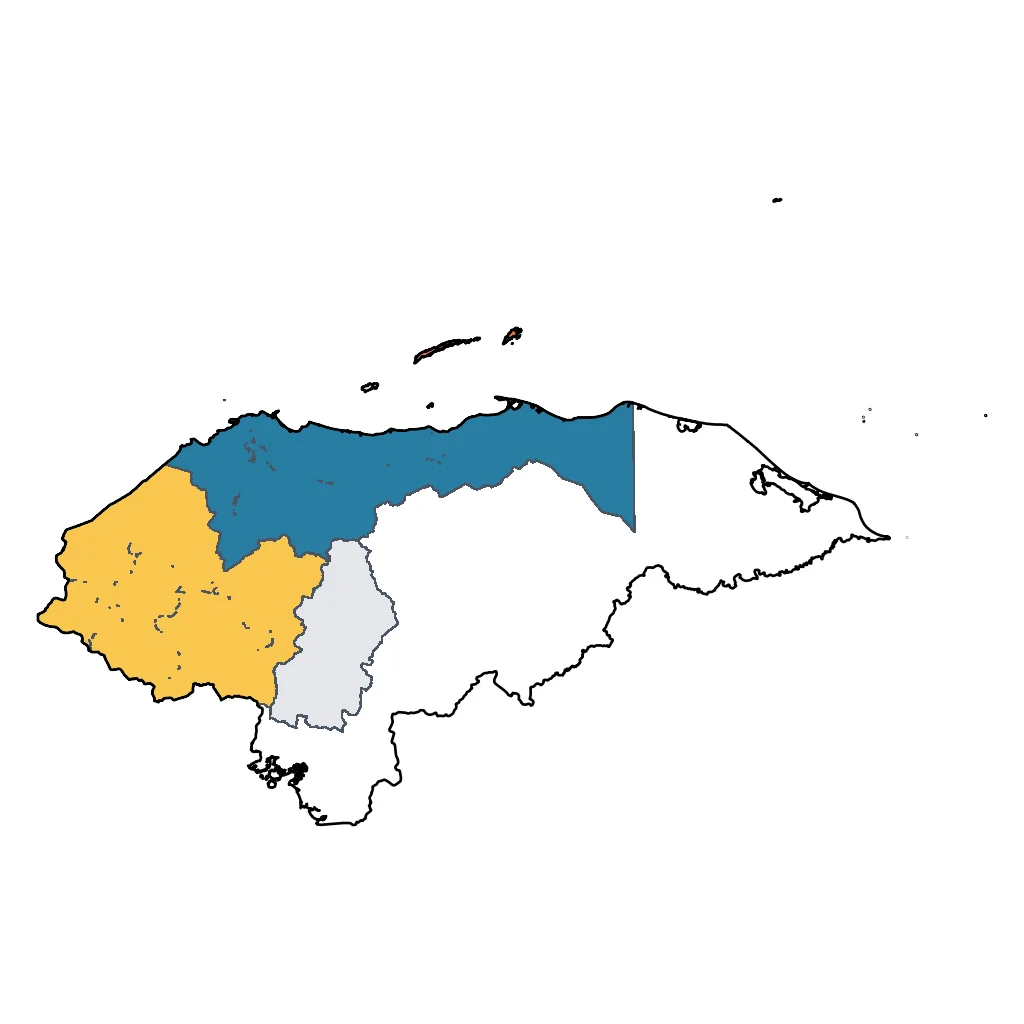
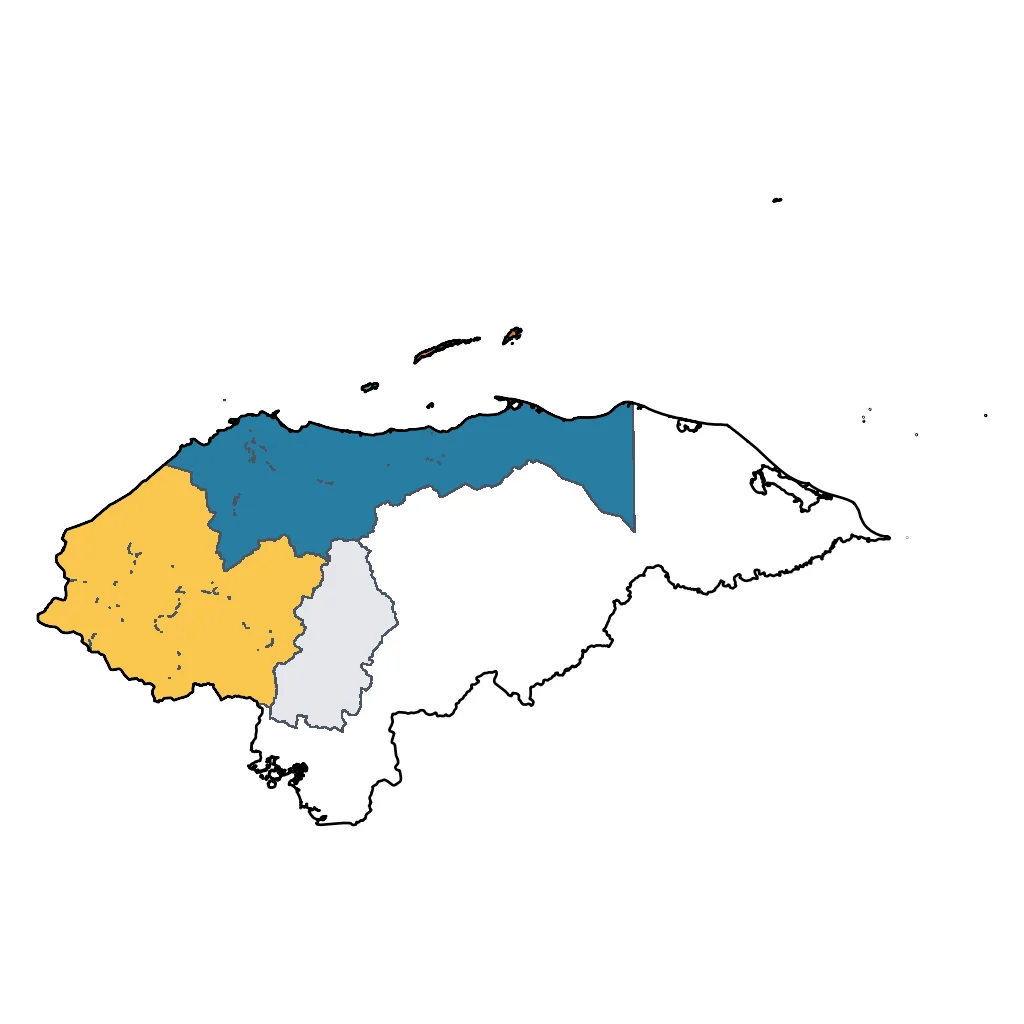
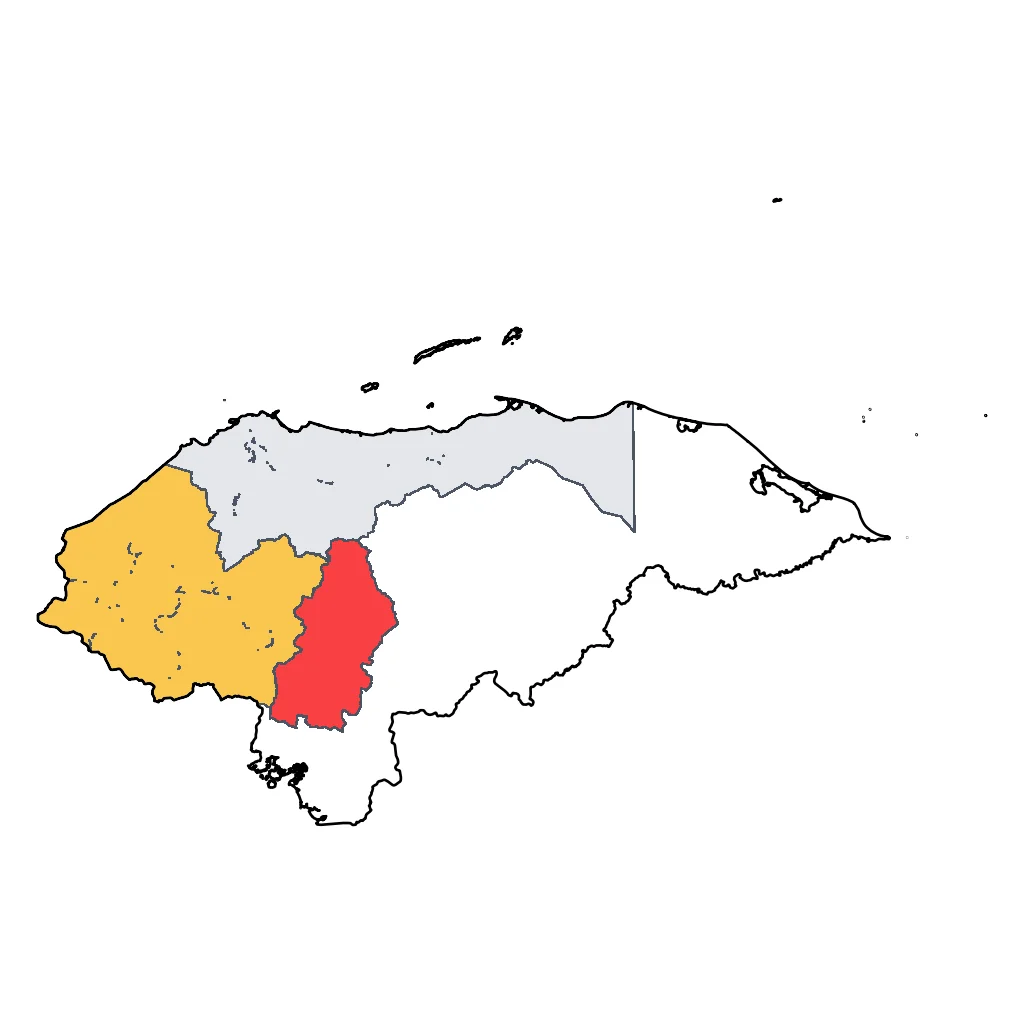
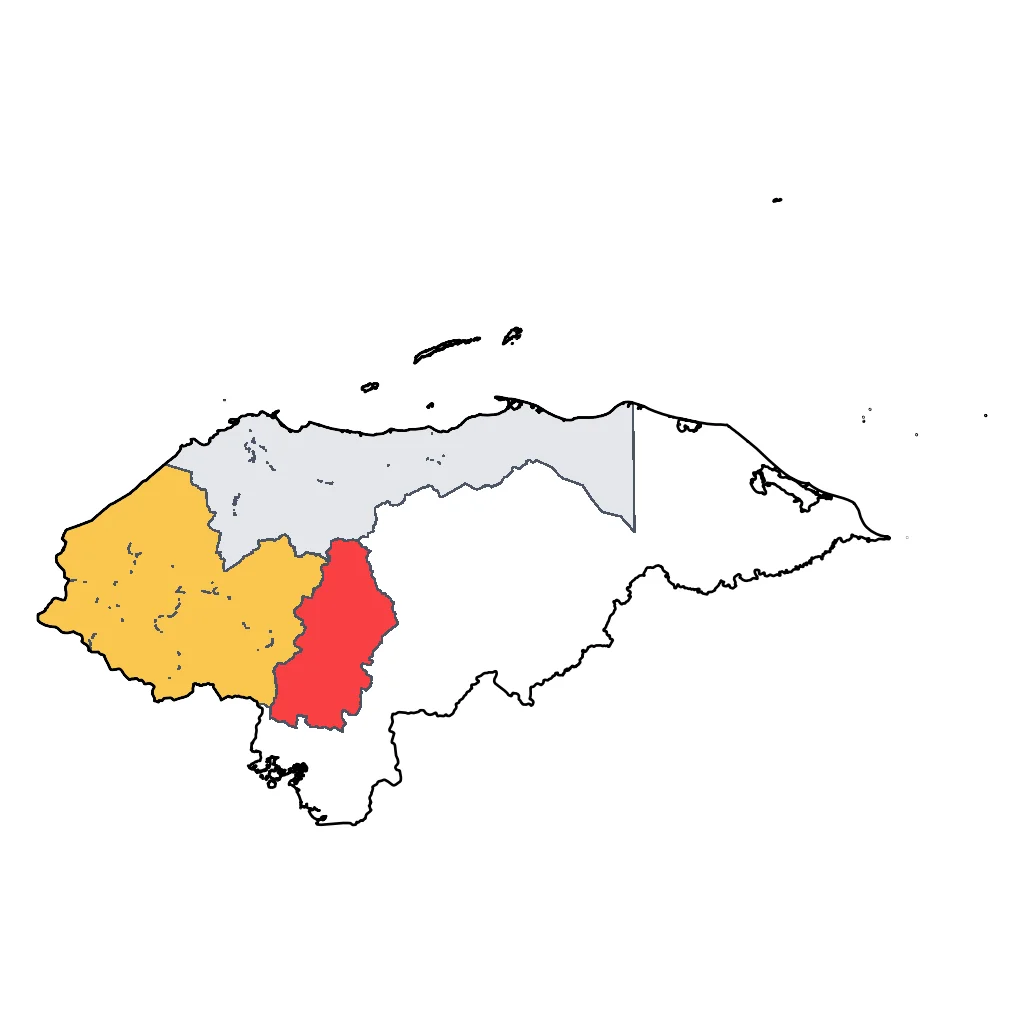
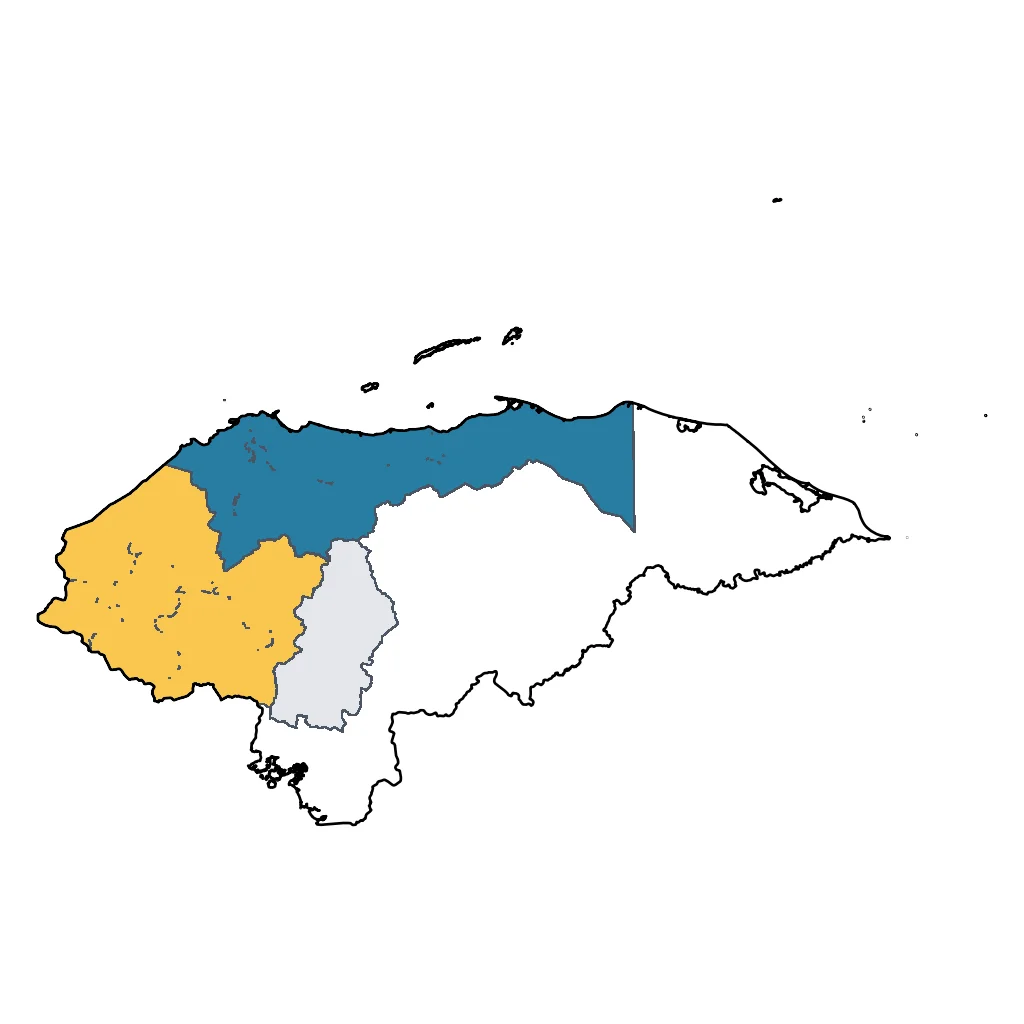
Click on a region marker to explore details. Use the dropdown to color regions by activity suitability.

Activities & Best Times

Adventure & Nature
ExcellentHiking, wildlife, outdoor exploration, ecotourism
Home to Pico Bonito National Park, this region offers world-class biodiversity and authentic jungle trekking that rivals Costa Rica's best. The drier window from March to May provides the safest trail conditions and optimal wildlife spotting before the heavy tropical rains of late autumn.
Offers unique eco-adventures including mangrove kayaking, iguana sanctuaries, and world-class reef exploration. Drier spring months are ideal for outdoor exploration without the tropical deluge of late autumn, which makes jungle trails muddy and boat expeditions difficult.
Home to the pristine Celaque cloud forest and Macaw Mountain bird reserve, offering high-altitude biodiversity and unique avian encounters for families. Peak dry months provide safe hiking trails and optimal bird visibility, while heavy rain from June to October makes mountain paths muddy and inaccessible.

Beach & Sea
ExcellentBeach resorts, marine activities: diving, snorkelling, kite surfing, wind surfing, sailing
Home to West Bay, consistently ranked among the world's best beaches, and the expansive Mesoamerican Barrier Reef. Peak months offer minimal rainfall and exceptional underwater visibility; the late-year monsoon season (Oct-Jan) brings heavy rains (>200mm) that cloud the turquoise waters.
Utila is a dive island, not a beach destination. Its beaches are functional but not remarkable — small, sometimes seaweed-covered, and lacking the white sand/turquoise water quality of Roatán's West Bay or Caribbean competitors. The 'very_good' rating conflates excellent reef/marine access with beach quality. Downgrading to 'good' correctly differentiates Utila from true beach destinations while acknowledging the marine access exists.
As the gateway to the Cayos Cochinos marine reserve, the region offers access to some of the Caribbean's most pristine, undeveloped coral reefs. April and May provide the lowest rainfall and highest sea visibility, whereas the 'Nortes' (cold fronts) and high precipitation in winter months degrade the beach experience.

Sports & Active
ExcellentSport tourism, fitness activities, active recreation
A global premier destination for scuba diving and snorkeling with world-class dive shops and easy shore access to vibrant coral walls. Peak conditions feature calm seas and water temperatures above 26°C; off-season 'Northers' can create rough swells and unsafe conditions for boating.
A global hub for scuba diving and paddleboarding with high-quality instruction and diverse dive sites. The spring and early summer months offer calm seas and warm temperatures (26-27°C) ideal for long days in the water, whereas late-year precipitation makes active water sports difficult.
The Cangrejal River is a premier international destination for Class III-IV white-water rafting through a dramatic boulder-strewn rainforest canyon. Peak months offer technical rapids with clear water, while the extreme rainfall of October to December can make the river dangerously high and unsuitable for families.

Educational & Exploratory
Very GoodLearning experiences, scientific sites, historical education
The archaeological education at Copán is genuinely outstanding, but 'excellent' should be reserved for destinations with multiple world-class educational institutions and experiences. One archaeological site, however magnificent, does not constitute an 'excellent' educational destination by global standards. 'very_good' accurately reflects a strong, focused educational experience.
The Roatán Institute for Marine Sciences offers high-level educational programs on reef ecology and dolphin physiology that appeal to inquisitive families. Seasonal access to research sites is optimal during the dry months when sea conditions are stable and visibility for observation is at its peak.
The region provides deep immersion into Garifuna culture, recognized by UNESCO for its intangible heritage, and complex tropical ecology. While scientifically significant year-round, the drier months allow for more comfortable access to remote coastal villages and research stations.

Relaxation & Wellness
Very GoodSpa retreats, wellness centers, peaceful getaways
Features sophisticated boutique eco-luxury resorts and private villas that emphasize 'barefoot luxury' and seclusion. The peak dry season provides the perfect low-humidity environment for outdoor spa treatments; the extreme rainfall of November and December disrupts the tranquil island atmosphere.
Provides a unique, low-stress environment with a slow 'island time' pace, characterized by the absence of cars and a strong community feel. It appeals to well-travelled families seeking an authentic escape, though it lacks high-end, full-service international spa facilities.
A collection of high-end eco-lodges along the Cangrejal River offers sophisticated jungle spas and birdwatching-focused retreats for discerning travelers. The low humidity and sunny days of March to May are ideal for outdoor wellness activities, while late-year humidity can be oppressive.

City & Cultural
Very GoodUrban tourism, museums, historical sites, architecture
While the Copán Ruins are genuinely UNESCO-listed and archaeologically world-class, the region lacks the broader cultural infrastructure (museums, galleries, performing arts, urban cultural life) that 'excellent' requires at international calibration. Compare to destinations like Oaxaca, Cusco, or Siem Reap which have both anchor sites AND surrounding cultural ecosystems. 'very_good' correctly reflects a nationally/regionally significant cultural destination anchored by one world-class site.
A blend of colonial heritage and contemporary art, featuring world-class exhibits at the Museum for National Identity (MIN). The dry, cooler months (Nov-Mar) are ideal for walking tours of the historic center, while the intense humidity and heavy rainfall of the mid-year period detract from urban exploration.
While lacking a major metropolis, the island offers authentic glimpses into Garifuna culture and maritime history for discerning travelers. Cultural visits to local villages are best timed for the dry season to avoid the logistical challenges posed by the heavy tropical rains.

Road Trips & Scenic
GoodScenic drives, countryside tours, route-based travel
Scenic mountain routes connect the capital to charming, authentic colonial villages like Santa Lucía and Valle de Ángeles. The dry season (Nov-Apr) ensures clear visibility and safer driving conditions on winding mountain roads, whereas the peak rainy season poses risks of landslides and poor road conditions.
The scenic Lenca Trail connects colonial villages through dramatic mountain landscapes, providing a rugged but authentic touring experience. Driving is safest and most spectacular during the dry peak months, as heavy rains from June to October frequently cause landslides and poor road conditions in the highlands.

Festivals & Seasonal
GoodEvents, celebrations, seasonal attractions
The La Ceiba Carnival is the largest in Central America but is a minor event on the global festival calendar compared to Rio Carnival, Trinidad Carnival, Mardi Gras, or Oktoberfest. 'very_good' implies near-world-class festival significance. The note itself acknowledges the festival is limited to a narrow window, making 'good' more appropriate — the region hosts a notable festival but is not a festival destination.
Renowned for authentic Semana Santa traditions, including vibrant sawdust carpets in Santa Rosa de Copán, and coffee harvest celebrations. Peak festival activity occurs in the spring; however, the heavy rains of the mid-year off-season limit major outdoor cultural events and public gatherings.
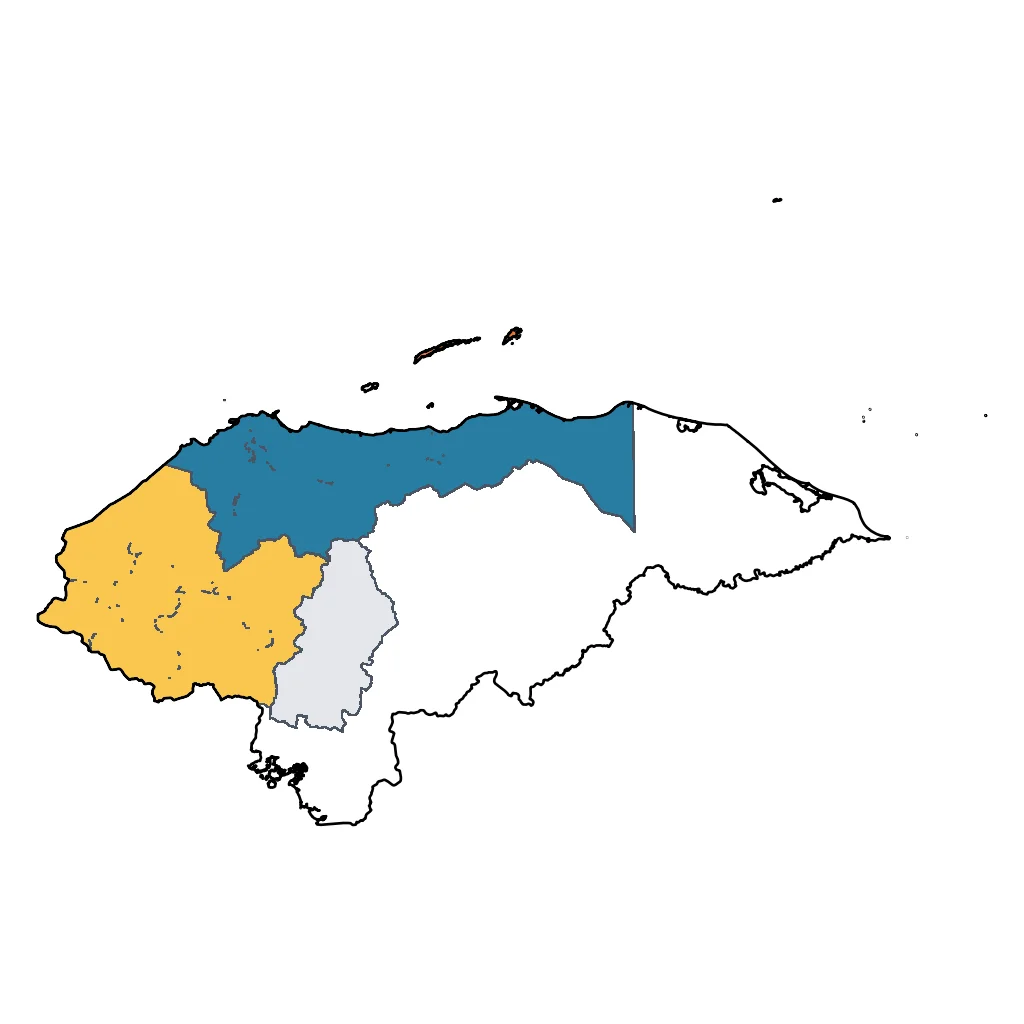
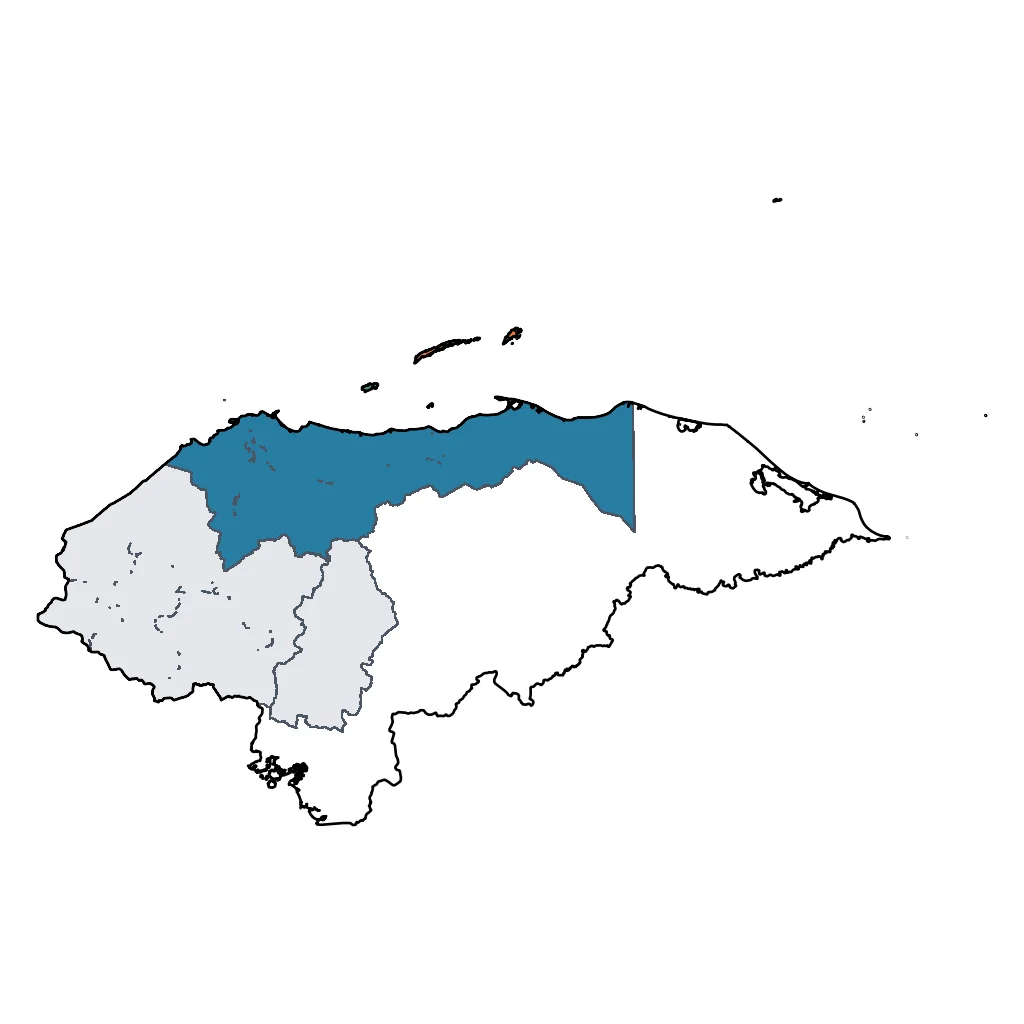
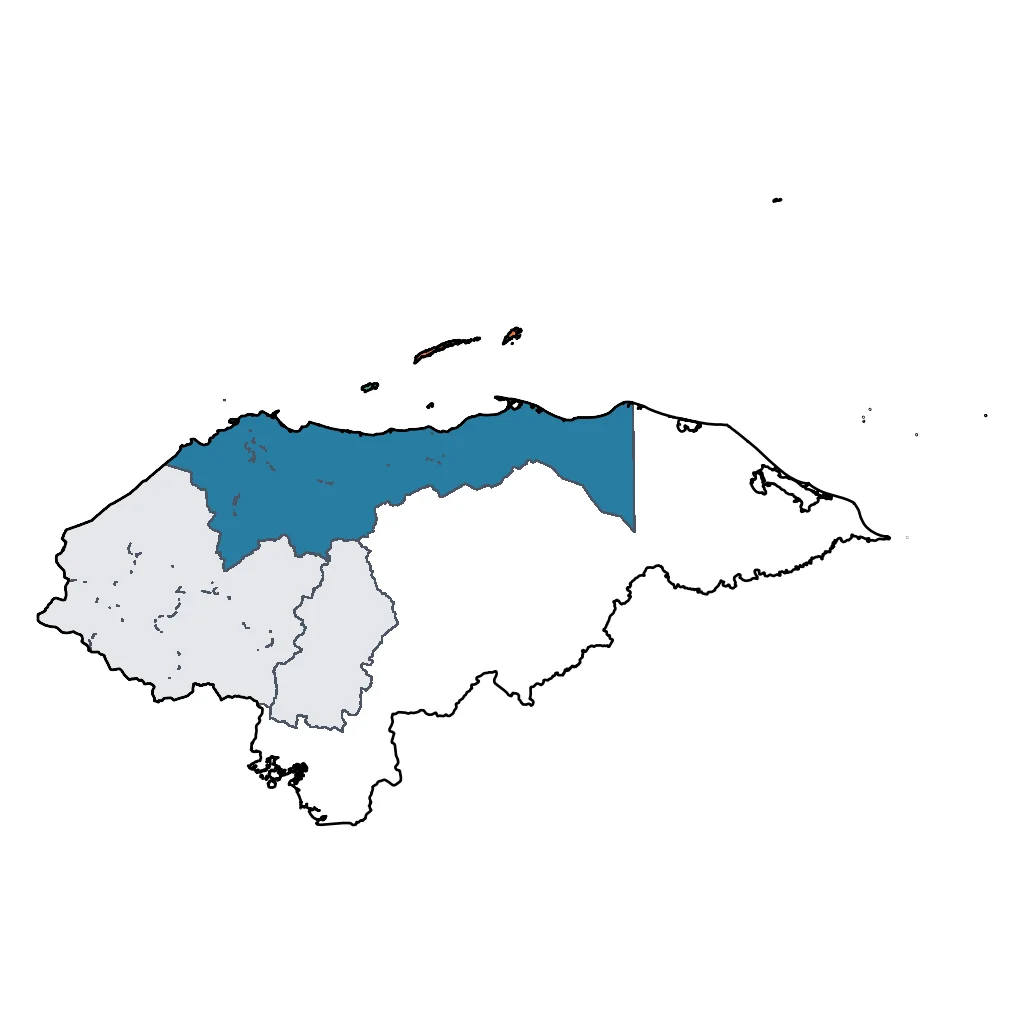

Airports & Flight Routes
Toggle options to view domestic routes and international airports. Click an airport for details.

Climate & Weather
Copán Ruins & West
Show Details
| Month | Temp °C | Rain | Humidity |
|---|
La Ceiba & North Coast
Show Details
| Month | Temp °C | Rain | Humidity |
|---|
Roatán & Bay Islands
Show Details
| Month | Temp °C | Rain | Humidity |
|---|
Tegucigalpa
Show Details
| Month | Temp °C | Rain | Humidity |
|---|
Utila (diving)
Show Details
| Month | Temp °C | Rain | Humidity |
|---|

Travel Advisory
Five out of six agencies advise exercising increased vigilance or a high degree of caution primarily due to endemic violent crime and civil unrest, though the U.S. maintains a more restrictive 'Reconsider Travel' stance.
Safety Topics
Traveller Advice (3 groups)

Travelers should use an online pre-check form (pre-registro) before arrival and carry identification at all times to comply with State of Exception requirements.

While same-sex relations are not criminalized, social attitudes can be conservative and discrimination or harassment may occur in public settings.

Female travelers are at an increased risk of harassment and sexual assault. It is recommended to avoid walking alone, especially on isolated beaches or at night.