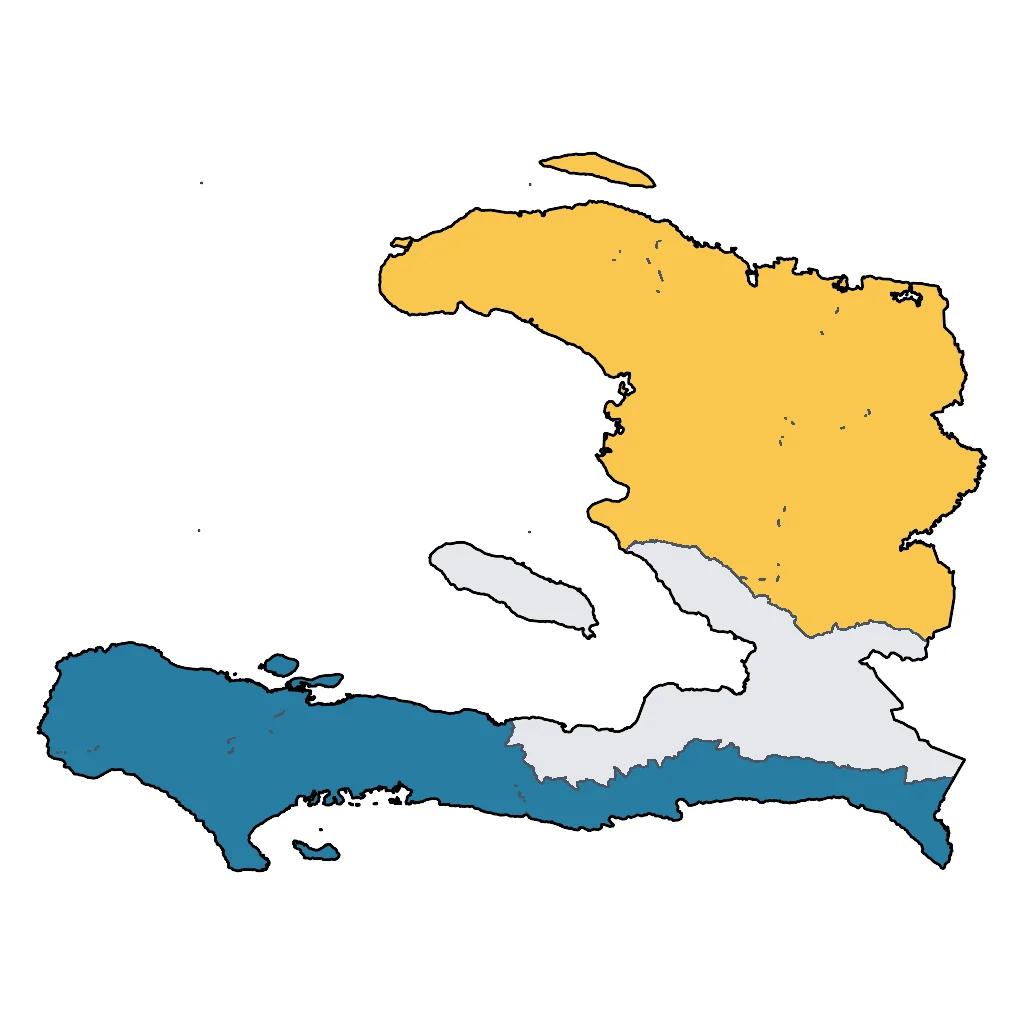

⚠️ SAFETY WARNING: Due to extreme civil instability, widespread gang activity affecting road networks, and limited essential services, government agencies (including CA, USA, UK, AU, IE, and NZ) currently advise travelers to avoid all travel to Cap-Haïtien and the northern department. While this region has historically been more stable than the capital, safe access is currently severely compromised. Families are strongly urged to consult their own government's official travel advisory before considering a trip, as circumstances and risk assessments vary.
The Northern region of Haiti is defined by the impressive Massif du Nord mountain range which drops dramatically into the Atlantic Ocean. Historically known as the "Paris of the Antilles," the city of Cap-Haïtien features narrow streets lined with French colonial architecture and red-tiled roofs. The climate here is tropical, with cooling trade winds off the ocean often making the coastal areas more comfortable than the interior valleys. The region is the custodian of the country's most significant historical monuments, designated as UNESCO World Heritage sites.
Dominating the landscape is the Citadelle Laferrière, a massive stone fortress atop the Bonnet a L’Evêque mountain. In stable times, this site is a highlight for families; the journey up the steep path is often undertaken on horseback, an adventure that captures the imagination of children while offering panoramic views of the coastline. Just below lies the Sans-Souci Palace, once the Versailles of the Caribbean, where visitors can walk through the ruins of a royal complex that hosted grand feasts in the early 19th century.
The coastline offers a different pace, with protected coves and sandy beaches. Labadee, a peninsula often used by cruise lines, showcases the natural beauty of the north with calm waters suitable for swimming and water sports. Nearby, Cormier Plage typically provides a quiet seaside retreat. Culturally, the north is proud of its heritage as the birthplace of the Haitian Revolution. The cuisine here is distinct, often featuring cashew nuts (noix d'acajou) grown in the local mountains, and fresh seafood from the Atlantic waters. While the region holds immense tourism potential and historical importance, the current logistics of travel require extreme caution.
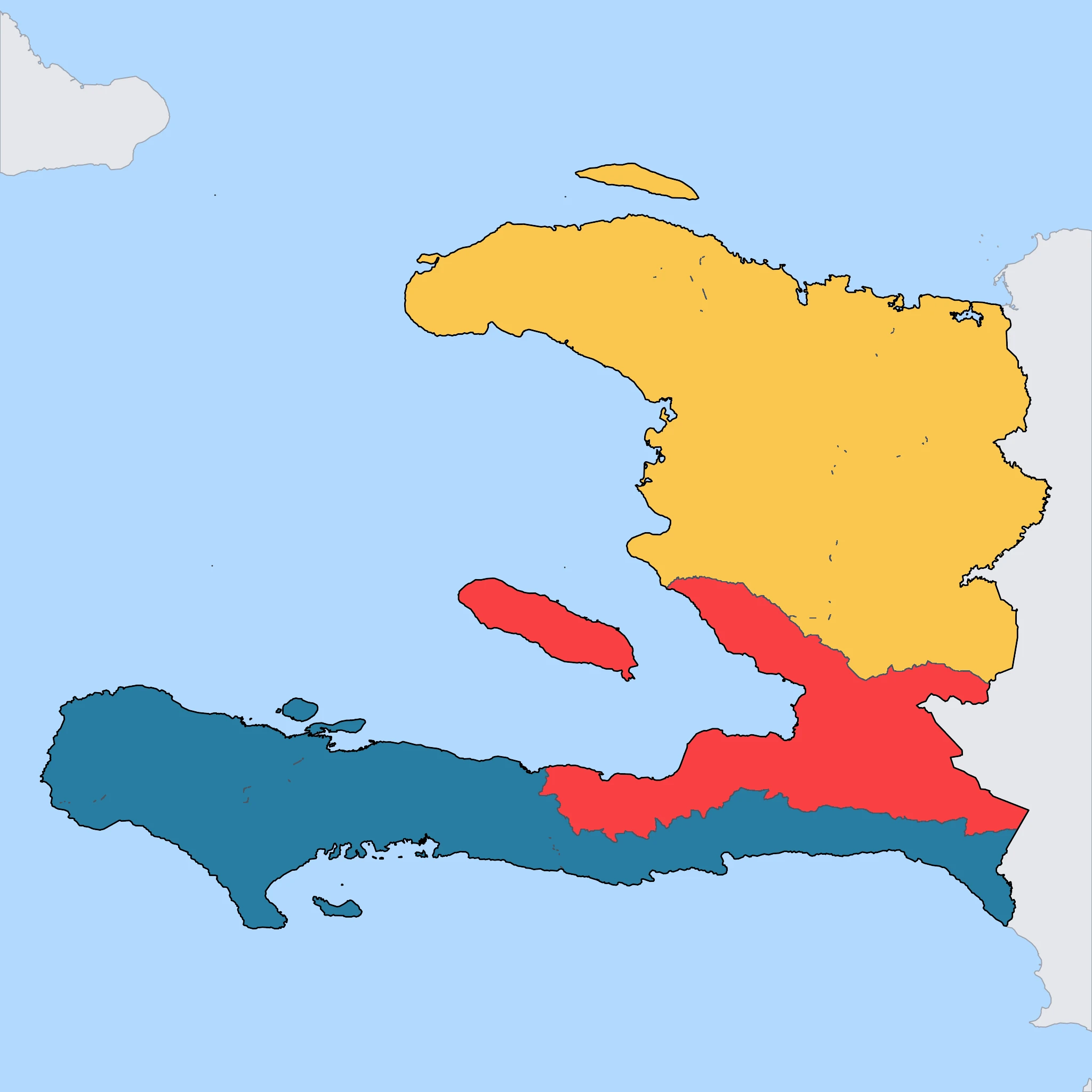
Click a region to explore

Activities & Best Times

Urban tourism, museums, historical sites, architecture
Home to the Citadelle Laferrière and Sans-Souci Palace, this region boasts UNESCO World Heritage sites that rank among the most formidable and unique historical monuments in the Americas. Peak months offer comfortable temperatures for exploring the steep fortress paths, while the summer off-season brings intense tropical heat and heavy rainfall.

Learning experiences, scientific sites, historical education
The region serves as a profound living classroom for the history of the only successful slave revolution in the world, offering unparalleled authentic insights into Caribbean colonial history. Dry winter months provide the best conditions for guided archaeological and historical tours, whereas May and the autumn months suffer from excessive precipitation.

Events, celebrations, seasonal attractions
Cap-Haïtien hosts an incredibly authentic and high-energy Carnival in February, showcasing traditional Haitian art, music, and dance without the commercialization of larger Caribbean events. Outside of the spring festive season, there are fewer major events with international appeal for discerning travelers.
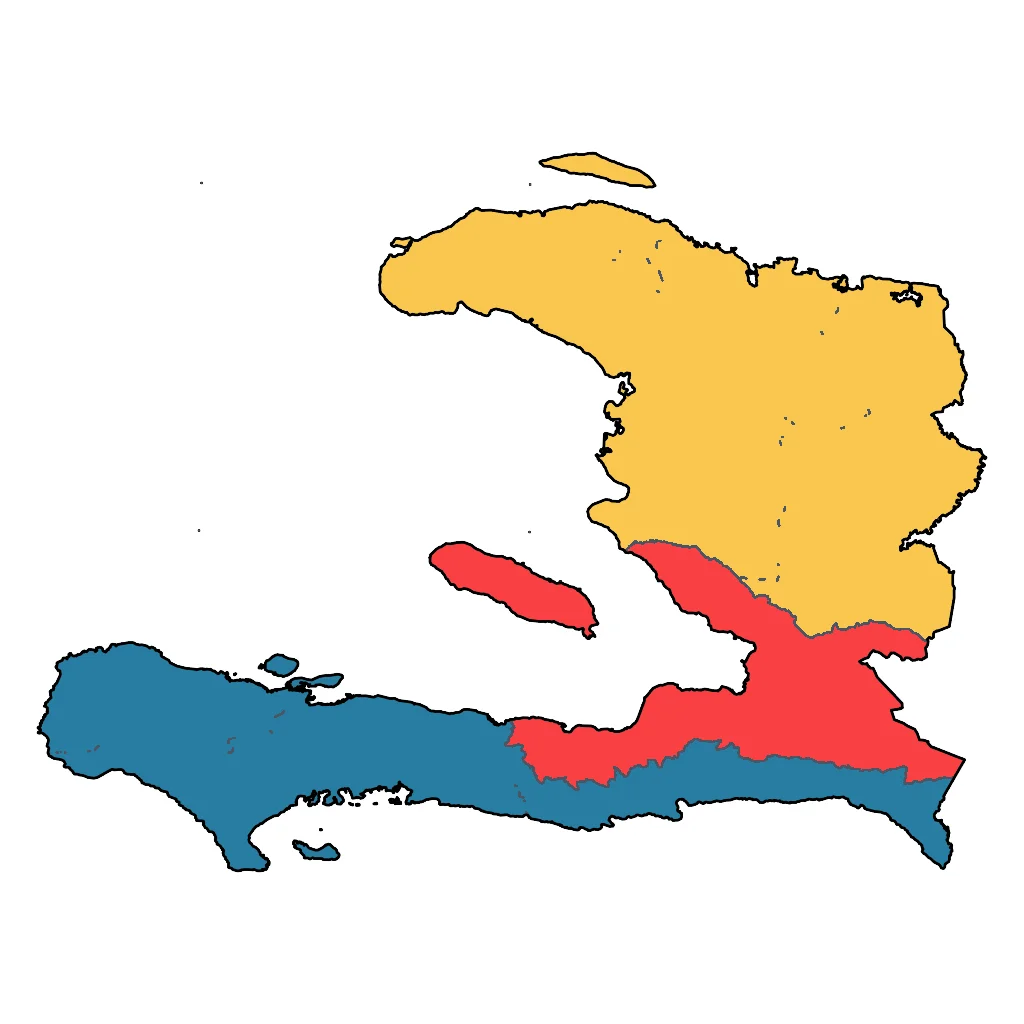

Hiking, wildlife, outdoor exploration, ecotourism
The attraction evidence shows historic sites and beaches, not nature reserves or national parks. The hiking referenced is to the Citadelle fortress, which is a cultural activity. No dedicated nature/wilderness attractions in the DB. 'good' better reflects that nature activities exist but are ancillary to the cultural offering.
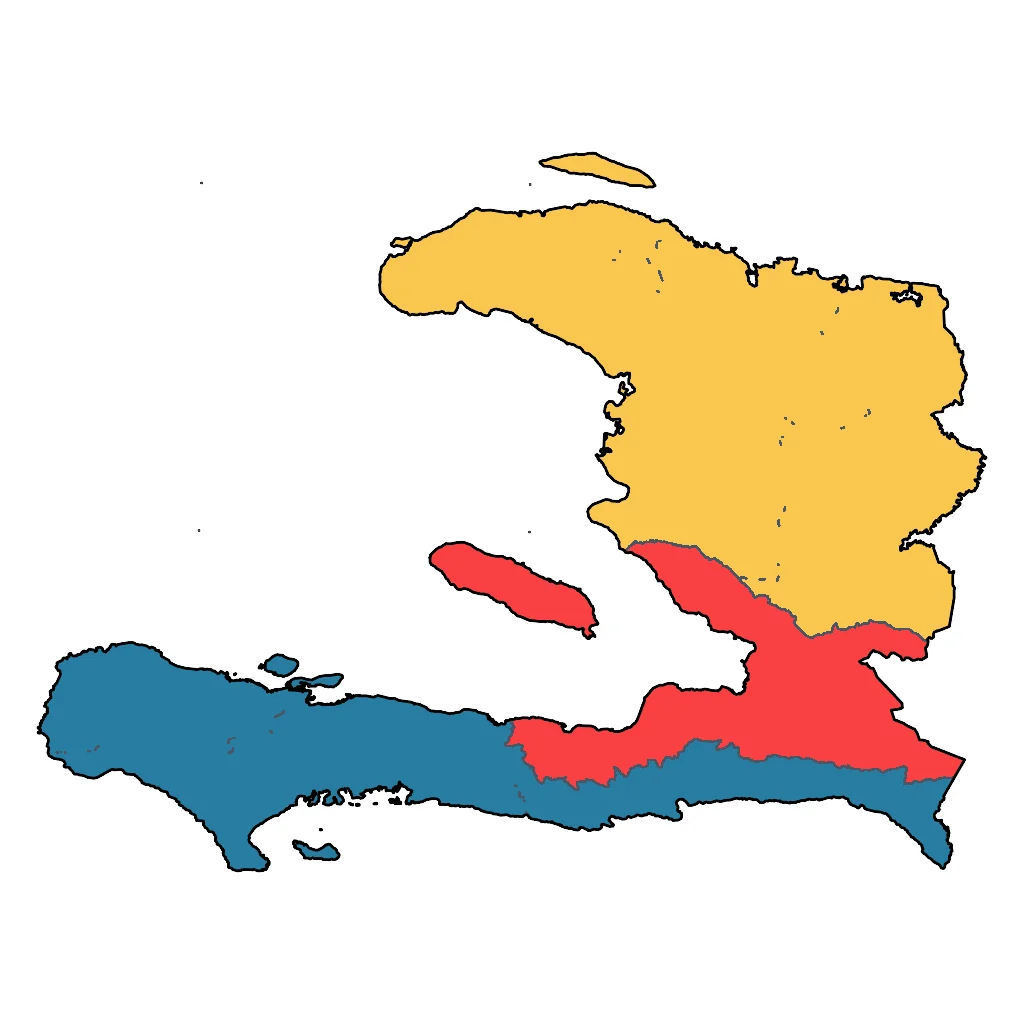
Beach resorts, marine activities: diving, snorkelling, kite surfing, wind surfing, sailing
The region features exclusive, high-standard beach facilities at Labadee and authentic coastal charm at Cormier Plage, with stunning turquoise waters. The dry winter season (Dec-Feb) ensures calm seas and high visibility for snorkeling, while the rainy season and peak heat (May-Oct) degrade the beach experience.
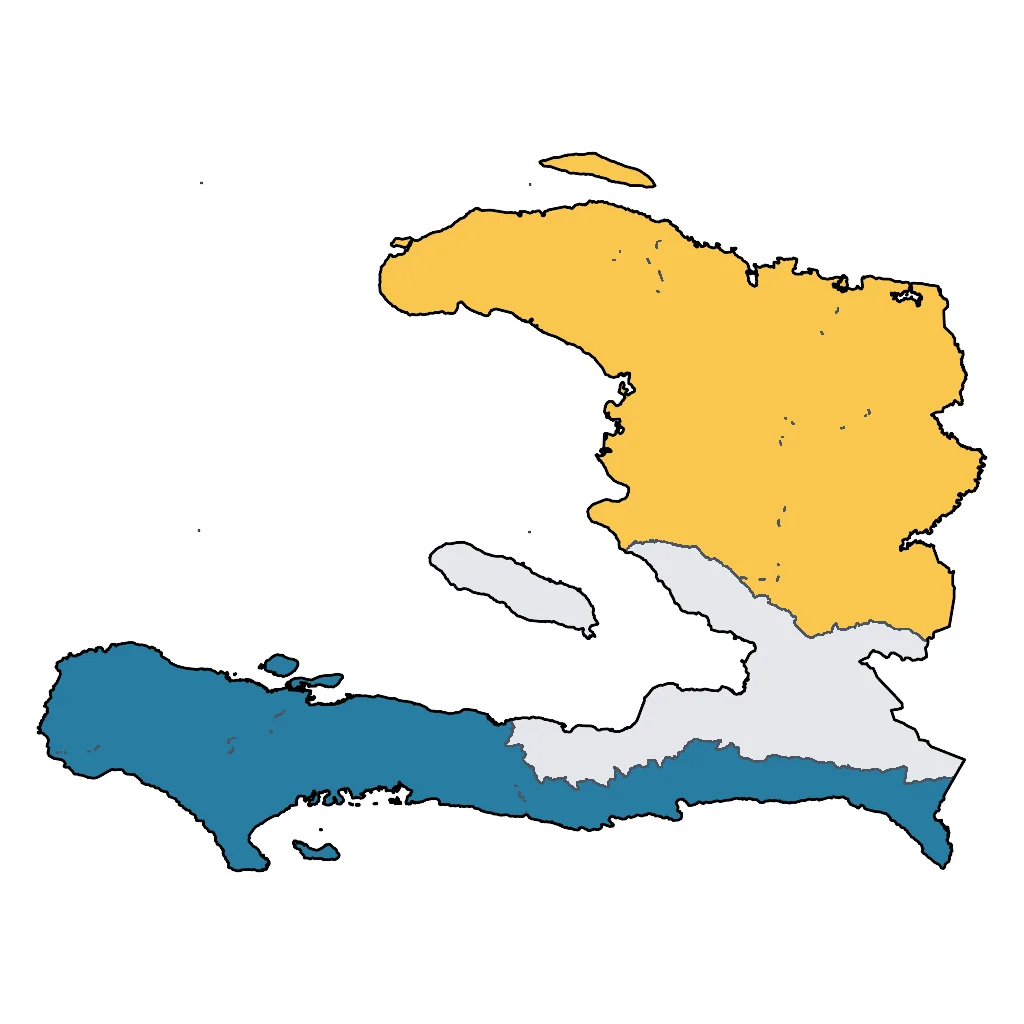

Spa retreats, wellness centers, peaceful getaways
Quiet, boutique coastal retreats offer a serene atmosphere far from mass tourism, perfect for sophisticated families seeking a peaceful getaway. Optimal weather coincides with the dry season, whereas high humidity and heavy rainfall in the summer months make outdoor relaxation less comfortable.