

Spanning over 17,000 islands, Indonesia is a vast archipelago that rewards families with distinct cultural experiences and accessible nature. While the sheer size can be overwhelming, most family tourism concentrates on specific hubs like Bali, Lombok, and Java, where infrastructure is well-developed for travelers with children. The country sits on the "Ring of Fire," resulting in dramatic volcanic landscapes that serve as a backdrop to lush rainforests and warm tropical waters.
For many families, the journey begins in Bali. The island is uniquely suited for kids, offering everything from surfing lessons on Kuta Beach to cultural immersion in Ubud. At the Sacred Monkey Forest Sanctuary, children can observe long-tailed macaques in the wild, though parents should keep a close eye on snacks and sunglasses. Just south, the waterpark Waterbom Bali provides a safe, high-standard aquatic escape from the heat. Families seeking quieter shores often take a fast boat to the Gili Islands near Lombok. On Gili Trawangan or Gili Air, motorized traffic is banned, allowing families to explore the coast by bicycle or horse-drawn cart (cidomo) and snorkel with sea turtles right off the beach.
Wildlife is a major draw here. Beyond the monkeys of Bali, adventurous families can fly to Flores to visit Komodo National Park, the only place in the world to see Komodo dragons in their natural habitat. On the island of Borneo (Kalimantan) or Sumatra, riverboat tours take visitors to see wild orangutans swinging through the canopy, a profound experience for older children. For history enthusiasts, the massive Buddhist temple of Borobudur in Java offers a chance to explore ancient stone stupas at sunrise.
Indonesian food is generally very approachable for young palates. Nasi goreng (fried rice) and mie goreng (fried noodles) are staples that are usually mild and sweet rather than spicy. Satay (grilled meat skewers) with peanut sauce is a universal favorite among kids. Exploring local markets also offers the chance to try exotic fruits like the scaly-skinned snake fruit (salak) or the sweet mangosteen.
Travel logistics require some planning. The tropical climate means heat and humidity are constants; the dry season from April to September is the most comfortable time to visit. Traffic in major hubs like Denpasar and Jakarta can be heavy and chaotic, so hiring a private driver for day trips is often the safest and most stress-free option. Parents must be vigilant about health: tap water is not potable, so stick to bottled water for drinking and brushing teeth to avoid stomach issues. With reasonable precautions, Indonesia provides a warm, welcoming environment where locals often go out of their way to make children feel at home.

Explore Regions
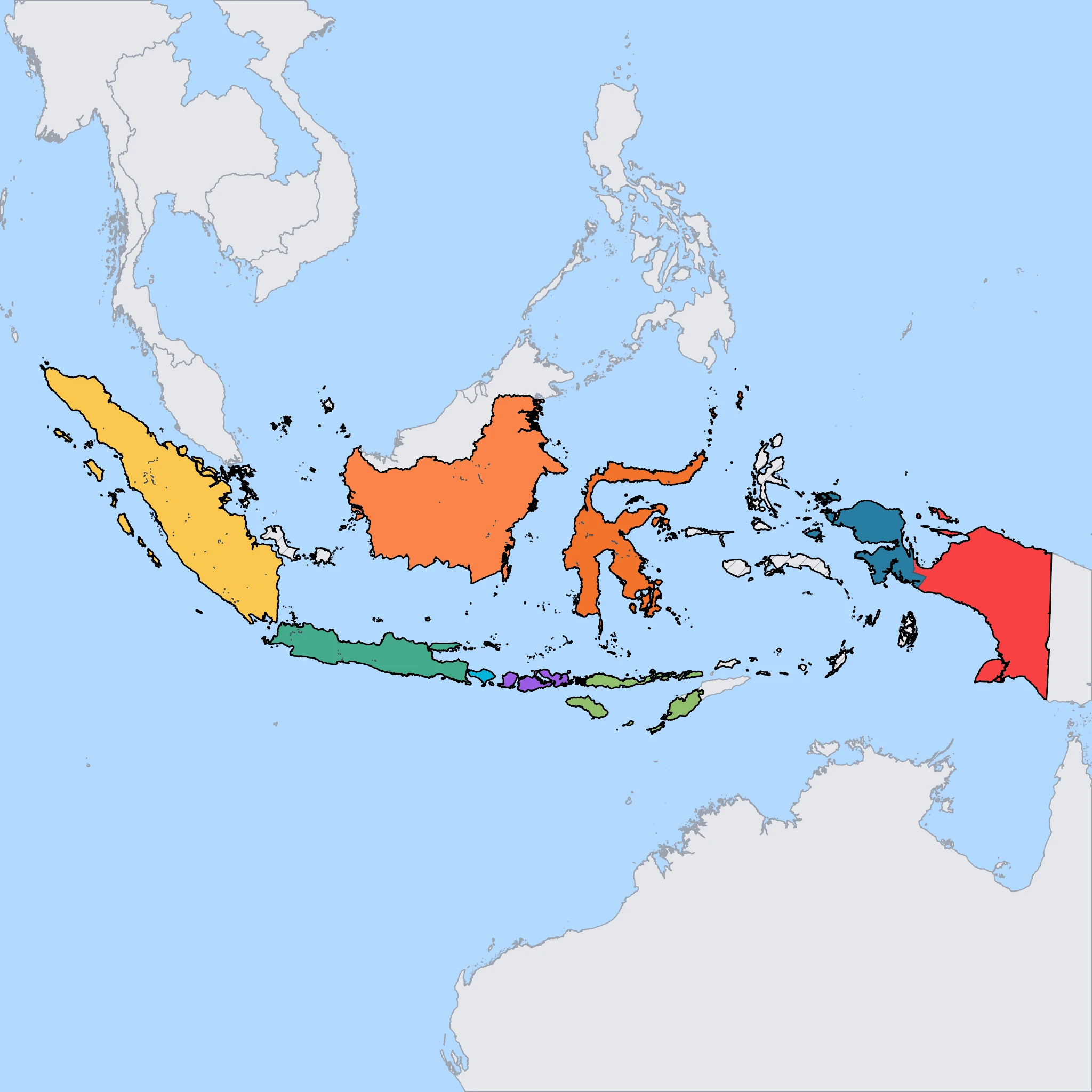
9 Regions
Bali
Island of Gods and family adventures 🌺🌊
Borneo/Kalimantan
River cruises into the heart of the jungle 🦧🌿
Java (Jakarta, Yogyakarta, Bromo)
Ancient temples and volcanic vistas 🌋🛕
Komodo & Flores
Land of dragons and tri-coloured lakes 🐉⛵
Lombok & Gili Islands
Unspoilt beaches and car-free island bliss 🐢🚲
Papua
Remote highlands and ancient tribal traditions ⛰️🏹
Raja Ampat
The ultimate marine wonderland 🐠🏝️
Sulawesi (Toraja)
Misty mountains and mystical traditions 🐃⛰️
Sumatra (Lake Toba, Orangutans)
Jungle treks and volcanic lakes 🌋🦧
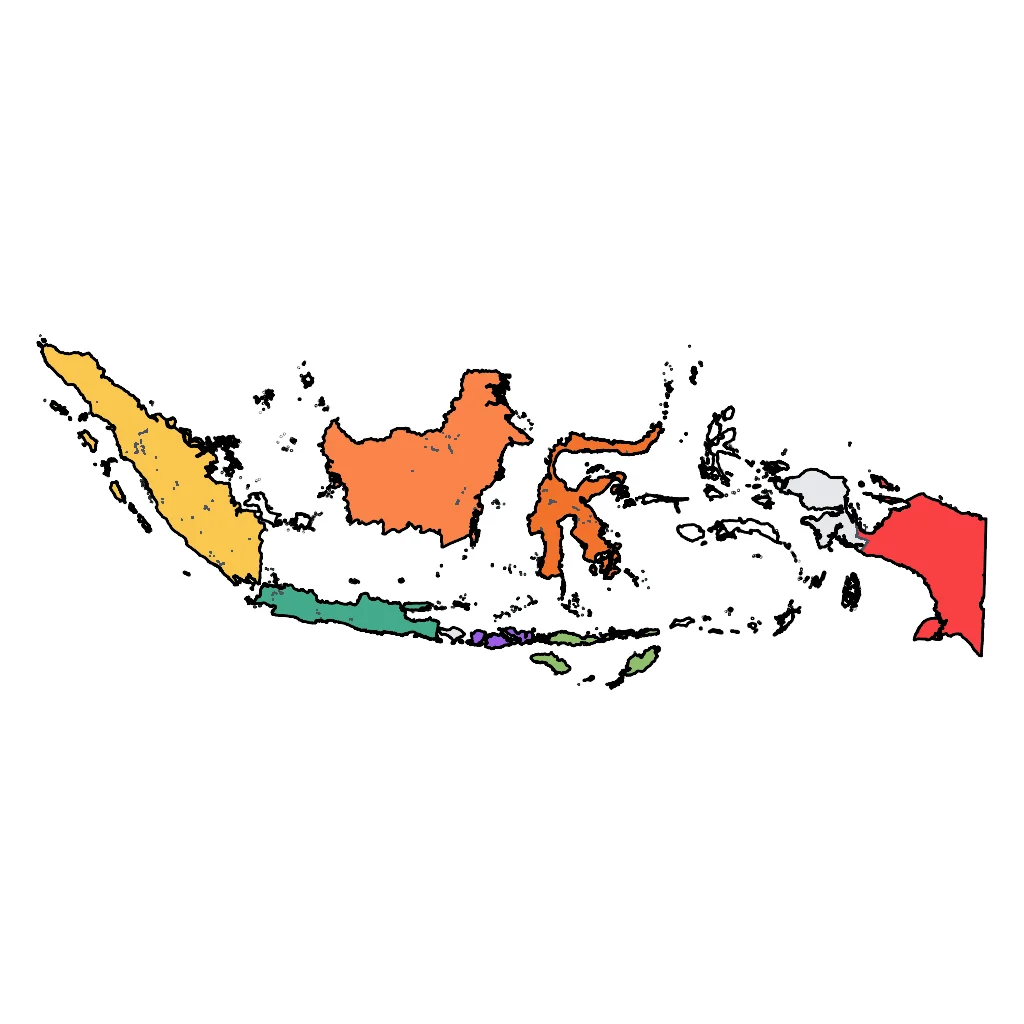
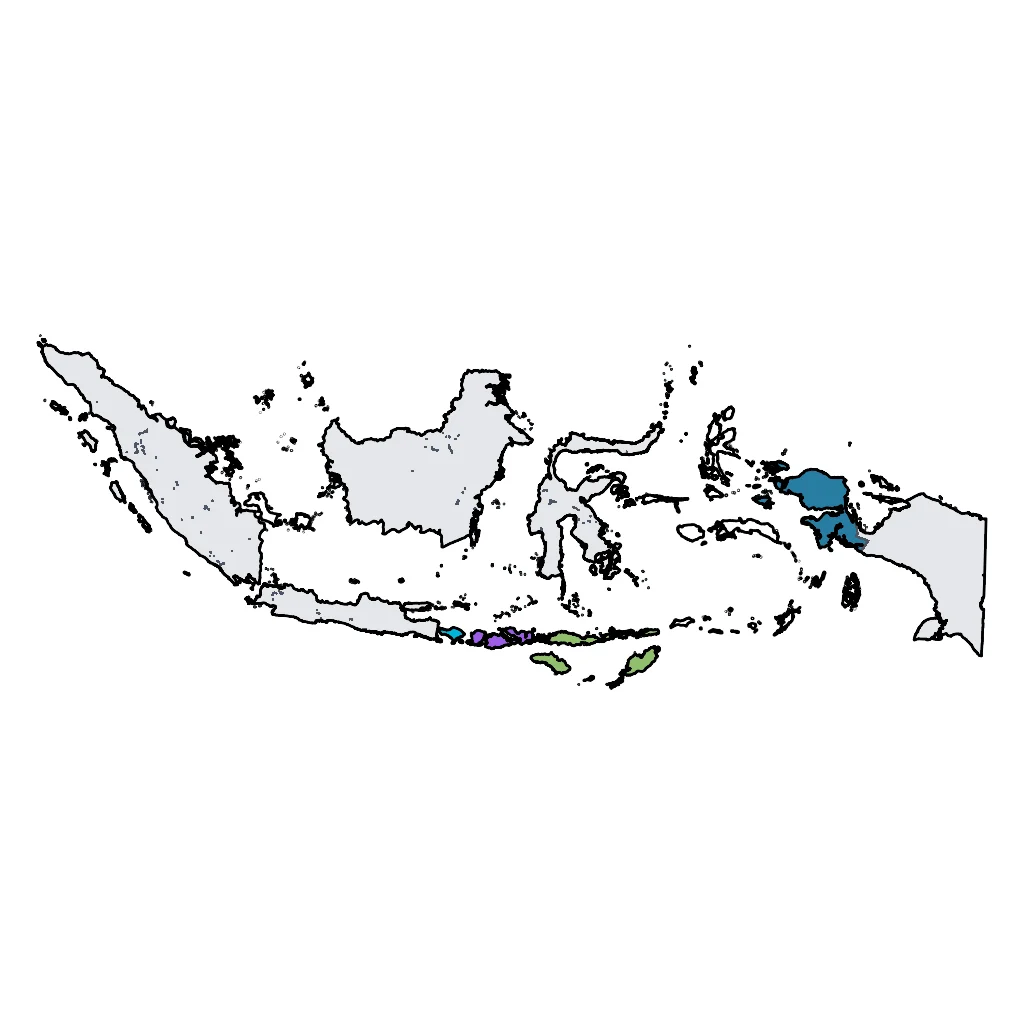
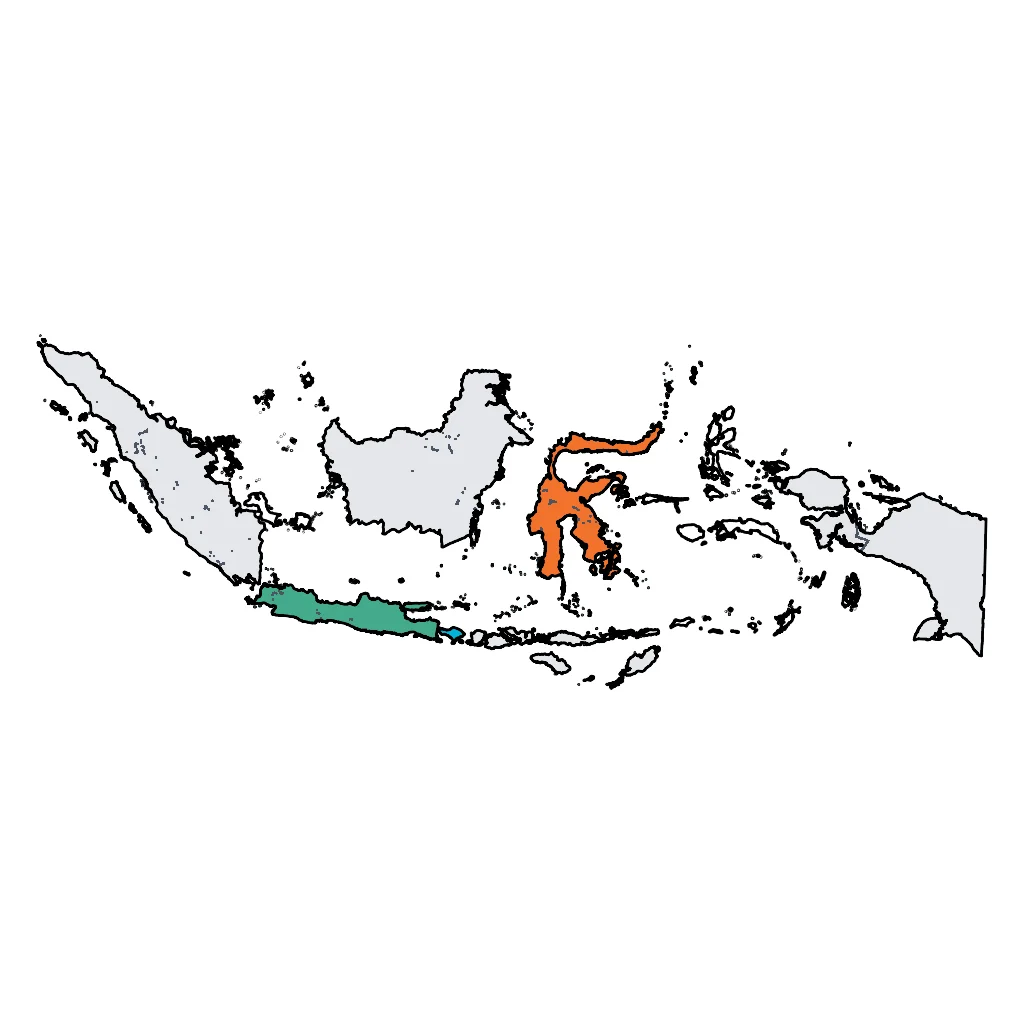
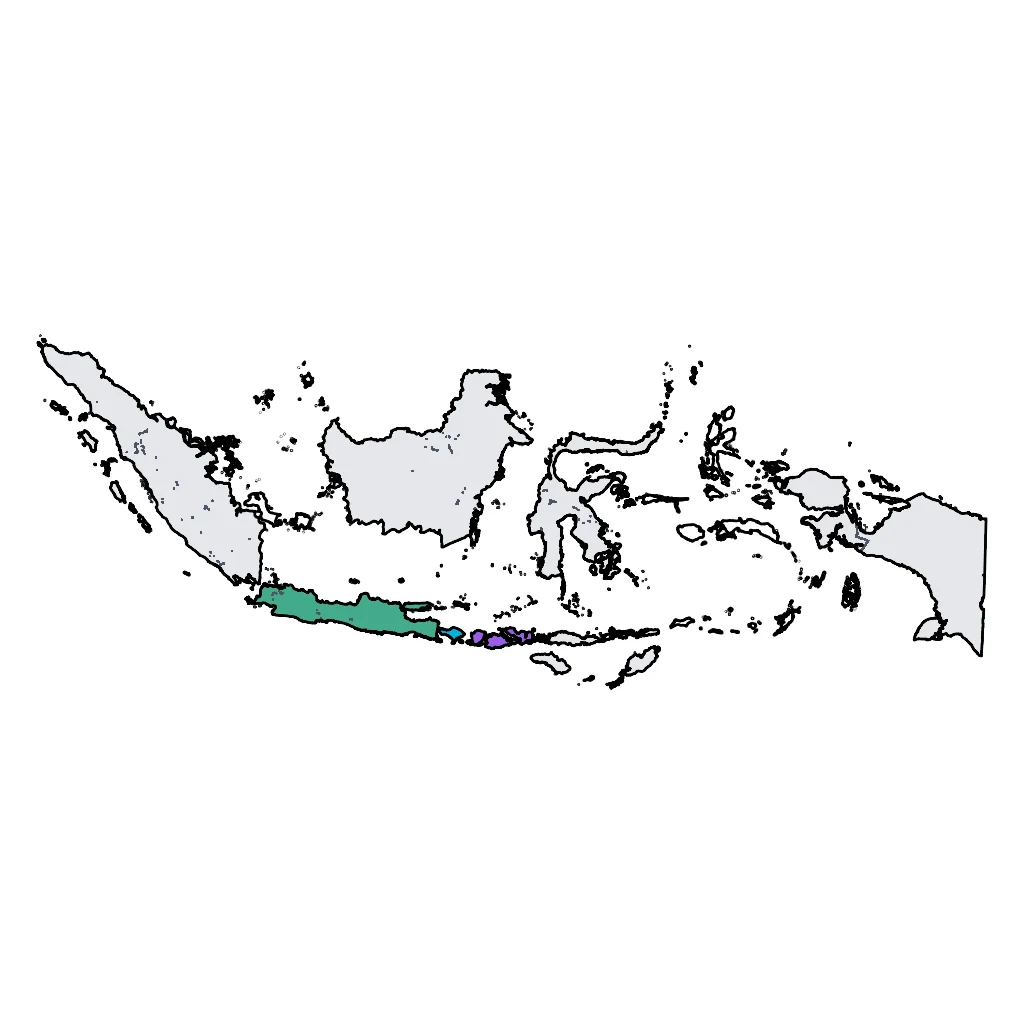
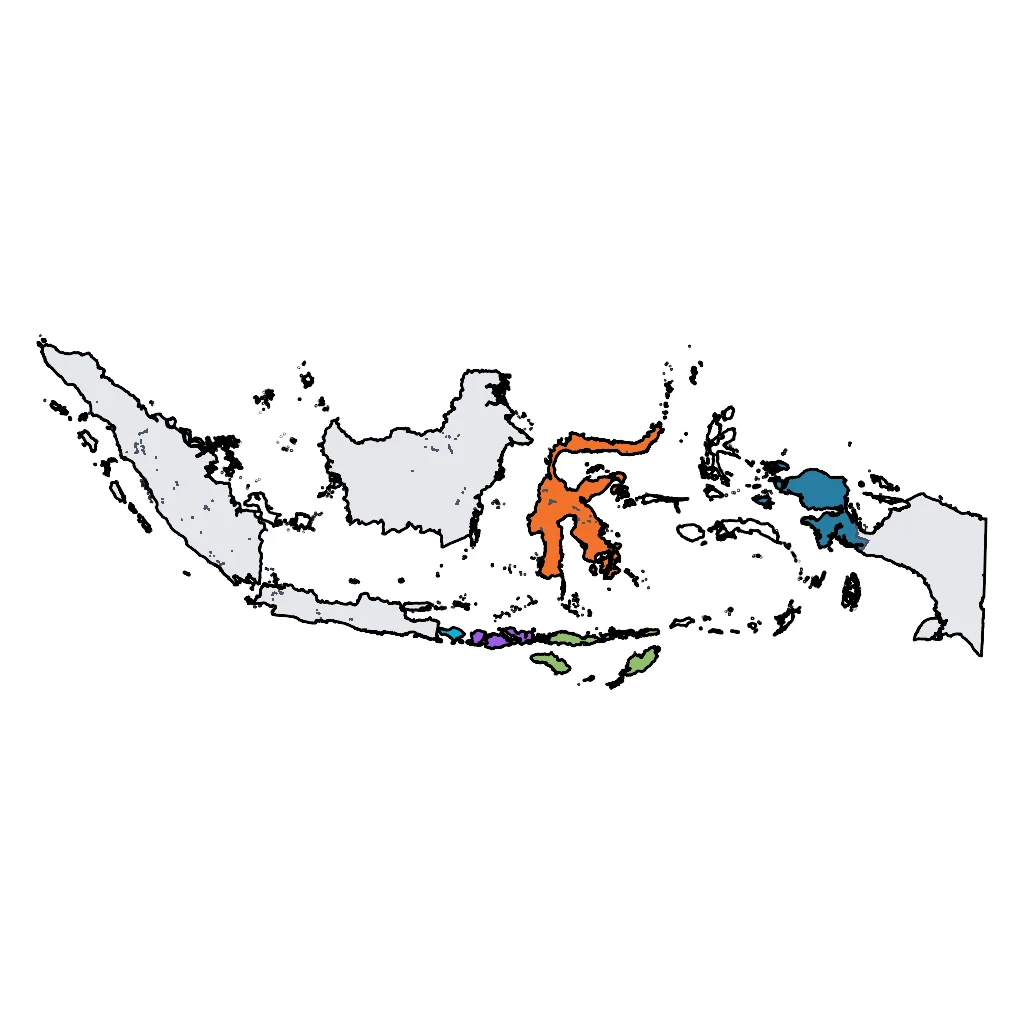
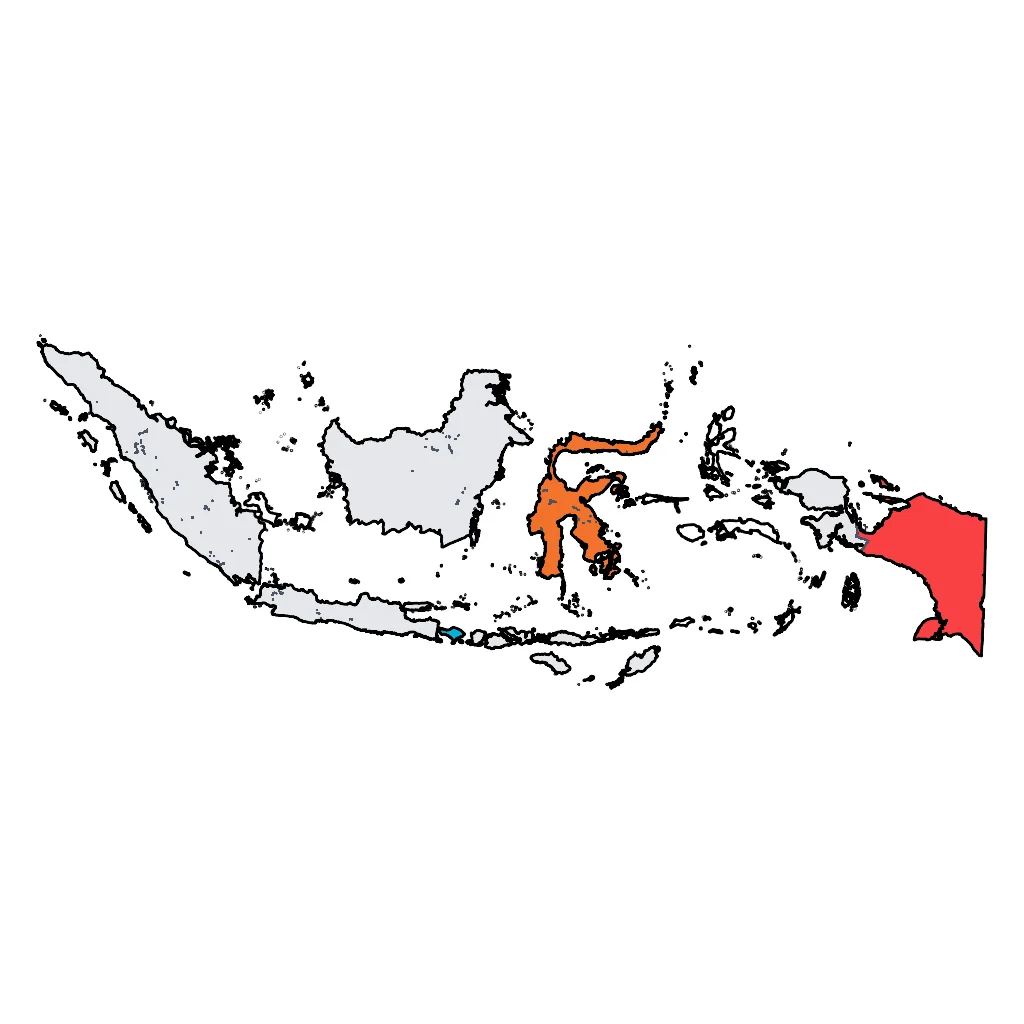
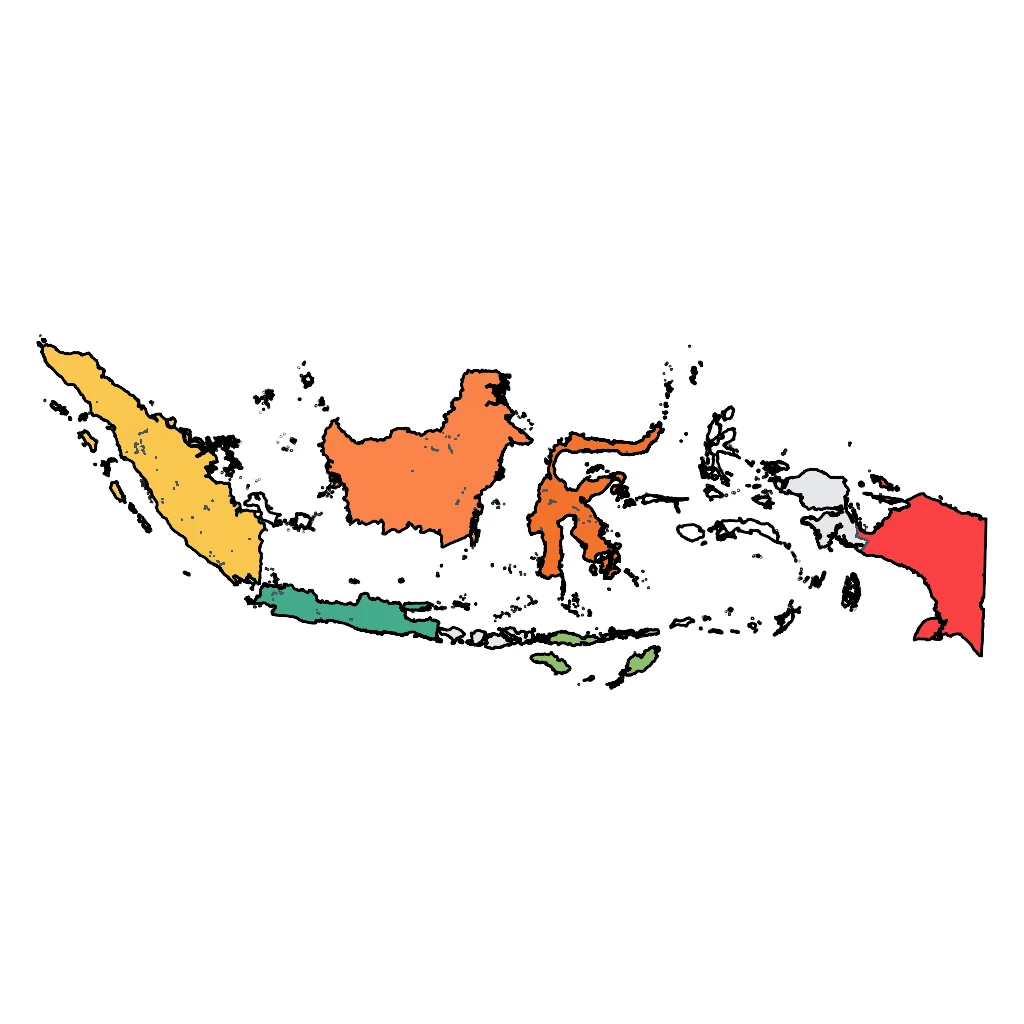
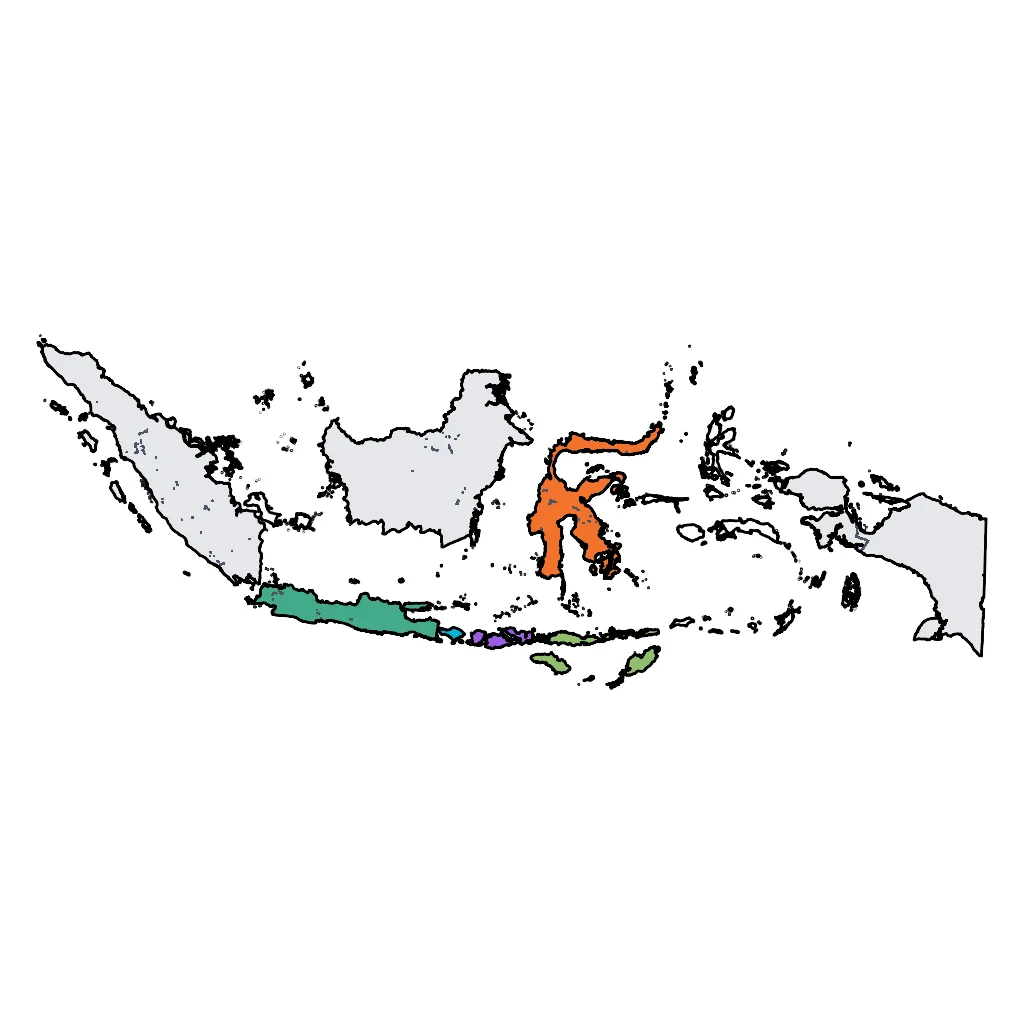
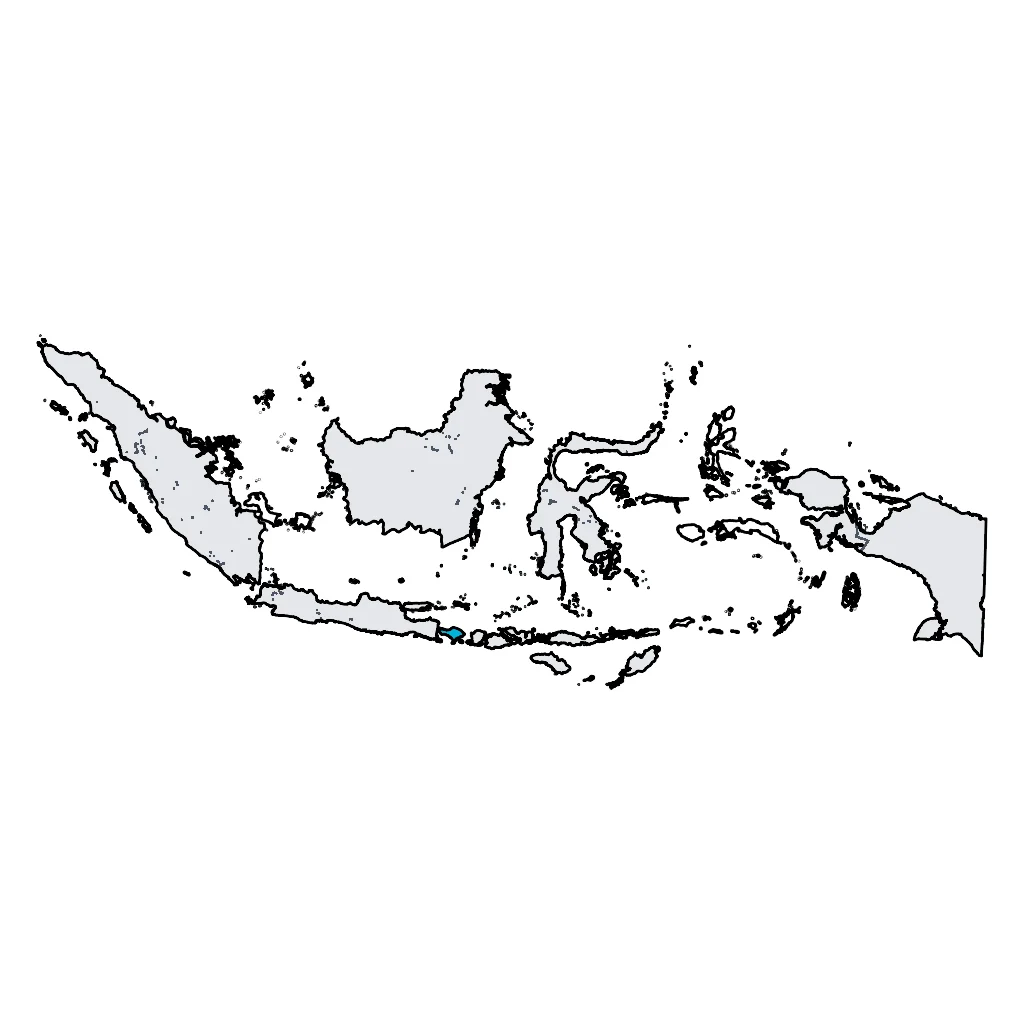
Click on a region marker to explore details. Use the dropdown to color regions by activity suitability.

Activities & Best Times

Adventure & Nature
ExcellentHiking, wildlife, outdoor exploration, ecotourism
A world-class destination for unique wildlife encounters, offering some of the last opportunities to see wild orangutans in the UNESCO-listed Gunung Leuser rainforest. Peak months provide the driest conditions for jungle trekking, whereas the high rainfall in the off-season (Oct-Jan) makes trails muddy and wildlife spotting significantly more difficult.
Papua is a premier global frontier for trekking and authentic wilderness encounters with the Dani people in the Baliem Valley. Peak conditions occur in August when rainfall is at its lowest, while the heavy monsoons (>300mm) from December to April render remote trails and mountainous terrain nearly impassable for international families.
Mount Bromo and Ijen Crater offer some of the most surreal volcanic landscapes on the planet, featuring accessible yet thrilling trekking for active families. Peak season (Jul-Sep) is essential for the iconic sunrise views and low precipitation (avg <80mm); off-season trekking is often hindered by thick cloud cover and slippery, hazardous trails.

Beach & Sea
ExcellentBeach resorts, marine activities: diving, snorkelling, kite surfing, wind surfing, sailing
The global epicenter of marine biodiversity, offering world-class diving and snorkeling with visibility often exceeding 20m. Peak season (Oct-Mar) provides the calmest seas and best underwater visibility, whereas the June-August monsoon brings rough waters that limit boat accessibility.
Home to world-class diving at Manta Point and unique pink sand beaches within a UNESCO World Heritage site. Peak months offer the best sea visibility and calmest waters, while the heavy monsoon rains and high winds from December to March make maritime exploration and diving hazardous.
Home to the world-class Gili Islands and the pristine bays of South Lombok, offering exceptional snorkeling with sea turtles and crystal-clear turquoise waters. Peak months provide optimal sea visibility and dry weather, while the monsoon season (Nov-Mar) brings heavy rain and reduced water clarity.

City & Cultural
ExcellentUrban tourism, museums, historical sites, architecture
Home to the world's largest Buddhist temple (Borobudur) and the majestic Prambanan, offering unparalleled spiritual and architectural heritage. Peak dry months (Jul-Sep) provide clear skies for temple photography and outdoor performances, while the monsoon season (Nov-Apr) can see heavy flooding in Jakarta and uncomfortably wet conditions at archaeological sites.
The Toraja highlands offer one of the world's most authentic and sophisticated cultural experiences, centered on unique architecture and profound ancestral traditions. Peak months align with the dry season and the primary window for significant cultural rites, providing unparalleled access for discerning travelers.
Ubud serves as a world-class cultural hub for traditional arts, Balinese Hinduism, and authentic temple ceremonies. The dry season is the best time for cultural exploration as many significant rituals and performances take place in outdoor temple courtyards.

Relaxation & Wellness
ExcellentSpa retreats, wellness centers, peaceful getaways
A global epicenter for wellness, offering world-class yoga retreats, spiritual healing, and luxury spa infrastructure in Ubud and beyond. While facilities are year-round, the lower humidity and cooler breezes of the dry season enhance the tranquil, open-air experience preferred by discerning travelers.
The region features world-class wellness retreats such as Amanjiwo, specializing in Javanese healing traditions and serene luxury. The dry season (Jun-Sep) offers lower humidity (63-65%) and pleasant breezes for outdoor spa treatments; the heavy monsoon months are less suitable due to extreme humidity and persistent rain.
Offers a sophisticated, serene alternative to Bali with high-end eco-luxury resorts and secluded spa retreats. The low humidity and pleasant breezes of the dry season are ideal for outdoor wellness, while high rainfall in winter can limit the tranquility of the experience.

Sports & Active
ExcellentSport tourism, fitness activities, active recreation
Exceptional conditions for professional-grade surfing and world-class diving at sites like the USAT Liberty wreck. Peak months provide consistent swells and offshore winds for surfers and maximum underwater visibility (>20m) for divers, which significantly degrades during the rainy season.
A premier destination for sea kayaking and technical diving through intricate island archipelagos. Activity is highly dependent on sea state, with the October to March window offering the stable conditions required for safe navigation and world-class sport experiences.
Features premier active pursuits including technical wall diving and strenuous highland trekking through the orchid-shaped landscape. Optimal performance conditions are strictly limited to the dry window (Aug-Oct) to ensure safety and visibility for high-standard sporting experiences.

Festivals & Seasonal
ExcellentEvents, celebrations, seasonal attractions
The elaborate Toraja funeral ceremonies are world-renowned anthropological events typically held during the drier months of July and August. While minor ceremonies occur year-round, the peak period offers the most culturally significant and accessible opportunities for international visitors.
The Baliem Valley Cultural Festival in August is a world-class, authentic gathering that offers unique insights into ancient tribal traditions. August is the peak month specifically for this event; the high precipitation during the rest of the year significantly limits the feasibility of large-scale outdoor cultural ceremonies and travel logistics.
Hosts unique, internationally significant events like the Bali Arts Festival (June/July) and traditional kite festivals. These outdoor celebrations are most enjoyable during the peak dry months when consistent winds and clear skies support the elaborate processions and displays.

Educational & Exploratory
Very GoodLearning experiences, scientific sites, historical education
Offers profound learning opportunities regarding the geology of the Toba supervolcano and primate conservation at Bukit Lawang. The drier peak season (Jun-Aug) is optimal for visiting research centers and geological sites, while the heavy monsoons in shoulder/off months can disrupt outdoor educational tours.
Offers profound anthropological and biological learning opportunities regarding living Neolithic cultures and unique endemic species like the Birds of Paradise. Travel for educational purposes is best during the relatively drier window of mid-year, as extreme rain from October to May creates significant access barriers to remote tribal communities and research sites.
Offers profound learning opportunities in archaeology, volcanology, and colonial history through world-class sites and interactive museums like Ullen Sentalu. Peak months offer optimal visibility and accessibility for field exploration; off-season rainfall (up to 393mm in Jan) limits outdoor site visits and educational tours.

Road Trips & Scenic
GoodScenic drives, countryside tours, route-based travel
Dramatic drives through high-altitude tea plantations and volcanic ridges offer spectacular vistas for families who enjoy scenic touring. Peak dry months provide the necessary visibility and safe road conditions; the rainy season brings a high risk of landslides and poor visibility in mountainous areas like Puncak and Bromo.
The drive from Makassar to the Toraja highlands is spectacular, featuring dramatic karst formations and coastal vistas. For discerning families, this requires private chauffeured transport, which is only comfortable and safe when the heavy monsoon rains do not compromise the winding mountain roads.
The Trans-Flores Highway provides an adventurous, scenic route through dramatic volcanic landscapes and traditional districts. Travel is best during the driest months (Jun–Sep) to ensure road stability; the wet season frequently causes landslides and difficult driving conditions on the island's winding mountain roads.

Theme Park & Entertainment
GoodAmusement parks, family entertainment venues
Home to Waterbom Bali, consistently ranked as one of the world's top water parks, and high-quality safari parks. As these are primarily outdoor venues, the heavy tropical rainfall of the off-season can lead to attraction closures and a less premium experience for families.
Features regional leaders like Taman Safari Bogor and Kidzania Jakarta, though they may lack the polished 'world-class' consistency of global giants. Dry months are preferred to avoid tropical downpours that frequently close outdoor attractions; the intense rainfall of Dec-Feb often disrupts park logistics.

Airports & Flight Routes
Toggle options to view domestic routes and international airports. Click an airport for details.

Climate & Weather
Bali
Show Details
| Month | Temp °C | Rain | Humidity |
|---|
Borneo/Kalimantan
Show Details
| Month | Temp °C | Rain | Humidity |
|---|
Java (Jakarta, Yogyakarta, Bromo)
Show Details
| Month | Temp °C | Rain | Humidity |
|---|
Komodo & Flores
Show Details
| Month | Temp °C | Rain | Humidity |
|---|
Lombok & Gili Islands
Show Details
| Month | Temp °C | Rain | Humidity |
|---|
Papua
Show Details
| Month | Temp °C | Rain | Humidity |
|---|

Travel Advisory
The majority of global agencies recommend exercising a high degree of caution due to persistent security threats, terrorism, and natural disaster risks.
Safety Topics
Traveller Advice (4 groups)

While same-sex relations are not prohibited by national law (except in Aceh), LGBTQ+ individuals may face social stigma or discrimination. Revised laws regarding cohabitation should be noted.

Those working in conflict zones, particularly in the Papua region, face a significantly elevated risk of being targeted for kidnapping or caught in civil violence.

Visitors to Bali should review the specific local government 'Do's and Don'ts' to avoid offending cultural or religious norms, which can lead to deportation.

It is recommended to dress modestly and respect local customs, particularly when visiting religious sites or rural areas. Avoid traveling alone at night in secluded locations.