

Dublin & East Coast
Viking history, city parks, and coastal trains 🏰🌊
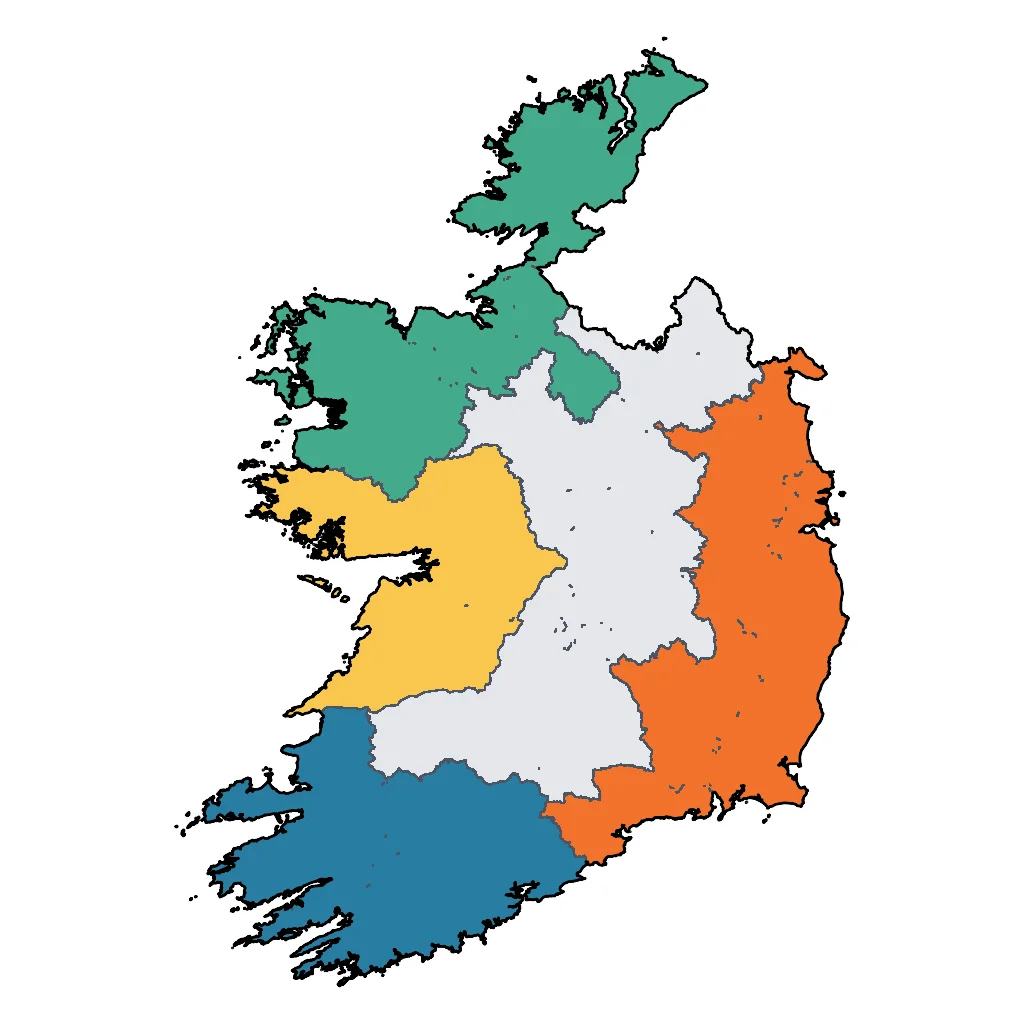
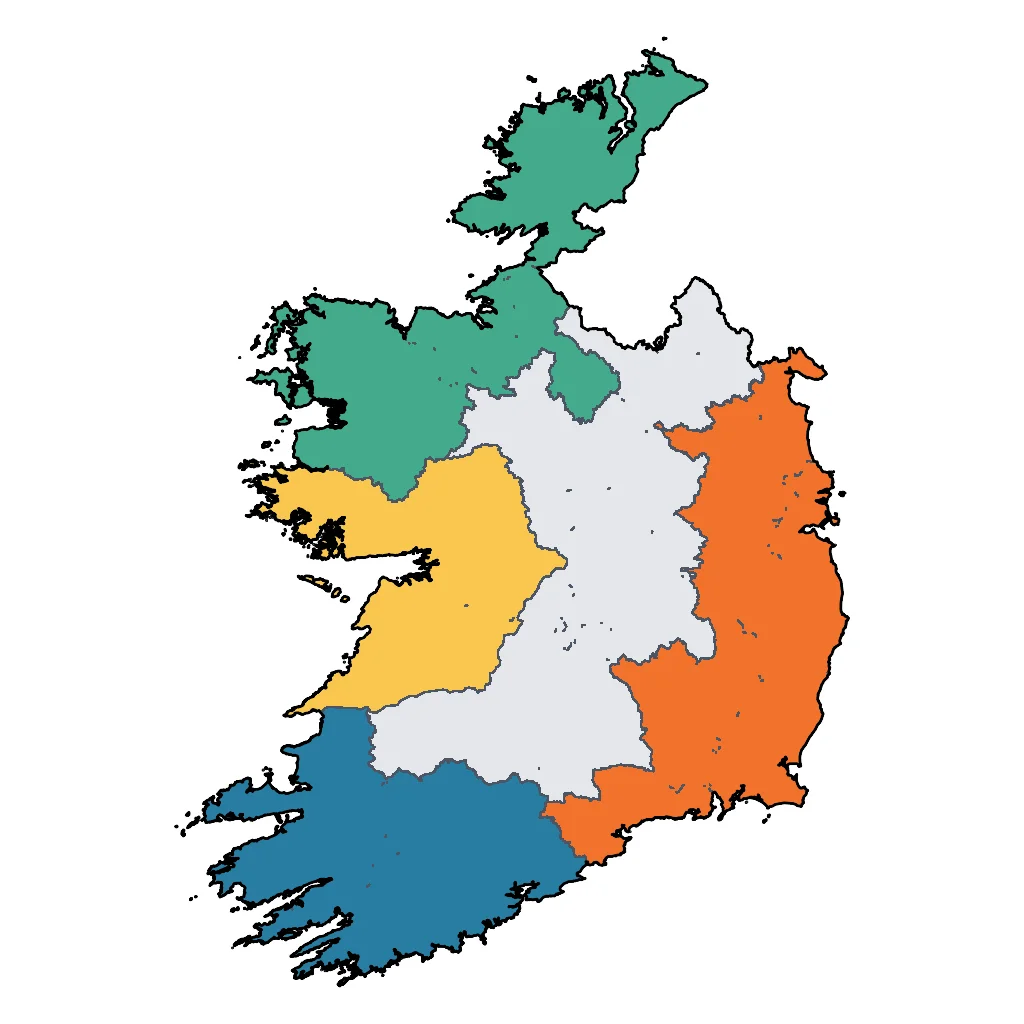
Dublin & the East Coast offers a blend of manageable city excitement and accessible nature that works exceptionally well for families. Dublin itself is a compact, walkable city where history comes alive without being overwhelming. Start your visit at Dublinia to learn about the city's Viking past in a hands-on environment, then head to the expansive Phoenix Park. Here, you can rent bikes to spot the resident deer herd or spend a full day at Dublin Zoo, one of the world's oldest and most respected zoos.
Transportation is a highlight for children here; the DART (Dublin Area Rapid Transit) train line hugs the coast, offering inexpensive and scenic excursions. Head north to the fishing village of Howth to walk the pier and watch seals waiting for fish scraps, or go south to Bray for a classic pebble beach experience and an aquarium. For a day of myth and magic, the National Leprechaun Museum offers folklore storytelling sessions that captivate younger audiences.
Venturing just south of the capital brings you to the Wicklow Mountains, often called the "Garden of Ireland." Glendalough is a standout destination; its ancient monastic site features a round tower that sparks imaginations, and the surrounding flat trails around the lakes are stroller-friendly. Nearby, Powerscourt Estate features the highest waterfall in Ireland, which includes a playground and ample space for picnics.
To the north lies the Boyne Valley in County Meath, home to the Neolithic passage tomb of Newgrange. While entering the tomb is a profound experience, the visitor centre handles the history in a way that remains engaging for school-aged children. Whether exploring medieval castles like Malahide (with its massive playground and butterfly house) or enjoying the urban buzz of Grafton Street, this region balances educational value with genuine fun.
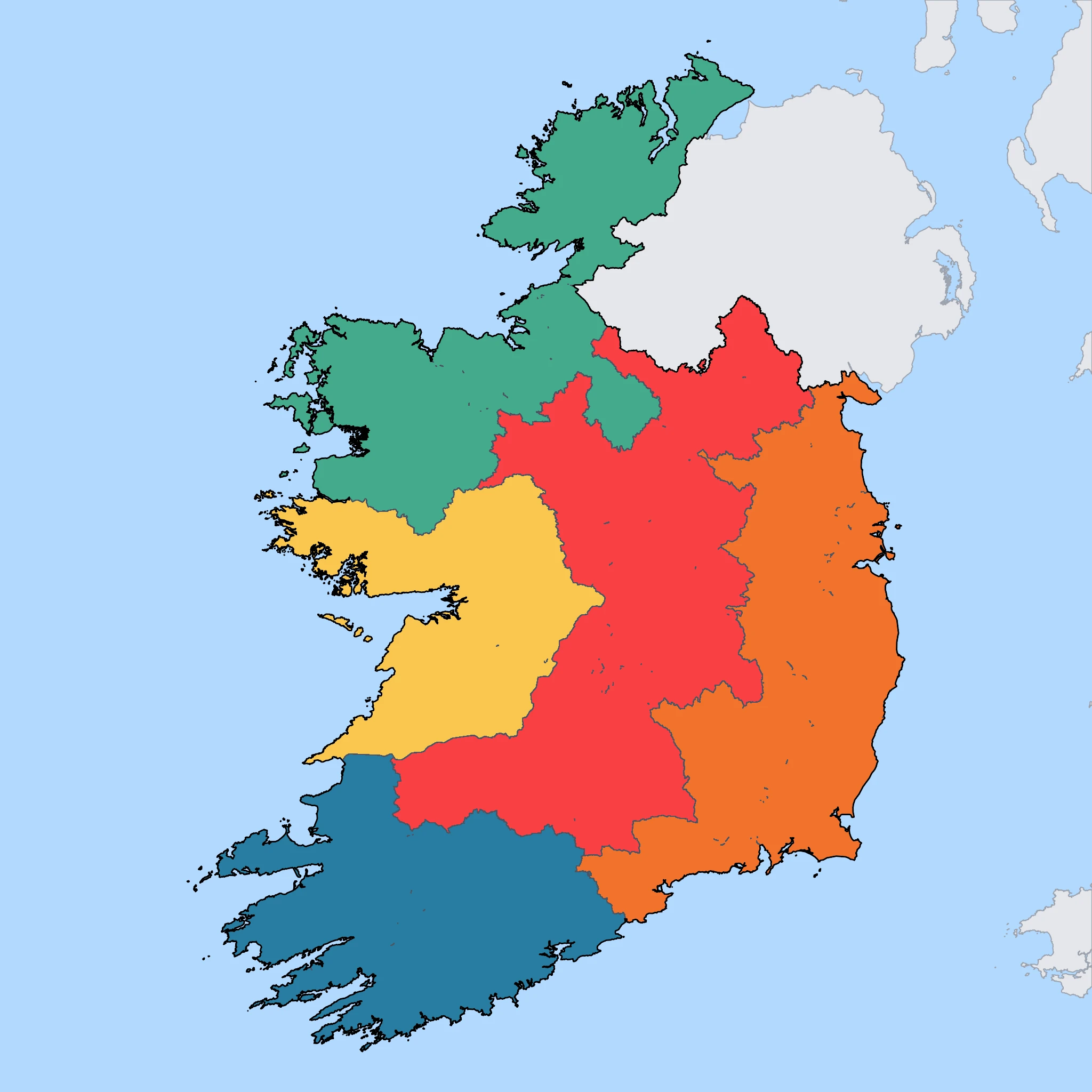
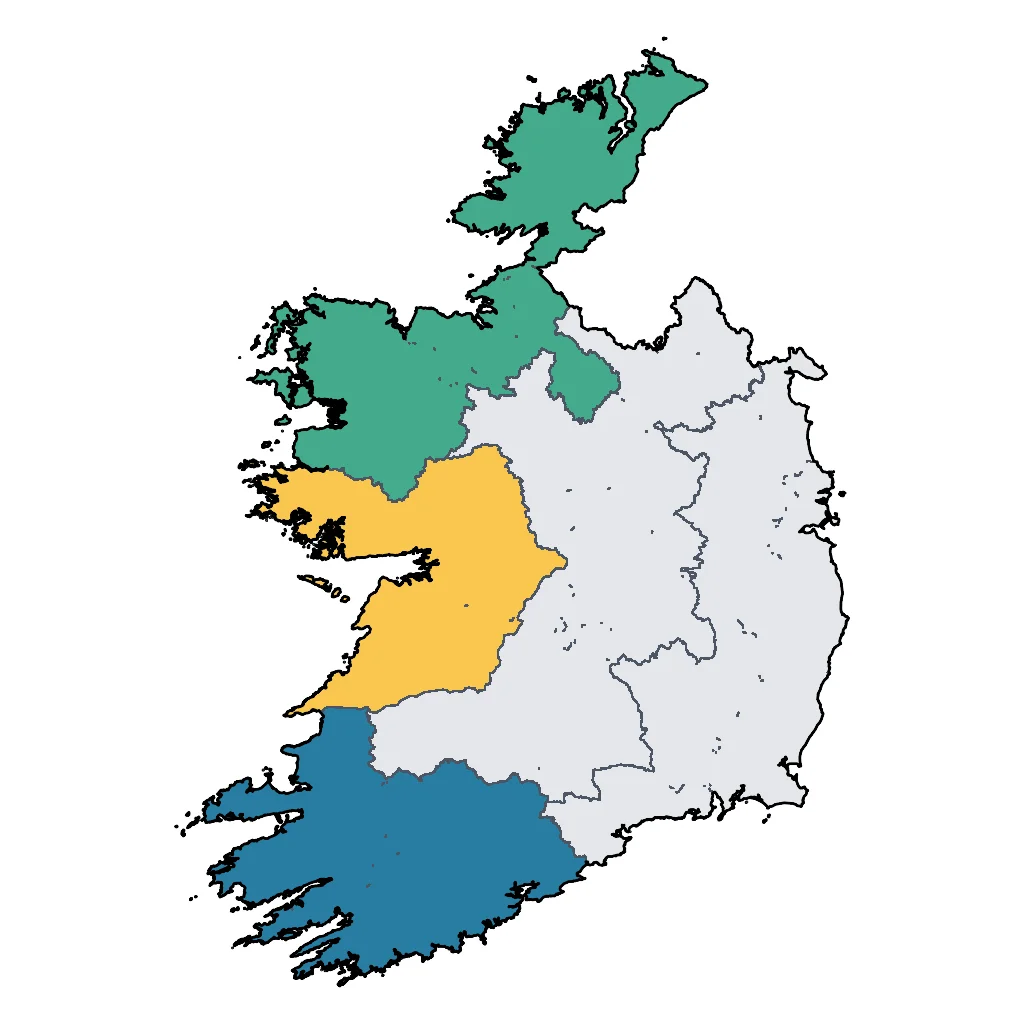
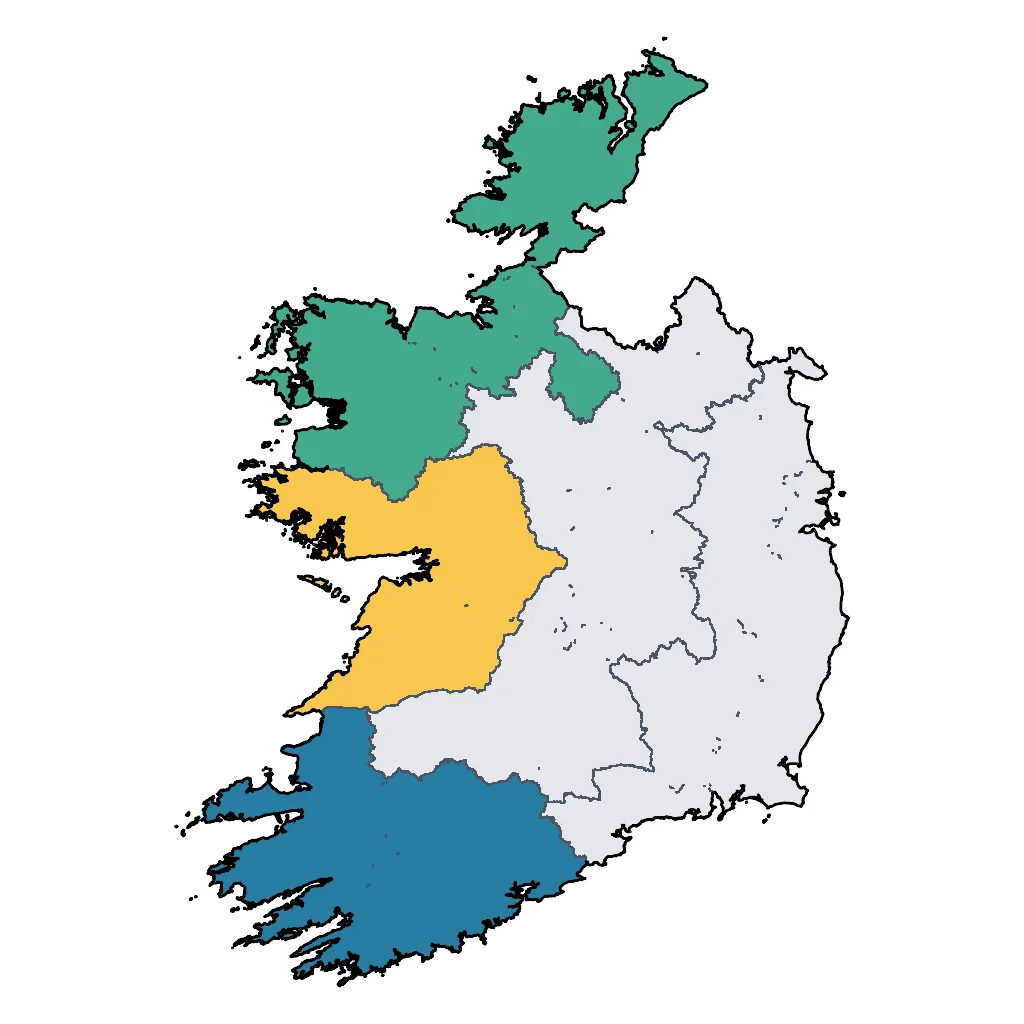
Click a region to explore

Activities & Best Times

Learning experiences, scientific sites, historical education
Home to the UNESCO-listed Brú na Bóinne and the multi-award-winning EPIC Emigration Museum, the region offers world-class archaeological and historical education. Peak summer months provide the best climate and daylight for exploring Neolithic sites, while winter's low temperatures and short days limit the outdoor educational experience.
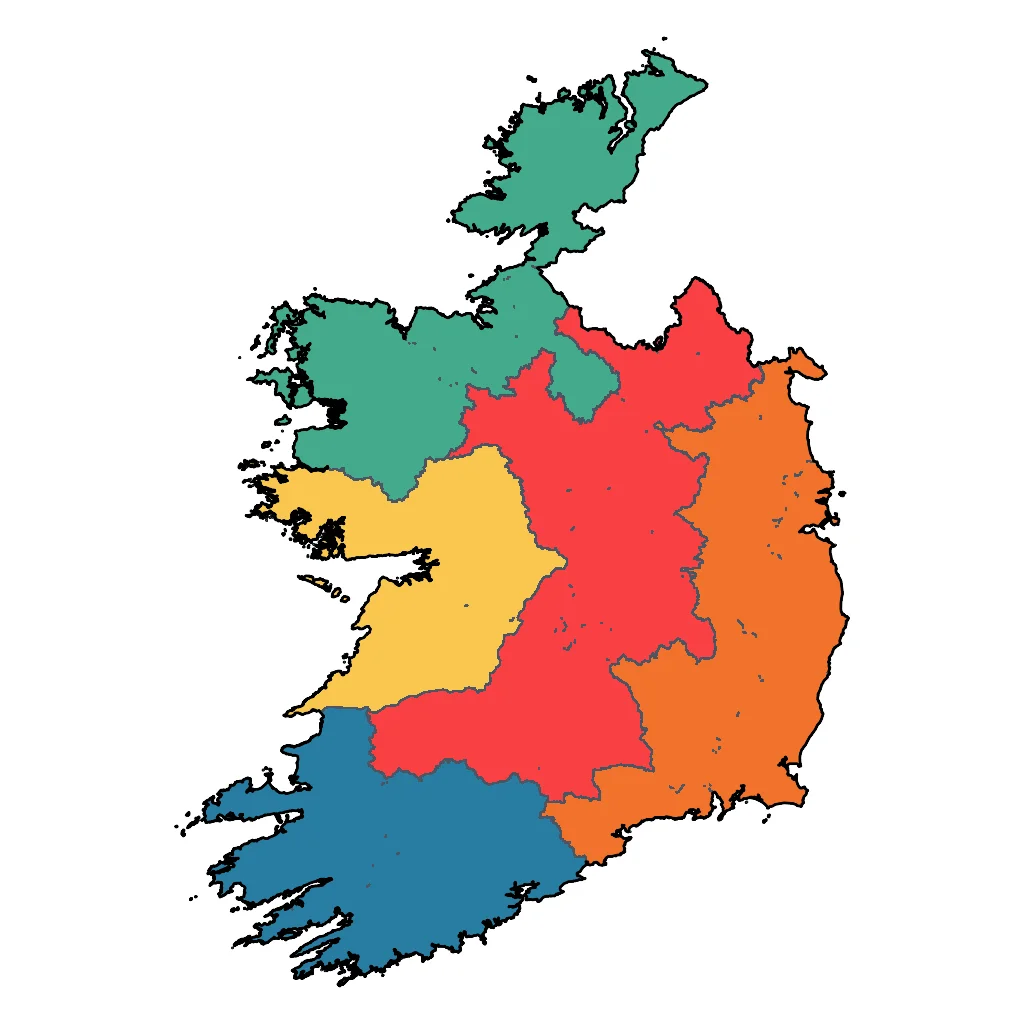

Urban tourism, museums, historical sites, architecture
Dublin and Kilkenny provide a sophisticated blend of literary history, medieval architecture, and world-class urban amenities suitable for discerning families. Summer offers the most vibrant atmosphere for the 'Medieval Mile' and city tours; the shoulder season (including March for St. Patrick's) offers a balance of culture and manageable crowds.
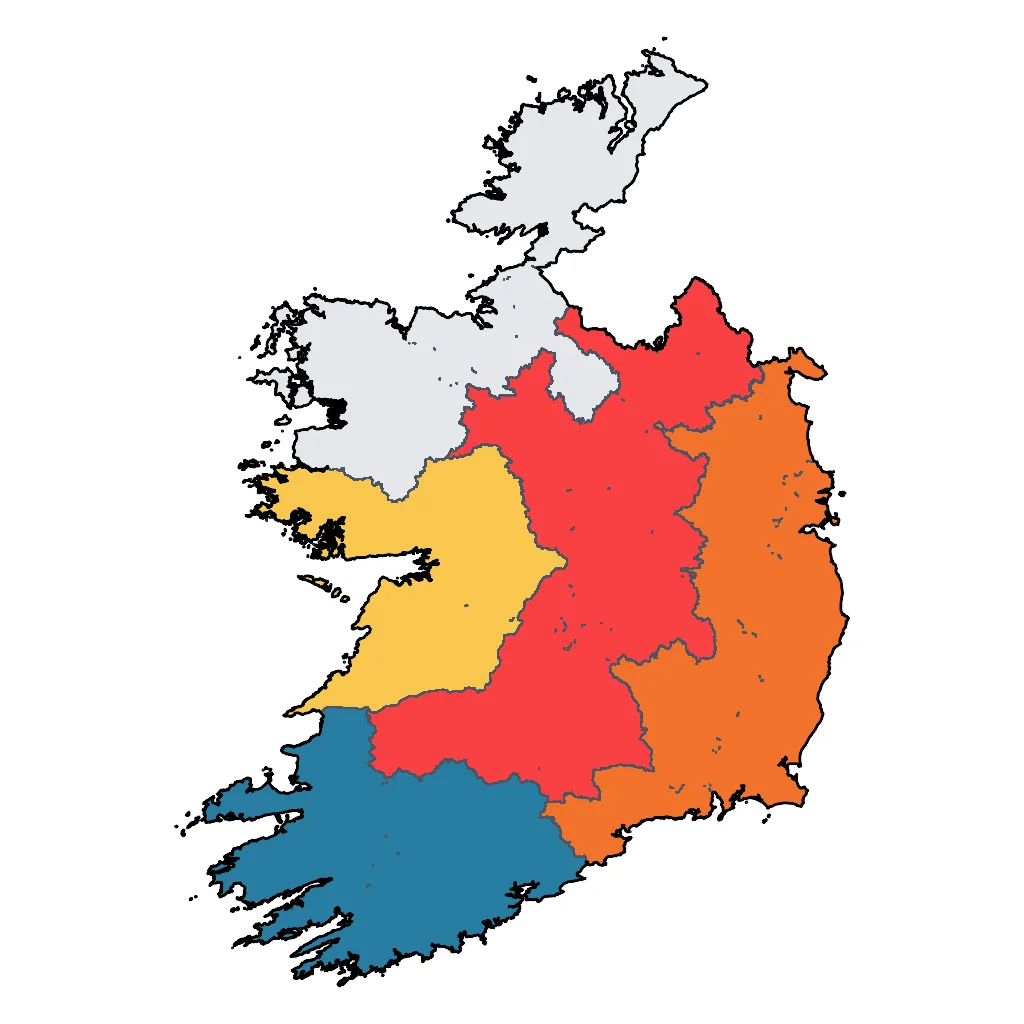

Events, celebrations, seasonal attractions
Host to the globally iconic St. Patrick’s Festival and sophisticated Christmas markets that meet high international standards. March and December are peak for these major events; January and the summer months offer niche arts and music festivals, while other months lack significant internationally-relevant celebrations.
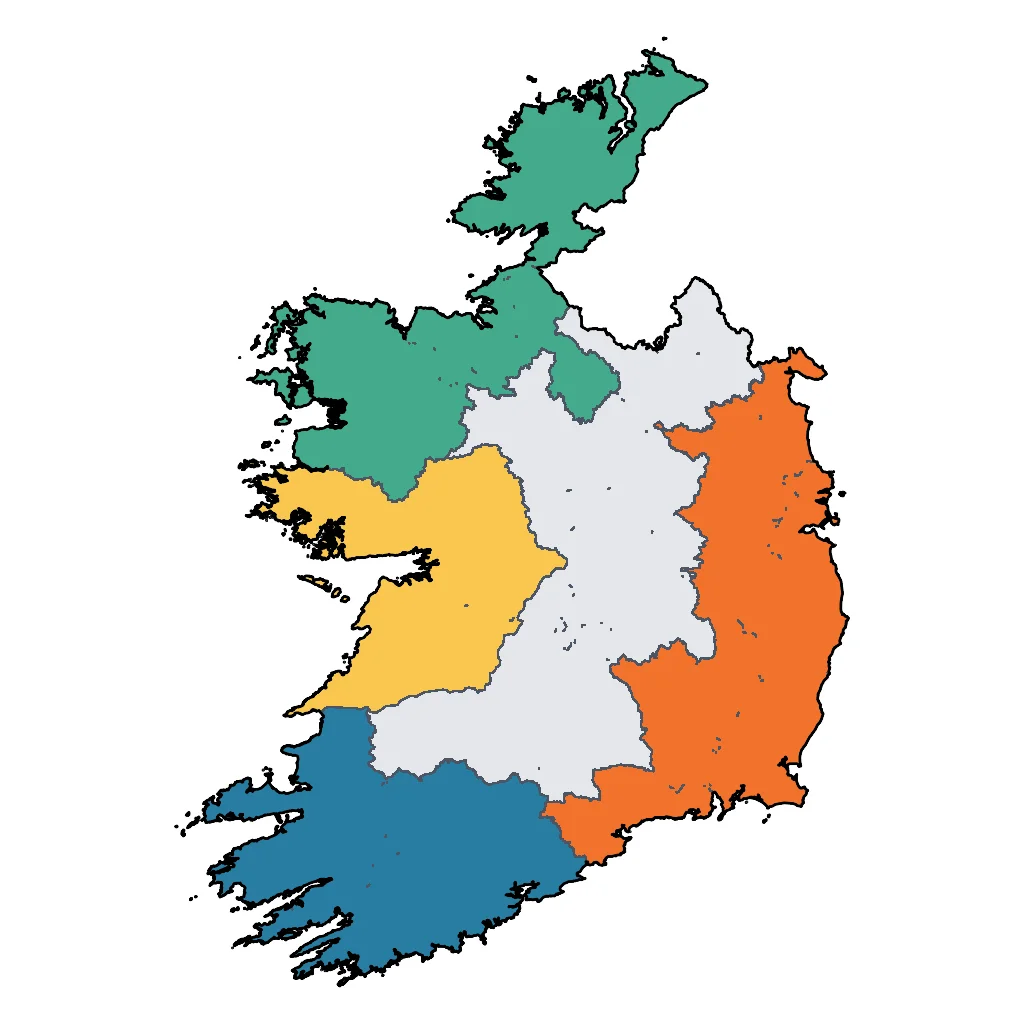

Scenic drives, countryside tours, route-based travel
The 'Ireland's Ancient East' route is exceptionally well-maintained, connecting grand estates and historic ruins through scenic coastal and mountain landscapes. Optimal driving conditions and visibility occur in summer (June-August); shoulder months offer stunning autumn foliage, but winter travel is often hampered by mist and heavy rain.

Sport tourism, fitness activities, active recreation
Boasts world-class links golf courses and high-quality cycling and hiking infrastructure in the Wicklow Mountains. Peak summer months provide the long daylight hours and drier conditions required for premium outdoor sports; winter weather is generally too damp and cold for a high-quality active experience.

Hiking, wildlife, outdoor exploration, ecotourism
Glendalough’s glacial valleys and the Wicklow Mountains offer authentic, manageable wilderness exploration for families seeking soft adventure. Summer provides the best trail conditions and visibility; shoulder months are pleasant for nature walks, though winter months are often too boggy and wet for sophisticated trekking.

Spa retreats, wellness centers, peaceful getaways
Features luxury country house hotels and world-class spa retreats like Monart, set within the peaceful 'Garden of Ireland.' Peak summer weather allows for the full use of manicured gardens and outdoor wellness facilities; winter months remain suitable for indoor spa activities but lack the scenic outdoor appeal.

Beach resorts, marine activities: diving, snorkelling, kite surfing, wind surfing, sailing
Wexford offers pristine, expansive sandy beaches like Curracloe with exceptional natural beauty. However, water temperatures never reach international standards for swimming, making it a marginal choice for families seeking a traditional beach holiday versus coastal walking.
Amusement parks, family entertainment venues
Dublin Zoo is a world-class conservation and entertainment facility, but the region lacks the massive, internationally recognized theme parks found in other major global hubs. It serves as a quality secondary activity during peak summer months when all attractions are fully operational.