

⚠️ SAFETY WARNING: Due to a highly volatile security situation, ongoing military operations, and the risk of terrorism, government agencies (including CA, USA, UK, AU, IE, and NZ) advise travelers to reconsider or avoid all travel to Israel at this time. Risks include sudden missile attacks, civil unrest, and transport disruptions. Families are strongly urged to consult their own government's official travel advisory before considering a trip, as circumstances and risk assessments vary significantly.
Located at the crossroads of Europe, Asia, and Africa, Israel offers a dense concentration of historical landmarks and diverse landscapes within a small geographic area. For families, the country provides a mix of educational experiences and outdoor recreation. The climate is generally Mediterranean, with hot, dry summers and mild, wetter winters, though the southern desert regions remain dry year-round. While the official languages are Hebrew and Arabic, English is widely spoken, particularly in tourist areas, making navigation relatively straightforward.
Tel Aviv serves as the modern, coastal counterpoint to the country's ancient sites. Families often spend days on the sandy Mediterranean beaches, where shallow waters and lifeguard stations are common. The promenade connects to the ancient port city of Jaffa, where winding stone alleys lead to art galleries and views of the coastline. Visitors can rent bikes to explore Yarkon Park, a vast green space featuring rock climbing walls, paddle boats, and extensive playgrounds.
In Jerusalem, history becomes tangible. Walking the ramparts of the Old City walls offers a bird's-eye view of the quarters below. A highlight for older children is often Hezekiah’s Tunnel in the City of David, where you can wade through calm, knee-deep water in an ancient underground aqueduct. The Israel Museum houses the Dead Sea Scrolls and features an expansive outdoor sculpture garden and a dedicated youth wing with interactive exhibits.
Nature enthusiasts can head south to the Dead Sea, the lowest point on Earth. The high salt concentration allows swimmers to float effortlessly, a unique sensation for both adults and children. Nearby, families can take the cable car up to the fortress of Masada to learn about Roman history while overlooking the Judean Desert. Further south, the resort city of Eilat on the Red Sea offers the Underwater Observatory Marine Park, where visitors can view coral reefs without getting wet, or swim with dolphins at the Dolphin Reef.
Practical travel involves a reliable network of trains and buses, though families often rent cars for flexibility outside major cities. It is important to note that public transport shuts down for Shabbat from Friday afternoon until Saturday evening. The local cuisine is highly accessible for children, with staples like pita bread, hummus, chopped salads, and fresh fruit juices available at nearly every corner.

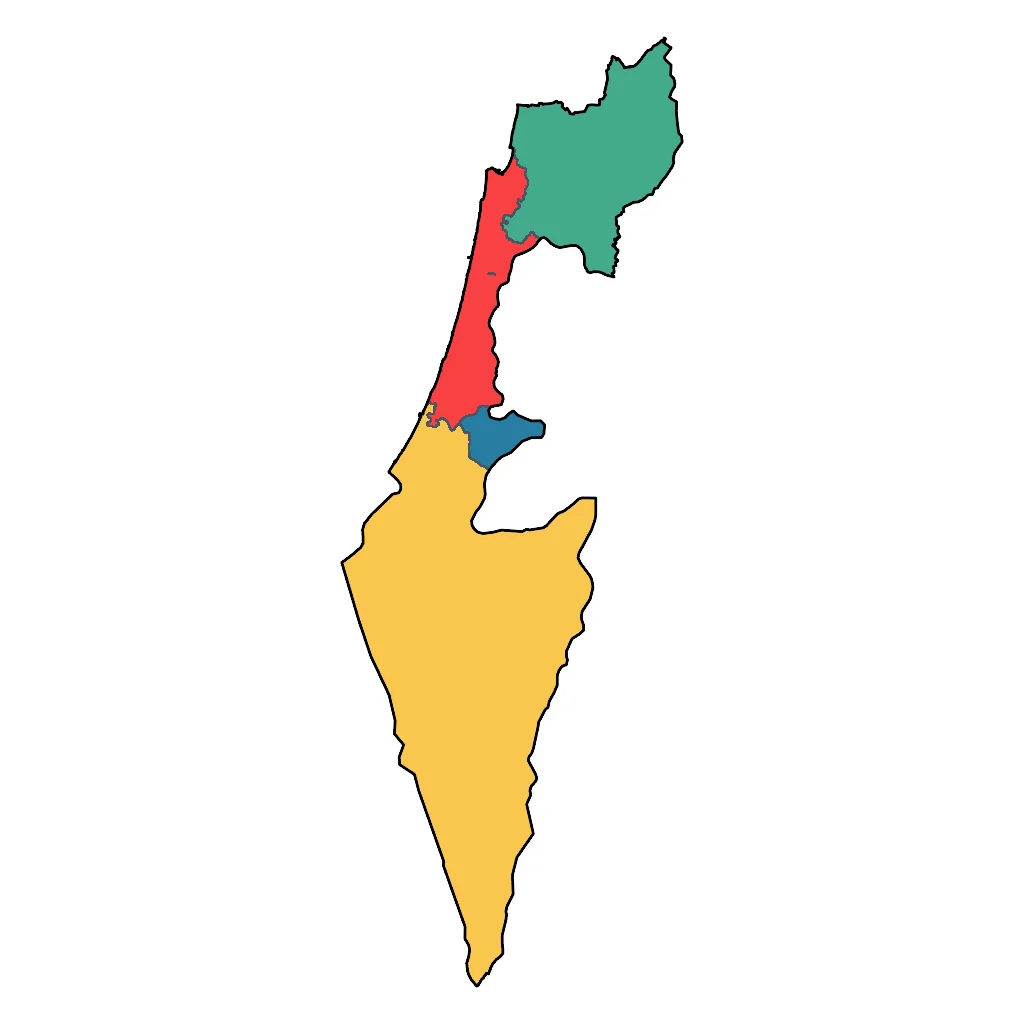
Explore Regions
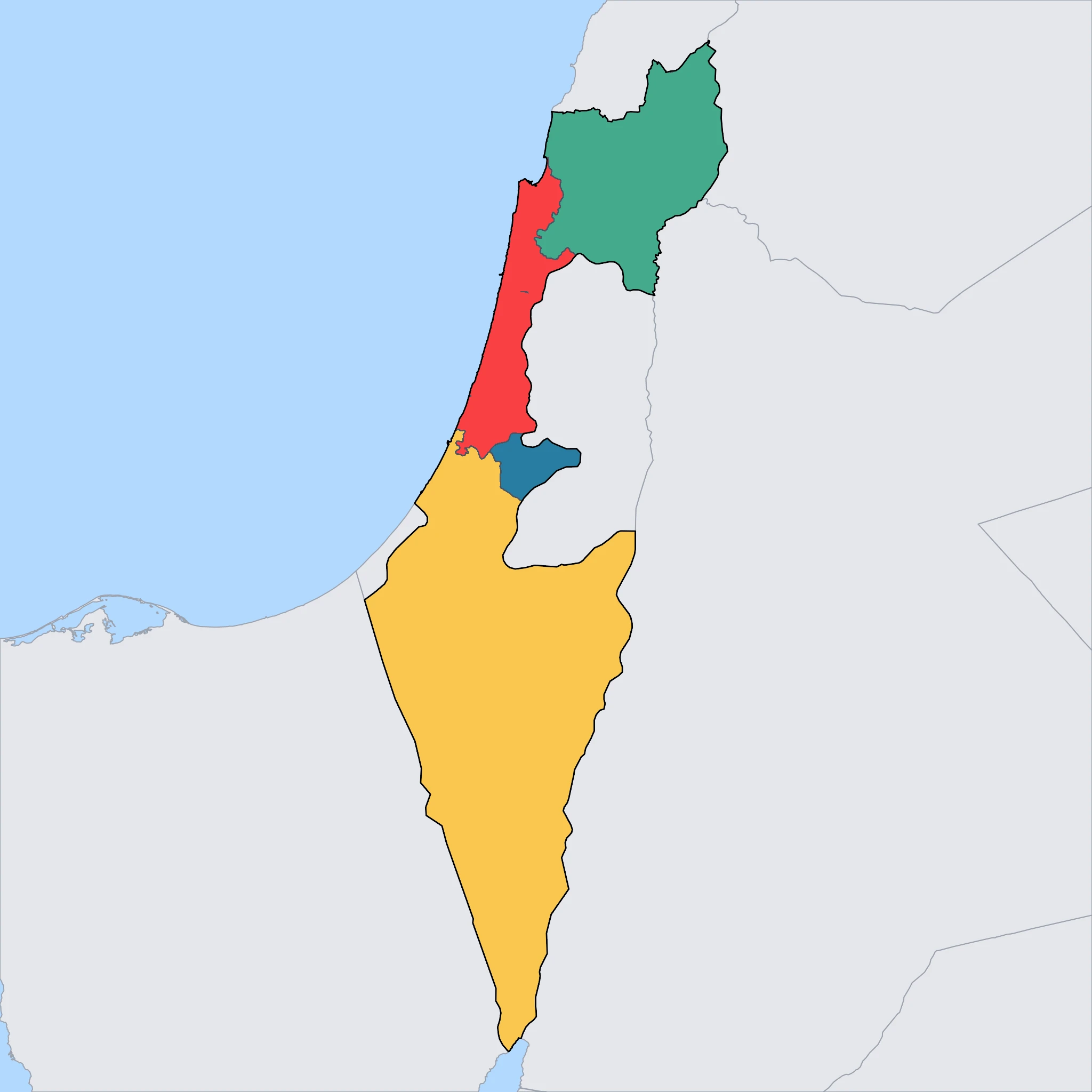
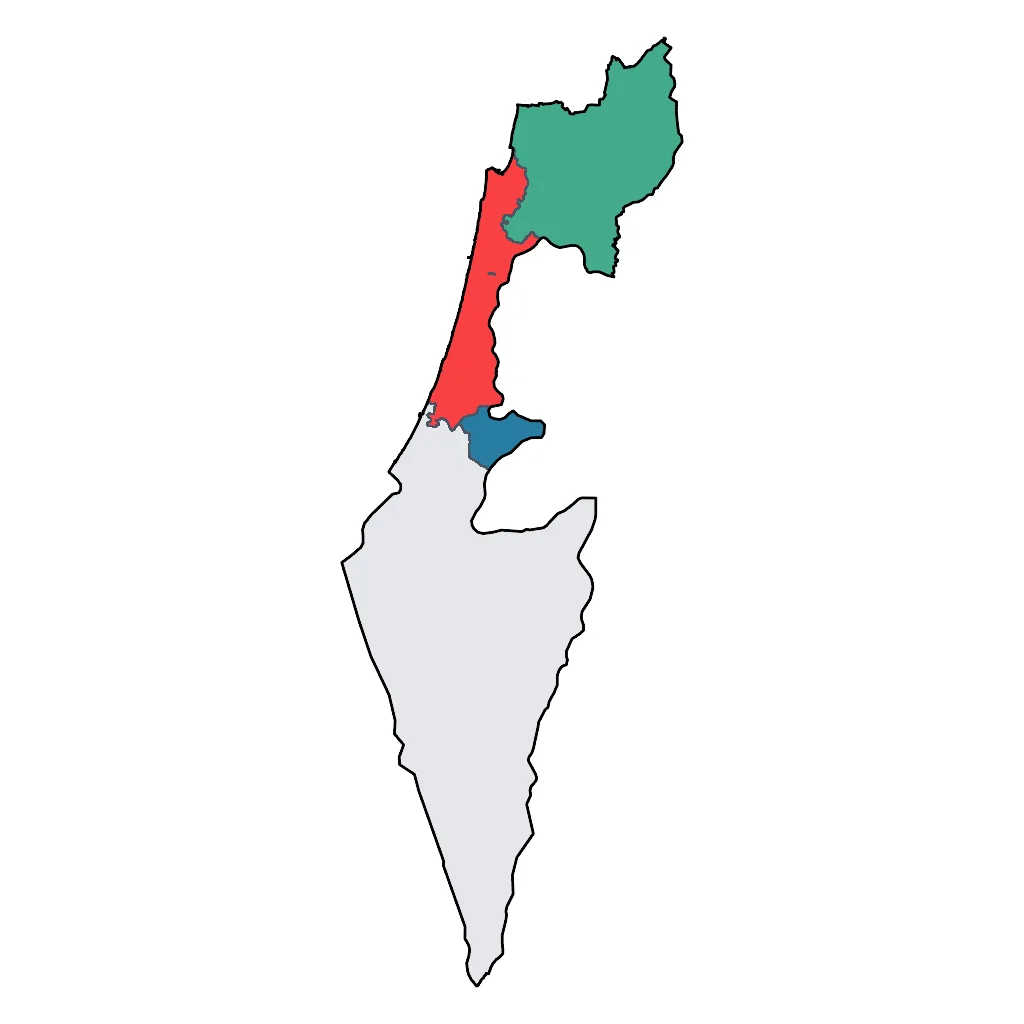
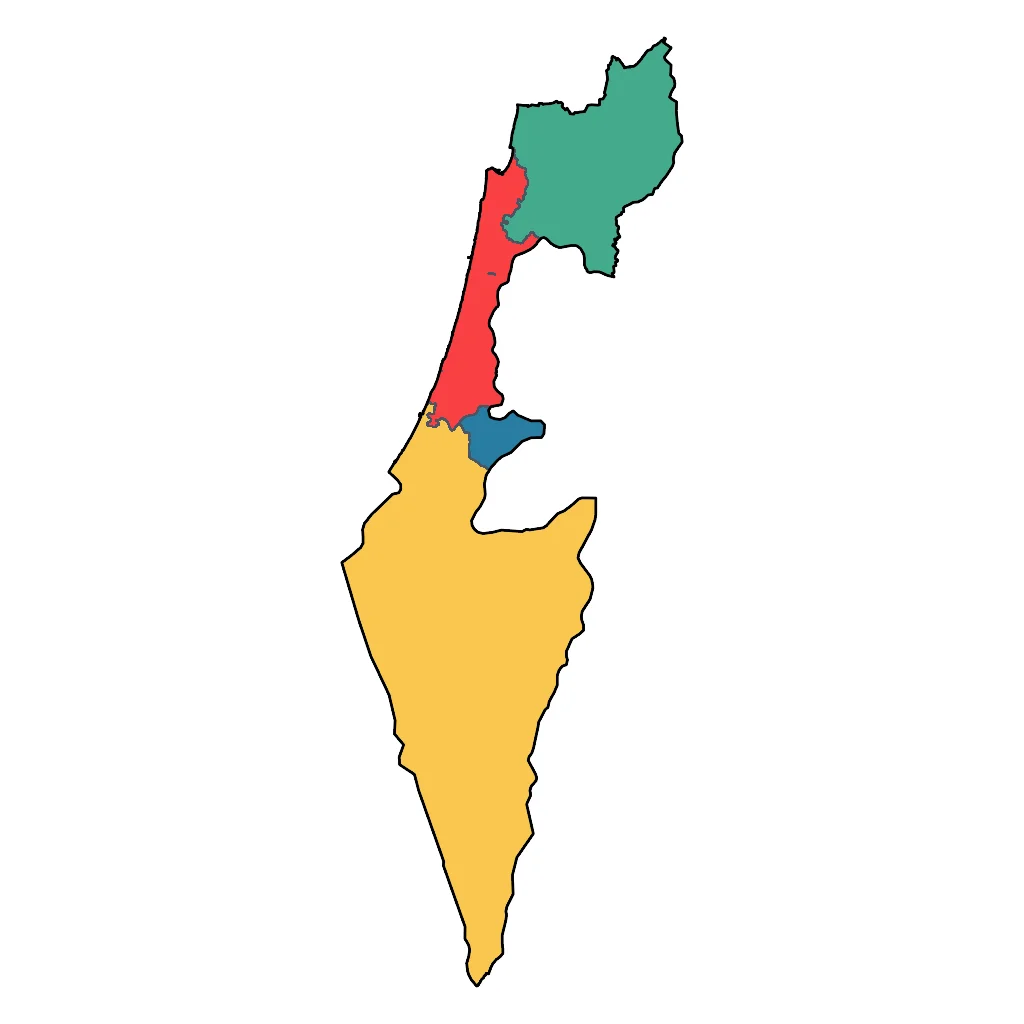
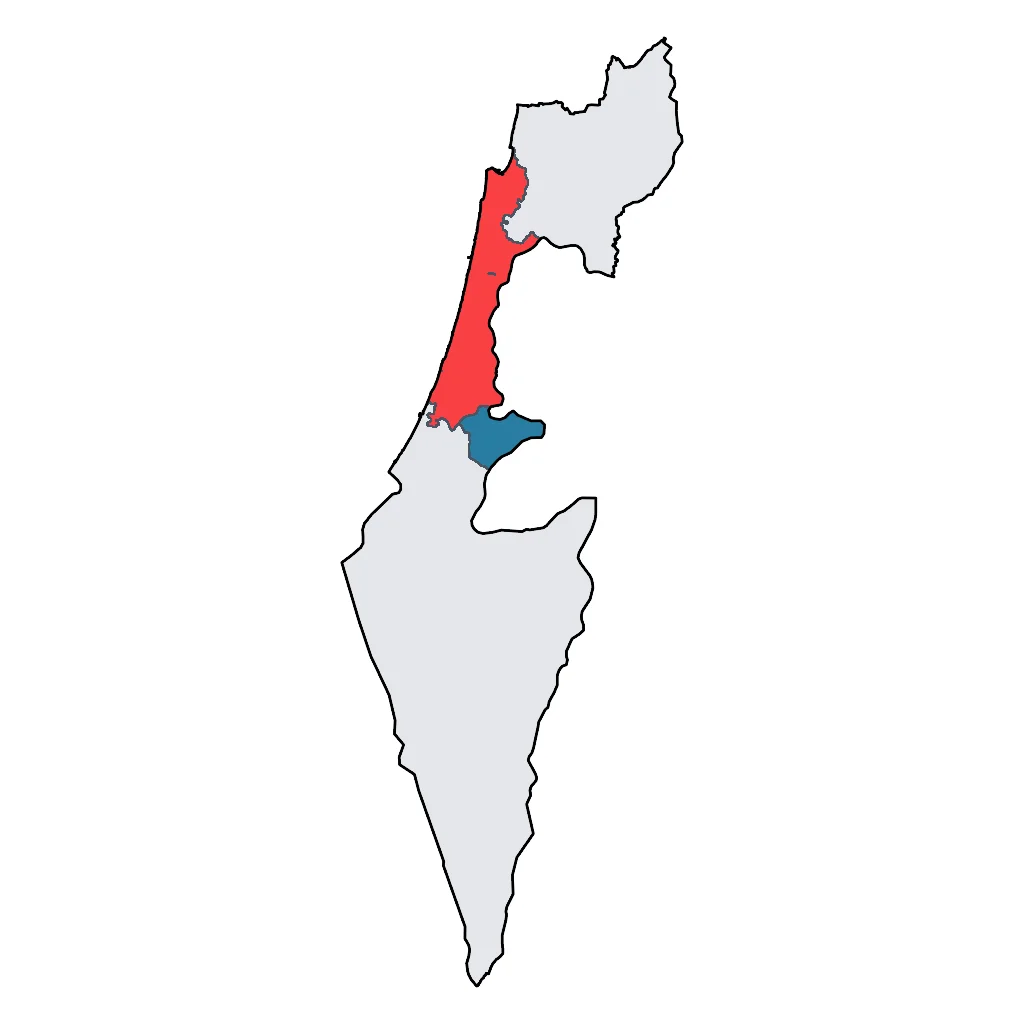
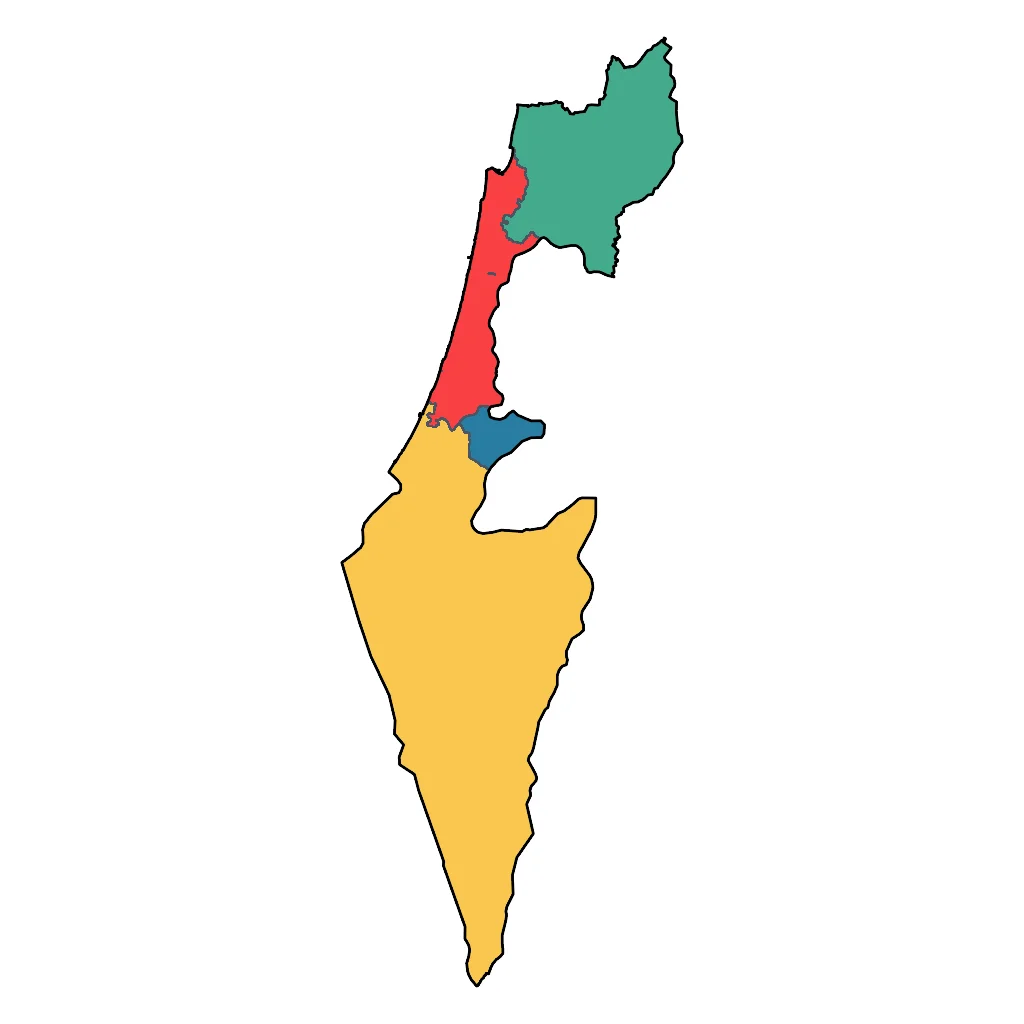
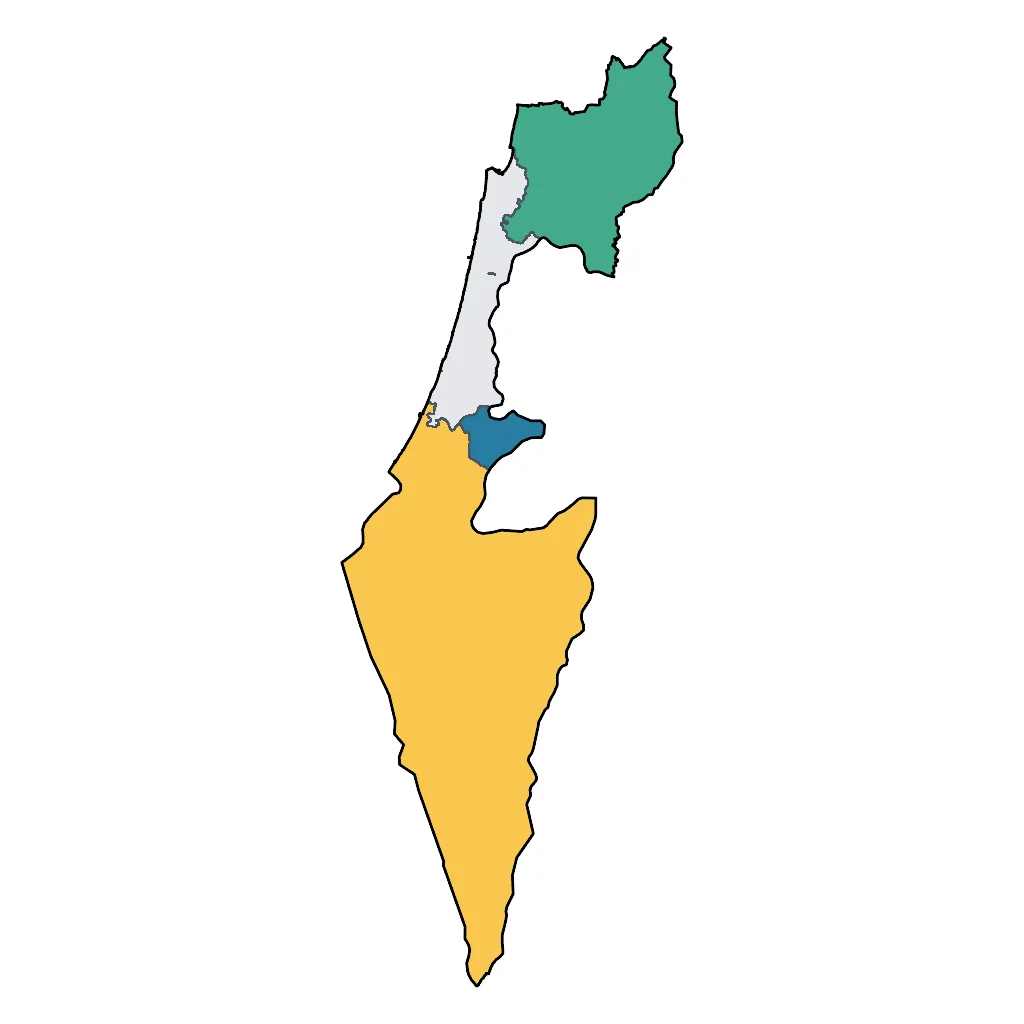
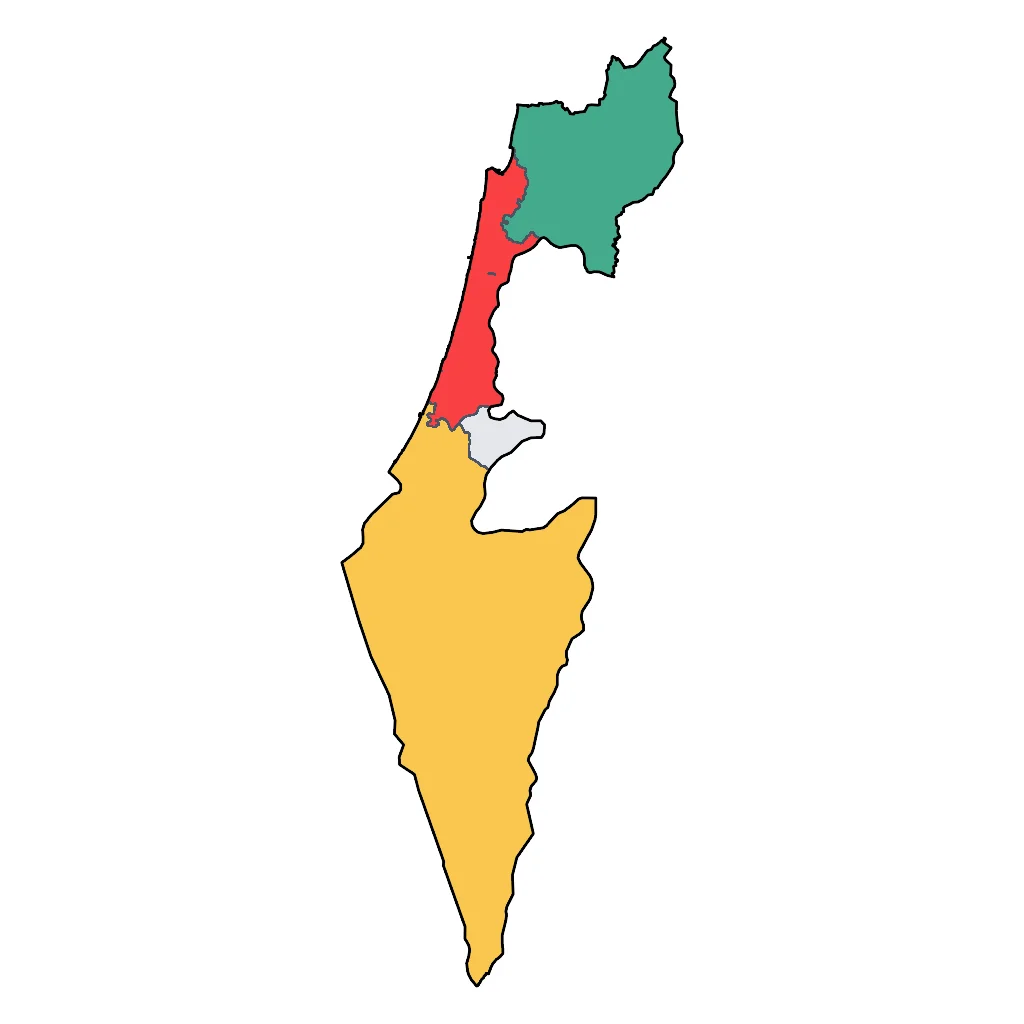
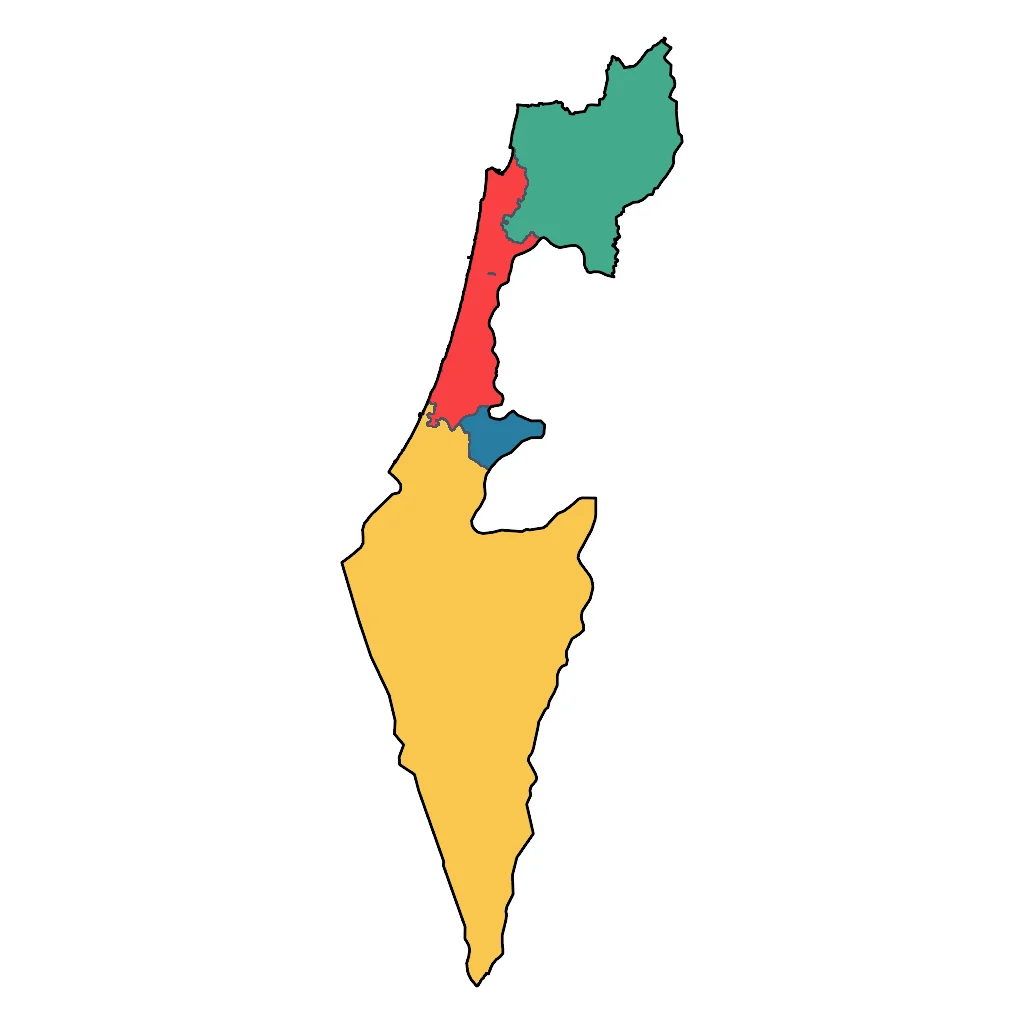
Click on a region marker to explore details. Use the dropdown to color regions by activity suitability.

Activities & Best Times

City & Cultural
ExcellentUrban tourism, museums, historical sites, architecture
A global hub for Bauhaus architecture and the ancient port of Jaffa, offering a sophisticated blend of history and a world-class culinary scene. Spring and autumn provide perfect walking weather, whereas the intense humidity of mid-summer and heavy winter rains make urban exploration less comfortable.
Jerusalem is a peerless historical epicenter with UNESCO-listed sites and a unique blend of three major world religions. Peak months offer dry, mild temperatures (18-27°C) ideal for exploring the Old City on foot; winter months are surprisingly cold and wet, while July and August heat can be taxing for children.
Includes the UNESCO World Heritage site of Old Akko and the mystical artisan colonies of Safed, offering high-end boutique hospitality in converted historical structures. Moderate spring and autumn temperatures are ideal for navigating steep, cobblestoned historic districts on foot.

Educational & Exploratory
ExcellentLearning experiences, scientific sites, historical education
Home to world-class archaeological sites and the Israel Museum, the region offers profound learning opportunities for sophisticated families. The climate-controlled museums are accessible year-round, but the extensive outdoor archaeological parks are best visited during the mild, dry conditions of spring and autumn.
Features UNESCO sites like Masada and the Incense Route, providing profound historical and archaeological education for families. Optimal weather in March-April and October-November allows for comfortable exploration of outdoor ruins, which are too exposed during the extreme summer heat.
Rich in history, from the UNESCO-listed White City to the nearby Roman ruins of Caesarea, providing authentic archaeological and design education. The mild shoulder seasons offer optimal conditions for site visits, while extreme summer heat and winter downpours limit the quality of outdoor learning.

Festivals & Seasonal
ExcellentEvents, celebrations, seasonal attractions
The city hosts globally significant religious festivals (Passover, Easter, Sukkot) and seasonal events like the Festival of Light. Peak months align with major religious calendars and comfortable weather; winter months offer authentic Christmas and Hanukkah atmospheres despite higher rainfall.
Home to internationally significant events like Tel Aviv Pride and the 'White Night' arts festival, which showcase the city's modern, pluralistic culture. Peak months align with these major celebrations, while the off-season lacks the scale of events expected by sophisticated travelers.

Relaxation & Wellness
ExcellentSpa retreats, wellness centers, peaceful getaways
The Dead Sea is a globally unique therapeutic destination with world-class medical spas and luxury mineral-rich wellness facilities. Spring and autumn offer the perfect balance of warmth for floating and mud treatments; summer heat (max >35°C) is too oppressive for outdoor relaxation.
High-end boutique hotels in Jaffa and modern coastal resorts offer world-class spa facilities and serene Mediterranean views. Pleasant temperatures in late spring and autumn are ideal for outdoor relaxation, whereas the oppressive humidity of July and August can detract from the wellness experience.
Jerusalem features world-class luxury hotels with sophisticated spa facilities like the Mamilla and Waldorf Astoria. While indoor facilities are excellent year-round, the peak experience relies on pleasant outdoor courtyard dining and pool use found in the late spring and early autumn.

Adventure & Nature
ExcellentHiking, wildlife, outdoor exploration, ecotourism
Home to the world's only 'Makhtesh' erosion craters and high-end desert retreats like Six Senses Shaharut, offering a sophisticated take on wilderness exploration. Peak months provide ideal hiking temperatures (18-28°C), while summer months are dangerously hot for desert activities and January presents flash flood risks.
Home to the Hula Valley, a world-renowned bird migration flyway, and the lush, volcanic landscapes of the Golan Heights. Spring (Mar-May) is the peak for blooming wildflowers and flowing waterfalls; summer is often too hot (max 34°C) for serious hiking with young children.
The Jerusalem Hills offer authentic hiking and ancient agricultural terraces at sites like Sataf. Spring is peak for biodiversity and wildflower blooms; summer months are often too hot for strenuous hiking with children, and winter rains make trails muddy and slick.

Beach & Sea
Very GoodBeach resorts, marine activities: diving, snorkelling, kite surfing, wind surfing, sailing
While Tel Aviv has well-known urban beaches with good infrastructure, they do not reach the caliber of globally 'excellent' beach destinations (Caribbean, Southeast Asia, Greek islands, Maldives). The beaches are urban, moderately sized, and lack the pristine/tropical qualities that define top-tier beach holidays. 'Very good' is internationally appropriate for high-quality Mediterranean urban beaches.
Eilat offers exceptional Red Sea diving and snorkeling with world-class visibility and unique coral reefs accessible directly from the shore. Peak conditions occur when air and water temperatures are perfectly balanced; summer is excluded due to extreme air temperatures exceeding 35°C, while winter is too cool for comfortable swimming.
Offers a unique mix of Mediterranean coastal lagoons and the freshwater Sea of Galilee, supported by high-quality beach clubs and luxury kibbutz resorts. Peak summer months provide the consistent heat and warm water temperatures (>22°C) required for water-based activities, despite the high humidity.

Road Trips & Scenic
Very GoodScenic drives, countryside tours, route-based travel
Spectacular drives through the Ramon Crater and along the cliffs of the Dead Sea on well-maintained infrastructure. Moderate spring and autumn weather provide clear visibility and safe conditions; summer heat can strain vehicles and make stops uncomfortable, while winter rain can cause road closures.
A scenic coastal route connects major hubs like Tel Aviv, Caesarea, and Haifa via well-maintained highways. Peak driving months offer clear visibility and blooming landscapes, while winter rain and summer traffic congestion during peak holiday heat make travel less enjoyable.
The notes describe Jerusalem as a 'base' for drives to the Dead Sea and Judean Hills — the actual scenic drives are in other regions (Southern Israel). A region used as a starting point rather than a road trip destination itself should be rated 'good' rather than 'very_good'. The scenic drives mentioned (Dead Sea cliffs, Ramon Crater) belong to Southern Israel's road trip classification.

Sports & Active
GoodSport tourism, fitness activities, active recreation
Offers excellent urban cycling paths and consistent conditions for Mediterranean sailing and surfing that meet international standards. Ideal conditions occur when temperatures are moderate, while high summer humidity and heavy winter precipitation (up to 168mm in January) are unsuitable for active pursuits.
The region is home to the internationally recognized Jerusalem Marathon and exceptional cycling routes through the hills. Peak months provide the cool, crisp air required for endurance sports; the high humidity and heat of July/August or the heavy winter rains are unsuitable for active outdoor pursuits.
Opportunities for high-quality cycling, kayaking on the Jordan River, and horseback riding through the Galilee hills. Peak conditions occur when rainfall is minimal but temperatures remain below the extreme mid-30s heat of July and August.

Ski & Snow
MarginalWinter sports, ski resorts, snow activities

Airports & Flight Routes
Toggle options to view domestic routes and international airports. Click an airport for details.
Climate & Weather
Galilee & North
Show Details
| Month | Temp °C | Rain | Humidity |
|---|
Jerusalem
Show Details
| Month | Temp °C | Rain | Humidity |
|---|
Southern Israel (Negev, Dead Sea & Eilat)
Show Details
| Month | Temp °C | Rain | Humidity |
|---|
Tel Aviv & Coast
Show Details
| Month | Temp °C | Rain | Humidity |
|---|

Travel Advisory
The majority of expert agencies advise against all non-essential travel due to significant security risks, armed conflict, and the potential for rapid escalation.
Safety Topics
Traveller Advice (3 groups)

Reporting in border zones or areas of military activity is exceptionally dangerous. Ensure all press credentials are valid and carry necessary protective equipment.

Respectful and modest attire is required when visiting religious sites and ultra-Orthodox neighborhoods to avoid offense or confrontation.

While widely accepted in cities like Tel Aviv, travelers should exercise discretion in religious areas where conservative social norms prevail.