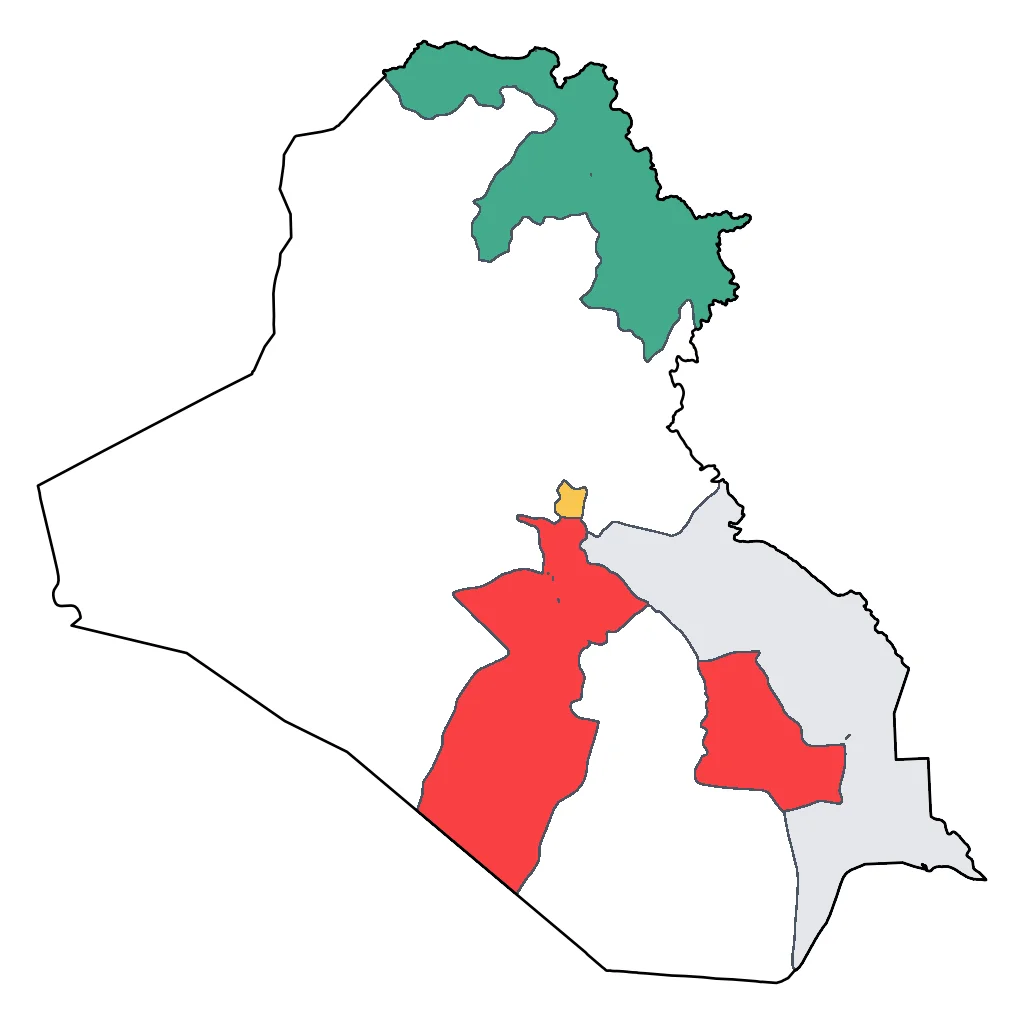

⚠️ SAFETY WARNING: Due to the risk of armed conflict, militia activity, and civil unrest, government agencies (including CA, USA, UK, AU, IE, and NZ) advise travelers to avoid all travel to this region. Infrastructure is limited and the security environment is fragile. Families are strongly urged to consult their own government's official travel advisory before considering a trip, as circumstances and risk assessments vary.
The southern region of Iraq offers one of the most distinctive landscapes in the Middle East: the Mesopotamian Marshes (Ahwar). Often referred to as the "Venice of the East," this UNESCO World Heritage site is a vast aquatic ecosystem where the Tigris and Euphrates rivers feed into a network of wetlands. Travelers can take trips in a mashoof (a traditional narrow canoe) to navigate the reed-lined waterways. For children, spotting water buffalo cooling off in the river and seeing the unique mudhif guest houses built entirely from reeds is a memorable encounter with a way of life that has existed for thousands of years.
The region's urban hub is Basra, Iraq's main port city located on the Shatt al-Arab waterway. Known for its literary history and date palms, Basra has a distinct character influenced by its proximity to the Persian Gulf. The Corniche offers views of the water where ships and local boats pass by, although the city's infrastructure has suffered greatly from decades of conflict. Just north of Basra lies the town of Al-Qurnah, the legendary site of the Garden of Eden, where visitors can see the ancient "Adam's Tree" at the confluence of the two great rivers.
Travel to the south is demanding. The summers are punishingly hot and humid, often rendering outdoor activities impossible during the day. The most comfortable time to visit the marshes is early spring or late autumn when migratory birds populate the wetlands. While the natural beauty of the marshes is returning after years of restoration, the area remains remote and lacks standard tourism facilities, requiring visitors to be self-sufficient and well-prepared for a rugged experience.
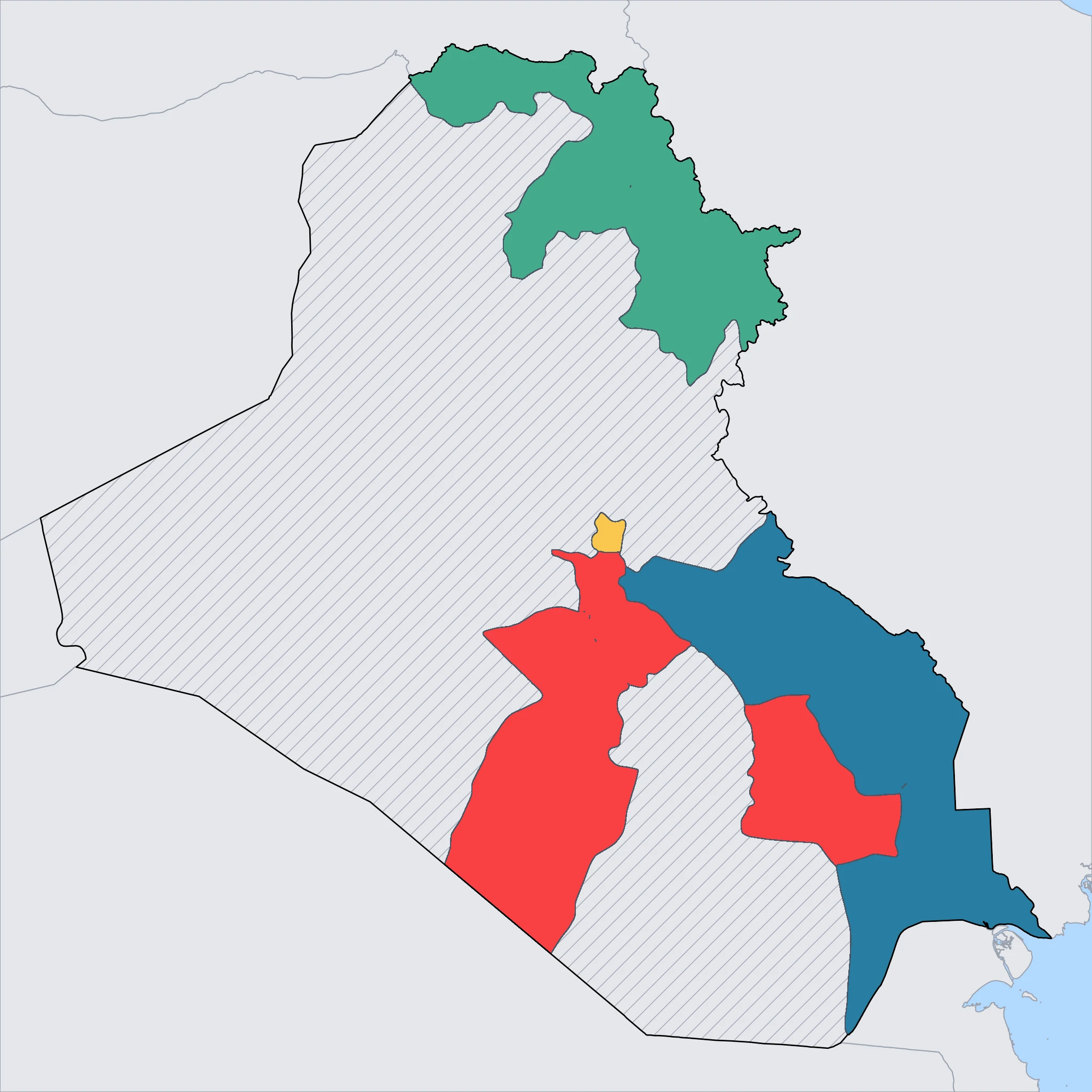
Click a region to explore

Activities & Best Times

Hiking, wildlife, outdoor exploration, ecotourism
The Mesopotamian Marshes provide a globally unique UNESCO-listed wilderness where travelers can explore floating reed villages and diverse birdlife by traditional mashoof canoe. Peak conditions in March and November offer mild, pleasant weather for outdoor exploration, whereas the extreme summer heat from May to September exceeds 40°C, making nature excursions dangerous.
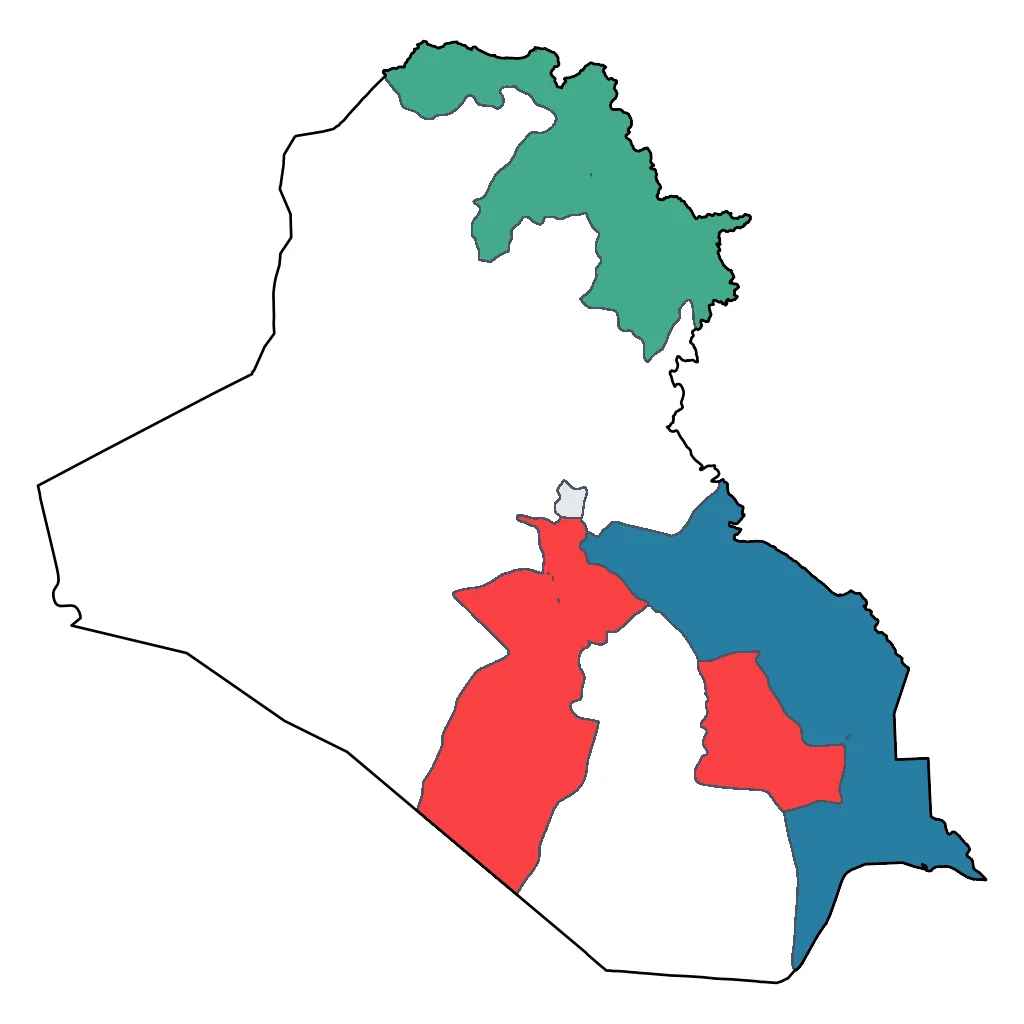

Learning experiences, scientific sites, historical education
This region is a living classroom for ancient Sumerian history and the unique anthropological heritage of the Ma'dan people. Peak months provide the ideal climate for visiting archaeological sites like the Ziggurat of Ur and learning about traditional ecological practices, while summer extremes and damp winter lows in January define the off and shoulder seasons.
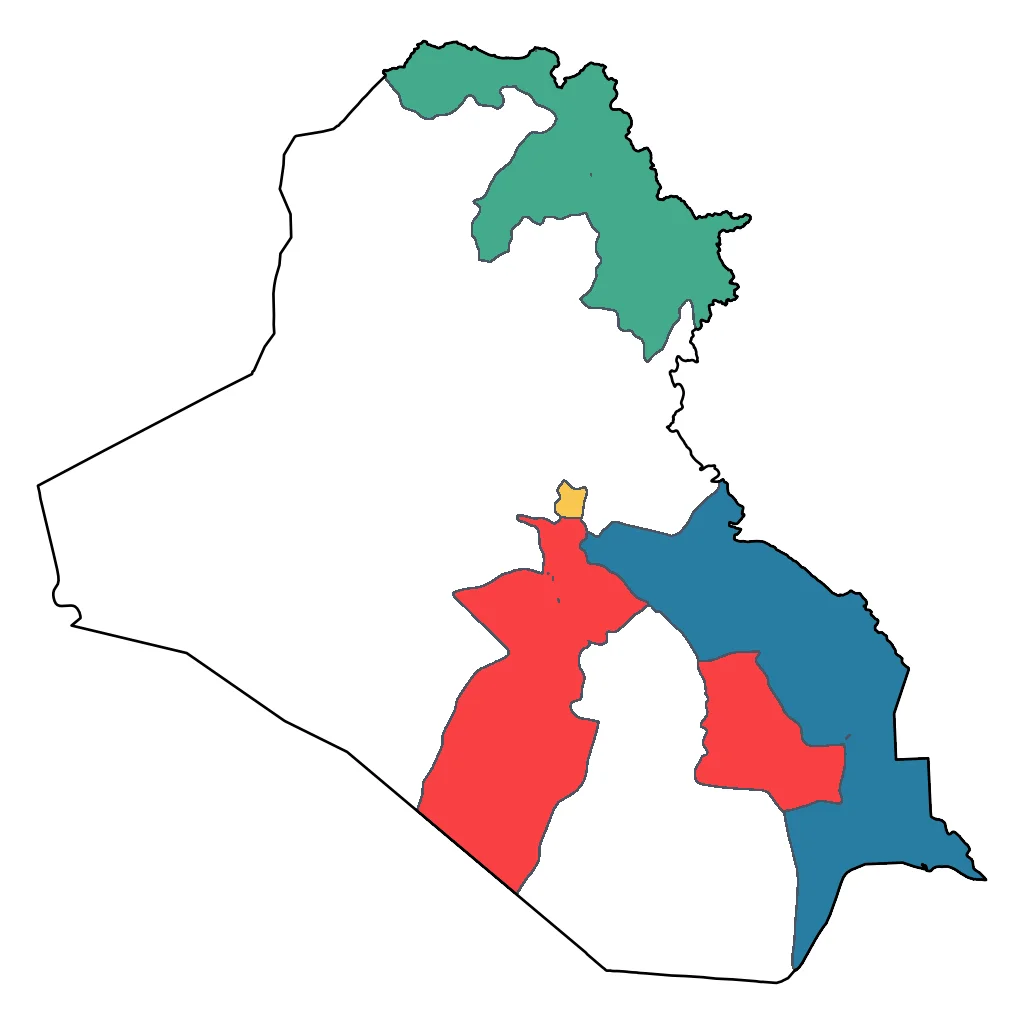

Urban tourism, museums, historical sites, architecture
Basra offers a distinctive maritime culture and historic Ottoman-era shanasheel architecture that appeals to travelers seeking authentic urban heritage. While culturally significant, the peak period is limited to transitional months with comfortable walking temperatures; the intense humidity and heat of the summer months are unsuitable for family-oriented city exploration.