
Ancient sites (Babylon, Ur)
🏛️ Walk among the ruins of the world's first cities
⚠️ SAFETY WARNING: Due to the high risk of terrorism, kidnapping, and armed conflict, government agencies (including CA, USA, UK, AU, IE, and NZ) advise travelers to avoid all travel to this region. The security environment is unpredictable, and consular assistance is severely limited. Families are strongly urged to consult their own government's official travel advisory before considering a trip, as circumstances and risk assessments vary.
The ancient cities of Mesopotamia represent the dawn of urban civilization, situated in the fertile lands between the Tigris and Euphrates rivers. Babylon, located about 85 kilometers south of Baghdad, captures the imagination with its legendary history as the capital of Hammurabi and Nebuchadnezzar II. While the original Hanging Gardens are lost to time, families can explore the colossal reconstructed walls and the processional way decorated with relief images of lions and dragons. The site provides a profound sense of scale, showing children the grandeur of an empire that once ruled the ancient world.
Further south near the city of Nasiriyah lies Ur, a Sumerian city-state that dates back over 4,000 years. The centerpiece here is the Ziggurat of Ur, a massive stepped pyramid structure that dominates the flat desert landscape. Unlike many other ancient ruins, the Ziggurat is remarkably intact, allowing visitors to visualize the religious ceremonies that took place millennia ago. The site is also traditionally cited as the birthplace of the prophet Abraham, adding a layer of spiritual significance for many visitors. The surrounding landscape is arid and stark, emphasizing the resilience of the people who built these complex societies in the desert.
Visiting these sites requires significant logistical planning due to the extreme summer heat and the remote nature of the locations. The best time to visit is during the cooler winter months, from November to March, when exploring the open-air ruins is manageable. There is very little shade at either site, so families must come prepared with sun protection and plenty of water. While tourist infrastructure is minimal compared to global standards, the sheer historical weight of standing in the "Cradle of Civilization" offers an educational experience unmatched anywhere else in the world.
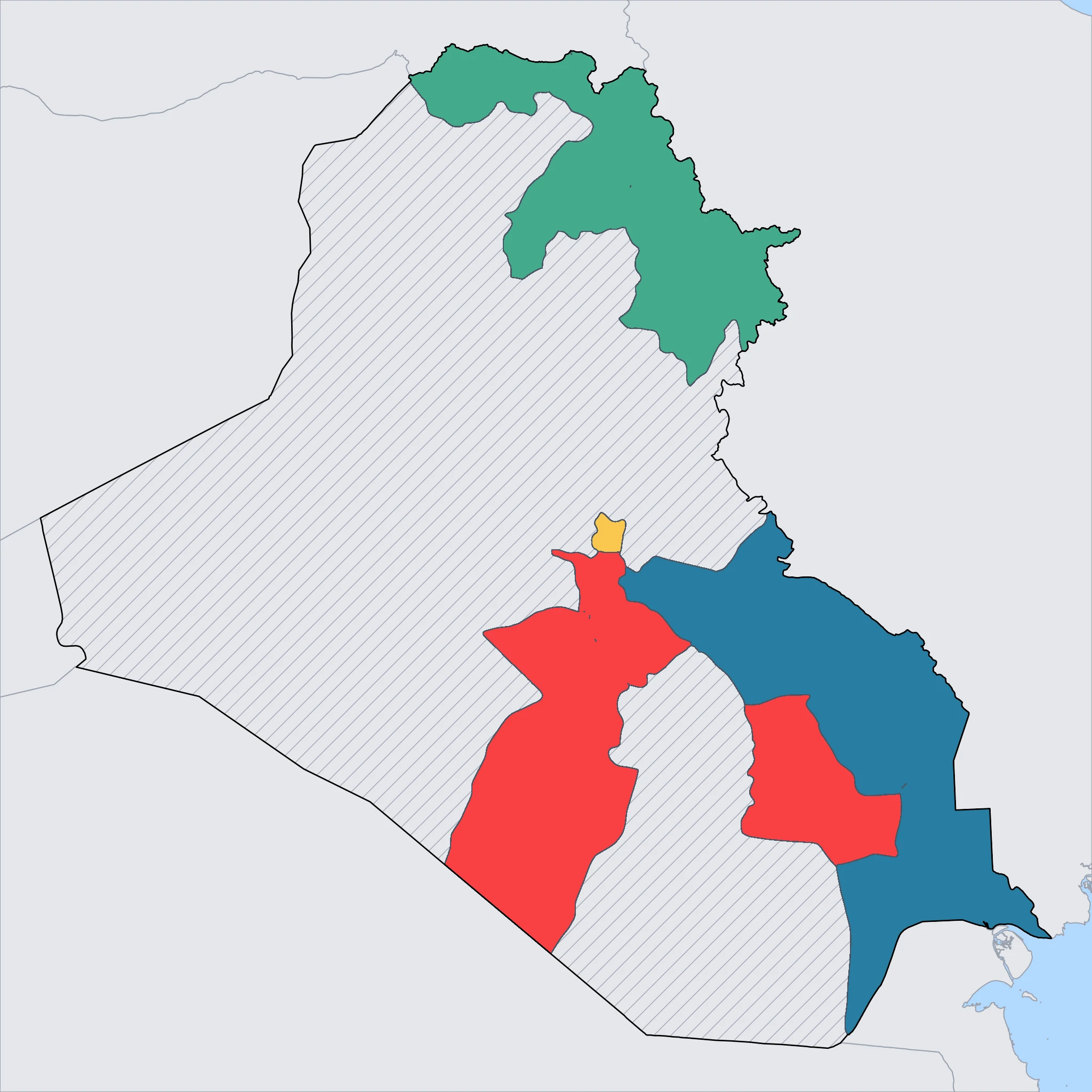
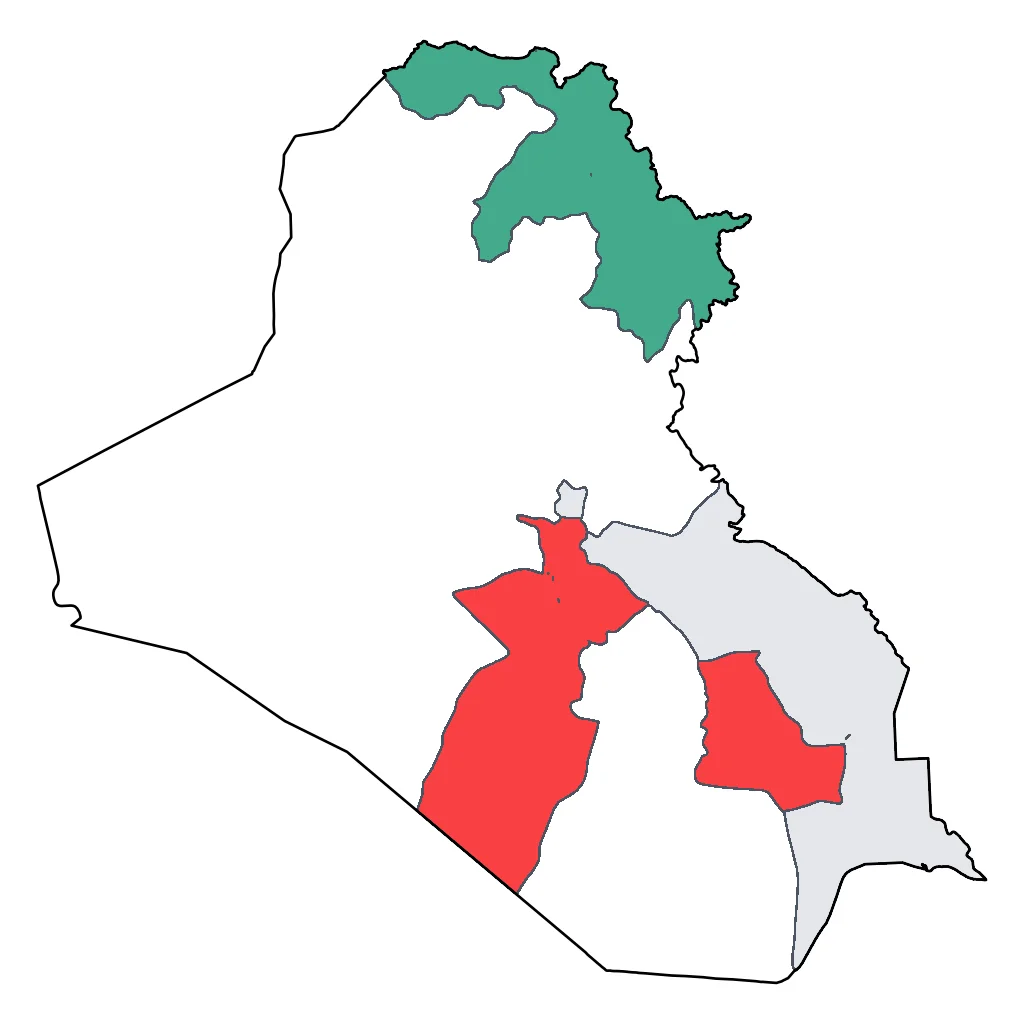
Click a region to explore

Activities & Best Times

Learning experiences, scientific sites, historical education
An unparalleled living classroom for understanding the origins of civilization, law, and urban development through world-class archaeological sites like the Ziggurat of Ur. The peak season for educational visits aligns with cooler months (12-26°C) that allow for long hours of on-site study; summer heat makes outdoor learning impossible.
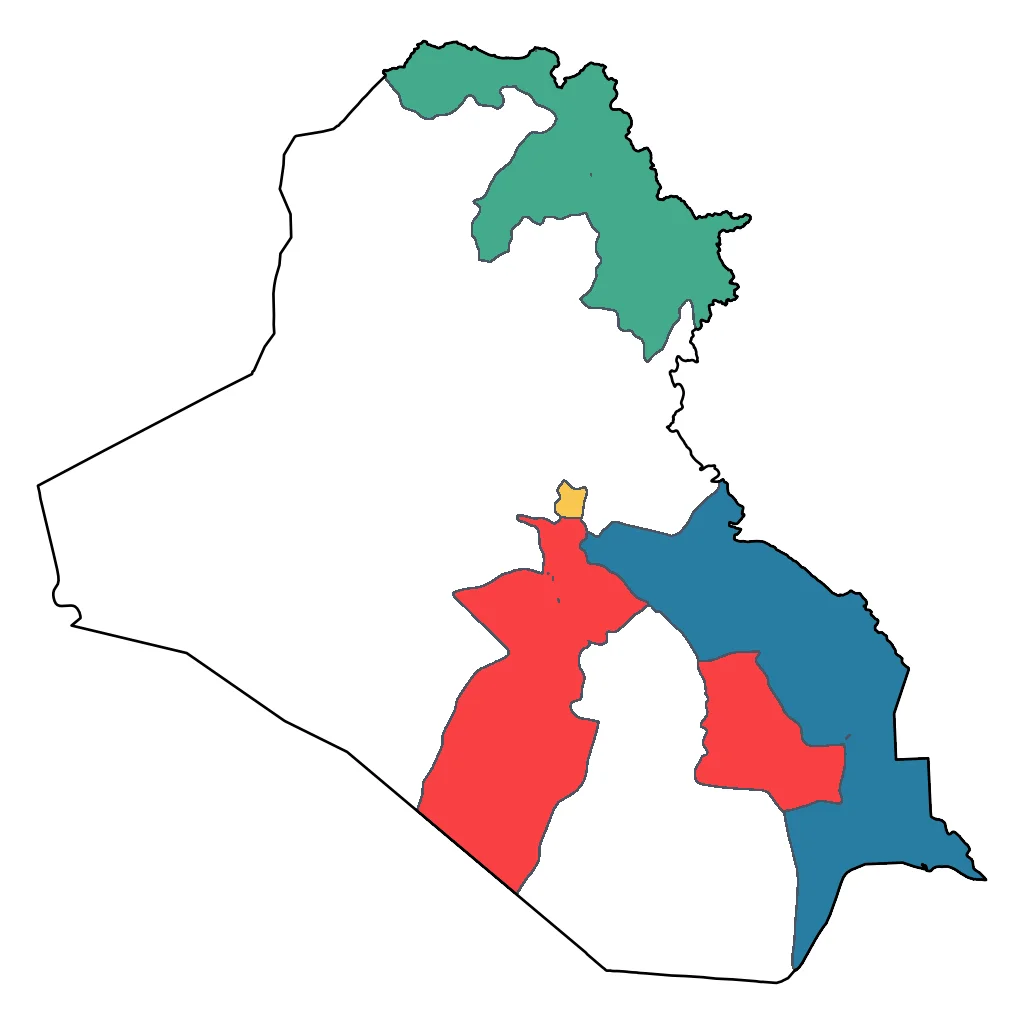

Urban tourism, museums, historical sites, architecture
While Babylon and Ur are among humanity's most historically significant sites, the practical cultural tourism infrastructure does not match globally excellent destinations like Rome or Istanbul. Archaeological significance is world-class but visitor experience infrastructure lags.
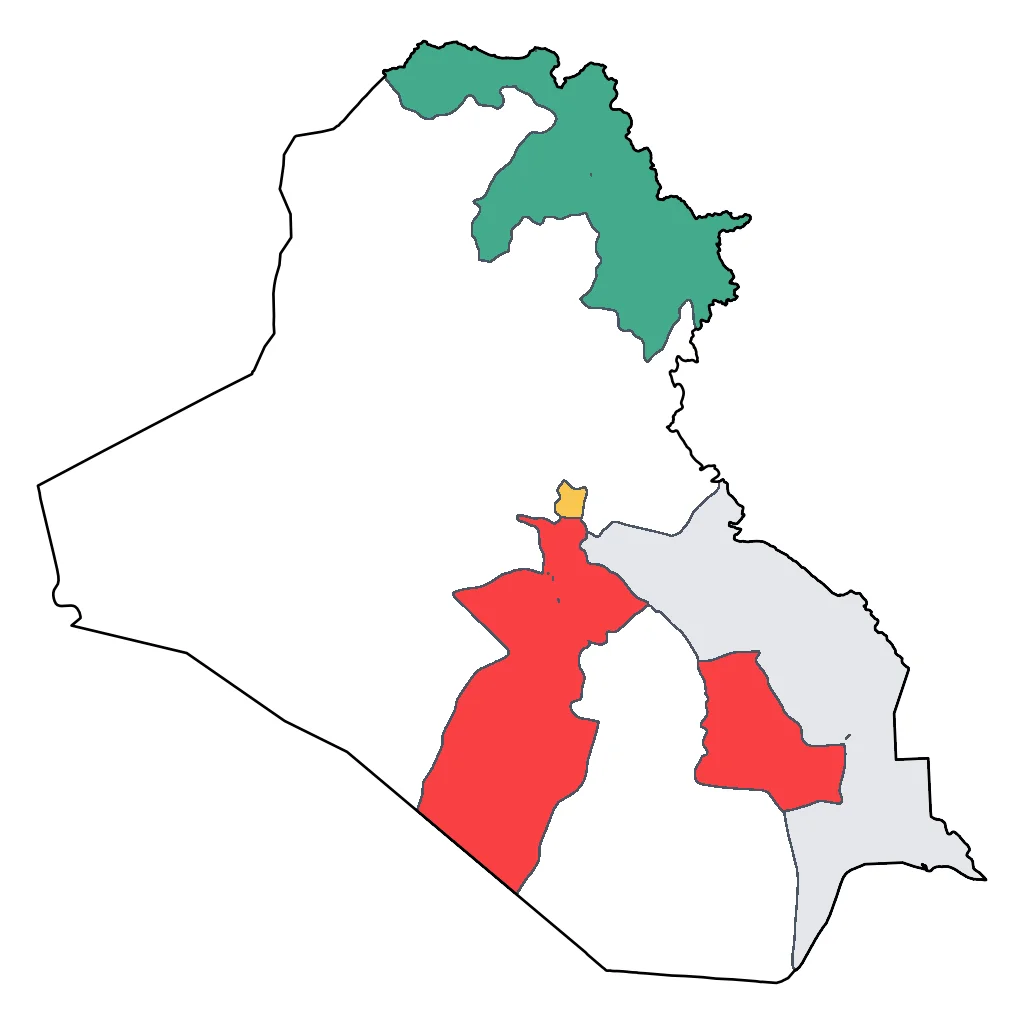

Hiking, wildlife, outdoor exploration, ecotourism
Beyond the ruins, the region offers access to the unique Mesopotamian Marshes, a UNESCO-listed wilderness for birdwatching and authentic water-based exploration. Peak months offer comfortable moderate temperatures for outdoor exploration, while the summer months are prohibited by oppressive heat and humidity.
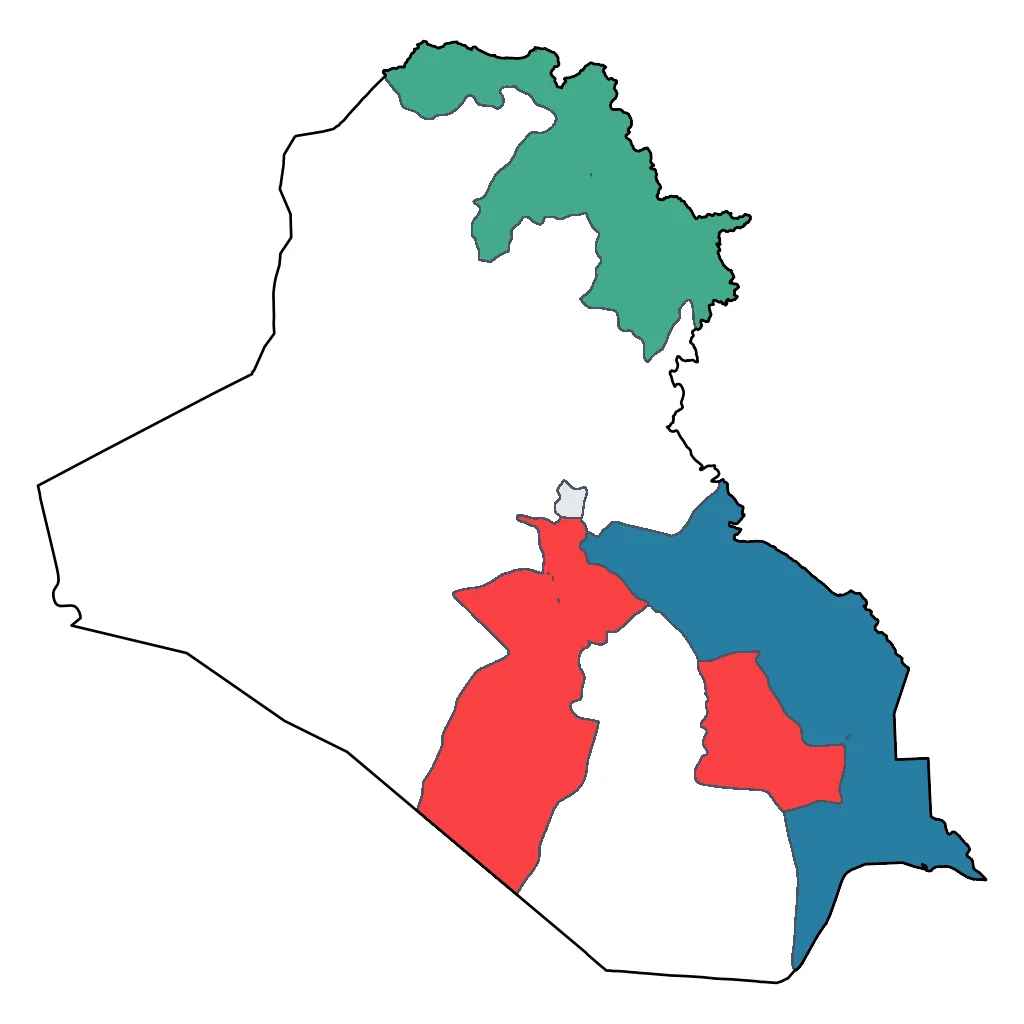

Events, celebrations, seasonal attractions
Features authentic, massive-scale cultural events in the holy cities of Karbala and Najaf that are unique globally. While dates vary by the lunar calendar, these events are best experienced during the cooler peak months (Nov-Feb) to ensure safety and comfort amidst large crowds, as summer heat makes these urban centers extremely challenging.
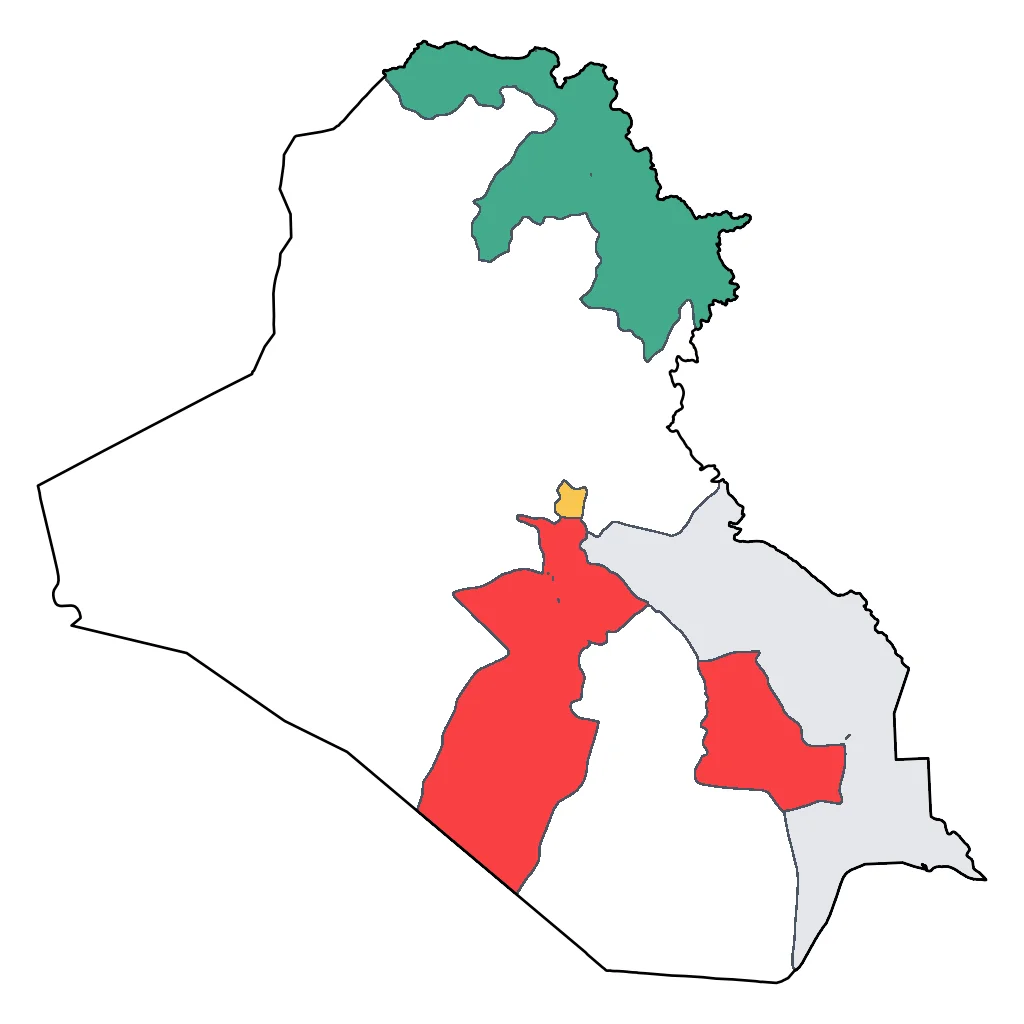

Scenic drives, countryside tours, route-based travel
A high-adventure route across the Mesopotamian heartland that offers sophisticated families a raw and authentic journey through history. Spring and autumn provide clear visibility and safe operating temperatures for travel, while summer extremes tax both passengers and vehicles beyond comfortable limits.