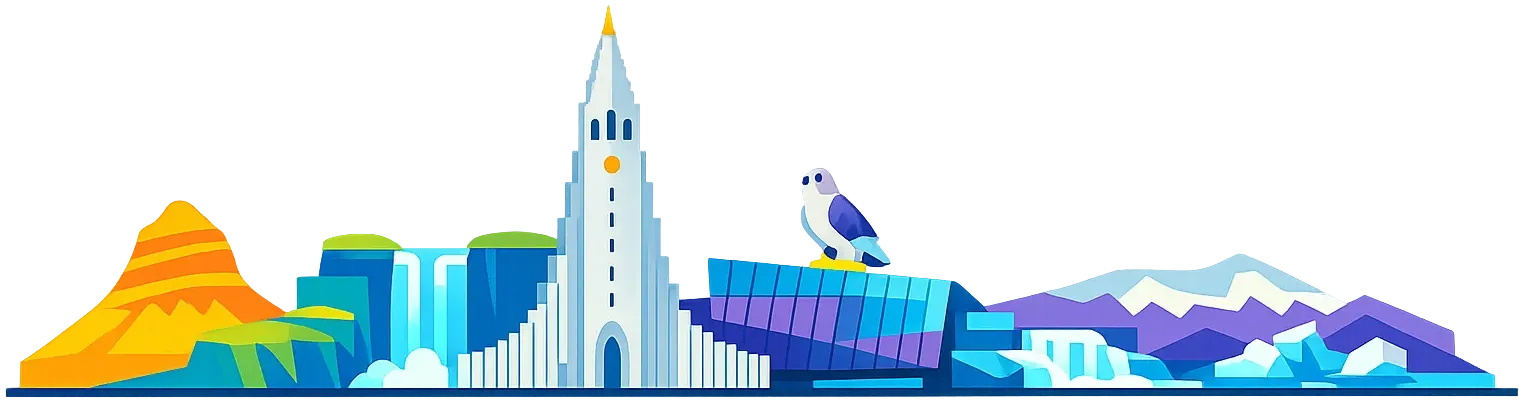

Iceland is often described as a land of fire and ice, but for families, it is simply one of the most accessible adventure destinations in the world. The landscape feels prehistoric, defined by active volcanoes, massive glaciers, and moss-covered lava fields. Despite the dramatic scenery, the country is exceptionally safe and family-oriented, with infrastructure designed to make travel easy for visitors of all ages.
The classic starting point is Reykjavík, the northernmost capital in the world. It is compact and walkable, with colorful houses and the striking Hallgrímskirkja church. A highlight for children here-and across the entire country-is the local swimming pool culture. Unlike typical hotel pools, Icelandic sundlaugar are geothermal outdoor complexes featuring water slides, shallow wading areas, and hot tubs. They are social hubs where families gather year-round, regardless of the weather.
Nature is the primary attraction, and the famous Golden Circle route allows families to see three major sites in a single day. You can walk between tectonic plates at Thingvellir National Park, watch the Strokkur geyser blast water high into the air every few minutes, and witness the power of Gullfoss waterfall. For a closer look at wildlife, boat tours from Reykjavík or Húsavík offer the chance to spot humpback and minke whales, while coastal cliffs in summer teem with Atlantic puffins.
When traveling with children, the Icelandic horse is a gentle companion. These small, sturdy animals are unique to the island and known for their friendly temperament, making them perfect for beginner riding tours across the volcanic terrain. Exploring the south coast leads to the famous black sand beach of Reynisfjara. While visually stunning with its basalt columns, parents must be vigilant here; the "sneaker waves" are powerful and dangerous, so keeping children well back from the water's edge is essential.
Practical considerations are important for a successful trip. The weather is notoriously changeable; it is possible to experience rain, wind, and sunshine within the same hour. Dressing in waterproof and windproof layers is non-negotiable. Dining out can be expensive, but families often rely on the popular Icelandic hot dog (pylsur) stands and budget-friendly supermarkets like Bónus. Travel seasons drastically change the experience: summer offers the Midnight Sun for endless exploration, while winter brings short days and the potential magic of the Aurora Borealis, though road conditions can be more challenging.
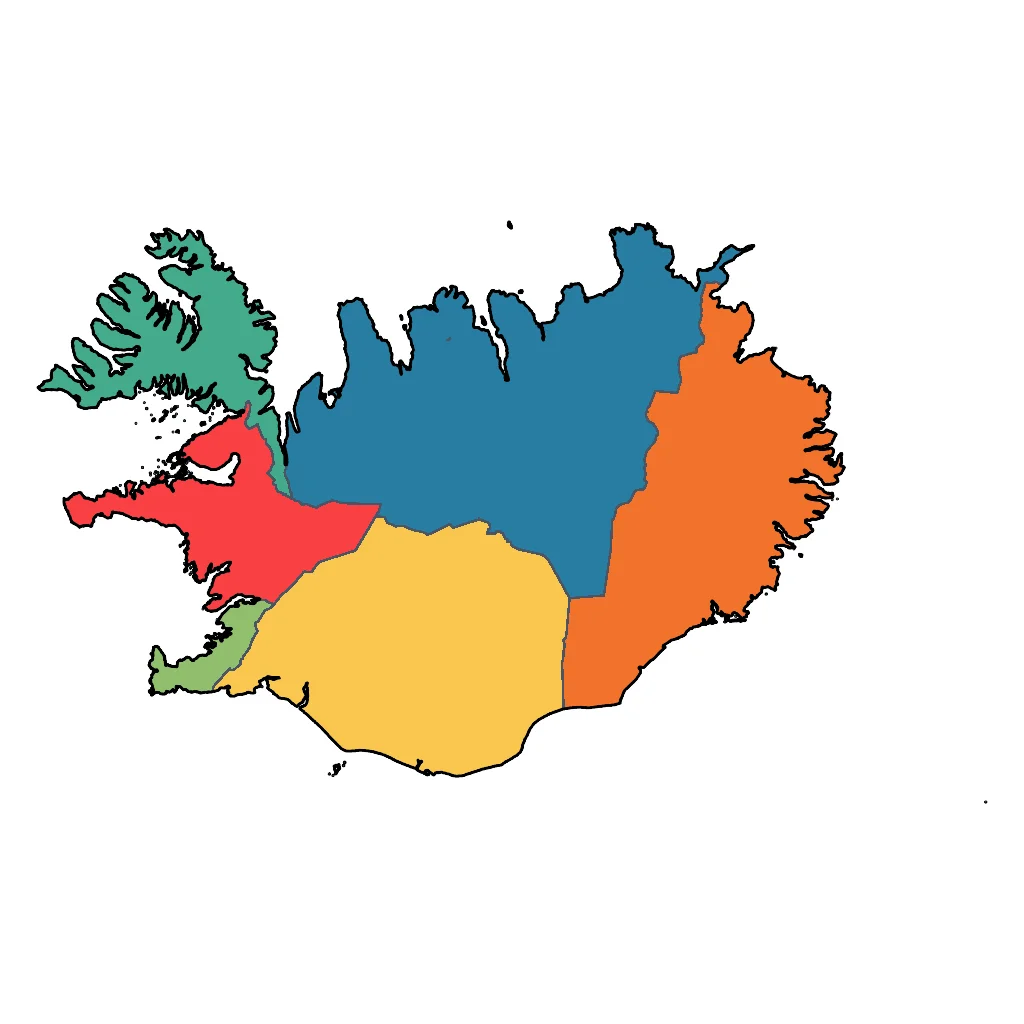
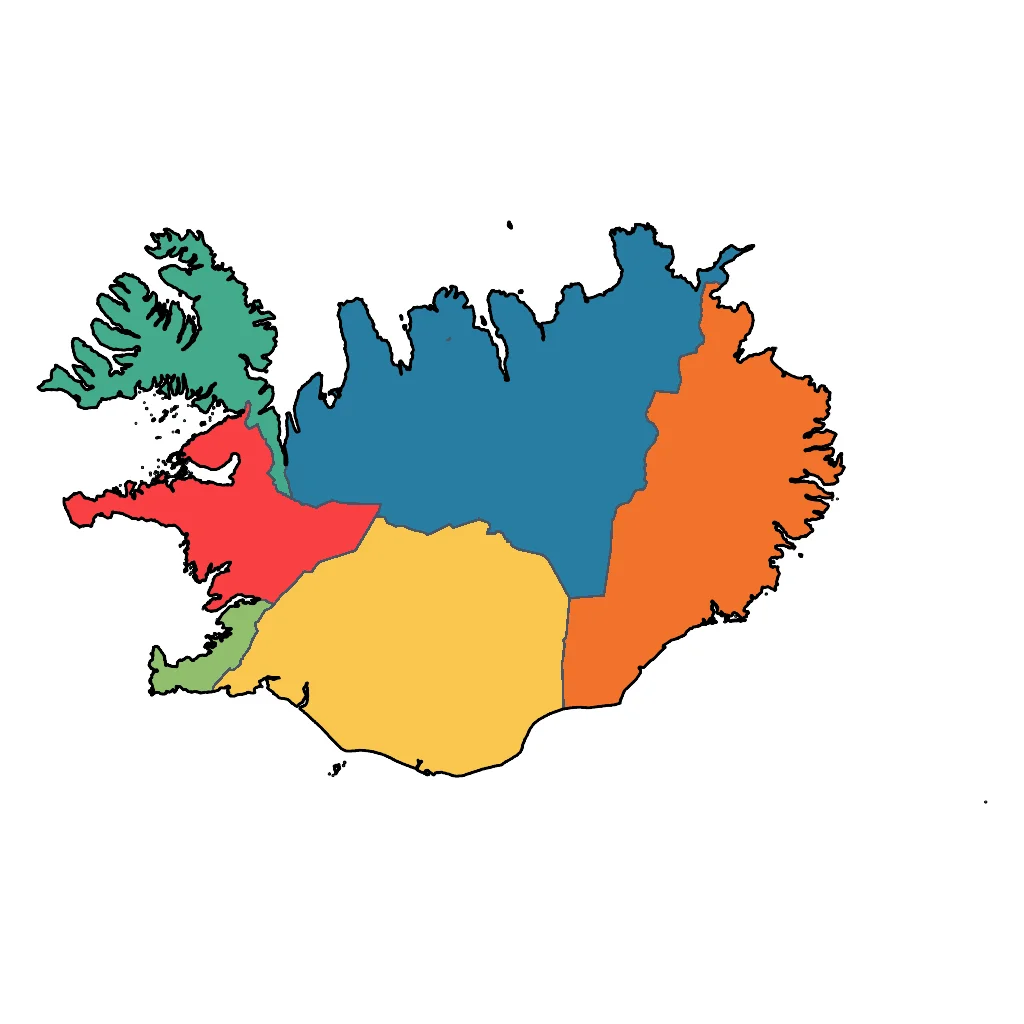
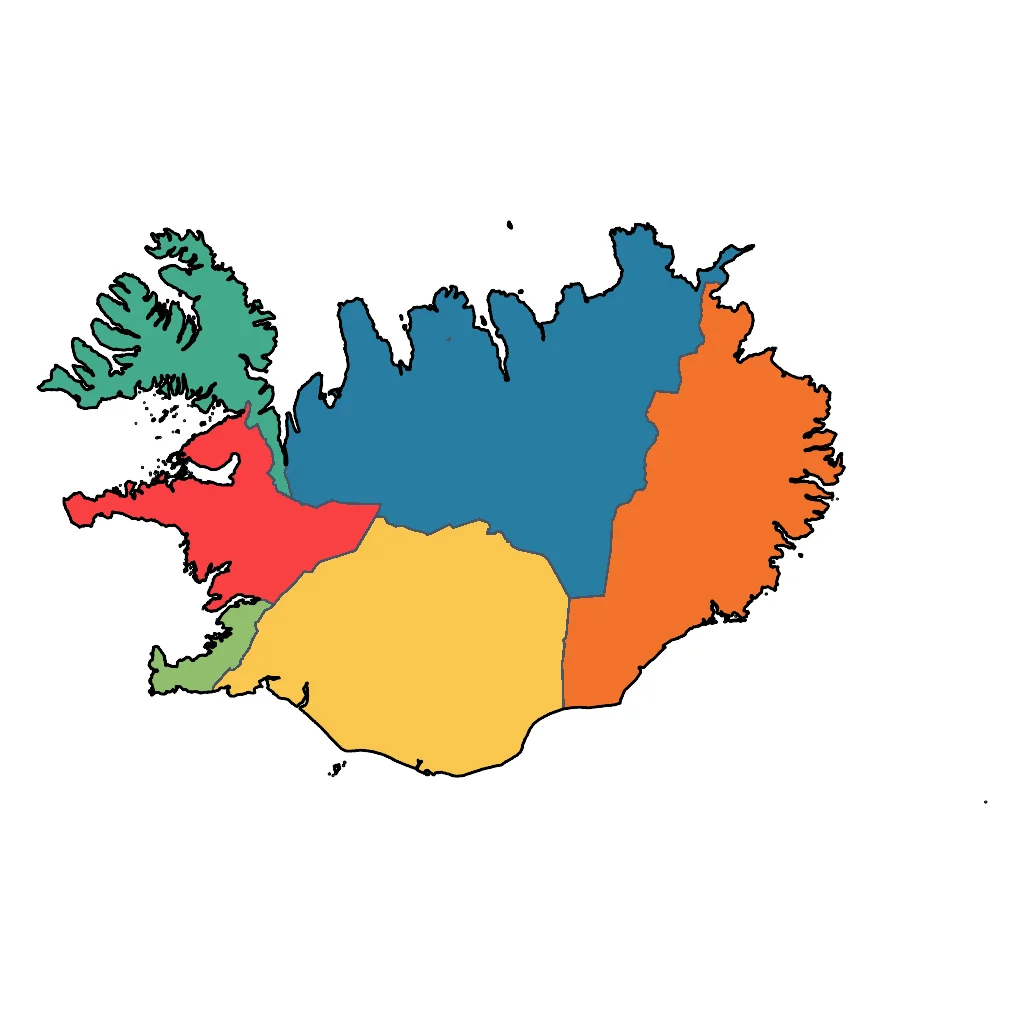
Explore Regions
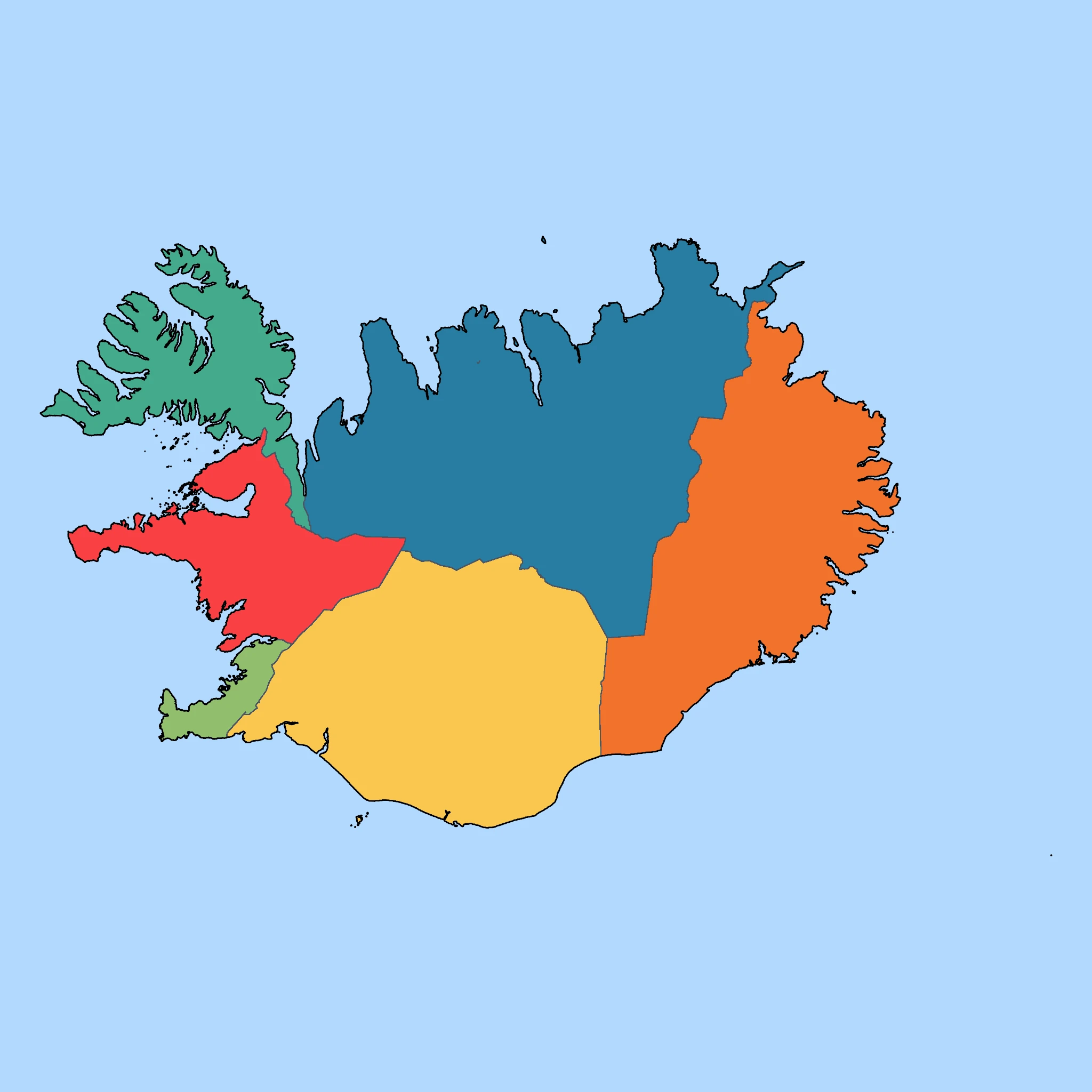
6 Regions
East Fjords
Wild Reindeer, Misty Fjords & Mythical Lakes 🦌
North Iceland (Akureyri, Mývatn)
Whales, Waterfalls & Volcanic Wonders 🐋
Reykjavik & Southwest (Golden Circle, Blue Lagoon)
Capital Culture & Golden Circle Classics 🇮🇸
Snæfellsnes Peninsula
Magical Landscapes & Lava Caves 🌋
South Coast (waterfalls, glaciers, Vik)
Glaciers, Black Sand & Cascading Falls 🌊
Westfjords
Remote Fjords & Puffin Cliffs 🐧
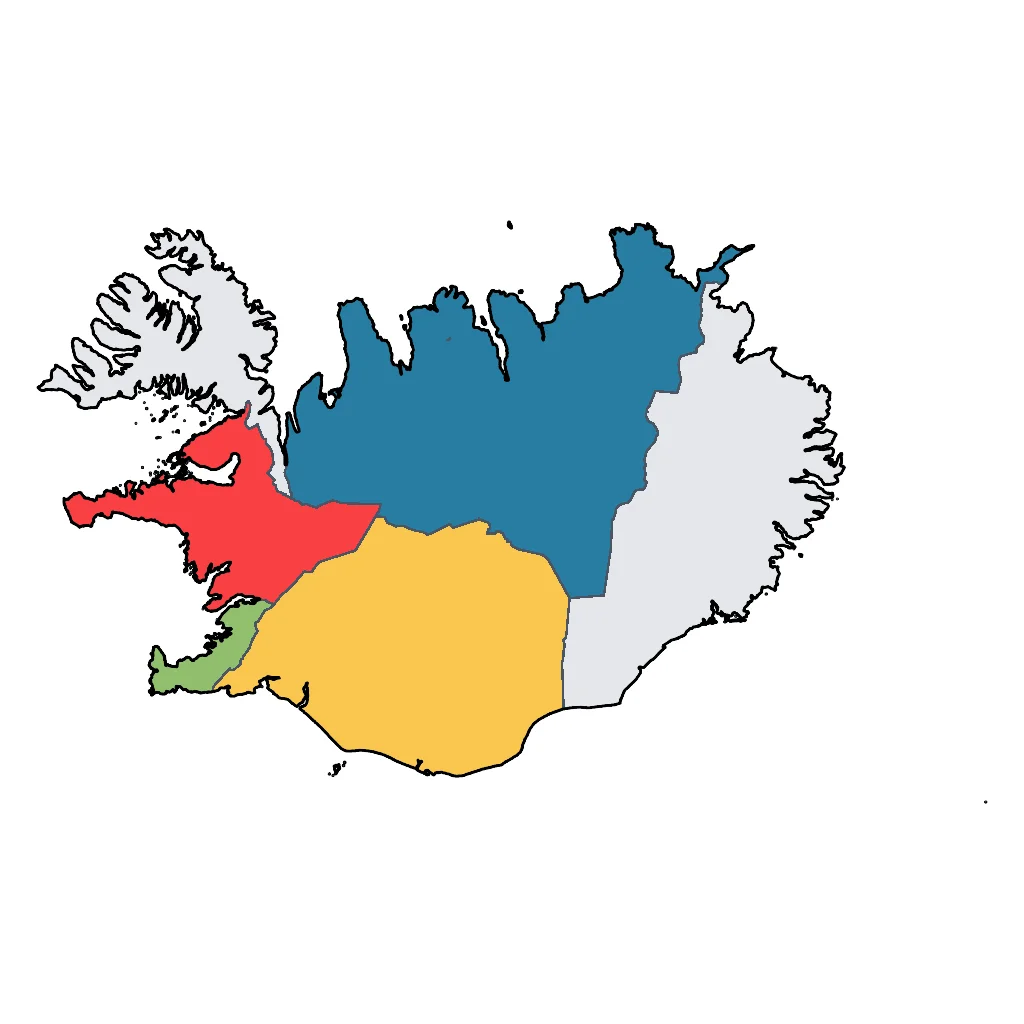
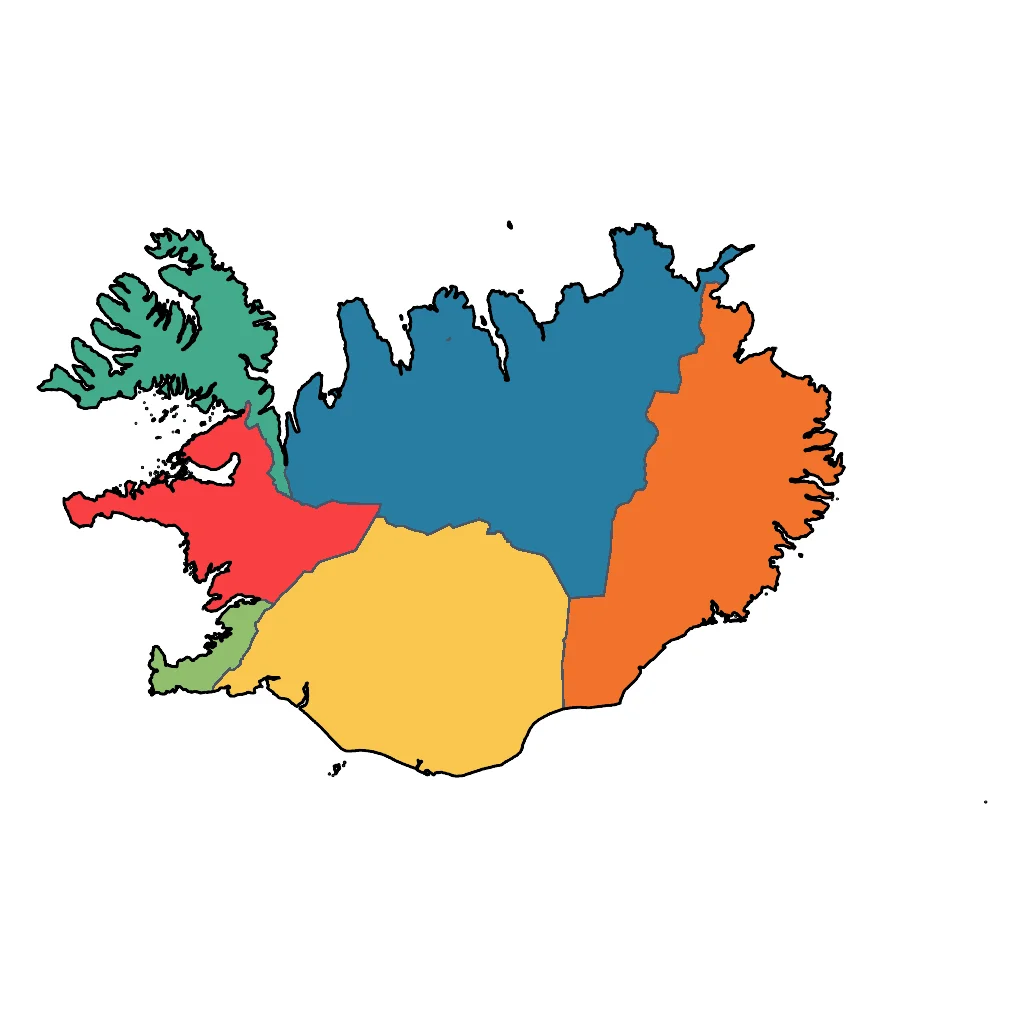
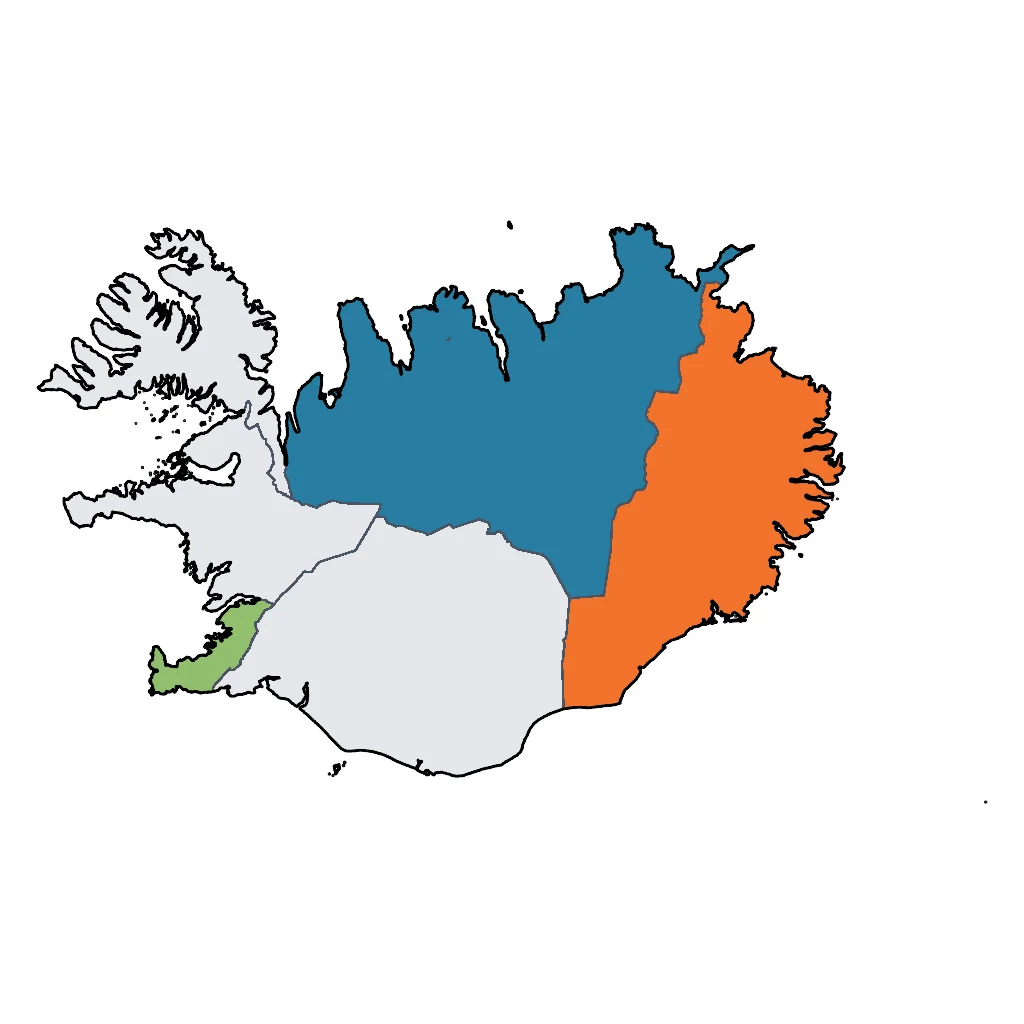
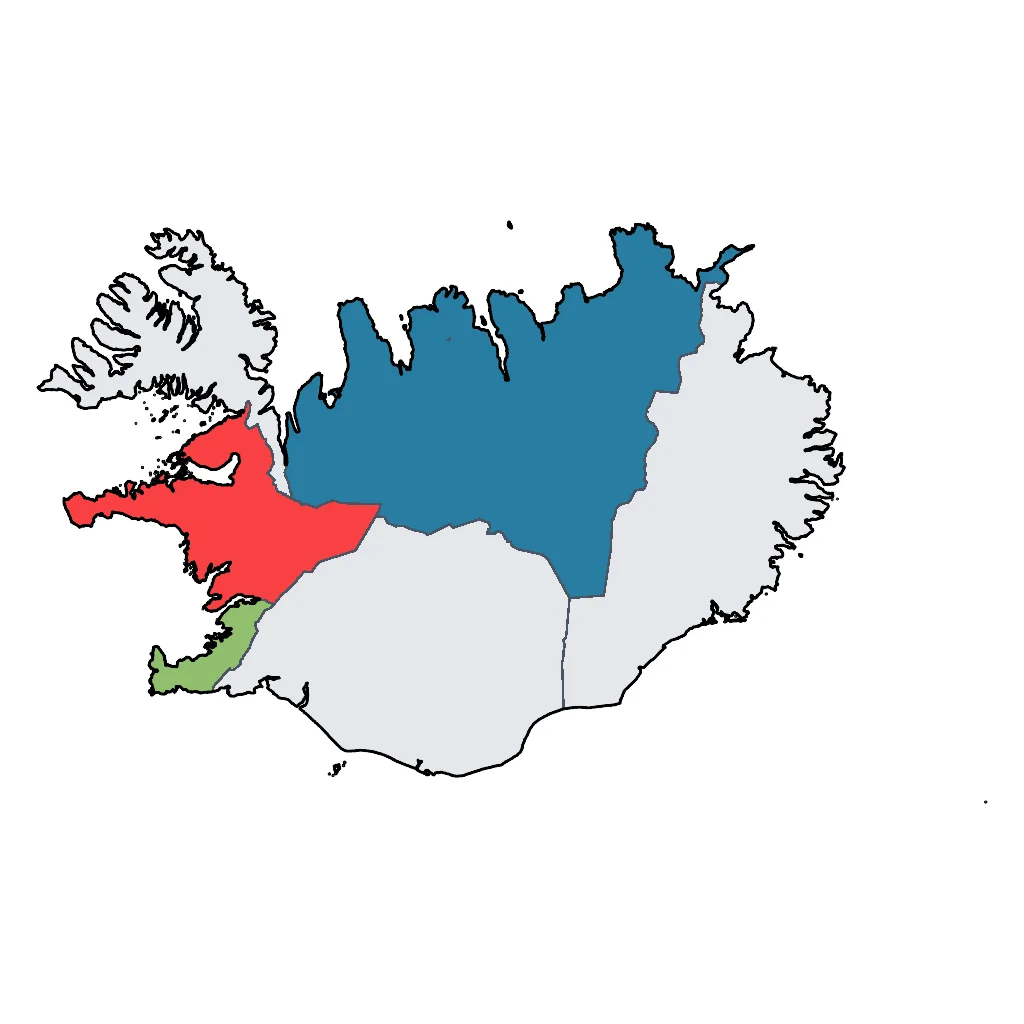
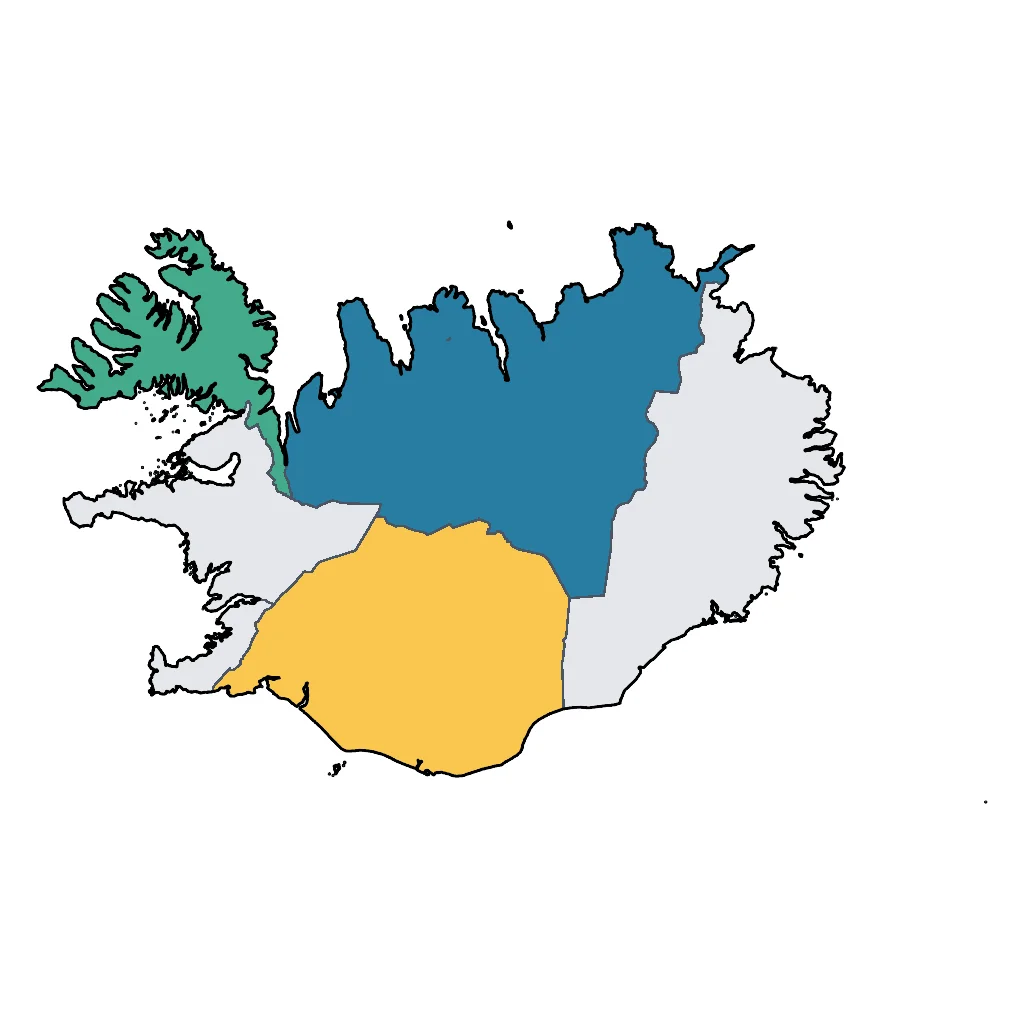
Click on a region marker to explore details. Use the dropdown to color regions by activity suitability.
Activities & Best Times
Adventure & Nature
ExcellentHiking, wildlife, outdoor exploration, ecotourism
A world-class destination for unique volcanic landscapes, glacier trekking, and dramatic coastal cliffs that are easily accessible yet feel pristine. Peak summer (Jun-Aug) provides nearly 24-hour daylight and the best conditions for exploring Snæfellsjökull National Park, while winter months are too dark and stormy for standard exploration.
A globally unique landscape of volcanic craters, steaming mud pools, and thundering waterfalls like Dettifoss, offering world-class whale watching. Summer months provide optimal accessibility and wildlife activity, while the harsh Arctic winter limits exploration to specialized tours.
Home to Europe's largest bird cliffs at Látrabjarg and the Hornstrandir Wilderness, this region offers world-class encounters with Arctic foxes and nesting puffins in a pristine environment. Peak July and August provide the only reliable access to remote hiking trails and peak wildlife activity, while extreme winter precipitation and snow render the wilderness impassable.

Educational & Exploratory
ExcellentLearning experiences, scientific sites, historical education
The UNESCO-listed Thingvellir National Park and Hellisheiði Power Station offer world-class insights into plate tectonics and geothermal science. Summer peak allows full access to outdoor interpretive sites; winter weather frequently limits access to archaeological and geological features.
An exceptional site for geology and maritime history, famously serving as the setting for Jules Verne's 'Journey to the Center of the Earth.' Peak summer months provide the best access to interpretive centers and guided research-led tours into lava tubes and glacial areas that are restricted in winter.
The region serves as a living laboratory for vulcanology and marine biology, perfect for families seeking sophisticated learning experiences. Summer provides full access to scientific sites and interactive research centers, which are often inaccessible or closed during the snowy winter months.

Relaxation & Wellness
ExcellentSpa retreats, wellness centers, peaceful getaways
Home to the world-famous Blue Lagoon and sophisticated Sky Lagoon, providing unique geothermal bathing experiences in striking volcanic landscapes. Peak summer offers the most comfortable air temperatures for outdoor transitions; winter months are frequently too windy and wet for optimal relaxation.
International calibration: Mývatn Nature Baths is high-quality but does not match the global brand recognition and luxury infrastructure of the Blue Lagoon (which anchors Reykjavik & Southwest's 'excellent' rating). Only one region in Iceland should hold 'excellent' for wellness, and that is the Blue Lagoon region. North Iceland is 'very_good' - nationally significant, authentically excellent, but not a globally top-tier wellness destination.
Features unique geothermal mineral baths at Lýsuhóll and high-end, remote boutique hotels offering peaceful seclusion. Summer provides a pleasant environment for outdoor soaking; however, it lacks the year-round, world-class luxury spa infrastructure found in more developed wellness regions.
Road Trips & Scenic
ExcellentScenic drives, countryside tours, route-based travel
The peninsula offers one of the world's most scenic loops, featuring well-maintained roads and iconic landmarks like Kirkjufell and the Búðir church. June through August offers peak visibility and safety; shoulder months are beautiful but require caution; winter brings dangerous icing and frequent road closures unsuitable for luxury family travel.
The Diamond Circle is a world-class scenic route connecting spectacular geological sites on well-maintained roads. Summer offers 24-hour daylight and safe driving conditions, whereas winter months bring dangerous ice, heavy snow, and frequent road closures.
The 'Westfjords Way' is a spectacular, high-standard driving route through narrow fjords and over steep mountain passes that offers world-class scenery and a deep sense of isolation. Summer months offer the midnight sun and safe driving conditions, whereas the region's high precipitation (up to 185mm monthly) and heavy snow frequently close key passes during the long off-season.

City & Cultural
Very GoodUrban tourism, museums, historical sites, architecture
Reykjavik is a sophisticated hub of Nordic design, world-class dining, and unique museums like Perlan. Peak summer months are ideal for walkable urban exploration and major festivals; winter's extreme darkness and high precipitation significantly limit the cultural experience.
Akureyri is a sophisticated urban base with high-quality museums and a world-class culinary scene that reflects authentic Icelandic heritage. Summer months are peak for festivals and vibrant urban life, whereas winter months see many cultural venues operating on reduced schedules.
Seyðisfjörður stands out as a world-class example of a vibrant, authentic arts community housed in historic wooden architecture. These cultural hubs are most active and accessible during the summer when seasonal galleries and local artisan shops are fully operational.

Festivals & Seasonal
Very GoodEvents, celebrations, seasonal attractions
A premier global location for viewing the Northern Lights against dramatic landscapes with minimal light pollution. Peak viewing coincides with the equinoxes when weather is slightly more stable than mid-winter; shoulder months are colder with higher precipitation; summer months are unsuitable due to the midnight sun.
One of the world's premier locations for the Northern Lights and authentic mid-winter celebrations. Peak viewing occurs during the darkest months (Nov-Feb), while the shoulder months offer a balance of lights and daylight; summer is unsuitable due to the constant light of the Midnight Sun.
Offers world-renowned attractions like the Northern Lights (late autumn to early spring) and Reykjavik’s Culture Night in August. Peak months align with the best Aurora visibility or major summer celebrations; shoulder months offer Aurora chances with harsher weather; spring is a quiet 'mud season' with fewer events.

Ski & Snow
Very GoodWinter sports, ski resorts, snow activities
Hlíðarfjall offers some of Iceland's best ski infrastructure with an authentic Arctic atmosphere and unique views of the fjord. Peak months (Feb-Apr) balance deep snow coverage with returning daylight, while winter shoulder months are dark and summer is unsuitable due to lack of snow.
Ísafjörður provides world-class cross-country and backcountry skiing with unique fjord views, attracting international competitions. March and April are peak due to the return of daylight and a stable snow base, while the mid-winter months (Dec-Jan) are too dark and stormy for an optimal experience.
While lacking traditional alpine ski resorts, the region offers world-class winter ice cave exploration in Vatnajökull National Park. These authentic experiences are strictly seasonal, peaking in mid-winter for safety and structural integrity of the ice.

Sports & Active
Very GoodSport tourism, fitness activities, active recreation
Offers high-quality active pursuits including sea kayaking, glacier hiking, and authentic Icelandic horse riding on black sand beaches. Peak summer conditions ensure safety and comfort for families; winter weather is too volatile for these activities to meet international standards for discerning travelers.
Offers high-quality, professional guiding for glacier hiking, ice climbing, and snowmobiling across the Vatnajökull ice cap. Peak conditions in summer provide the most stable weather for family-friendly activities; winter sports are possible but often disrupted by severe storms and high humidity.
Offers unique active adventures like riding pure-bred Icelandic horses and hiking through basaltic lava fields. July and August provide the most stable weather and trail conditions for families, while the off-season is plagued by high precipitation and freezing temperatures.
Airports & Flight Routes
Toggle options to view domestic routes and international airports. Click an airport for details.
Climate & Weather
East Fjords
Show Details
| Month | Temp °C | Rain | Humidity |
|---|
North Iceland (Akureyri, Mývatn)
Show Details
| Month | Temp °C | Rain | Humidity |
|---|
Reykjavik & Southwest (Golden Circle, Blue Lagoon)
Show Details
| Month | Temp °C | Rain | Humidity |
|---|
Snæfellsnes Peninsula
Show Details
| Month | Temp °C | Rain | Humidity |
|---|
South Coast (waterfalls, glaciers, Vik)
Show Details
| Month | Temp °C | Rain | Humidity |
|---|
Westfjords
Show Details
| Month | Temp °C | Rain | Humidity |
|---|
Travel Advisory
Standard safety awareness applies; no elevated country-wide risks are present, though localized natural hazards exist.
Safety Topics
Traveller Advice (3 groups)

Iceland is considered one of the safest countries in the world for women, including those traveling alone.
Hikers and mountaineers are urged to use safety apps to log their GPS locations and monitor the weather closely. Glacier travel and trekking in volcanic zones should only be done with professional guides and appropriate gear.

The social and legal environment is highly inclusive and welcoming to the LGBTQ+ community.