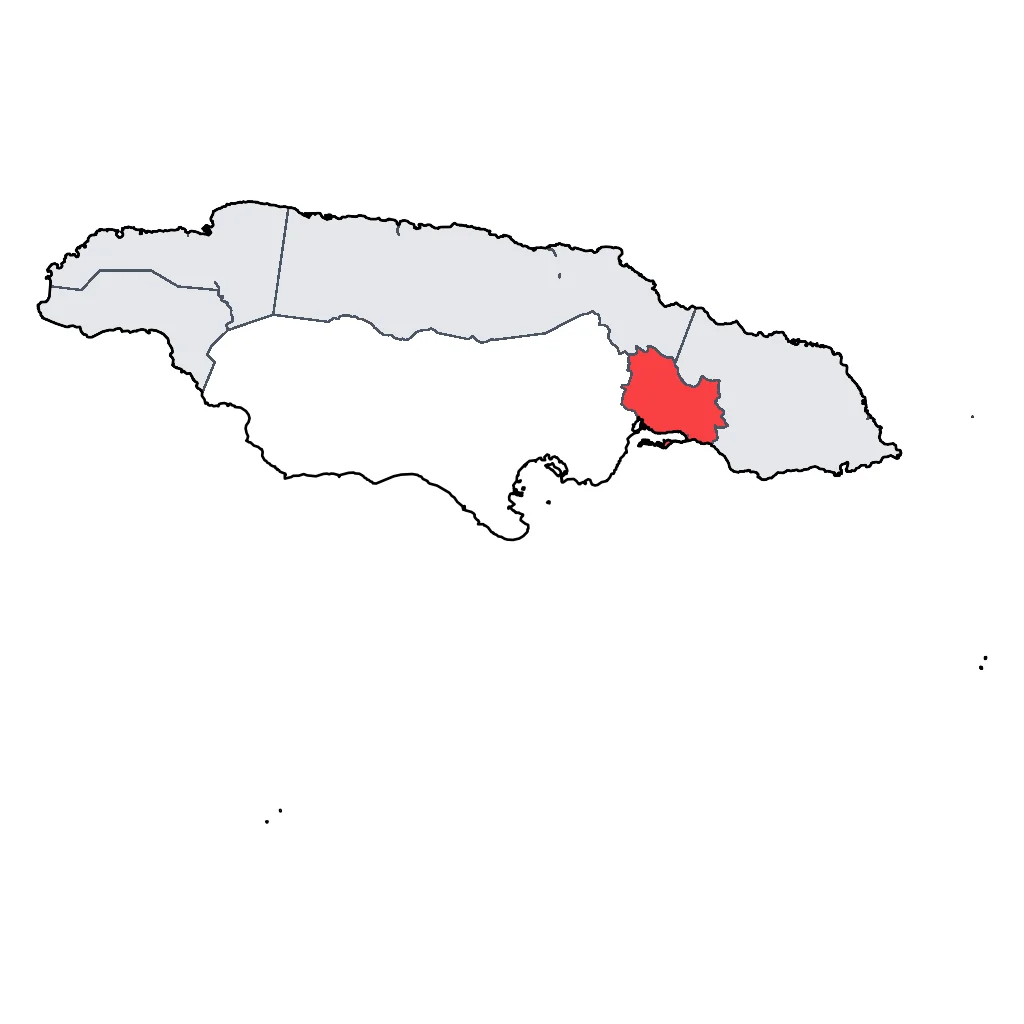
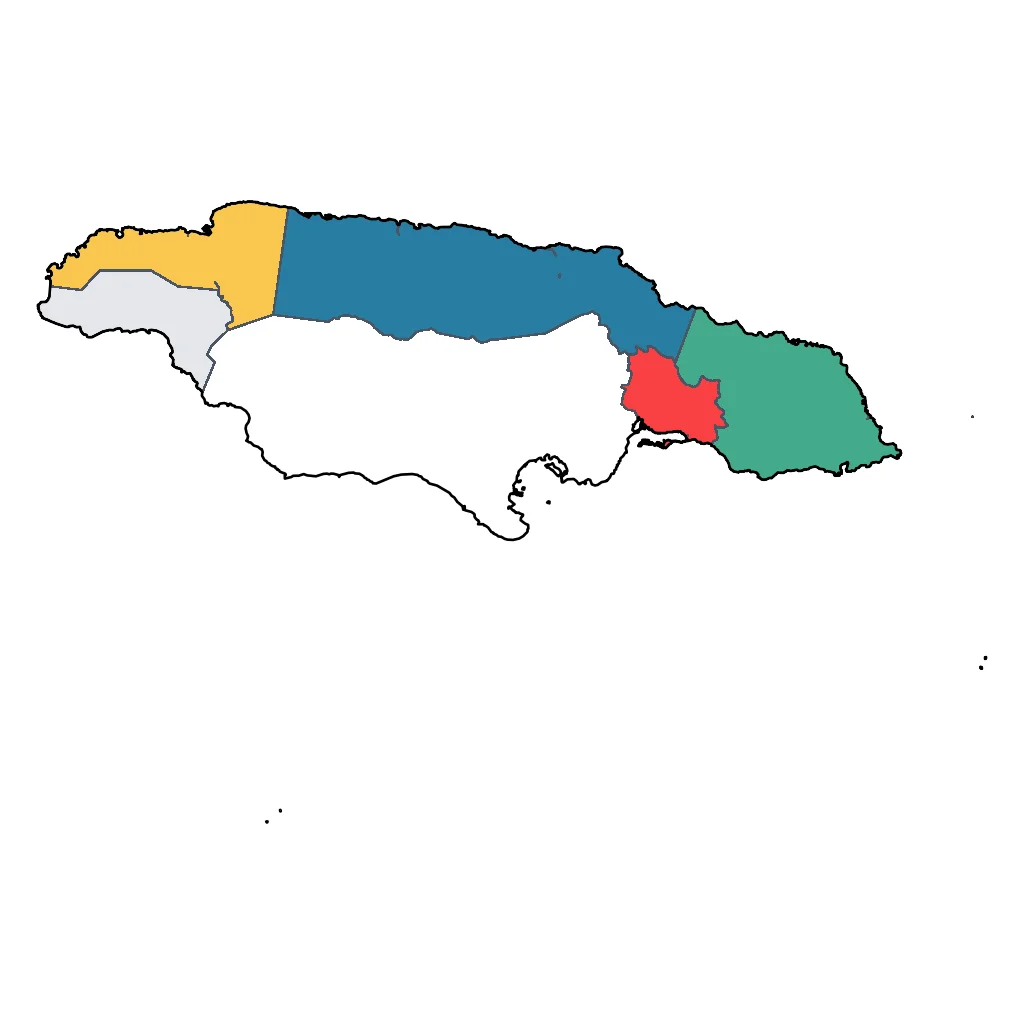
Port Antonio and the parish of Portland offer a glimpse of "old Jamaica," far removed from the mega-resorts and cruise crowds of the north and west. This region receives the most rainfall on the island, resulting in incredibly lush, green landscapes that feel like a true tropical jungle. For families who enjoy ecotourism, quiet beaches, and authentic local culture, this is the most rewarding part of the island.
The beaches here are smaller, cove-like, and incredibly scenic. Frenchman's Cove is a favorite for families; a fresh, cool river winds through the property and flows gently into the warm Caribbean Sea, creating a unique swimming environment where kids can alternate between salt and fresh water. The sand is soft, and the small size of the cove makes it easy to keep an eye on swimming children. Another highlight is the Blue Lagoon, a mix of spring and ocean water with mesmerizing shades of turquoise. Boat tours here are calm and scenic, often including stops at Monkey Island.
The Rio Grande valley is the birthplace of river rafting in Jamaica. Unlike the more commercialized rafting elsewhere, the experience here is long, quiet, and deeply scenic. Families sit on bamboo rafts poled by captains who navigate the gentle currents through the deep valley, often stopping for a swim or a riverside lunch. It is a relaxing way to spend a half-day immersed in nature. For adventurous older kids, Reach Falls offers a series of cascades and underwater caves in a remote forest setting, often less crowded than other waterfalls on the island.
Food is a major draw here as well; the region is the home of jerk seasoning. A visit to the Boston Jerk Centre allows families to see the traditional pit-cooking method. While the spicy pork might be too hot for some children, the festivals (fried dough) and fresh coconut water are universal favorites. Travel to this region requires a longer drive from major airports, but the reward is a peaceful, nature-filled retreat.
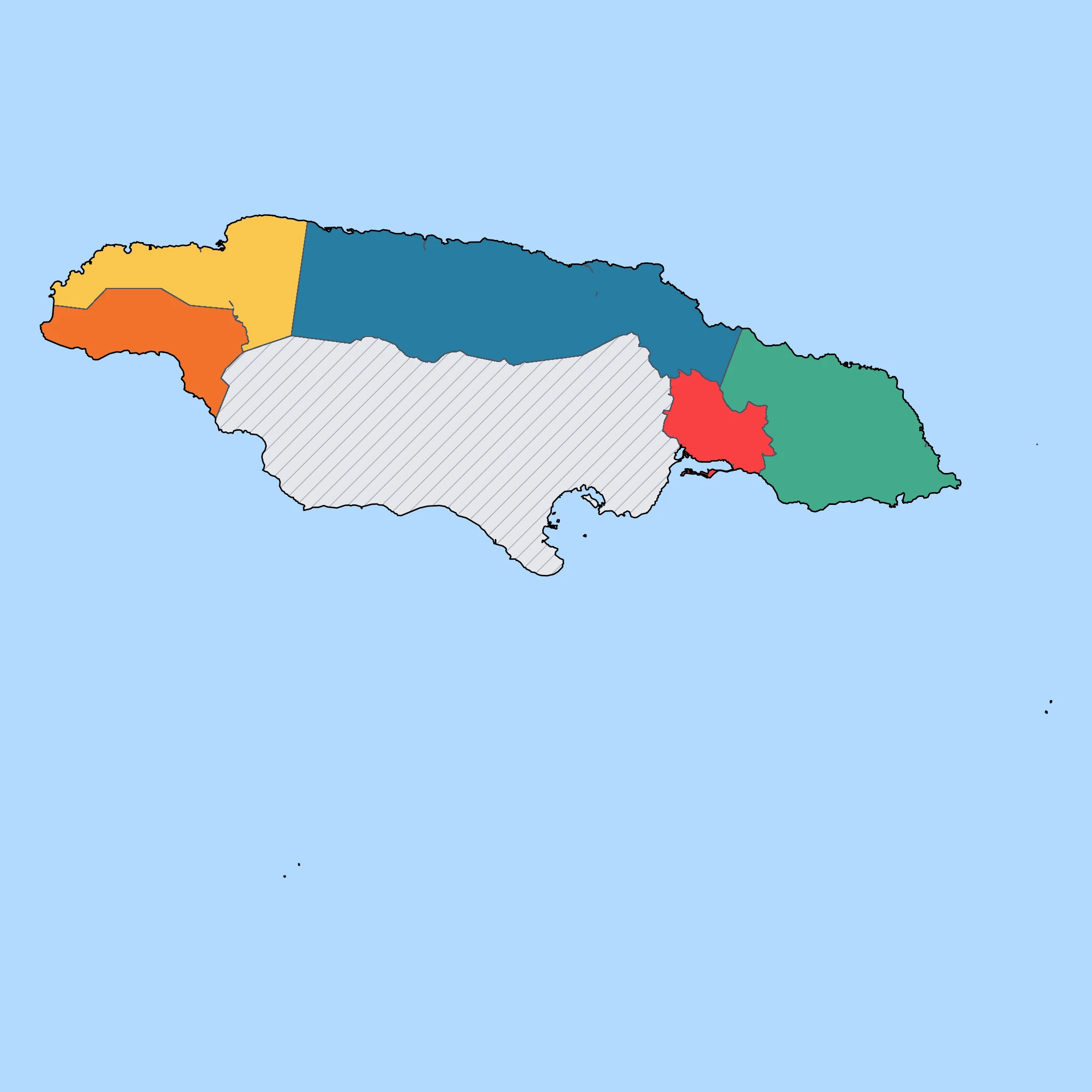
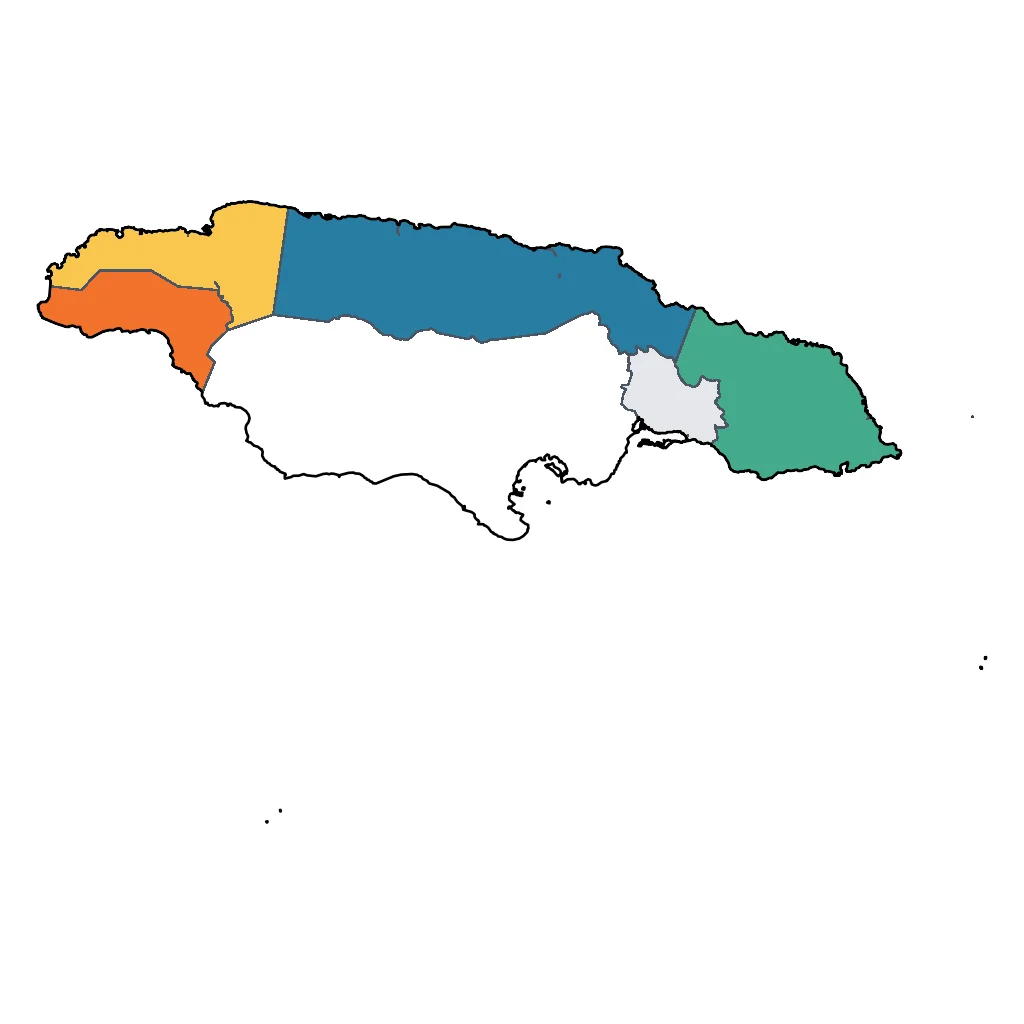
Click a region to explore

Activities & Best Times
Hiking, wildlife, outdoor exploration, ecotourism
A pristine eco-wonderland featuring the UNESCO-listed Blue Mountains and the unique Rio Grande bamboo rafting experience. Dry winter months offer optimal trail safety and river conditions; extreme precipitation from Aug-Nov (peaking at 358mm) makes nature exploration hazardous.

Spa retreats, wellness centers, peaceful getaways
Renowned for high-end boutique retreats like Geejam and Trident, offering a tranquil environment for high-standard wellness. The low-humidity months of Jan-Apr provide the perfect atmosphere for outdoor yoga and spa treatments, while the peak hurricane season (Sep-Oct) is unsuitable.
Beach resorts, marine activities: diving, snorkelling, kite surfing, wind surfing, sailing
Zero beach attractions in the editorial evidence (only attraction is Blue & John Crow Mountains, a nature site). Blue Lagoon and Frenchman's Cove are referenced in notes but absent from attraction data. While these are beautiful spots, Port Antonio is known as a nature/eco destination, not a beach destination. Downgrading to 'good' improves differentiation from Negril (excellent) and MoBay (very_good) which have actual beach evidence.
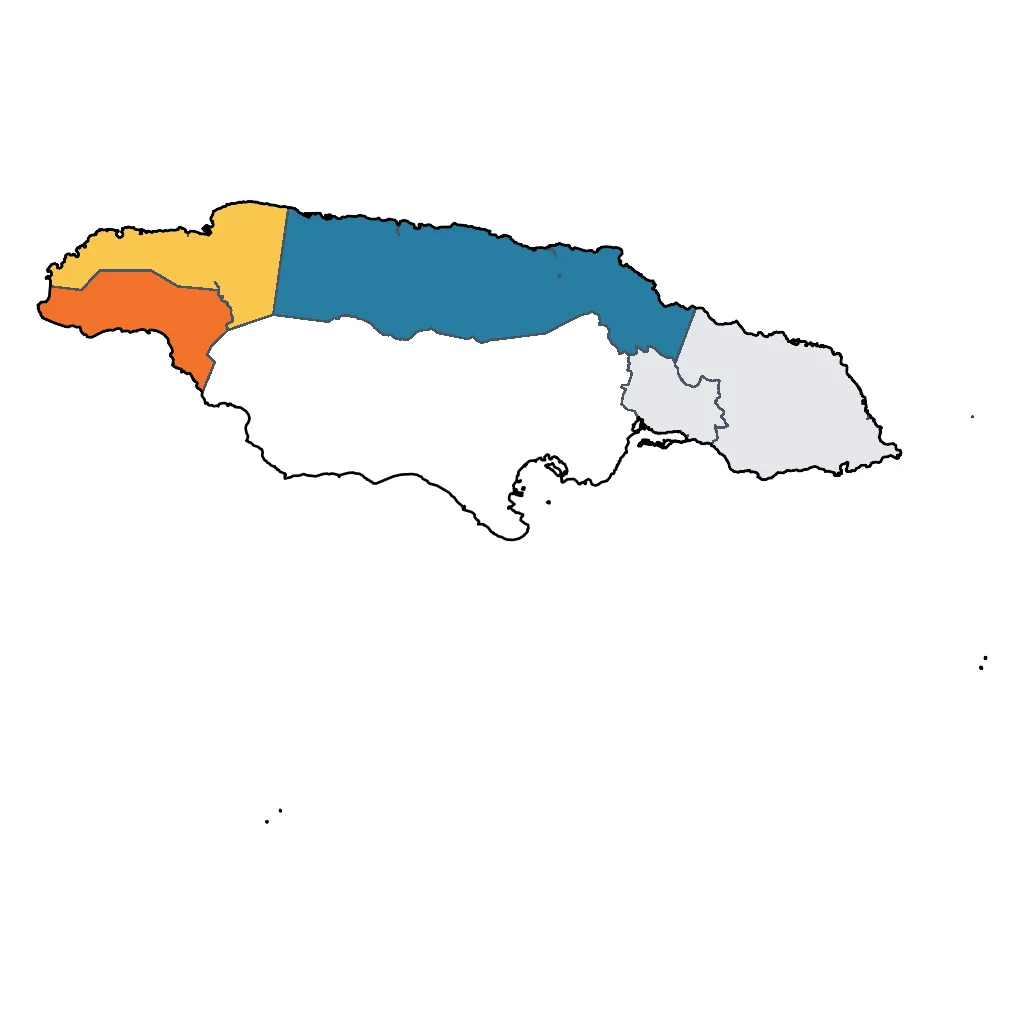

Urban tourism, museums, historical sites, architecture
Offers a highly authentic glimpse into Jamaican heritage, particularly the birthplace of jerk at Boston Bay and Maroon history. Cultural exploration is best during the drier months; the heavy humidity and rainfall of the wet season make urban and market navigation uncomfortable.
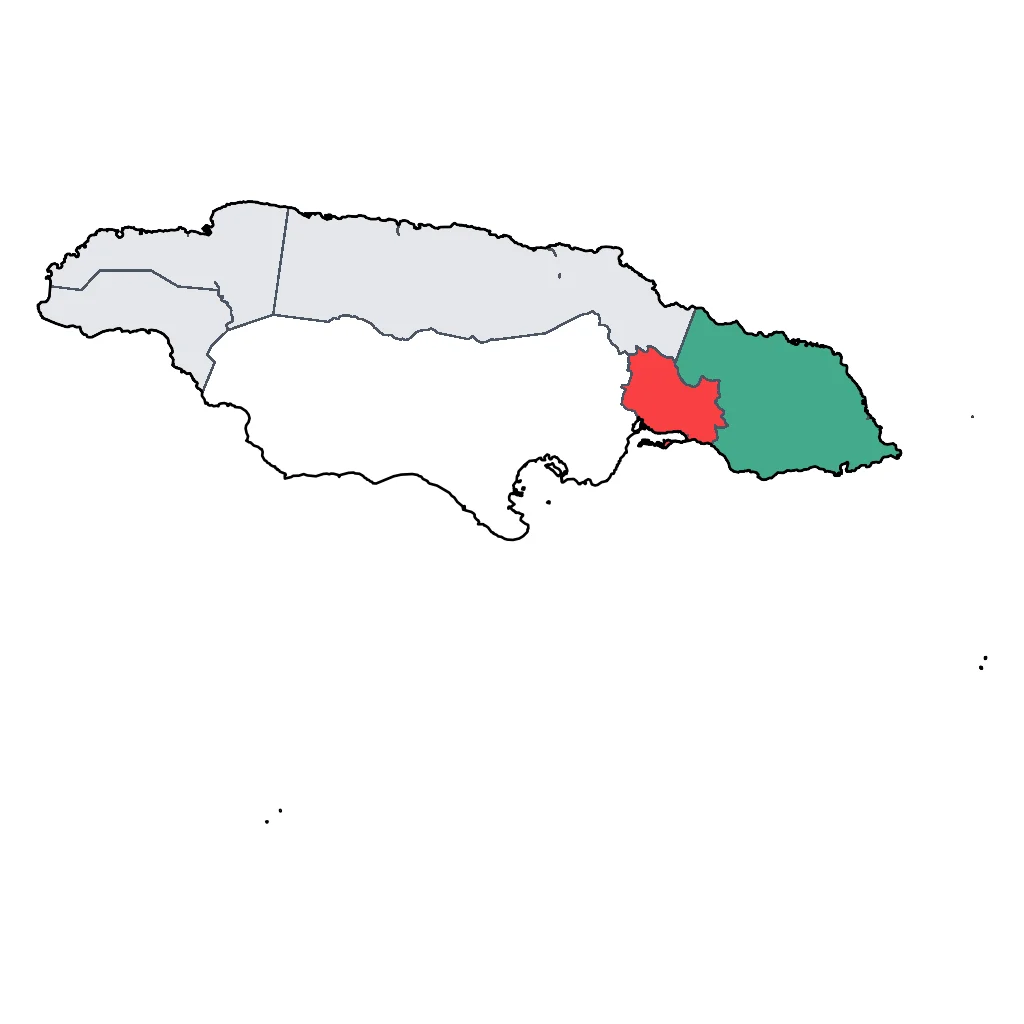

Learning experiences, scientific sites, historical education
Rich in botanical science and historical Maroon settlement sites, providing deep educational value for sophisticated families. Tours and site access are most reliable during the peak dry season, as heavy rains can lead to road closures in rural Portland.

Events, celebrations, seasonal attractions
The Portland Jerk Festival in July is an internationally significant celebration of Jamaica's culinary heritage. While July falls in a slightly wetter period, it remains the peak for cultural festivities, whereas the true off-season offers limited major events.

Sport tourism, fitness activities, active recreation
Features authentic surfing at Boston Bay and specialized hiking in the mountain foothills. The drier early months of the year provide the best conditions for active recreation, while the extreme rainfall in October and November limits most outdoor sporting activities.

Scenic drives, countryside tours, route-based travel
The winding coastal roads offer spectacular ocean views and lush scenery, though infrastructure is sometimes challenging for international standards. Travel is best in Feb-Mar to avoid the frequent washouts and poor visibility associated with Portland’s high annual rainfall.