

Aqaba & Red Sea
Sun, sand, and coral reefs on the Red Sea coast 🐠
Aqaba provides a distinct change of pace from the rest of Jordan, trading desert sands and mountain ruins for deep blue waters and palm-lined boulevards. As the country's only coastal city, it sits at the northern tip of the Red Sea, flanked by rugged purple mountains that turn gold at sunset. For families, Aqaba is the country's playground—a place to wash off the dust of the desert and enjoy a few days of uncomplicated resort life. The climate here is significantly warmer than Amman or Petra, making it a popular winter sun destination, though summer temperatures can be intense.
The primary draw is the sea itself. The Gulf of Aqaba is famous for its lack of strong currents and waves, creating a swimming pool-like environment that is exceptionally safe for toddlers and beginning swimmers. The Aqaba Marine Park protects a stretch of coastline where coral reefs grow just meters from the shore. Older children can don a mask and snorkel to see clownfish, parrotfish, and turtles in the shallow water. For those traveling with younger children or non-swimmers, the local glass-bottom boats are a classic experience. Captains often cut the engines over the Japanese Garden reef so passengers can peer down at the marine life through the viewing pane while enjoying the sea breeze.
Beyond the beach, the city center is walkable and laid-back. The Mamluk Fort (Aqaba Castle) offers a quick historical stop where the Great Arab Revolt is commemorated, complete with a massive flagpole that marks the skyline. Families can wander the souks to buy spices or nuts, though the vibe is far less frantic than in the capital. Food here focuses on fresh catch; the local dish, Sayadieh (spiced fish with rice), is a must-try, and many restaurants are accustomed to hosting large family groups.
Accommodation options range from city hotels to sprawling beach resorts in the Tala Bay area south of the city. The resorts often feature kids' clubs, multiple pools, and private beach access, which can be convenient for parents seeking a stress-free environment. Aqaba also serves as a strategic base; it is less than an hour's drive to Wadi Rum, allowing families to take day trips to the desert and return to the comfort of a hotel room and a swimming pool by evening.
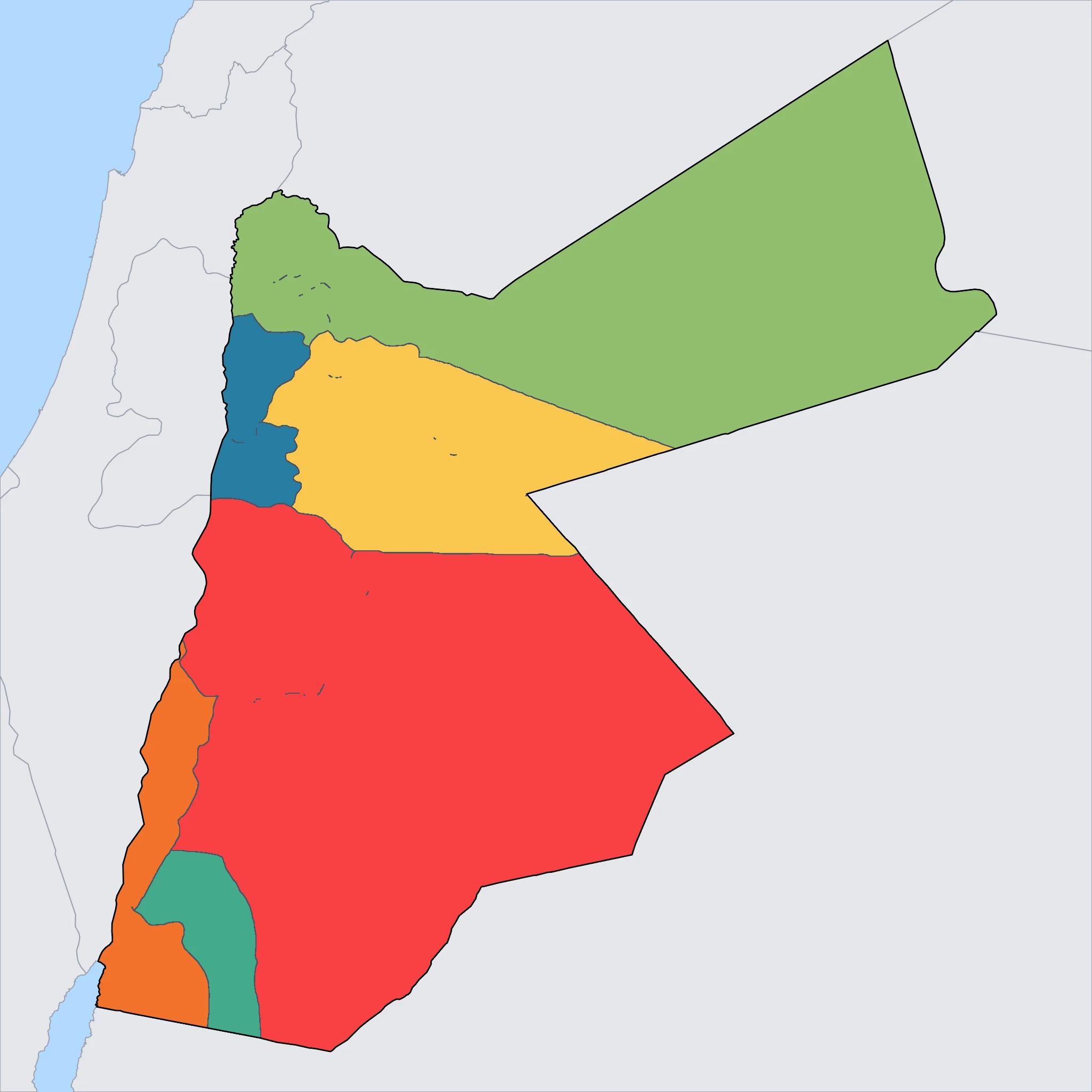
Click a region to explore

Activities & Best Times

Beach resorts, marine activities: diving, snorkelling, kite surfing, wind surfing, sailing
While Aqaba offers world-class diving and coral reefs, the actual beach experience is modest by global standards — short stretches, some industrial port proximity, and limited sand quality compared to Caribbean, Mediterranean, or Southeast Asian beach destinations. The reef/diving excellence is better captured by the sports_active classification. Very_good accurately reflects a strong but not globally top-tier beach destination.
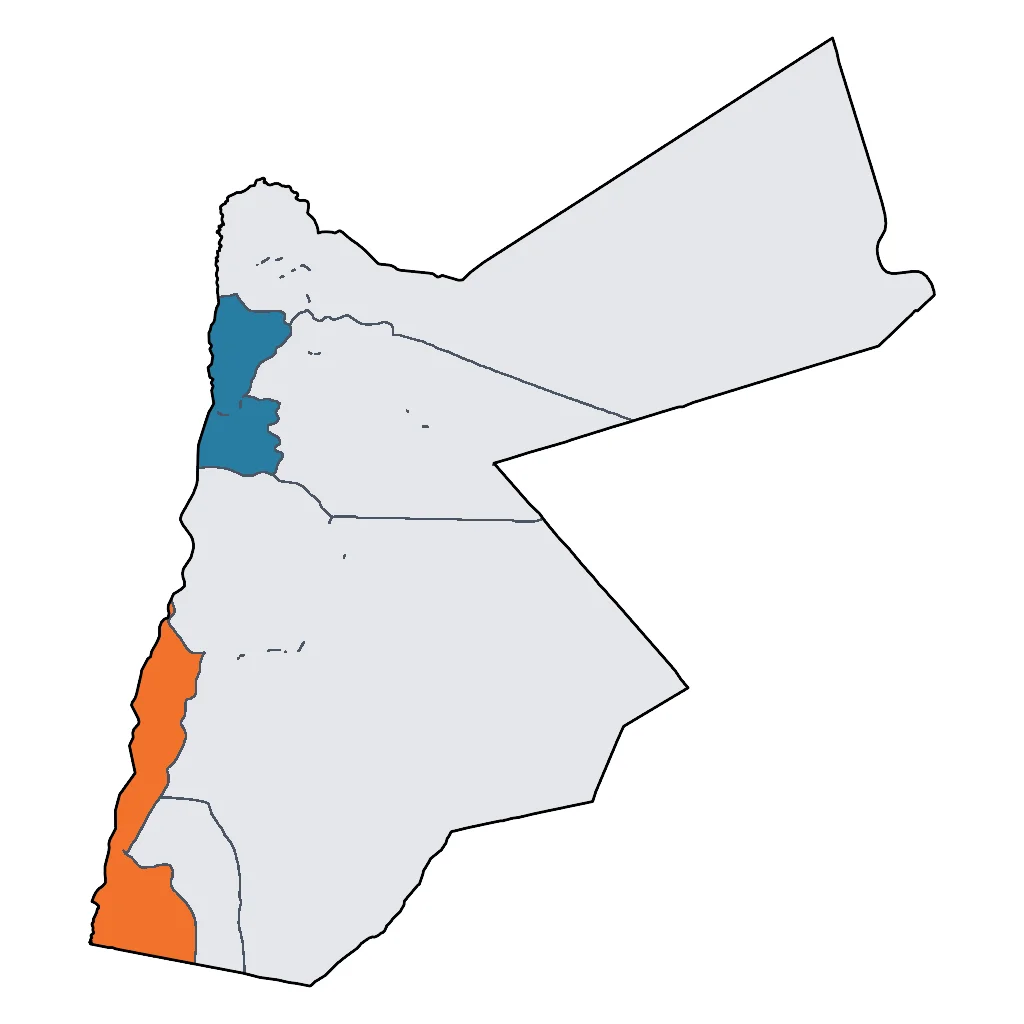

Spa retreats, wellness centers, peaceful getaways
Offers high-end, exclusive wellness retreats in the Tala Bay and Ayla developments with a focus on serene coastal luxury. Best experienced when the dry desert heat is moderated by mild breezes in transition seasons; summer is prohibitively hot for outdoor spa treatments.
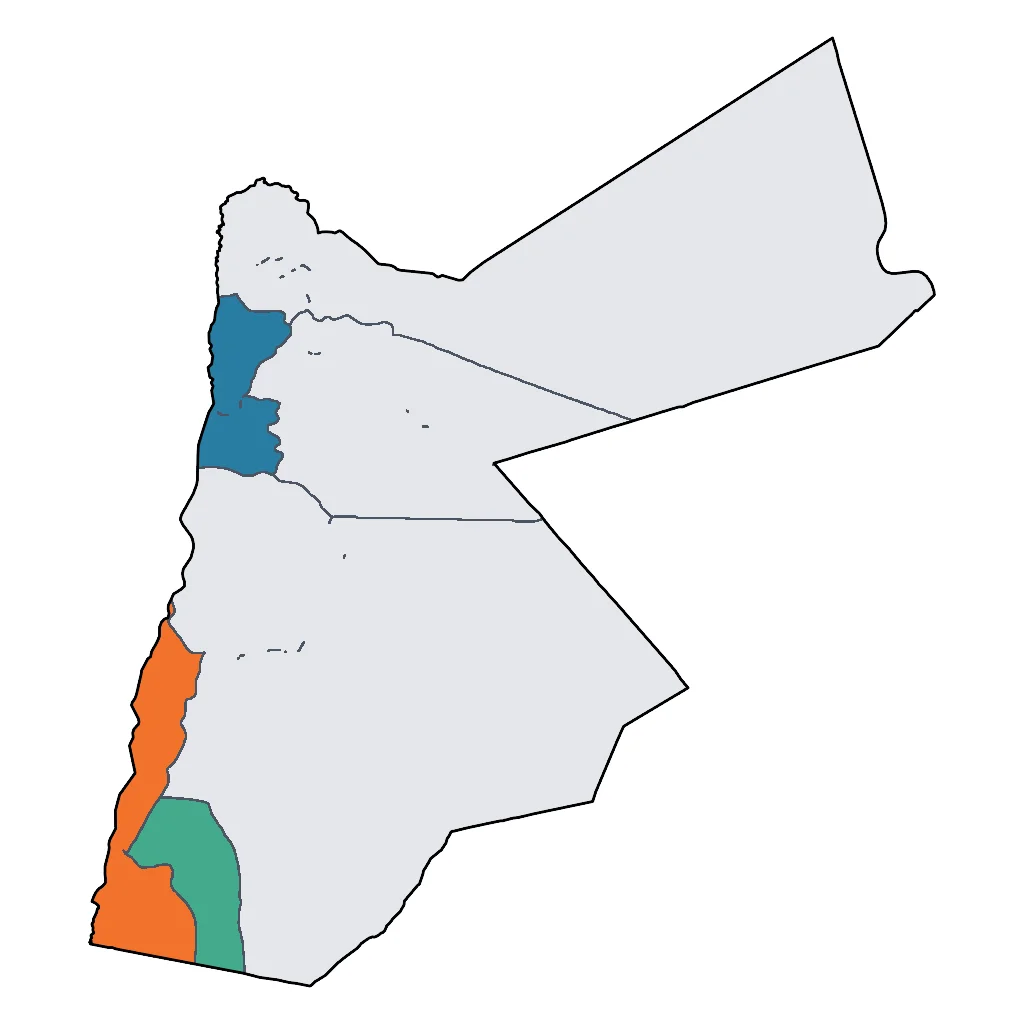

Sport tourism, fitness activities, active recreation
Features world-class diving infrastructure and the championship Ayla Golf Club, catering to high-standard active travelers. Spring and autumn offer the most stable conditions for outdoor recreation; extreme summer temperatures make physical activity hazardous for families.
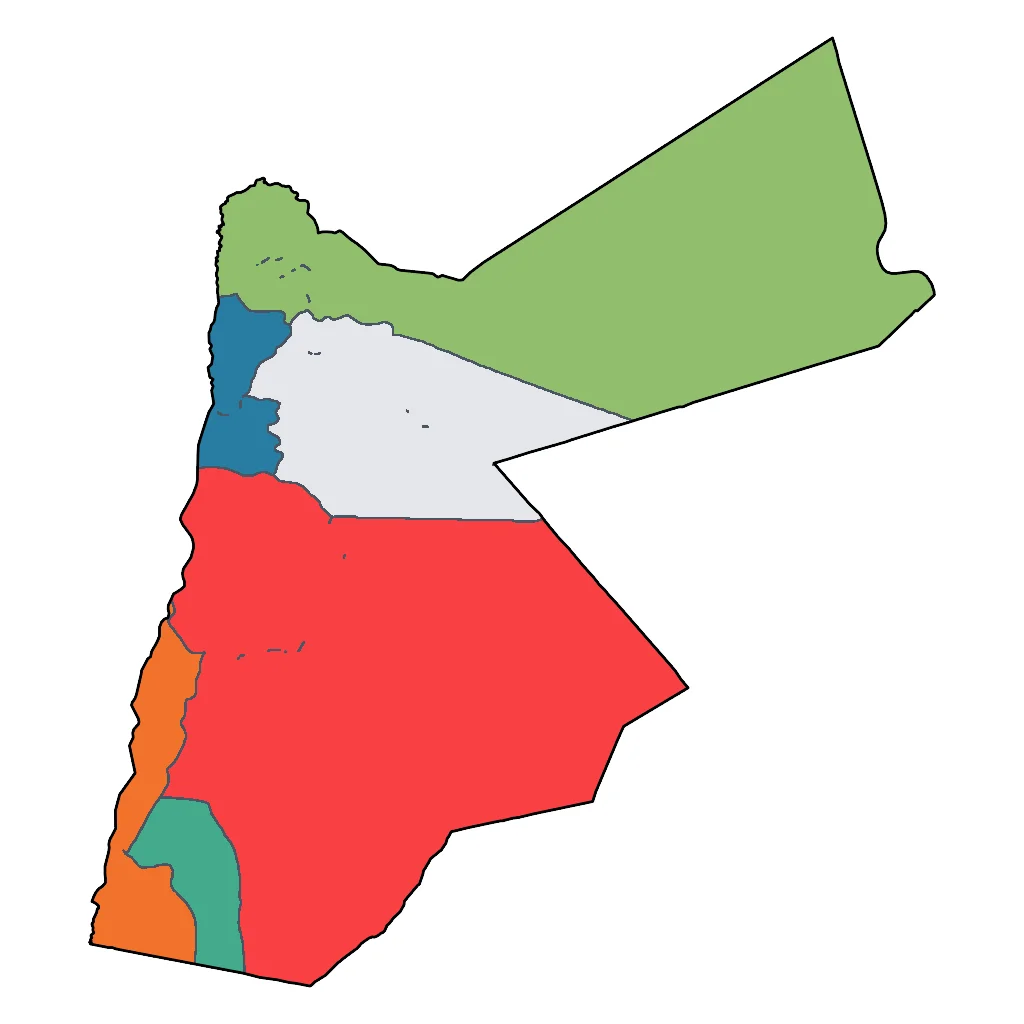

Hiking, wildlife, outdoor exploration, ecotourism
A unique gateway to Red Sea marine biology and specialized birdwatching at the Aqaba Bird Observatory. Milder months allow for comfortable outdoor exploration, while the summer peak heat is too extreme for children and winter nights can be surprisingly cold.
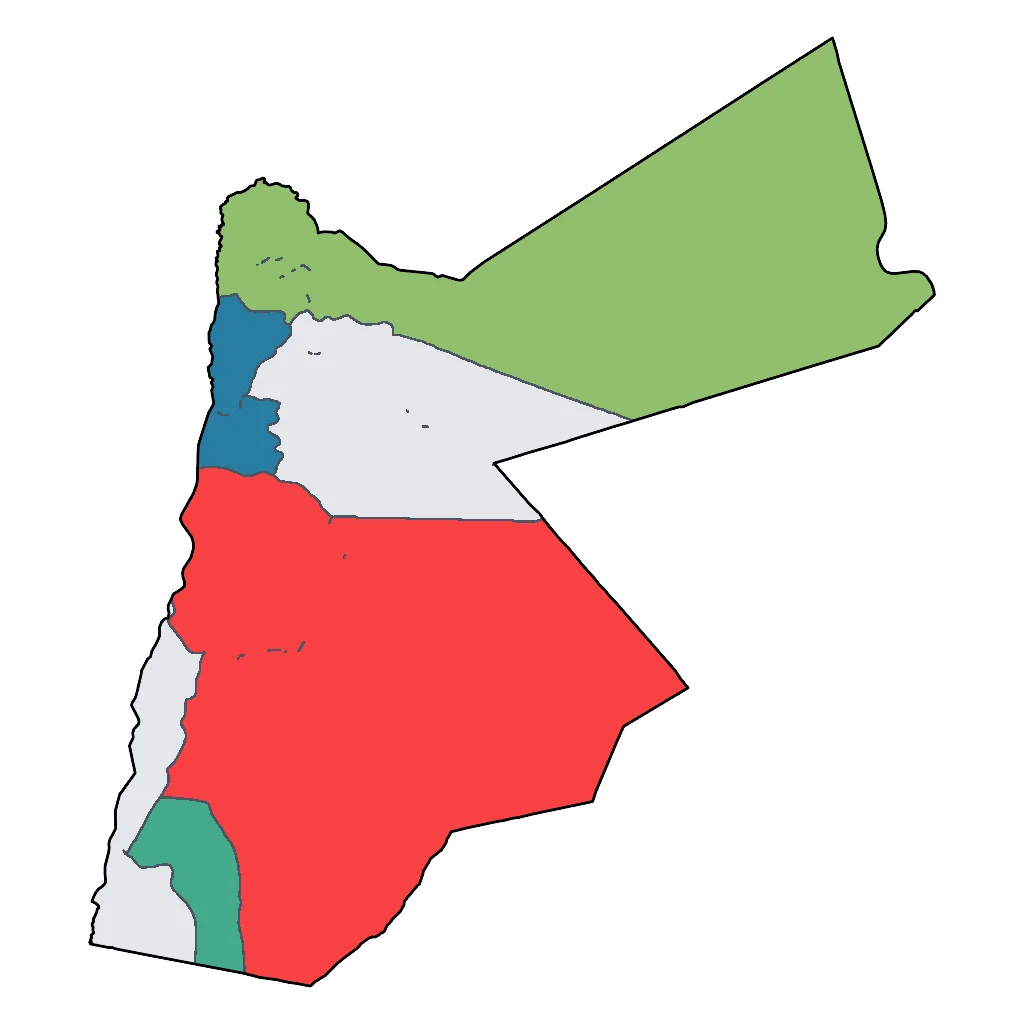

Urban tourism, museums, historical sites, architecture
An authentic Jordanian port city blending ancient history at the Aqaba Fort with a modern maritime atmosphere. Optimal for cultural walking tours during the shoulder seasons; the summer months see temperatures that make urban sightseeing uncomfortable for discerning families.
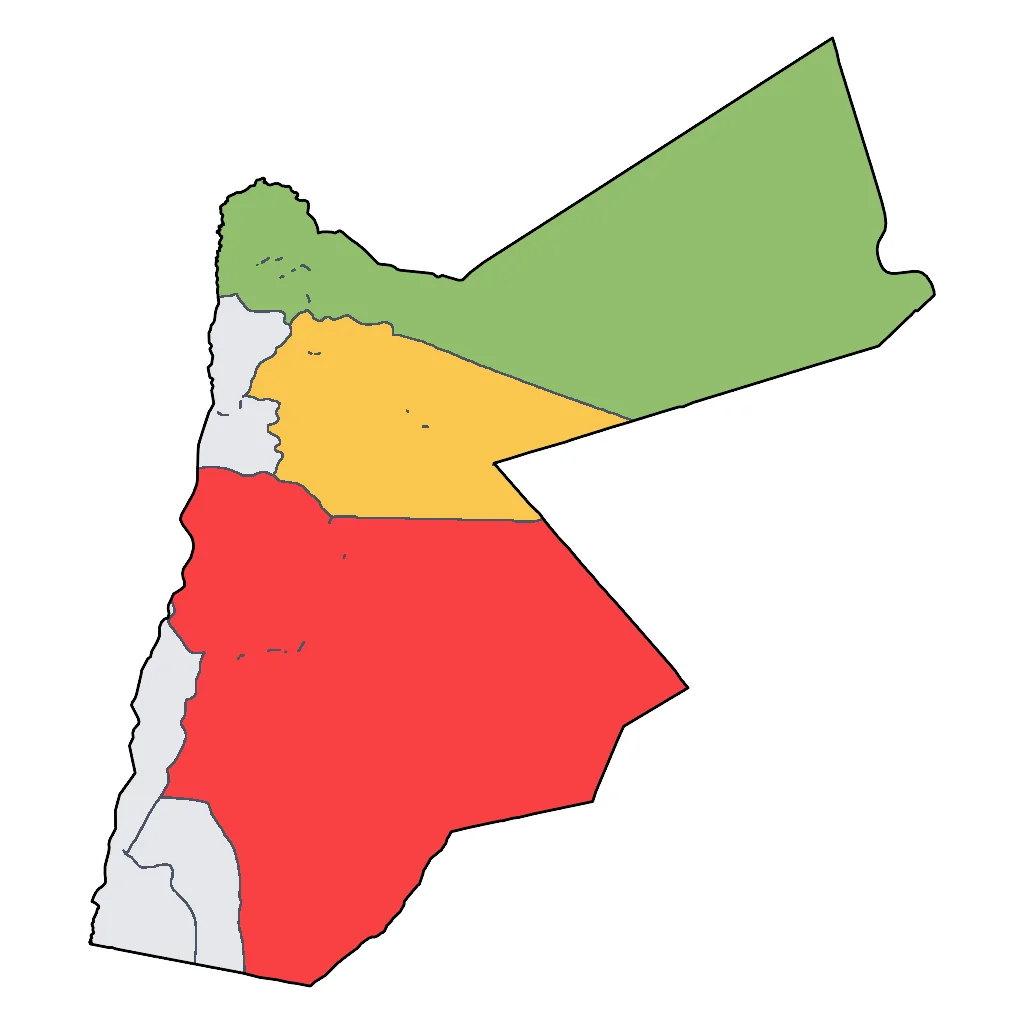

Learning experiences, scientific sites, historical education
Provides high-quality learning experiences at the Marine Science Station and the archaeological remains of the early Islamic city of Ayla. The mildest months are best for engaging with outdoor historical sites; intense summer heat limits the feasibility of educational outings.
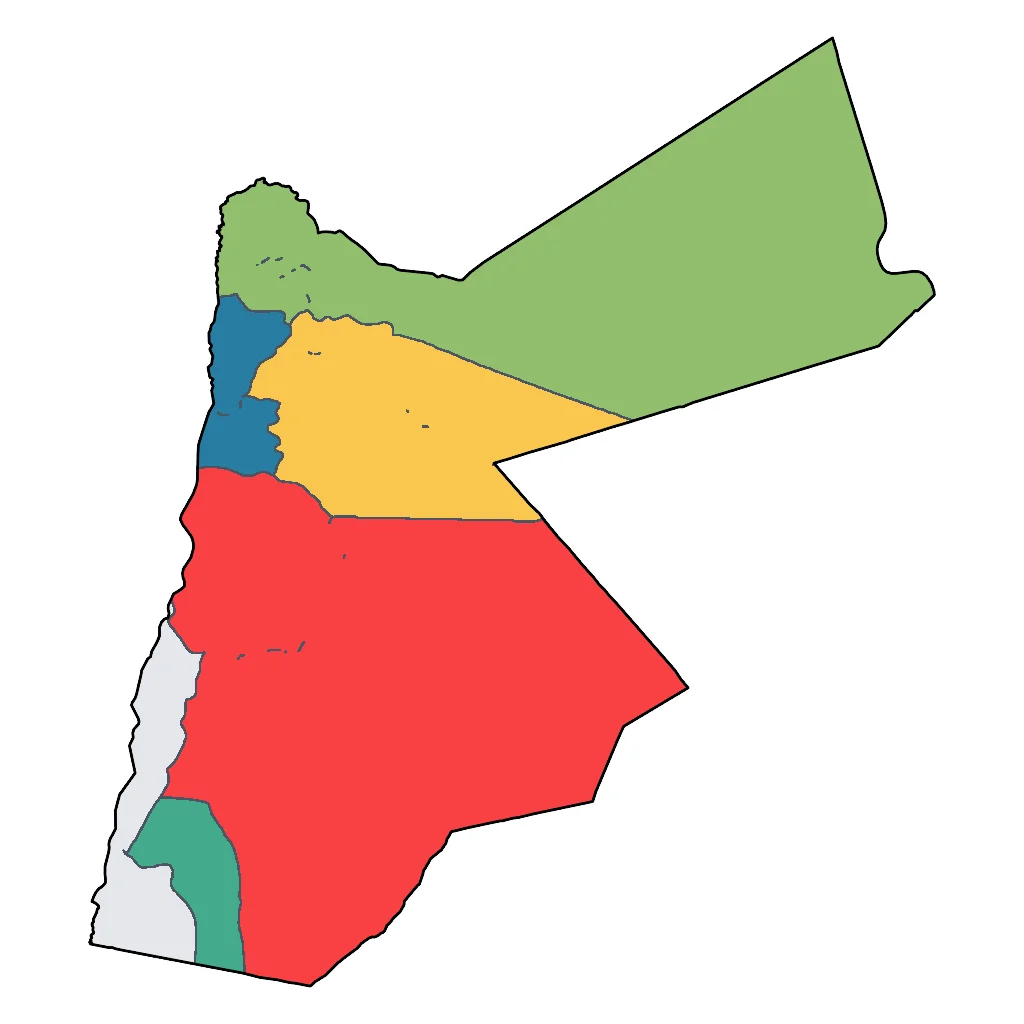

Scenic drives, countryside tours, route-based travel
While serving as a scenic base for reaching Wadi Rum, the immediate region has limited road trip variety compared to global standards. Travel is best in spring and autumn when visibility is high and vehicle temperatures remain manageable.
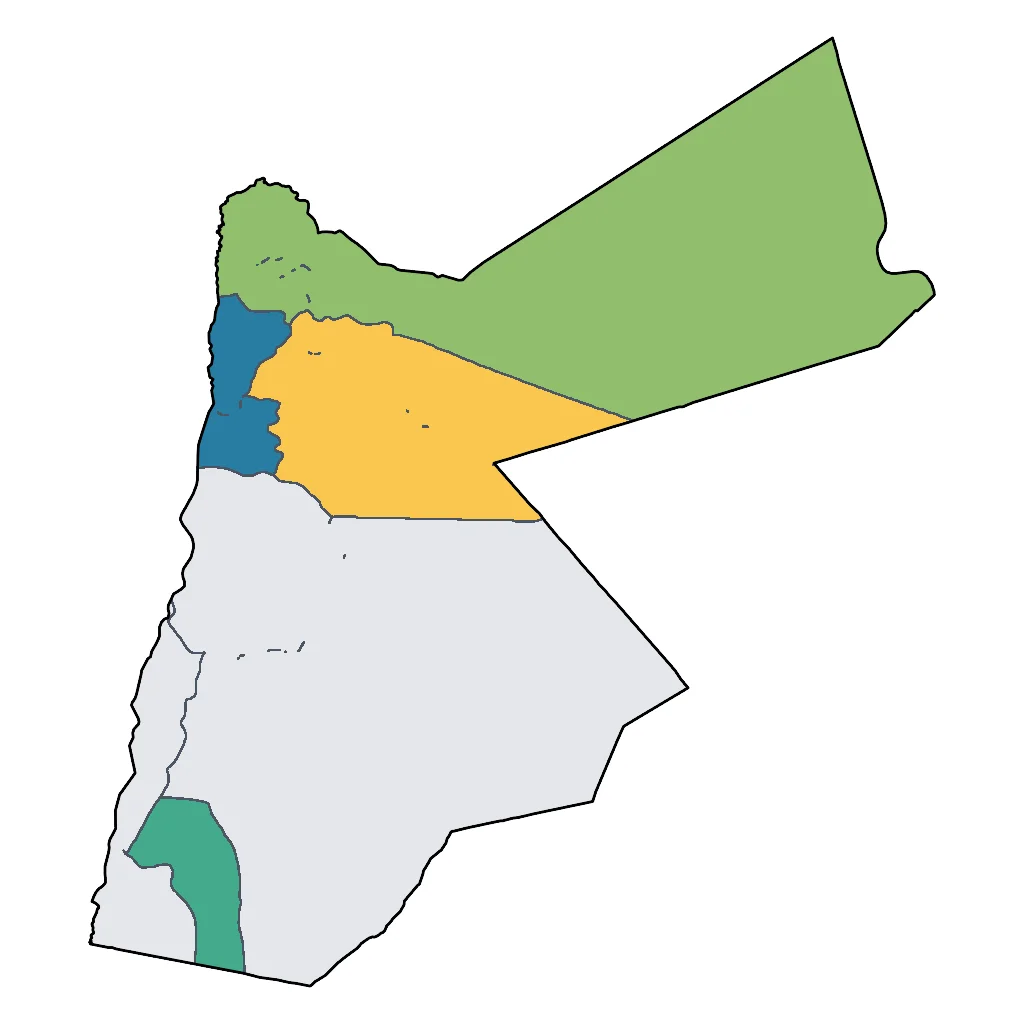

Amusement parks, family entertainment venues
Home to the Saraya Aqaba Waterpark, which offers international-standard facilities but lacks the scale of global entertainment hubs. The facility is best enjoyed in months with warm air temperatures that aren't yet scorching; extreme summer heat makes the sun intensity unsafe for extended outdoor play.