The Dead Sea is a geological wonder that sits more than 430 meters below sea level, making it the lowest point on dry land. The landscape here is stark and dramatic, with salt-encrusted shores giving way to hazy blue waters and the red mountains of the Rift Valley rising behind. For families, visiting the Dead Sea is less about a traditional beach day and more about a unique scientific experiment. The water is nearly ten times saltier than the ocean, creating a buoyancy that makes sinking impossible. Kids and parents alike giggle as they bob like corks on the surface, reading newspapers or simply lifting their hands and feet out of the water simultaneously.
However, practical caution is required when visiting with children. The high salt content causes immediate stinging if it touches eyes or any open scratches. It is generally recommended to limit time in the sea to 10-15 minutes and to keep very young children out of the water entirely to prevent accidental splashing. This is why the resort hotels along the coast are essential for a family visit. They provide extensive freshwater swimming pools, water slides, and showers immediately available after the sea dip. The "Dead Sea experience" usually involves covering oneself in the mineral-rich black mud found in pots along the beach, waiting for it to dry, and then washing it off in the sea—a messy activity that children usually find hilarious.
Beyond the water, the region holds significant historical and religious geography. Just a short drive away is the Baptism Site (Bethany Beyond the Jordan), a UNESCO World Heritage site with walking paths through the reeds leading to the Jordan River. While the religious significance is the main draw, the nature walk is pleasant for families. High above the sea lies Mount Nebo, where Moses is said to have viewed the Promised Land. The site offers spectacular views and well-preserved mosaics that are accessible for strollers. The Dead Sea area is also close to the Ma'in Hot Springs, where hot thermal waterfalls cascade into family-friendly pools, offering a natural spa experience in a canyon setting.
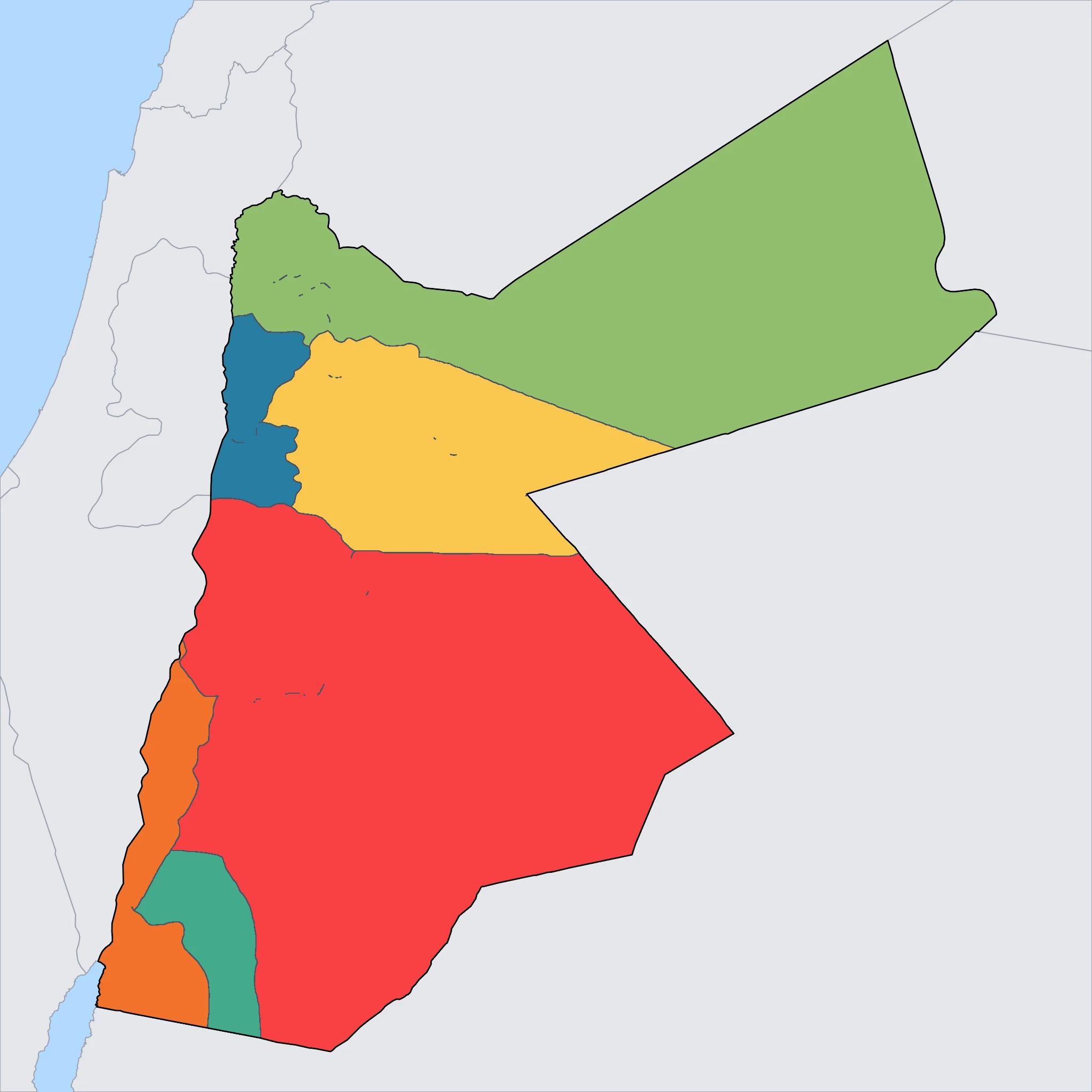
Click a region to explore

Activities & Best Times

Spa retreats, wellness centers, peaceful getaways
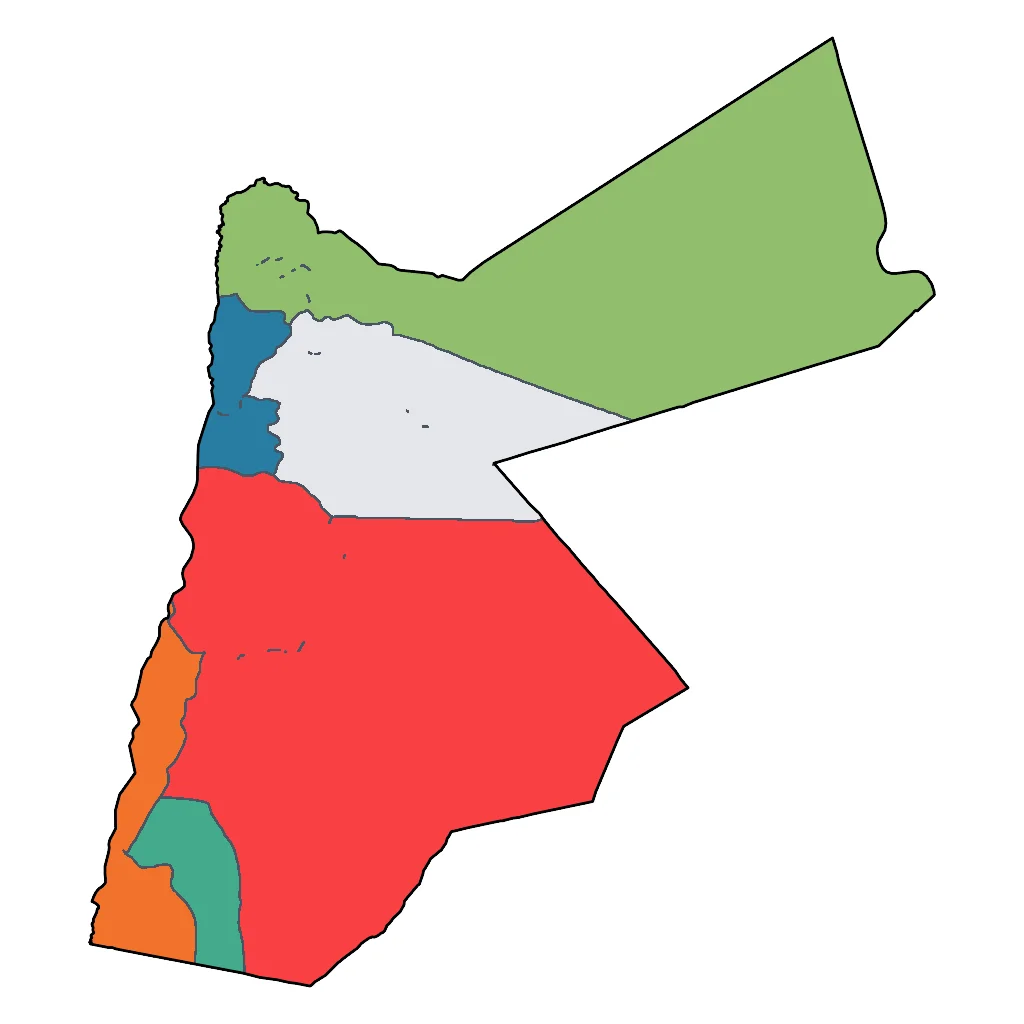
A globally unique natural spa featuring mineral-rich mud and hyper-saline waters known for their therapeutic properties and world-class luxury retreats. Peak months offer the ideal 18-28°C range for outdoor treatments; summer heat (>35°C) and winter rains (up to 122mm) significantly degrade the relaxation experience.
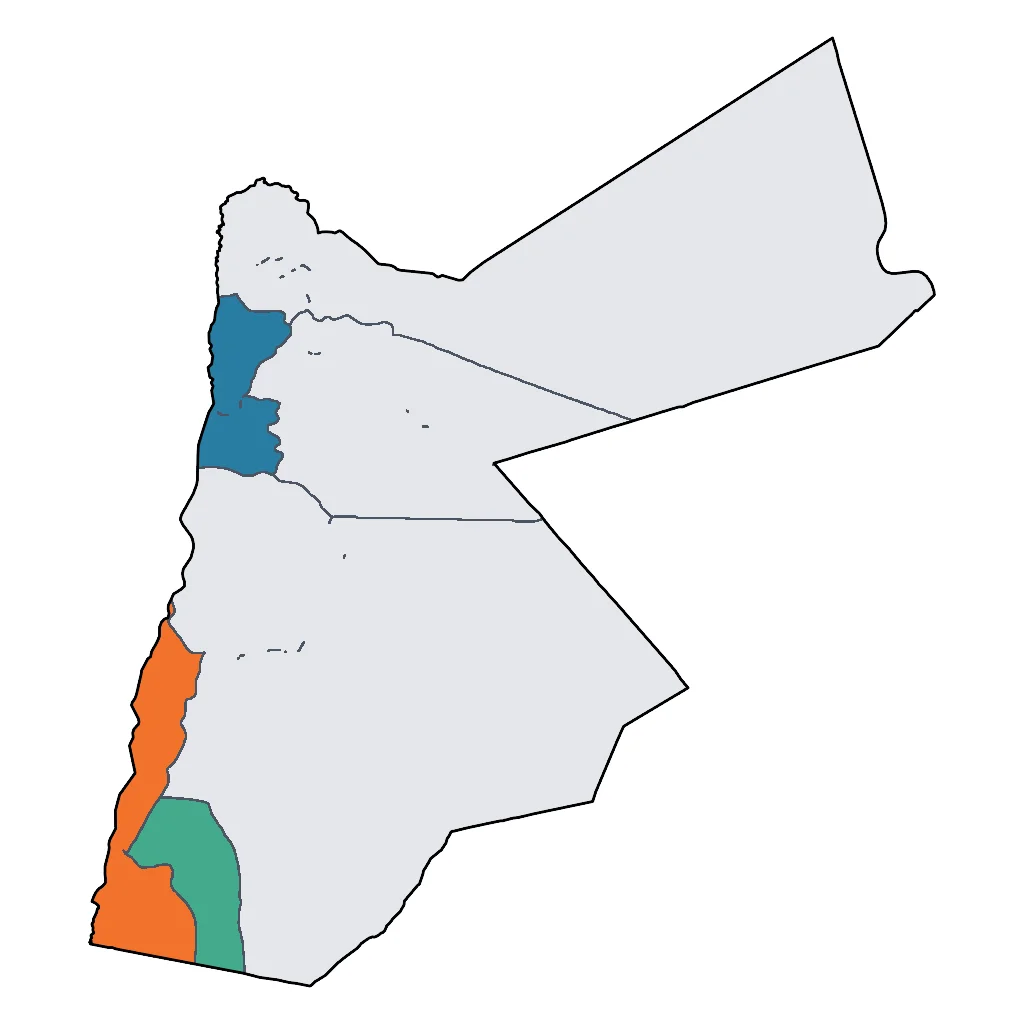

Hiking, wildlife, outdoor exploration, ecotourism
Home to the world-class Wadi Mujib canyoning experience and dramatic desert topography at the Earth's lowest point. Spring and autumn provide safe trail conditions and manageable temperatures, while winter poses extreme flash flood risks and summer temperatures are too high for safe exploration.
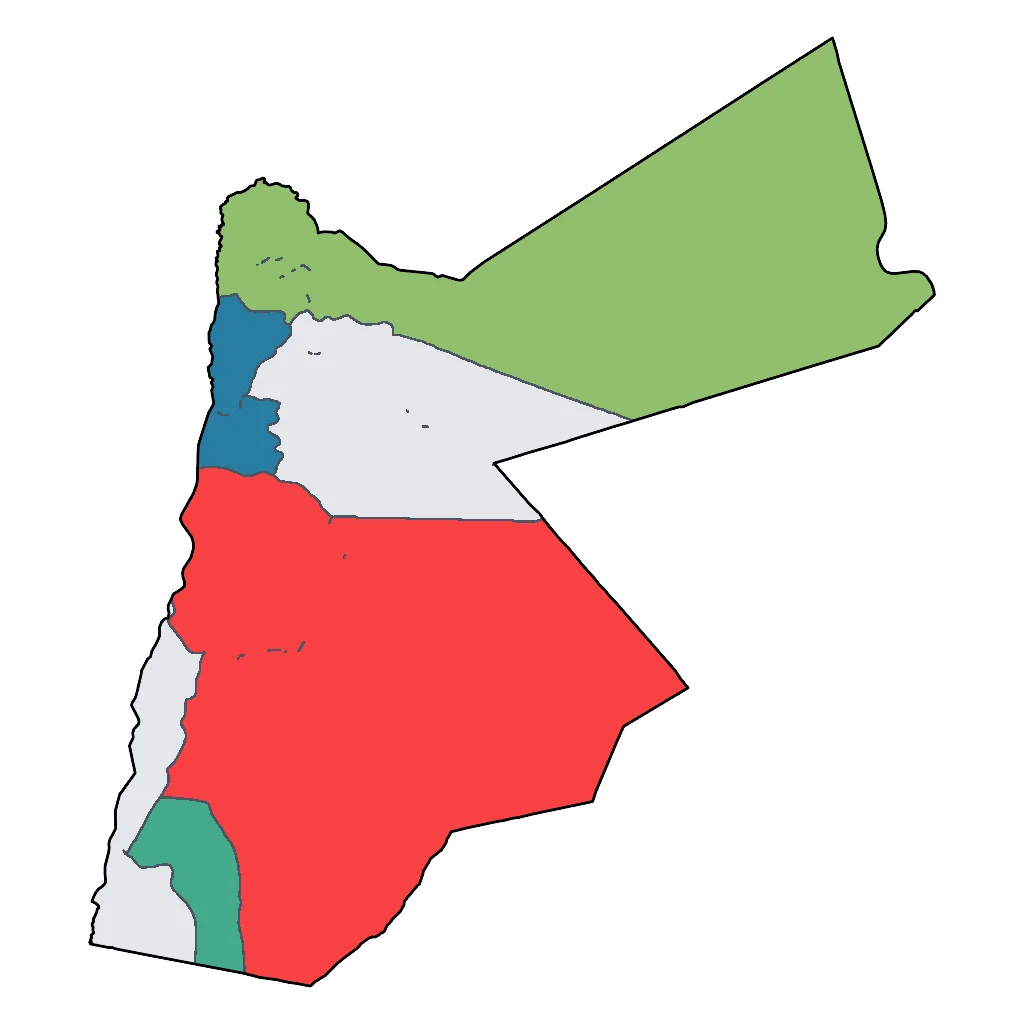

Beach resorts, marine activities: diving, snorkelling, kite surfing, wind surfing, sailing
Offers a surreal, bucket-list floating experience at high-end international resorts with exceptional service standards. Peak months align with air temperatures between 25-32°C; the intense heat of July and August (>35°C) makes the salt-rich environment uncomfortable, and winter is too cool for resort lounging.
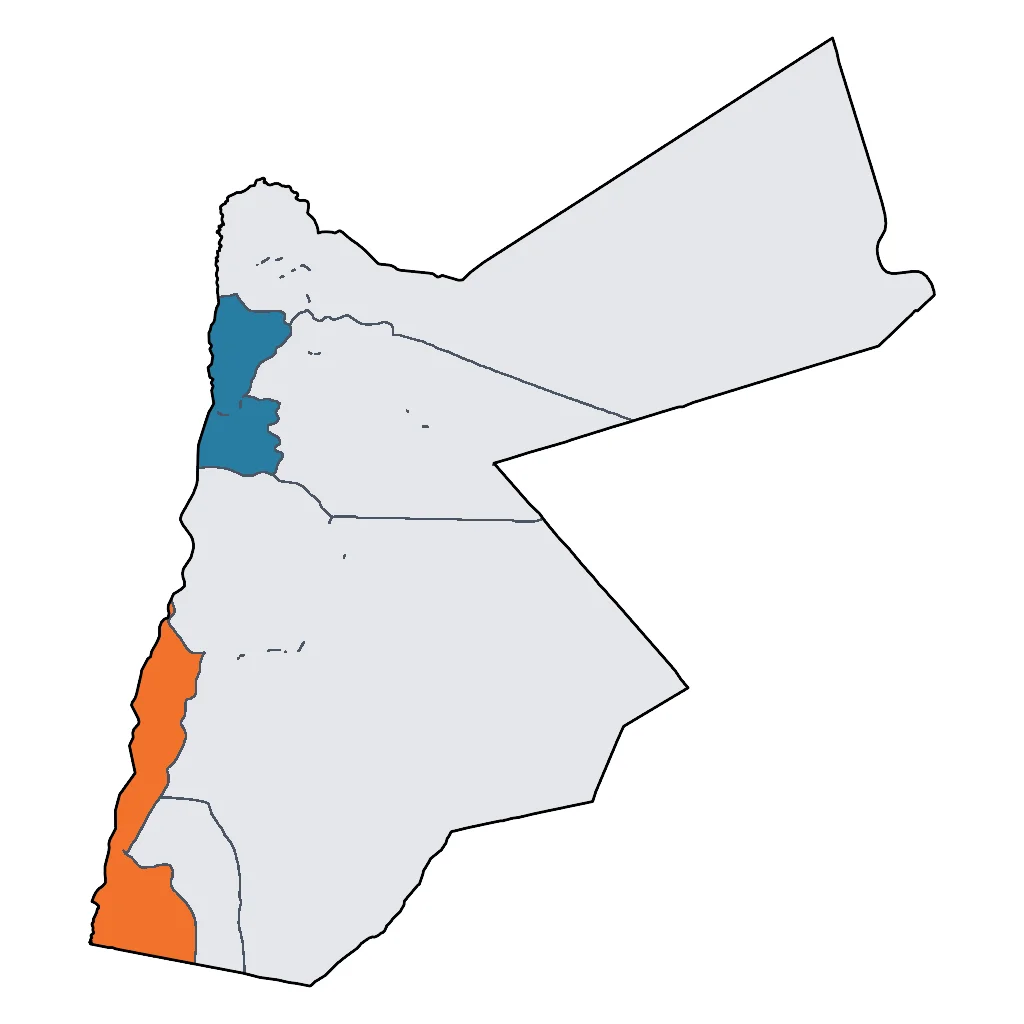

Learning experiences, scientific sites, historical education
Significant for its geological uniqueness and proximity to major archaeological and biblical sites like the Jordan River baptismal site. Optimal weather in spring and autumn allows for comfortable exploration of outdoor educational sites, whereas summer heat and winter rainfall limit accessibility.
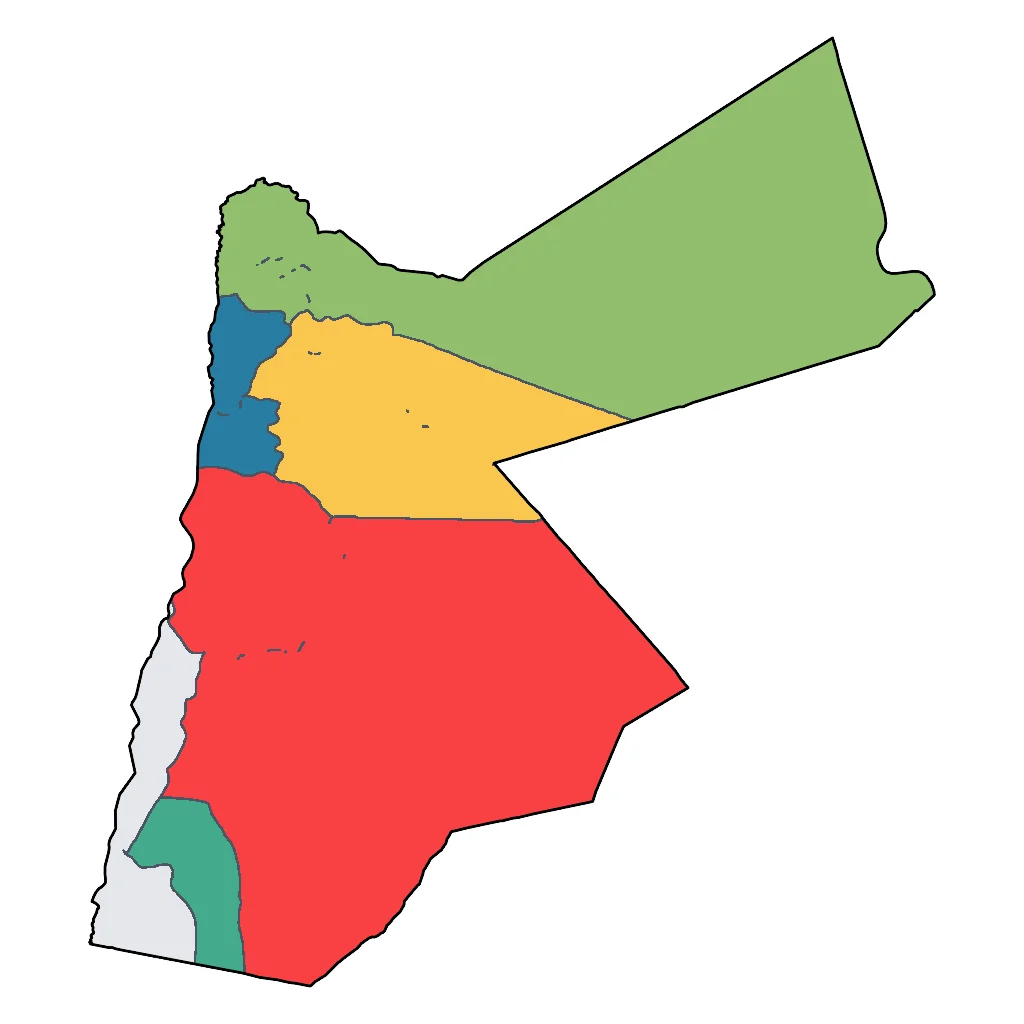

Scenic drives, countryside tours, route-based travel
The Dead Sea Highway is one of the world's most scenic drives, descending through dramatic desert cliffs to the shore. Clear skies and mild temperatures in transition seasons provide the best visibility and driving conditions, while winter months are prone to heavy rain and dangerous flooding.
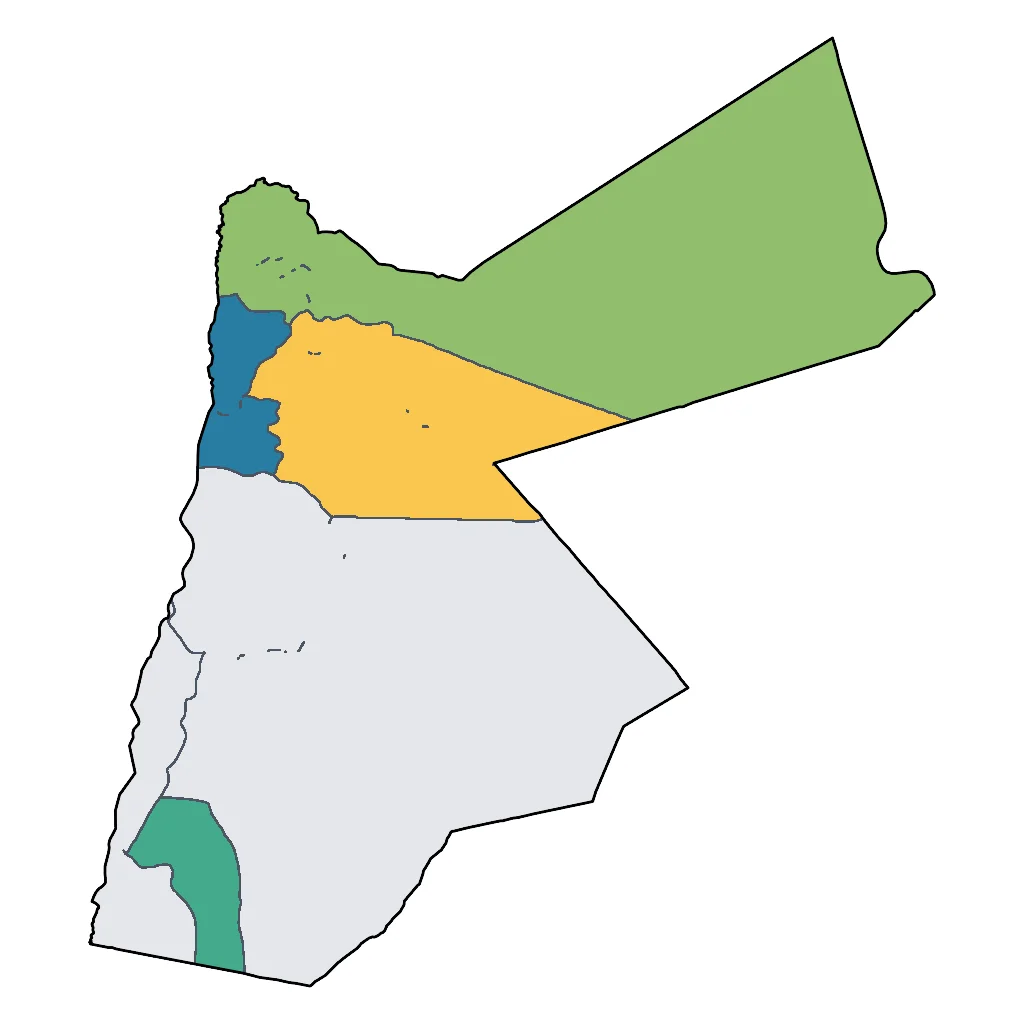

Urban tourism, museums, historical sites, architecture
While lacking a traditional urban center, the region hosts UNESCO-listed cultural heritage and authentic local religious history. Spring and autumn offer the best conditions for guided cultural tours, while the oppressive summer heat makes outdoor heritage sites physically exhausting to visit.
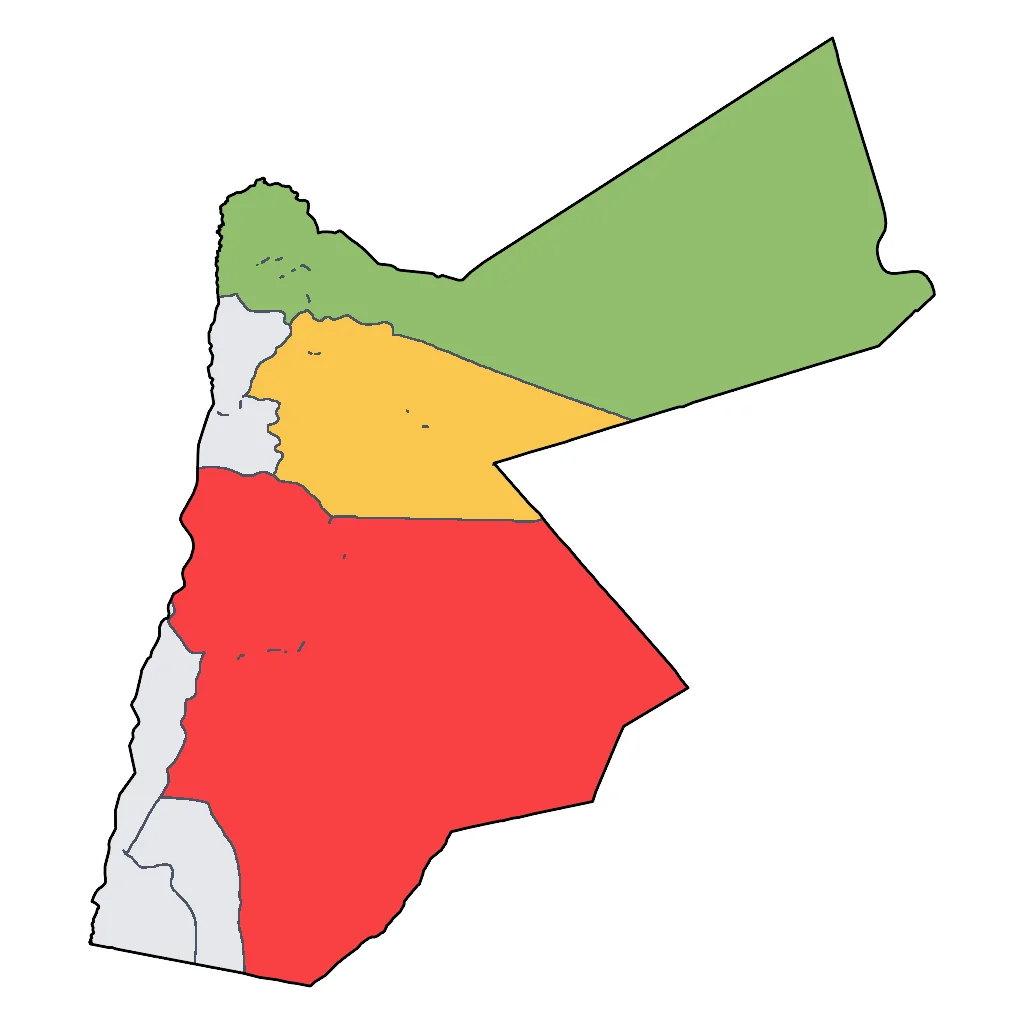

Sport tourism, fitness activities, active recreation
Features high-quality terrain for canyoning and endurance cycling, though seasonal factors are restrictive. Peak months provide the narrow window of safe water levels and moderate heat required for active recreation; summer is dangerously hot for exertion, and winter rains close major canyoning routes.