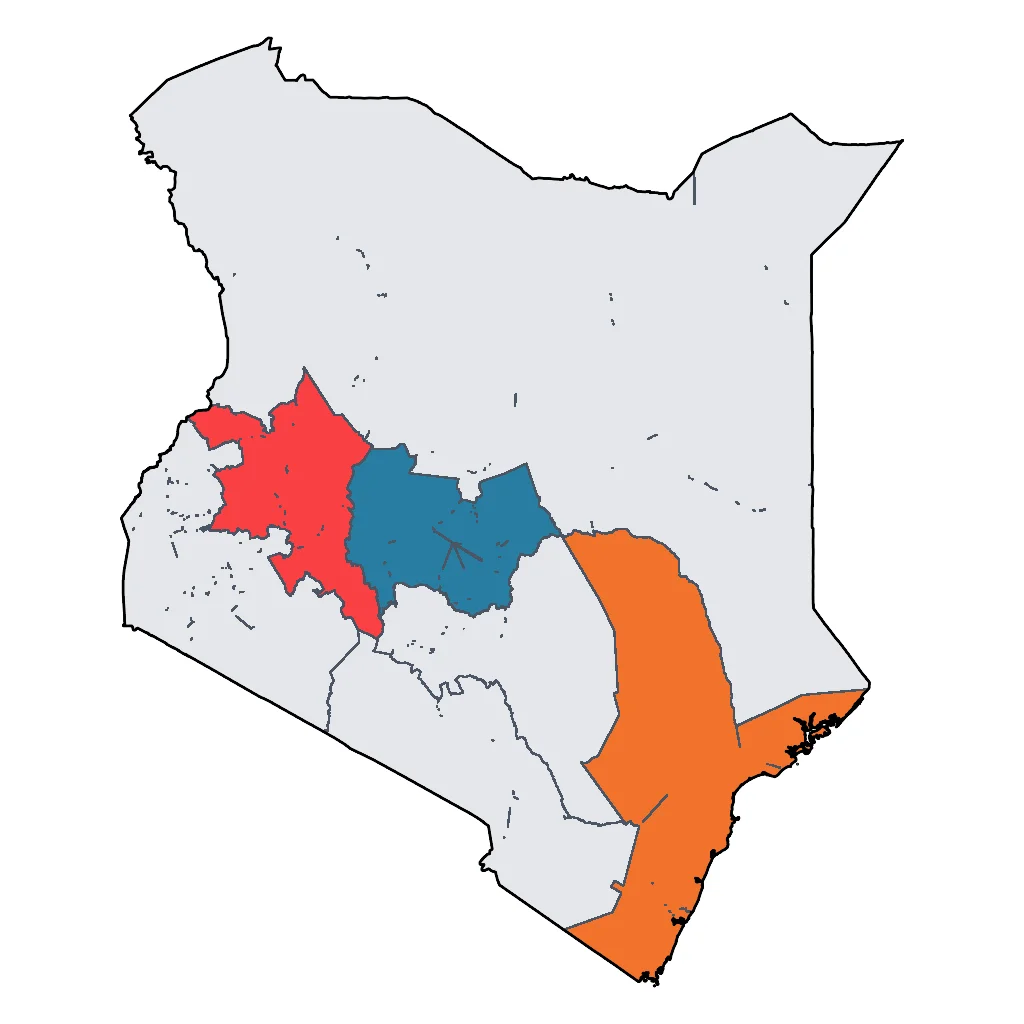

Northern Kenya (Samburu, Turkana)
Wild frontiers and unique wildlife 🦓🌵
⚠️ SAFETY WARNING: Due to significant security concerns involving banditry, terrorism, and violent crime, government agencies (including the USA, UK, CA, and AU) advise travelers to avoid all travel to border areas and Turkana County. While Samburu National Reserve is generally accessible via organized tours, independent travel is dangerous and border regions are high-risk. Families are strongly urged to consult their own government's official travel advisory before considering a trip, as circumstances and risk assessments vary.
Northern Kenya is a region of stark, dramatic beauty, characterized by arid scrubland, rocky outcrops, and the winding Ewaso Ng'iro River. This river is the lifeline of the region, drawing wildlife to its banks in large numbers. For families who have already seen the Mara or Tsavo, Samburu offers a completely different palette of colors and creatures.
The primary attraction for wildlife enthusiasts is the "Samburu Special Five": the Reticulated Giraffe, Grevy's Zebra, Beisa Oryx, Gerenuk (a long-necked antelope that stands on its hind legs to eat), and the Somali Ostrich. These species are rare or absent in Kenya's southern parks. Samburu National Reserve and the adjacent Buffalo Springs National Reserve are the safest and most accessible areas for tourists to view these animals.
The cultural experience here is profound. The Samburu people, close cousins of the Maasai, maintain a traditional pastoralist lifestyle. Many lodges offer cultural visits where children can learn about the Samburu way of life, colorful beadwork, and deep knowledge of the bush. The landscape is rugged and photogenic, with the flat-topped Ol Olokwe mountain serving as a majestic landmark.
Travel Logistics: Due to the distance and road conditions, flying into the reserves is the most recommended option for families. The heat in Samburu can be intense, so game drives are typically done in the early morning and late afternoon, leaving the middle of the day for swimming and resting. While the remote north (Turkana) is generally unsuitable for family tourism due to safety and lack of infrastructure, the Samburu reserves offer a secure and high-quality wilderness experience when visiting with reputable operators.
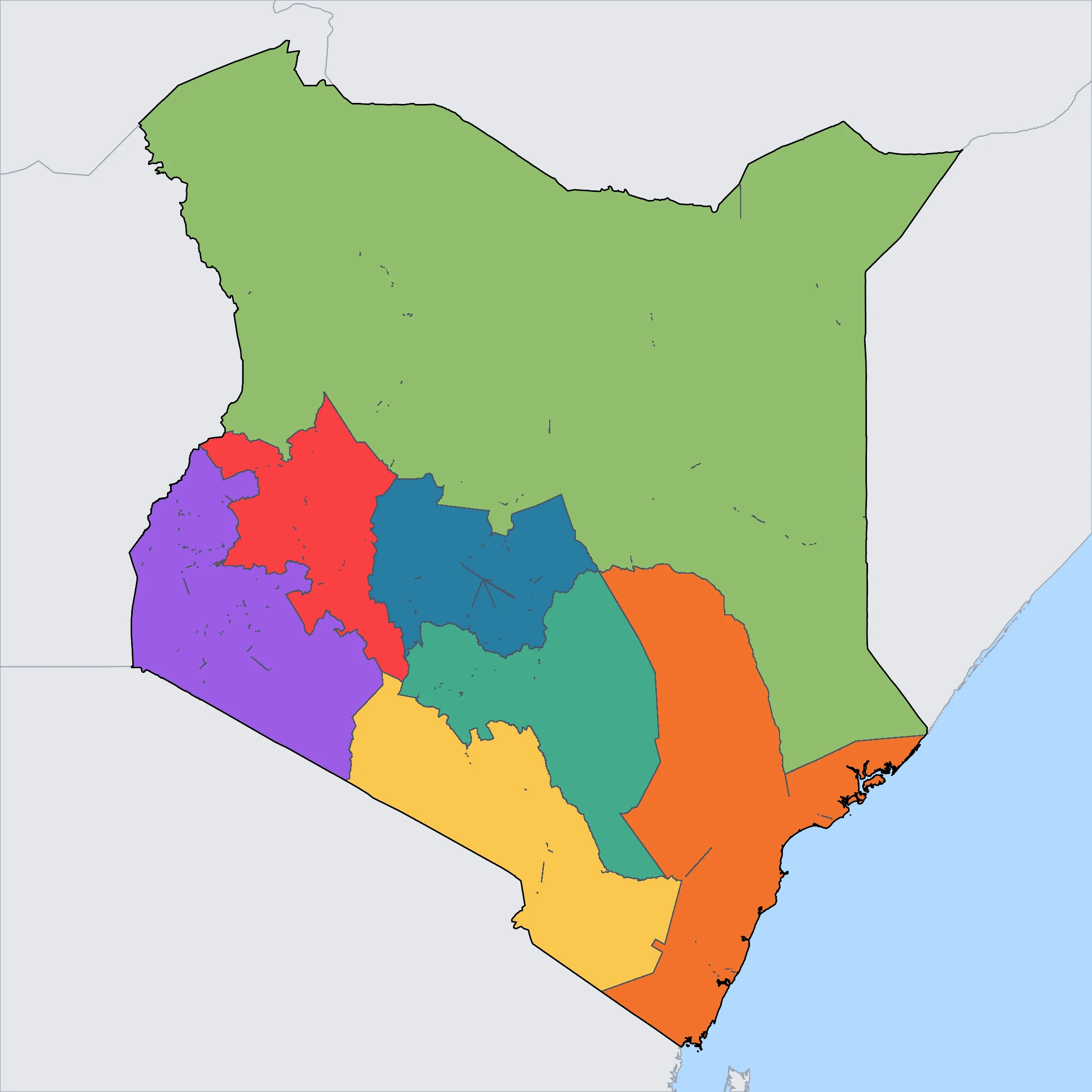
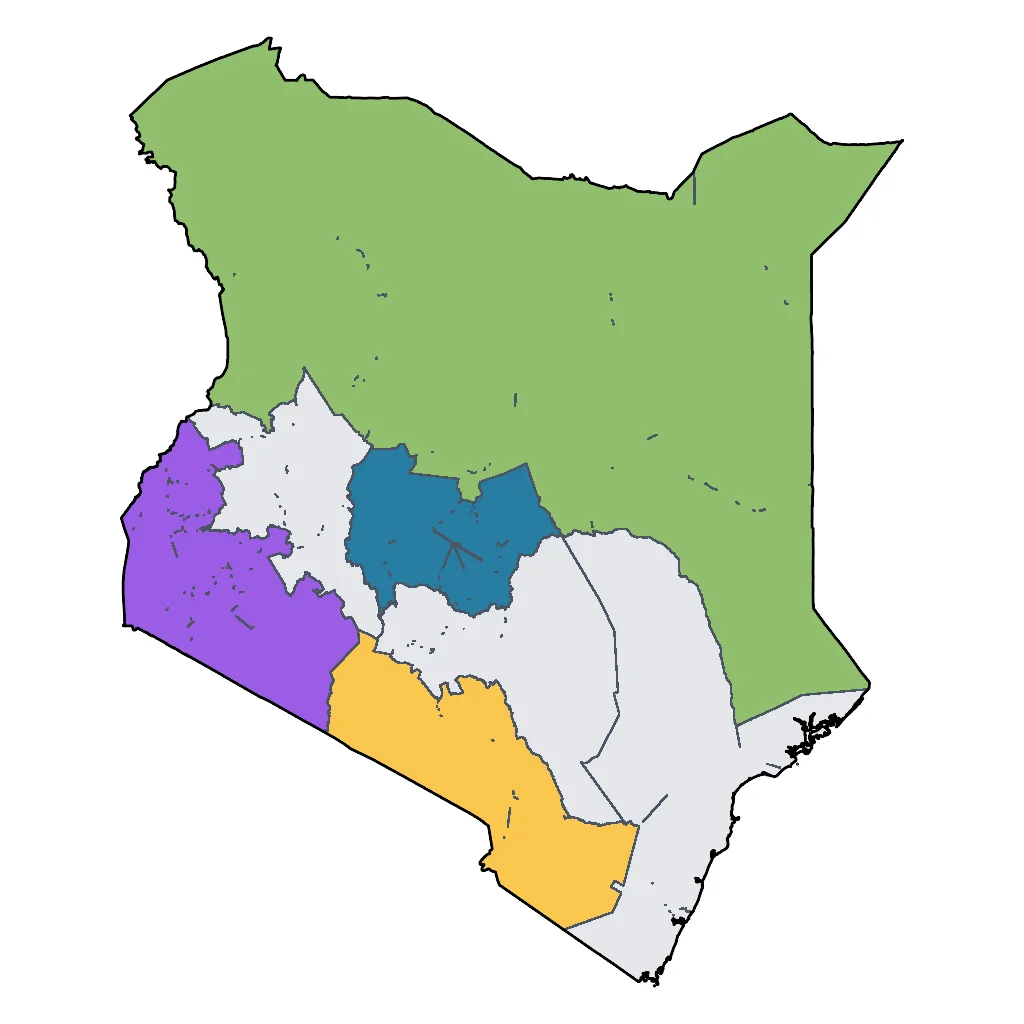
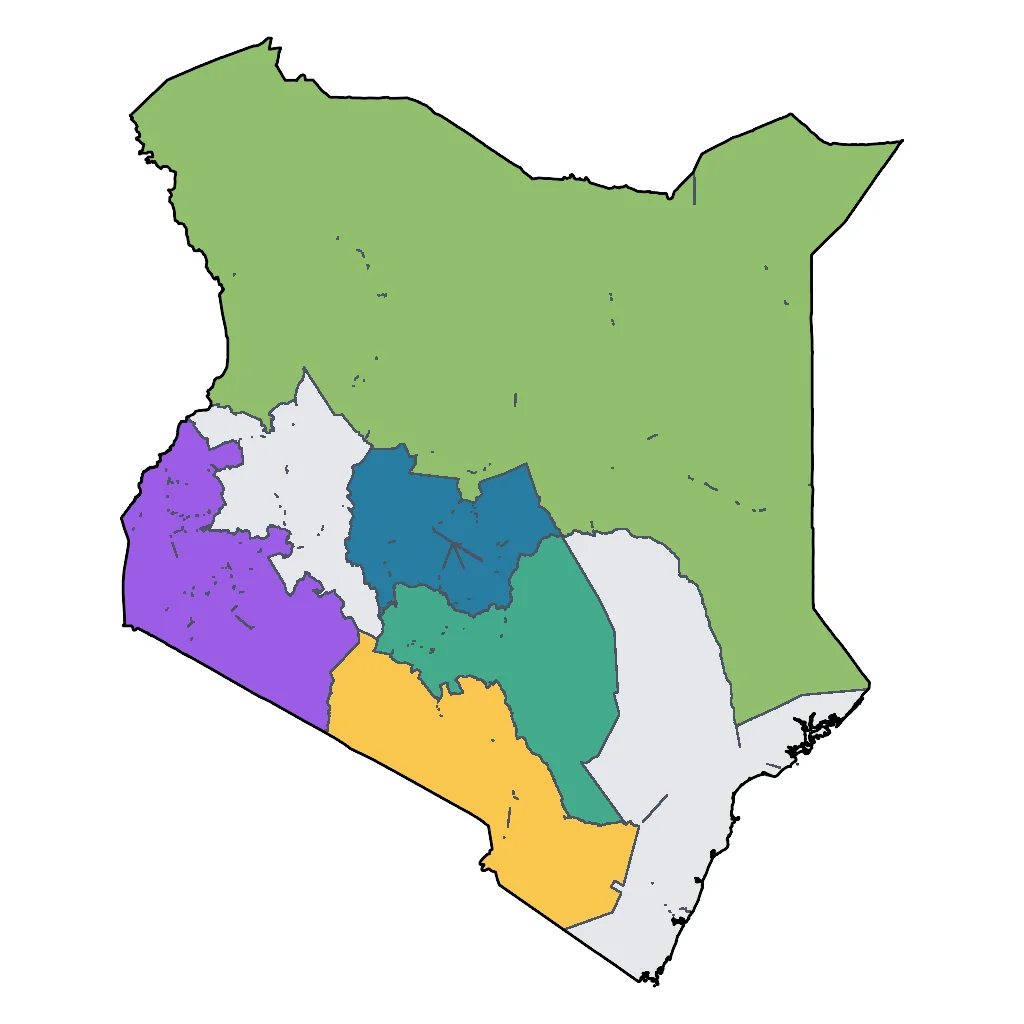
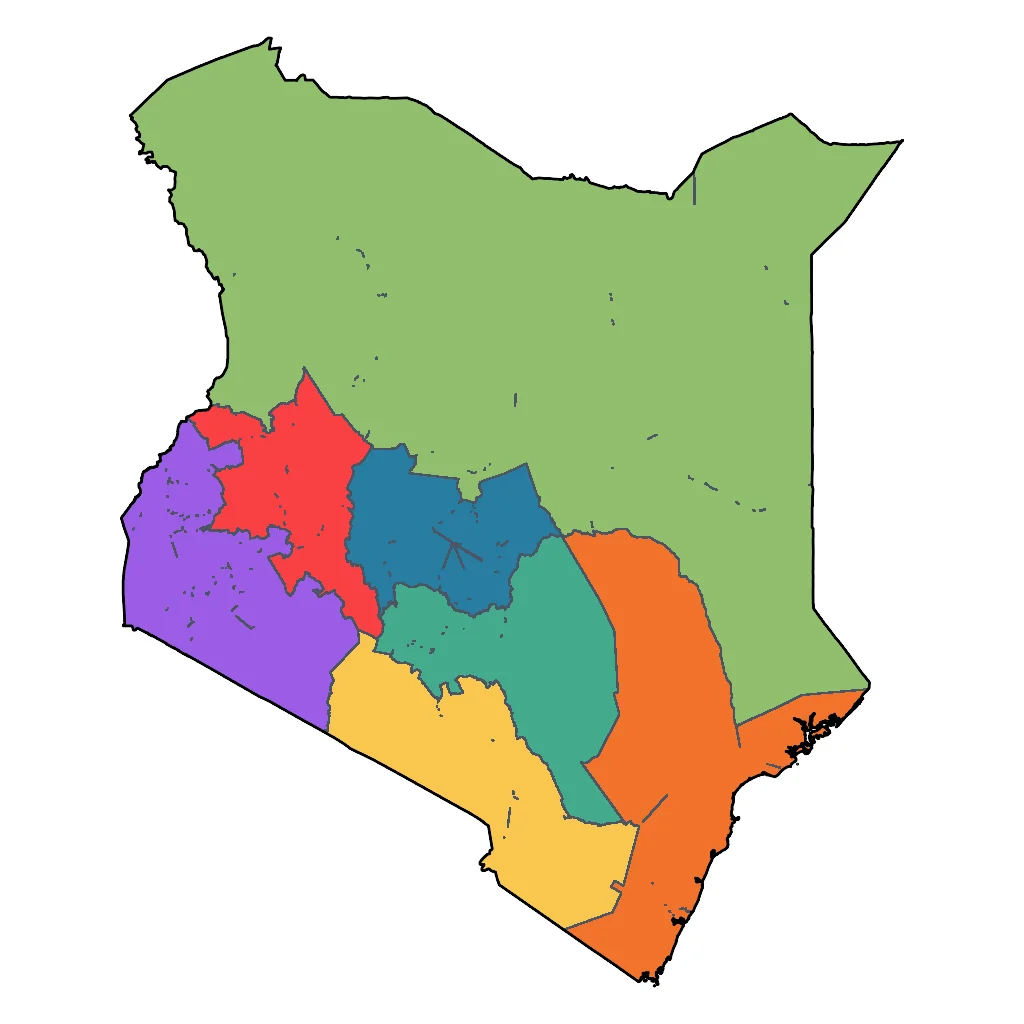
Click a region to explore

Activities & Best Times
Hiking, wildlife, outdoor exploration, ecotourism
Features the unique 'Samburu Special Five' and the dramatic Jade Sea, offering an authentic wilderness experience far from mass tourism. Peak dry months (Jun-Sep) provide the best wildlife viewing and manageable heat; April and November rains can make remote tracks impassable.

Learning experiences, scientific sites, historical education
Home to the UNESCO-listed 'Cradle of Mankind' at Koobi Fora and deeply authentic nomadic cultures suitable for sophisticated families. Dry seasons offer reliable access to remote archaeological sites; rainy months (Apr, Nov) hinder travel to scientific and cultural landmarks.

Spa retreats, wellness centers, peaceful getaways
Exclusive eco-lodges like Sasaab offer world-class spa facilities in total seclusion with stunning views of the Ewaso Ng'iro River. Peak months provide lower humidity and slightly cooler temperatures; the intense heat of March and the humidity of April/November can detract from the wellness experience.
Scenic drives, countryside tours, route-based travel
Offers one of Africa's most epic 4x4 expeditions through volcanic moonscapes and desert vistas. Peak months feature dry riverbeds and the best visibility; the rainy seasons (especially April) present high risks of flash floods and getting bogged in 'black cotton' soil.

Events, celebrations, seasonal attractions
The Lake Turkana Cultural Festival is a real but very niche event with limited international recognition. Only 1 editorial attraction exists for the entire region and it's a national park, not a festival. By international calibration, this does not warrant 'good'.

Sport tourism, fitness activities, active recreation
Highly unique opportunities for camel trekking and walking safaris guided by Samburu warriors. While authentic, the extreme arid climate and safety requirements mean activities are best restricted to the cooler, drier months to avoid heat exhaustion.