
Nairobi & Central Highlands
The world's only wildlife capital 🦒🏙️
Nairobi is more than just a transit hub; it is a vibrant destination filled with unique wildlife encounters that are specifically tailored for families. It is the only capital city in the world with a national park within its borders. Nairobi National Park allows families to see lions, rhinos, and buffaloes just minutes after leaving the airport. The surreal sight of giraffes grazing with the city skyline in the background is a memorable start or end to a trip.
The suburb of Karen is the heart of family tourism in the city. The Giraffe Centre is a favorite for children, offering the chance to hand-feed pellets to endangered Rothschild's giraffes from a raised wooden platform. Watching a purple tongue wrap around a food pellet is a guaranteed delight for kids. Just a short drive away is the Sheldrick Wildlife Trust (Elephant Orphanage), where visitors can watch rescued baby elephants being bottle-fed and playing in the mud (booking in advance is essential).
For a dose of culture and history, the Nairobi National Museum offers exhibits on Kenya's birds, mammals, and human origins that are suitable for school-aged children. The adjacent Snake Park is often a hit with kids fascinated by reptiles. The Karura Forest provides a safe, green space for families to walk, run, or rent bikes on well-marked trails away from the city traffic.
Traveler Tips: Nairobi is a high-altitude city, so evenings can be cool. Traffic can be heavy, so it is wise to plan activities in clusters (e.g., a "Karen day") to minimize travel time. While the city has modern amenities, malls, and hospitals, families should use reputable taxis or driver-guides and remain aware of their surroundings in busy urban areas.
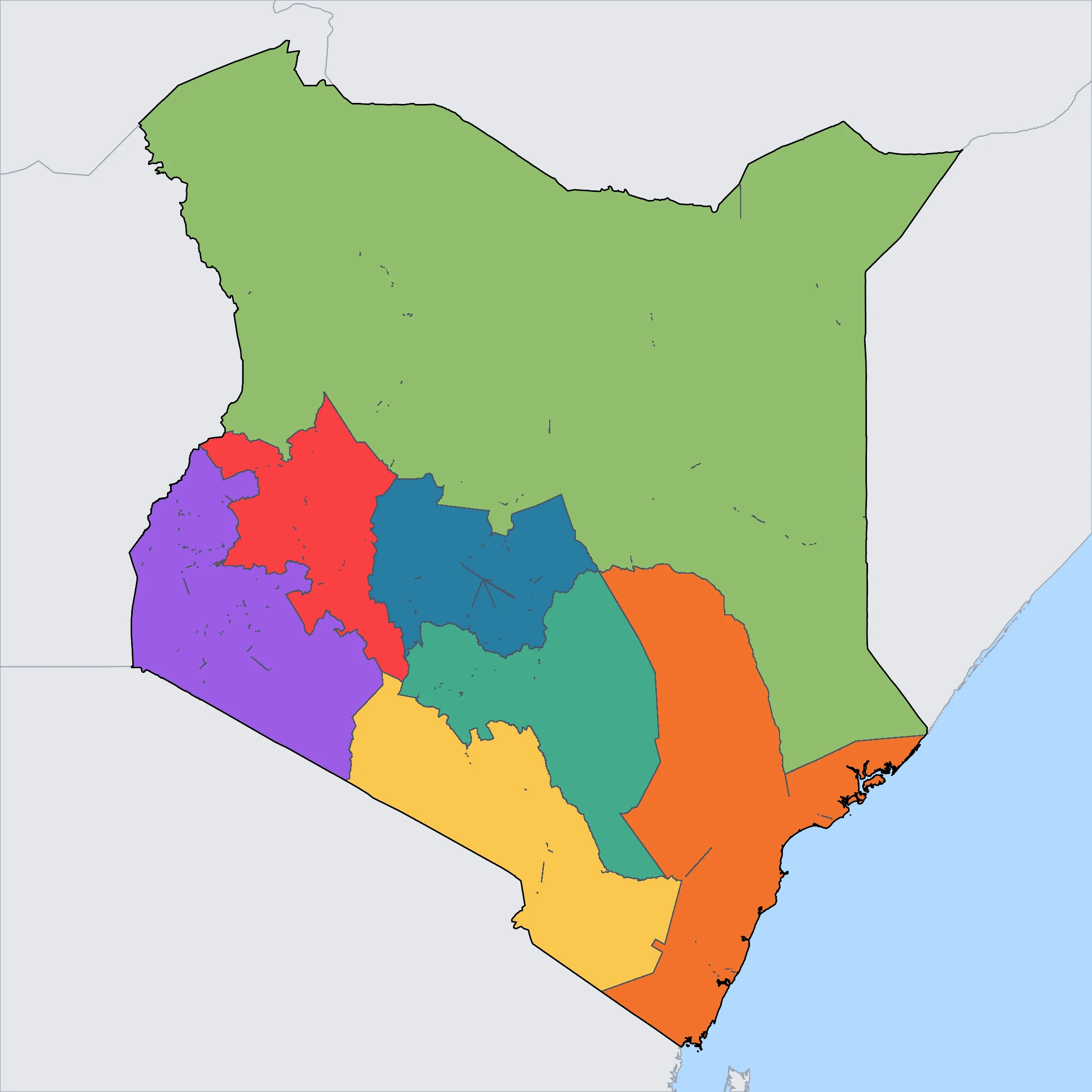
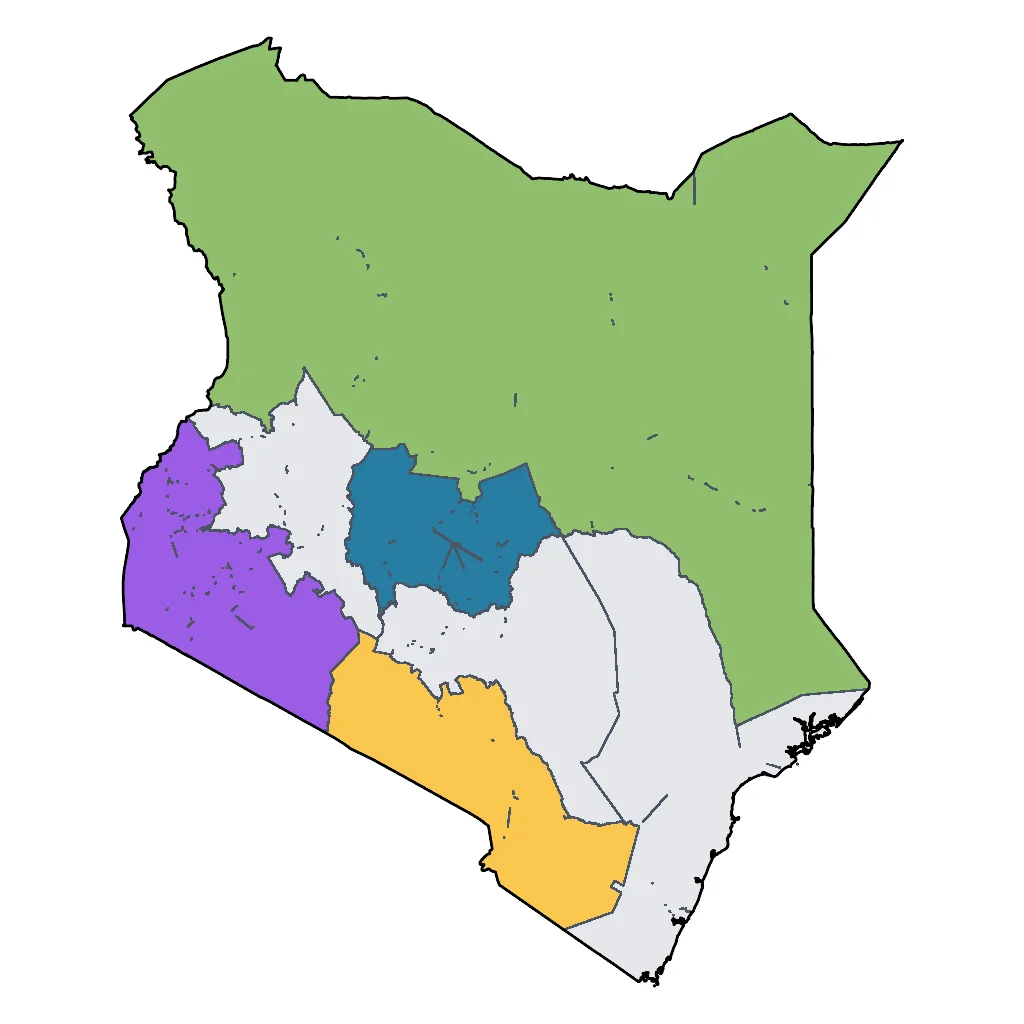
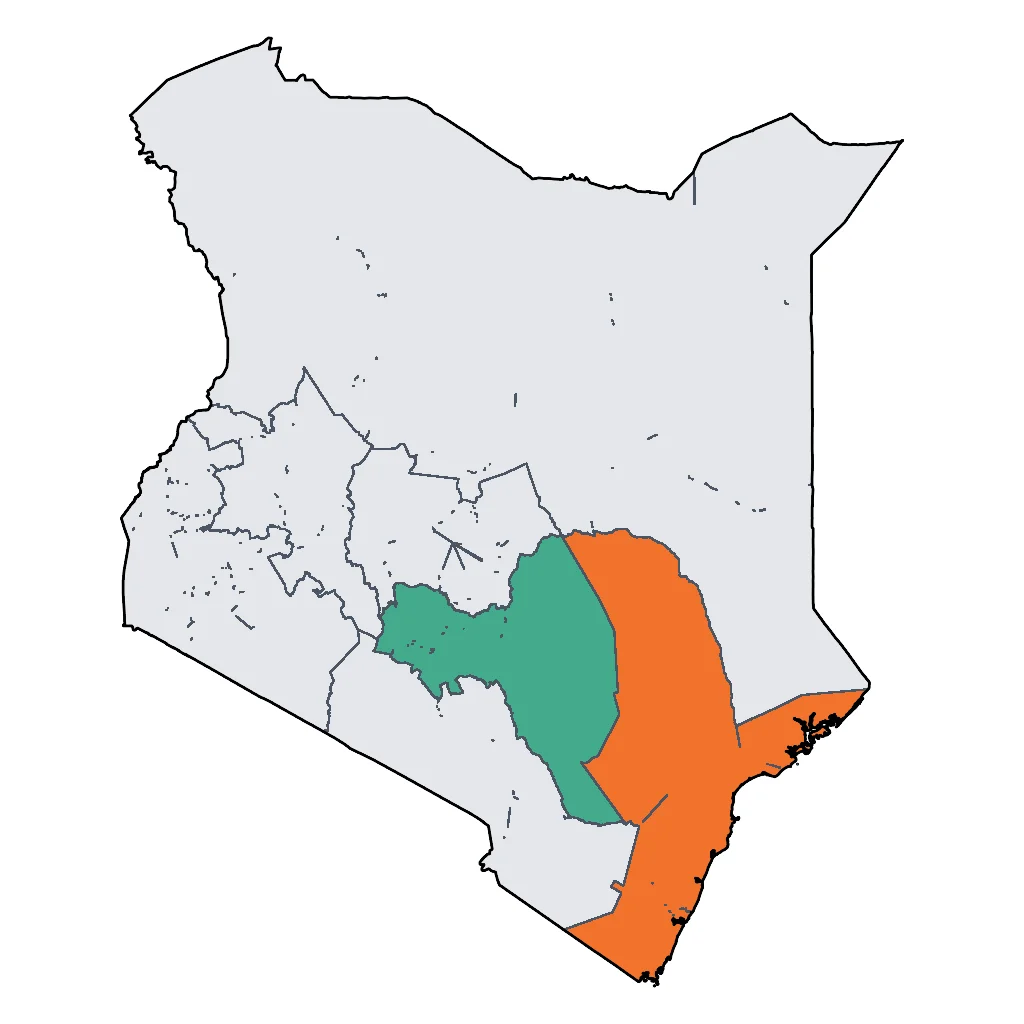
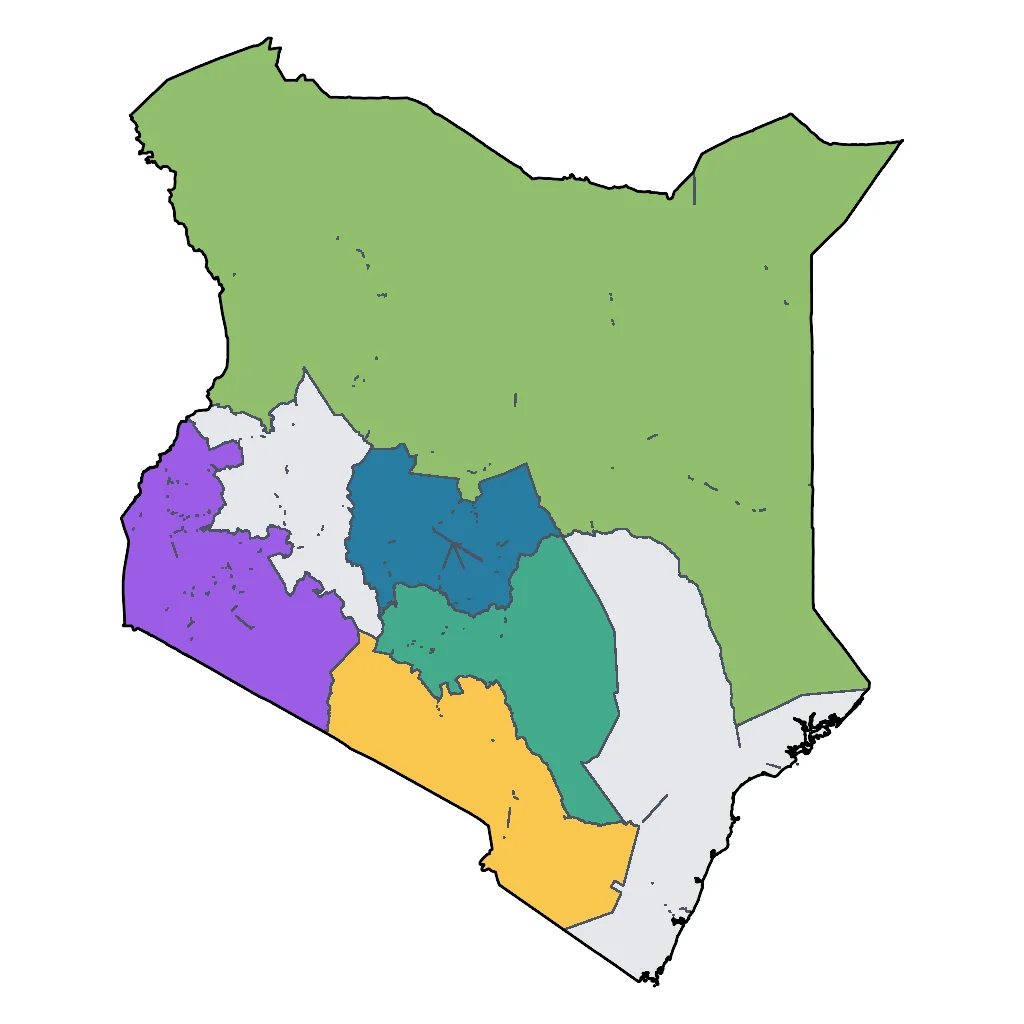
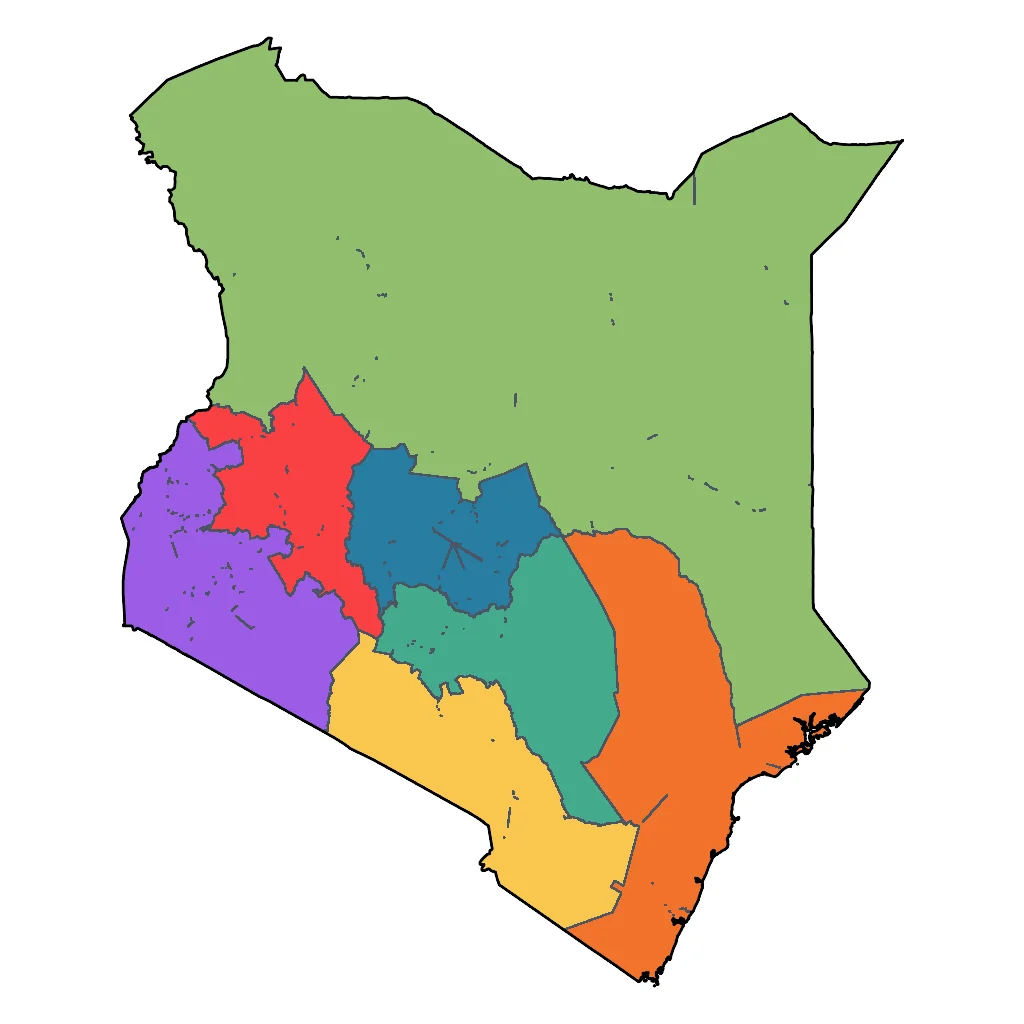
Click a region to explore

Activities & Best Times
Hiking, wildlife, outdoor exploration, ecotourism
While Nairobi National Park is unique as a city-based park, Nairobi is primarily an urban destination. Internationally, it would not be considered on par with Masai Mara, Serengeti, or Kruger for nature. Downgrading to 'very_good' improves differentiation — travelers seeking the best nature should be directed to the Mara, Amboseli, or Samburu.

Urban tourism, museums, historical sites, architecture
A sophisticated African hub featuring world-class international dining, high-end galleries, and a unique blend of urban energy and nature. Peak seasons align with dry, temperate weather ideal for exploring markets and historical sites; heavy rainfall months can hinder urban mobility and outdoor dining.

Learning experiences, scientific sites, historical education
Exceptional opportunities for learning about wildlife conservation and the history of East African tea and coffee production. Dry months provide the best conditions for guided plantation tours and interactive educational programs at conservation trusts.
Scenic drives, countryside tours, route-based travel
Offers scenic drives through the emerald-green highlands of Tigoni and Limuru on well-maintained infrastructure. Peak periods feature clear visibility and dry roads; the off-season months (Apr, Nov, Dec) see heavy precipitation that can make driving hazardous and obscure the landscape.
Amusement parks, family entertainment venues
Features internationally recognized wildlife entertainment venues including the Giraffe Centre and world-famous Giraffe Manor. These offer world-class, curated animal interactions that are best enjoyed during the dry seasons when outdoor facilities are fully accessible and comfortable for families.

Spa retreats, wellness centers, peaceful getaways
High-quality boutique hotels and serene highland farm estates provide a peaceful escape with a spring-like climate. Peak months offer low humidity and pleasant temperatures for outdoor yoga and spa treatments, while the heavy rain seasons limit the appeal of garden-based relaxation.

Sport tourism, fitness activities, active recreation
Nairobi boasts world-class golf courses and the highlands offer excellent hiking and horse riding. The dry months (Jan-Feb and Jun-Sep) are peak for golfers and hikers seeking firm ground, while the monsoon-like rains in April and November can close courses and muddy the trails.