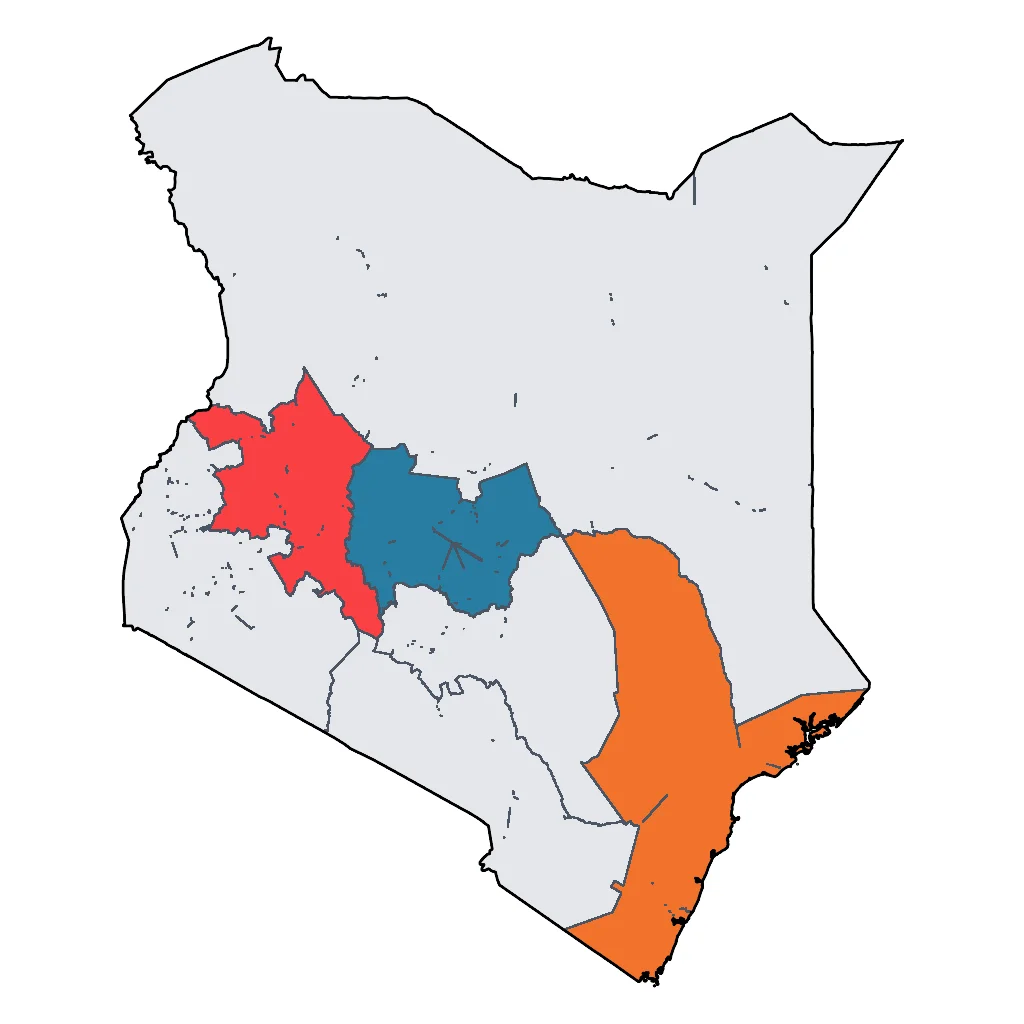

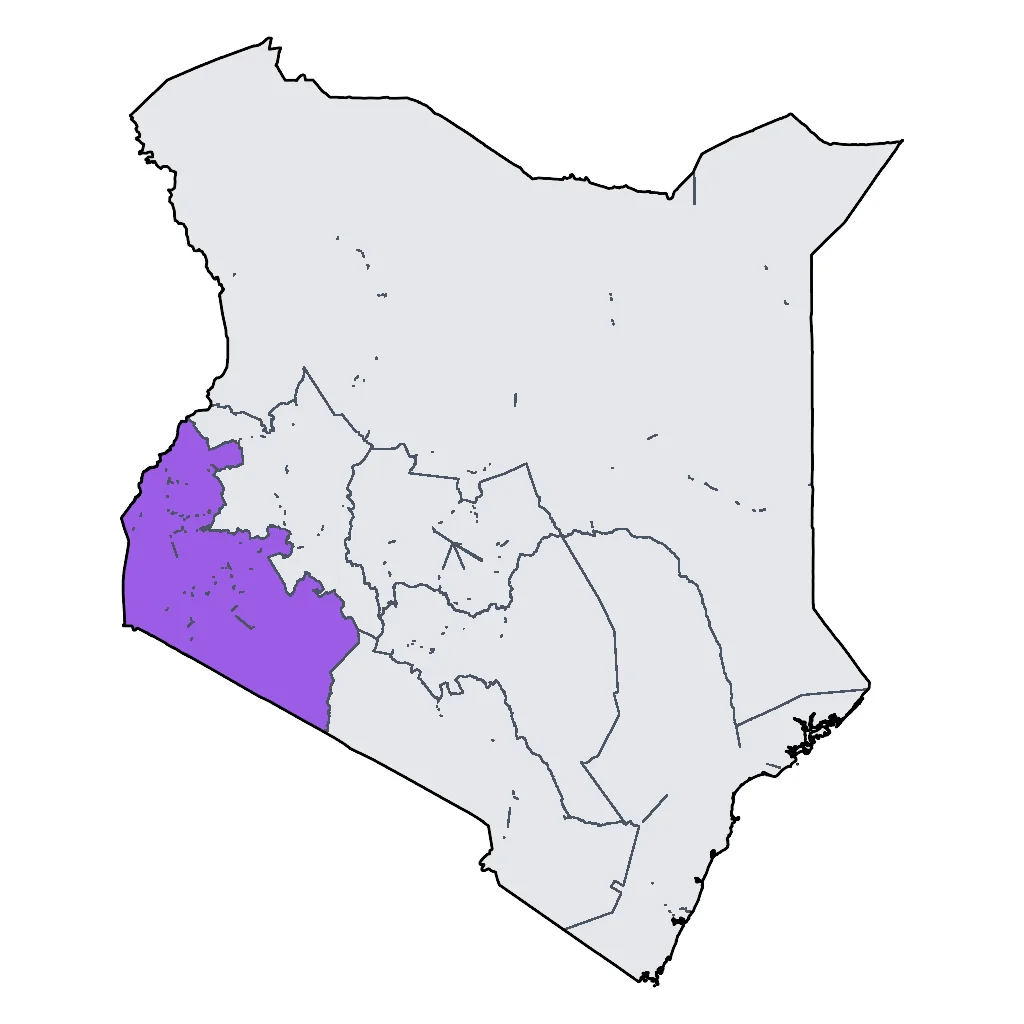
The Masai Mara is widely considered the jewel of Kenya's wildlife areas and offers the quintessential African safari experience. The landscape is a vast, rolling canvas of golden grasslands dotted with iconic acacia trees, providing the perfect stage for the Big Five (lion, leopard, elephant, buffalo, and rhino). For families, the high density of animals means there is rarely a dull moment; children are likely to see lions resting in the shade or cheetahs scanning the horizon from atop termite mounds.
The region's most famous event is the Great Migration, which typically takes place between July and October. During this time, over a million wildebeest and zebras flood the plains, crossing the crocodile-infested Mara River in a dramatic display of survival. Even outside migration season, the resident wildlife is spectacular year-round. The open terrain makes spotting animals easier than in bushier parks, which helps keep younger children engaged.
Beyond the game drives, the region offers rich cultural encounters. Visiting a traditional Maasai boma (village) allows families to learn about the semi-nomadic lifestyle of the Maasai people. Kids can learn how to make fire with sticks, try beadwork, or watch the famous jumping dance. Many camps located in the private conservancies bordering the main reserve offer Junior Ranger programs, teaching kids how to identify tracks and droppings.
Practical Tips for Families: The roads from Nairobi to the Mara can be rough, so many families opt to fly into one of the local airstrips to maximize comfort and time. Early morning hot air balloon safaris are a splurge activity available here, offering a gentle and silent perspective of the ecosystem that captivates children and adults alike. Accommodation ranges from fenced lodges with pools—ideal for younger kids—to unfenced tented camps that offer a thrilling immersion in nature for older teenagers.
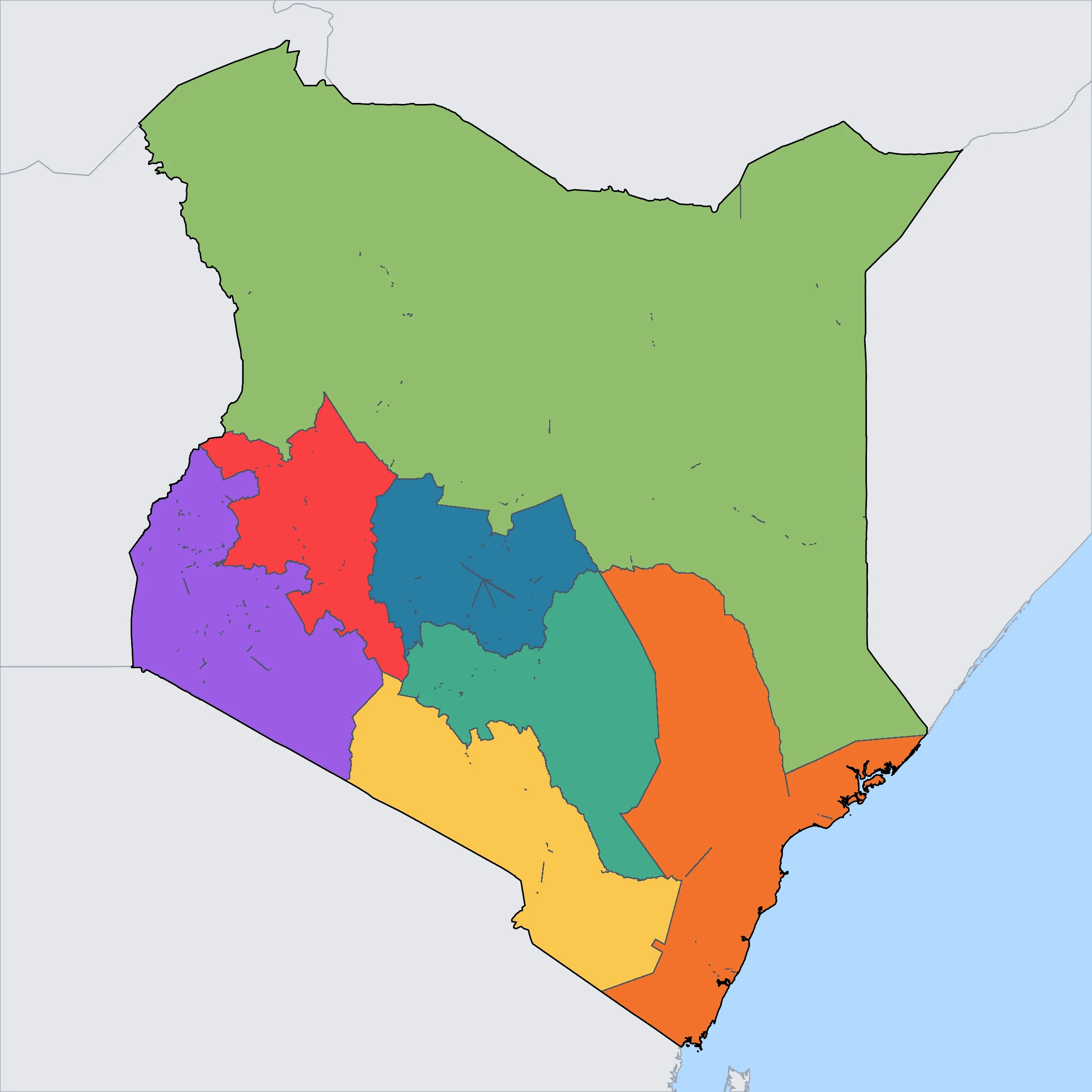
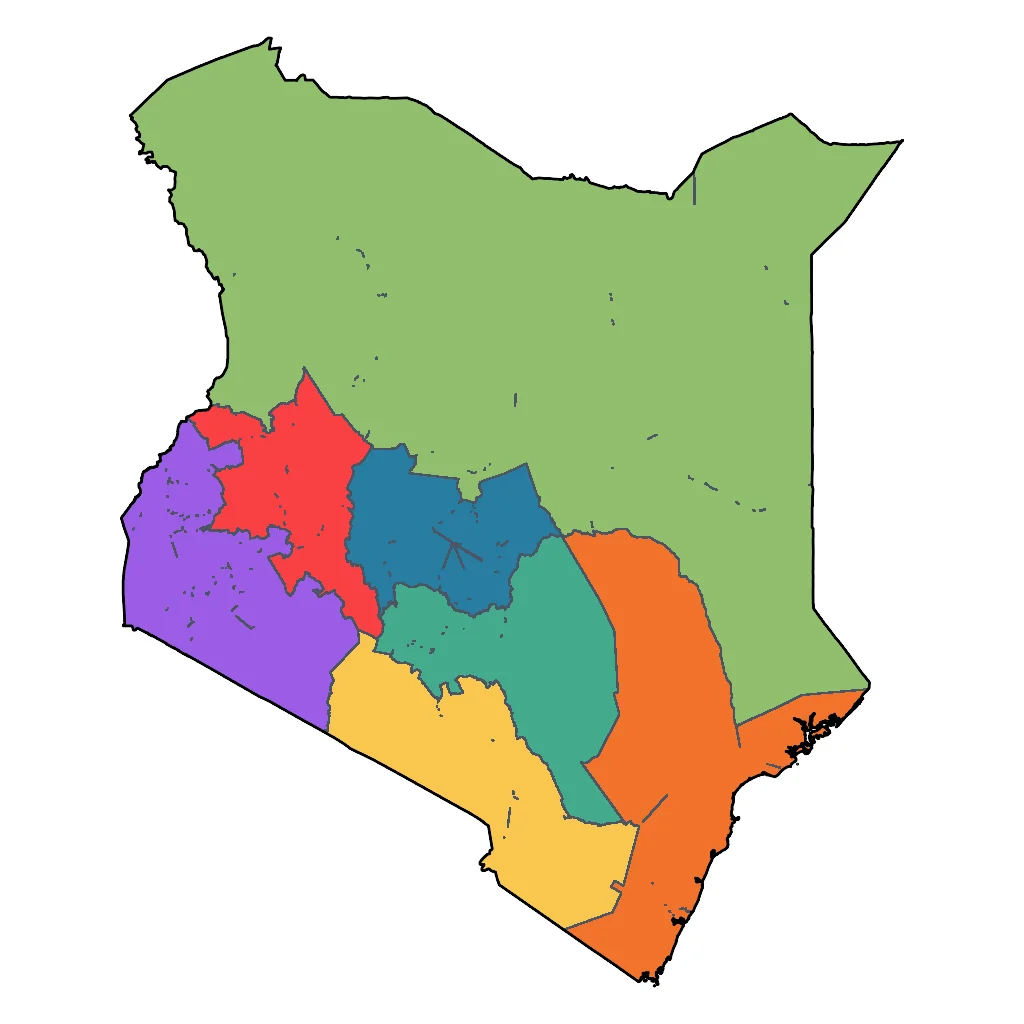
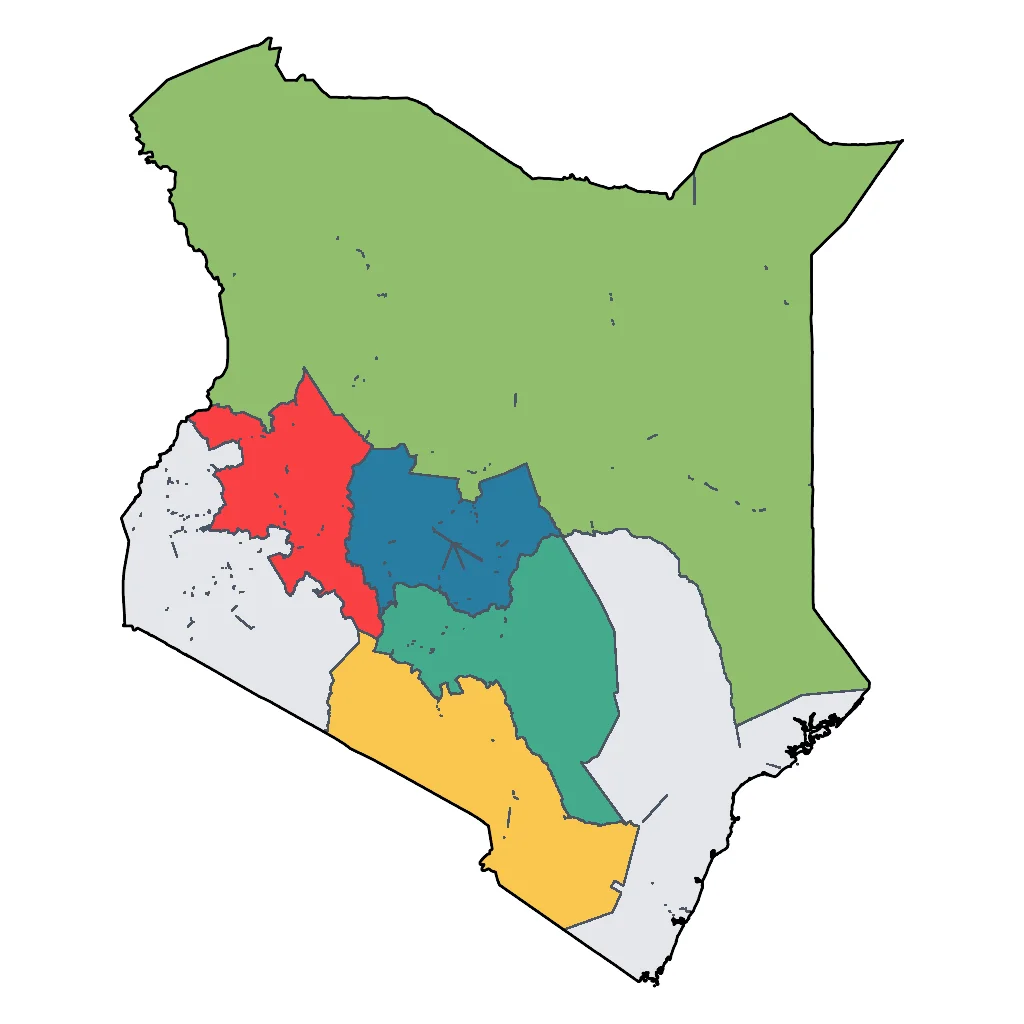
Click a region to explore

Activities & Best Times
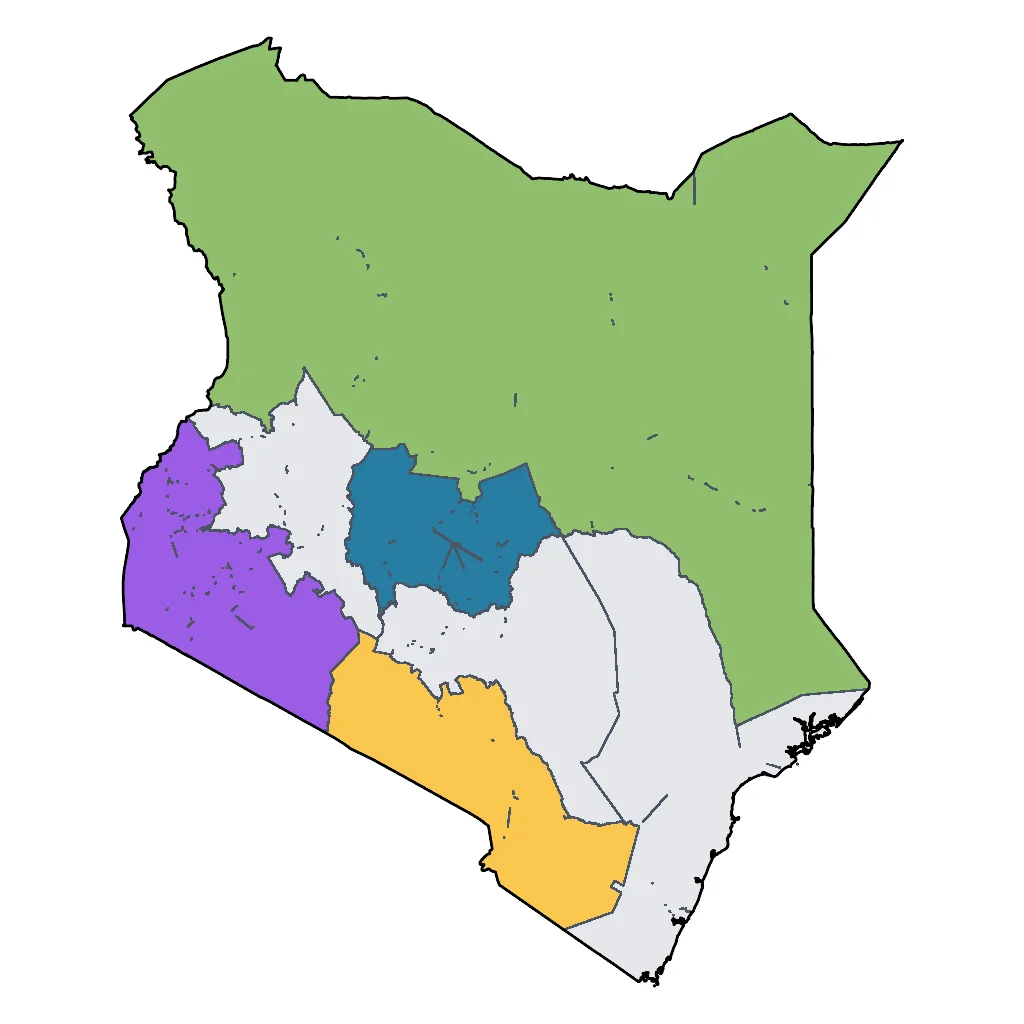
Hiking, wildlife, outdoor exploration, ecotourism
A global benchmark for wildlife, featuring the Big Five and the world-renowned Great Migration in a pristine, authentic ecosystem. Peak months (Jul-Oct) offer the migration spectacle and dry conditions (<110mm), while April-May are off-season due to heavy rains making tracks difficult.
Amusement parks, family entertainment venues
Recognized as a premier natural 'safari park' that provides sophisticated, world-class family entertainment through professionally guided wildlife encounters. High-visibility dry seasons offer peak experiences, while the 'long rains' in April and May significantly limit the comfort and accessibility of game drives for children.
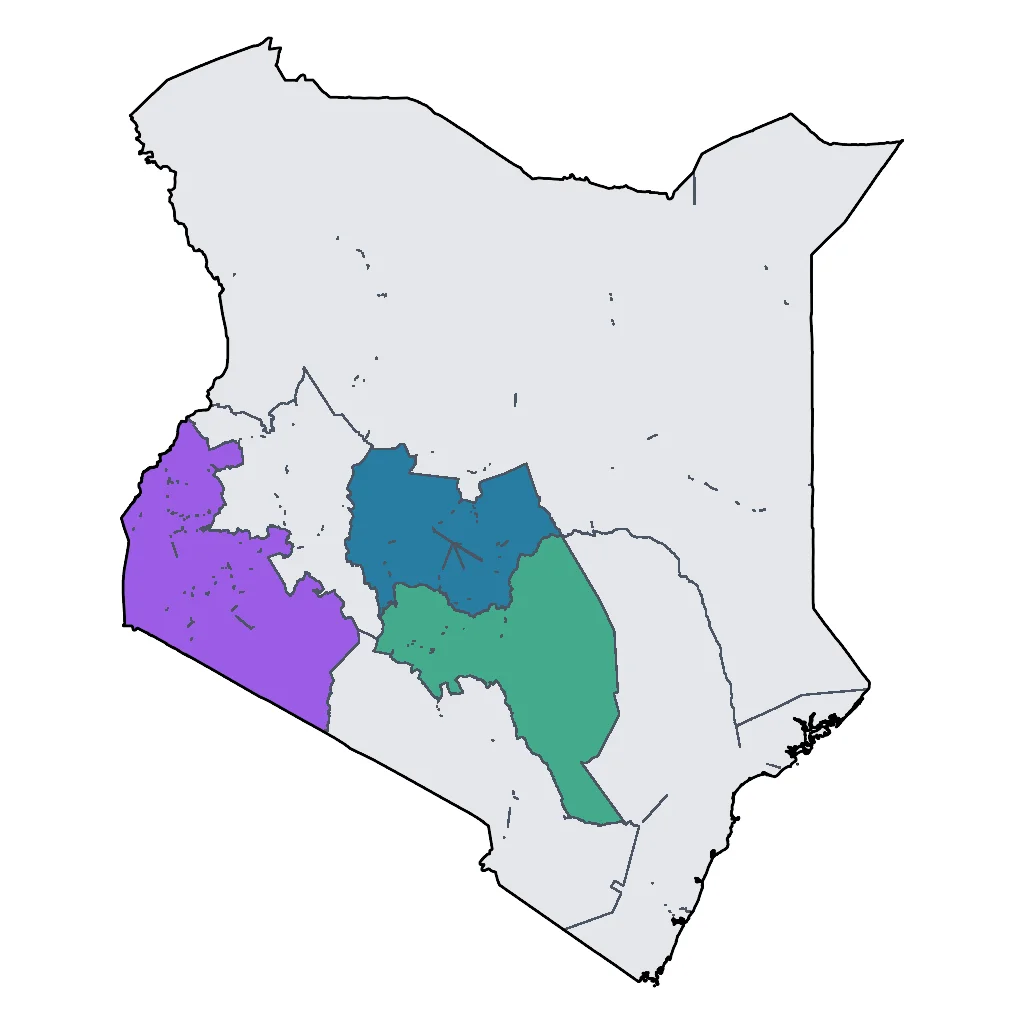

Learning experiences, scientific sites, historical education
Outstanding opportunities for immersive learning through 'Junior Ranger' programs and authentic Maasai cultural exchanges. Weather-dependent outdoor classrooms are best during drier peak months; heavy precipitation in April and May limits access to local villages and educational nature walks.
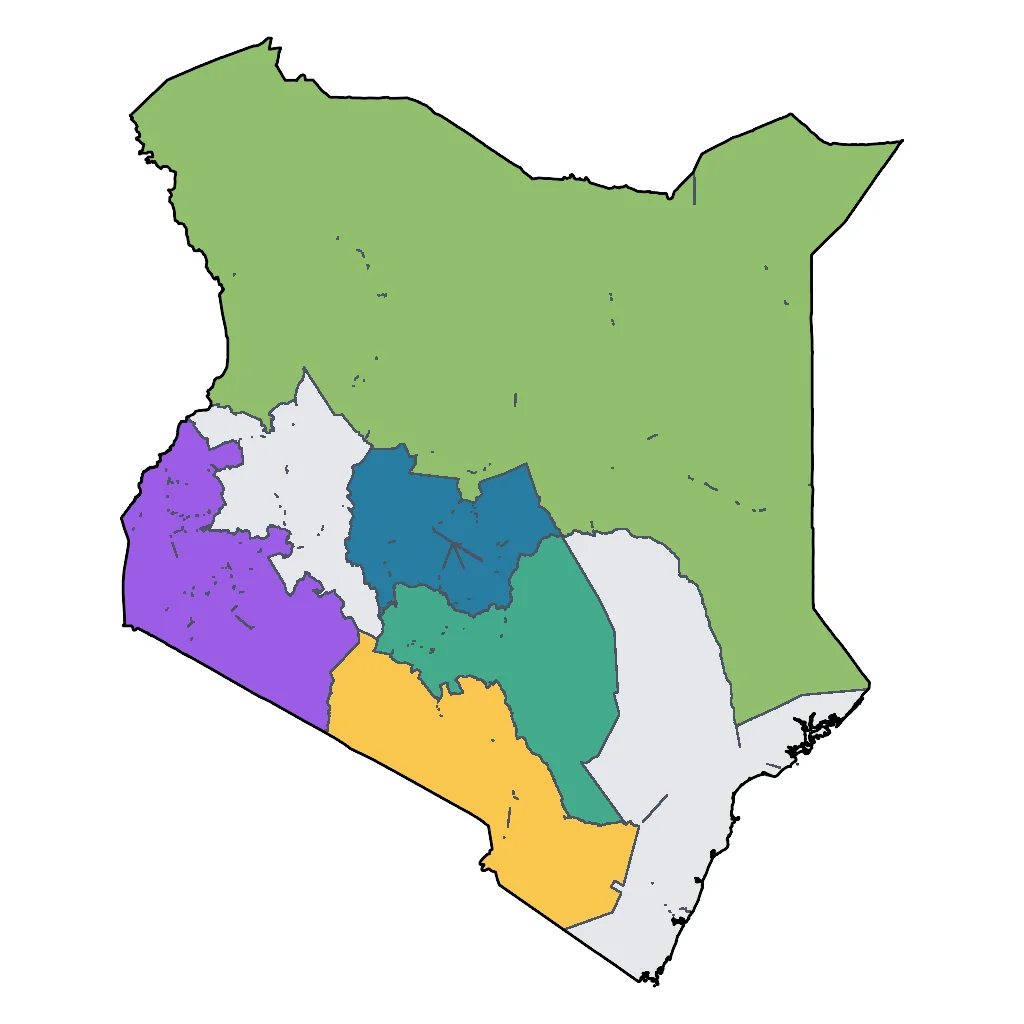

Events, celebrations, seasonal attractions
The Great Migration is a seasonal natural phenomenon, not a festival/cultural event. No major-international-festival-cultural-event attraction exists. Downgrade from 'excellent' to 'good' as it is a strong seasonal draw but should not be equated with world-class festival destinations like Edinburgh, Rio, or Munich.

Spa retreats, wellness centers, peaceful getaways
Exclusive luxury conservancy lodges provide world-class spa facilities and serene nature immersion. Peak months offer low humidity and optimal temperatures for outdoor wellness; high rainfall and humidity in April-May can disrupt the tranquil, open-air lodge experience.
Scenic drives, countryside tours, route-based travel
Offers spectacular landscapes but rugged, challenging road conditions better suited for adventure than luxury scenic touring. Peak dry months are essential for safely navigating the terrain; April and May are unsuitable as heavy rains often make regional roads impassable for international standards.

Sport tourism, fitness activities, active recreation
Active options include hot air ballooning and walking safaris in private conservancies, offering a more physical engagement with the landscape. These rely on stable weather and clear skies found in the peak dry months, with seasonal rains frequently causing cancellations of aerial activities.