

For families seeking a destination completely removed from mass tourism, Kiribati (pronounced Kiribas) offers a unique challenge and reward. Straddling the equator, this nation consists of 33 coral atolls scattered across a vast expanse of the central Pacific. It is not a place for poolside lounging or kids' clubs; it is a destination for adventurous families ready to experience island life in its most fundamental form. The environment is dominated by water, with narrow strips of land offering endless views of the horizon.
History provides a compelling draw on the main atoll of South Tarawa. In the town of Betio, families can walk among significant World War II relics. Rusted coastal defense guns, bunkers, and tanks remain visible on the beaches and in the shallow waters, offering a tangible history lesson regarding the Pacific theater. These sites are accessible and provide a sobering but educational experience for older children and teenagers interested in history.
Nature is the primary playground here. On Kiritimati (Christmas Island), the world's largest coral atoll, families can witness massive colonies of nesting seabirds and explore vast, shallow lagoons. The snorkeling is exceptional, with warm, clear water and abundant marine life, though families must bring their own equipment. Fishing is also world-class; even young children can enjoy hand-line fishing with locals in the calm lagoon waters.
Cultural immersion is inevitable and welcoming. The maneaba (community meeting house) is the center of social life. Visitors are often invited to sit on pandanus mats to watch traditional dancing and singing, which are energetic and central to the I-Kiribati identity. The culture is communal and family-oriented, meaning children are greeted with genuine warmth everywhere they go.
Practical Considerations for Families: Travel to Kiribati requires careful planning. Accommodation is generally basic, ranging from simple hotels in South Tarawa to open-sided, thatched huts known as kiakia on outer islands. The currency used is the Australian Dollar. Dining options are limited, relying heavily on fresh seafood, coconut, breadfruit, and imported rice; families with dietary restrictions should pack supplemental snacks. Medical facilities are extremely limited, so comprehensive travel insurance and a robust first-aid kit are mandatory. Public transport consists of minivans and ferries, which can be crowded but offer a vivid slice of local life.

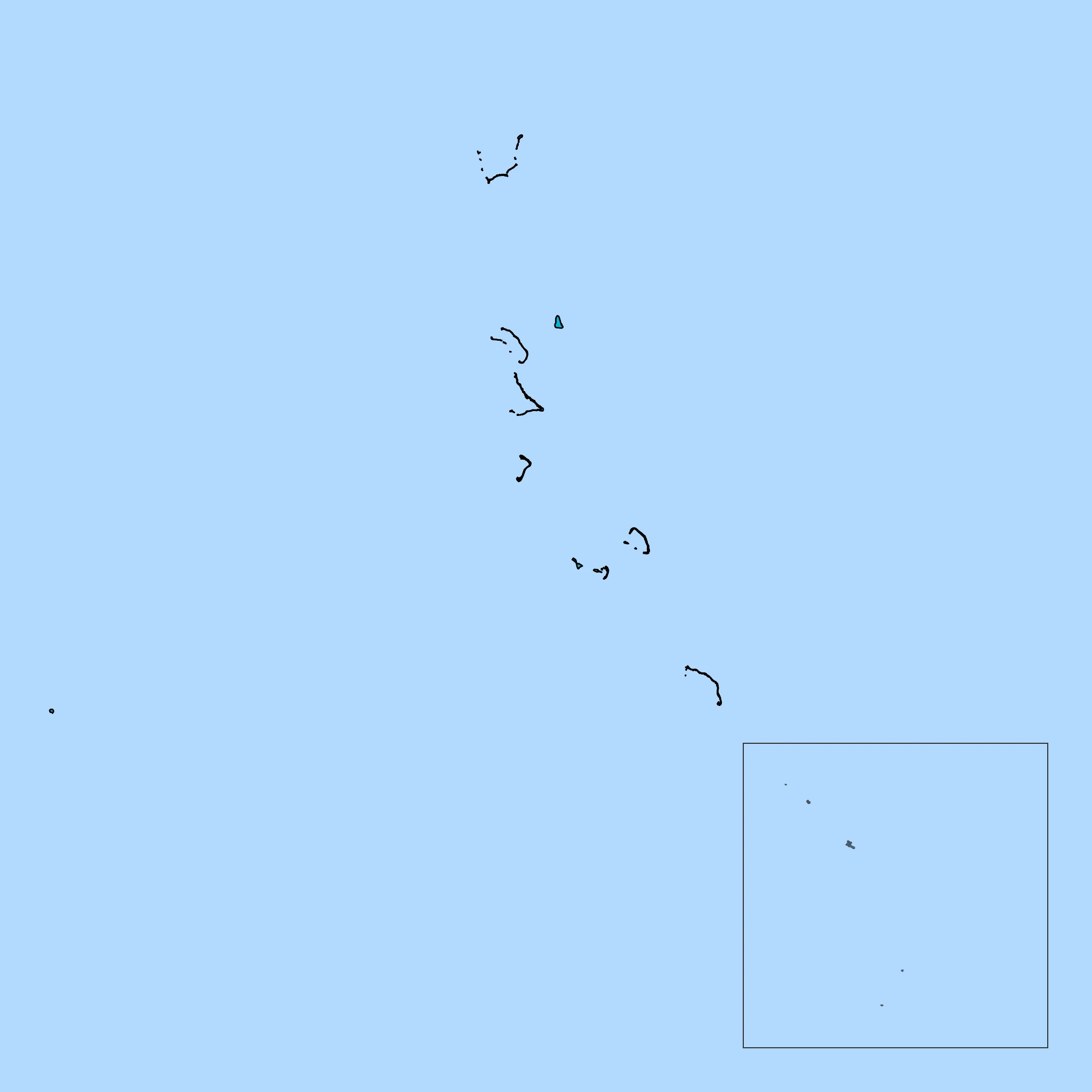
Map

Activities & Best Times
Beach & Sea
Very GoodBeach resorts, marine activities: diving, snorkelling, kite surfing, wind surfing, sailing
Kiribati offers an incredibly authentic and uncrowded Pacific experience with pristine lagoons and world-class marine biodiversity. The peak period (Aug-Nov) features the lowest rainfall and highest sea visibility, while the high precipitation in early year (especially April at 241mm) can disrupt travel and reduce water clarity.

Adventure & Nature
GoodHiking, wildlife, outdoor exploration, ecotourism
PIPA, cited as primary evidence, is functionally inaccessible to tourists (research permits only, no commercial access). Actual visitor-accessible nature experiences are limited to basic atoll exploration and snorkeling. 'good' better reflects the real adventure/nature offering compared to internationally calibrated destinations.

Educational & Exploratory
GoodLearning experiences, scientific sites, historical education
The region provides a poignant educational experience through its extensive WWII relics, particularly on Tarawa, and insights into climate change impacts. Exploration of historical coastal sites is best achieved when rainfall is minimal, as heavy equatorial rains can make these outdoor sites difficult to access.

Sports & Active
GoodSport tourism, fitness activities, active recreation
Rating is anchored almost entirely on Kiritimati fly fishing, which is world-class but extremely niche (serving a few hundred visitors annually). No broader sports infrastructure exists - no organized diving operations, water sports rentals, or land-based sporting facilities. A single niche activity does not justify 'very_good' for the overall sports/active category.

City & Cultural
MarginalUrban tourism, museums, historical sites, architecture
South Tarawa offers a look into authentic Micronesian 'maneaba' culture and local traditions that remain largely uncommercialized. Cultural exploration is significantly more comfortable during the dry season to avoid the logistical challenges posed by urban flooding during the monsoon-like peaks of March and April.

Relaxation & Wellness
MarginalSpa retreats, wellness centers, peaceful getaways
While lacking international-standard luxury spas, Kiribati offers a unique 'off-grid' mental reset for sophisticated travelers seeking total disconnection. The driest months (Aug-Nov) offer the most pleasant conditions for outdoor relaxation and enjoying the serene lagoon environments.

Attractions
15 attractions to explore. Click markers for details.

Airports & Flight Routes
Toggle options to view domestic routes and international airports. Click an airport for details.
Climate & Weather
Climate Overview
| Month | Temp (°C) | Rain (mm) | Humidity | Wind (m/s) |
|---|

Travel Advisory
Standard safety awareness applies; no elevated risks are currently identified by major agencies.
Safety Topics
Traveller Advice (3 groups)

To respect local culture and minimize unwanted attention, women are encouraged to dress modestly by covering their knees and shoulders.

Same-sex sexual acts are legally prohibited and can carry prison sentences. Discretion is advised as local societal attitudes remain conservative.

Ensure you have comprehensive travel insurance that specifically covers emergency medical repatriation by air, as local care is insufficient for serious conditions.