

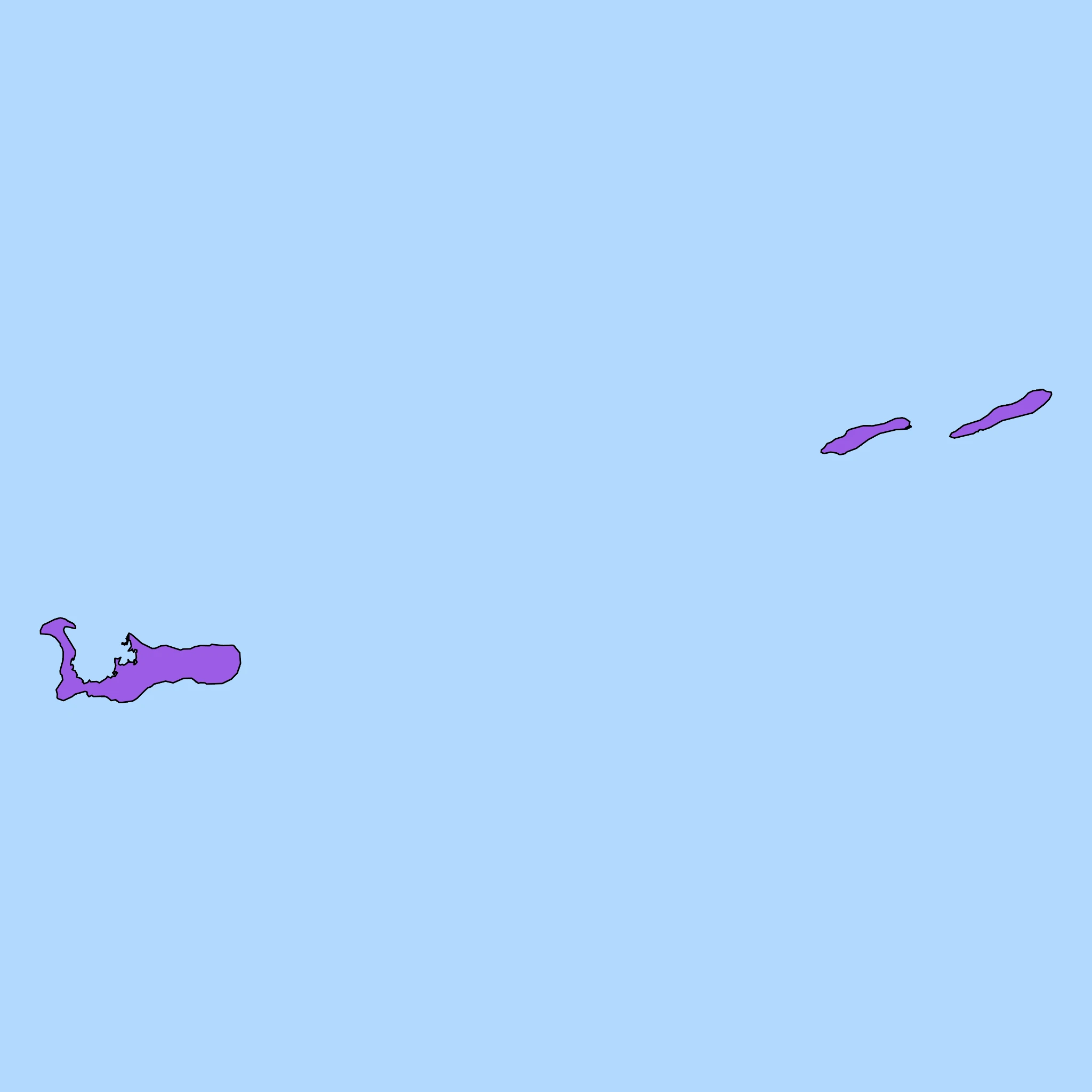
The Cayman Islands, a British Overseas Territory in the western Caribbean, consists of three distinct islands: Grand Cayman, Cayman Brac, and Little Cayman. Known for safety, cleanliness, and infrastructure that rivals North American standards, this archipelago is an excellent choice for families seeking a low-stress tropical getaway. The islands are formed of coral limestone, resulting in flat terrain and beaches with remarkably soft, cool sand.
Most families base themselves on Grand Cayman, home to the famous Seven Mile Beach. Despite its name, this stretch of coral sand is actually about 5.5 miles long, but it offers plenty of space for building sandcastles and swimming in water so calm it often looks like a swimming pool. The gradual entry into the sea makes it particularly safe for toddlers and new swimmers. Just inland, the town of Camana Bay provides a pedestrian-friendly break from the beach, featuring interactive fountains for children to run through, an observation tower with views across the island, and family-oriented restaurants.
Wildlife encounters here are hands-on and accessible. The most iconic excursion is Stingray City, a series of shallow sandbars where families can stand in waist-deep water while gentle southern stingrays glide past. It is a unique opportunity for older children to touch these velvety creatures in their natural habitat. For younger kids, Starfish Point offers a chance to see large red cushion sea stars in shallow water. The Cayman Turtle Centre allows visitors to view green sea turtles at various life stages, from hatchlings to massive adults, and learn about local conservation history.
For families willing to venture further, Little Cayman offers a remote escape with a population of under 200 people. It is famous for marine life, but land-based families will enjoy spotting the rare Sister Islands Rock Iguana, which has the right of way on the roads. Cayman Brac is more rugged and features a limestone bluff with caves that adventurous children can explore to learn about pirate lore.
Practically, the Cayman Islands are among the safest destinations in the Caribbean. Tap water is potable, supermarkets stock familiar international brands, and modern medical care is readily available. Driving is on the left, and while the Cayman Islands Dollar (KYD) is the official currency, US dollars are accepted almost everywhere. The territory is often dubbed the "Culinary Capital of the Caribbean," meaning parents can enjoy fresh mahi-mahi or conch fritters while kids find ample options for burgers, pizza, and gelato.

Map

Activities & Best Times

Beach & Sea
ExcellentBeach resorts, marine activities: diving, snorkelling, kite surfing, wind surfing, sailing
Home to world-renowned Seven Mile Beach and the unique Stingray City, offering crystal-clear waters and top-tier diving at Bloody Bay Wall. Peak months align with the lowest rainfall and optimal sea visibility; shoulder months are warm but see increased tropical showers; September and October are off-peak due to high hurricane risk and heavy rain.

Relaxation & Wellness
Very GoodSpa retreats, wellness centers, peaceful getaways
Features sophisticated luxury spa resorts and a safe, peaceful environment ideal for families seeking high-end tranquility. The dry season (Dec-Apr) provides the most comfortable humidity levels; the wet season (Sep-Oct) is less suitable due to oppressive humidity and frequent heavy downpours.

Sports & Active
Very GoodSport tourism, fitness activities, active recreation
Offers world-class scuba diving infrastructure, high-quality golf courses, and excellent sailing conditions. Optimal conditions occur during the drier, cooler months; the autumn months are avoided due to the potential for stormy weather and rougher seas that can impact marine activities.

Adventure & Nature
GoodHiking, wildlife, outdoor exploration, ecotourism
Unique opportunities to explore Crystal Caves and the Blue Iguana conservation programs provide authentic nature encounters. The dry season is peak for hiking the Cayman Brac bluff and exploring caves; peak hurricane season (Sep-Oct) makes outdoor exploration challenging and less safe.

Educational & Exploratory
GoodLearning experiences, scientific sites, historical education
Excellent marine biology and conservation learning at the Cayman Turtle Centre and Queen Elizabeth II Botanic Park. Dry months offer the best access to these outdoor-focused facilities; heavy tropical rains in late summer and autumn can result in temporary closures or limited outdoor exhibit access.

City & Cultural
MarginalUrban tourism, museums, historical sites, architecture
George Town offers colonial history and maritime heritage, though it is smaller and more commercialized than world-class cultural capitals. The dry season (Dec-Apr) is the most pleasant for walking tours; the summer heat and high cruise passenger volume in the off-season can detract from the experience.

Festivals & Seasonal
MarginalEvents, celebrations, seasonal attractions
Pirates Week and CayMAS/Batabano are enjoyable local events but are small-scale compared to internationally calibrated festival destinations. They are not primary trip drivers and do not match the scale or international draw of 'good' festival destinations like those in Spain, Brazil, or India.

Road Trips & Scenic
MarginalScenic drives, countryside tours, route-based travel
Grand Cayman's well-maintained coastal roads allow for scenic drives to the authentic East End, though the island's small size limits exploration. Clear skies and mild temperatures from Dec-Apr offer the best driving conditions compared to the heavy rains of the hurricane season.

Theme Park & Entertainment
MarginalAmusement parks, family entertainment venues
The Cayman Turtle Centre serves as a primary family attraction with international recognition in conservation, though it lacks the scale of global theme parks. Best visited in the dry season to comfortably enjoy the outdoor enclosures and interactive lagoons.

Attractions
41 attractions to explore. Click markers for details.

Airports & Flight Routes
Toggle options to view domestic routes and international airports. Click an airport for details.
Climate & Weather
Climate Overview
| Month | Temp (°C) | Rain (mm) | Humidity | Wind (m/s) |
|---|

Travel Advisory
The Cayman Islands are broadly considered safe with no elevated security risks. Standard travel safety awareness is sufficient.
Safety Topics
Traveller Advice (2 groups)

While same-sex relationships are legal, local social attitudes can be conservative. Public displays of affection may attract unwanted attention, though the islands are generally welcoming to tourists.

Isolated incidents of sexual assault and verbal harassment have been reported. Women traveling alone should exercise vigilance, particularly at night or in secluded beach locations.