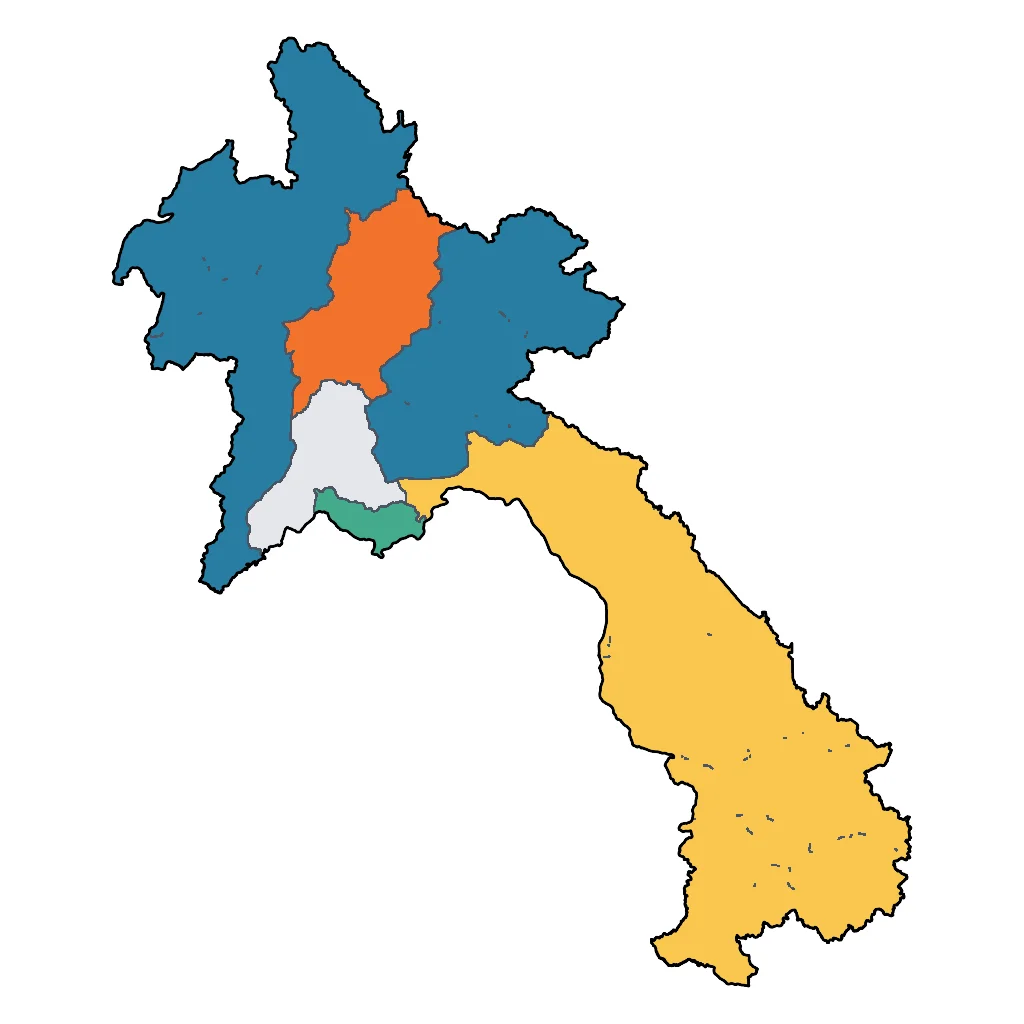

Vang Vieng sits halfway between Vientiane and Luang Prabang and is defined by its striking geography: towering limestone karsts that rise vertically from flat rice paddies. Once known as a backpacker party hub, the town has successfully rebranded itself as an adventure capital for all ages, including families. The scenery is arguably the most dramatic in Laos, often compared to Ha Long Bay on land.
Water activities are central to the Vang Vieng experience. The Blue Lagoons (numbered 1, 2, 3, etc.) are natural spring-fed pools popular for swimming. Blue Lagoon 1 is the most accessible and has life jackets, swings, and picnic huts, though it can get busy. For a quieter experience, Blue Lagoon 3 offers similar beauty with fewer crowds. Kayaking on the Nam Song River is a gentle activity suitable for families; the current is usually mild, and guides are available to steer. It provides a unique perspective of the mountains and local river life.
On land, families often rent dune buggies (UTVs) to explore the dirt roads leading to caves and viewpoints. This is a dusty but thrilling way to see the countryside. Tham Chang Cave is one of the most family-friendly caves, featuring paved paths, lighting, and a refreshing spring at its base. For a bucket-list experience, Vang Vieng is one of the cheapest places in the world to take a hot air balloon ride. Flights operate at sunrise and sunset, offering calm, panoramic views that are safe for children and truly unforgettable.
The town itself offers plenty of modern conveniences, including Western restaurants, sandwich stalls, and convenience stores. A high-speed train now connects Vang Vieng to Vientiane and Luang Prabang, drastically reducing travel time from a bumpy 4-hour van ride to a comfortable 50-minute train journey, which is a game-changer for traveling with kids.
Travel Notes: While the town is safer than in the past, parents should still exercise caution. Some wooden bridges across the river charge a small toll. When swimming in lagoons or the river, life jackets are recommended for children even if they can swim, as depths vary. The buggies are fun but can be fast; ensure helmets are worn and drive slowly through villages to respect locals.
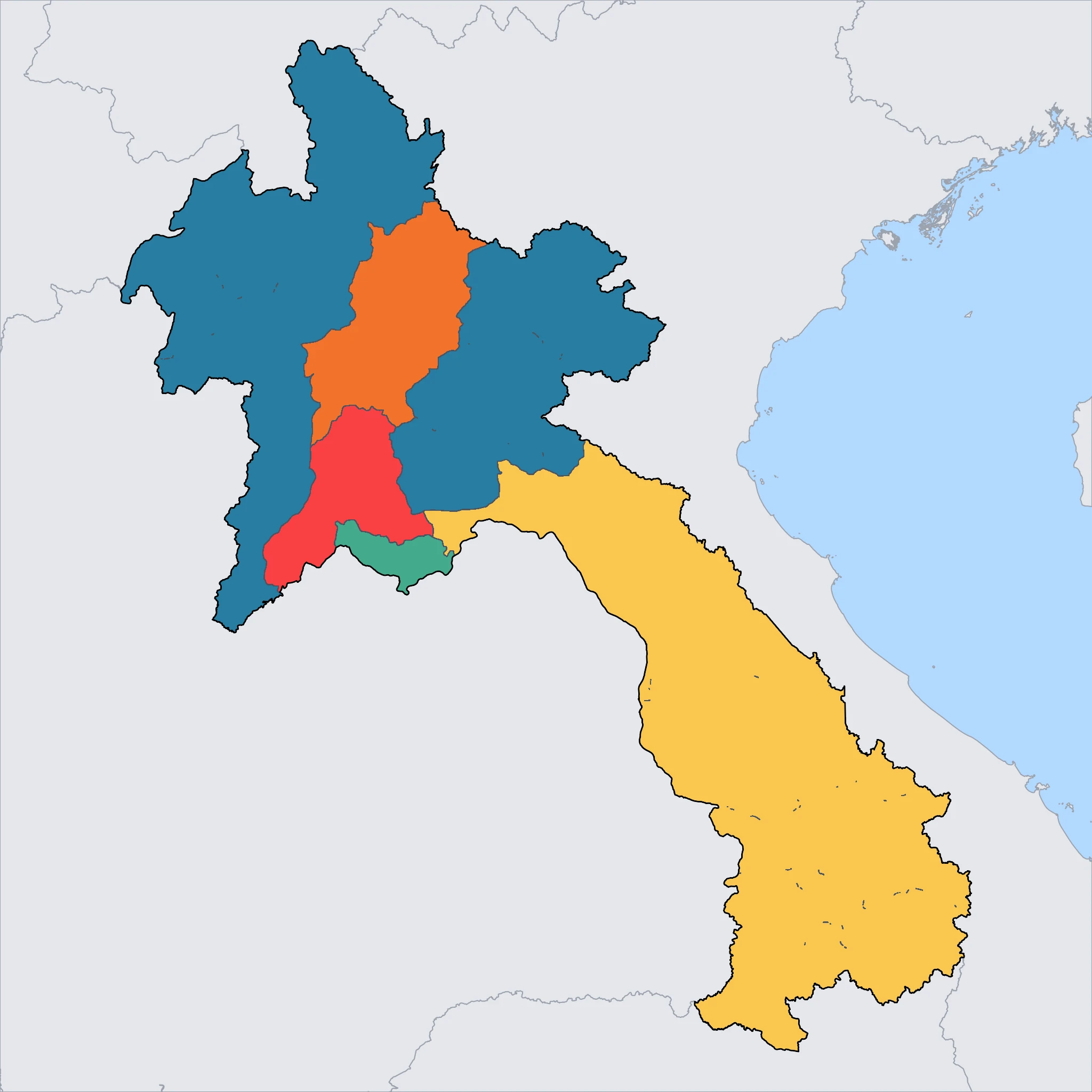
Click a region to explore

Activities & Best Times

Hiking, wildlife, outdoor exploration, ecotourism
Features spectacular limestone karst landscapes and extensive cave systems that offer authentic exploration for active families. Peak months (Nov-Feb) provide dry, mild weather (avg 22-24°C) ideal for hiking, while heavy monsoon rains (May-Sep) make trails muddy and caves potentially inaccessible.
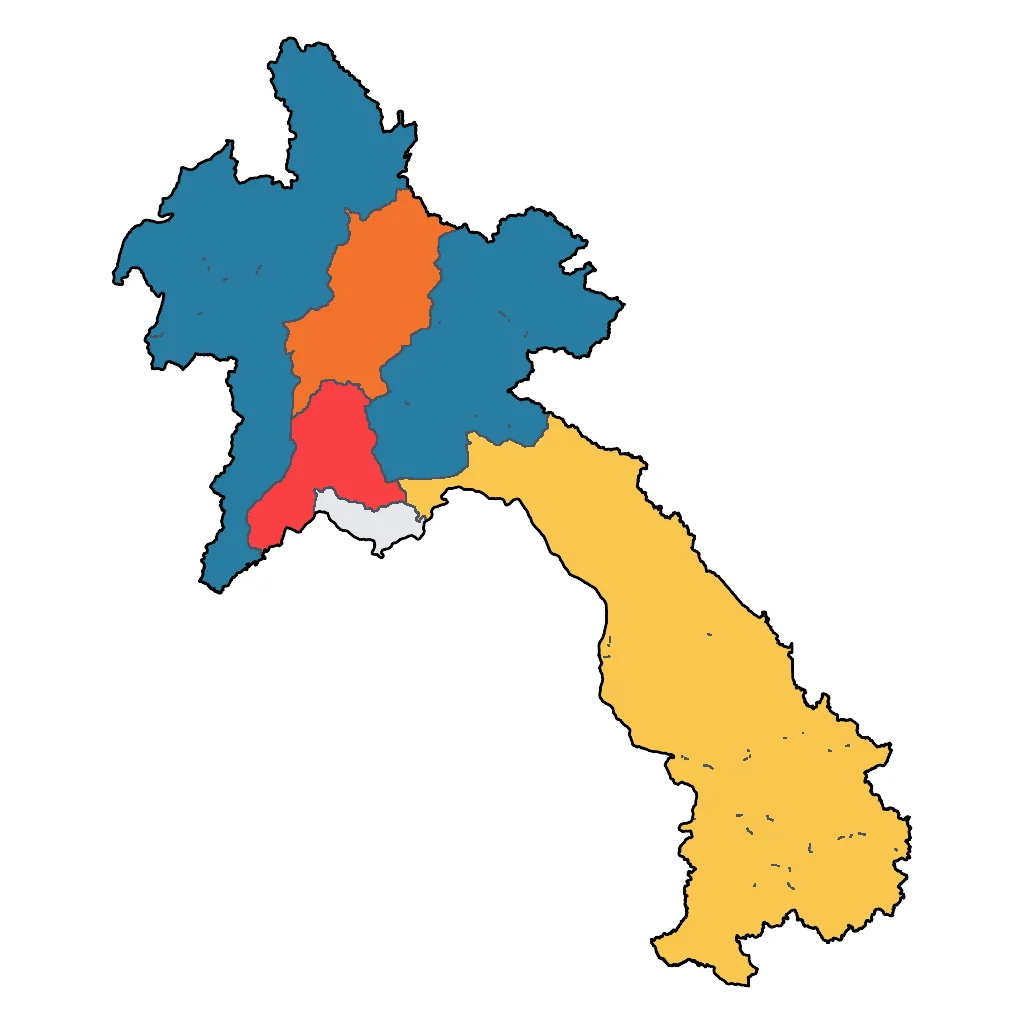

Sport tourism, fitness activities, active recreation
A regional hub for rock climbing, kayaking, and hot air ballooning with professional operators catering to international standards. The dry season (Nov-Feb) offers calm river conditions and optimal visibility, whereas the high rainfall in summer (up to 445mm) creates dangerous river currents and halts aerial activities.
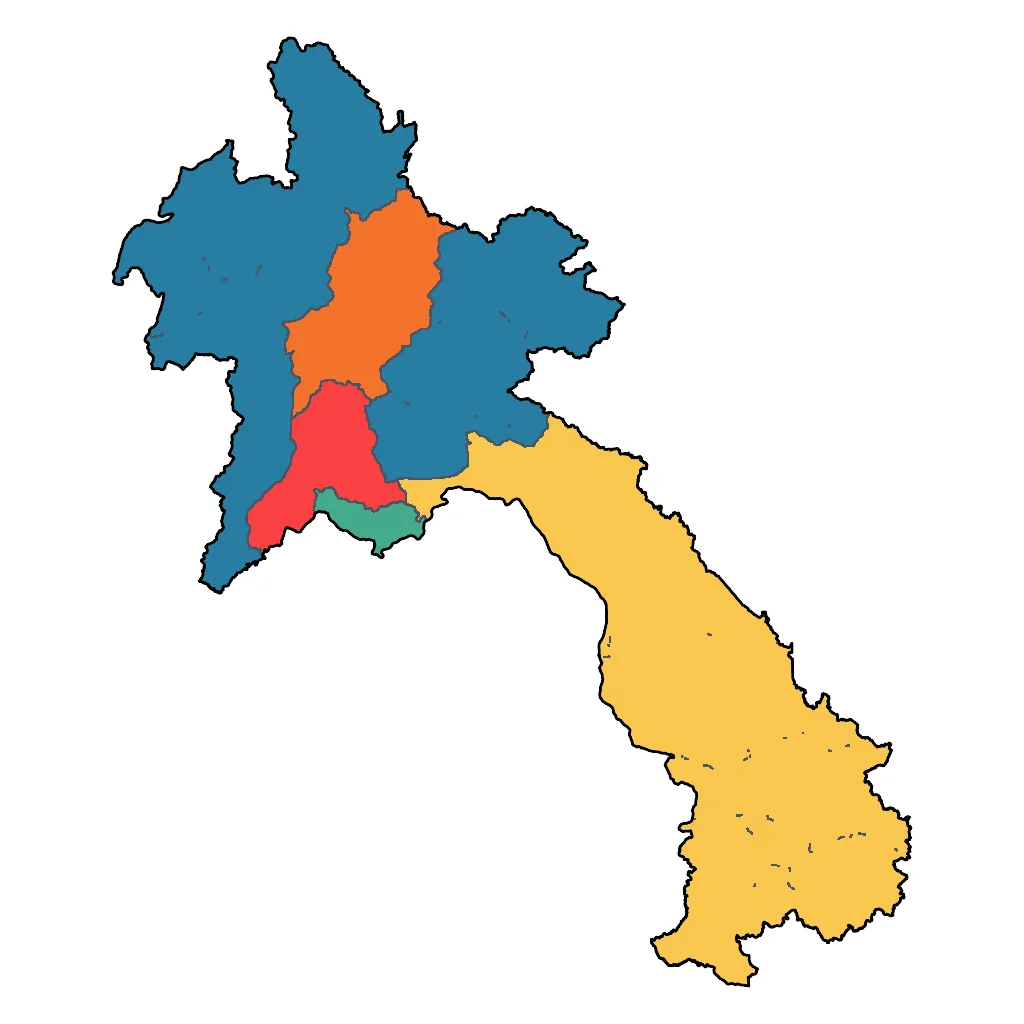

Events, celebrations, seasonal attractions
Host to authentic celebrations of Pi Mai (Lao New Year) in April, involving traditional water festivities and local ceremonies. While the weather in April is extremely hot (max 33.2°C), the cultural significance makes it a peak period for seasonal travel, whereas the rainy season sees few outdoor events.
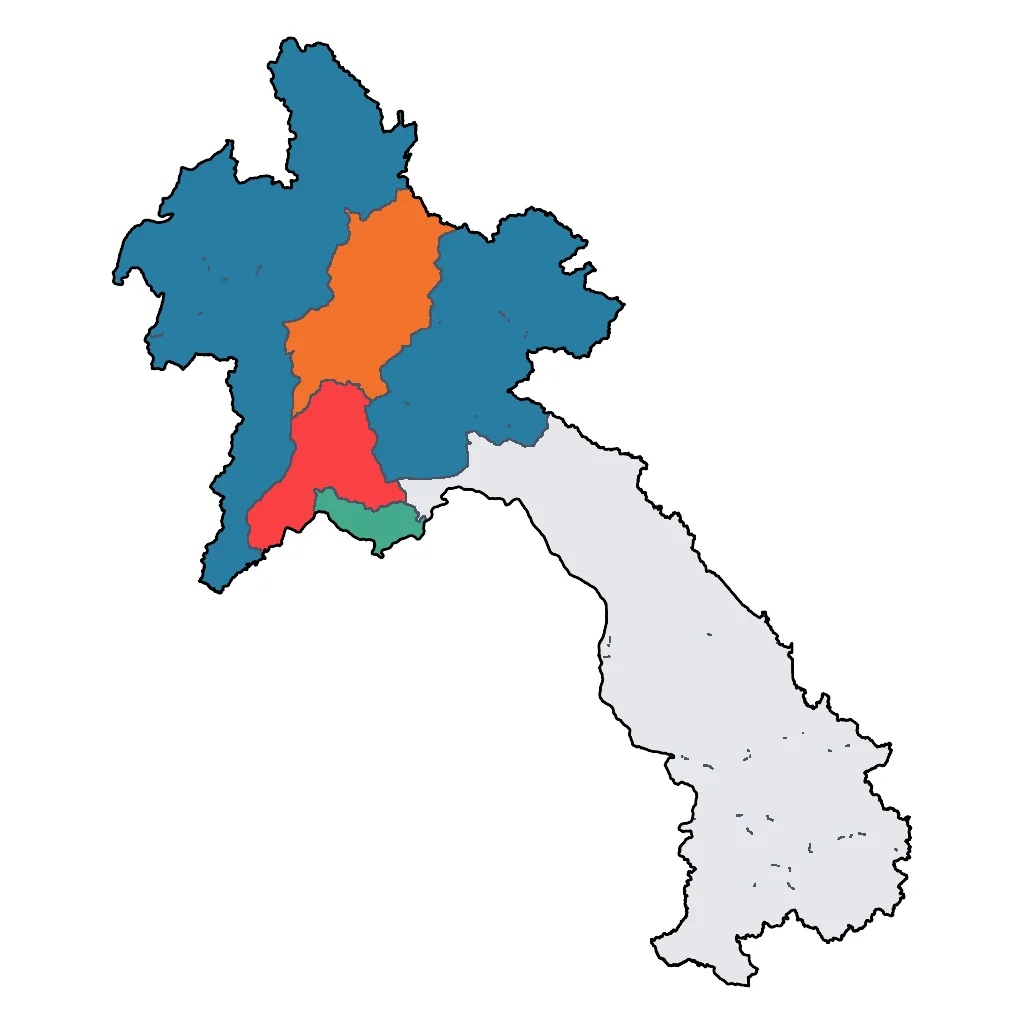

Spa retreats, wellness centers, peaceful getaways
Increasingly sophisticated boutique eco-resorts offer high-end spa services against a backdrop of tranquil river views. Winter months provide low humidity and pleasant temperatures for outdoor wellness; the extreme heat of April and the intense humidity of the monsoon season (May-Sep) detract from the peaceful atmosphere.
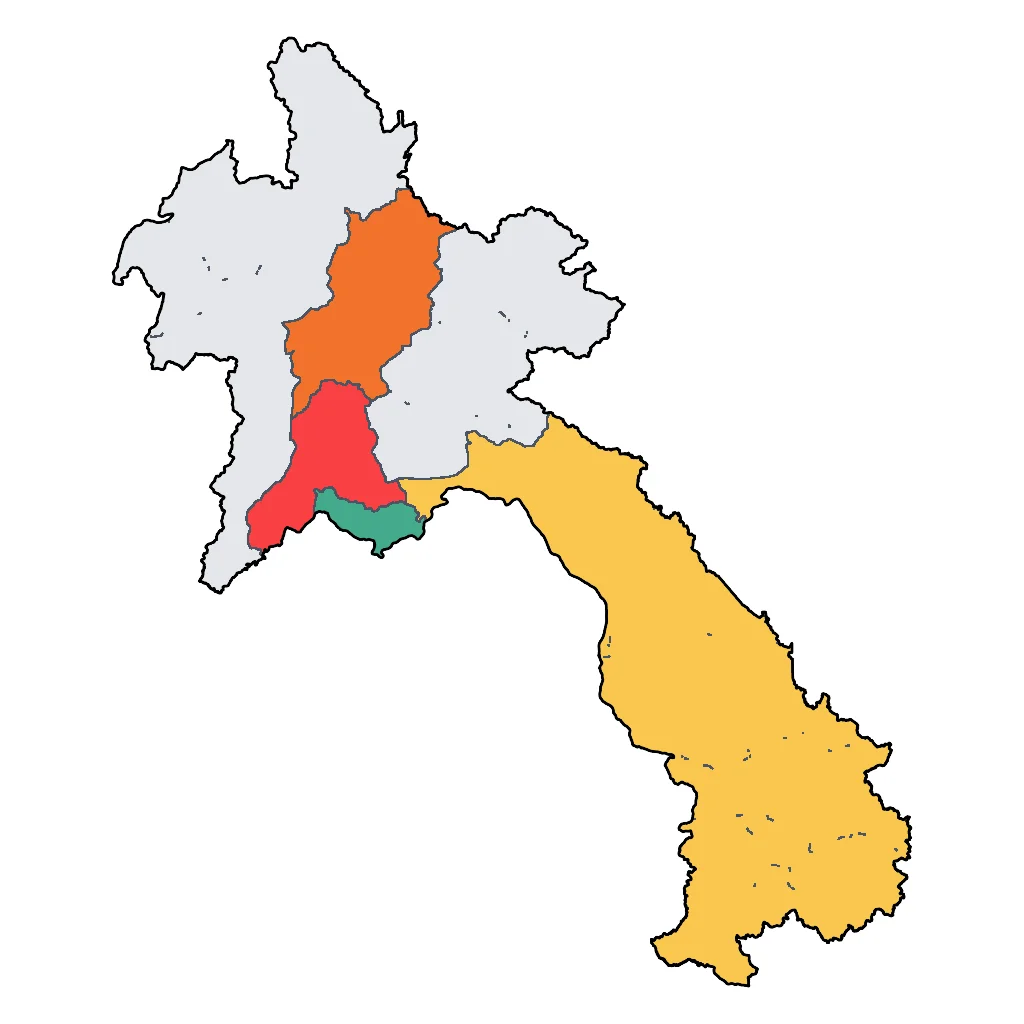

Scenic drives, countryside tours, route-based travel
The journey between Luang Prabang and Vang Vieng offers some of Southeast Asia's most dramatic mountain scenery, now more accessible via new expressways. Visibility is best during the dry peak months; however, the monsoon period (May-Sep) presents significant risks of landslides and dangerous driving conditions on rural mountain passes.
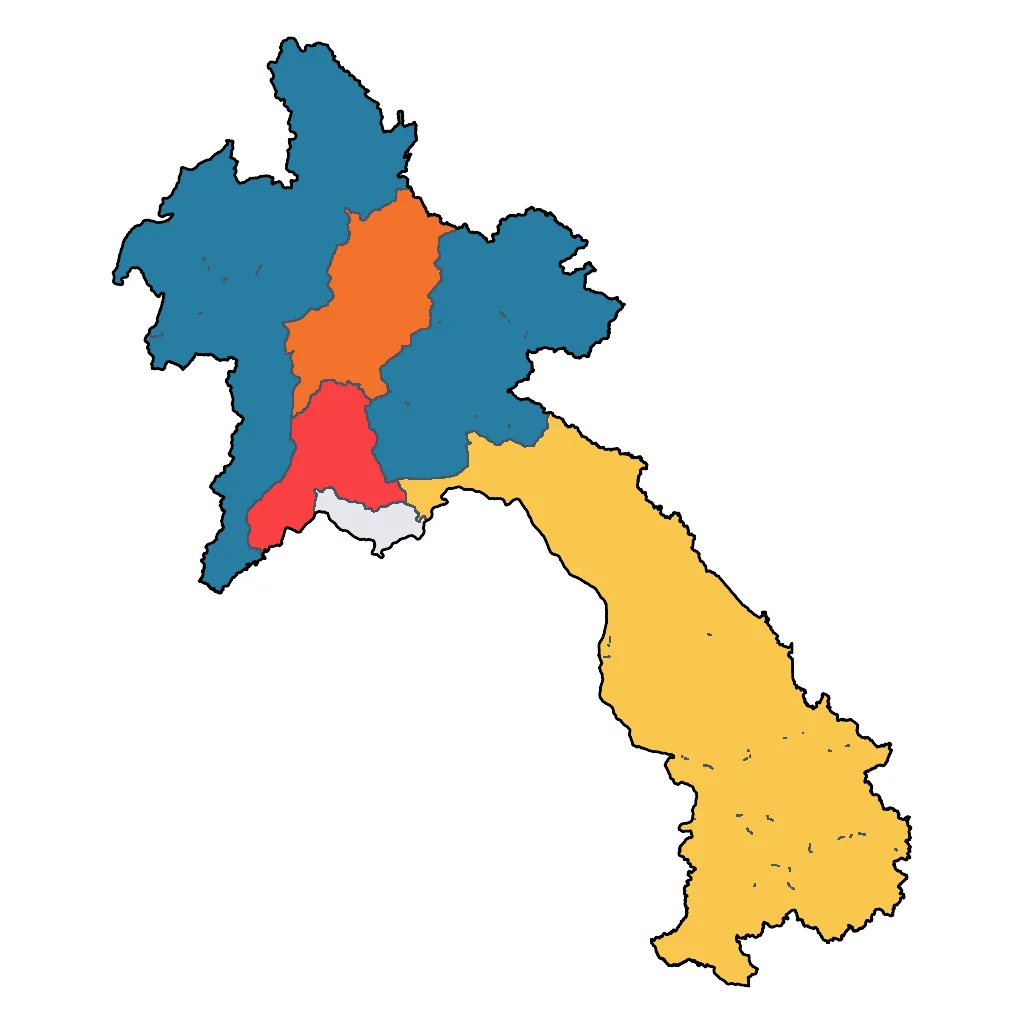

Urban tourism, museums, historical sites, architecture
While primarily a nature hub, the town features several historic Buddhist temples like Wat That and offers insight into local Lao life. It lacks the world-class architectural density of Luang Prabang, making it more of a supplementary cultural stop during the pleasant dry season rather than a primary cultural destination.
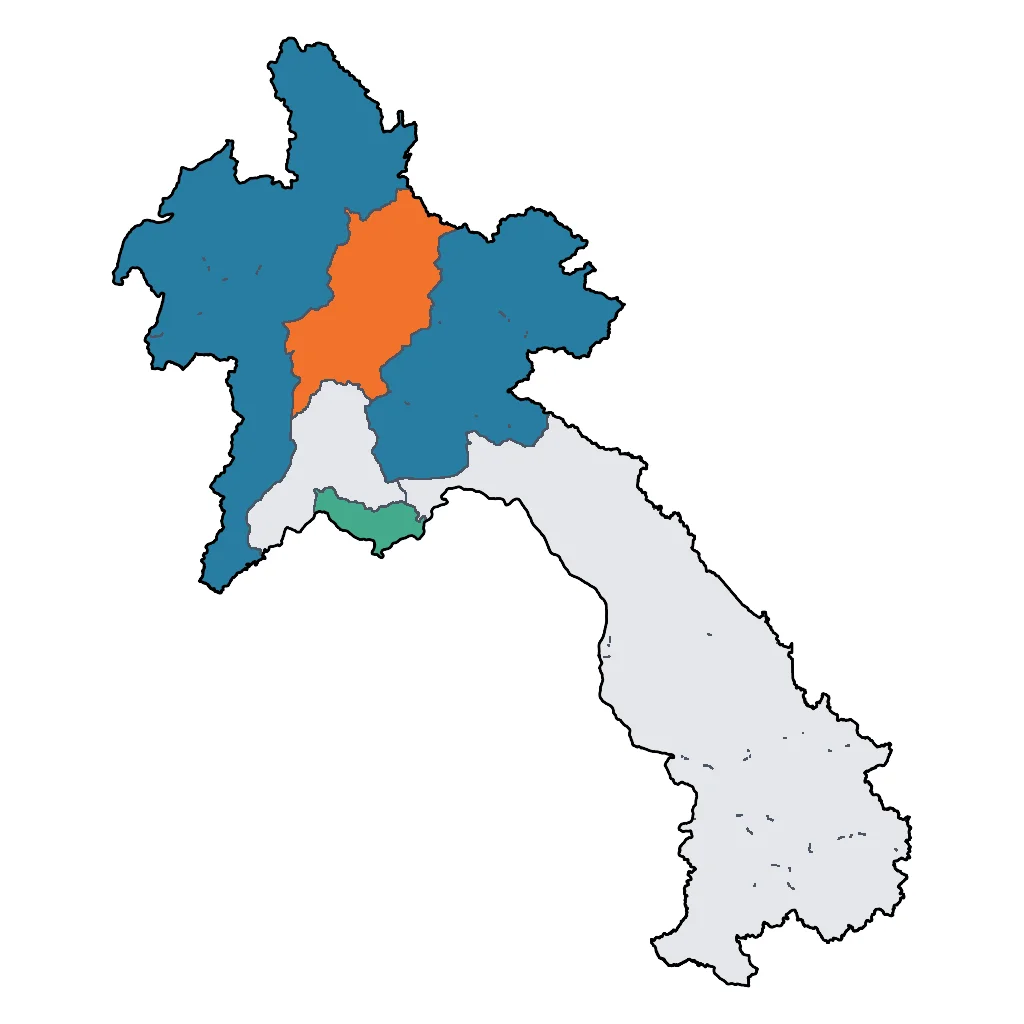

Learning experiences, scientific sites, historical education
Provides opportunities for children to learn about karst geology and traditional Laotian agriculture in a hands-on environment. The educational value is highest when weather permits safe cave exploration and farm visits (Nov-Feb), but it lacks the infrastructure of dedicated international research or museum sites.